
You open a cup that says Greek, dip a spoon, and get a thick, tangy cream. In Greece, the same word leads you to two very different yogurts, and the one most Americans buy is only half the story.
Walk through a Greek supermarket and you will see strained yogurt piled high, yes, but also clay pots of set yogurt with a golden skin on top. Ask for yogurt at a taverna and you may receive a sheep’s milk dollop that tastes rich and almost sweet, not the chalky nonfat many Americans know. At home, Greek cooks strain yogurt in cloth bags over the sink, or they buy dense blocks from dairies that still hang it overnight. The result is not a gym snack. It is a cooking ingredient and a table staple.
Why the gap. In the United States, Greek yogurt became a catchall for anything thick. Some brands truly strain or ultrafilter the whey. Others boost thickness with milk protein concentrates or stabilizers, then market the texture as Greek. In the United Kingdom the courts decided that Greek on the label means made in Greece. In the U.S., Greek means style, not origin. Greeks, for their part, do not call it Greek at all. They call it straggisto, which simply means strained. They also eat plenty of unstrained, pot set yogurt, often from sheep’s milk, with a flavor and texture that rarely shows up in American dairy cases.
This guide translates the yogurt map, shows how real strained yogurt is made, and gives you a dead simple method to make it at home without special gear. We will cover how to buy better cups in the U.S., how to use the stuff like Greeks do, and how to avoid the two mistakes that make tzatziki watery and baked yogurt cakes rubbery.
What Greeks Mean By “Yogurt,” And Why American “Greek” Isn’t The Same

In Greece, yogurt is plural in practice. There are two everyday families.
One is pot set yogurt, cultured directly in its container until a tender skin forms. You will see it from cow’s milk and from sheep’s milk. Sheep’s milk gives a fuller body, higher fat, and a delicate sweetness. Many home cooks grew up with this style, and artisanal versions still arrive in ceramic or foil topped bowls with that waxy skin over a quivering center.
The other is straggisto, literally strained yogurt. Dairies and home cooks hang yogurt in cloth bags, or modern plants use centrifuges and membrane filters to remove whey. The result is concentrated, creamy, and high protein. Traditional strained yogurt also appears as tsantilas, bag hung yogurt. If you have eaten thick yogurt spooned over hot lamb or folded into dips, you have met this one.
Now tilt the camera to the U.S. The label Greek yogurt sits on both truly strained products and on cups thickened by other means. Ultrafiltration and post fermentation straining are legitimate ways to concentrate protein. Thickeners like pectin or gelatin are also common industry tools to improve stability and body. The point is not to shame a factory method. It is to recognize that the word Greek does not guarantee straining in America, and it does not guarantee the milk type Greeks often use. In the U.S., nearly all “Greek” cups are cow’s milk, often nonfat. In Greece, sheep and cow both appear on the shelf, and flavor swings with the milk.
Legal names show the split. In the United Kingdom, a landmark case held that Greek yogurt means yogurt made in Greece, and products made elsewhere must say Greek style. In American law there is a general standard of identity for yogurt, recently updated, but no separate legal definition for Greek yogurt, and the FDA is still gathering information on high protein and Greek style processes. That is why two American cups can taste worlds apart and still share the same word on the lid.
How Real Strained Yogurt Is Made, And How Labels Bend The Truth
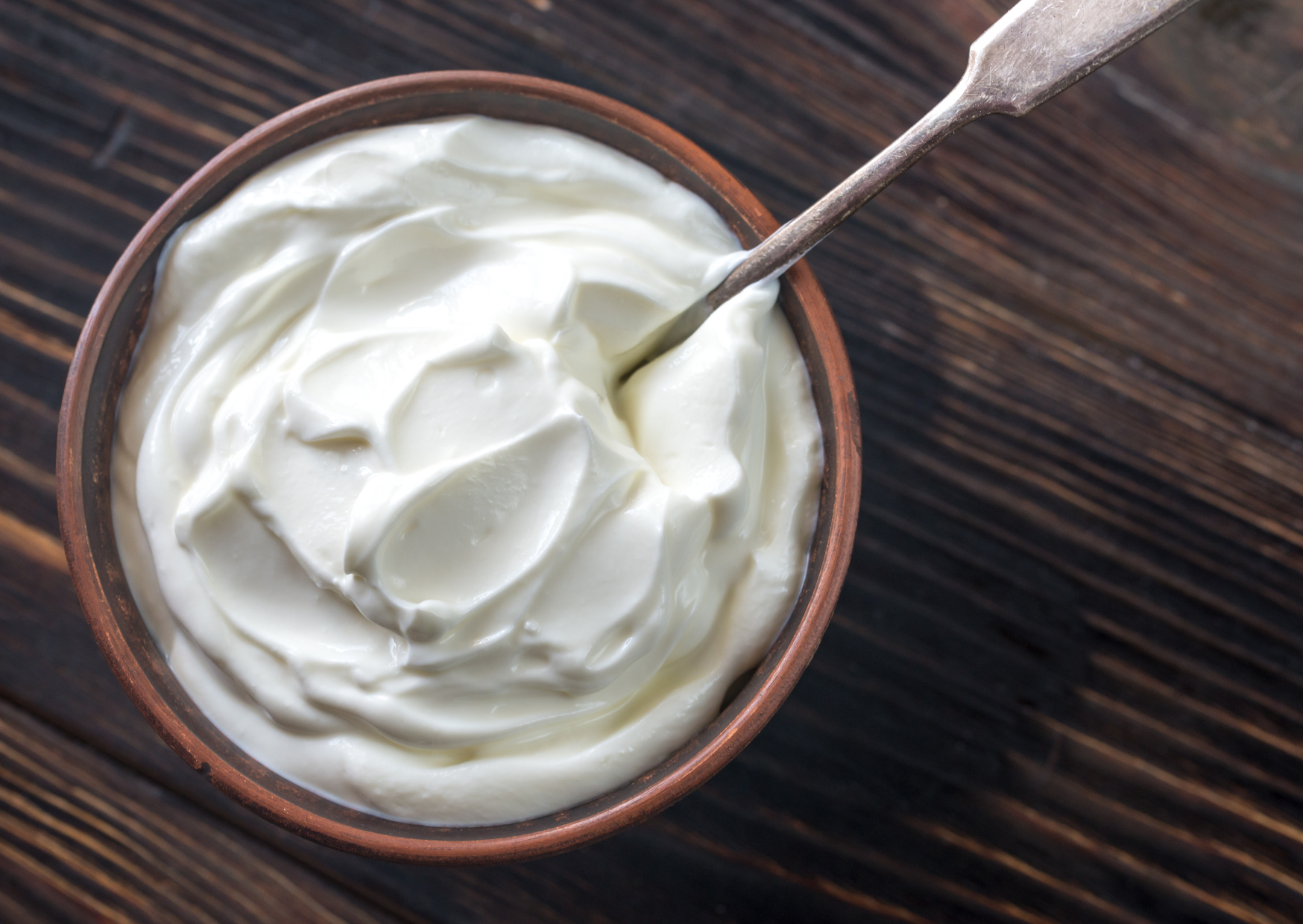
The core mechanics are simple. Yogurt is milk fermented by a pair of cultures until it sets. Strained yogurt is that yogurt with some of its whey removed to raise protein and solids. The Codex Alimentarius describes this family as concentrated fermented milk and sets a minimum protein mark for the strained result. Traditional examples include straggisto in Greece and labneh in the Levant. Modern plants reach the same numbers with cloth bags, centrifuges, or ultrafiltration membranes. The method changes, the definition persists.
What muddies the U.S. category is texture by addition. A cup can be made thicker without true straining by adding milk protein concentrate or whey proteins, or by using stabilizers like pectin or gelatin to reduce syneresis, the watery pooling many people dislike. None of these ingredients is a scandal in itself, and all are used in conventional yogurt categories. They do mean that texture alone will not tell you how your “Greek” cup was made. You must read the ingredient list. If you see only milk and cultures, it is either strained or ultrafiltered. If you see milk proteins and stabilizers alongside milk and cultures, you are in Greek style territory. The U.S. standard of identity requires safe acidity and proper cultures, but it does not carve out a separate legal box for Greek. That is why you will keep seeing variety on the shelf.
Milk type is the second axis. Sheep’s milk is common in Greek yogurts, especially in pot set and traditional strained yogurts. It pushes fat and protein higher and tastes rounder, with a natural sweetness. Cow’s milk yogurts dominate exports and many mass market Greek brands, because cow’s milk is cheaper and plentiful, and because Americans learned to associate Greek with high protein rather than with sheep’s milk flavor. When you taste sheep’s milk yogurt in Greece, you understand the fuss fast. It is luscious without cream.
What You Actually Taste And Feel Different
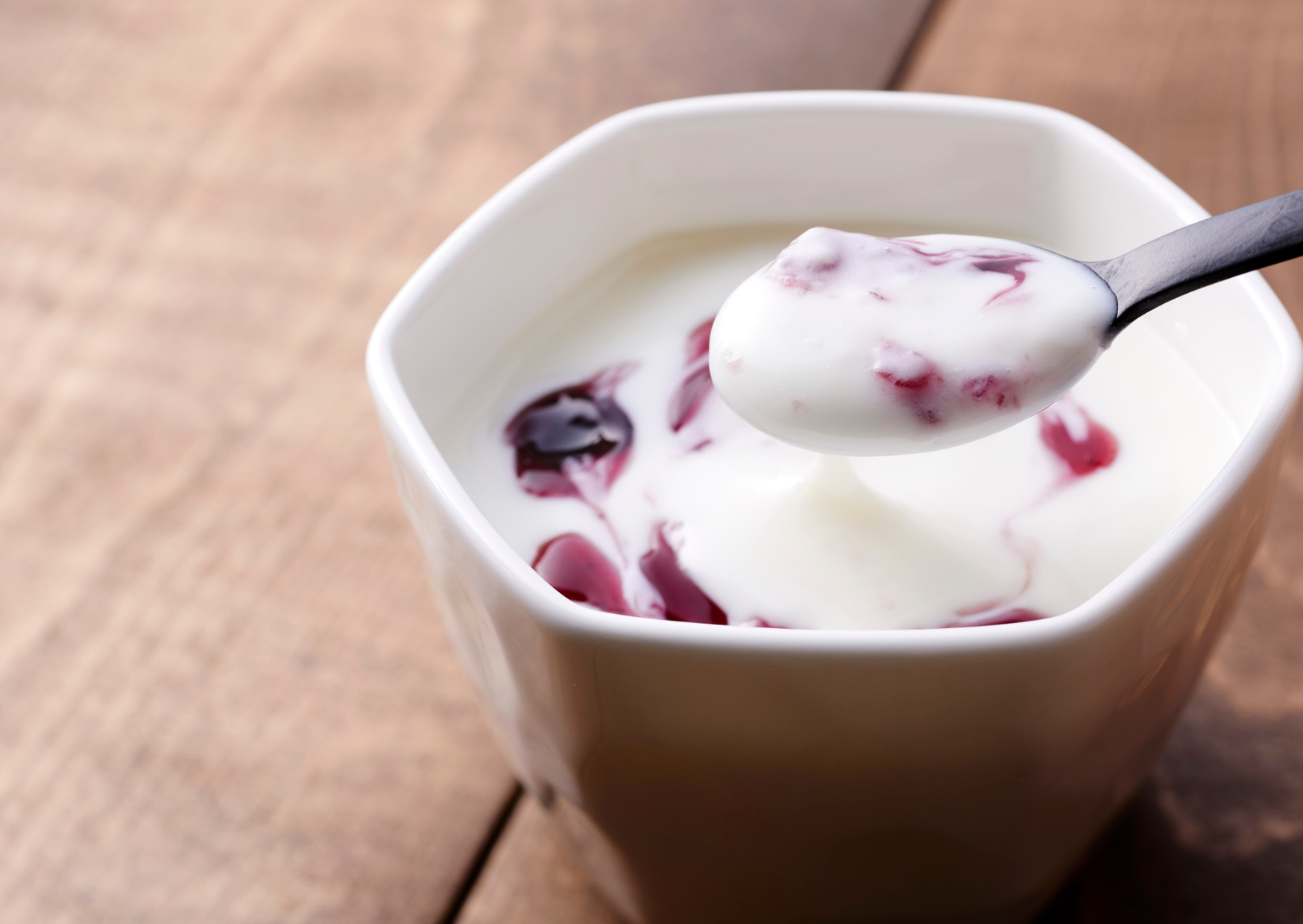
Side by side, three differences hit your spoon.
Fat and protein from the milk itself. Sheep’s milk carries more of both than cow’s milk, which is why a simple sheep yogurt feels custardy without stabilizers. Even cow’s milk strained properly can reach a clean, dense body without gum. In both cases, the whey removal lowers lactose and raises protein per spoonful, which is why strained cups feel satisfying at small portions. Codex uses protein as the signal that the product has truly been concentrated.
Acidity and aroma. The classic yogurt cultures make a specific tart, yogurty flavor. Sheep’s milk rounds that edge and adds its own aroma. Ultra low fat and heavily stabilized cups can taste thinner and sharper even when thick, because body and fat were engineered rather than built by concentration. That is not always a flaw. It just reads different.
Behavior in cooking. True strained yogurt, whether bag hung or ultrafiltered, cooks better. Less whey means less water to weep into dips and sauces, and higher solids mean a thicker glaze on meat or vegetables without cornstarch tricks. If your tzatziki turned watery overnight, it was likely because the base was not truly concentrated. If your baked yogurt set rubbery, the cup might have been thickened with proteins rather than built by straining, so it tightened in the oven like a tough omelet.
Recipe: Real Strained Yogurt At Home, Two Paths
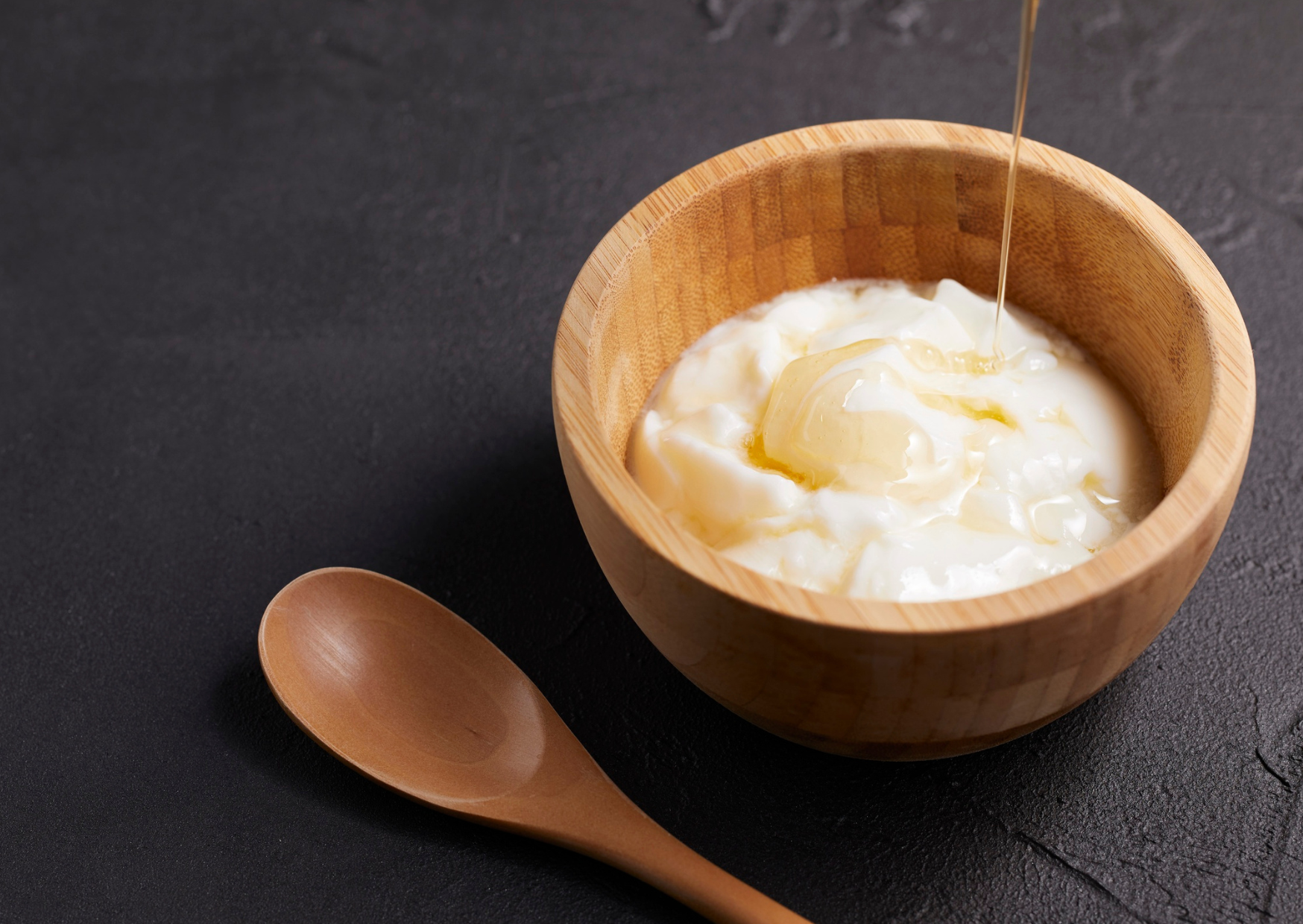
You can make Greek style yogurt in an apartment kitchen with a pot, a thermometer, a strainer, and patience. Two paths get you there. One strains store bought plain yogurt. The other makes yogurt from milk, then strains it. The second tastes better, but the first is fast.
Path A: The 10 Minute Setup, Strain Store-Bought Yogurt
Best for weeknight tzatziki, thick dollops for soup, or swapping into sauces.
You need
1 liter plain yogurt with live cultures, whole milk preferred, ingredients list limited to milk and cultures
A clean thin dish towel, pillowcase, or large coffee filter
A colander and a deep bowl
- Set the strainer. Line a colander with the cloth and set it over a bowl so the bottom hangs clear.
- Pour and chill. Pour in the yogurt. Wrap the cloth over the top. Refrigerate.
- Wait. After 2 hours, you will have a looser Greek style yogurt. After 6 to 12 hours, you will have a thick, spreadable yogurt.
- Finish. Scrape the yogurt into a container. Save the whey for smoothies, bread, or soup.
Why it works: Gravity removes whey, concentrating protein and solids. No stabilizers, no heat. If the starting yogurt contains stabilizers, straining still helps, but the texture will be different from a clean milk and cultures base.
Path B: From Milk, Pot-Set, Then Strained
Best for the flavor Greeks expect at the table.
You need
2 liters whole milk, cow’s for neutral, sheep’s or goat’s for richer if available
3 tablespoons plain yogurt with live cultures, at room temperature
Salt to taste after straining, optional
Equipment: heavy pot, thermometer, clean jar or bowl, cloth and colander as above
- Heat the milk. Warm to about 85 to 90 degrees Celsius, stirring so it does not catch. Hold a few minutes. This step denatures whey proteins so the set is tender and stable.
- Cool. Let the milk fall to 43 to 45 degrees. This is warm to the finger but not hot.
- Inoculate. Stir a cup of warm milk into the yogurt to loosen, then stir that back into the pot.
- Set. Pour into a container, cover, and keep warm, oven light on or a warm corner. Do not jostle. In 6 to 10 hours it will set with a clean break.
- Chill. Refrigerate the pot set yogurt to firm.
- Strain. Transfer to a cloth lined colander over a bowl. Refrigerate 4 to 12 hours until you like the body. Salt lightly if you will use it plain, optional.
Why it works: You create yogurt first, then remove whey under cold conditions so acidity stays bright and proteins stay tender. The heat step sets you up for a fine, custardy gel.
Optional, the clay pot finish
If your market sells pot set sheep’s yogurt with a skin, buy it and strain that. You will understand in one spoonful why Greeks go quiet about sheep’s milk. The result is so rich you will use less and enjoy it more.
Two quick Greek uses
Tzatziki: Grate a cucumber, salt it, squeeze it dry. Fold into strained yogurt with olive oil, minced garlic, lemon, and dill. Taste and salt last. If you start with thin yogurt, it will turn watery in the bowl. If you start with truly strained yogurt, it will hold for tomorrow’s lunch.
Weeknight lamb or veg tray: Roast zucchini, peppers, or lamb chops. Mix strained yogurt with lemon zest, olive oil, and oregano. Spoon over while warm so it loosens just enough to glaze.
How To Buy The Right Cup When You Cannot Make Your Own
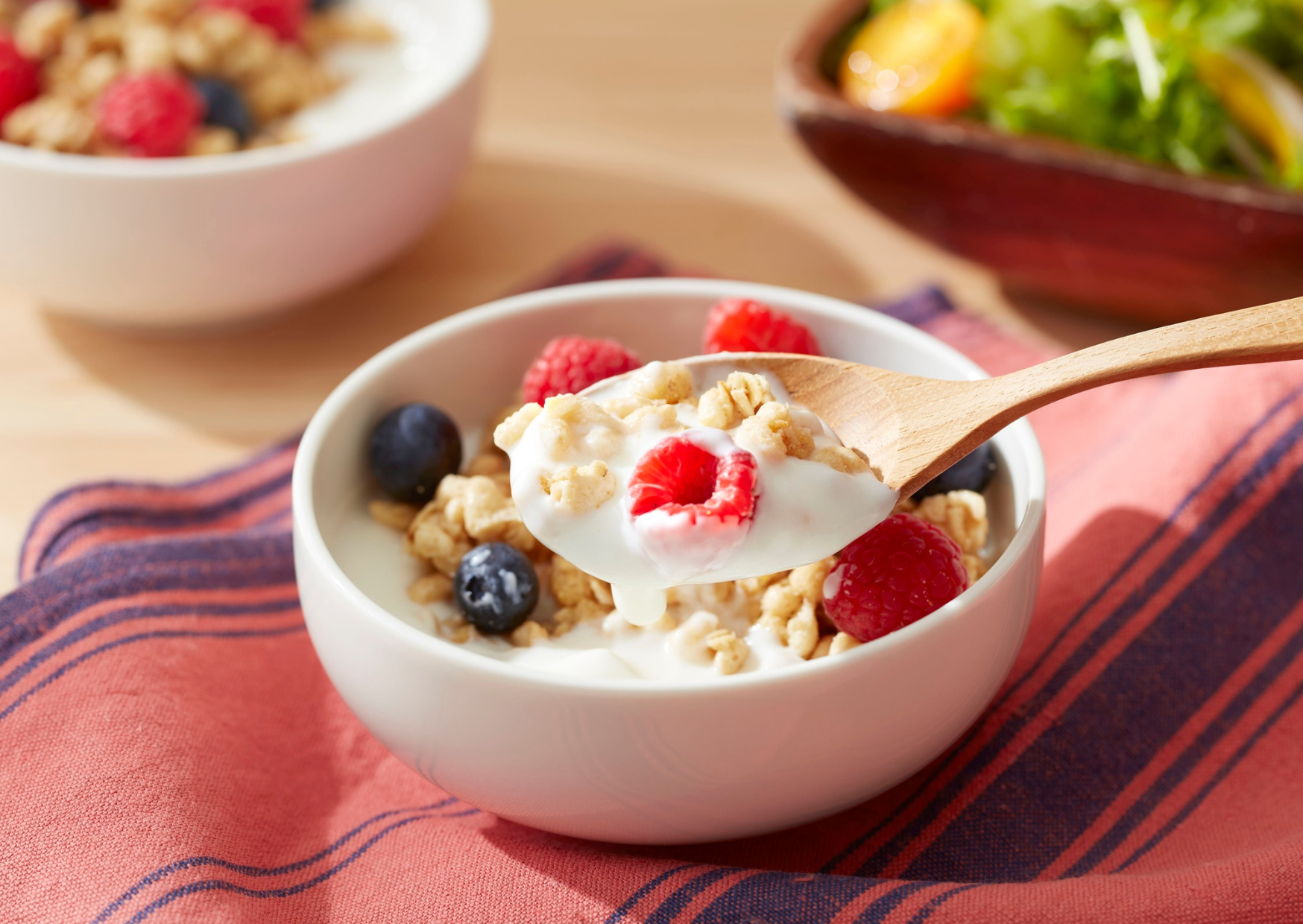
You can shop like a pro without a lab.
Read the ingredients. For the closest Greek experience, look for a list that says milk and cultures. Ultrafiltration and post fermentation straining both fit the concentrated fermented milk definition. If you see milk protein concentrate, whey proteins, pectin, gelatin, or starches, you are buying Greek style texture engineering. Plenty of brands do this. It is not a crime, it is a clue.
Check protein per 150 to 170 grams. A truly concentrated yogurt lands around 15 to 20 grams of protein per typical single serve cup. Numbers lower than that can still be good, they may simply be less concentrated.
Pick the milk you want to taste. If a store carries sheep’s milk yogurt, try it. Even unstrained, sheep’s milk reads as creamy. If only cow’s milk is available, buy whole milk, not fat free, then strain.
Mind the salt and sugar. Plain is the Greek default. If you buy flavored cups, look at added sugar. Strained yogurt is already satisfying. It does not need dessert levels of syrup to work.
Understand labels by country. In the U.K., Greek means made in Greece, Greek style means the texture. In the U.S., Greek is marketing language. Brands can be excellent either way, but the word alone will not tell you how the cup was made.
Know the standard. The updated U.S. yogurt rule puts pH safety and culture requirements into one standard of identity and revoked separate low fat and nonfat yogurt standards. There is no separate Greek standard, and the FDA is still collecting information on high protein manufacturing. Translation, variety will continue, and you should keep reading labels.
Why This Matters In Your Kitchen

Texture and water are what make dips break and sauces weep. True straining reduces whey and raises solids, so sauces cling and grilled vegetables wear a shiny coat instead of a white pool. Sheep’s milk adds a fuller flavor so you can use less and still feel satisfied. In baking, strained yogurt can replace part of cream or sour cream and still bring tenderness. In marinades, the acidity is gentle, and the thicker body keeps spices glued to the surface.
Culturally, the Greek table treats yogurt as food, not garnish. A spoon on braised greens and beans, a full bowl with honey and walnuts, a plate of grilled sardines with a little yogurt sauce and herbs. When you shift your own habits that way, your grocery list changes too. The cup becomes useful beyond breakfast.
What Can Go Wrong (and How to Fix It)
My tzatziki turned watery overnight.
Your base was not truly concentrated or you skipped salting and squeezing the cucumber. Strain the yogurt at least 6 hours and wring the cucumber dry. Olive oil at the end helps emulsify and hold water in the mix.
My strained yogurt tastes chalky.
Low fat cups engineered with milk proteins can feel dry once strained. Start with whole milk yogurt with no stabilizers, then strain. Or make yogurt from milk, then strain it. Chalk turns to cream.
My yogurt cake baked rubbery.
You probably used a cup thickened with added proteins rather than a concentrated yogurt. In baking, those added proteins can set hard. Use a strained yogurt that lists only milk and cultures, or loosen a thick cup with a little milk before mixing.
My homemade yogurt never set.
Your cultures were dead, or the milk cooled too much before inoculation. Use a fresh starter from a plain cup with live cultures, and aim to inoculate at warm bath temperature. Hold the set in a warm, still place.
My strained yogurt turned grainy.
You strained it at room temperature. Strain under refrigeration so acids do not continue to develop and proteins stay tender.
I bought “Greek” yogurt that looks glossy and does not taste clean.
Read the label. If it includes sweeteners, starches, or gels, that gloss is the formulation. It may still be useful in smoothies. For cooking, look for a simpler ingredient list.
I want sheep’s milk flavor but cannot find it.
Buy the best whole milk cow’s yogurt you can, strain it well, and fold in a teaspoon of good olive oil per cup. It will not become sheep’s milk, but the body and mouthfeel move closer to the Greek experience. When you travel, try the real sheep’s milk pot set versions. You will understand the difference.
What This Means For You
When a cup in the U.S. says Greek, treat it as a clue, not a guarantee. Decide whether you want straining, milk type, or convenience, then shop accordingly. If you want the cleanest, densest yogurt for cooking and table use, look for ingredient lists that read milk and cultures, or make your own and hang it in a cloth overnight. If you want to taste what makes the Greek table hum, try sheep’s milk when you can, and use yogurt the way Greeks do, as a cooling, creamy contrast to vegetables, legumes, seafood, and grilled meat.
Once you stop letting the label define the food, your yogurt gets better. Thicker without tricks. Tangy without harshness. Useful across more meals. That is what Greeks actually eat, and you can put it on your table without a trip.

About the Author: Ruben, co-founder of Gamintraveler.com since 2014, is a seasoned traveler from Spain who has explored over 100 countries since 2009. Known for his extensive travel adventures across South America, Europe, the US, Australia, New Zealand, Asia, and Africa, Ruben combines his passion for adventurous yet sustainable living with his love for cycling, highlighted by his remarkable 5-month bicycle journey from Spain to Norway. He currently resides in Spain, where he continues sharing his travel experiences with his partner, Rachel, and their son, Han.