
And what it reveals about time, tolerance, and a different definition of beauty and effort
In the United States, the grooming routines of women — especially those related to body hair — are often intense, time-consuming, and deeply ingrained. Shaving, waxing, plucking, exfoliating, and maintaining smoothness are treated not as choices, but as daily obligations. For many American women, smooth skin is not just a preference. It’s the minimum standard.
Now take a trip across the Atlantic, especially to countries like France, Spain, Germany, or Italy, and you’ll find a different rhythm. Here, many women don’t groom daily. Some don’t groom weekly. And some don’t follow any strict schedule at all.
They don’t apologize. They don’t explain. And they’re not trying to “make a statement.” They simply refuse to build their lives around hair removal — and as a result, they save hours each week that their American counterparts quietly spend in the bathroom, at the salon, or planning outfits around the state of their legs.
Here’s how European women approach body hair — and why their attitude is not just culturally different, but radically freeing.
Want More Deep Dives into Everyday European Culture?
– Why Europeans Walk Everywhere (And Americans Should Too)
– How Europeans Actually Afford Living in Cities Without Six-Figure Salaries
– 9 ‘Luxury’ Items in America That Europeans Consider Basic Necessities
Quick Easy Tips
If traveling in Europe, don’t be surprised to see women embracing natural body hair—it’s normal and widely accepted.
Save time and money by adopting a more relaxed grooming routine—do what feels comfortable, not what feels forced.
Remember that cultural beauty standards aren’t universal; confidence often matters more than conformity.
The cultural divide over body hair is one of the most surprising differences between Europe and the United States. In many parts of Europe, women don’t feel pressured to shave constantly. Smooth skin isn’t treated as the default standard of beauty—it’s a personal choice. This attitude saves women countless hours of grooming that Americans spend on shaving, waxing, or laser treatments.
For Americans, this relaxed approach often comes across as shocking or even “unhygienic.” Advertisements and cultural messaging in the U.S. have created a near-universal expectation that women should be hair-free at all times. Europeans, however, view this pressure as unnecessary and even oppressive, sparking debates about whether beauty should ever demand so much sacrifice.
Another point of controversy is how these differences are judged across cultures. Some Americans label European women as “careless,” while Europeans criticize Americans for wasting time and money to meet an arbitrary standard. The debate isn’t just about body hair—it’s about autonomy, confidence, and the right to live free of imposed beauty norms.
1. Body Hair Isn’t a Crisis — It’s a Decision

In the U.S., visible body hair is often framed as a failure. If your legs aren’t shaved, you might rethink wearing shorts. If your underarms have stubble, you cover up. If you didn’t wax in time for the beach, you panic.
In Europe, body hair is treated with less urgency. You didn’t shave your legs? That’s fine. You’ll wear the dress anyway. Your bikini line isn’t perfect? The beach is for swimming, not judgment.
The presence of body hair doesn’t automatically call for a solution. It just is.
That shift in mentality allows women to relax — not only about their appearance, but about how they spend their time.
2. Grooming Schedules Are Flexible — Not Fixed
In the U.S., many women build grooming into their routine: every day, every two days, every Thursday before the weekend. The rhythm becomes inflexible, often dictated by social pressure or self-consciousness.
In Europe, grooming schedules tend to follow mood and need.
A Spanish woman might wax once a month. A French woman might shave when she remembers. An Italian woman might let her legs grow hairy in winter and worry about it later.
There’s no shame in shifting timelines — and no pressure to explain why you skipped a week (or three).
3. Salon Culture Is Less Aggressive — and Less Frequent
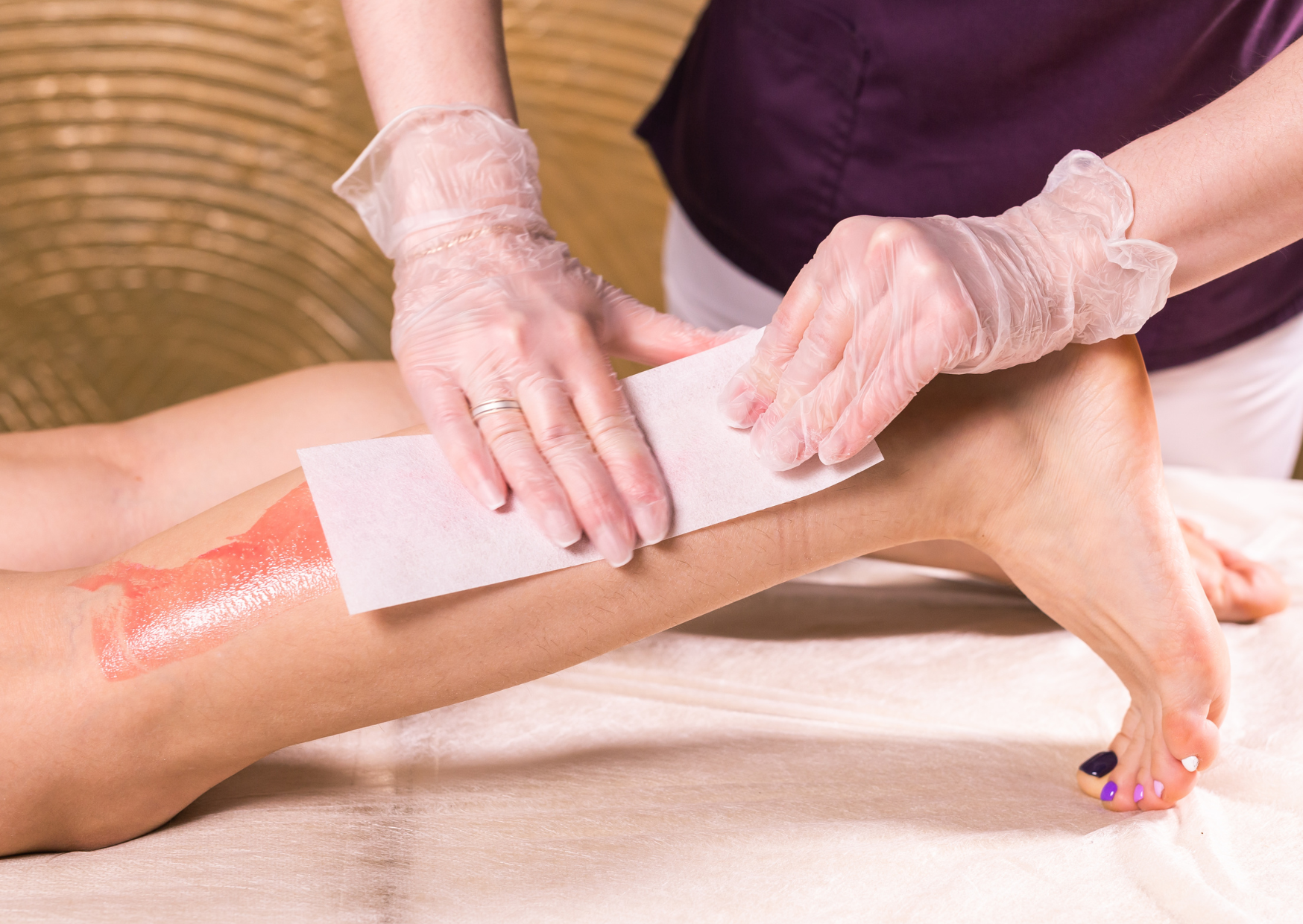
American salons often build their business model around constant upkeep: hair, nails, waxing, threading, appointments every three weeks like clockwork.
In Europe, many women do go to salons — but not with the same frequency or intensity.
It’s common to book waxing appointments before vacations, holidays, or the summer season. But the idea of going every two weeks to maintain a perfect bikini line is less common — and less expected.
And many women simply do it themselves — if they feel like it.
4. Daily Shaving Isn’t the Norm — And No One Notices
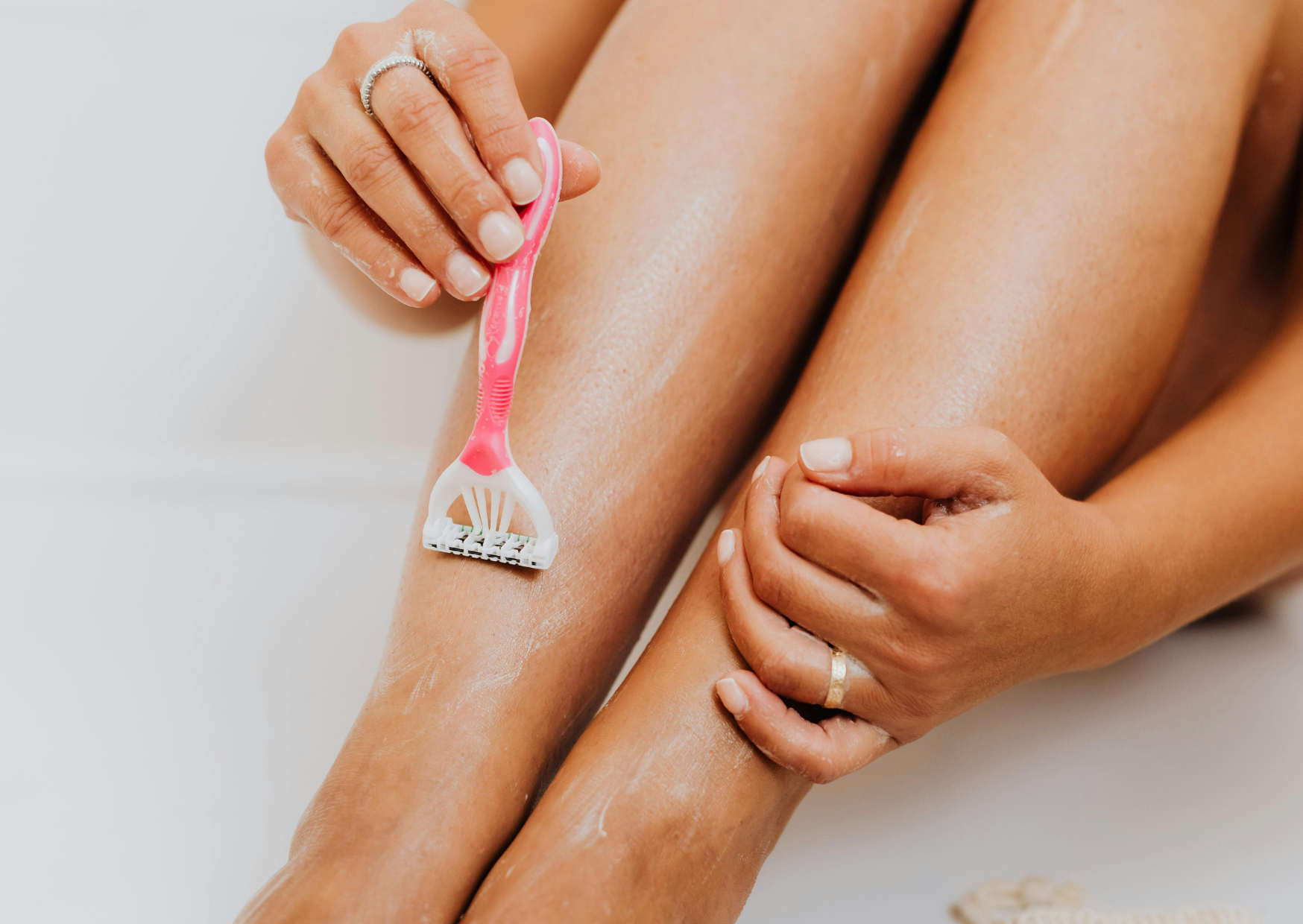
In American bathrooms, daily shaving — especially underarms — is considered basic hygiene. Missing a day is seen as sloppy.
In Europe, daily shaving is rare.
Women might shave once a week. Or once a month. Or not at all. Even in summer.
And the most striking part? No one cares. No one comments. And no one expects you to explain or hide.
This silent permission gives women back hours every week — without sacrificing confidence or respect.
5. Public Visibility Doesn’t Demand Perfection

In the U.S., the more visible the body, the more pressure there is to remove hair.
In Europe, visibility doesn’t change the standard.
At the beach, at the pool, in sleeveless dresses — hair is sometimes present. And it’s fine.
Women don’t change outfits based on stubble. They don’t avoid activities based on grooming. They show up, as-is.
That kind of freedom isn’t about laziness — it’s about reclaiming time and letting go of perfectionism.
6. Romantic Partners Don’t Dictate Grooming Habits

In the U.S., women are often taught to groom based on what their partner will think — especially in heterosexual relationships.
In Europe, while preferences exist, it’s rare for grooming to be dictated by the person you’re dating or married to.
Hair removal is understood as a personal choice, not a romantic obligation.
That difference — subtle but powerful — removes a layer of pressure that many American women have internalized without question.
7. Older Women Stop — Without Guilt

In American beauty culture, older women often feel the need to double down on grooming — to show that they haven’t “let themselves go.”
In Europe, many women gradually stop hair removal altogether after a certain age — and no one treats it as shocking.
You’ll see gray-haired women in sundresses with natural legs. You’ll see grandmothers at the beach with full underarm hair. And you’ll see zero shame.
The message: aging bodies deserve peace, not upkeep.
8. The Beauty Industry Doesn’t Set the Rules
In the U.S., much of grooming culture is shaped by marketing — ads, influencers, subscription razors, laser packages, brand campaigns that frame hair removal as empowerment.
In Europe, the beauty industry is less prescriptive.
There’s no obsession with “clean girl aesthetic.” There’s no guilt attached to skipping a wax. There’s no universal aesthetic standard that everyone scrambles to meet.
This allows women to set their own pace — instead of outsourcing their confidence to brands.
9. Body Hair Isn’t Tied to Worth — Or Discipline

In the U.S., removing body hair is framed as a marker of discipline. If you don’t keep up, you’re lazy. If you let it grow, you’ve given up.
In Europe, grooming is rarely connected to personal worth.
Hair is treated like weather. It comes and goes. You manage it, or you don’t. But it doesn’t define your value — and it certainly doesn’t determine whether you deserve to wear shorts, go on a date, or feel good in your skin.
This separation between hair and identity is the real reason European women save so much time.
They’re not just skipping routines — they’re not performing them for validation in the first place.
One Razor, Two Realities
To American women, body hair is a checklist item. A task. A form of self-control.
To European women, it’s optional. Circumstantial. Sometimes annoying, sometimes ignored.
In the U.S., hair must be managed — daily, discreetly, and completely.
In Europe, it must be considered, then decided on your own terms.
And that quiet freedom — to not groom, to groom differently, or to groom when you feel like it — gives women something they rarely realize they’ve lost:
Time.
Not just the time it takes to shave or wax, but the time it takes to think about it. Plan for it. Worry about it. Apologize for it. Cover it.
That’s hours every week that go elsewhere — into rest, leisure, conversation, or simply being fully present in your own skin.
The body hair debate highlights a deeper truth about cultural differences: what one society deems embarrassing, another sees as completely natural. European women’s attitude toward body hair isn’t about neglect—it’s about choosing freedom over constant maintenance.
For American tourists, this can be a liberating lesson. Embracing even a fraction of this perspective can save time, reduce stress, and challenge long-standing beauty expectations. It doesn’t mean giving up grooming entirely—it means redefining it on your own terms.
Ultimately, the European approach is less about hair itself and more about priorities. By stepping away from rigid standards, women reclaim valuable hours each week and redirect them toward living, not grooming. It’s a reminder that beauty doesn’t have to come at the cost of freedom.

About the Author: Ruben, co-founder of Gamintraveler.com since 2014, is a seasoned traveler from Spain who has explored over 100 countries since 2009. Known for his extensive travel adventures across South America, Europe, the US, Australia, New Zealand, Asia, and Africa, Ruben combines his passion for adventurous yet sustainable living with his love for cycling, highlighted by his remarkable 5-month bicycle journey from Spain to Norway. He currently resides in Spain, where he continues sharing his travel experiences with his partner, Rachel, and their son, Han.