
Think all hotel guests behave the same way? Not quite. While these habits might be standard in certain parts of the world (hello, America!), many Europeans either raise their eyebrows or quietly do things their own way. Here are eight common hotel behaviors Europeans usually avoid and why.
Want More European Insights?
• 13 Foods Europeans Won’t Touch (No Matter How Popular They Are Elsewhere)
• 15 Unspoken Rules of Mediterranean Life Tourists Never Understand
• Best Short and Long Term Travel Insurance
Quick Easy Tips
Adapt to local habits by asking at check-in about cultural norms, such as tipping or housekeeping schedules.
Try the European approach to breakfast—light and simple—so you can experience the day like a local.
Be mindful of energy use; turning off lights and air-conditioning when leaving the room is not only eco-friendly but also culturally respectful.
One controversy comes from tipping culture. In many parts of Europe, tipping hotel staff is minimal or even unnecessary, as service charges are often included. Americans, however, may see this as rude or ungrateful. Europeans argue that fair wages should eliminate the need for constant tipping, while critics say it diminishes personal appreciation.
Another point of debate is around resource use. Europeans are more likely to skip daily towel changes or excessive air-conditioning in hotels, prioritizing sustainability. Some Americans, used to convenience and comfort, view this as cutting corners. This clash reveals deeper differences in environmental awareness and cultural expectations.
Finally, breakfast habits spark conversation. Many European hotels offer light breakfasts pastries, fruit, coffee whereas Americans expect large buffet spreads with eggs, bacon, and pancakes. Some tourists interpret this as stinginess, while Europeans see it as a healthier, more practical way to start the day.
1. Leaving Big Tips for Housekeeping

Why They Don’t Do It
Although tipping customs vary widely by country, in much of Europe, service charges are often included in hotel or restaurant bills. Leaving a large cash tip for housekeeping may feel generous, but it isn’t always expected—and can even confuse staff unaccustomed to big tips.
What Tourists Do
• Leave a few dollars or euros on the nightstand daily.
• Slip an envelope with a note of thanks at checkout.
• Expect a personal thank-you in return.
What Locals Actually Do
• Assume the hotel’s service charge or salary covers housekeeping.
• Occasionally leave a small token of appreciation but not necessarily daily.
• Consider tipping optional or minimal if the room rate is already high.
Local Truth: In many European countries, workers’ wages aren’t as tip-dependent as in some other places. Housekeeping staff appreciate kindness, but a huge tip might seem unusual (though not unwelcome).
Pro Tip: Research your destination’s tipping norms. If you want to leave something for housekeeping, a polite note plus a modest amount is enough—and never mandatory.
2. Setting the Thermostat to Arctic Levels
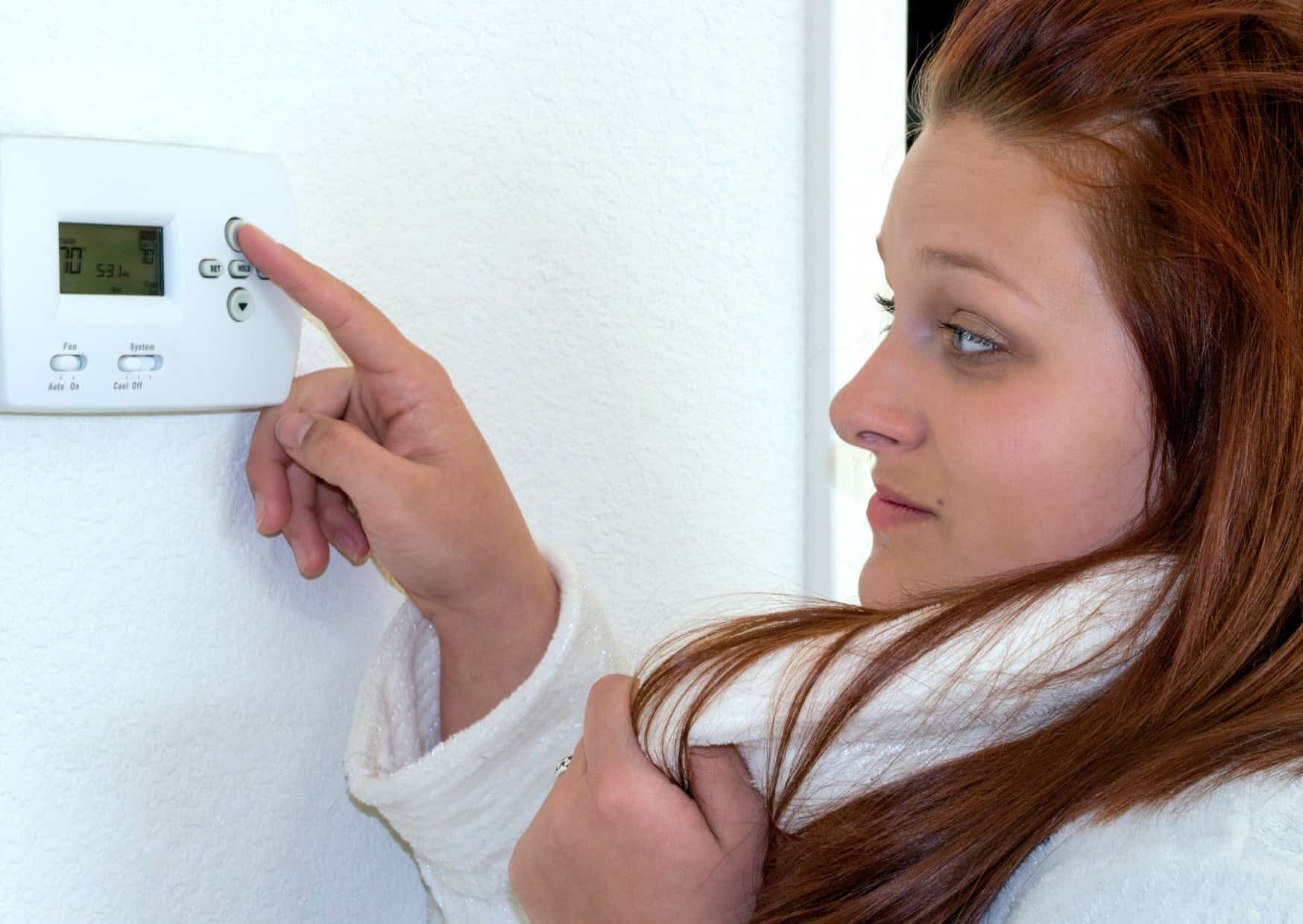
Why They Don’t Do It
Europe has a more conservative approach to energy usage, and many Europeans aren’t fans of aggressively cold AC. Plus, older hotels or B&Bs may not even have robust cooling systems—especially in cooler climates.
What Tourists Do
• Blast the air conditioner as soon as they check in.
• Keep the room at refrigerator-like temperatures—even overnight.
• Complain if the AC isn’t powerful enough.
What Locals Actually Do
• Open windows or rely on fans if the weather’s mild.
• Use the AC sparingly—often set to a moderate temperature of around 24°C (75°F).
• Accept that “ice-cold air” isn’t the norm.
Local Truth: A combination of environmental consciousness and milder weather (in many regions) leads Europeans to use less AC. Blasting it all night can be seen as wasteful or even uncomfortable.
Pro Tip: If you’re visiting Europe in summer, check if your hotel has AC (some don’t!). Otherwise, do as the locals do—embrace a slightly warmer room or use a fan.
3. Overstuffing on “Free” Breakfast
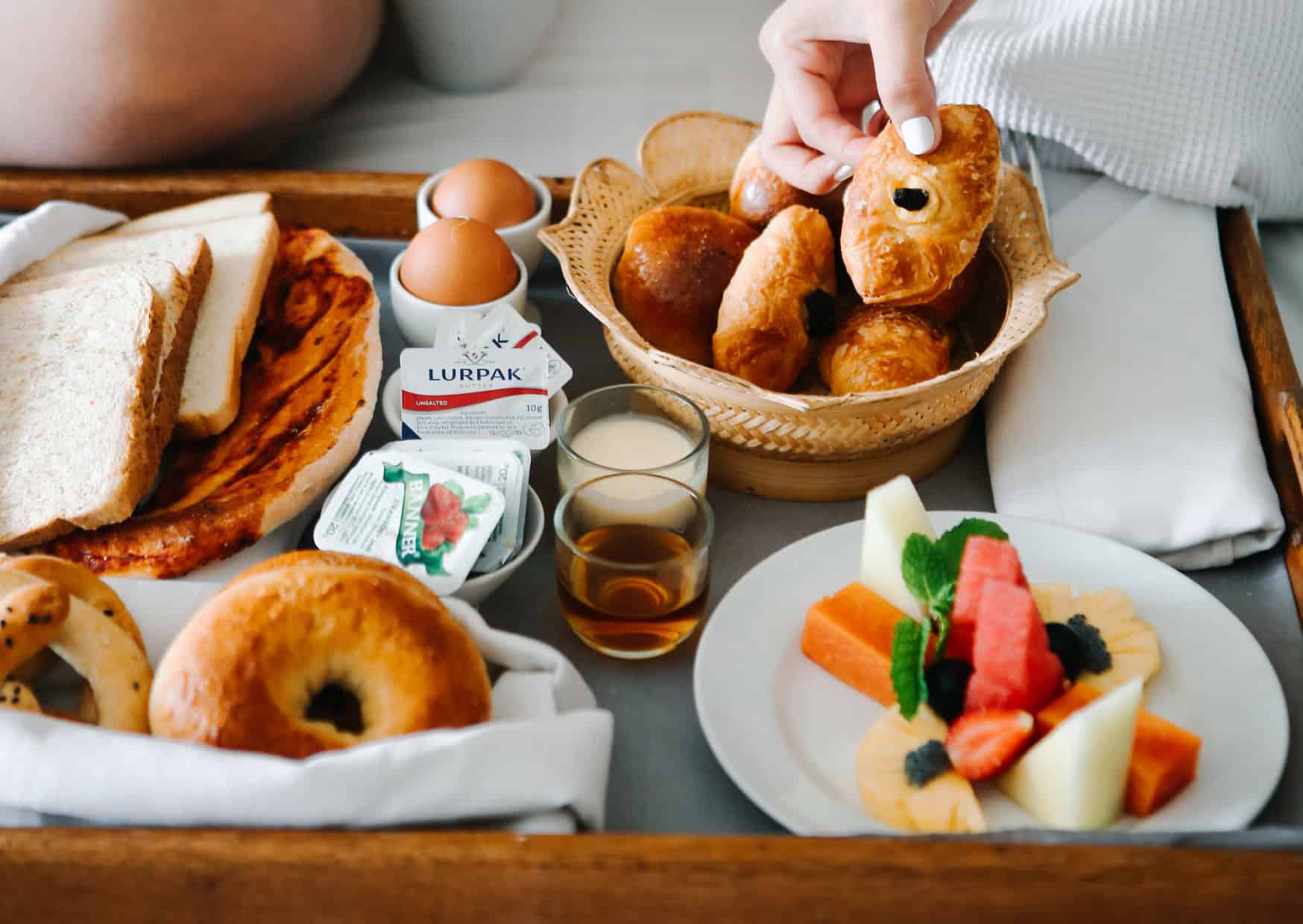
Why They Don’t Do It
In many European hotels, breakfast is an intimate affair—fresh pastries, light spreads, fruit, and coffee. Europeans typically eat smaller breakfasts, so piling your plate sky-high might look, well, out of place.
What Tourists Do
• Treat the buffet like an all-you-can-eat bonanza.
• Stock up on pastries, eggs, and fruit for the entire day.
• Occasionally wrap up items “to go.”
What Locals Actually Do
• Have a light breakfast with coffee or tea, maybe some bread or croissants.
• See the hotel buffet as a small morning perk, not a day’s worth of fuel.
• Don’t usually ask for takeout containers.
Local Truth: Europeans often prefer a leisurely, modest breakfast experience—especially in smaller, boutique hotels. Overloading plates or hoarding food might raise eyebrows.
Pro Tip: Sure, enjoy the buffet, but pace yourself. If you want a hearty midday meal, seek out local cafés or restaurants for lunch—they’re often inexpensive and delicious.
4. Requesting Giant Buckets of Ice
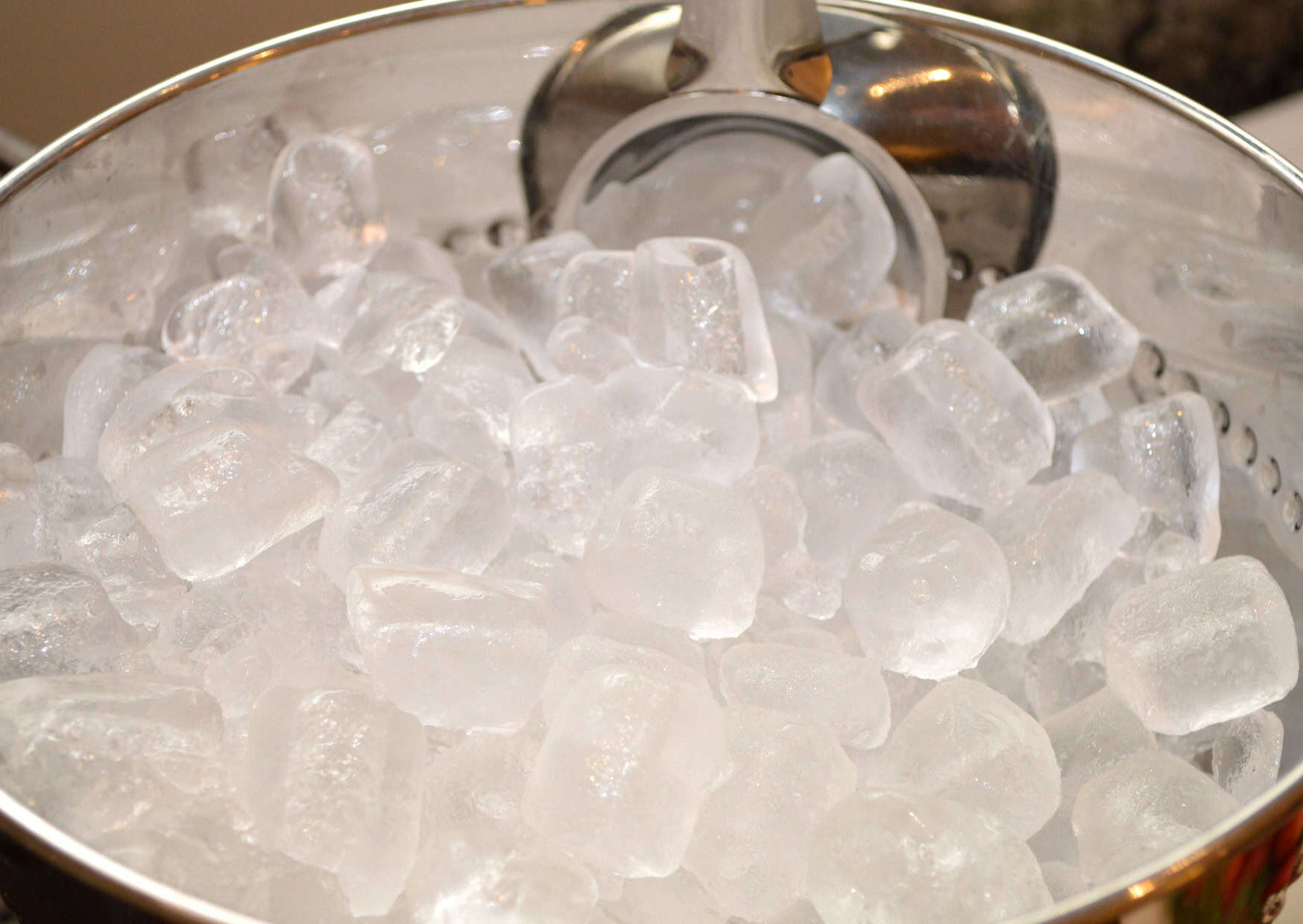
Why They Don’t Do It
Many Europeans simply aren’t as ice-obsessed. Drinks are often served slightly chilled or at room temperature. Ice machines aren’t always standard in hotels, and the concept of a giant bucket may be seen as excessive.
What Tourists Do
• Ask the front desk for a huge ice bucket nightly.
• Fill plastic bags with ice to chill soda or beer.
• Wonder why there’s no free ice machine on every floor.
What Locals Actually Do
• Drink water and soft drinks without tons of ice.
• If they need something chilled, a small glass with a couple of cubes suffices.
• Consider endless ice more of a luxury than a necessity.
Local Truth: The “cold beverage = refreshing” mindset is universal, but the level of obsession with ice is not. In Europe, you’ll often get your drink lightly cooled, not packed with cubes.
Pro Tip: If you really crave icy drinks, politely ask the bar or restaurant staff—they may accommodate you. Just don’t expect unlimited self-serve stations around every corner.
5. Hoarding Toiletries and Supplies

Why They Don’t Do It
While many travelers worldwide love taking the mini shampoo bottles and soaps as souvenirs, Europeans tend to see them as something to use during their stay—then leave behind.
What Tourists Do
• Pack the entire set of mini toiletries daily.
• Stock up on coffee pods, tea bags, and sugar packets.
• Sometimes even take decorative items or extra towels.
What Locals Actually Do
• Use the toiletries if needed but don’t grab extras.
• Might bring their own preferred brands.
• Leave behind a tidy room without raiding supplies.
Local Truth: Minimalism and eco-awareness lead many Europeans to avoid unnecessary waste. Taking a few freebies home is fine, but wiping out the entire supply might raise eyebrows.
Pro Tip: If you like the shampoo scent or need extra tea bags, sure, take a few. Just remember someone has to replace them—and it’s not always “free” from the hotel’s perspective.
6. Expecting 24/7 Room Service

Why They Don’t Do It
Smaller, independent hotels are common in Europe, and they may not offer round-the-clock kitchen operations. Plus, culturally, dining is often done within set hours.
What Tourists Do
• Order full meals at 2 AM.
• Expect an extensive late-night menu.
• Feel disappointed (and hungry) when the kitchen’s closed.
What Locals Actually Do
• Plan their meals around normal dining hours (roughly 7 AM–10 PM).
• Grab food from nearby cafés or convenience stores if they’re hungry late.
• Understand that 24-hour hotel kitchens are the exception, not the rule.
Local Truth: Unless you’re staying in a large chain or upscale hotel, after-hours room service might be nonexistent or extremely limited in Europe.
Pro Tip: If you’re a night owl, stock up on snacks or locate a 24/7 shop. Embrace local mealtimes—eating late might be an option, but usually at restaurants or bars, not in your hotel room.
7. Keeping the “Do Not Disturb” Sign Up for Days
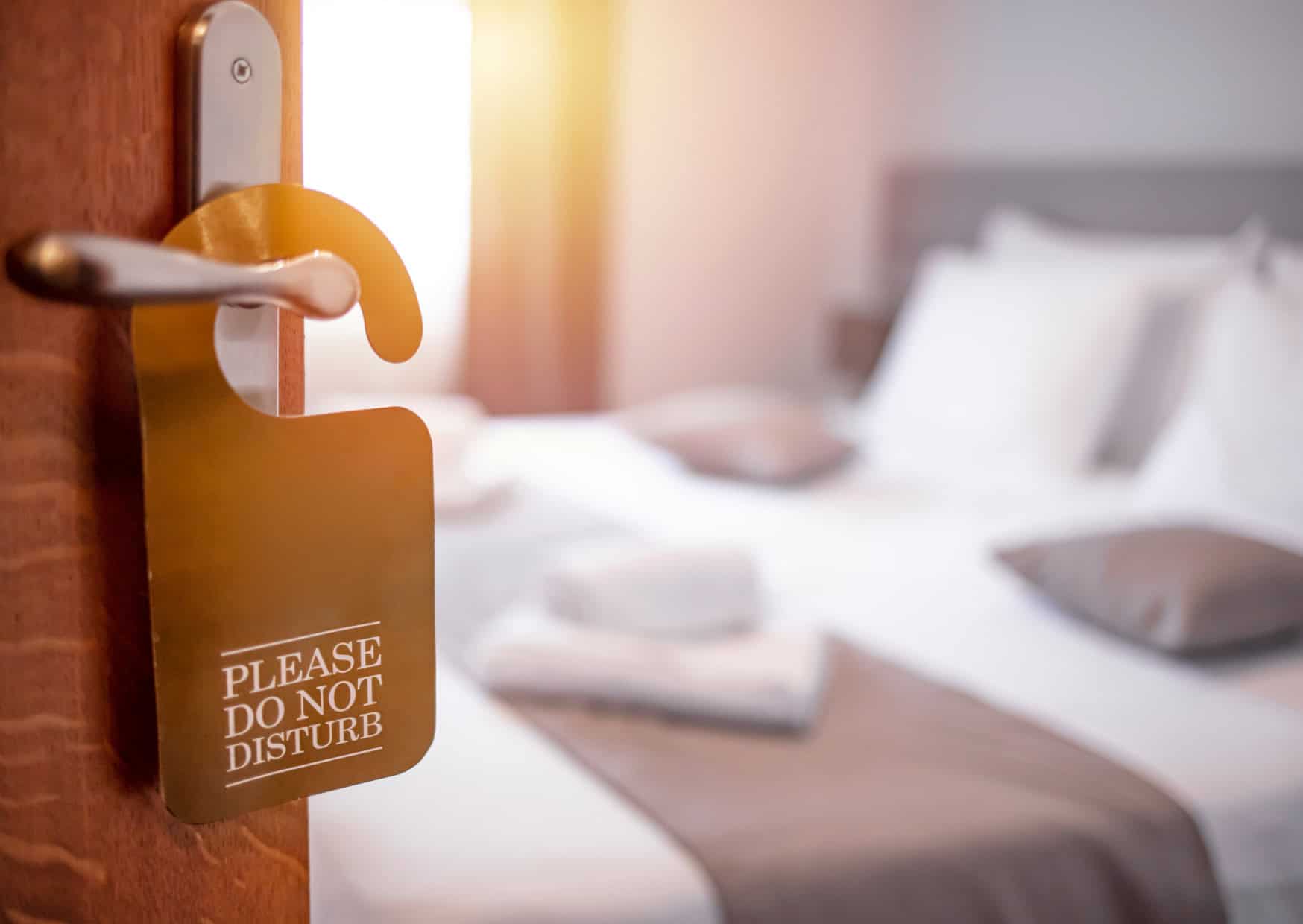
Why They Don’t Do It
In Europe, room cleaning often happens daily at set times. Consistently blocking housekeeping can confuse staff or even prompt a wellness check if they think something’s wrong.
What Tourists Do
• Leave “Do Not Disturb” on the doorknob for the duration of their stay.
• Decline cleaning, living among piles of towels and takeout containers.
• Only remove the sign when checking out.
What Locals Actually Do
• Allow housekeeping to freshen the room most days.
• Decline it occasionally if they truly need privacy.
• Use the sign sparingly to avoid misunderstandings.
Local Truth: Many European hotel staff are used to tidying daily, and a persistent DND sign may raise concerns. They respect privacy but also worry about guests’ well-being if they’re never seen.
Pro Tip: If you truly don’t want housekeeping, consider informing the front desk. Otherwise, let the staff pop in to change towels and keep your room comfortable.
8. Checking Out Super Early (or Super Late) Without Notifying Anyone

Why They Don’t Do It
Hotel front desks in smaller European accommodations might not be manned 24/7. Arriving at 5 AM or leaving at 4 AM without a heads-up can leave everyone unprepared.
What Tourists Do
• Check out at odd hours without prior notice.
• Expect the front door to be open, lights on, staff at the desk.
• Rush out or in, frustrated when no one’s around.
What Locals Actually Do
• Coordinate check-in/out times with the hotel if it’s outside normal hours.
• Inform staff in advance so someone’s there for assistance.
• If they have a super-early flight, they ask about leaving the key in a drop box or similar arrangement.
Local Truth: Big chain hotels might be open 24/7, but smaller inns or guesthouses often have limited reception hours. Communication is key—no pun intended.
Pro Tip: If your train or flight is at odd hours, let the hotel know at booking or check-in. They can arrange key drop-offs, final bill settlements, or airport shuttles accordingly.
The Bottom Line
In Europe, hotel experiences can be more intimate, eco-conscious, and schedule-focused than what some travelers expect. While you won’t get lectured for blasting the AC or grabbing extra tea packets, you might earn a few puzzled looks or simply miss out on the local vibe.
European hotel habits highlight a different way of viewing travel one focused on balance, practicality, and sustainability rather than convenience at all costs. What may feel unusual to Americans often reflects values that prioritize efficiency and respect for resources.
The controversies around tipping, resource use, and food expectations remind us that what we consider “normal” is shaped by culture. There’s no single right way to stay in a hotel, but understanding the reasoning behind habits makes us more thoughtful travelers.
Ultimately, embracing European hotel customs isn’t about giving up comfort it’s about broadening perspective. By trying their way, travelers can not only save money and reduce waste but also enjoy a more authentic and respectful connection with their destination.
Pro Tip: Each country (and even each region) in Europe has its own quirks. Adapt to your surroundings communicate, observe what locals do, and enjoy a more authentic travel experience. Happy travels!

About the Author: Ruben, co-founder of Gamintraveler.com since 2014, is a seasoned traveler from Spain who has explored over 100 countries since 2009. Known for his extensive travel adventures across South America, Europe, the US, Australia, New Zealand, Asia, and Africa, Ruben combines his passion for adventurous yet sustainable living with his love for cycling, highlighted by his remarkable 5-month bicycle journey from Spain to Norway. He currently resides in Spain, where he continues sharing his travel experiences with his partner, Rachel, and their son, Han.