
Short answer: it’s not a literal rule that waiters hit a red button and your total jumps 2× the moment you say “du pain, s’il vous plaît.” But there is a repeatable chain of small, very French dynamics timing, wording, and restaurant norms that can make a simple bread request snowball into extra line items, drinks, or a pricier cadence for the whole meal. Learn the code, and the bread stays free (or nearly), abundant, and exactly where it belongs: quietly supporting the food rather than blowing up the check.
Below is your no-drama, insider guide to bread etiquette in France what’s included, what can be charged, why asking before you’ve ordered is the classic budget booby trap, and what to say instead so you get the warm basket without any surprises.
Want More Deep Dives into Other Cultures?
– 9 Italian Style Rules That Instantly Outshine American Fashion
– Why Europeans Walk Everywhere (And Americans Should Too)
– How Europeans Actually Afford Living in Cities Without Six-Figure Salaries
– 9 ‘Luxury’ Items in America That Europeans Consider Basic Necessities
Quick Easy Tips
Wait for bread to arrive naturally instead of requesting it immediately.
Avoid treating bread as a refillable appetizer.
Order your meal before requesting additional items.
Ask politely if something is complimentary rather than assuming.
One controversial belief is that French restaurants intentionally exploit tourists. In most cases, servers are following standard procedures, not trying to inflate bills.
Another misconception is that bread is always free in France. While often included, it is not unlimited or detached from the meal structure.
There is also resistance to the idea that dining culture affects pricing. French restaurants price meals holistically, not à la carte in the American sense.
Finally, many tourists interpret unfamiliar systems as unfair. In reality, the issue is usually mismatched expectations rather than hidden rules.
1) The Myth vs. The Mechanism
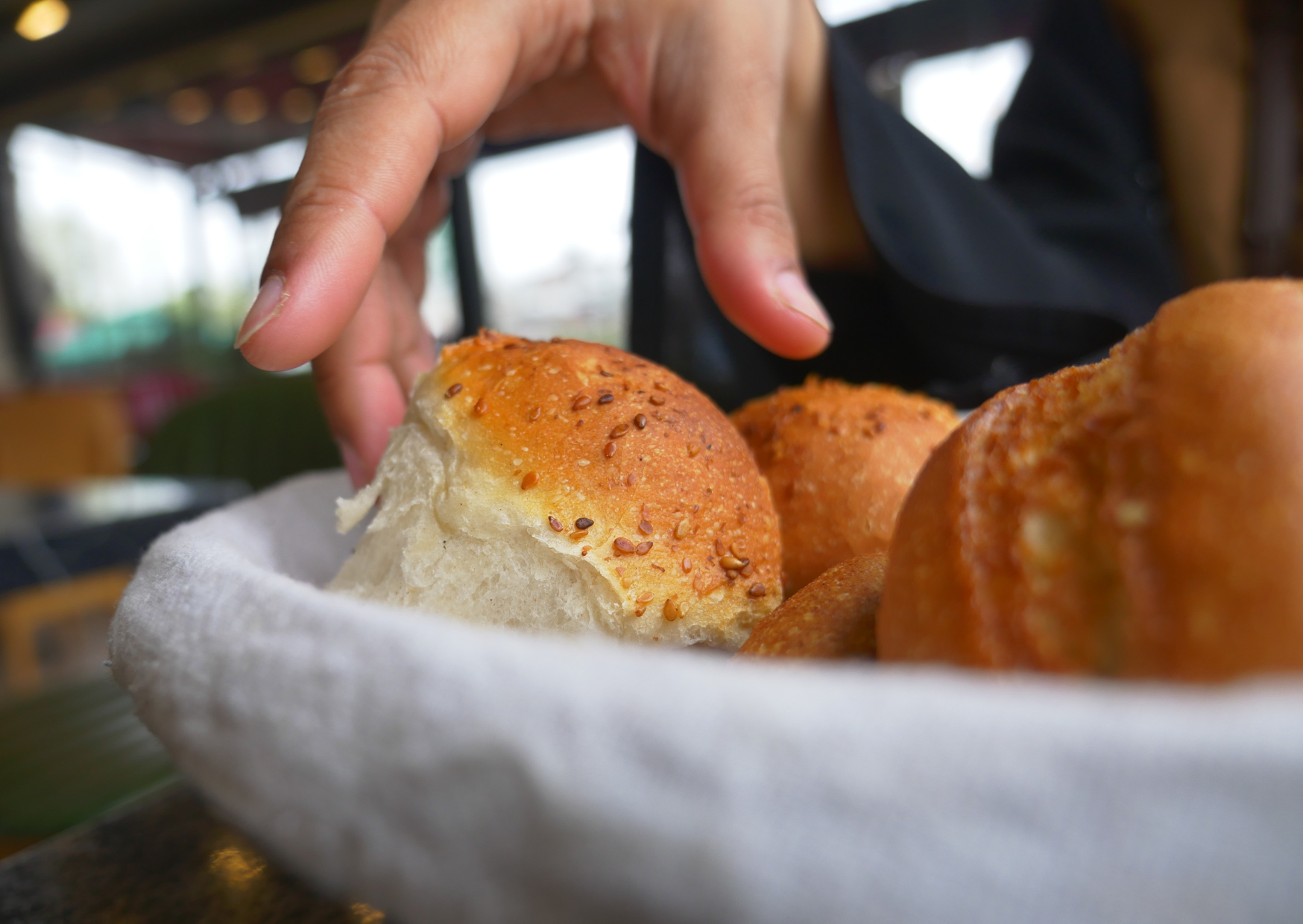
The myth: “If you ask for bread in France before ordering, they’ll charge you for bread service and your bill will double.”
The mechanism: France isn’t Italy or Portugal; you don’t get a standard coperto/couvert fee added for sitting down, and bread is not a compulsory paid basket at proper restaurants. In most mid-range bistros and brasseries, basic bread is baked into the price of the meal (just like VAT and the legally included service). What fattens the bill isn’t a secret “bread tax”—it’s that asking for bread at the wrong time and in the wrong way often triggers one (or several) of these:
- The server assumes you’re starting the meal and steers you into the apéritif + nibble ritual (aperitif drinks plus paid nibbles).
- You inadvertently order a paid bread item (e.g., “pain & beurre,” an artisan basket, or bread served with rillettes/charcuterie) rather than the complimentary table bread that normally arrives with food.
- You create a sequencing mismatch—you’ve got drinks and bread on the table but no dishes yet—so you (and the table) keep ordering “just a little something” to bridge the gap. That’s how a cheap carafe-and-bread moment morphs into cocktails, olives, a cheese plate, then mains.
- In tourist-heavy zones, some cafés label a small “assiette de pain” or “assortiment de pains” as a menu item. Ask in English for a “bread basket” before you order, and the server may interpret that as the paid item, not the standard panier de pain that accompanies a meal.
The result can feel like “my bill doubled,” but what really happened is you accidentally kicked off a more expensive tempo—French dining is all about tempo—than you intended.
2) The Golden Rule: Bread Is a Utensil, Not an Appetizer
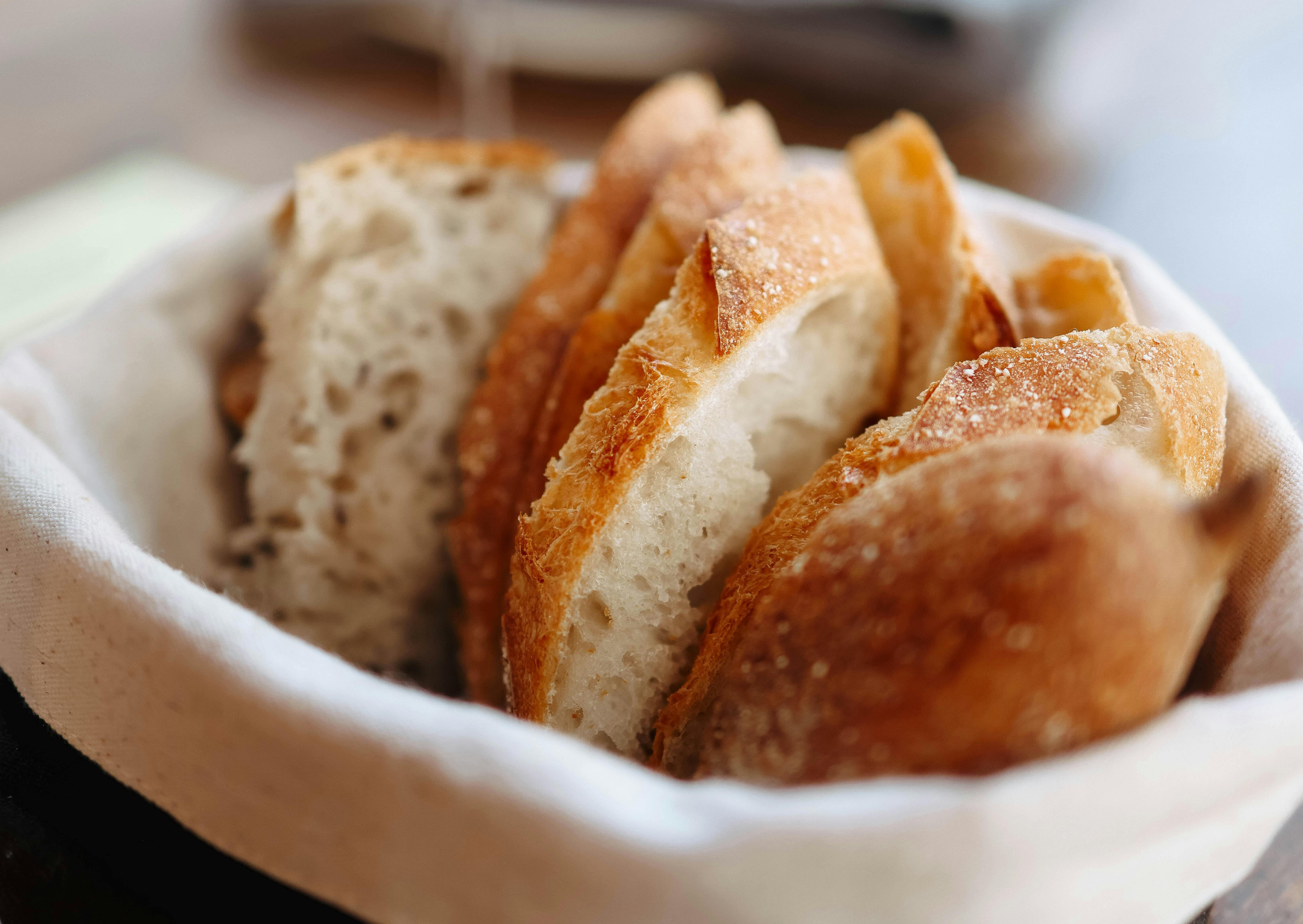
French bread at lunch/dinner isn’t a pre-meal snack. It’s the edible sidekick that arrives with food and is meant to escort sauces, wipe juices (saucer), or help maneuver bites. You’ll notice two tells:
- Bread often lands after you order and right around the time the first plate appears.
- There’s no bread plate in many classic bistros; you place a slice directly on the tablecloth (or a tiny side space). It’s part of the choreography, not a free-for-all.
If you treat bread like chips and salsa—“let’s munch while we think”—you nudge the server to “complete” that snack by offering something to go with it (butter, tapenade, rillettes, charcuterie, olives), most of which are paid add-ons. That’s the quiet upgrade path.
Takeaway: let the bread follow the order, not lead it.
3) What’s Usually Free vs. What Often Costs
Usually included in the meal price
- A basic panier de pain (basket of sliced baguette/boule) brought once food is on the way.
- Refills, within reason, while you’re still eating.
- Tap water by law (une carafe d’eau, s’il vous plaît)—order it like that, not “just water,” so you don’t get bottled water.
Often charged (check the menu/ask)
- Artisan bread service listed as assortiment de pains, pain au levain maison, or “bread & butter” on small plates. If you ask for bread before ordering, some places will assume this.
- Pre-meal nibbles that aren’t explicitly complimentary: olives, charcuterie, fromage, rillettes, terrine, anchoïade, tapenade, planche of anything.
- Bottled water (still or sparkling) if you didn’t specify “carafe.”
- Butter at dinner isn’t guaranteed; in Paris bistros tied to Normandy/Brittany seafood or very chef-driven spots, butter may be offered and could be premium (and sometimes charged if ordered on its own).
Not a thing in France (in the classic sense)
- An automatic “cover charge” line like Italy’s coperto. Service is already included in menu prices; tips are optional.
4) The Timing Trap: Why “Before Ordering” Is the Budget Killer
When you signal hunger before placing an order, a French server reads: “Start the ritual.” In Paris or any food-serious town, that ritual starts with apéritif. The server’s polite next line is, “Et comme apéritif ?” You answer with a spritz, a kir, a glass of Champagne, a pastis… or you reflexively order wine.
Now the table is drinking—no plates in motion yet—and you’ve already asked for bread. A pro will offer something to nibble. If you say yes (which most hungry people do), the meter clicks: olives here, a little charcuterie there, maybe a fromage blanc & herbs dip if you’re somewhere trendy, or a planche mixte. Those are paid items.
Fifteen minutes later you finally order a starter and a main. Bread arrives (again), and you drink more to “match” the food. That’s how a €20 lunch can drift to €38–€45 without a single trick—just sequence.
Better sequence:
- Sit, accept a carafe of water if offered; otherwise ask for it plainly.
- Order first.
- Bread appears as it should, with food.
- If you want an apéritif, enjoy it—but let it be a choice, not a reflex triggered by pre-meal bread hunger.
5) Language Landmines (How to Ask Without Buying Extras)
Small phrasing shifts keep the check calm:
- Do say (after ordering):
“Pourrions-nous avoir un peu de pain, s’il vous plaît ?”
“Un peu plus de pain, s’il vous plaît.” (for a refill) - To avoid bottle charges:
“Une carafe d’eau, s’il vous plaît.” (tap water is free; bottled is not) - Don’t say (before you’ve ordered):
“Bread basket, please,” or “some bread to start.” In tourist areas this can map to a paid item like assortiment de pains or pain & beurre. - If you truly want paid bread things (and they’re wonderful):
“Un beurre demi-sel avec du pain ?” (in bistros that list it)
“Une petite planche de charcuterie/fromages, pour grignoter ?”
Own the choice. When you choose it, you enjoy it; when you stumble into it, it stings.
6) “But They Charged Me for Bread!”—When That Happens (And Why)
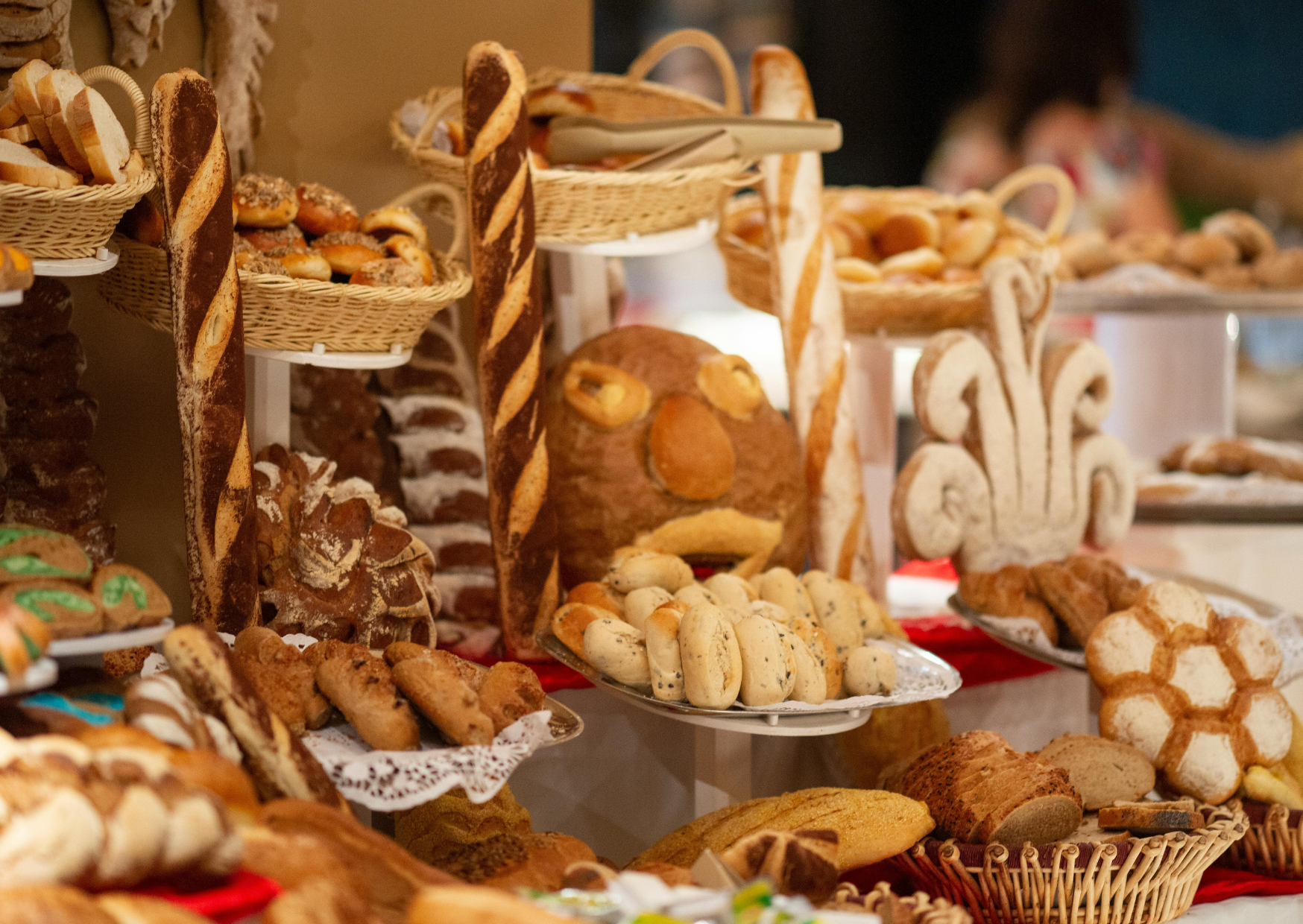
It does happen—usually in one of three scenarios:
- You hadn’t ordered food yet. The basket was treated as a standalone item (like ordering olives).
- You asked in English for “a bread basket,” the server matched it to the menu’s paid bread service (often €3–€6/person in upscale places that do a special bread program).
- You were in a tourist zone café, where they monetize table snacks more aggressively.
If charged and you did order food, you can gently clarify: “Le pain est bien compris avec le repas ?” Nine times out of ten you’ll either hear “yes” (and the line stays) because you ordered a specific bread item, or they’ll remove it if it was a mismatch.
7) Regional and Restaurant-Type Nuances
- Classic Paris bistro/brasserie: Plain bread included with meals; butter is not a given at dinner (more likely at lunch with radishes in spring). Upscale bistronomy may list a named bread & butter course—delicious, sometimes charged.
- Brittany/Normandy seafood houses: More butter culture; you may see bread-butter displayed with pride. If it’s a formal service, price can appear on the card.
- Wine bars / caves à manger: Bread shows up with boards and small plates. If you ask for bread alone while you only drink, expect a small paid side.
- Crêperies: Bread is secondary because cider is king. If you want bread, it may be a side order.
- Country auberges: Generous baskets, refilled discreetly, usually included once food is ordered.
- Tourist promenades: Menus may monetize everything from peanuts to “artisan bread.” Read or ask.
8) Butter, Olive Oil, and the “Where’s My Basket?” Mystery
Anglo diners often expect bread-and-butter to materialize immediately. In France:
- Butter at dinner isn’t automatic (breakfast is different). Butter appears by style/region, not as a universal.
- Olive oil dips are not a French restaurant norm (that’s more Italian-American).
- No bread yet? You probably haven’t ordered. Once you do, it shows. If it doesn’t, a simple, “Aurions-nous un peu de pain, s’il vous plaît ?” after ordering is perfectly polite.
9) The Carafe Rule (Don’t Pay for Thirst)
France requires restaurants to offer free tap water on request. The trap is saying “water” in English and getting a €5 bottle of still or sparkling. Ask specifically for carafe d’eau. Pair it with bread after you’ve ordered, and you’ve just neutralized the two sneakiest line items in tourist areas.
10) A Budget-Friendly Script You Can Copy

Use this verbatim flow; it keeps the experience French and the bill tidy.
- Sit, skim, decide quickly.
- “Une carafe d’eau, s’il vous plaît.”
- Order your entrées and plats (or the formule/menu du jour).
- As the first plate is en route, “Pourrions-nous avoir un peu de pain, s’il vous plaît ?”
- If you want an apéritif, choose it because you want it—not because you’re starving while nothing’s on the way.
- If a server offers paid nibbles, say oui or non merci consciously.
- For refills: “Encore un peu de pain ?”
- For water refills: gesture the carafe; they’ll swap it.
Do this, and that mythical “double” never appears.
11) Common Misunderstandings That Inflate the Check
- “Bread plate = bread is coming.” Not necessarily. Many places have no bread plates; bread arrives with food.
- “If they set it down, it’s free.” True for plain bread with a meal; not always true for olives, nuts, or labeled bread services in wine bars.
- “We can just graze on bread while deciding.” That signals aperitif hour, which pulls paid items into play.
- “Tap water will just come.” Not unless you ask by name: carafe d’eau.
- “I’ll ask for butter; that’s normal.” It’s fine to ask, but butter may be premium or simply off-script; accept a no or a small charge.
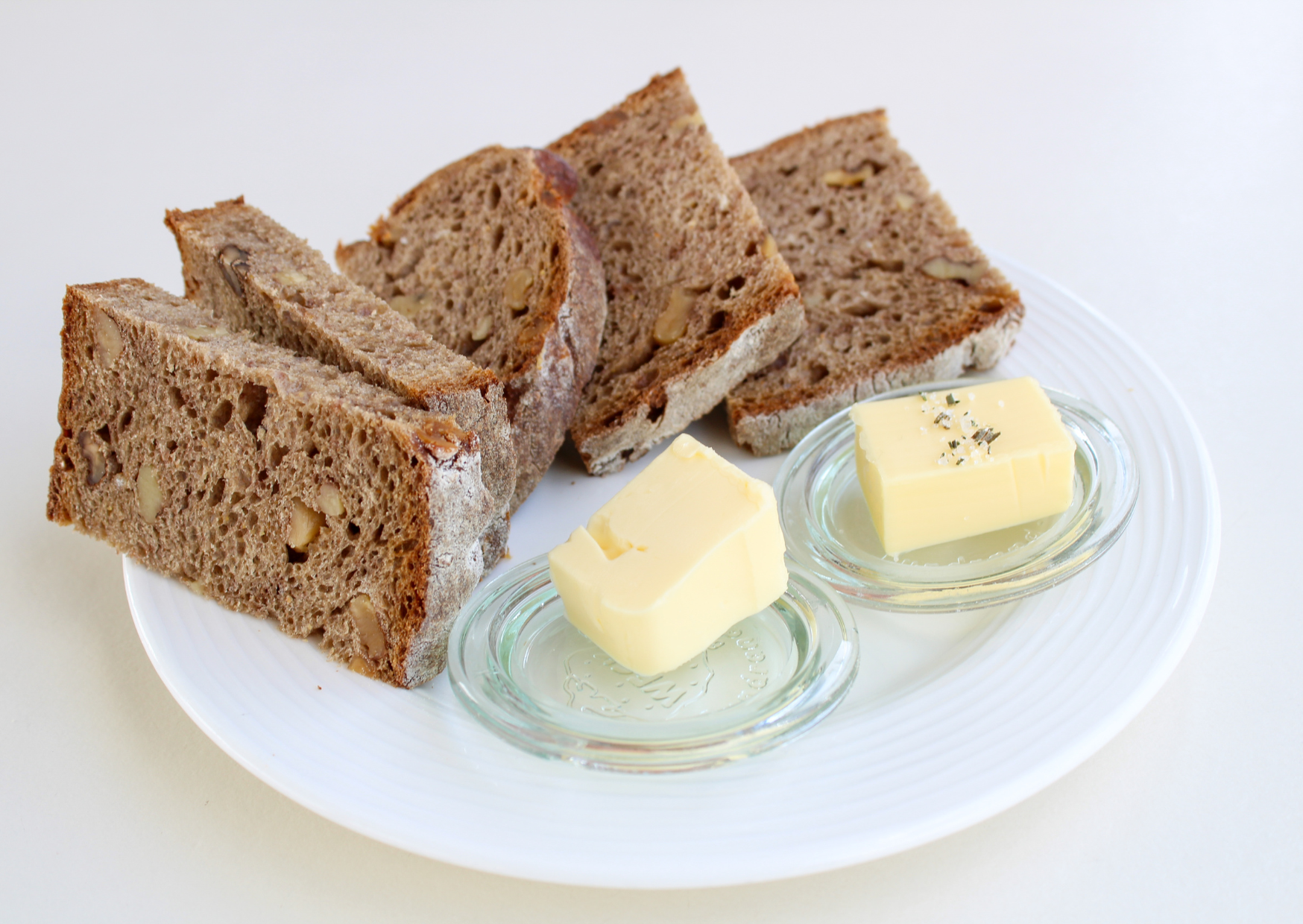
12) Signs You’re About to Be Charged for Bread
- The menu lists “Assortiment de pains”, “Pain & beurre”, or a named bakery/miller next to a price.
- The server says, “On a une très belle sélection de pains avec beurre…” and gestures as if it’s a course.
- You’ve ordered only drinks, and you ask for bread; expect a paid side unless you also order food.
13) When It’s Worth Paying for the Bread
Sometimes the bread is a course—and worth every centime. In chef-led bistros, a warm slice of pain au levain with cultured butter or a drizzle of huile de noix is part of the experience. If you want that, order it explicitly and enjoy it without paranoia. The “double the bill” feeling only hurts when you never chose it.
14) Lunch Formula, The Quiet Saver
If you’re cost-conscious, hunt the formule (set lunch). Bread comes standard, water can be a carafe, and you’ll eat beautifully without add-ons. The fixed price caps the drift that timing can cause—and you leave happy.
15) Tourist Gauntlets vs. Neighborhood Calm
On postcard avenues, every detail is monetized: terrace seat, fancy water, “artisan bread.” In neighborhood spots (even in Paris), the rhythm is gentler: order, eat, bread appears, no nickel-and-diming. Five extra minutes of walking often halves the psychic—and actual—cost.
16) The One-Minute Recap: Keep Bread Free (or Close To It)
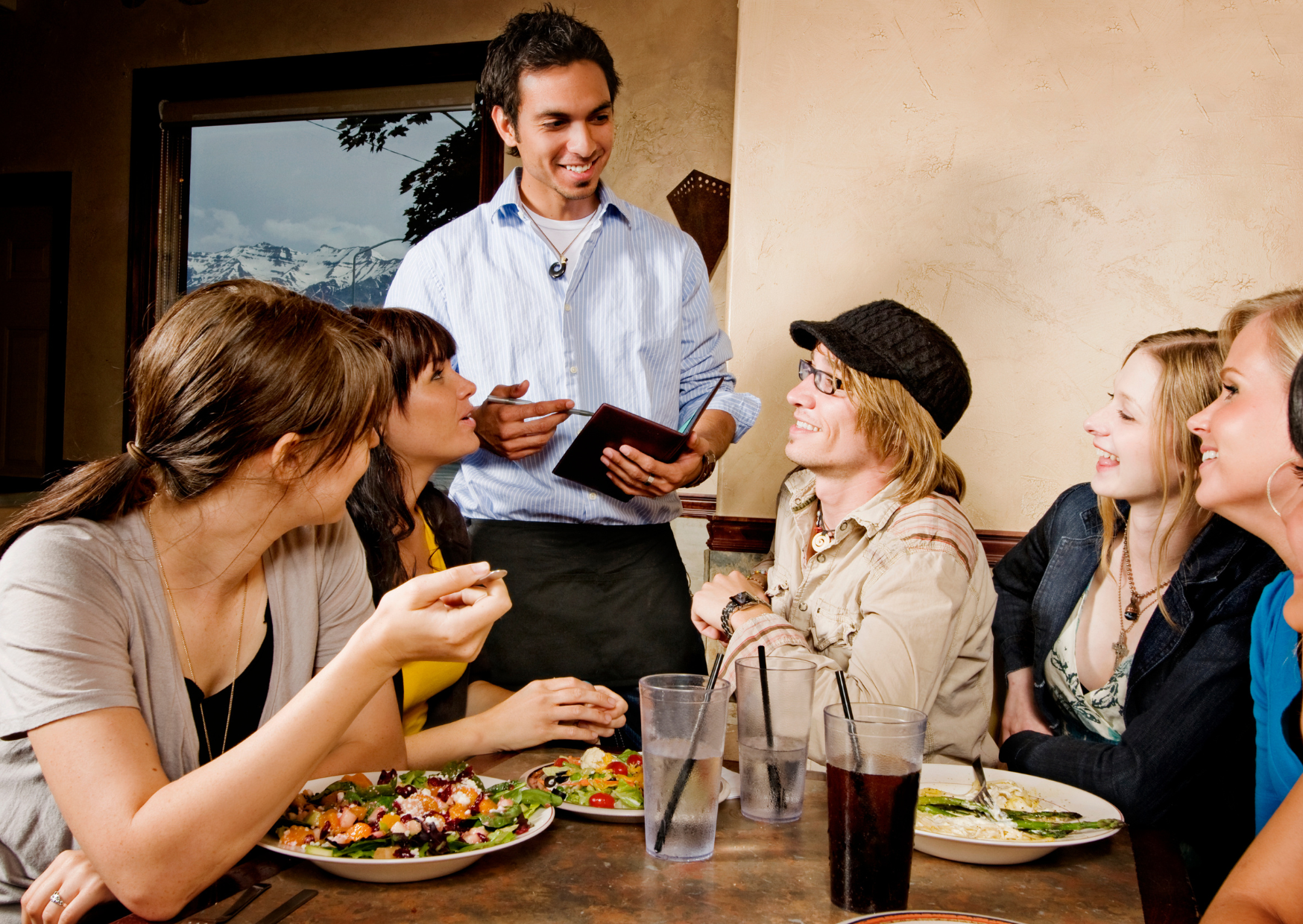
- Order first. Bread follows food.
- Ask for carafe d’eau (tap), not “water.”
- If you want artisan bread/butter, choose it; don’t trip into it.
- “Bread before ordering” = server triggers apéritif + nibble mode. That’s the money trap.
- In English-heavy zones, “bread basket” can map to a paid menu item. Ask simply for “du pain” after you’ve ordered.
- When in doubt, a soft, “Le pain est compris avec le repas ?” keeps everyone honest and polite.
What This Teaches You About Eating Well in France
France isn’t trying to trick you; it’s trying to conduct you. The meal has movements. Bread is a supporting instrument, not the overture. If you join the orchestra at the right measure, everything appears in the right order delicious, generous, and often more affordable than you expected.
Flip the order, and the staff will politely try to “complete” your premature snack with drinks and small plates until the real meal begins. That’s what people experience as “we asked for bread and our bill exploded.” The bread didn’t do it. The sequence did.
Learn the sequence once, and every other puzzle (butter, water, refills, nibbles) solves itself. You’ll eat better, spend less, and feel without speaking perfect French like you understand the quiet rules of the room. And that’s the whole point of eating in France: not just to fill up, but to belong at the table.
What feels like a hidden charge in France is usually a cultural misunderstanding rather than a scam. Bread itself is rarely the problem. The issue lies in how French restaurants structure meals, pricing, and service expectations.
French dining culture assumes a certain rhythm. Bread arrives as part of the meal, not as a pre-meal snack or unlimited starter. When tourists ask for bread immediately, it can unintentionally signal a different service expectation.
The resulting bill increase often comes from added items or service adjustments rather than the bread alone. Once this context is understood, the situation feels far less mysterious or unfair.
Ultimately, the experience highlights how small cultural assumptions can shape perception. Understanding the system removes frustration and replaces it with clarity.

About the Author: Ruben, co-founder of Gamintraveler.com since 2014, is a seasoned traveler from Spain who has explored over 100 countries since 2009. Known for his extensive travel adventures across South America, Europe, the US, Australia, New Zealand, Asia, and Africa, Ruben combines his passion for adventurous yet sustainable living with his love for cycling, highlighted by his remarkable 5-month bicycle journey from Spain to Norway. He currently resides in Spain, where he continues sharing his travel experiences with his partner, Rachel, and their son, Han.