
When Americans discuss European retirement, they talk about Portugal, Spain, France, and Italy. The conversation occasionally wanders to Greece. Croatia almost never comes up.
This is strange because Croatia offers something the popular destinations don’t: Adriatic coastline beauty at 40-60% lower costs than Western Europe, combined with recent EU membership that makes residency increasingly accessible.
I spent two years tracking what retirement in Croatia actually costs, working with my friends Mark and Susan who relocated to Split in 2022 with exactly $150,000 in savings, a combined Social Security income of $2,800/month, and zero Croatian language skills.
Their experience provides a real-world template for what $150,000 can accomplish in a country that’s somehow remained under the American retirement radar.
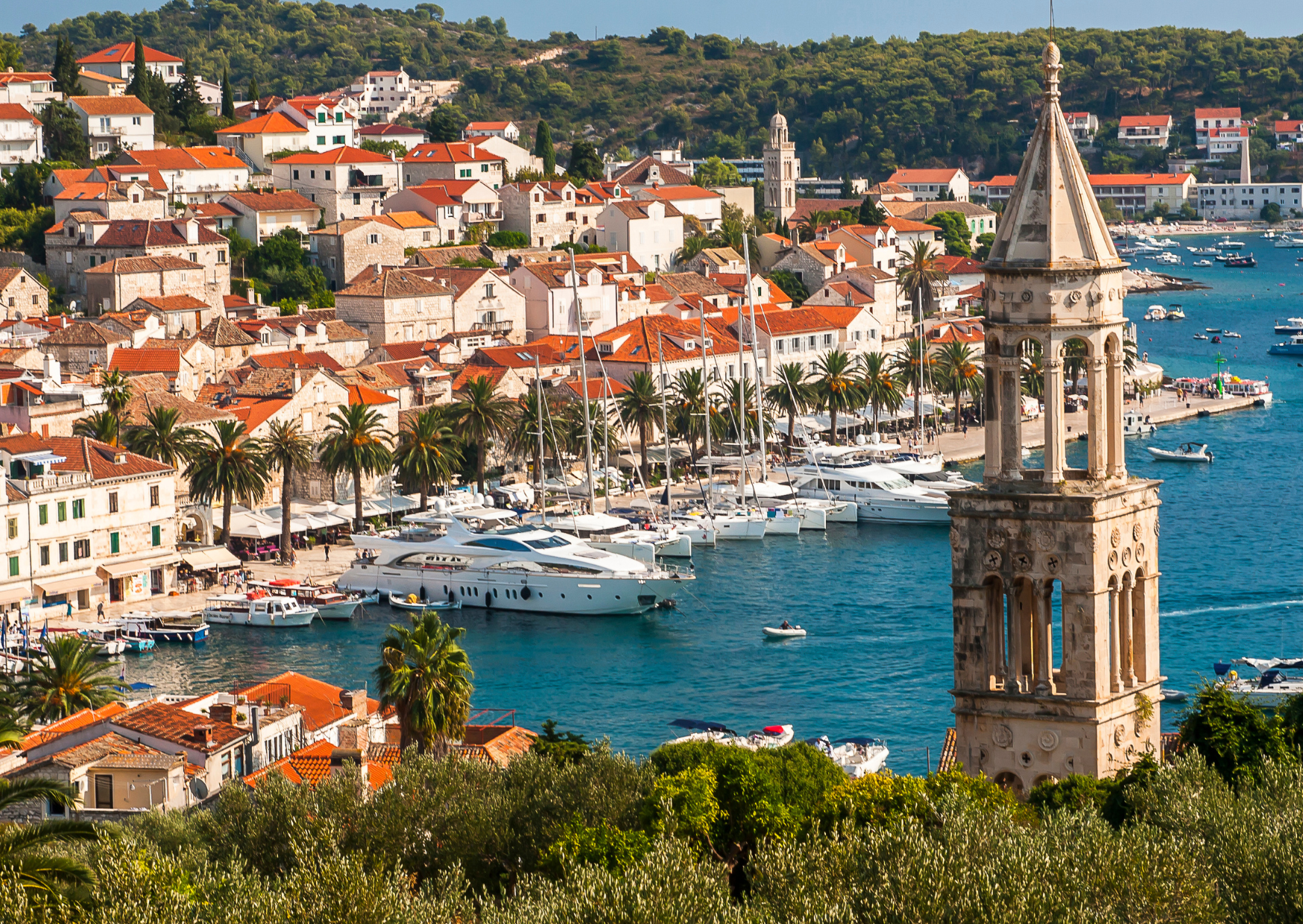
The Visa Reality: There Is No Croatian Retirement Visa
Let’s address this immediately because it confuses everyone: Croatia does not have a retirement visa. The “Croatian retirement visa” you read about in blogs doesn’t exist as a formal category.
What Croatia has instead is a temporary residence permit system that retirees can access through two primary routes:
Route 1: Prepaid Annual Rent Find a Croatian landlord willing to rent for a full year. Pay the entire year upfront. Register that address as your residence. This qualifies you for a one-year temporary residence permit, renewable indefinitely as long as you continue prepaying annually.
This is the most common path for Americans without Croatian heritage or property investments. It’s not elegant, but it works.
Route 2: Property Ownership Purchase Croatian real estate. This qualifies you for residence permits, though with a quirk: property owners without employment can only stay 9 months per year (9 months on permit plus 3 months visa-free). For full year-round residence, the prepaid rent method or other approaches work better.
Mark and Susan chose Route 1. They found an apartment in Split, prepaid €7,200 for the first year (€600/month), and applied for residence within weeks of arrival.
Government fees were minimal:
- Residence decision: €46.45
- Residence card: €31.85
- Card issuance: €9.29
- Total government cost: €87.59
They hired a Croatian lawyer to navigate the process: €800. Total first-year visa/legal costs: approximately €888, or about $950.
Year One: The Setup Year
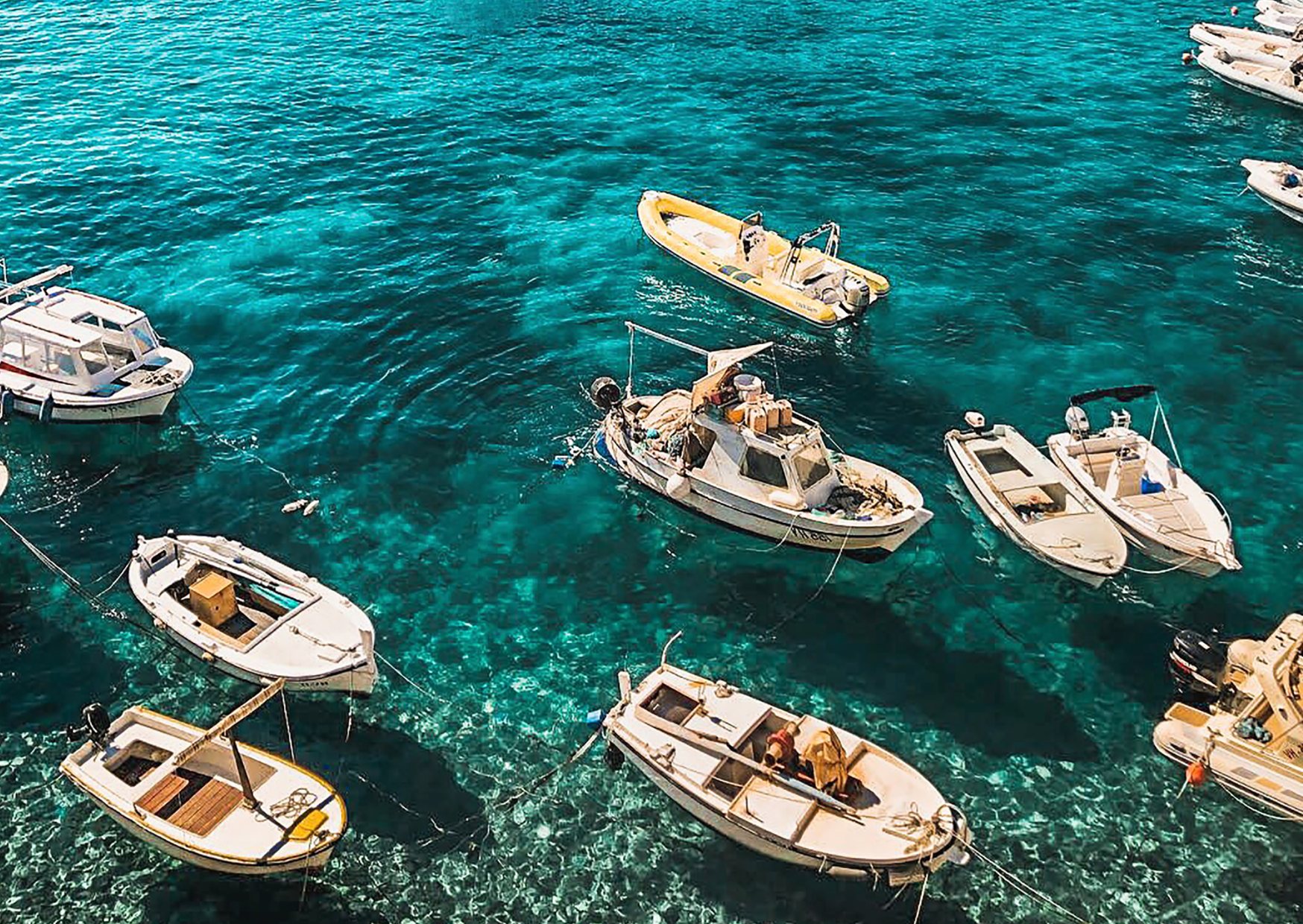
Mark and Susan arrived in Split in September 2022 with their $150,000 in savings plus $2,800/month in combined Social Security. Here’s how Year One actually broke down:
Housing: €7,200 (prepaid annually) Their Split apartment: 75 square meters, two bedrooms, balcony with partial sea view, 10-minute walk to the old town. At €600/month, this was mid-range for Split—cheaper options existed in less central locations, pricier options closer to the waterfront.
Numbeo data confirms Split averages around €500-800 for one-bedroom apartments in the city center, with two-bedrooms running €700-1,000. Their €600 for a two-bedroom was reasonable.
Utilities: €1,380 Electricity, water, gas, internet averaged €115/month. Croatian apartments often lack central heating, so winter electricity bills spiked (electric heaters) while summer bills included air conditioning. The €115 average masks €80 months and €180 months.
Groceries: €3,600 €300/month for two people eating primarily home-cooked meals with quality ingredients. Croatian markets offer excellent produce at reasonable prices. Imported goods cost more, but local wine, olive oil, cheese, and produce matched or beat US prices.
Health Insurance: €1,920 Private health insurance ran €80/month each. This provided access to private clinics, English-speaking doctors, and avoided public system wait times. Required for residence permit approval.
Dining Out and Entertainment: €3,000 They ate out approximately 8-10 times monthly (€25-40 per meal for two) and enjoyed activities like concerts, museum visits, and day trips. €250/month covered a comfortable but not extravagant social life.
Transportation: €840 No car—Split is walkable, and public buses cover wider areas. €70/month covered occasional taxis, bus tickets, and ferry trips to islands.
Miscellaneous: €1,800 Household items, clothing, personal care, small repairs, unexpected expenses. €150/month covered the random costs of life.
Year One Total Spending: €19,740 (approximately $21,500)
Against their $2,800/month Social Security income ($33,600/year), they ended Year One with money left over. Their savings remained essentially untouched except for initial setup costs.
Year Two: Normalized Costs
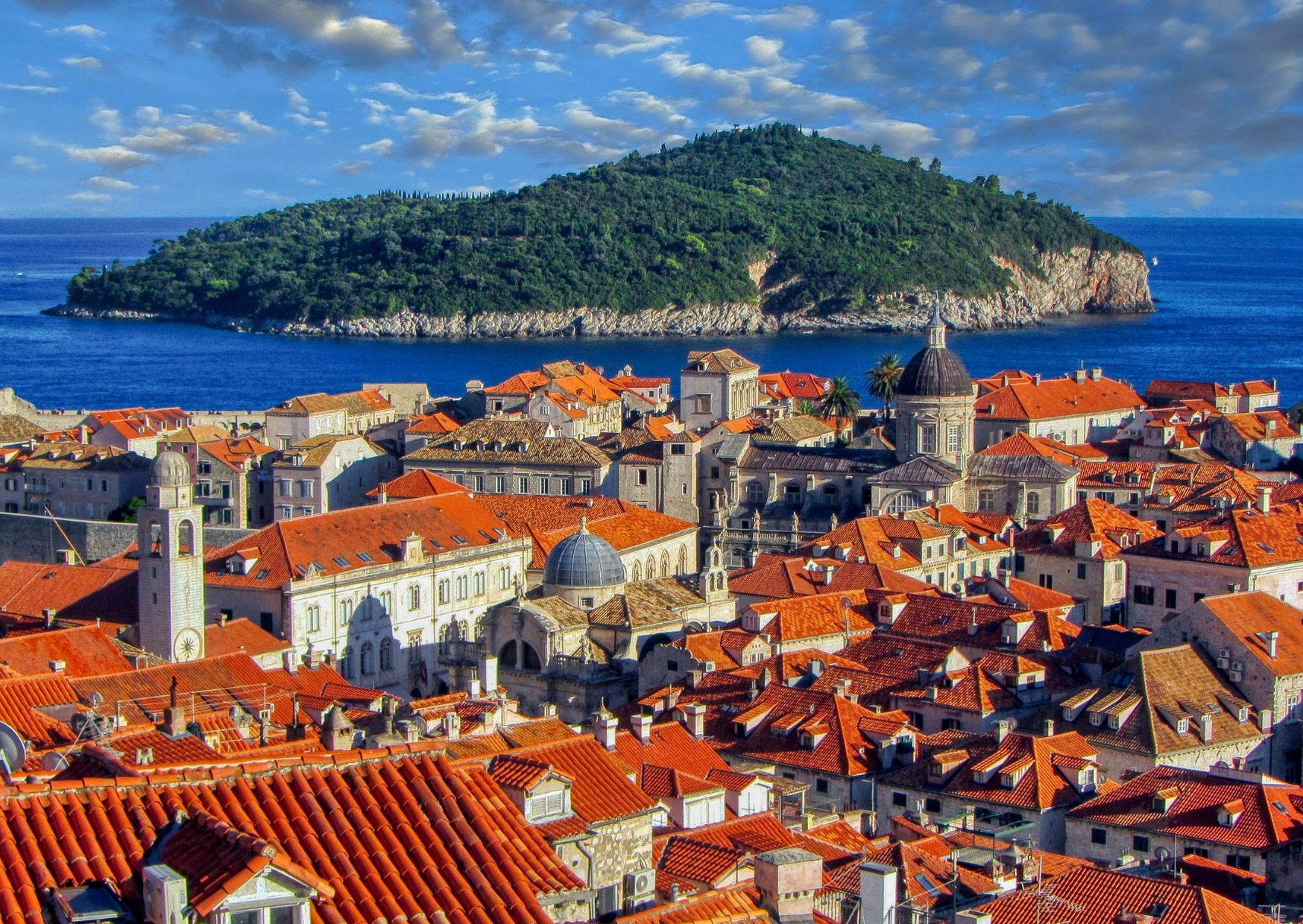
Year Two looked different. Setup costs disappeared, routines developed, and they understood Croatian pricing better.
Housing: €7,200 Same apartment, same prepaid annual arrangement.
Utilities: €1,320 Slightly lower as they learned to manage heating/cooling more efficiently.
Groceries: €3,240 Dropped slightly as they discovered cheaper markets and seasonal shopping patterns.
Health Insurance: €1,920 Unchanged.
Healthcare Out-of-Pocket: €650 Mark needed a minor procedure. Their insurance covered most of it; this was their portion plus medications and regular checkups.
Dining Out and Entertainment: €3,600 Increased slightly. They’d made friends, joined activities, and spent more on social life.
Transportation: €960 Added more day trips to islands and coastal towns.
Travel: €2,400 Flights to visit family in the US (their biggest single expense) plus a weekend trip to Montenegro.
Miscellaneous: €1,500 Fewer setup costs, more normalized spending.
Year Two Total Spending: €22,790 (approximately $24,800)
Still well under their Social Security income. They actually added slightly to their savings in Year Two.
The Two-Year Summary
Total Two-Year Spending: €42,530 (approximately $46,300)
Spending From Savings: approximately $0 Their $33,600/year Social Security covered expenses with room to spare.
Savings Position After Two Years: approximately $155,000 Their savings actually grew slightly due to modest interest earnings and not needing to draw from them.
Effective Monthly Budget: €1,772 ($1,930) This is what comfortable retirement in Split actually costs for two people.
Cost Comparison: Croatia vs. Popular Alternatives
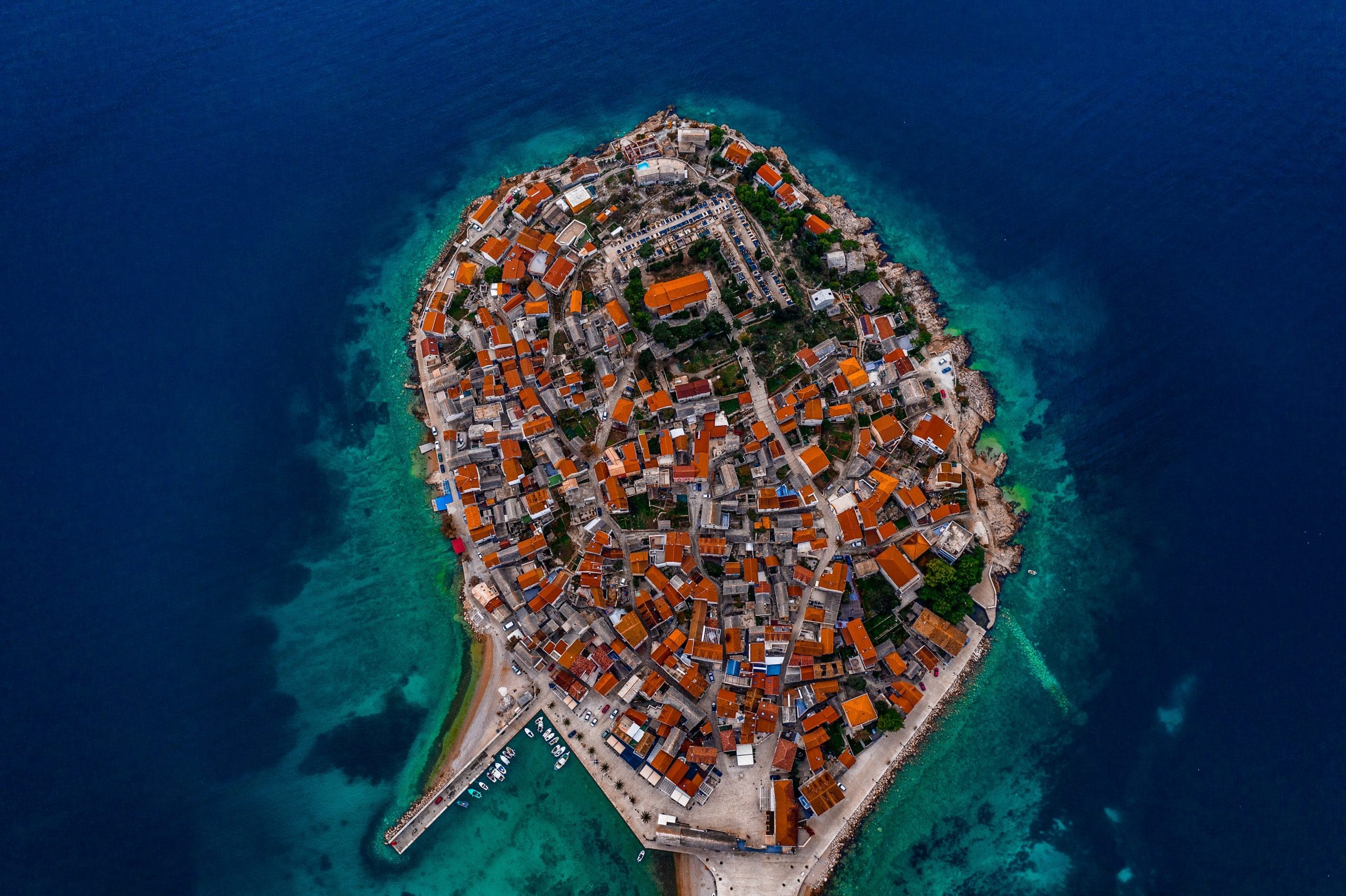
The numbers gain context when compared to alternatives:
Portugal (Algarve): Similar lifestyle would cost €2,200-2,500/month for a couple. Housing alone runs €900-1,200 for equivalent apartment quality. Portugal’s cost of living has increased 25-30% since 2020, pricing out many middle-income retirees.
Spain (Costa del Sol): €2,000-2,400/month for comparable lifestyle. Spanish healthcare access is better for residents, but housing costs in coastal areas have surged.
France (Provence): €2,800-3,500/month minimum. French cost of living, especially in desirable southern regions, far exceeds Croatian levels.
Italy (Puglia—one of Italy’s cheapest regions): €2,200-2,800/month. Italy offers incredible culture but never approaches Croatian affordability.
Croatia delivers 30-40% savings compared to Portugal or Spain, and 40-60% savings compared to France or Italy.
For Mark and Susan, this difference is existential. Their $2,800/month Social Security provides comfortable living in Croatia with savings accumulation. In Portugal, the same income would require careful budgeting. In France, it wouldn’t be sustainable long-term.
The Hidden Croatian Advantage: Tax Treatment
Croatia offers a significant advantage for American retirees that gets buried in fine print: foreign-sourced retirement income is generally not taxed in Croatia.
Mark and Susan’s Social Security payments originate in the United States. Under Croatian tax rules, this income isn’t subject to Croatian income tax. They pay no Croatian income tax on their primary income source.
They’re still liable for US taxes on Social Security (which, given their income level and standard deduction, amounts to nearly zero). But Croatia doesn’t double-tax them.
This is different from some European countries where residents owe tax on worldwide income regardless of source. Portugal’s NHR (Non-Habitual Resident) program offered similar benefits but has been modified and may not be available to new applicants. Spain taxes worldwide income for residents.
Croatia’s tax treatment for foreign retirees remains favorable, though it requires proper structuring and professional advice.
Healthcare: The Pleasant Surprise
Croatian healthcare was Mark and Susan’s biggest pre-move anxiety. The pleasant surprise: it’s genuinely good.
Croatia’s public healthcare system (HZZO) provides universal coverage for residents, funded through mandatory health insurance. Wait times for non-urgent procedures can be long, but quality of care is high. The WHO ranks Croatia’s healthcare system favorably compared to much of Europe.
Private insurance, which they opted for, costs €80-150/month per person and provides:
- Access to private clinics and hospitals
- English-speaking doctors (important in a country where medical vocabulary is challenging)
- Shorter wait times
- Choice of providers
Their actual healthcare experiences:
- Susan’s routine checkups: handled efficiently at a private clinic in English
- Mark’s minor procedure: scheduled within two weeks, performed at a private hospital, total out-of-pocket approximately €400 after insurance
- Dental work: significantly cheaper than US prices, with competent English-speaking dentists
- Prescription medications: available and affordable, though occasionally requiring adjustment from US equivalents
The Croatian medical system handles routine care excellently. For complex procedures or rare conditions, some expats travel to Germany or Austria, where top-tier specialists are a short flight away.
What $150,000 Actually Buys
Mark and Susan’s $150,000 functions as an emergency fund and future cushion rather than primary living expenses. Here’s how they think about it:
Emergency runway: If Social Security were somehow eliminated (it won’t be, but the fear exists), $150,000 provides approximately 6-7 years of living expenses in Croatia.
Major medical buffer: A serious medical event requiring treatment outside Croatia or extensive private care could cost tens of thousands. Having $150,000 available removes the anxiety of “what if?”
Future nursing care: Croatian nursing homes and assisted living facilities cost a fraction of US prices. Their $150,000 plus Social Security could fund quality care indefinitely.
Inheritance/legacy: They may leave money to children, and Croatia didn’t consume it.
The point: $150,000 isn’t “retirement money” in Croatia in the sense of being drawn down to fund living. It’s security money. Their ongoing income covers ongoing expenses, leaving capital intact.
The Honest Disadvantages
Croatia isn’t perfect. Here’s what Mark and Susan would tell prospective retirees:
Language barrier is real: Croatian is Slavic and difficult for English speakers. Unlike Portugal or Spain, you can’t bootstrap from Spanish or assume widespread English. In tourist areas, English works. In daily life, Croatian knowledge matters.
After two years, Mark and Susan speak functional but limited Croatian. They can shop, handle basic logistics, and have simple conversations. Deep friendship with locals remains linguistically challenging.
Winter is quiet: The Adriatic coast depopulates October through April. Restaurants close, ferry schedules reduce, the social scene contracts. If you need year-round bustle, this is a problem.
Mark and Susan use winters for US visits, travel, and quiet home time. They’ve adapted to the rhythm.
Bureaucracy exists: Croatia joined the EU but retains Balkan administrative culture. Government offices move slowly. Paperwork multiplies. Patience is essential.
Their residence renewal took longer than expected. Banking setup required multiple visits. It works, but it tests American expectations of efficiency.
Far from home: Croatia is 9-12 hours from most US cities by plane. Visiting family is expensive and exhausting. Unlike Mexico or Caribbean destinations, you can’t pop over for a weekend.
Cultural differences: Croatian culture is more reserved than Mediterranean stereotypes suggest. Making close Croatian friends takes years, not months. The expat community is smaller than in Portugal or Spain.
Who Croatia Works For
Based on Mark and Susan’s experience, Croatia works best for:
Middle-income retirees: Social Security plus modest savings provides comfortable living here when it wouldn’t elsewhere in Western Europe.
Nature and coast lovers: The Adriatic is spectacular. Island-hopping is easy. Outdoor life is excellent.
People seeking quiet: If bustling expat scenes feel overwhelming, Croatia’s lower profile is an advantage.
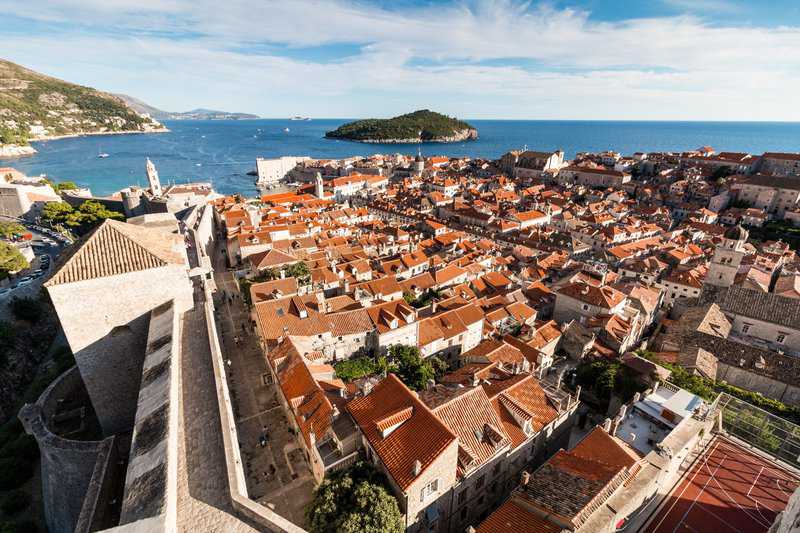
History and culture enthusiasts: Diocletian’s Palace, Dubrovnik’s walls, Plitvice Lakes—Croatia offers depth without tourist crushes (mostly).
EU access seekers: Croatian residence provides Schengen access for travel throughout Europe.
Croatia works less well for:
Extroverts needing large expat communities: Portugal and Spain have more established American networks.
People requiring constant sunshine: Croatian winters are gray and rainy, unlike Algarve or Costa del Sol.
Those unwilling to tolerate bureaucratic friction: If paperwork frustration derails your happiness, be warned.
Retirees who need proximity to US: Distance is real and not easily mitigated.
The Final Calculation
After two years, Mark and Susan have spent approximately $46,300 total, accumulated approximately $5,000 in additional savings, and maintained their $150,000 emergency fund intact.
They estimate they could sustain this lifestyle indefinitely on Social Security alone, without ever touching principal.
Compare to their pre-move situation in Florida: their $2,800/month Social Security would have covered a modest apartment and basic expenses, with no savings accumulation, constant financial stress, and no emergency cushion.
Croatia gave them financial breathing room they didn’t have in America. That breathing room translated to lower stress, better health, more enjoyment of daily life.
The country that nobody talks about turned out to be exactly what they needed. Their $150,000 remains essentially untouched—available for emergencies, future care, or passing to children—while their Social Security income provides a quality of life that would cost 50-100% more anywhere in Western Europe.
For Americans with similar financial profiles, Croatia deserves more conversation than it gets.
The Adriatic is just as beautiful as the Atlantic coast of Portugal. The costs are lower. The path to residence is straightforward. The country is underrated.
Mark and Susan will tell you: that’s exactly why they chose it.

About the Author: Ruben, co-founder of Gamintraveler.com since 2014, is a seasoned traveler from Spain who has explored over 100 countries since 2009. Known for his extensive travel adventures across South America, Europe, the US, Australia, New Zealand, Asia, and Africa, Ruben combines his passion for adventurous yet sustainable living with his love for cycling, highlighted by his remarkable 5-month bicycle journey from Spain to Norway. He currently resides in Spain, where he continues sharing his travel experiences with his partner, Rachel, and their son, Han.