
The headaches started in my late twenties. Not migraines exactly, but a persistent low-grade pressure behind my eyes that showed up three or four times a week. I blamed stress. I blamed screens. I blamed the fluorescent lights in every American office I ever worked in.
What I never blamed was lunch.
For years, my midday meal followed the same pattern. Turkey sandwich from the deli counter. Maybe ham if I felt like switching things up. Sometimes salami with cheese on a roll. Quick, easy, protein-forward. The healthy choice compared to fast food.
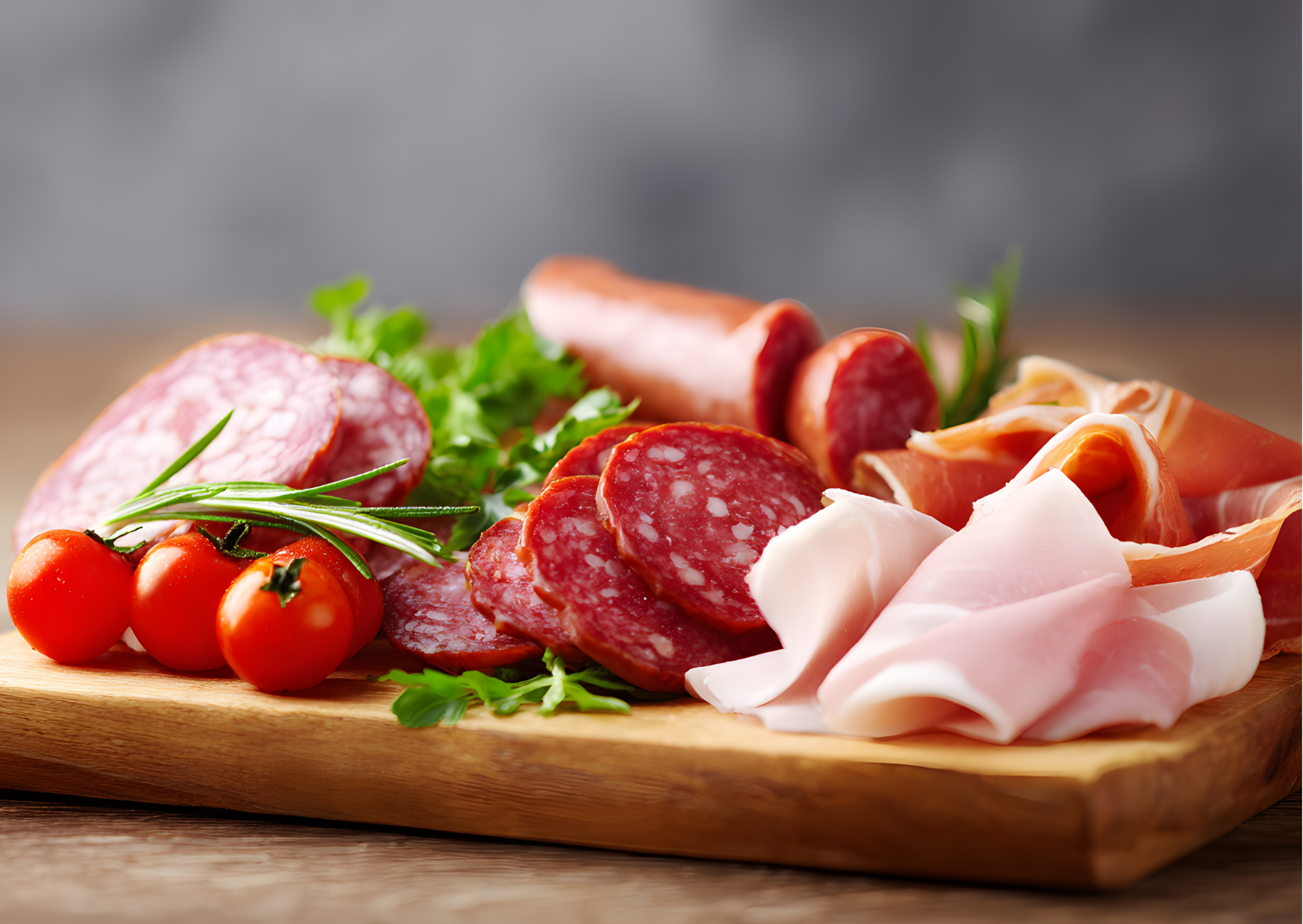
Then we moved to Spain, and I started buying jamón serrano from the carnicería down the street. The ingredient list on traditional Spanish ham is exactly three items: pork, sea salt, time. Nothing else. No sodium nitrite, no phosphates, no carrageenan, no propylene glycol.
By week three in Madrid, something strange happened.
The headaches stopped.
Not gradually faded. Stopped completely. I noticed because I kept waiting for the next one that never came. A pattern I had lived with for a decade simply vanished when I changed nothing except the source of my lunch meat.
What American deli meat actually contains
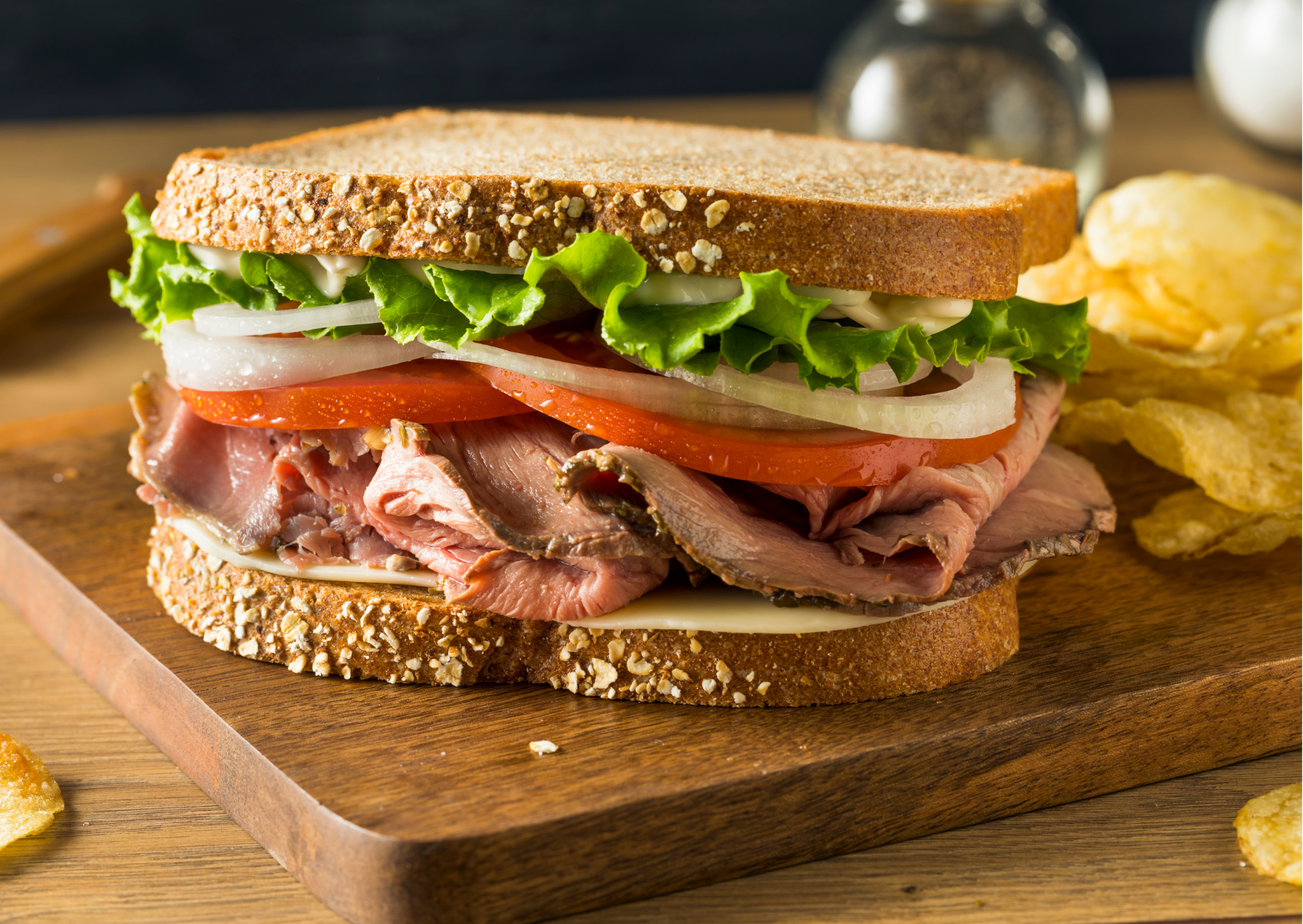
Pull a package of turkey breast from any American supermarket deli counter and read the ingredients. You will find a chemistry experiment.
The typical American deli meat contains:
- Sodium nitrite (E250) – a preservative that maintains pink color and prevents bacterial growth
- Sodium phosphate – used to retain water and improve texture, linked to cardiovascular issues
- Carrageenan – a seaweed-derived thickener associated with inflammation and digestive problems
- Sodium erythorbate – an antioxidant that accelerates curing
- Sodium diacetate – an antimicrobial agent
- Sodium benzoate – another preservative that can convert to benzene under certain conditions
- Modified corn starch – a filler and binder
- Autolyzed yeast extract – contains glutamate, the same amino acid found in MSG
Oscar Mayer’s honey ham lists 13 ingredients. Buddig’s sliced turkey contains 11. Even the “premium” brands at the deli counter include sodium nitrite and phosphates as standard practice.
The EU bans or restricts over 1,400 chemicals in food. The United States bans 9.
What Europe actually banned and why it matters for your head
In October 2023, the EU passed new regulations tightening nitrite limits in processed meat. As of October 2025, maximum permitted levels dropped significantly.
The new EU limits:
- General meat products – reduced from 150 mg/kg to 80 mg/kg
- Sterilized meat products – reduced from 100 mg/kg to 55 mg/kg
- Traditionally cured meats – set between 100-105 mg/kg depending on product
Denmark has maintained even stricter limits for years, with the EU granting them special permission to enforce lower maximums than other member states. The Danish approach represents what many consumer advocates want for all of Europe.
The reason for the restrictions centers on N-nitrosamines. These are compounds that form when nitrites interact with proteins during cooking or digestion. The European Food Safety Authority’s 2023 risk assessment found that exposure to nitrosamines in food “is concerning for health.”
Many nitrosamines are genotoxic and carcinogenic. They are associated with increased incidence of colorectal cancer.
France nearly banned nitrite additives entirely. Legislation proposed in 2021 would have made France the first European country to prohibit added nitrites in processed meat. The bill required warning labels stating: “Contains nitrites or nitrates added and which can promote colorectal cancer.”
The legislation stalled under industry pressure, but the movement continues. French consumer groups estimate that nitrates in processed meat cause around 4,000 cancer cases per year in France alone.
The hot dog headache is a real medical phenomenon

The connection between processed meat and headaches is not speculation. Medical literature has documented it since 1972.
That year, researchers Henderson and Raskin published a case study of a patient who experienced headaches after eating frankfurters, bacon, salami, and ham. The headaches were bitemporal in location and moderate to severe in intensity.
They called it the “hot dog headache.”
Subsequent research confirmed the pattern. Around 5% of migraine sufferers report developing headaches shortly after consuming processed meat products. The mechanism involves nitrites causing blood vessels to swell, triggering vascular headaches.
A study from the American Gut Project at UC San Diego found something even more specific. Migraine sufferers have higher counts of bacteria in their mouths that convert nitrates into nitrites. When these nitrites enter the bloodstream, they become nitric oxide, which dilates blood vessels.
For people with certain oral microbiomes, eating nitrate-rich processed meat creates a direct pathway to head pain. The bacteria in your mouth become the mechanism that triggers the headache.
The pattern fits what I experienced. The headaches were not random. They correlated with meals I never thought to track. Lunch was always the same. The headaches always came in the afternoon.
How traditional Spanish ham works differently
At the carnicería in Móstoles, whole legs of jamón serrano hang from hooks in the ceiling. Each one has been curing for 12 to 36 months depending on variety. The most expensive jamón ibérico de bellota cures for up to 48 months.
The process has not changed in centuries.
Fresh hams are covered with sea salt for about two weeks. The salt draws out moisture and begins preservation. After rinsing, the hams enter a resting period of one to two months at cold temperatures and high humidity. Then comes the long drying phase, where mountain air and time do the work that chemicals do in American factories.
No nitrites are added. No phosphates are injected. No carrageenan bulks up the texture. The ham loses 34% of its fresh weight through natural drying. What remains is concentrated flavor and natural preservation.
Traditional products like Parma ham, Bayonne ham, and certain Corsican charcuterie have always been made this way. The proposed French nitrite ban specifically exempted these traditionally cured products because they never used chemical additives in the first place.
The Consorcio del Jamón Serrano Español requires:
- Minimum curing time of 12 months
- Minimum fat cover of 1 centimeter
- At least 34% weight reduction from fresh state
- Individual sensory inspection of each piece
When I buy jamón from the carnicería, I watch the woman slice it by hand from a leg that has been hanging in her shop for months. The ingredients are pork and salt. That is the entire list. No laboratory, no chemistry, no mystery compounds your body has to process.
The money math of switching
American deli meat appears cheaper. It is not.
At a typical American supermarket:
- Deli turkey: $8-12 per pound
- Pre-packaged ham: $6-10 per pound
- Premium “uncured” options: $12-16 per pound
At a Spanish carnicería:
- Jamón serrano: 18-25 euros per kilogram (approximately $9-12 per pound)
- Jamón ibérico: 40-80 euros per kilogram for quality grades
The Spanish ham looks more expensive until you account for water weight. American deli meat is injected with phosphate solutions that can add 20-30% water weight. You are paying meat prices for salt water.
A 100-gram serving of American deli turkey might contain 15-20 grams of added solution. A 100-gram serving of jamón serrano is 100 grams of actual cured meat.
When you calculate protein per euro, traditionally cured ham often wins. You eat less because it is more satisfying. You waste less because it keeps longer. You pay nothing in hidden health costs from additives your body has to process. The real cost comparison favors the product that looks more expensive on the label.
Common mistakes Americans make when trying to switch
Mistake one: Buying “uncured” American products and thinking the problem is solved.
The “uncured” label is a marketing trick. These products use celery powder or celery juice, which contains naturally occurring nitrates that convert to the same nitrites during processing. Europe does not allow this labeling workaround. Nitrites are nitrites regardless of source.
Mistake two: Assuming all European deli meat is additive-free.
Industrial producers in Europe also use nitrites, just at lower maximum levels than American producers. The difference is in traditional products with Protected Designation of Origin status. Look for PDO or PGI labels. Look for ingredient lists with only meat, salt, and spices.
Mistake three: Expecting the same texture and convenience.
American deli meat is engineered for slicing, stacking, and surviving in plastic packaging for weeks. Traditional cured meat is drier, more intensely flavored, and meant to be carved fresh. The eating experience is different. That is the point.
Mistake four: Not adjusting portion sizes.
A few thin slices of jamón serrano with manchego cheese and bread is a complete Spanish breakfast. You do not need a quarter pound of meat piled on a sandwich. The concentrated flavor means less volume delivers more satisfaction.
Mistake five: Ignoring the other additives in your diet.
Deli meat is one source of nitrites and phosphates. Bacon, hot dogs, sausages, and processed cheese contain the same additives. Eliminating one category while continuing others may not produce the headache relief you seek.
Seven days to test if deli meat is your trigger
Day one. Write down every headache you have experienced in the past month. Note the time of day, severity, and what you ate in the preceding 12 hours. Look for patterns you may have missed.
Day two. Eliminate all processed meat from your diet. This includes deli turkey, ham, salami, bacon, hot dogs, and sausages. Read labels carefully. Sodium nitrite appears in unexpected places like frozen pizzas and canned soups.
Day three. Replace your usual lunch with whole foods. Roast a chicken breast on Sunday and slice it for sandwiches. Hard-boil eggs. Make tuna salad from canned fish packed in water.
Day four. If you have access to a specialty store or butcher, source traditionally cured meat with no additives. In the US, brands like True Story, Diestel, and Applegate make nitrite-free options, though they still use celery powder.
Day five. Track your headaches in a simple diary. Note timing, intensity, and any correlation with meals. The pattern, if it exists, typically becomes visible within one week.
Day six. Notice how you feel overall. Many people report reduced bloating, less afternoon fatigue, and clearer thinking when they eliminate heavily processed deli meat. These may or may not correlate with headache frequency.
Day seven. If your headaches have reduced or disappeared, you have useful data. If they persist unchanged, processed meat may not be your trigger. Either way, you have learned something about your body.
What we actually observe living without American deli meat
Two years into eating Spanish-style cured meat, the headaches have not returned.
I cannot prove causation. I did not run a controlled study on myself. But the correlation is impossible to ignore. A decade of recurring headaches vanished when I stopped eating American processed meat and started eating traditionally cured jamón.
My husband noticed a similar pattern. He drove a taxi in Chicago for years, grabbing deli sandwiches between fares. The afternoon headaches he blamed on traffic stress disappeared within a month of switching to Spanish ham and cheese for lunch.
Our son, who is 13, never developed the headache pattern. He spent his first decade eating American food but was young enough that chronic symptoms may not have established themselves. We cannot know what we prevented.
What I can say is this: when we visit the US and I accidentally eat American deli meat at a gathering or restaurant, the headache returns within hours. The pattern is consistent enough that I now ask about ingredients before eating anything that looks like sandwich meat.
The carnicería owner in Móstoles knows us now. She sets aside the end pieces of jamón for my husband because he likes them diced into eggs. She recommends new producers when their hams come into season.
This is not a supplement or a program or a wellness hack. It is just eating meat the way people ate it before the food industry decided that shelf life and profit margins mattered more than human health.
The honest trade-offs worth naming

Traditional cured meat has real limitations:
- Availability – most American grocery stores do not stock additive-free options
- Cost – quality traditionally cured ham is genuinely expensive
- Convenience – you cannot grab it from any deli counter
- Taste adjustment – the drier, more intense flavor takes getting used to
- Portion psychology – Americans expect volume that Spanish portions do not provide
The American food system is designed around preservatives. Removing them means accepting that meat does not last as long, costs more to produce, and requires different storage and consumption patterns.
But the trade is straightforward.
On one side: convenient, cheap, additive-laden meat that may be causing symptoms you have normalized. On the other: less convenient, more expensive, traditionally preserved meat that your body recognizes as food.
The headaches I had for years stopped. They stopped completely and have not returned. After a decade of accepting them as part of my life, they simply ended.
That trade works for me. It might work for you too.

About the Author: Ruben, co-founder of Gamintraveler.com since 2014, is a seasoned traveler from Spain who has explored over 100 countries since 2009. Known for his extensive travel adventures across South America, Europe, the US, Australia, New Zealand, Asia, and Africa, Ruben combines his passion for adventurous yet sustainable living with his love for cycling, highlighted by his remarkable 5-month bicycle journey from Spain to Norway. He currently resides in Spain, where he continues sharing his travel experiences with his partner, Rachel, and their son, Han.