

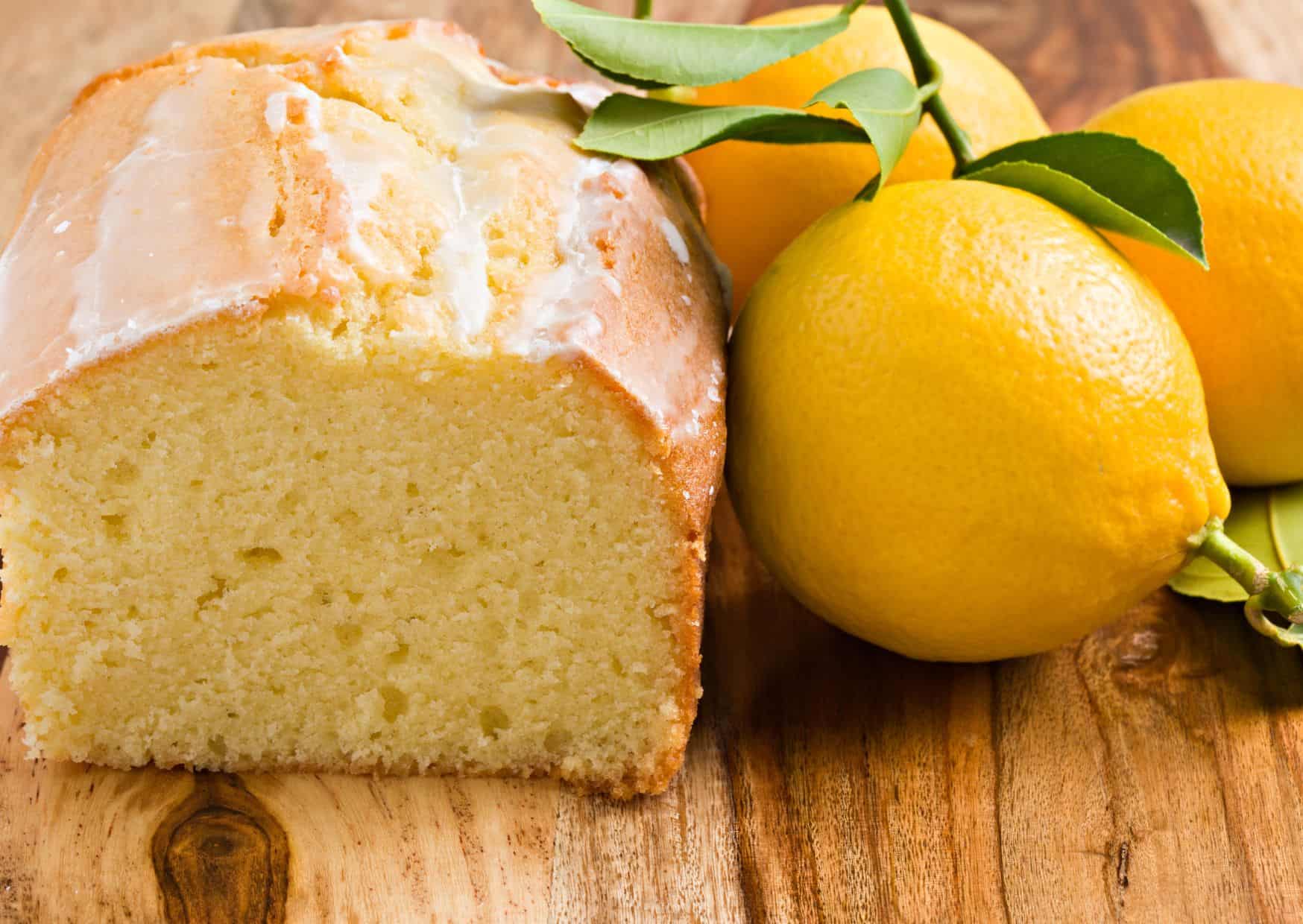
Italian Lemon Cake, known as Torta al Limone, is a classic dessert that embodies the bright, refreshing flavors of Southern Italy, particularly the Amalfi Coast where lemons are prized for their intense aroma and sweetness. This cake is light, moist, and bursting with zesty lemon flavor, often topped with a simple glaze or dusting of powdered sugar for an elegant finish. Its simplicity allows the lemon’s natural fragrance to shine, making it a beloved treat for both everyday coffee breaks and special celebrations.
What makes this cake so appealing is its versatility. It works beautifully as a dessert to end a hearty Italian meal on a light, fresh note, but it is equally satisfying as a mid-afternoon snack with coffee or tea. The combination of olive oil or butter with fresh lemon juice and zest creates a delicate crumb that stays moist for days, ensuring each bite delivers sunshine-like brightness even in the colder months.
In this recipe guide, you’ll learn how to make authentic Italian Lemon Cake step by step, with tips for achieving a perfectly balanced citrus flavor and a moist, fluffy texture. Whether you’re baking for a family gathering, a spring brunch, or simply craving a taste of Italy, this cake will transport your kitchen straight to the lemon groves of Amalfi.
Read here best Italian food, vegetarian food in Italy, best drinks in Italy and best breakfast in Italy
BOOK YOUR TRAVEL INSURANCE
Two of our favorite travel insurance: Heymondo Vs Safetwing cheapest travel Insurance. You can get for $135 USD your Heymondo Travel Insurance with Heymondo discount code valid for 90 days. Read our full comparison of Genki vs Safetywing Travel Insurance Review and the comparison Heymondo vs Genki
Best Time to Eat and What to Serve It With
Best time to eat:
Italian Lemon Cake is perfect for breakfast or brunch, enjoyed alongside a cappuccino, or served as a light dessert after lunch or dinner, especially on warmer days when you crave something refreshing.
Perfect pairings:
Side: Serve with a small scoop of vanilla gelato or lemon sorbet for an elegant dessert course.
Drink: Pair with a glass of limoncello for a truly Italian finish, or enjoy it with espresso or a pot of Earl Grey tea for an afternoon treat.
Dessert course: For a spring or summer gathering, pair with a platter of fresh berries, ricotta drizzled with honey, and amaretti cookies to complete your Italian dessert spread.
Italian Lemon Cake is more than just a cake—it’s a celebration of Italy’s love for fresh, pure flavors, bringing a burst of sunshine to your table with every fragrant, zesty bite.
Many versions of “Italian lemon cake” floating around online are anything but authentic. Some recipes use boxed cake mix, artificial lemon flavoring, or heavy frostings that weigh down the cake’s naturally airy structure. While these might be convenient, they strip away what makes the traditional version so beloved: its freshness and subtlety.
Another common mistake is assuming all lemon cakes are the same. Italian lemon cake especially variations like Torta al Limone or Caprese al Limone from Southern Italy emphasizes lightness, often made with olive oil or almond flour, and avoids the overpowering sweetness seen in American-style lemon desserts.
What gets overlooked is the cultural significance of lemons in Italian cuisine, especially in regions like Campania and the Amalfi Coast, where lemons are more than just an ingredient they’re a symbol of local pride. To treat the cake like just another citrus dessert is to miss the point entirely. Respecting the tradition means honoring the simplicity, balance, and roots of the recipe.
How to Make Italian Lemon Cake
Italian Lemon Cake Recipe Ingredients
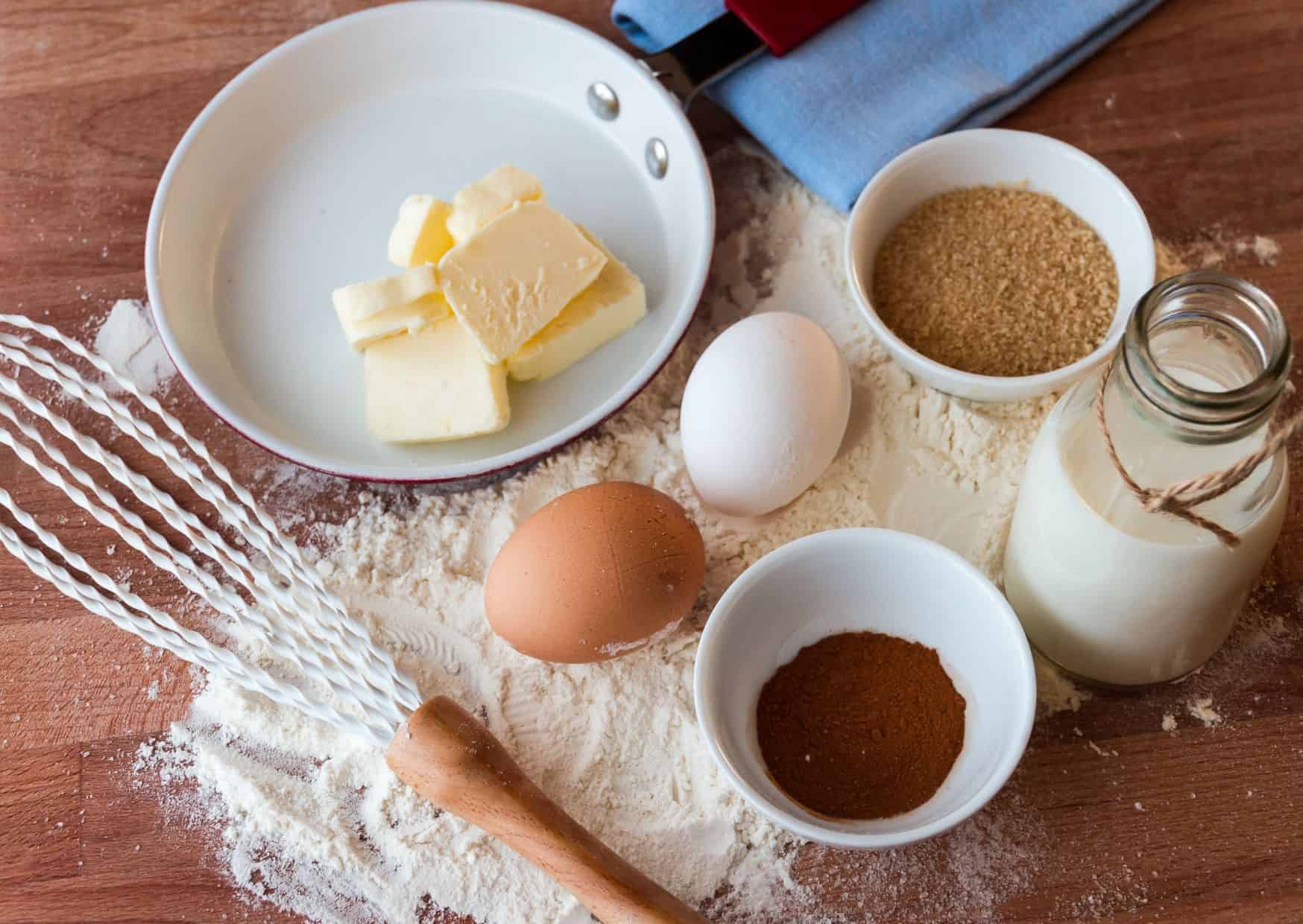
1 1/2 cups all-purpose flour
1 1/2 teaspoons baking powder
1/4 teaspoon salt
1/2 cup unsalted butter, softened
1 cup granulated sugar
3 large eggs
Zest of 2 lemons
1/4 cup fresh lemon juice
1/2 cup whole milk
Powdered sugar for dusting (optional)
Get the best deals for your home and kitchen needs
Step By Step How to Make Italian Lemon Cake
Preheat Oven
Preheat your oven to 350°F (175°C). Grease and flour a 9-inch round cake pan or line it with parchment paper.
Mix Dry Ingredients
In a medium bowl, whisk together the flour, baking powder, and salt. Set aside.
Cream Butter and Sugar
In a large bowl, beat the softened butter and granulated sugar together until light and fluffy, about 3-4 minutes.
Add Eggs and Lemon
Add the eggs one at a time, beating well after each addition. Stir in the lemon zest and lemon juice.
Combine Ingredients
Gradually add the dry ingredients to the butter mixture, alternating with the milk. Begin and end with the dry ingredients, mixing just until incorporated.

Bake
Pour the batter into the prepared cake pan and smooth the top with a spatula. Bake for 30-35 minutes, or until a toothpick inserted into the center comes out clean.
Cool and Serve
Allow the cake to cool in the pan for about 10 minutes, then transfer it to a wire rack to cool completely. Dust with powdered sugar before serving, if desired.

Tips To Make Italian Lemon Cake
Use fresh lemon juice and zest for the best flavor. Avoid bottled lemon juice as it can be too acidic and lack freshness.
Room Temperature Ingredients: Ensure the butter, eggs, and milk are at room temperature to create a smooth batter and even bake.
Overmixing can result in a dense cake. Mix just until the ingredients are combined. Insert a toothpick into the center of the cake; if it comes out clean, the cake is done. Be careful not to overbake to keep the cake moist.
How Many Calories Have Italian Lemon Cake
Calories: Approximately 250-300 per serving
Protein: 4-5 grams
Carbohydrates: 35-40 grams
Fat: 10-12 grams
Fiber: 1 gram
Origin and History
This iconic Italian lemon cake traces its roots to the Amalfi Coast, where citrus cultivation has shaped local cuisine for centuries. The region’s famous lemons grow unusually large, bursting with natural oils and floral fragrance thanks to the rich volcanic soil and constant Mediterranean sun. Generations of local bakers learned to incorporate these lemons into simple, rustic desserts that celebrated the fruit’s natural brightness. This cake, sometimes known as torta al limone, quickly became a coastal staple because it used ingredients every household kept on hand.
During the early 20th century, when tourism began flourishing along the Amalfi Coast, travelers fell in love with these lemon-forward desserts. The cake offered a taste of the coast’s breezy, sun-soaked lifestyle in every bite. Visitors brought the recipe back home, adapting it to local ingredients while trying to maintain that signature combination of lightness and bold citrus flavor. Despite its simplicity, the cake came to symbolize Italian hospitality and the effortless elegance of coastal living.
By the 1960s and 1970s, the cake was part of the broader wave of Italian cooking that spread around the world. But unlike more complex pastries, this one retained its rustic charm. It required no technical skills, no fancy equipment, and no precise pastry training. Just lemons, flour, eggs, sugar, and a bit of patience. To this day, it remains one of the most beloved desserts among Italian home cooks, embodying the spirit of summer in every slice.
One longstanding debate is whether the cake should rely strictly on Amalfi lemons or whether any good-quality lemon will do. Purists argue that the cake loses its soul without the thick-skinned, fragrant Sfusato Amalfitano variety. Others insist that proper technique matters more than the specific citrus, and that home bakers shouldn’t feel the dish is inaccessible if they can’t source Italian fruit. The disagreement speaks to a broader tension between culinary authenticity and practicality.
Another point of contention is the texture. Some Italians prefer a dense, moist cake that feels almost pudding-like, while others advocate for a lighter, fluffier crumb. Families on the Amalfi Coast will argue passionately about which texture is “correct,” and both sides swear that only their version captures the essence of a true lemon cake. The variety in texture reflects regional differences and personal nostalgia more than rigid rules.
Finally, there’s debate about the finish. Should the cake be topped with a glaze, dusted with powdered sugar, or left completely plain? Traditionalists often claim that glazing disrupts the balance and masks the lemon’s natural brightness. Modern bakers prefer a thin, tangy glaze for visual appeal and extra moisture. Each camp believes their approach highlights the lemon in the best way, proving once again that Italian cakes inspire just as much passion as Italian pasta.
How Long You Take to Prepare
This cake is beloved partly because it requires minimal active time. Preparing the batter takes only 10 to 15 minutes, provided you have your ingredients measured and ready. Zesting the lemons is the most time-consuming step, but it’s essential because the zest carries the oils that give the cake its aroma. Mixing everything together is straightforward, with no special folding techniques or pastry skills required.
The cake typically bakes for 35 to 45 minutes, depending on your oven and the size of your baking pan. During this time, the aroma fills the kitchen with a citrusy warmth that hints at the final result. Checking for doneness is simple a toothpick inserted into the center should come out clean, and the top should appear golden but not overly dark. This dessert is forgiving, making it ideal for new bakers.
Cooling adds another 20 minutes, though some Italians claim the cake tastes even better after resting for several hours. This rest allows the lemon oils to settle and the crumb to become more tender. All in all, the cake is ready to eat within about an hour, but its full flavor shines if you let it sit. Whether you’re making it for guests or for a weeknight treat, the timeline is accessible and stress-free.
Serving Suggestions
Many Italians serve this lemon cake exactly as it is simple, tender, and dusted with powdered sugar. It’s a dessert that doesn’t need embellishment. A slice pairs beautifully with a cup of strong espresso or a light herbal tea, making it ideal for afternoon gatherings or post-dinner relaxation. The cake’s citrus brightness keeps it refreshing rather than heavy.
For a more indulgent presentation, pair it with fresh berries or a spoonful of whipped mascarpone. The tangy cream enhances the lemon flavor without overpowering it, creating a balanced, elegant dessert suitable for special occasions. Some cooks add a drizzle of limoncello over the top for an adult twist, though purists may raise an eyebrow.
If you want to embrace the full Amalfi experience, serve the cake slightly chilled on warm days, letting the citrus flavor shine through the cool crumb. On colder days, warm it gently in the oven to bring out the oils in the zest. It’s versatile enough to suit any season and any palate, making it a reliable crowd-pleaser.
Final Thoughts
This Italian lemon cake isn’t just another dessert it’s a taste of the Amalfi Coast, a celebration of sunlit terraces, sea breezes, and simple ingredients transformed into something unforgettable. Its origins in rustic home kitchens remind us that great food doesn’t require complexity, just good ingredients and a bit of care. That’s why so many Italians return to this recipe again and again.
Making it at home offers more than a sweet treat. It’s a chance to connect with Italian culinary tradition, to understand how something as humble as a lemon can create such lasting culinary magic. The cake embodies everything people love about Mediterranean cooking: balance, brightness, and an appreciation for natural flavors.
Once you bake this cake, it’s hard not to make it a part of your regular rotation. It’s quick, it’s easy, and it somehow manages to taste like both summer and comfort. Whether you serve it at a dinner party or enjoy it quietly with your morning coffee, this lemon cake proves that the simplest recipes often leave the greatest impression.

About the Author: Ruben, co-founder of Gamintraveler.com since 2014, is a seasoned traveler from Spain who has explored over 100 countries since 2009. Known for his extensive travel adventures across South America, Europe, the US, Australia, New Zealand, Asia, and Africa, Ruben combines his passion for adventurous yet sustainable living with his love for cycling, highlighted by his remarkable 5-month bicycle journey from Spain to Norway. He currently resides in Spain, where he continues sharing his travel experiences with his partner, Rachel, and their son, Han.