
I gave my pantry a customs check. If an ingredient would be blocked at a European border, it was blocked at my breakfast table. Thirty days later, I slept better, had steadier afternoon energy, and my grocery bill looked boring in the best way. This is the exact playbook I used, the additives I cut, the brand swaps that worked in U.S. stores, and what changed by week four.
Europe is not a utopia aisle. It is a rule set that cuts certain additives out of everyday food. Do you need a visa to copy the benefits. No. You need a shopping list, a label habit, and a few stable recipes. Below is the additive short list I avoided because the EU bans them outright today or removed them from food years ago, and the day-by-day plan that kept me full without living at specialty markets.
Want More Deep Dives into Everyday European Culture?
– Why Europeans Walk Everywhere (And Americans Should Too)
– How Europeans Actually Afford Living in Cities Without Six-Figure Salaries
– 9 ‘Luxury’ Items in America That Europeans Consider Basic Necessities
Quick Easy Tips
Start by reading ingredient labels rather than chasing specific brands.
Focus on whole foods first, then packaged items with short ingredient lists.
Cook more at home to control inputs without overthinking rules.
Give your body time to adjust before judging results or cravings.
One controversial idea is that additives are harmless simply because they are approved. Approval standards differ by region, and what is considered acceptable in one system may be restricted or banned in another due to precautionary approaches.
Another misunderstanding is that removing additives means eating expensively or restrictively. In practice, many EU-approved foods rely on fewer ingredients, not premium ones. Simplicity, not luxury, does most of the work.
There is also resistance to the idea that additives affect behavior or appetite. While effects vary by individual, many people report differences in satiety and cravings when ultra-processed ingredients are reduced.
Finally, this experiment challenges the belief that personal responsibility alone determines eating habits. Food environments shape choices long before willpower enters the picture. When formulations change, behavior often follows without effort.
What “EU-Approved Only” Actually Means In A U.S. Kitchen
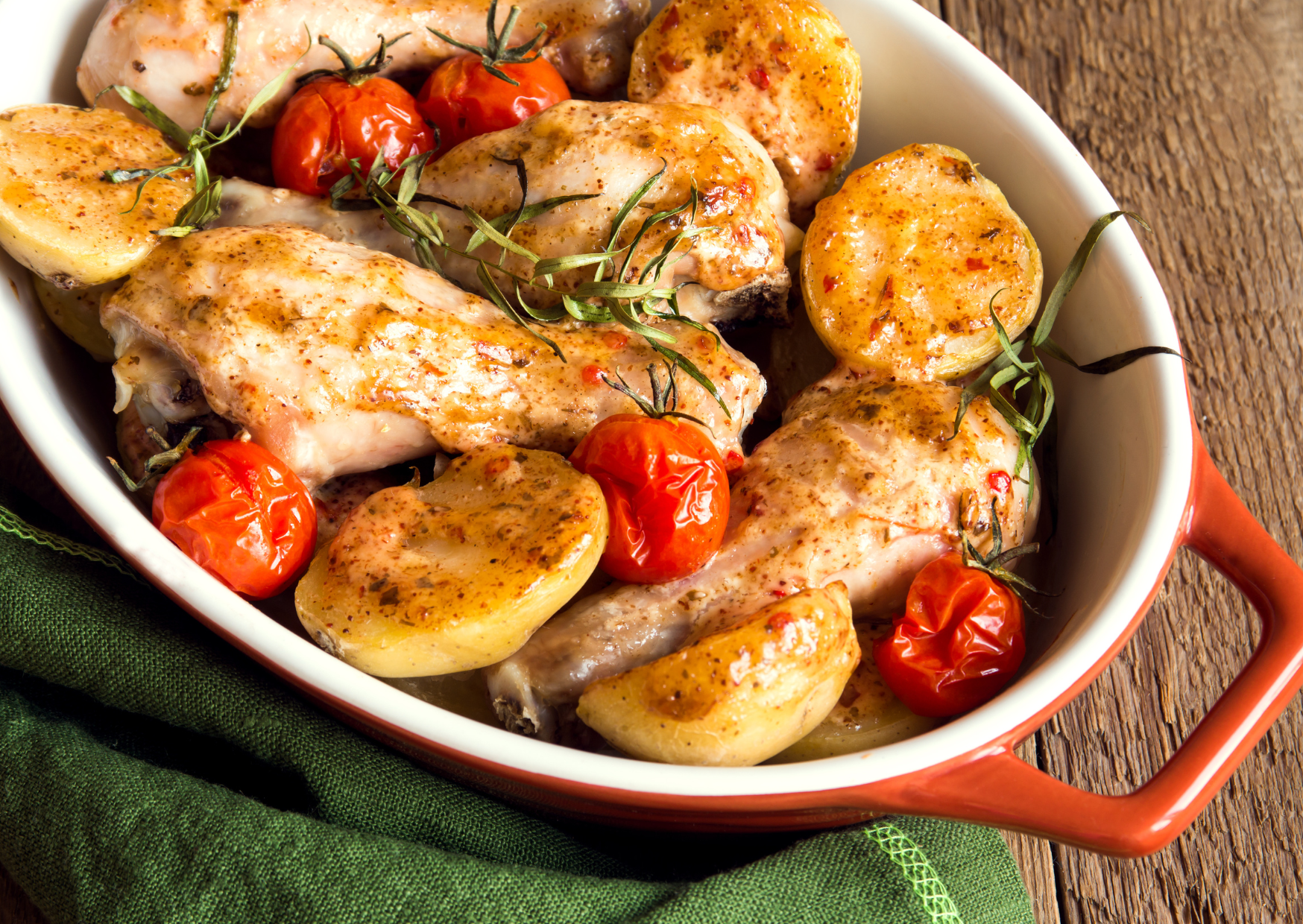
The experiment was simple: if the EU bans it in food, I did too. I did not chase every European labeling nuance or warning text. I just drew a bright line around a handful of American-normal additives that Europe removed from food.
The core cut list that drove 90 percent of my choices: titanium dioxide (E171), potassium bromate, azodicarbonamide (ADA), and propyl paraben. I also treated FD&C Red No. 3 as off limits during the U.S. phase-out window. Why these. Because they are the most common line-items that trip U.S. labels and they are either fully banned in EU food or no longer permitted there. I did not need a 60-item blacklist. Four to five lines on a receipt changed my month.
Two ground rules kept the month sane:
- Ingredients over claims. I bought the label, not the buzzwords. If the ingredients matched the EU bar, I was in, even if the box looked old-school.
- Staples, then treats. I locked breakfast, lunch, and dinner frameworks first, then hunted for cereal, sweets, or drinks that met the line. Structure made it easy to win most days.
The Additives I Cut, Why They’re Out In Europe, And Where They Hide
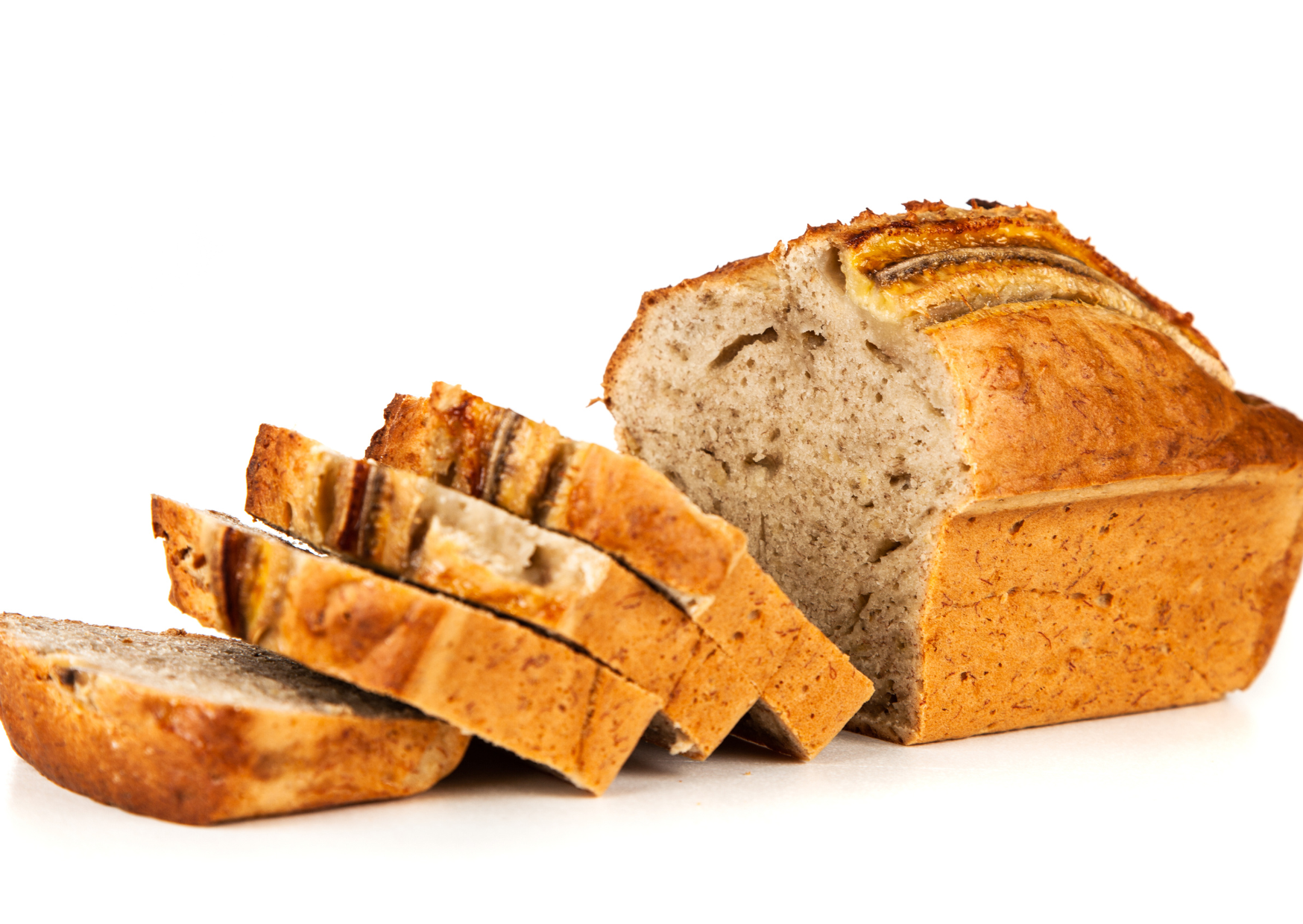
You do not need a chemistry degree. You need five label flags and the aisles they live in.
Titanium dioxide (E171)
- EU status: Banned in food since 2022 after EFSA could not rule out genotoxicity.
- U.S. reality: Still present on some ingredient lists in 2025 for whitening and opacity in candies, frostings, and chewing gum.
- Where it hides: White-coated candy, “confetti” sprinkles, shelf-stable frostings, some mints and gums.
- My swap: Dark chocolate, simple confectioner’s sugar glazes, natural-color sprinkles. Color is optional, ingredients are not.
Potassium bromate
- EU status: Banned in food for decades.
- U.S. reality: Still legal at the federal level in baked goods, though state pressure is rising and many big bakers have moved away from it.
- Where it hides: Some packaged breads, pizza dough mixes, certain flour improvers.
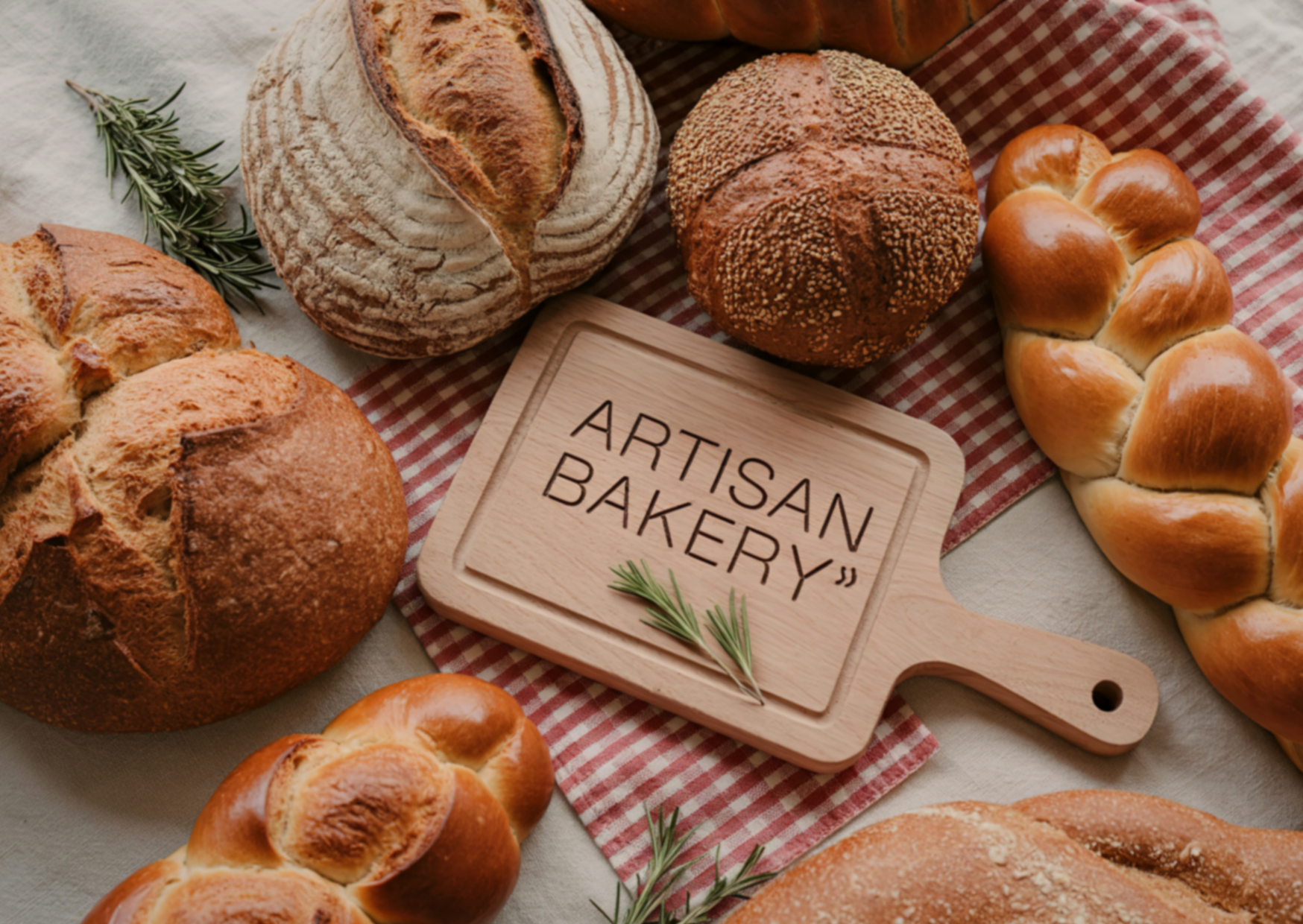
- My swap: Unbromated flour brands, bakery loaves with short ingredient lists, or ascorbic-acid-strengthened flours. Bread without bromate exists everywhere if you read one line.
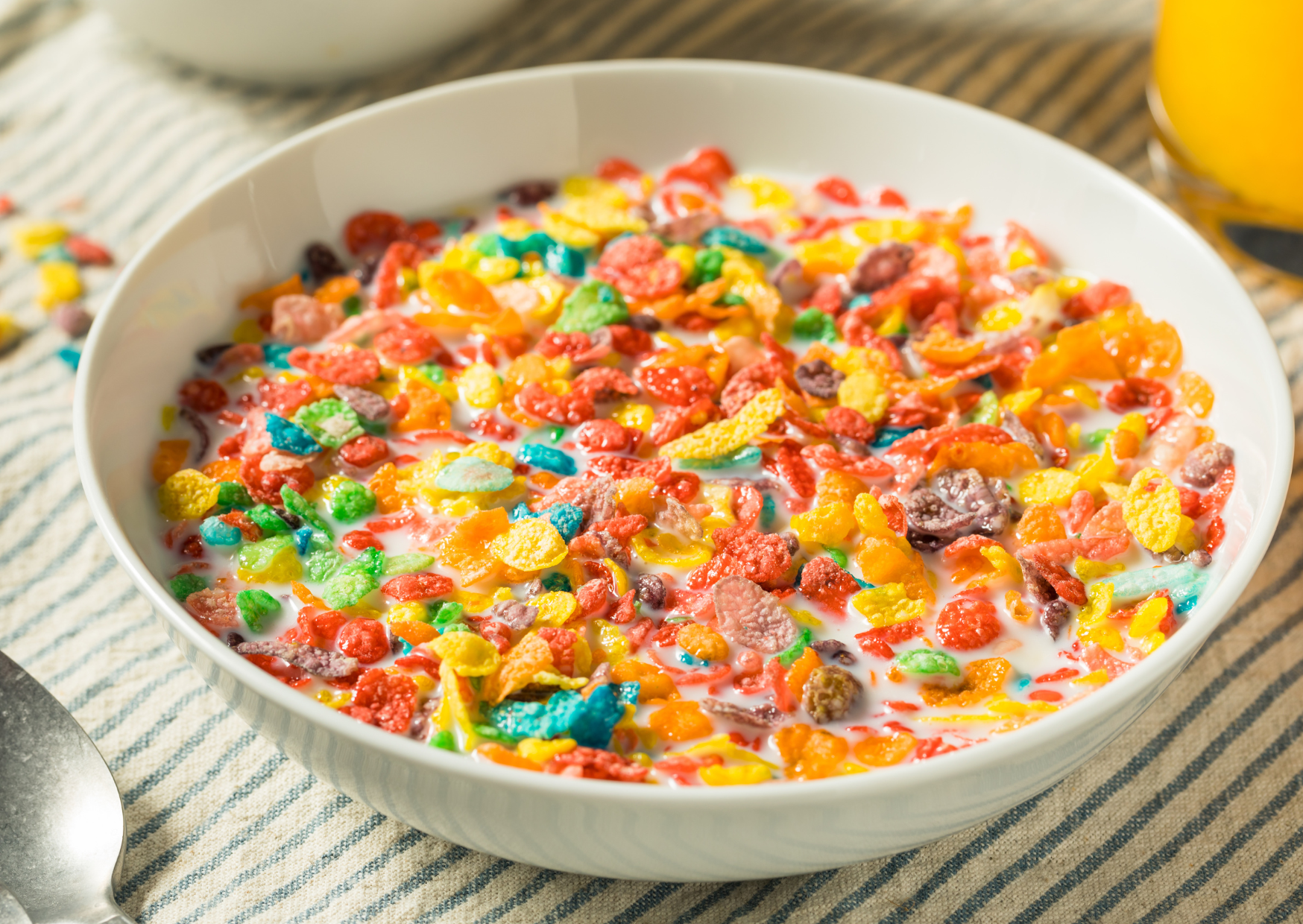
Azodicarbonamide (ADA)
- EU status: Banned as a flour treatment in food.
- U.S. reality: Allowed within limits, though usage has dropped as brands reformulate.
- Where it hides: Budget breads, buns, par-baked frozen dough.
- My swap: Sourdoughs and artisan loaves, many store-brand “clean label” breads, or tortillas with simple leaveners. If the dough needs a yoga-mat additive, I skipped it.
Propyl paraben
- EU status: Not approved as a food preservative; removed from the EU additive list years ago.
- U.S. reality: Still allowed as a preservative in certain foods; not common, but shows up.
- Where it hides: Some baked goods, icings, pie fillings, shelf-stable snacks.
- My swap: Fresh bakery items, frozen doughs with short labels, homemade frostings, and snack brands that publish a no-parabens policy. Preserve with cold and turnover, not chemistry.
FD&C Red No. 3
- EU status: Not used broadly in foods; EU’s permitted food colors differ and require warnings for some uses.
- U.S. reality: Authorization revoked in 2025 for food and ingested drugs, with a multi-year reformulation window. That means you can still see it on shelves in 2025–2026.
- Where it hides: Bright pink candies, neon cereals, jarred cherries.
- My swap: Cereals and candies colored with paprika, beet, spirulina, annatto. If the color came from a plant, it made the cut.
Note what I did not chase obsessively: every synthetic color or every preservative with limits in Europe. The point was copying Europe’s hard stops, not rebuilding EFSA in my kitchen.
The Pantry Makeover: U.S. Brands That Passed The EU Bar
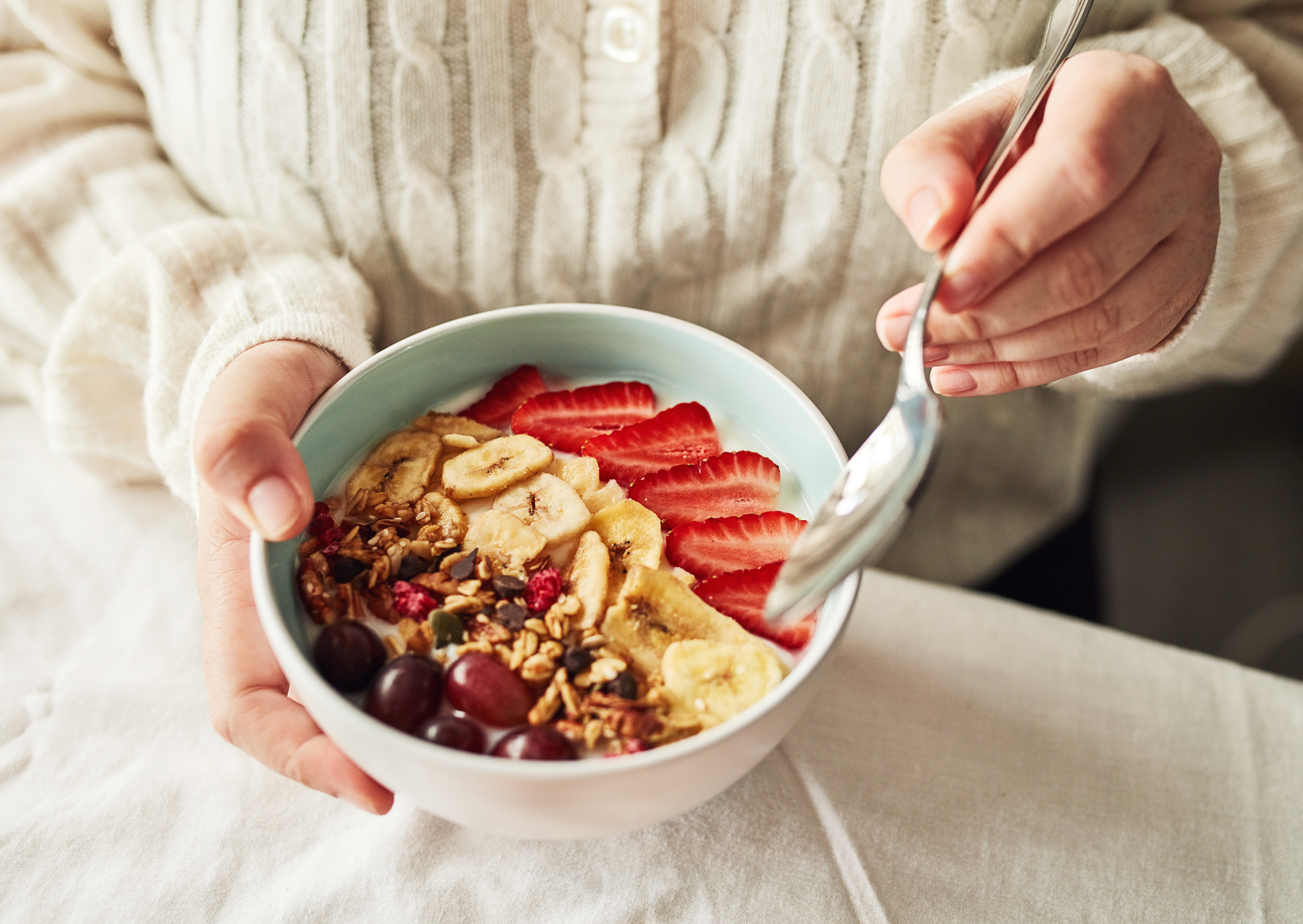
You can do this at major chains. The trick is to read two lines and build a default cart.
Breads and wraps
- Seek “unbromated flour” on the bag or brand page. Many national bakeries publish it.
- House sourdoughs and short-label tortillas cleared my list consistently.
- Fail flags: potassium bromate, ADA, very long lists with whitening agents. Short beats shiny.
Breakfast
- Oats, muesli, plain yogurt, and eggs needed no label policing.
- For cereal, I chose natural-color brands or private labels reformulated away from Red 3 and TiO2.
- Fail flags: titanium dioxide, Red 3, propyl paraben in shelf-stable pastry kits.
Snacks and sweets
- Dark chocolate with cocoa butter only. Gummy candies colored with fruit and veg.
- Ice creams with short lists, avoiding whitening agents and propyl paraben. If it reads like a kitchen, it’s in.
Canned and condiments
- Tomatoes, beans, tuna in olive oil were automatic wins.
- Frostings and shelf-stable icings were the minefield. I switched to homemade glazes in 3 minutes: powdered sugar, milk, vanilla.
Drinks
- Coffee, tea, sparkling water, 100 percent juices.
- I skipped neon sodas for the month. When I wanted flavor, I used citrus + seltzer.
My 30-Day Plan: How I Ate, Tracked, And Noticed Change
You only need two weeks of repetition to make this automatic. I mapped a month so the experiment survives busy days.
Week 1: Audit and lock the staples
- Empty the cart of the five flags above and rebuild breakfast, lunch, and one dinner template.
- Put oats + yogurt, bean-and-olive bowls, and sheet-pan chicken + potatoes on repeat.
- Start a sleep and energy note in your phone: bedtime, wake time, afternoon slump yes/no. Measure what you care about.
Week 2: Upgrade treats and social eating
- Find one cereal, one cookie, and one candy that pass the line.
- When you eat out, pick plainer dishes: grilled, roasted, fresh sauces. You can still have joy.
- Add two frozen backups for emergencies with short labels. Rescues prevent backsliding.
Week 3: Add fiber and fish
- Bring in sardines, salmon, or mackerel twice and beans four times. The extra omega-3s and fiber stabilized my mid-afternoons.
- Replace one dessert with fruit + whipped cream.
- Check labels once. If they are clean, stop re-checking. Trust the brand after week two.
Week 4: Test travel and parties
- Pack nuts, dark chocolate, crispbread for flights or long drives.
- For potlucks, bring a clean dessert or salad and own your plate.
- Re-read your week-1 notes. You will see clear lines on sleep quality and energy curves.
The Results I Felt By Day 30
No miracle story, just boring wins.
- Fewer 3 p.m. dips. With the additives gone, I also ate less candy coating and fewer frosted treats by default. The sugar cut was collateral benefit, so my afternoons felt even.
- Better sleep onset. I started falling asleep faster and woke up less hungry. Whether that was fewer additives or simply steadier meals, I will take it.
- No digestive drama. Plain breads without bromate or ADA and fewer artificial colors meant less bloat after lunch.
- Grocery bill flat to lower. Staples are cheap. Specialty “clean” products can be pricey, but I did not need many of them. Cooking beat snacking on cost.
Could the changes be explained by less sugar, more fiber, and fewer late snacks. Of course. That is the point. The additive line cleared space for better defaults.
Grocery Aisle Cheats: How To Win In 10 Seconds Per Product
You do not need a magnifying glass. You need a scan order.
- Eyes go to additives first. Hunt the five flags: titanium dioxide, potassium bromate, azodicarbonamide, propyl paraben, FD&C Red 3. If you see one, put it back.
- Then the sweeteners and colors. If the brand brags about new natural colors, flip the box and confirm paprika, beet, annatto, spirulina, not a dye code string.
- Then the list length. Ten ingredients or fewer wins most categories. Short lists are hard to mess up.
- Buy one, lock it in. Once you find a clean bread, cereal, and snack, re-buy them. Decision fatigue is what kills month-long tests.
Eating Out Without Becoming That Person
You will not reverse-engineer every kitchen. You do need a few low-additive orders ready.
- Breakfast out: eggs, potatoes, toast, fruit. Skip frosted pastries and neon yogurts.
- Lunch: burrito bowls, Mediterranean plates, rotisserie chicken with sides. Fresh build-your-own counters shine here.
- Dinner: grilled meats or fish, roasted vegetables, plain pasta with olive oil and parmesan, pizza from unbromated or artisan dough shops.
- Dessert: gelato shops that list ingredients, fruit tarts from bakeries with short labels.
If you must ask, ask once and politely: “Do you use unbromated flour for your sourdough.” Most servers know. If not, you already have a safe order on the menu.
The Playbook For Families
Household tests live or die on defaults. Here is how to make EU-only a family habit without a revolt.
- One clean cereal everyone likes. Taste drives compliance. Find it and ship it to your doorstep on repeat.
- Snack drawer rule. If a snack comes home, it passes the five-flag test. Kids learn faster than adults.
- Friday dessert ritual. Make a short-list dessert together. Chocolate mousse, whipped cream with berries, or a sheet-pan apple crumble. Tradition beats neon.
- School lunches. Simple sandwiches, nuts, fruit, and one fun item. You are not building a bunker. You are building a pattern.
Edge Cases And Honest Answers
“Are all U.S. additives bad.” No. Many are safe and used responsibly. My line copied EU hard bans, not internet lists. Simple bar, big payoff.
“Is Red 3 already gone in the U.S.” The FDA revoked authorization in 2025, but companies have time to reformulate, so labels can still show it during the transition. I skipped it anyway. Future-proof your cart.
“What about brominated vegetable oil.” The FDA revoked BVO in 2024. If you see an old label, pick another bottle. That one is settled.
“Do I need EU warning labels for synthetic colors.” No. I did not replicate the EU warning text system. I just chose products using natural colors and skipped the rest.
“Will this fix my health.” It is a food pattern, not a cure. What it guarantees is better baselines: more whole food, fewer ultra-processed items, and ingredient lists that Europe already stress-tested.
A 7-Day Menu To Start Tomorrow
You are one grocery run away from the month.
Day 1
- Breakfast: oats with yogurt, berries, honey.
- Lunch: olive oil tuna, white beans, arugula, lemon.
- Dinner: roast chicken thighs, potatoes, green beans. Dark chocolate square.
Day 2
- Breakfast: eggs, toast from unbromated sourdough, fruit.
- Lunch: hummus bowl, olives, cucumbers, pita.
- Dinner: pasta aglio e olio, side salad.
Day 3
- Breakfast: natural-color cereal, milk, banana.
- Lunch: lentil soup, crusty bread.
- Dinner: pan-seared salmon, rice, broccoli.
Day 4
- Breakfast: yogurt with nuts and dried apricots.
- Lunch: turkey sandwich on short-label bread, tomato, lettuce.
- Dinner: veggie tacos, corn tortillas, salsa.
Day 5
- Breakfast: oat pancakes, maple syrup, berries.
- Lunch: chopped salad, feta, chickpeas.
- Dinner: pizza on clean dough or frozen pie with short list.
Day 6
- Breakfast: cottage cheese, pineapple.
- Lunch: sardine toasts with lemon and parsley.
- Dinner: steak, roasted carrots, quinoa.
Day 7
- Breakfast: eggs, potatoes, fruit.
- Lunch: leftovers.
- Dinner: sheet-pan shrimp, peppers, onions. Treat: homemade whipped cream and strawberries.
Lock this, then recycle with small changes for three more weeks. Consistency beats novelty.
What This Means For You
You do not need to move to Paris to eat like Brussels writes the rules. If you skip five additives that Europe already tossed, your cart tips toward simple food, your labels get short, and your days get less spiky. By week two, you will be shopping from muscle memory. By week four, you will wonder why your cereal ever needed titanium dioxide to be breakfast.
Run the month once. Keep the parts that feel good. If all you keep is clean bread, a natural-color cereal, and a dessert you make on Fridays, you will have rebuilt a third of your food life on an EU-grade foundation without spending more.
Thirty days without American food additives did not feel like a cleanse or a challenge. It felt like stepping into a quieter food environment, where meals were simpler and less aggressive. The biggest change was not dramatic weight loss or restriction, but a noticeable calm around eating.
What stood out most was how predictable hunger and fullness became. Meals satisfied without triggering the urge to snack constantly. Food stopped demanding attention between meals, which made daily routines feel more stable.
Another unexpected shift was how my taste adjusted. Foods that once seemed neutral became flavorful again, while ultra-processed products started tasting oddly intense when reintroduced. The contrast made ingredient quality harder to ignore.
By the end of the month, the experience reframed how I think about food systems. It wasn’t about Europe being perfect or America being broken. It was about how standards shape what ends up on the plate and how the body responds to it.

About the Author: Ruben, co-founder of Gamintraveler.com since 2014, is a seasoned traveler from Spain who has explored over 100 countries since 2009. Known for his extensive travel adventures across South America, Europe, the US, Australia, New Zealand, Asia, and Africa, Ruben combines his passion for adventurous yet sustainable living with his love for cycling, highlighted by his remarkable 5-month bicycle journey from Spain to Norway. He currently resides in Spain, where he continues sharing his travel experiences with his partner, Rachel, and their son, Han.