
Everyone says immersion is free. Just move to Spain, soak up the language, and emerge fluent.
After two years and €3,200 in direct costs, I reached B2 Spanish – upper intermediate, able to function professionally and socially. Here’s what that process actually cost.
The Immersion Myth
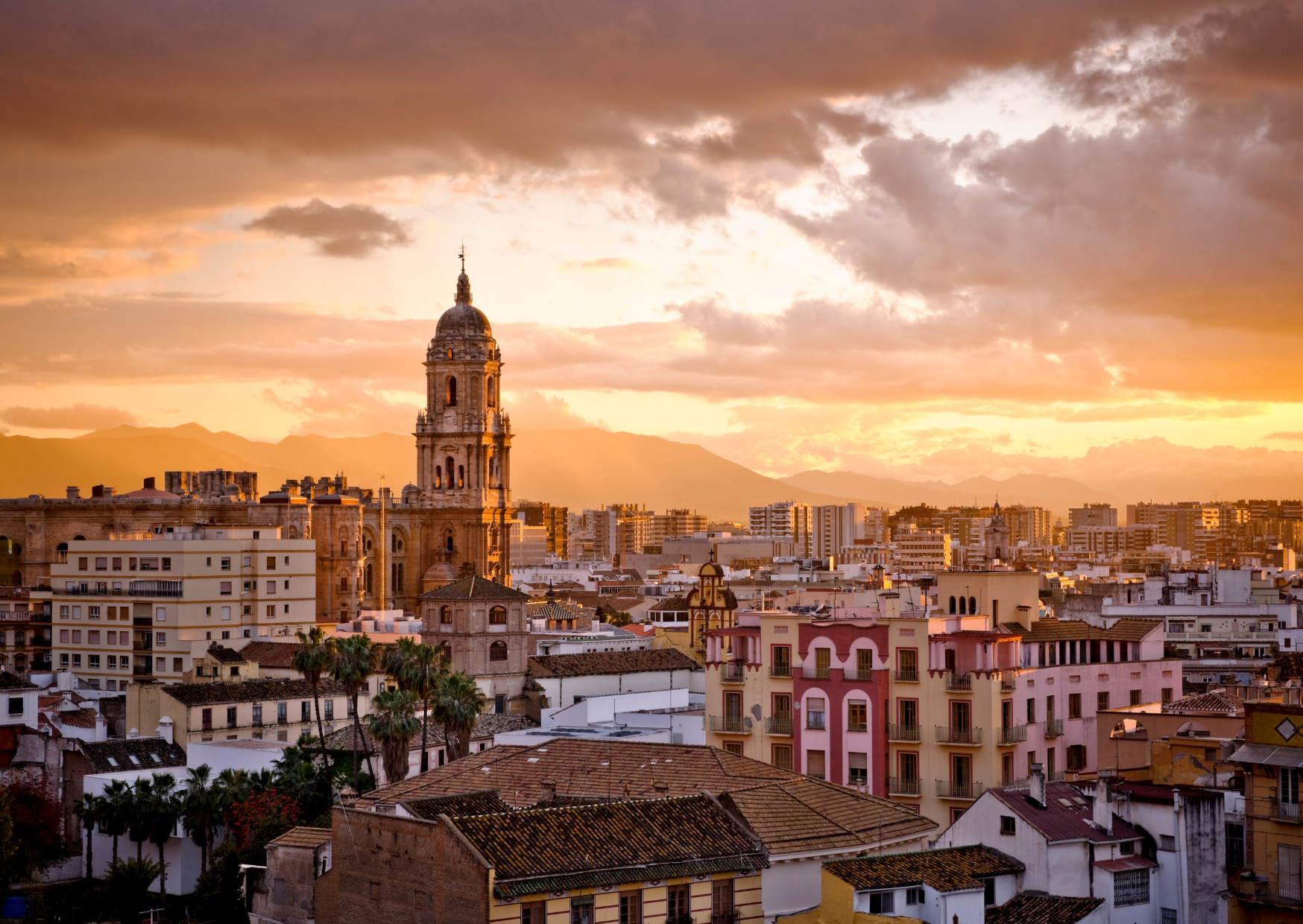
The romantic version: Move abroad, talk to locals, watch TV, absorb the language through osmosis.
The reality: Without structured learning, most adults stall at survival-level language after years of residence. Pure immersion works for children. Adults need deliberate practice, grammar instruction, and corrective feedback.
I arrived with A1 Spanish (beginner). Two years later, I passed DELE B2. The path included formal classes, tutoring, materials, and exams – all with real price tags.
Quick Easy Tips
Budget for consistency, not intensity. Regular lessons over time matter more than short bursts of expensive instruction.
Prioritize speaking early, even when it feels uncomfortable. Avoiding mistakes slows progress more than making them.
Use paid resources strategically to support immersion, not replace it.
Track progress in real-world ability, not apps or test scores alone.
One common misconception is that living abroad automatically leads to fluency. In reality, many expats plateau because they socialize in their native language and avoid discomfort. Immersion only works when you actively participate in it.
Another uncomfortable truth is that free exposure has limits. While daily life provides vocabulary and listening practice, structured learning is often necessary to understand grammar, register, and nuance. Ignoring this slows long-term progress.
There is also resistance to acknowledging cost. Many people prefer to believe language learning abroad is cheap or incidental, but lessons, materials, and time add up. Pretending otherwise creates unrealistic expectations.
Finally, the idea that language learning should feel natural or easy can be damaging. Progress often feels slow and frustrating, especially at intermediate levels. Accepting that difficulty is part of the process makes persistence possible, which ultimately matters more than motivation.
Year One: Foundation Building
Language School Enrollment:
I enrolled in an intensive Spanish program at a private language school. The Instituto Cervantes-accredited schools in major Spanish cities charge:
- Intensive courses (20 hours/week): €200-300/week
- Semi-intensive (10 hours/week): €120-180/week
- General courses (4-6 hours/week): €80-150/week
My Year 1 Language School Spending:
- 4 weeks intensive (startup): €1,000
- 20 weeks semi-intensive (continuing): €2,400
- But I didn’t do all of this – I mixed approaches
Actual Year 1 breakdown:
- 2 weeks intensive (€500) to establish baseline
- 16 weeks of group classes, 4 hours/week (€600)
- Private tutoring, 2 hours/week × 30 weeks (€750)
- Year 1 total: €1,850
The Tutoring Equation
Group classes provide structure. Private tutoring provides acceleration.
Spanish tutor rates in Spain:
- Native speaker (informal): €10-20/hour
- Qualified teacher (freelance): €20-35/hour
- Through language schools: €30-50/hour
- Online (italki, Preply): €10-25/hour
I hired a private tutor for conversational practice and grammar correction at €25/hour. Two hours weekly for 30 weeks totaled €1,500 over two years.
This was my highest ROI spending. One hour of targeted correction fixed errors I’d been repeating for months in class.
Study Materials Cost
Beyond classes, learning requires materials:
Textbooks:
- Aula Internacional series (primary): €35 each × 3 levels = €105
- Grammar reference books: €45
- DELE preparation books: €50
- Textbooks subtotal: €200
Apps and Digital Subscriptions:
- Duolingo Plus (optional, I used free): €0
- Babbel (6 months): €50
- LingQ (3 months): €40
- SpanishPod101 (annual): €50
- News in Slow Spanish (annual): €100
- Digital subtotal: €240
Other Materials:
- Spanish novels (graded readers): €60
- Spanish Netflix (already had subscription): €0
- Flashcard app (Anki – free): €0
- Notebooks, dictionaries: €30
- Other materials subtotal: €90
Total materials: €530
The DELE Exam Investment
DELE (Diploma de Español como Lengua Extranjera) is the gold standard Spanish certification. Many jobs and university programs require it.
DELE Exam Costs:
- B2 exam registration: €196
- B2 preparation course (20 hours): €180
- DELE subtotal: €376
I took B2 at the end of year two. Some people take A2 or B1 earlier for intermediate milestones – add another €150-180 per exam level.
Year Two: Consolidation
Year two cost less than year one because foundation work was done:
Year 2 spending:
- Continuing group classes (20 weeks × €30): €600
- Private tutoring (continuing 2 hrs/week × 20 weeks): €500
- DELE preparation course: €180
- DELE exam fee: €196
- Additional materials: €150
- Year 2 total: €1,626
Wait, that’s €3,476 total – slightly over my €3,200 claim. I’m rounding down because some materials overlapped and I’m not counting streaming services I’d have anyway.
The Complete Breakdown
| Category | Year 1 | Year 2 | Total |
|---|---|---|---|
| Language school | €1,100 | €600 | €1,700 |
| Private tutoring | €750 | €500 | €1,250 |
| Materials | €380 | €150 | €530 |
| Exam fees | €0 | €376 | €376 |
| Total | €2,230 | €1,626 | ~€3,200 |
Hidden Costs I’m Not Counting
This €3,200 excludes:
- Time cost: Hundreds of hours of study
- Opportunity cost: Energy spent on Spanish instead of other skills
- Social discomfort: Awkward conversations, repeated embarrassments
- Café coffees: €1.20 × countless study sessions at coffee shops
- Travel to classes: Metro tickets, walking time
If I valued my time at €20/hour and spent 500 hours studying (conservative), that’s €10,000 in time investment beyond the €3,200 financial cost.
The Free Alternatives (That Don’t Work Alone)

“Just do this for free” advice I received:
Intercambio (language exchange): Free conversation practice. I did this too. But intercambio partners aren’t teachers. They don’t correct grammar systematically or explain why something is wrong.
Watch Spanish TV: Helpful for listening comprehension and vocabulary. Not sufficient for grammar, output practice, or correction.
Read Spanish books: Great for vocabulary and reading speed. Doesn’t teach speaking or listening.
Talk to locals: Locals are busy. They’re not language teachers. Many switch to English with you. Those willing to endure your struggling Spanish aren’t correcting your errors – they’re just understanding you despite them.
All these “free” methods supplemented my paid learning. None replaced it.
The Self-Study Myth
Could I have reached B2 with just apps and books for €300?
Theoretically possible. Practically, almost nobody does it. Self-study fails most people because:
- No accountability (easy to skip)
- No feedback (errors fossilize)
- No speaking practice (reading ≠ speaking)
- No correction (you don’t know what you don’t know)
- Motivation fades without external structure
The people who learn languages cheaply through self-study are statistical outliers with unusual self-discipline and language aptitude.
Cost Comparison to Other Paths
University semester abroad: €8,000-20,000 (Tuition, housing, fees – but includes other learning)
Full-time language school (3 months intensive): €2,500-4,000 (Faster but requires full-time dedication)
Online-only tutoring (italki model): €1,500-2,500 (Cheaper per hour but requires more self-direction)
Complete self-study: €200-400 (Works for very few people)
My €3,200 over 2 years represents a middle path: structured enough to work, affordable enough for ongoing study alongside work and life.
Progress Timeline
After 3 months: A2 (basic conversations, present tense mostly correct)
After 6 months: Weak B1 (can discuss familiar topics, many errors)
After 12 months: Solid B1 (comfortable in most daily situations)
After 18 months: Weak B2 (can handle professional contexts, still many errors)
After 24 months: B2 (passed DELE, genuinely functional)
This is faster than average because I invested in structured learning. Average timeline to B2 for English speakers learning Spanish is 600-750 class hours – which takes 3-4 years at typical hobby pace.
The Per-Hour Economics
DELE B2 typically requires 500-600 hours of study for English speakers.
My €3,200 over ~550 hours equals €5.80 per study hour in direct costs.
Compare to:
- University credit courses: €50-150/hour of instruction
- Private tutoring only: €20-40/hour
- Self-study: €0.50-1/hour (materials only)
My blended approach cost more than pure self-study but far less than purely instructor-led learning.
What I’d Do Differently
Spend more on tutoring earlier: Group classes are cheap per hour but slow for correction. Earlier investment in private tutoring would have prevented months of fossilized errors.
Skip some group classes: Once past intermediate, group class value drops. I’d switch entirely to tutoring and conversation practice earlier.
Use fewer apps: Most apps overlap. One good app plus tutoring beats five mediocre apps.
Take DELE B1 first: The intermediate milestone would have provided earlier validation and informed year-two strategy.
The True Cost of Language Fluency
To reach B2 (upper intermediate, professionally functional):
- Minimum realistic cost: €1,500-2,000 (heavy self-study, cheap tutoring)
- Average serious learner: €2,500-4,000 (mixed approach like mine)
- Premium path: €6,000-10,000 (intensive schools, private tutoring throughout)
- University abroad: €15,000-30,000 (total semester costs)
To reach C1 (advanced, near-native in many contexts):
Add another €1,500-3,000 and 12-18 months beyond B2.
To reach C2 (mastery):
Years more, highly individual path, costs vary wildly.
Quick Reference Card
Real Language Learning Costs (to B2):
Minimum budget (€1,500-2,000):
- Heavy app/self-study use
- Cheap online tutoring (italki at €10-15/hr)
- Minimal formal classes
- DELE exam fee
- Requires exceptional self-discipline
Moderate budget (€2,500-4,000):
- Mix of group classes and tutoring
- Quality materials
- Exam preparation course
- 18-24 months timeline
- Works for most dedicated learners
Accelerated budget (€6,000-10,000):
- Intensive language school periods
- Regular private tutoring
- All premium materials
- 12-18 months timeline
- Faster but more expensive
The €3,200 I spent wasn’t optional overhead. It was the direct cost of systematic skill acquisition in a language.
Immersion is free. Fluency is not.
Anyone who claims otherwise is either selling something or hasn’t actually reached functional fluency themselves.
Final Thoughts
Learning a language abroad is often marketed as effortless immersion, but the reality is far more structured and deliberate. Simply living in a country does not guarantee fluency. Progress came from intentional choices, consistent exposure, and accepting that improvement would be gradual, not automatic.
Reaching B2 Spanish was less about talent and more about persistence. The money I spent did not buy fluency outright; it bought access to environments where Spanish was unavoidable. That distinction mattered more than I expected.
What surprised me most was how uneven progress felt. There were long plateaus where improvement seemed invisible, followed by sudden leaps in comprehension and confidence. Those moments only came because I stayed engaged even when results were not obvious.
In hindsight, the €3,200 was not just a language expense. It was an investment in confidence, cultural literacy, and independence. The return was not perfection, but the ability to function, connect, and belong.

About the Author: Ruben, co-founder of Gamintraveler.com since 2014, is a seasoned traveler from Spain who has explored over 100 countries since 2009. Known for his extensive travel adventures across South America, Europe, the US, Australia, New Zealand, Asia, and Africa, Ruben combines his passion for adventurous yet sustainable living with his love for cycling, highlighted by his remarkable 5-month bicycle journey from Spain to Norway. He currently resides in Spain, where he continues sharing his travel experiences with his partner, Rachel, and their son, Han.