
And what it reveals about privacy, water, and why hygiene isn’t just about soap—it’s about rhythm
Americans traveling through Europe often encounter a familiar frustration: the shower. Sometimes it’s a handheld nozzle instead of a fixed head. Sometimes there’s no curtain, just a small half-glass partition. Sometimes there’s no wall hook at all. And perhaps most confusing of all—there’s no daily showering ritual.
To Americans, this feels chaotic. Inconsistent. Even unclean.
But to many Europeans, the American obsession with long, daily, full-body showers is just as strange. It’s viewed as excessive. Wasteful. A bit neurotic.
The differences in shower habits aren’t just about infrastructure. They’re about culture deep-seated values around time, body, privacy, and what it means to be clean. And while Americans might feel unsettled by the European approach, understanding it offers a revealing glimpse into how two societies define cleanliness in radically different ways.
Want More Deep Dives into Other Cultures?
– Why Europeans Walk Everywhere (And Americans Should Too)
– How Europeans Actually Afford Living in Cities Without Six-Figure Salaries
– 9 ‘Luxury’ Items in America That Europeans Consider Basic Necessities
Quick Easy Tips
Pay attention to how long locals actually spend in the shower rather than assuming habits based on your own norms.
Adjust expectations when traveling. European bathrooms are designed around different priorities than American ones.
Focus on purpose over comfort. Ask what the habit is designed to accomplish, not how it compares to home.
Try the habit for several days before judging it. Initial discomfort often fades with familiarity.
One common assumption is that European shower habits are less hygienic. In reality, cleanliness standards remain high, but they are expressed differently through frequency, duration, and water use.
Another point of resistance is the belief that comfort should always be maximized. European approaches often challenge this idea, favoring moderation and efficiency over extended routines.
There is also a misconception that these habits are outdated or imposed. In many cases, they are intentional choices shaped by environmental awareness, infrastructure, and cost rather than limitation.
Finally, Americans often assume their approach is the default. The confusion arises not because the European habit is strange, but because it contradicts an expectation that personal routines should feel universal.
1. Europeans don’t shower daily and they’re not ashamed of it

In the United States, daily showering is a baseline. Sometimes twice a day. Morning showers are a ritual, often tied to waking up or feeling “fresh.” Skipping a day is viewed as sloppy or unhygienic.
In Europe, especially in countries like France, Germany, and Spain, showering every day is not the norm for many adults. People may rinse off daily, but a full soap-and-water shower might happen every other day—or even less frequently.
This isn’t due to laziness or poverty. It’s a cultural norm built around different assumptions: that the skin isn’t meant to be stripped daily, that water isn’t infinite, and that cleanliness is situational, not scheduled.
Body odor isn’t feared in the same way. Sweat isn’t immediately pathologized. And because social interaction is less dominated by artificial scent and personal fragrance, mild natural smells aren’t considered offensive.
2. Water conservation isn’t a trend it’s ingrained
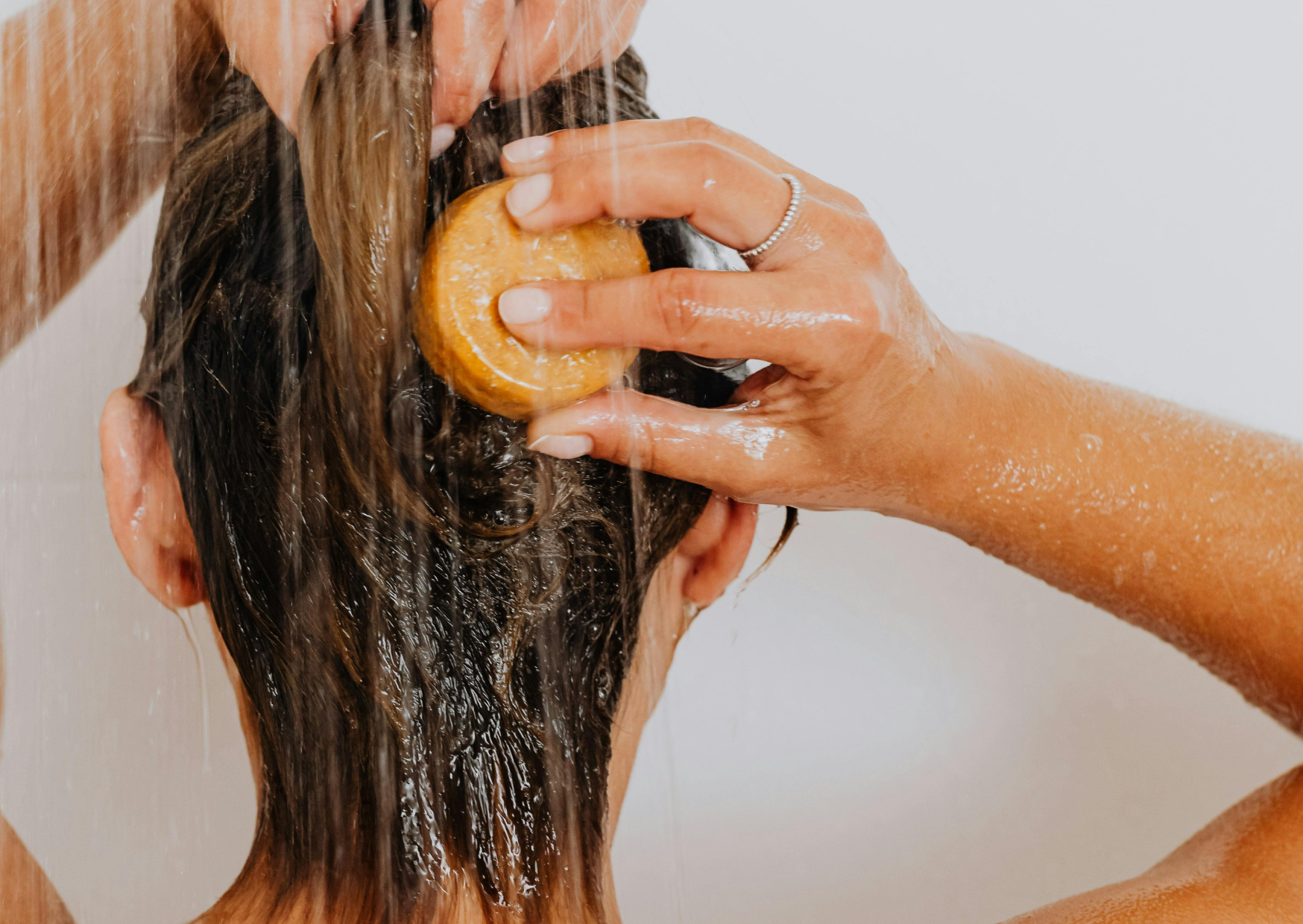
Europeans grow up with an awareness of limited resources. Even in wealthier countries, water conservation is a practical and cultural norm. People turn off taps while brushing their teeth. They shower quickly. They often install low-pressure heads or timers.
In parts of Spain and southern Italy, droughts have historically shaped how people think about water. Long showers are seen not just as unnecessary, but inconsiderate. Even in places where water is abundant, the idea of using gallons to rinse the body every day seems excessive.
In the U.S., by contrast, water is abundant and cheap. Homes often have multiple bathrooms, large bathtubs, and strong water pressure. The idea of using less water feels like a sacrifice—not a virtue.
But in Europe, restraint isn’t seen as deprivation. It’s seen as respect.
3. The bathroom is private. Extremely private.
American homes often treat bathrooms casually. Friends might brush their teeth together while chatting. Children bathe with the door open. Couples share the space during routines. There’s a sense that bathroom time is flexible and communal.
In Europe, the bathroom is sacred. It’s closed. It’s silent. You don’t talk to someone through the door. You don’t interrupt. And you certainly don’t assume access unless invited.
This extends to showering. There’s no expectation that a partner can enter the bathroom while someone showers. Shared routines are rare. And the act of showering is less performative—it’s practical. It’s private.
That privacy changes how often people feel compelled to shower. Without cultural expectations of “freshness” and shared space, showering becomes need-based, not habitual.
4. Body odor isn’t medicalized or pathologized

In the U.S., body odor is framed as a hygiene failure. Deodorants are marketed aggressively. Scented soaps, body sprays, powders, and even prescription antiperspirants are part of daily grooming. A hint of musk triggers self-consciousness.
Europeans are more tolerant of scent—both their own and others’. Most people wear deodorant, but not obsessively. They don’t reapply throughout the day. And they don’t expect others to smell like citrus or lavender.
This doesn’t mean they’re dirty. It means they define cleanliness as function, not fragrance. As long as a person isn’t offensive or visibly grimy, they’re considered clean enough.
To Americans, this seems lax. But to Europeans, American grooming standards seem artificial—too reliant on masking rather than maintaining.
5. The handheld shower is a cultural design

Nothing confuses Americans more than the European handheld showerhead. It’s detachable. Sometimes there’s no wall hook. Sometimes the hose is short. And often, there’s no full enclosure—just a partial glass screen or no barrier at all.
This isn’t bad plumbing. It’s intentional.
Handheld showers allow targeted cleaning. You don’t need to soak your entire body. You can rinse what’s needed—face, armpits, feet—without getting your hair wet. This flexibility supports shorter, more efficient hygiene rituals.
The lack of enclosure reflects historical architecture. Many European buildings are centuries old. Plumbing was retrofitted. Small bathrooms are common. A full walk-in shower simply doesn’t fit.
So instead of renovating to match American standards, Europeans adapted their usage. And in doing so, they normalized practical, not immersive, showering.
6. They rinse more than they lather
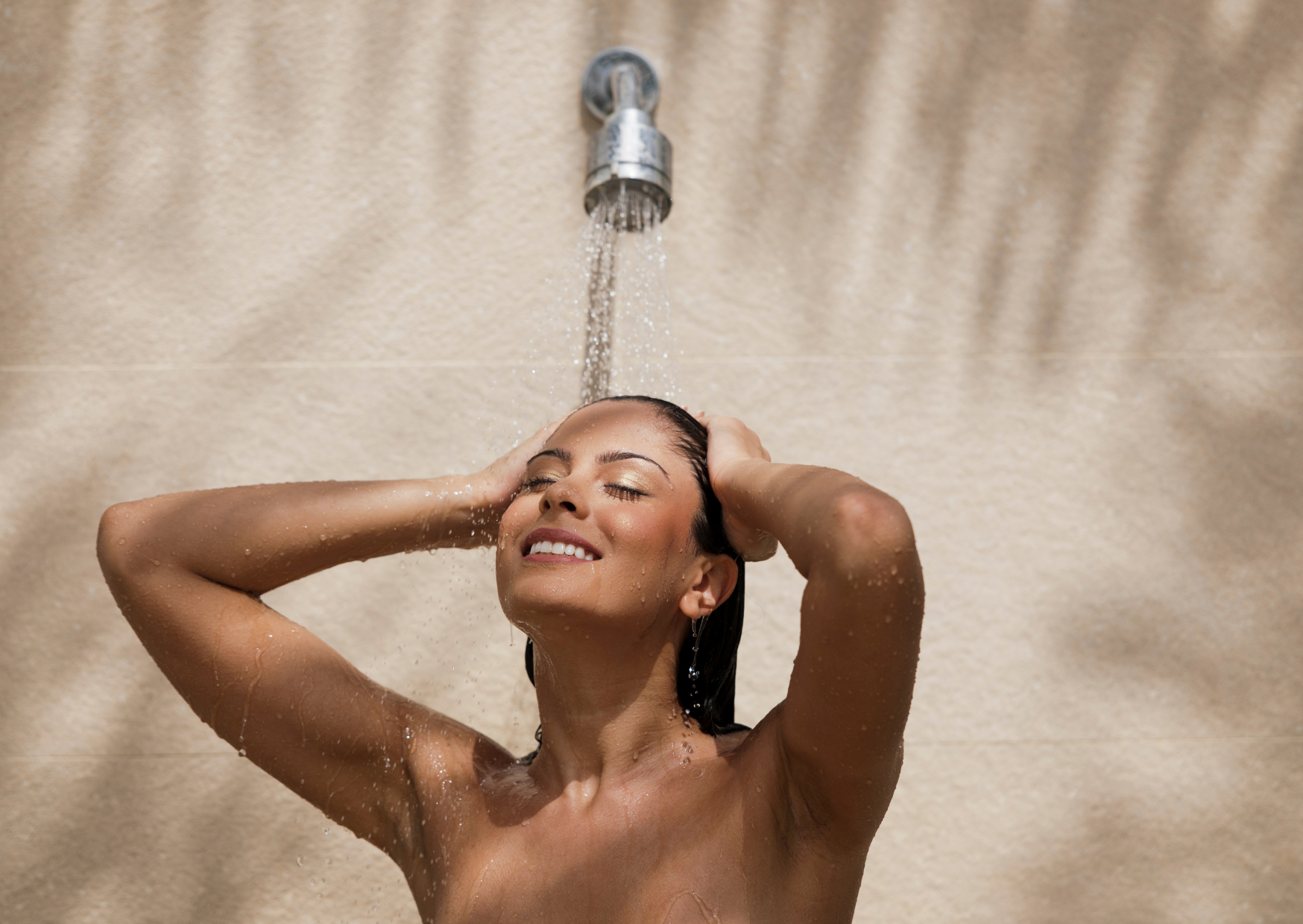
In Europe, a quick rinse is often sufficient. Soap is used selectively—on armpits, feet, groin. Not always all over. Hair isn’t washed daily. Shaving might happen weekly, not daily. Full-body scrubbing is reserved for when it’s needed—after heavy sweat or illness, not by default.
This approach protects the skin’s microbiome. Over-washing, especially with strong soaps or hot water, can disrupt the skin’s natural oils and immune function.
Americans are conditioned to lather head-to-toe, regardless of activity. Squeaky-clean is the goal. Europeans aim for balance.
The result is skin that’s often calmer, less inflamed, and less reliant on moisturizing products.
7. Routine replaces novelty
In America, showering is tied to routine—but also to performance. Products are rotated. New scents, scrubs, and rituals emerge every season. “Shower routines” are filmed and shared online.
In Europe, routines are stable. People buy the same soap for years. The same brand of shampoo. There’s little experimentation. Showering is viewed as a task, not a trend.
That stability means people use fewer products, trust their own habits, and focus on effectiveness rather than reinvention.
To Americans, this seems boring. But it’s consistent—and sustainability, both ecological and physical, depends on consistency.
8. Showering is tied to context not identity
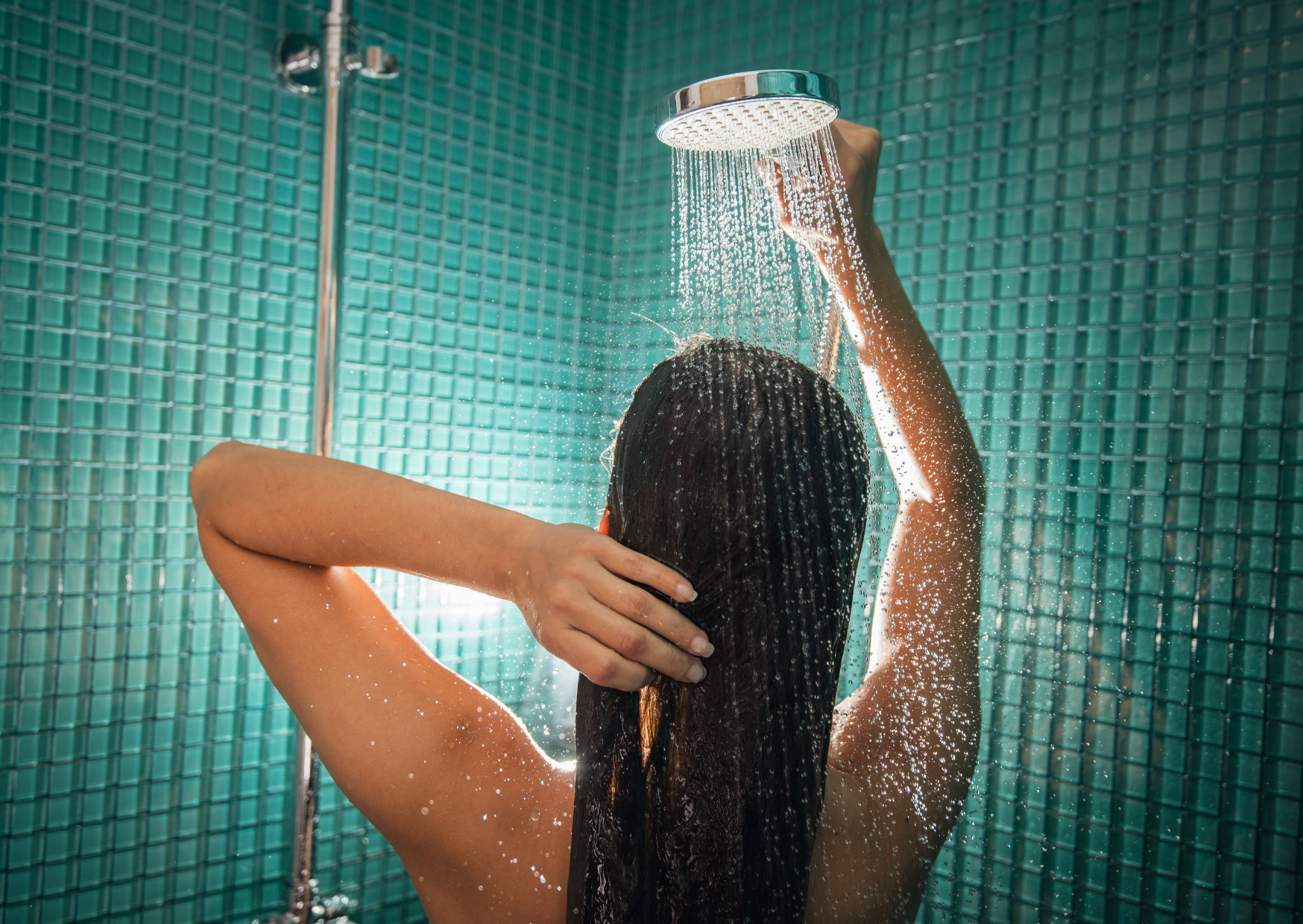
In the U.S., skipping a shower is a confession. It must be explained. “I didn’t shower today” implies shame. Cleanliness is moralized. A person’s shower habit becomes a reflection of discipline, self-worth, even mental health.
In Europe, skipping a shower is just skipping a shower. It doesn’t mean anything. You might shower after a workout. Or before seeing someone. Or not at all. There’s no identity tied to it.
This absence of pressure allows people to focus on how they feel, not how they’ll be judged. Cleanliness is responsive. Not performative.
That difference may seem small. But it changes the entire emotional texture of daily life.
When Water Isn’t the Standard
Europeans don’t need to be soaking wet every morning to feel clean. Their bodies are attuned to their own cues. Their culture doesn’t pathologize sweat. Their homes are built for precision, not indulgence.
What Americans treat as default, Europeans treat as optional. And what Europeans maintain with five minutes and a bar of soap, Americans attempt to replicate with entire bathroom shelves.
The real difference isn’t soap or water. It’s rhythm.
Because while the U.S. turned showering into a performance, Europe let it stay what it always was: a quiet act of maintenance.
What initially confuses Americans about European shower habits is not the act itself, but the philosophy behind it. Europeans often treat showering as a functional routine rather than a prolonged comfort ritual. That difference alone reshapes expectations.
Once the reasoning becomes clear, bewilderment often turns into appreciation. The habit prioritizes efficiency, awareness of resources, and intentional use rather than indulgence. It reflects broader cultural values, not personal preferences.
Many Americans who experience this habit firsthand report a shift in perspective. What once felt restrictive begins to feel practical, even refreshing, especially when paired with changes in water pressure, bathroom design, and daily schedules.
Ultimately, this shower habit highlights how deeply culture influences the most private routines. It proves that “normal” is rarely universal and that everyday behaviors often carry invisible cultural logic.

About the Author: Ruben, co-founder of Gamintraveler.com since 2014, is a seasoned traveler from Spain who has explored over 100 countries since 2009. Known for his extensive travel adventures across South America, Europe, the US, Australia, New Zealand, Asia, and Africa, Ruben combines his passion for adventurous yet sustainable living with his love for cycling, highlighted by his remarkable 5-month bicycle journey from Spain to Norway. He currently resides in Spain, where he continues sharing his travel experiences with his partner, Rachel, and their son, Han.