

Every piece of sleep advice I had ever read said the same thing: do not eat close to bedtime.
The guidance was specific. Finish dinner three to four hours before sleep. Allow time for digestion. Avoid lying down with a full stomach. The science seemed clear—late eating disrupts sleep, causes acid reflux, and interferes with the body’s natural rhythms.
So when I moved to Spain and discovered that dinner rarely happens before 9pm, I expected my sleep to suffer. Instead, the opposite happened. Within 30 days of adopting the Spanish schedule, I was sleeping better than I had in years.
This made no sense according to everything I had been taught. It took months to understand why.
What the Spanish schedule actually looks like
In Spain, dinner is not simply pushed later. The entire day’s eating structure is different.
Here is the typical schedule:
- 7:30-8:30am: Light breakfast—coffee with toast or a small pastry
- 10:30-11:30am: Second breakfast—a small sandwich or pincho at a café
- 2:00-3:30pm: Main meal of the day (comida), often three courses
- 5:30-6:30pm: Merienda—an afternoon snack, usually coffee with something sweet
- 9:00-10:30pm: Light dinner (cena)
The crucial difference: lunch is the substantial meal, not dinner.
Spanish families sit down for comida at 2pm and eat a first course, a second course, dessert, and coffee. This is not a rushed lunch break. It is the centerpiece of the day’s nutrition. Workers often take two to three hours in the middle of the day.
By contrast, dinner is almost casual. A tortilla española. Some soup. A salad. Vegetables and eggs. Maybe tapas at a bar with friends. The evening meal is lighter, smaller, and designed for conversation rather than caloric intake.
When I adopted this schedule, I was not simply eating later. I was redistributing my calories across the day in a completely different pattern.
What the research actually says

The advice to avoid eating before bed is based on real science—but the science is more nuanced than most people realize.
A study published in Current Biology found that delaying meals by five hours shifted the body’s peripheral clock rhythms in adipose tissue. But the same study found no significant changes in the master clock markers—melatonin and cortisol—that govern sleep.
The relationship between meal timing and sleep is complicated:
What late eating can disrupt:
- Acid reflux and GERD symptoms increase when lying down with a full stomach
- Glucose metabolism shifts when food is consumed during the body’s melatonin window
- Digestive discomfort can wake you during the night
What late eating may improve:
- A Johns Hopkins study found that eating closer to bedtime increased delta power (deep sleep) in the early part of the night
- Consistent meal timing—regardless of when—helps synchronize circadian rhythms
- Lighter evening meals may reduce overnight metabolic demands
The key insight from the research: it is not simply when you eat, but what and how much.
A heavy dinner at 9pm is different from a light dinner at 9pm. A late meal after eating nothing substantial all day is different from a late meal following a large lunch.
The problem I was solving without knowing it
Before Spain, my eating schedule was classically American:
- Light breakfast or none
- Quick lunch at my desk around noon
- Large dinner at 6:30pm as the main meal of the day
I was front-loading my fasting (skipping breakfast) and back-loading my calories (big dinner). Then I would lie down to sleep three to four hours later with most of my daily food intake still being processed.
I was following the “don’t eat late” rule while violating the principle behind it.
The problem was never timing alone. The problem was eating my biggest meal and then expecting my body to simultaneously digest and sleep.
In Spain, I inadvertently fixed this by:
- Eating substantial food at midday when my metabolism was most active
- Arriving at evening with much of my nutritional needs already met
- Consuming only a light dinner that required minimal digestive effort
- Going to bed after eating, but not after eating much
My 9pm dinner was often smaller than the breakfast I used to skip.
The acid reflux revelation

I had mild but persistent acid reflux for years. It was worst at night—that uncomfortable pressure, the occasional need to prop myself up on pillows, the sour taste that sometimes woke me.
The conventional advice: eat earlier to allow more digestion time before lying down.
The Spanish approach solved it differently.
When your dinner is a small plate of grilled vegetables and a few slices of jamón, there simply is not much acid to reflux. When your stomach is not working overtime to process a heavy meal, lying down is not as problematic.
Research supports this. A study on dinner-to-bed time and GERD found that shorter intervals were associated with increased reflux—but the studies typically examined standard American portion sizes. The meal size matters as much as the meal timing.
After switching to the Spanish schedule, my reflux essentially disappeared. Not because I was eating earlier, but because I was eating less in the evening.
The hunger problem that solved itself
One reason I used to eat large dinners: I was hungry.
By 6:30pm, after a light lunch five or six hours earlier, my body was demanding food. I would eat until satisfied, which meant eating a lot.
The Spanish schedule breaks this cycle:
At 2pm, you eat substantially. A full meal with multiple courses, perhaps 800-1000 calories.
At 5:30pm, you have merienda—a small snack that bridges the gap.
At 9pm, you are not ravenous. You have been eating throughout the day. Dinner is pleasant rather than desperate.
This changed my relationship with evening eating entirely. I no longer arrived at dinner as though I had been fasting. I could eat lightly because I had already eaten well.
The social component nobody mentions
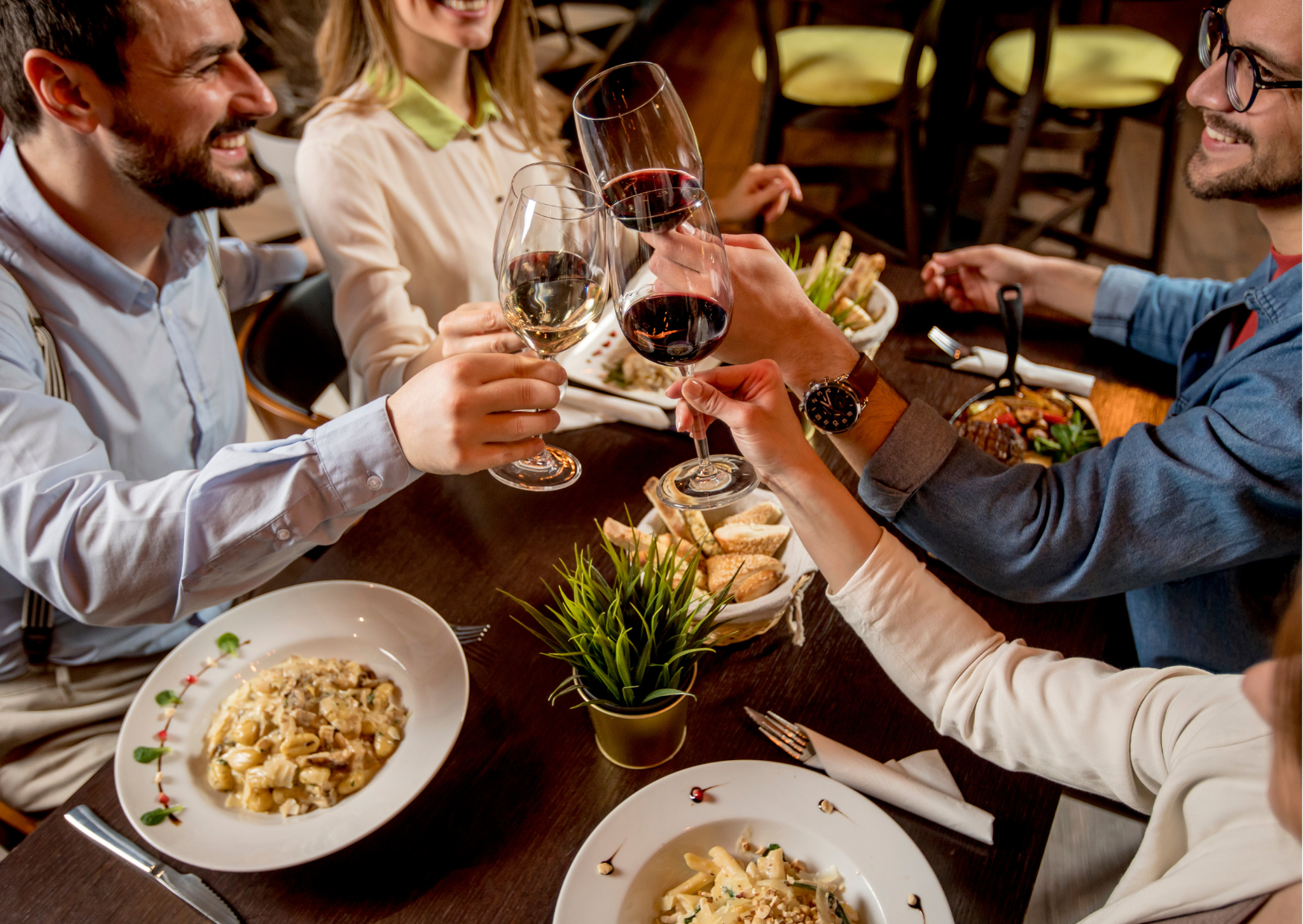
Spanish dinners are not just about food. They are about sobremesa—the time after eating when you linger, talk, and let the meal settle.
At home, my American dinners were efficient. Eat, clean up, maybe watch something, go to bed. The meal was fuel delivery.
In Spain, dinner at 9pm is followed by an hour or more of conversation. You are not rushing to bed. You are sitting upright, talking, digesting gradually, winding down.
By the time you actually lie down, perhaps 11pm or midnight, three hours have passed since eating. The “don’t eat within three hours of bed” guideline is satisfied—just with different timestamps.
The late dinner does not mean immediate sleep. It means a different evening rhythm with built-in digestion time.
What actually changed in my sleep

The improvements were specific and measurable:
Before (6:30pm dinner, 10pm bed):
- Fell asleep within 15-20 minutes
- Woke 1-2 times during the night
- Occasional reflux discomfort
- Morning grogginess that took an hour to clear
- Needed 8+ hours to feel rested
After (9pm dinner, 11:30pm bed):
- Fell asleep within 10 minutes
- Rarely woke during the night
- No reflux symptoms
- Alert within 20 minutes of waking
- Rested on 7-7.5 hours
The total sleep time decreased, but the quality increased dramatically. I was sleeping less but feeling more rested.
I suspect several factors contributed:
- Lighter evening digestion allowed deeper sleep
- The extended wind-down period after dinner reduced stress
- The consistent schedule (same times daily) regulated my circadian rhythm
- Front-loading calories gave my body fuel when it needed it most
The science of eating with your body’s rhythm

Emerging research in chrononutrition suggests that when we eat should align with when our bodies are primed to process food.
Your metabolism is not constant throughout the day. Insulin sensitivity is higher in the morning. Digestive enzyme production peaks around midday. Your body is literally better at processing food during daylight hours.
A large study across ten European countries found that Mediterranean populations eat later but consume more of their calories earlier in the day—the opposite of what you might expect. Spanish participants had later meal times but a lower later-to-earlier energy intake ratio compared to Northern Europeans.
Spain eats late but light. Northern Europe eats early but heavy.
The Spanish schedule aligns with the body’s natural rhythm better than it first appears. The substantial meal happens when metabolism is highest (midday). The light meal happens when the body is winding down (evening). The actual clock times matter less than the metabolic timing.
How to actually try this
If you want to experiment with Spanish-style meal timing, the shift is more than just eating dinner later.
Week one: Shift your calories to lunch.
Make lunch your largest meal. Aim for 40-50% of your daily calories at midday. This might mean meal prepping something substantial rather than grabbing a quick sandwich.
Week two: Add merienda.
Introduce an afternoon snack around 5:30-6pm. This prevents the ravenous hunger that leads to oversized dinners.
Week three: Lighten dinner.
Start reducing dinner portions. Think of dinner as supplementary rather than primary. Soup, salad, eggs, vegetables—foods that nourish without overwhelming.
Week four: Push dinner later gradually.
Move dinner time back in 30-minute increments. 7pm, then 7:30, then 8, then 8:30. Give your body time to adjust to the new schedule.
Throughout: Maintain consistency.
The timing matters less than the consistency. Eating at 9pm every night is better for your circadian rhythm than eating at 6pm some days and 9pm others.
The caveats and complications
This approach will not work for everyone.
If you have diagnosed GERD, consult your doctor before changing meal patterns. Some people need the full digestion window regardless of meal size.
If you work very early mornings, late dinner may not allow enough sleep time. Adjust the schedule earlier while maintaining the proportions.
If you exercise in the evening, you may need more substantial post-workout nutrition. The light dinner model assumes your activity is winding down, not ramping up.
If you have blood sugar regulation issues, spreading calories across meals may need medical guidance. The Spanish pattern includes multiple eating occasions, which could be beneficial or problematic depending on your condition.
If you live with people on different schedules, family meals become more complicated. This is a lifestyle change, not just a meal timing change.
What I learned about sleep advice
The experience taught me to question generalized recommendations.
“Don’t eat late” is good advice if you are eating a large American dinner and going straight to bed. It is less relevant if you are eating a small Mediterranean dinner and lingering over conversation.
“Finish eating three hours before bed” makes sense if dinner is your main meal. It is less critical if dinner is already light.
The principles matter more than the rules. The principle is: don’t ask your body to do heavy digestion while it is trying to sleep. There are multiple ways to honor that principle.
The unexpected benefit
Beyond sleep, the Spanish schedule changed how I think about food and time.
Lunch became something to anticipate rather than rush through. The afternoon felt less like a slog toward dinner and more like its own contained period. Evening became leisurely rather than compressed.
I stopped treating dinner as the reward at the end of the day. When your main meal happens at 2pm, the day’s structure shifts. You are not working toward dinner. You are working after already having eaten well.
This psychological shift may matter as much as the physiological one. When dinner is not the day’s climax, there is less pressure on it. Less pressure means less overeating. Less overeating means better sleep.
The 30-day result
After one month on the Spanish schedule, I had:
- Lost four pounds without trying (lighter dinners, no late-night snacking)
- Eliminated my mild reflux entirely
- Reduced my sleep time by 45 minutes while improving sleep quality
- Stopped waking in the middle of the night
- Gained a more relaxed relationship with evening time
The changes have persisted. Two years later, I still eat my main meal at midday and my light meal in the evening. I still sleep better than I did for the previous decade.
All it took was eating dinner at 9pm—and making sure dinner was worth eating at 9pm.

About the Author: Ruben, co-founder of Gamintraveler.com since 2014, is a seasoned traveler from Spain who has explored over 100 countries since 2009. Known for his extensive travel adventures across South America, Europe, the US, Australia, New Zealand, Asia, and Africa, Ruben combines his passion for adventurous yet sustainable living with his love for cycling, highlighted by his remarkable 5-month bicycle journey from Spain to Norway. He currently resides in Spain, where he continues sharing his travel experiences with his partner, Rachel, and their son, Han.