
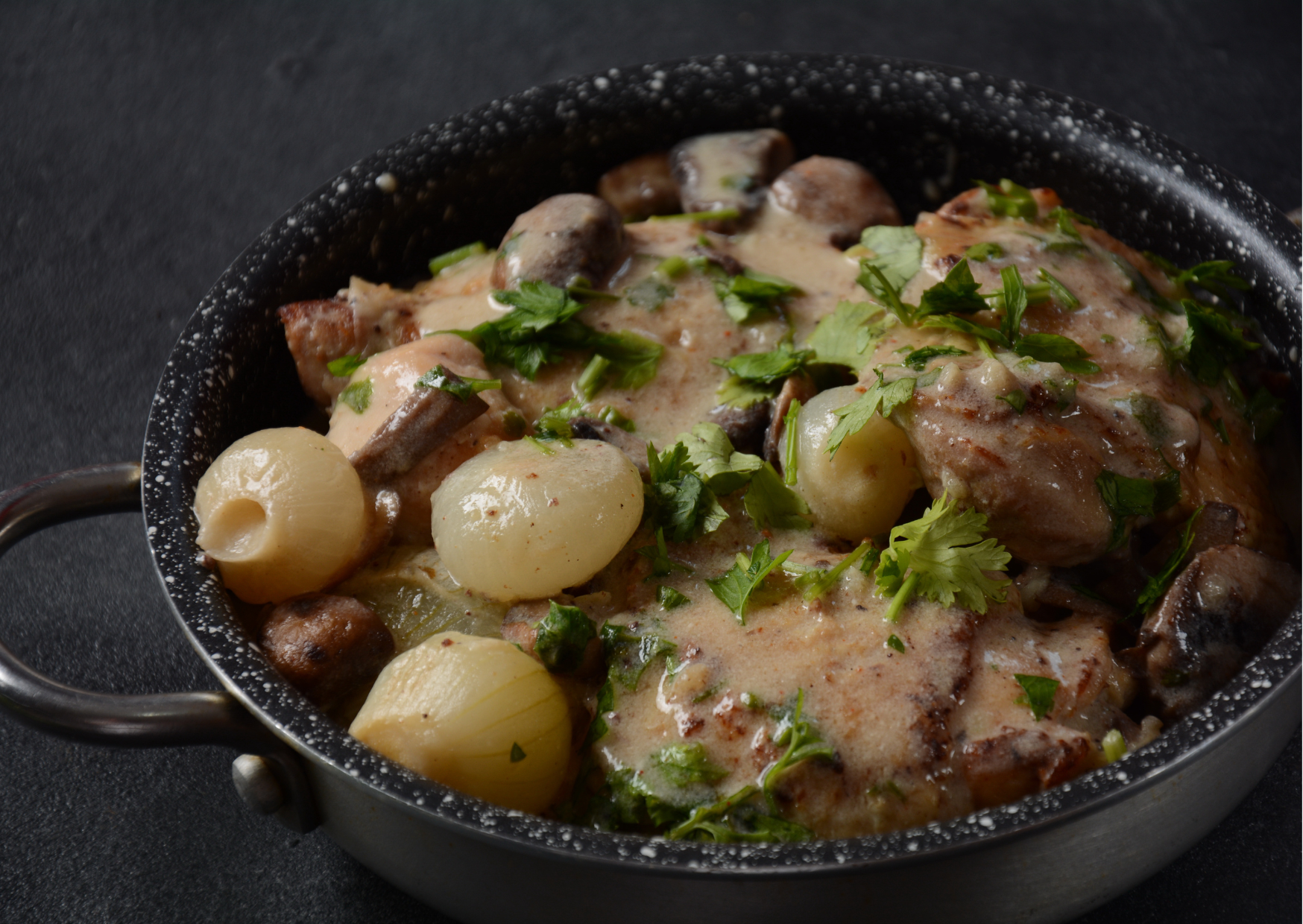
Americans eat by the clock. The French eat by their stomachs. After 30 days of switching approaches, I understand why obesity rates in France sit at 17% while America’s hover near 42%.
The difference isn’t willpower. It’s philosophy.
The American Eating Schedule I Followed for Decades
My typical day looked predictable:
- 7:00 AM – Breakfast because morning
- 10:30 AM – Snack because mid-morning
- 12:30 PM – Lunch because noon
- 3:00 PM – Snack because afternoon slump
- 6:30 PM – Dinner because evening
- 9:00 PM – Snack because TV time
I ate approximately six times daily regardless of actual hunger. The clock dictated everything.
Quick Easy Tips
Delay eating briefly to confirm hunger rather than reacting immediately.
Drink water and wait a few minutes to distinguish thirst from hunger.
Eat without distractions so fullness cues are easier to notice.
Stop eating when hunger is gone, not when the plate is empty.
One controversial idea this approach challenges is the belief that eating frequently is necessary for metabolism. In practice, waiting for hunger did not slow energy or focus; it improved both by aligning intake with actual need.
Another resistance point is fear of hunger itself. Many people are conditioned to see hunger as a problem to eliminate rather than a signal to respect. In French culture, mild hunger is normal and temporary, not an emergency.
There is also skepticism about losing weight without control mechanisms. This method rejects calorie counting entirely, which feels risky to those accustomed to external rules rather than internal cues.
Finally, this approach questions the idea that discipline means constant restraint. Instead, it frames discipline as patience. Waiting for hunger requires trust, but that trust is precisely what makes the process sustainable rather than exhausting.
What French Eating Actually Looks Like

Living in Europe opened my eyes to a completely different relationship with food. The French approach centers on three structured meals with virtually no snacking between them.
Research from a cross-cultural lifestyle comparison found the French spend twice as much time eating (11.1% of their day) compared to Americans (5.2% of their day). They eat less frequently but invest more attention in each meal.
The French eating model documented in studies includes:
- Three distinct meals at relatively consistent times
- Minimal snacking between meals
- Longer meal duration (often 30-60 minutes)
- Eating seated at a table rather than standing or walking
- Social eating with others when possible
The Science Behind Waiting for Hunger
The concept isn’t new. Nutritionists Evelyn Tribole and Elyse Resch formalized it as “intuitive eating” in 1995, but the French have practiced it culturally for generations.
The hunger scale research shows that eating when you reach a 3 on a 1-10 hunger scale (genuinely hungry but not starving) leads to better food choices and natural portion control. When you wait until starving (a 1 or 2), you’re more likely to grab sugar and refined carbs for quick energy.
A study from the Swiss Food Panel following 1,821 participants over three years found that intuitive eating was associated with lower BMI, reduced overeating frequency, and decreased maladaptive eating behaviors.
My 30-Day Experiment Protocol
The rules were simple:
- No eating unless genuinely hungry (stomach growling, slight lightheadedness, difficulty concentrating)
- Stop eating when satisfied (not stuffed)
- No clock-based meals – hunger determines timing
- Sit down for every meal – no standing, walking, or screen eating
Week One: The Adjustment Period
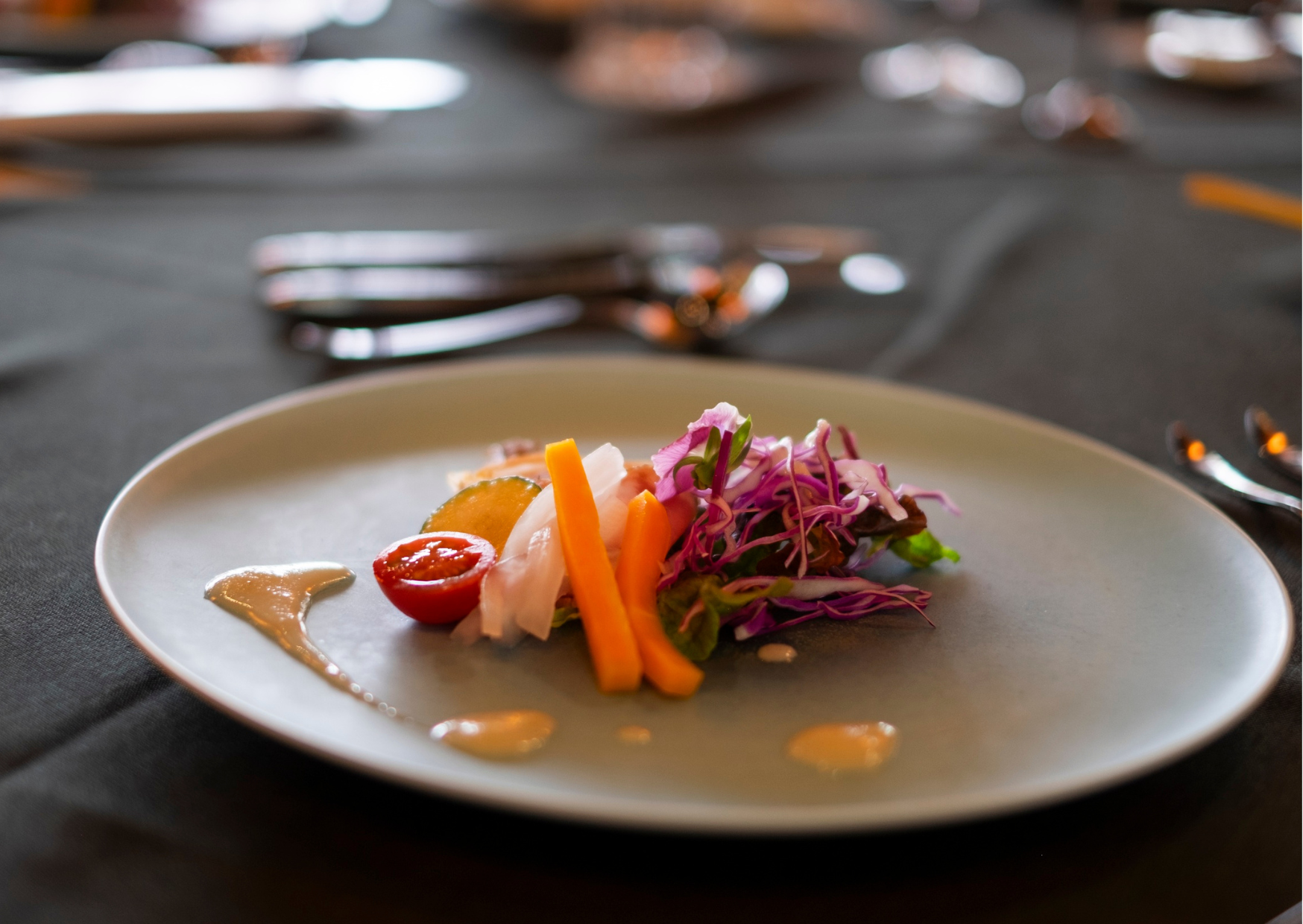
Days 1-3 felt like constant negotiation with myself. Noon arrived and I reached for food automatically. But my stomach wasn’t actually empty. I’d eaten a substantial breakfast at 8:30 AM after waiting for genuine hunger, and I simply wasn’t hungry yet.
Days 4-7 brought the first revelation. When I finally ate lunch around 2:00 PM because I was actually hungry, the food tasted remarkably better. Research confirms this isn’t imagination. Studies show that waiting until hungry (level 3 on the hunger scale) makes food provide more pleasure and satisfaction than eating the same food when not hungry.
What I Discovered About False Hunger
Most of what I thought was hunger turned out to be:
- Boredom – I reached for food when understimulated
- Habit – The clock said noon, so my brain said eat
- Thirst – Dehydration masquerading as hunger
- Emotion – Stress, anxiety, or procrastination triggering eating urges
- Environmental cues – Seeing food advertisements or smelling food triggered false hunger signals
The French eating culture seems to naturally protect against these false signals through structured mealtimes that become anticipated events rather than automatic responses.
The Snacking Revelation
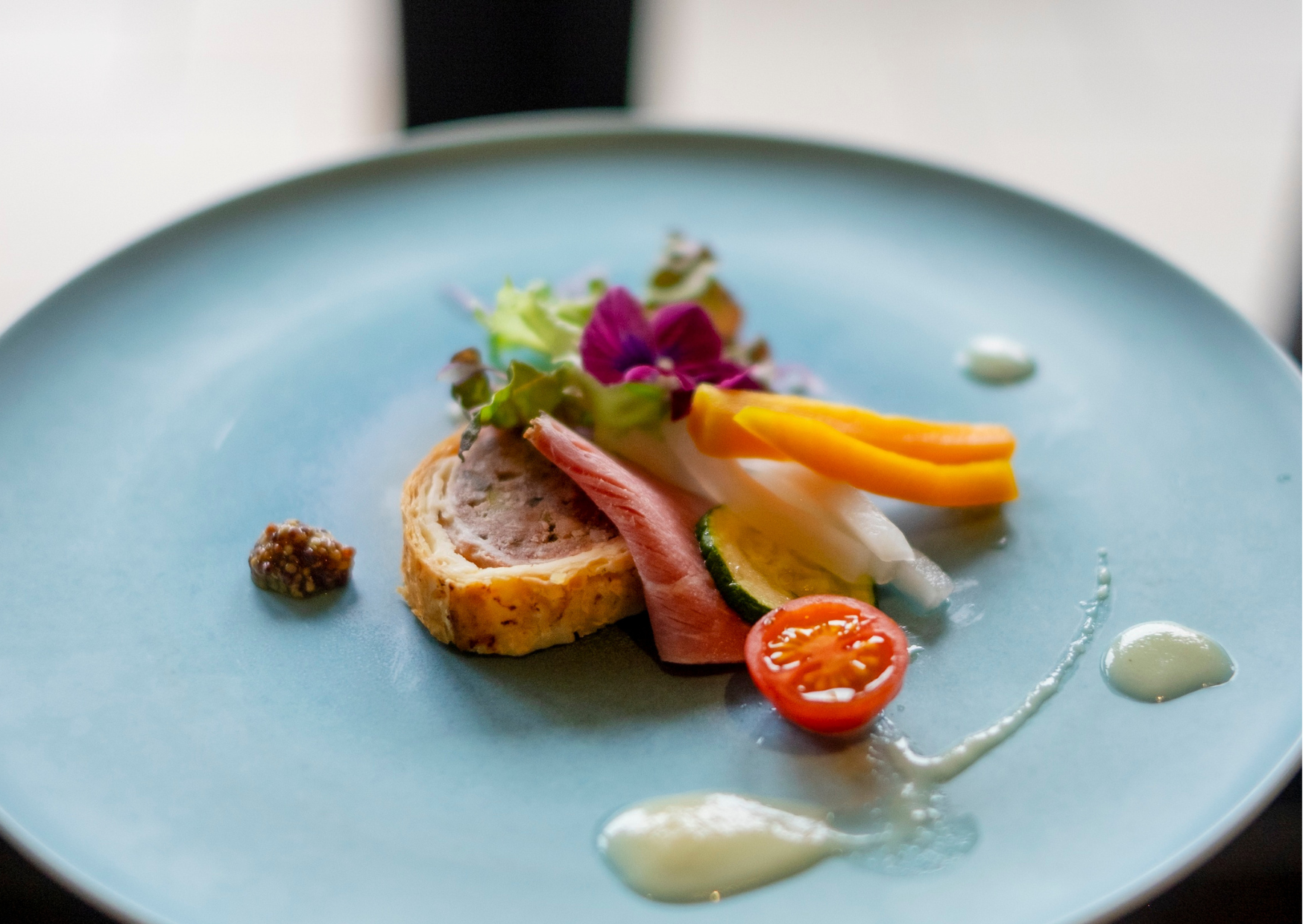
Americans average 2-4 snacks daily, with research showing 1 in 5 Americans get 60% of their calories from snacks. These tend to be high-calorie, low-nutrient foods eaten mindlessly.
French children are taught le goûter – a single afternoon snack around 4:00 PM. That’s it. The cultural norm discourages eating between meals, and this extends into adulthood.
By week two, I stopped wanting snacks. Not through willpower, but because my substantial meals actually satisfied me for 4-6 hours.
The Meal Quality Shift
Something unexpected happened when I reduced eating frequency. The meals I did eat became significantly more intentional.
When you know lunch might be your only food until dinner, you naturally choose more satisfying options. I stopped grabbing whatever was convenient and started thinking about what would actually fuel me for hours.
My typical lunch shifted from a rushed sandwich at my desk to:
- Protein that would sustain energy
- Vegetables for volume and nutrients
- Healthy fats for satiety
- Complex carbs for lasting fuel
Week Two: Finding My Natural Rhythm
By day 10, a pattern emerged naturally:
- First meal around 9:00-10:00 AM when genuine morning hunger appeared
- Second meal around 2:00-3:00 PM when afternoon hunger arrived
- Third meal around 7:30-8:00 PM for dinner
This wasn’t imposed. It developed organically from listening to actual hunger signals. The French eat on a similar schedule not because of arbitrary rules but because human hunger naturally cycles this way when you stop overriding it with constant snacking.
The Weight Loss: 8 Pounds in 30 Days
I didn’t count a single calorie. I didn’t eliminate any food groups. I ate pasta, bread, cheese, and wine like the French do.
Yet the scale dropped 8 pounds over 30 days.
The math makes sense. By eliminating 2-4 daily snacks averaging 200-400 calories each, I naturally reduced intake by 400-1,600 calories daily without feeling deprived.
What the Research Says About Meal Frequency
A large study of 47,219 French adults found that adherence to the French Eating Model – characterized by structured meals and minimal snacking – was inversely associated with overweight and obesity.
The components that mattered most:
- Eating three meals daily rather than grazing
- Low snacking frequency
- Consistent meal timing
- Eating seated at a table
- Longer meal duration
- Experiencing pleasure from meals
The Psychological Shift
The hardest part wasn’t physical hunger. It was unlearning the idea that hunger is an emergency.
Americans treat hunger like a crisis requiring immediate intervention. The French treat it as a natural signal that a meal is approaching – something to be acknowledged, not feared.
Mild hunger before a meal is normal and healthy. It means your body has processed the previous meal and is ready for more fuel. That slight anticipation actually enhances the eating experience.
Week Three: The New Normal
By week three, the experiment stopped feeling like an experiment. Eating when hungry and stopping when satisfied became default behavior rather than conscious effort.
I noticed:
- Meals lasted longer because I wasn’t rushed
- Food tasted better because I arrived hungry
- Portions naturally decreased because I stopped before stuffed
- Energy stabilized without the sugar crashes from snacking
- Mental clarity improved during the longer fasting windows
The Social Component
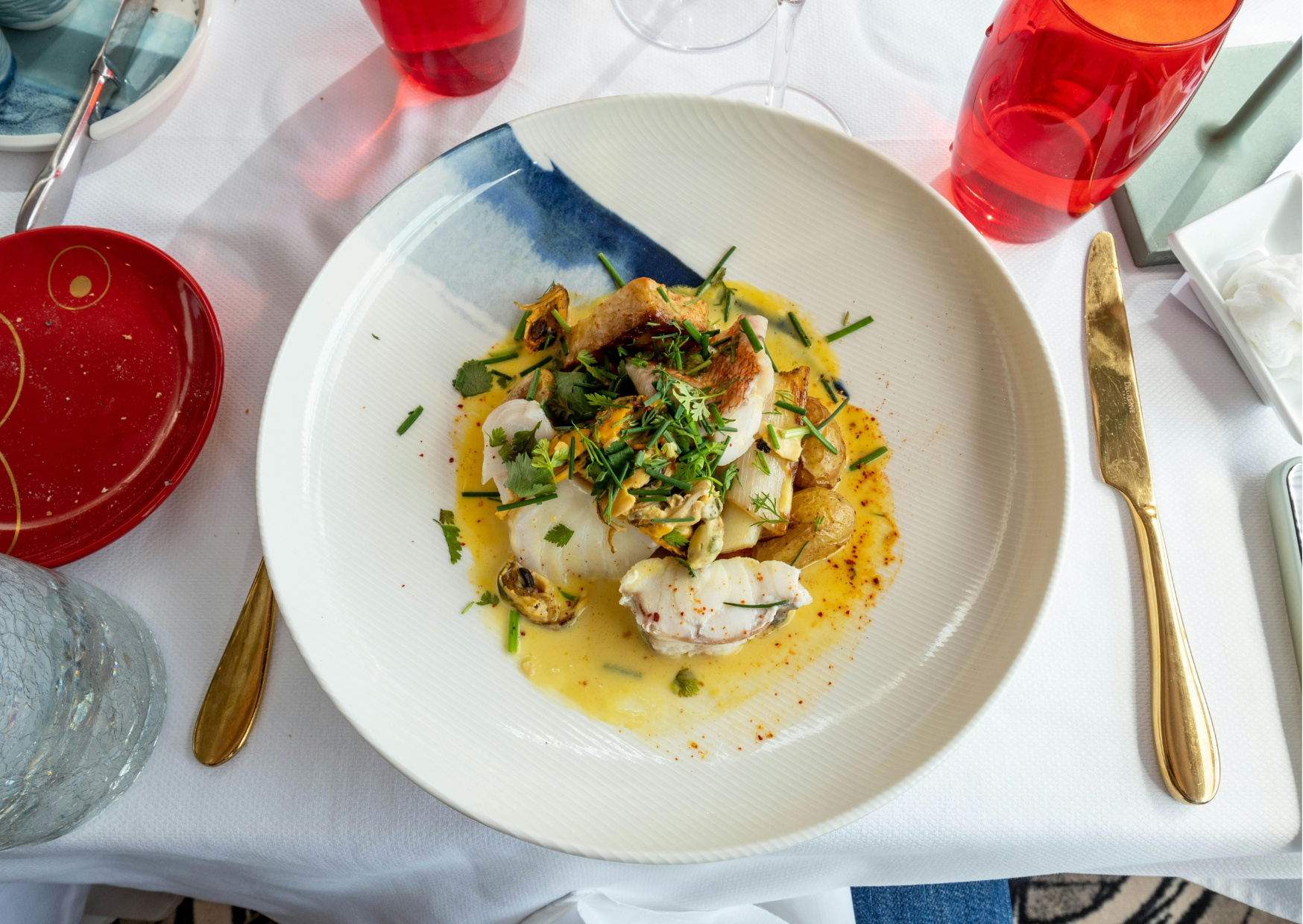
The French spend more time eating and more time eating with others. Meals become social events rather than fuel stops.
I started eating dinner at the table with my family rather than in front of screens. The meal stretched from 15 minutes to 45 minutes. We talked. We tasted. We enjoyed.
This slower, social eating naturally leads to better satiety signals. It takes about 20 minutes for fullness cues to reach your brain. When you eat slowly over 45 minutes, you receive those signals. When you inhale food in 10 minutes, you’ve already overeaten.
The 30-Day Results
Before:
- 6 eating occasions daily
- Constant low-grade hunger
- Energy crashes requiring snacks
- Weight: 168 pounds
- Eating felt like a chore to manage
After:
- 3 eating occasions daily
- Clear hunger and satisfaction signals
- Stable energy throughout the day
- Weight: 160 pounds
- Eating felt like an anticipated pleasure
Why This Works When Diets Fail
Traditional diets impose external rules about what and how much to eat. The French approach reconnects you with internal signals that already exist.
You were born knowing how to eat this way. Babies eat when hungry and stop when full without anyone teaching them. The French eating culture simply preserves this natural wisdom rather than overriding it with constant availability and scheduled eating.
How to Transition: A 2-Week Protocol
Week 1:
- Eliminate one snack (start with the one you least need)
- Add 5 minutes to each meal (slow down, sit down)
- Before eating, rate your hunger on a 1-10 scale
- Only eat if you’re at a 3 or below
Week 2:
- Eliminate remaining snacks
- Wait for genuine hunger before each meal
- Stop eating at satisfaction (around 6-7 on the scale)
- Make meals social when possible
Who Shouldn’t Try This
This approach isn’t appropriate for everyone:
- Those with blood sugar disorders requiring regular eating
- People recovering from eating disorders who need structured meal plans
- Athletes with high caloric needs requiring frequent fueling
- Those on medications that require food at specific times
- Pregnant or nursing women with increased nutritional demands
The Maintenance Phase: 6 Months Later
I’ve maintained the 8-pound loss without effort. More importantly, I’ve maintained the relationship with food that the French seem to develop naturally.
Hunger doesn’t scare me anymore. It’s information. A signal that mealtime is approaching, not an emergency requiring immediate crackers.
Quick Reference Card
The French Approach to Hunger:
- Eat when genuinely hungry (level 3 on hunger scale)
- Stop when satisfied (level 6-7)
- Three meals daily as the norm
- Minimal snacking between meals
- Eat slowly (30+ minutes per meal)
- Sit at a table for all meals
- Make meals social when possible
- Anticipate hunger as normal, not emergency
The French don’t have better willpower. They have better cultural defaults around eating. After 30 days of adopting those defaults, I lost 8 pounds without counting anything except my hunger level.
That’s not a diet. That’s just eating like a human is designed to eat.
Adopting the French approach to hunger changed my relationship with food almost immediately. Instead of eating because the clock said it was time or because food was available, I waited until physical hunger showed up clearly. That pause alone rewired years of automatic habits.
What stood out most was how little effort the change required. There were no forbidden foods, no tracking, and no mental negotiation. Eating became a response to need rather than emotion, boredom, or routine.
As the days passed, hunger cues became easier to recognize. I learned the difference between true hunger and the urge to snack. Meals felt more satisfying, and I stopped chasing fullness with extra portions.
Losing eight pounds felt like a side effect rather than a goal. The real gain was trust in my body’s signals. Once that trust returned, everything else followed naturally.

About the Author: Ruben, co-founder of Gamintraveler.com since 2014, is a seasoned traveler from Spain who has explored over 100 countries since 2009. Known for his extensive travel adventures across South America, Europe, the US, Australia, New Zealand, Asia, and Africa, Ruben combines his passion for adventurous yet sustainable living with his love for cycling, highlighted by his remarkable 5-month bicycle journey from Spain to Norway. He currently resides in Spain, where he continues sharing his travel experiences with his partner, Rachel, and their son, Han.