
You sit down to a village salad, a thick square of feta rides on tomatoes and cucumbers, olive oil glows in the sun, and you realize the cheese is an accent, not the meal.
Ask a Greek home cook what is always in the fridge and you will hear the same word. Feta. Cubes whisked into omelets. Crumbles over beans. A slab set on roasted peppers. If you grew up with the rule that cheese is “bad for cholesterol,” that habit looks reckless. Yet the way feta is used inside a Mediterranean pattern helps explain why many Greeks eat it often without seeing the dramatic cholesterol trouble Americans fear.
The secret is not a loophole in biology. It is the design of the meal. Feta in Greece is a sheep and goat milk cheese with a firm place on the plate, but it is rarely the star. Portions are modest. Vegetables dominate. Olive oil replaces butter. Legumes, fish, and whole grains carry much of the protein. Fermented dairy shows up daily, yet the rest of the diet keeps LDL in check. When you put these pieces together, feta reads less like a forbidden food and more like a smart, salty building block.
Below is the plain map. We will start with what feta actually is, how much Greeks really eat, and what it brings to the table nutritionally. Then we will show how the cheese matrix behaves differently from butter in cholesterol studies, why the Mediterranean pattern pulls risk down, and how Americans can copy the structure without romantic myths. Finally, a practical playbook and a short fix list, so you keep the flavor and skip the mistakes.
First Principles: What Feta Is And How It’s Used
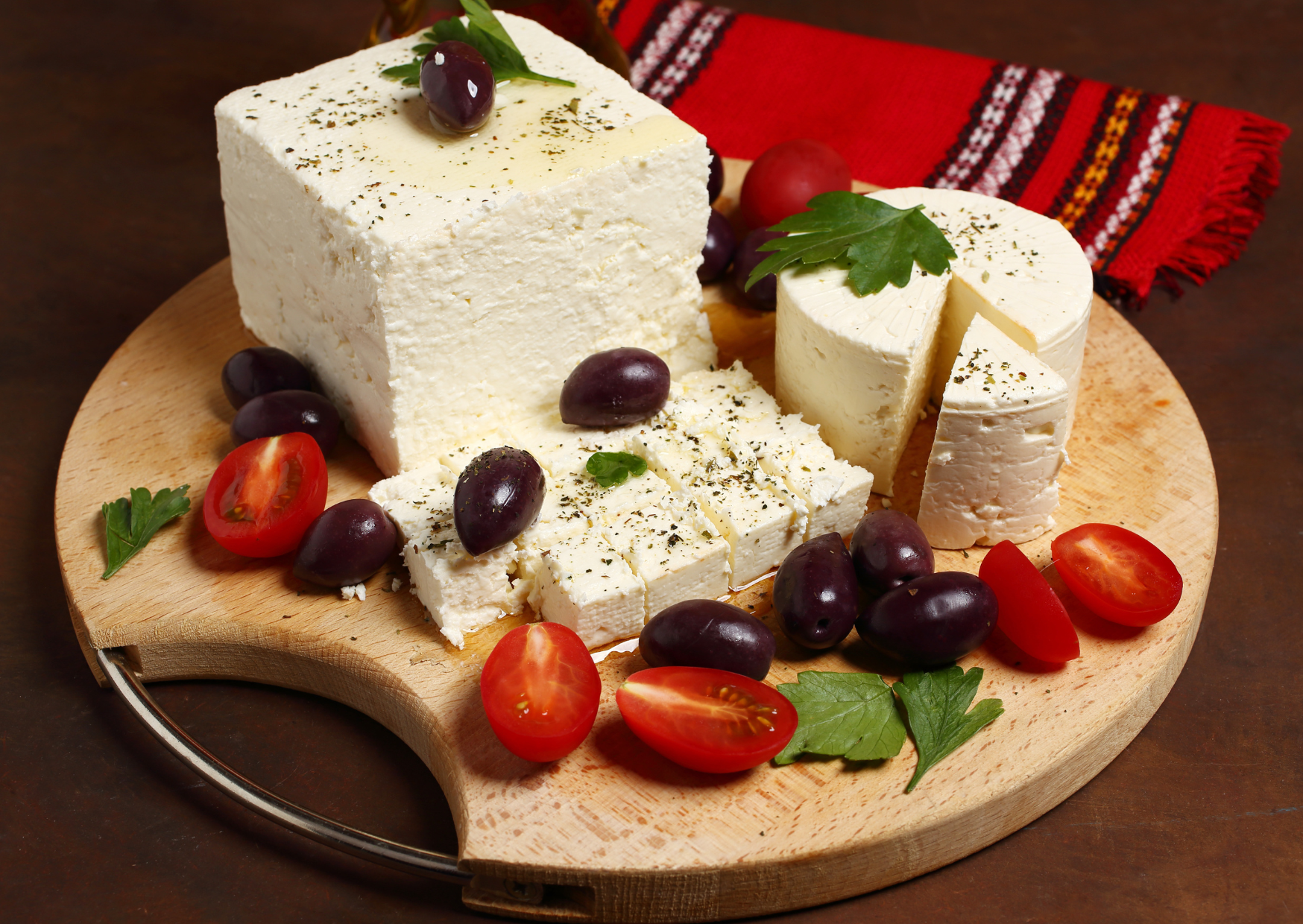
Real feta is a Protected Designation of Origin cheese made in Greece from sheep’s milk, often with up to 30 percent goat’s milk. No cow’s milk, no colorants, matured in brine until it tastes clean, bright, and a little peppery. That milk base matters, because sheep and goat fat carry a different fatty acid profile than cow’s milk, with more short and medium chain fatty acids and a modest bump in conjugated linoleic acid. The point is not that feta is diet food. It is that its building blocks are not identical to a block of cheddar.
A typical Greek portion is small. Analyses from the national nutrition survey report a median daily intake around 39 grams, with a common range from about 20 to 100 grams across the population. Put that in context. A home slice on a village salad might be 40 to 60 grams shared between two people, not a half pound melted across pizza. That portion brings calcium and protein, but also sodium, which is why you see people rinse or pat a piece before crumbling it into a dish.
At the table, feta is rarely alone. It rides on a bowl of tomatoes and cucumbers, next to olive oil, oregano, and bread. It crumbles over gigantes beans or lentils, sits beside grilled sardines, or tucks into a pastry with spinach and herbs. The plate around it is doing most of the cholesterol work.
The Nutrition Reality: What One Feta Portion Looks Like
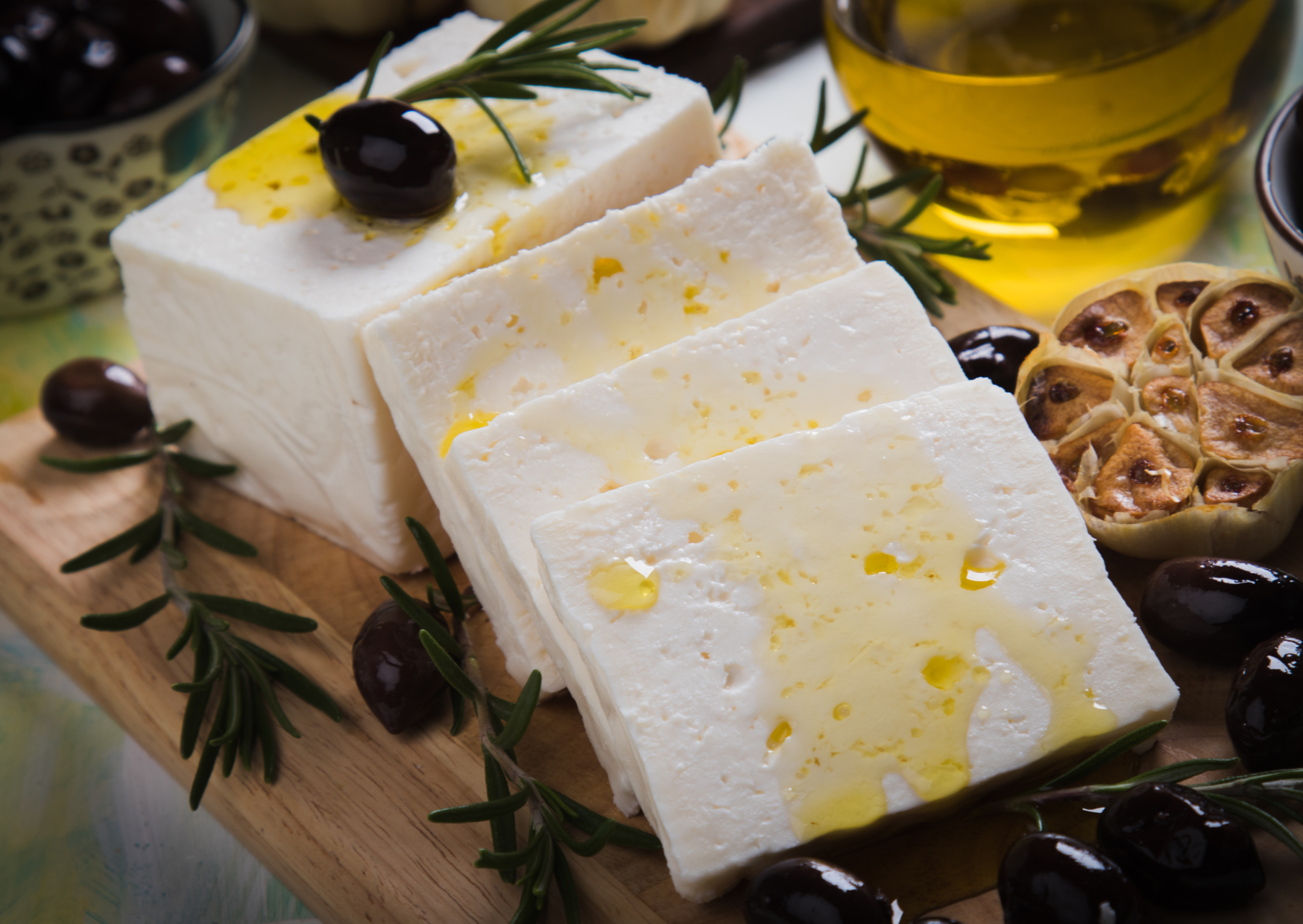
Per 100 grams, feta has about 21 grams of fat, roughly 13 to 15 grams saturated, 14 grams of protein, around 490 milligrams of calcium, and a lot of sodium from the brine. That is the dense version you see in databases. Most plates do not put 100 grams on one person’s plate. Use the 39 to 50 gram everyday portion and you are looking at roughly 8 to 11 grams of fat, 5 to 7 grams saturated, 6 to 7 grams of protein, and 200 to 600 milligrams of sodium, depending on how well it was drained.
Two details matter more than the raw numbers.
First, fermentation and the cheese matrix change how dairy fat behaves in your body. Randomized trials that feed equal fats as butter versus cheese report lower LDL and total cholesterol with the cheese, despite similar saturated fat. Scientists point to the way calcium, protein, and the physical structure of cheese bind fat in the gut and change absorption and bile acid metabolism. You cannot turn cheddar into medicine, but you also cannot treat all sources of saturated fat as identical.
Second, what the cheese displaces in the meal predicts the outcome. In meals where feta replaces processed meat, replaces a pile of refined starch, or finishes a vegetable and bean plate that is already rich in fiber and olive oil, the net effect looks very different than dropping feta into a day filled with butter, fried foods, and sugary drinks. That replacement logic is where the Mediterranean pattern earns its reputation.
The Pattern, Not The Ingredient, Drives Cholesterol
The most famous trial on this topic assigned thousands of people at cardiovascular risk to a Mediterranean diet built around extra virgin olive oil or nuts and compared them to a relatively low fat control diet. The Mediterranean groups saw fewer major cardiovascular events. That shift did not hinge on demonizing cheese. It came from a package of habits, especially replacing saturated fat with mono and polyunsaturated fat, eating lots of vegetables and legumes, and relying on minimally processed foods.
Meta analyses focused on fermented dairy echo the same neutral to favorable pattern for heart risk markers. Cheese consistently looks neutral in large cohorts and sometimes protective, especially within Mediterranean or Nordic patterns that are high in unsaturated fats and whole foods. When researchers compare equal saturated fat delivered as butter versus as cheese, the butter arm raises LDL more. The matrix and meal context matter.
If you apply this to a Greek table, the math checks out. A daily 40 gram hit of feta is a small saturated fat dose. It rides along with a big pour of olive oil, vegetables, whole grains, and beans, and inside an eating pattern that keeps refined sugars and ultra processed snacks relatively low at main meals. The cheese’s sodium is the main thing to watch, not a catastrophic LDL spike from its fat.
Why Americans See A Different Outcome With “Cheese”
The problem is not that Americans eat cheese. It is how and with what. In many American meals, cheese shows up as a melt layer on high refined carbohydrate bases, pairs with butter as a second saturated fat source, or displaces vegetables and legumes. Portions are big. Processed varieties are common. The rest of the plate does not include the olive oil, fiber, and polyphenols that help blunt LDL rise and inflammation.
Add population facts. About one in ten American adults tests with high total cholesterol in recent federal surveys, and many who would benefit from medical therapy are not on it. That is not a cheese story alone. It is a total diet, exercise, weight, genetics, and access to care story. When diet is the lever you can pull, the lesson from Greek tables is to make cheese a seasoning, not the main event, and to build the plate so that unsaturated fats and fiber dominate.
What “Daily Feta” Looks Like In Greece Versus America

Daily feta in Greece often means:
- Salad first. A big bowl of vegetables dressed in extra virgin olive oil with a modest slab or crumble of feta. Bread shows up, but the vegetables do the heavy lifting.
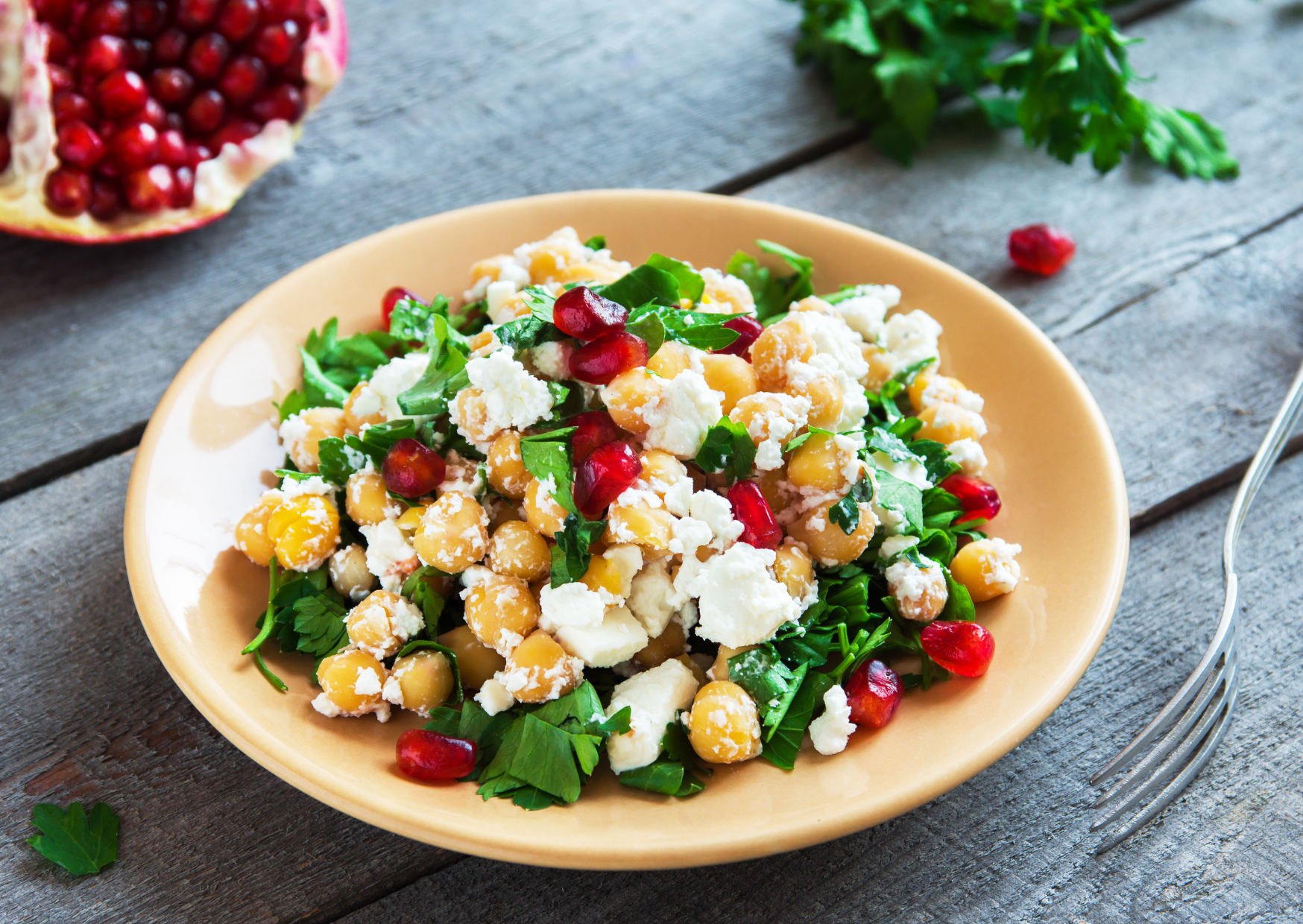
- Beans as a main. Lentils with onion and vinegar. Giant butter beans baked in tomato and herbs. A glug of olive oil and a little feta scattered on top.
- Fish two or three times a week. Sardines, anchovies, or other small fish with lemon, oregano, and a side salad. Cheese is a side note.
- Minimal butter. Olive oil is the cooking fat. The saturated fat budget is not overloaded before the cheese arrives.
- Simple starch. Potatoes boiled with lemon and oil. Barley rusks. Bread with a smear of tomato. Not a heavy cream sauce and a mountain of refined noodles every night.
Daily feta in America often means:
- Pizza loads of low moisture cheese on refined crusts, with processed meat on top, and butter or oil in the pan.
- Queso style dips with chips as a meal.
- Burgers plus cheese plus fries, with the cheese acting as the third rich element.
- Large portions. A “serving” looks like a handful, not two measured tablespoons crumbled.
The ingredient is the same word. The context is not the same pattern.
The Playbook: How To Use Feta Without Torching Your Numbers
You do not have to move to an island. You just have to change how cheese lands on your plate.
Make feta the condiment. Use 20 to 40 grams per person. Think two heaping tablespoons of crumbles or a small slab that is shared, not a dedicated brick per person.
Pair with olive oil. Let unsaturated fat carry most of the calories. Dress your salad with extra virgin olive oil and lemon, then add feta for salt and tang. In hot dishes, finish beans or greens with oil first, then sprinkle feta.
Build vegetable volume. A Greek salad is at least half vegetables by weight. Cucumber, tomato, peppers, onion, olives. Feta sits on top, not buried inside casseroles where it disappears and tempts you to add more.
Use legumes as the main. Swap two meat dinners a week with beans or lentils. Crumble feta on top for richness. You get protein, fiber, and a friendlier fat profile with the same pleasure pay off.
Rinse the brine. If sodium is a concern, rinse the block and pat it dry. You will still taste plenty of salt because feta is intense. In mixed dishes, you can hold back added salt because the cheese supplies it.
Choose real feta. Look for PDO on the label and the sheep or sheep plus goat milk list. Cow’s milk “feta style” cheeses behave differently and can be saltier or blander. The real thing gives you more punch for less volume.
Watch the rest of the day. If breakfast included bacon and buttered toast and lunch was a burger, do not expect a cheese topped dinner to be “Mediterranean” by magic. The pattern works as a package.
Portion your starch with intention. Bread and potatoes are part of Greek meals, but not as vehicles for butter and cheese at the same time. Put olive oil on potatoes. Put feta on vegetables. Keep starches modest and mostly whole if you can.
Move a little. The diet pattern lands better when daily walking is normal. You do not need a marathon. You do need to fold movement into your day.
A Few Plates That Work Without a Recipe Card
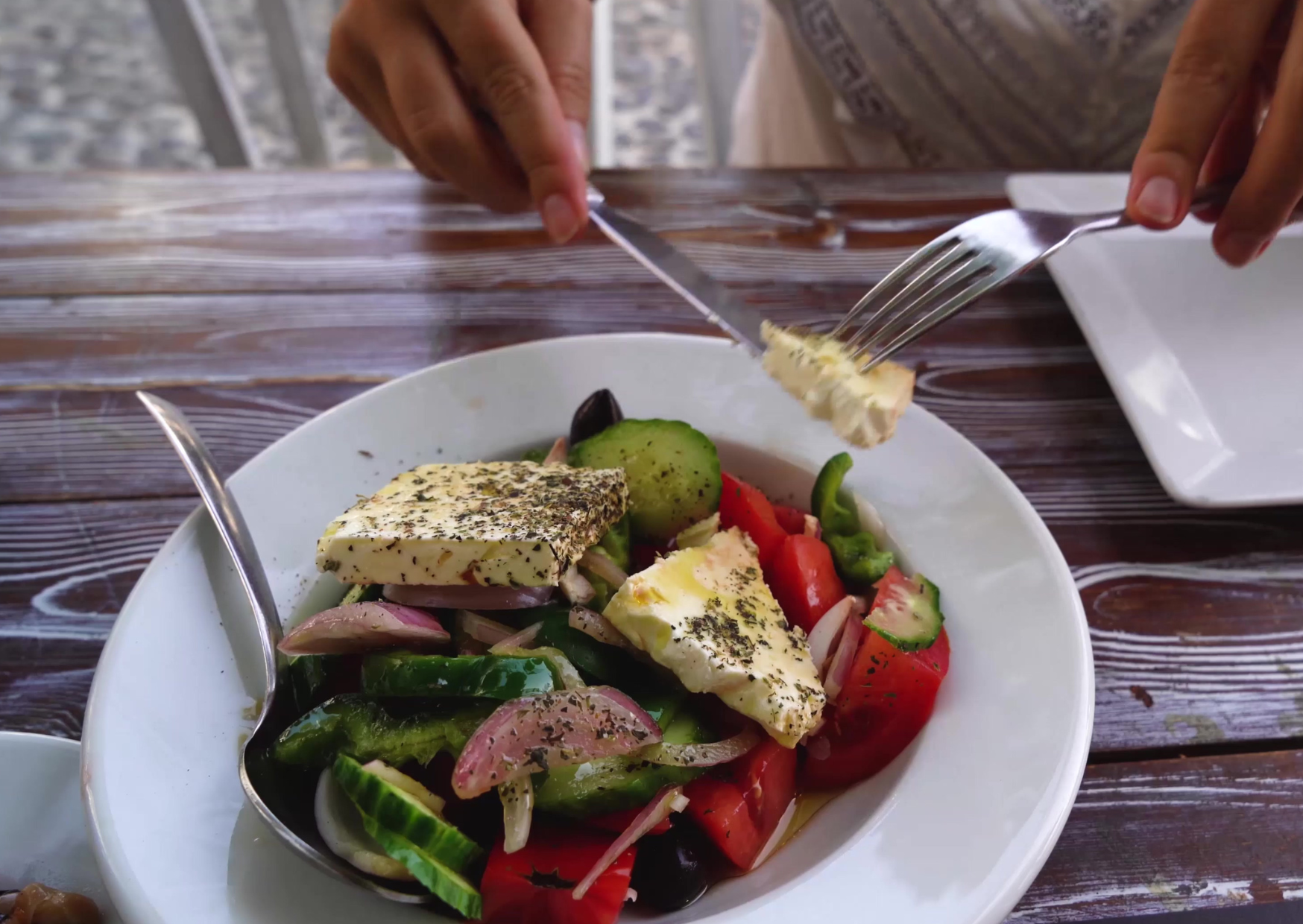
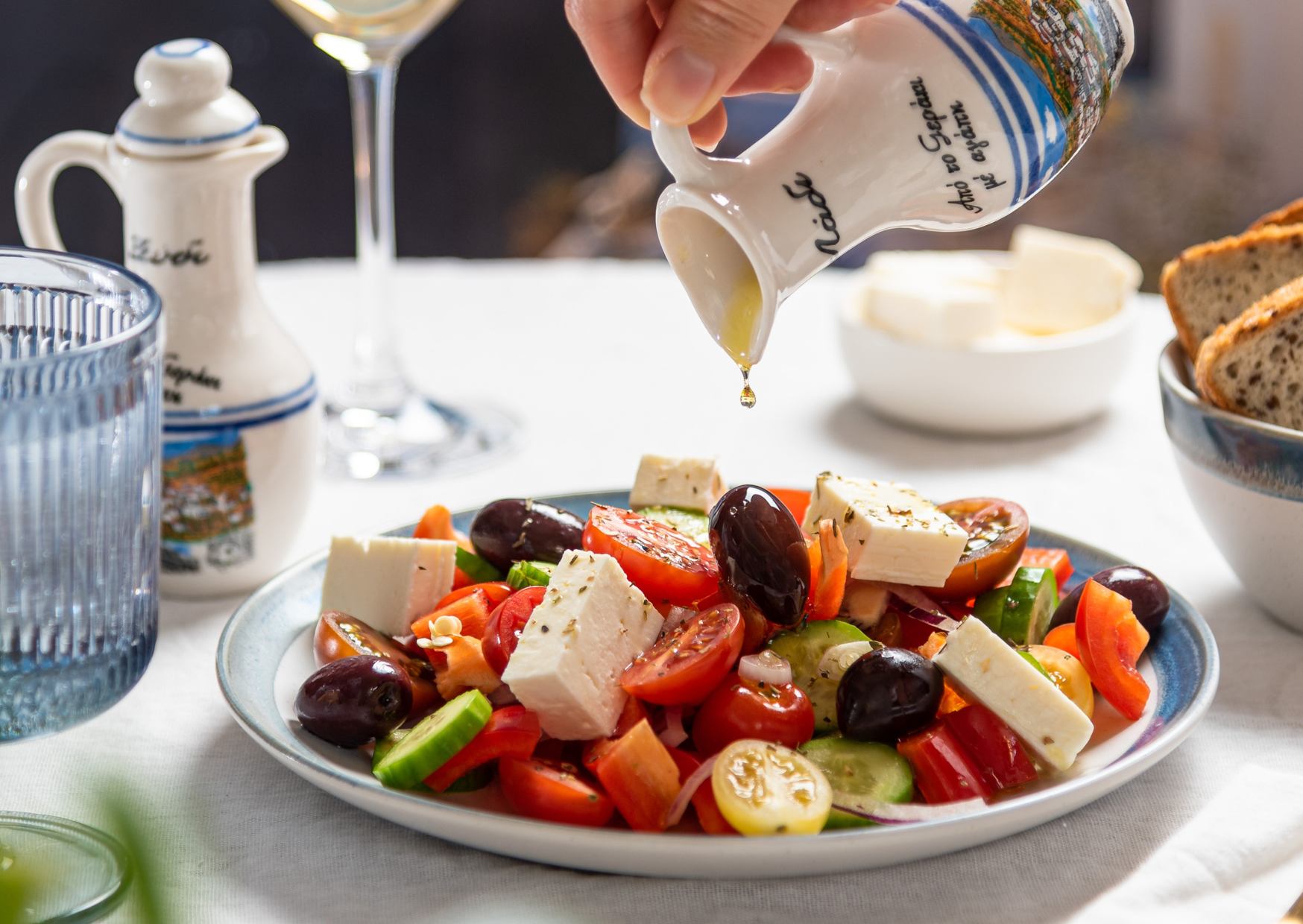
Horiatiki, the village salad. Tomatoes, cucumber, green pepper, red onion, a handful of olives, oregano, a generous pour of olive oil, red wine vinegar or lemon, and a shared slab of feta. Bread on the side. Done.
Gigantes with feta. Boil or bake giant beans with tomato, onion, and dill until tender. Finish with olive oil and a crumble of feta. A green salad next to it and you are finished.
Weeknight tray of peppers and onions. Roast sweet peppers and red onions. Toss with olive oil and oregano. Scatter feta and a few capers. Eat with good bread.
Lentil bowl. Brown or green lentils tossed warm with olive oil, red wine vinegar, sliced scallions, chopped parsley, and a little feta. Add a hard boiled egg if you want.
Each of these plates uses feta as contrast. Salt, acid, and richness ride on a base of fiber and unsaturated fat.
What Can Go Wrong (and How to Fix It)
Portion creep.
You start with a two tablespoon crumble and end up with a cup. Measure the first few times until your eyes learn what 30 to 40 grams looks like. Choose stronger tasting feta, so less does more.
Salt overload.
Brined cheese plus salty olives plus salted dressing tips the day over your sodium target. Rinse the feta and blot it. Salt the vegetables lightly or not at all because the cheese and olives bring plenty.
Wrong cheese.
Cow’s milk “feta style” products can be chalky and tempt you to use more. Pick PDO feta and keep a small piece in brine in a tight container. Stronger flavor means smaller portions.
Butter still everywhere.
You moved cheese into a Mediterranean pattern but kept butter at breakfast and in baking. Swap butter where it is easy. Use olive oil on toast with tomato, yogurt and fruit instead of pastries, olive oil in sauté instead of butter.
Turning salad into a cheese bowl.
A mound of feta on lettuce with a cherry tomato on top is not a Greek salad. Make the vegetable base generous and colorful. Then add a modest piece of feta.
Thinking cheese cancels sugar.
A sweet drink plus cheese does not average out. Keep sugary beverages rare. Water, sparkling water, or a small glass of wine with meals matches the pattern better.
Expecting feta to fix cholesterol alone.
If a clinician has advised medication or you have genetic hypercholesterolemia, diet shifts help but do not replace care. Use the pattern for the meals you control and stay on plan.
The Quiet Science Behind The Plate
Three ideas are doing the heavy lifting in the background.
Replacement. When saturated fat calories are replaced by mono and polyunsaturated fat, LDL falls. Olive oil and nuts supply those replacements on Greek tables. Feta arrives after those swaps are made, not on top of a butter base.
Matrix. Cheese is a food matrix that seems to deliver saturated fat with a smaller LDL rise than butter at equal fat loads. Calcium soaps, casein, and the physical structure likely explain some of the effect. You do not need to memorize the mechanism to benefit from it. Just remember that cheese is not butter.
Fermentation. Cultured dairy carries different peptide fragments and acids than fresh milk. Large reviews looking at fermented dairy generally find neutral associations with cardiovascular risk, sometimes small protective ones within healthy patterns. That finding does not make a brie board a prescription. It does mean that how the dairy is made and eaten changes your numbers at the margin.
What This Means For You
The Greek habit is not a paradox. It is a pattern. Feta every day is compatible with steady cholesterol when the plate looks like Greece. Vegetables and beans at the center. Olive oil as the default fat. Fish and whole grains in the week. Cheese as a salty, tangy accent, not a main course. Keep portions modest, rinse the brine if you are salt sensitive, and let the rest of the meal do the cholesterol work.
You do not have to pretend cheese is spinach. You have to treat it like Greeks do, as seasoning inside a larger design that favors unsaturated fat and fiber. When you do, the food gets better and your numbers usually behave better too.
Origin and History
Feta has been part of Greek daily life for thousands of years, long before cholesterol was a scientific concern. References to brined cheeses made from sheep’s milk appear as early as ancient Greek texts, where cheese was considered a staple food rather than an indulgence. It was valued for nourishment, preservation, and accessibility.
The geography of Greece played a major role in feta’s development. Rocky terrain favored sheep and goats over cows, leading to milk that was naturally higher in protein and easier to digest. Preserving that milk in brine allowed communities to store cheese safely in a warm climate without refrigeration.
Feta became deeply integrated into everyday meals rather than reserved for special occasions. It was eaten alongside vegetables, bread, and olive oil, forming part of a broader dietary pattern rather than a standalone source of fat.
This historical context matters because feta was never consumed in isolation. It evolved within a food culture built on moderation, physical activity, and seasonal eating, all of which shaped how the cheese was traditionally enjoyed.
A common assumption is that eating cheese daily must lead to high cholesterol. This belief often ignores how food functions within an overall diet. In Greece, feta is typically eaten in small amounts, used to enhance meals rather than dominate them.
Another misunderstanding lies in equating all cheeses nutritionally. Feta is lower in fat than many aged cow’s milk cheeses and is usually consumed in crumbled portions rather than thick slices. Its strong flavor encourages restraint rather than excess.
There is also confusion between dietary cholesterol and blood cholesterol. Many modern dietary discussions oversimplify this relationship, blaming individual foods instead of broader eating patterns. Feta becomes an easy target despite being part of a balanced diet.
Perhaps the most controversial factor is lifestyle. Greek eating habits traditionally include regular walking, shared meals, slower eating, and fewer ultra-processed foods. Removing feta from that context and comparing it to fast-food-heavy diets creates misleading conclusions.
How Long You Take to Prepare
Traditional feta production is slow by design. After milking, the cheese is formed and then aged in brine for weeks or months. This process develops flavor, texture, and preservation without additives or shortcuts.
At home, feta requires no preparation beyond proper storage. It is typically kept submerged in brine to maintain moisture and prevent spoilage. This simplicity reflects its role as a ready-to-eat staple rather than a cooked ingredient.
When used in cooking, feta is added at the end or gently incorporated. Overcooking can cause it to dry out or lose its character, which is why many Greek dishes rely on fresh or lightly warmed feta.
The time investment happens before it reaches the table, not during meal preparation. This allows feta to fit seamlessly into daily meals without turning cheese consumption into a labor-intensive event.
Serving Suggestions
In Greece, feta is most commonly served with vegetables, not meat-heavy dishes. Paired with tomatoes, cucumbers, olives, and olive oil, it becomes part of a nutrient-dense plate rather than a source of excess fat.
It is often crumbled rather than sliced, which naturally limits portion size while distributing flavor evenly. This approach contrasts with thicker cheese servings common in sandwiches and processed foods elsewhere.
Feta is also used sparingly in cooked dishes, such as baked vegetables or simple pies. Even then, it complements rather than overwhelms other ingredients.
Bread is usually rustic and eaten in moderation, while meals are paced slowly. This combination supports satiety and reduces the likelihood of overeating, regardless of cheese content.
Final Thoughts
The Greek relationship with feta is less about the cheese itself and more about how it is eaten. Daily consumption does not mean excessive consumption, and context matters more than individual ingredients.
Blaming feta for cholesterol concerns overlooks the broader dietary patterns that define Greek eating habits. Balance, simplicity, and moderation are more influential than any single food.
Understanding this difference challenges the idea that certain foods are inherently problematic. The same ingredient can produce very different outcomes depending on portion size, preparation, and lifestyle.
Ultimately, feta’s place in Greek cuisine shows that tradition often holds wisdom. When food is eaten thoughtfully and as part of a balanced whole, daily enjoyment does not automatically lead to poor health outcomes.

About the Author: Ruben, co-founder of Gamintraveler.com since 2014, is a seasoned traveler from Spain who has explored over 100 countries since 2009. Known for his extensive travel adventures across South America, Europe, the US, Australia, New Zealand, Asia, and Africa, Ruben combines his passion for adventurous yet sustainable living with his love for cycling, highlighted by his remarkable 5-month bicycle journey from Spain to Norway. He currently resides in Spain, where he continues sharing his travel experiences with his partner, Rachel, and their son, Han.