
Imagine a quiet morning in a Portuguese town, tiled roofs warming in the sun, and a day that runs on simple routines instead of worry.
You walk downstairs for bread and fruit, the baker knows your name by week two. The market sits five minutes away, the clinic is around the corner, and the bus beeps you through on the senior pass. Coffee costs little, conversation is free.
Home is a compact one bedroom with a small balcony and a view of laundry lines. Rent comes in under six hundred euros, utilities are predictable, and most errands happen on foot. No car payment, no surprise bills, just a calendar that fills with classes, walks, and friends.
For Americans, the win is twofold, money stretches and community comes built in. Municipal senior centers, university classes, and neighborhood clubs give you reasons to leave the house and people who expect you to show up.
Pick the right town, live near services, and keep transport simple, and a thousand dollars a month turns into mornings like this.
Quick and Easy Tips
Choose smaller inland or secondary towns where rents and services are consistently lower.
Use Portugal’s public healthcare system alongside basic private coverage for stability.
Track expenses monthly to ensure lifestyle inflation doesn’t quietly creep in.
Many Americans assume a $1,000 retirement budget must involve sacrifice or hardship. In reality, much of what’s being “given up” are expenses that exist primarily in the U.S., such as high insurance costs, car dependence, and service fees.
Another uncomfortable truth is that retirement communities don’t have to feel isolating. In Portugal, social life is embedded in daily routines cafés, markets, and public spaces rather than gated developments or paid activities.
There’s also resistance to the idea that downsizing improves well-being. Smaller homes and simpler lives are often framed as loss, yet many retirees report feeling lighter, calmer, and more in control once excess disappears.
What makes this controversial is the implication that retirement insecurity isn’t always about insufficient savings. Sometimes it’s about choosing systems that quietly drain resources. These Portuguese communities show how changing location can change the math entirely.
1) The $1,000 Reality in Portugal, Explained
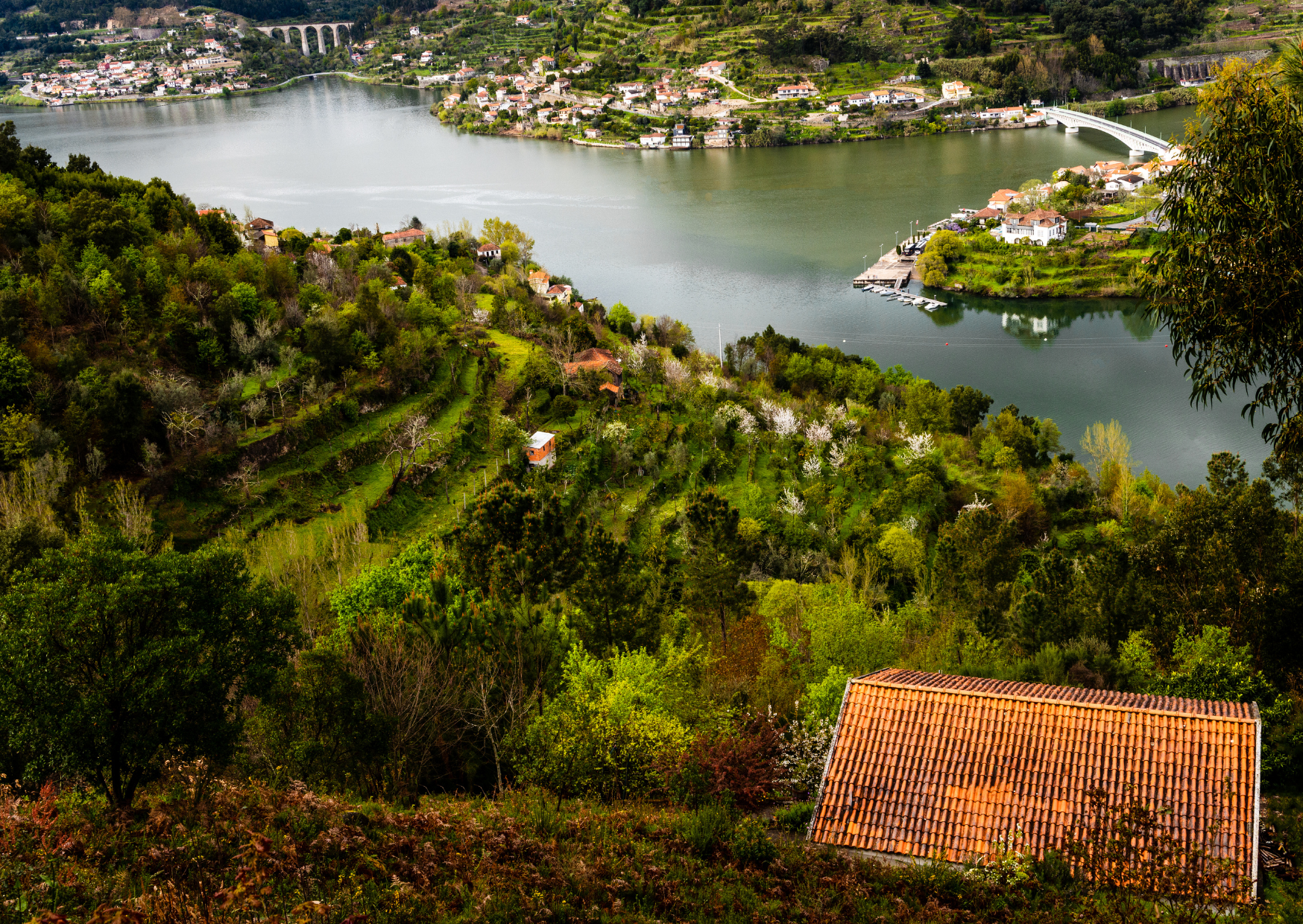
The headline number is tight, but it works in the right places. The secret is combining under-€600 rent, a walkable center, and public healthcare you can actually use as a resident. Anchor those three, and groceries, transport, and a modest social life fall into place.
Rent is the lever you control. Many inland and mid-sized municipalities still advertise single-digit prices per square meter. A simple T1 at fifty to sixty square meters can regularly land between four hundred and five hundred fifty euros near services. That leaves room for utilities and food without constant stress.
Healthcare is the quiet stabilizer. Legal residents enroll in the SNS, Portugal’s national system, where user fees are largely abolished and routine care is accessible. Some retirees add a low-premium private policy to speed specialist appointments, but the baseline is solid and predictable.
Transport is where budgets break or breathe. If you build your week around no car, costs drop fast. Senior passes in the major metros carry generous discounts, and in Lisbon, residents over sixty-five ride city networks for free with the proper profile. In smaller cities, you mostly walk and buy the occasional regional train ticket with senior fares.
2) Where It Works: Six Communities That Stretch a Dollar
Start with the pattern, not a gated complex. The best “retirement communities” in Portugal are compact cities where services cluster downtown, rents stay sane, and social life happens in public. Think cafés that expect regulars, a municipal senior center, and a hospital you can reach without a highway.
In the interior, Castelo Branco is a budget anchor with asking rents around €6.8 per m², which puts many modest T1s near €400–€450. Viseu pairs tidy parks and clinics with about €8 per m², often landing €480–€520 for a livable one bedroom. Covilhã hovers near €8.1 per m², a university town where a central flat near the health center keeps hills manageable.
On the Centro coast, Figueira da Foz balances a beach lifestyle with roughly €9.3 per m² if you live a few blocks off the promenade. Up the Silver Coast, Caldas da Rainha gives you famous markets, thermal gardens, and workable T1 prices near €9–€10 per m² in many listings. Rail-linked Santarém sits about an hour from Lisbon with the historic center, senior classes, and typical rents under €9 per m², a handy base with capital-city access for specialists.
The rule holds elsewhere. Braga and Barcelos trend higher than the interior but still workable with careful searches. The Algarve’s tourist cores are fun for a week, not for this budget. Madeira and the Azores bring charm, but import costs and seasonality raise the floor. If your number is €850–€900 after exchange, the inland grid and smaller coastal hubs are your friend.
3) A Simple Playbook to Hit Your Monthly Target

Lead with rent first. Choose a T1 within a ten to fifteen minute walk of the market, health center, and bus stop. Accept a smaller kitchen for a brighter room or a balcony for laundry and plants. A central, second-floor unit without an elevator is often the sweet spot for price and comfort.
Run utilities lean without feeling deprived. Pick a basic fiber plan, watch electric heat in interior winters and cooling on the coast. A realistic envelope for power, water, internet, and gas sits near ninety to one hundred thirty euros if you pay attention. Open windows in the shoulder months and close blinds against midday sun in summer.
Eat like a local to lower costs and raise morale. Markets cut the bill while keeping quality high. Cook most weekdays, then budget two café stops and one lunch out per week to meet people and learn the rhythm. Buy wine from the cooperatives, seasonal fruit from the stalls, and bread from the same baker until they know your order by sight.
Keep transport simple. If you live near errands, you will walk most days. In Lisbon and Porto, senior passes make city networks a non-issue. In mid-sized towns, use the regional train for medical trips and visits, not a car for daily chores. Fuel, insurance, inspection, and parking will bury a small budget faster than any grocery splurge.
4) Paperwork and Taxes: The Reality Check

Most retirees use the D7 route, a residence visa for people with passive income. The income benchmark is keyed to the national minimum wage for the main applicant, with increments for dependents. If your income hovers near that line, plan a buffer, a second income stream, or documented savings to satisfy consular checks.
Health coverage is straightforward after you land. Register with the SNS for a family doctor and hospital access, then decide if a small private plan is worth it for speed. The public baseline handles routine care, emergencies, and major procedures well, while private clinics help with scheduling.
Taxes deserve clear eyes. The old NHR scheme for new arrivals has been replaced, and foreign pensions do not automatically get a flat ten percent rate. If taxes matter to your planning, speak with a qualified advisor before you move funds or pick a municipality. The aim is not loopholes, it is no surprises.
Documents and timing are the stress points. Expect deposits for long-term rentals, two months plus the first month in some cases. Bring originals and copies for consulate and local offices. A short-term rental for two to four weeks buys you time to find the right place without choosing in a rush.
General information only, not legal or financial advice.
5) How to Build a Social Week on a Budget
Money is one piece, belonging is the other. Portugal makes the second part easy. Most towns on this list host a Universidade Sénior where older adults take volunteer-taught classes during the school year. Pick two, see the same faces weekly, and your calendar builds itself.
Join a civil association early for practical help. Portugal’s largest foreign-residents association negotiates discounts on insurance and utilities and runs local meetups. A low annual fee pays back fast if you use even a handful of benefits, and it gives you a helpline when you hit something odd in Portuguese bureaucracy.
Use language as a bridge, not a barrier. Enroll in an A1 or A2 Portuguese course at the senior university or the municipal center, then practice at the bakery and the market. People are patient when you try. Your rent does not drop because of your grammar, but your life opens up when you can joke with the fishmonger.
Keep one low-cost hobby with locals. Choirs, walking clubs, ceramics, and photography groups exist everywhere in this network of towns. Entry fees are tiny, returns are huge. You do not fix loneliness with sightseeing. You fix it with routine.
6) Edge Cases, Red Flags, and Easy Fixes

Heat and cold will test your bill. Interior winters need space heaters, coastal summers can push you toward air conditioning. Choose cross-ventilated flats near the sea, or well-oriented buildings inland with morning sun. Curtains, blinds, and ceiling fans save more money than you think.
Stairs and hills matter more than photos. “Sem elevador” means no lift. In hill towns, a third-floor walk-up becomes a daily workout. Before signing, trace your route to the market and the health center. The cheap place with a thirty-minute uphill walk for milk is not cheap.
Scams are rare but caution helps. Use reputable portals, insist on a live video tour if remote, and never wire deposits without a signed lease. If a deal looks far below market for a prime block, it usually hides a flaw. Ask a local friend or teacher to glance at the contract language.
Expect practical, not fancy. You will not get valet parking or tasting menus in these budgets. You will get pensioner-priced lunches, a steady coffee counter, and a bulletin board with signups for day trips and talks. That is the point. Show up, and people will learn your name.
7) What This Means for You

If you are chasing a thousand-dollar life in Portugal, you are not hoping for luck, you are choosing a map. Aim for a mid-sized inland city or a modest coastal hub with a real market, a hospital, and a senior university. Lock in a compact T1 you can heat or cool cheaply, and walk most days.
Keep the budget shape simple. Rent near half, utilities under one-fifth, food around one-quarter, the rest for transport and a social life that is small but regular. Two café stops and one lunch out each week will do more for your well-being than another streaming subscription.
Build belonging on purpose. Put your name on two activities that repeat weekly and one day trip each month. Mix one Portuguese-language group with one English-language meetup until you feel at home. The faces repeat, the jokes land, and errands turn into conversations.
Pick one town, register, and show up. When the math is honest and the routines are friendly, a thousand dollars a month does not feel like a squeeze. It feels like a life.
What surprises most people about these Portuguese retirement communities isn’t just the low cost, but the quality of life that comes with it. A $1,000 monthly budget works because daily life is structured differently housing is modest, healthcare is predictable, and social life doesn’t revolve around constant spending.
These communities succeed because they remove pressure. Retirees aren’t trying to “win” retirement with luxury; they’re optimizing for peace, routine, and connection. When expectations shift, the budget suddenly feels generous instead of restrictive.
Another overlooked factor is community design. Walkability, shared spaces, and proximity to services reduce the need for cars, subscriptions, and constant purchases. Money stops leaking out in small, invisible ways.
The most important takeaway is sustainability. These retirements work year after year because they’re built on realistic costs, not temporary bargains or risky assumptions.

About the Author: Ruben, co-founder of Gamintraveler.com since 2014, is a seasoned traveler from Spain who has explored over 100 countries since 2009. Known for his extensive travel adventures across South America, Europe, the US, Australia, New Zealand, Asia, and Africa, Ruben combines his passion for adventurous yet sustainable living with his love for cycling, highlighted by his remarkable 5-month bicycle journey from Spain to Norway. He currently resides in Spain, where he continues sharing his travel experiences with his partner, Rachel, and their son, Han.