
For fifteen years, I woke up every morning unable to breathe through my nose.
The congestion would ease slightly by midday, then return with force in the evening. I kept tissues in every room. I learned to sleep propped up on pillows. I accepted chronic sinus pressure as simply how my body worked.
I had seen allergists who found nothing conclusive. I had tried nasal sprays, antihistamines, elimination diets that cut wheat and eggs and tree nuts. Nothing made a lasting difference. The congestion was always there, a constant background hum of discomfort.
Then I moved to Spain. Within two months, my sinuses cleared completely. I assumed it was the climate—drier air, fewer allergens, different pollen. But when I visited the United States for three weeks last Christmas, the congestion returned within four days of landing.
I thought about what had changed between the two trips. The answer was obvious once I looked: the milk.
What I actually changed

In Spain, I drink milk from local dairies. The cartons say leche fresca or leche de pastoreo—fresh milk from grass-fed cows. The brands rotate depending on what the supermarket carries. Sometimes it is from Galicia, sometimes from Asturias, sometimes from small producers whose names I do not recognize.
In America, I had always bought whatever whole milk was on sale. Usually a national brand. Sometimes organic, sometimes not. I never thought about it beyond checking the expiration date.
The switch was not intentional. I simply bought what was available in my new country. I did not expect it to change anything about my health.
But after 60 days of Spanish milk—drinking it in coffee, using it in cooking, eating local cheeses and yogurt—I noticed I was breathing clearly for the first time in years. No morning congestion. No evening stuffiness. No constant post-nasal drip.
When I returned to American milk during my Christmas visit, the symptoms came back. When I returned to Spain, they disappeared again.
This was not a controlled experiment. I changed many things when I moved countries. But the correlation was too consistent to ignore.
The hormone difference
The most significant regulatory difference between American and European milk involves growth hormones.
In 1993, the FDA approved recombinant bovine somatotropin (rBST), also called recombinant bovine growth hormone (rBGH). This synthetic hormone is injected into dairy cows to increase milk production by 10 to 15 percent.
The European Union banned rBST in 1990. The definitive ban took effect January 1, 2000. Canada, Australia, New Zealand, and Japan have similar prohibitions.
The reasons for the European ban were primarily animal welfare:
- 50% increased risk of lameness in treated cows
- 25% increase in udder infections (mastitis)
- Reduced fertility and reproductive problems
- Higher antibiotic use to treat resulting infections
The human health implications remain debated. The FDA maintains that milk from rBST-treated cows is safe for human consumption. The EU’s Scientific Committee agreed there was no definitive evidence of human health risk but upheld the ban based on animal welfare concerns.
What is not disputed: milk from rBST-treated cows contains higher levels of insulin-like growth factor 1 (IGF-1). Some research has linked elevated IGF-1 to increased cancer risk, though studies remain inconclusive.
As of 2014, approximately 15 to 20 percent of American dairy cows still received rBST injections. Consumer pressure has reduced this number, and many major retailers now sell rBST-free milk. But unless you specifically seek out products labeled “rBST-free” or “no artificial hormones,” you may be consuming milk from treated cows.
In Europe, this is not a consideration. The hormone is simply not used.
The protein that might matter more
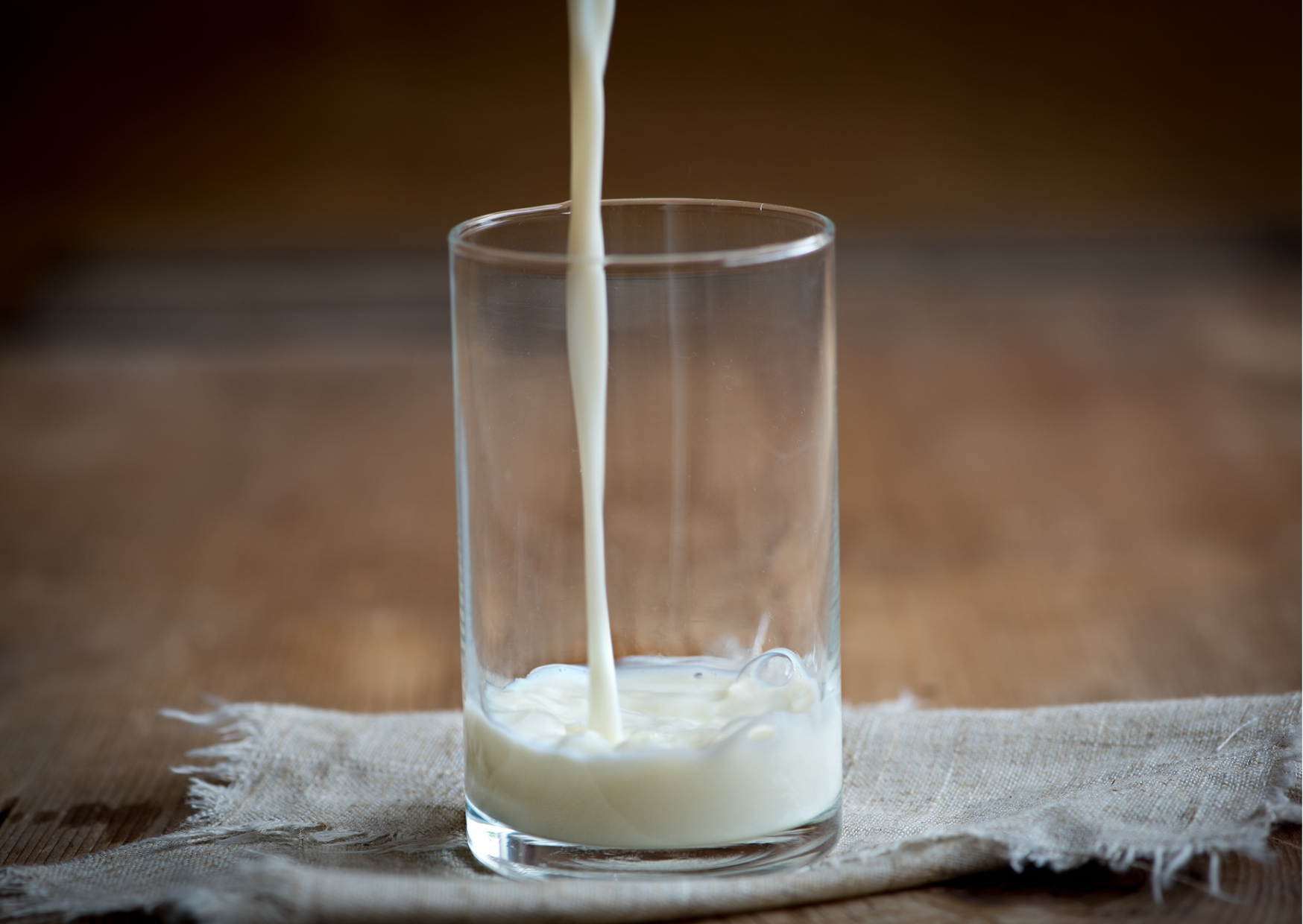
The hormone difference gets the most attention, but the protein difference may be more significant for people with digestive or inflammatory issues.
Cow’s milk contains a protein called beta-casein, which makes up about 30 percent of the protein content. Beta-casein comes in two primary forms: A1 and A2.
All cows originally produced only A2 beta-casein. Sometime between 5,000 and 10,000 years ago, a genetic mutation occurred as cattle were brought north into Europe. This mutation changed a single amino acid in the protein chain—proline became histidine at position 67—creating the A1 variant.
The mutation spread through Western herds primarily because Holstein-Friesian cows, which carry the A1 gene at high rates, were used to improve milk production in other breeds worldwide.
Here is where it gets interesting for people with inflammation issues:
When A1 beta-casein is digested, it releases a peptide called beta-casomorphin-7 (BCM-7). This does not happen with A2 beta-casein because the proline at position 67 prevents the enzymatic cleavage that releases BCM-7.
BCM-7 is an opioid peptide. Research has linked it to:
- Increased gastrointestinal inflammation in animal studies
- Delayed intestinal transit time in human studies
- Higher levels of inflammatory markers including myeloperoxidase and interleukin-4
- Thickened mucus production through interaction with opioid receptors in the respiratory tract
A 2016 study published in Nutrition Journal compared A1-containing milk with A2-only milk in subjects with self-reported lactose intolerance. The A1 milk was associated with increased inflammation, more digestive discomfort, and—significantly—decreased cognitive processing speed.
Some researchers believe that symptoms commonly attributed to lactose intolerance may actually stem from A1 beta-casein inflammation. The lactose content is identical in both milk types.
The breed distribution problem
This is where geography matters.
Different cattle breeds produce different ratios of A1 and A2 beta-casein:
High A2 breeds (70%+ A2 beta-casein):
- Guernsey
- Jersey
- Charolais
- Limousin
- Brown Swiss
- Most Asian and African cattle breeds
High A1 breeds (40-60% A1 beta-casein):
- Holstein-Friesian
- Ayrshire
- British Shorthorn
The dominant dairy breed in American commercial milk production is Holstein-Friesian. These cows produce the most milk per animal, which is why they dominate industrial dairy operations. They also have among the highest rates of A1 beta-casein.
European dairy production varies by country and region. France uses significant numbers of Charolais and Limousin cattle. The Channel Islands have historically bred Guernsey and Jersey cows. Southern European countries tend to have higher proportions of A2-producing breeds than northern European or American herds.
This does not mean all European milk is A2. It means the average A1/A2 ratio in European milk differs from American milk, particularly in countries that did not aggressively adopt Holstein genetics.
What the science actually says about dairy and sinuses
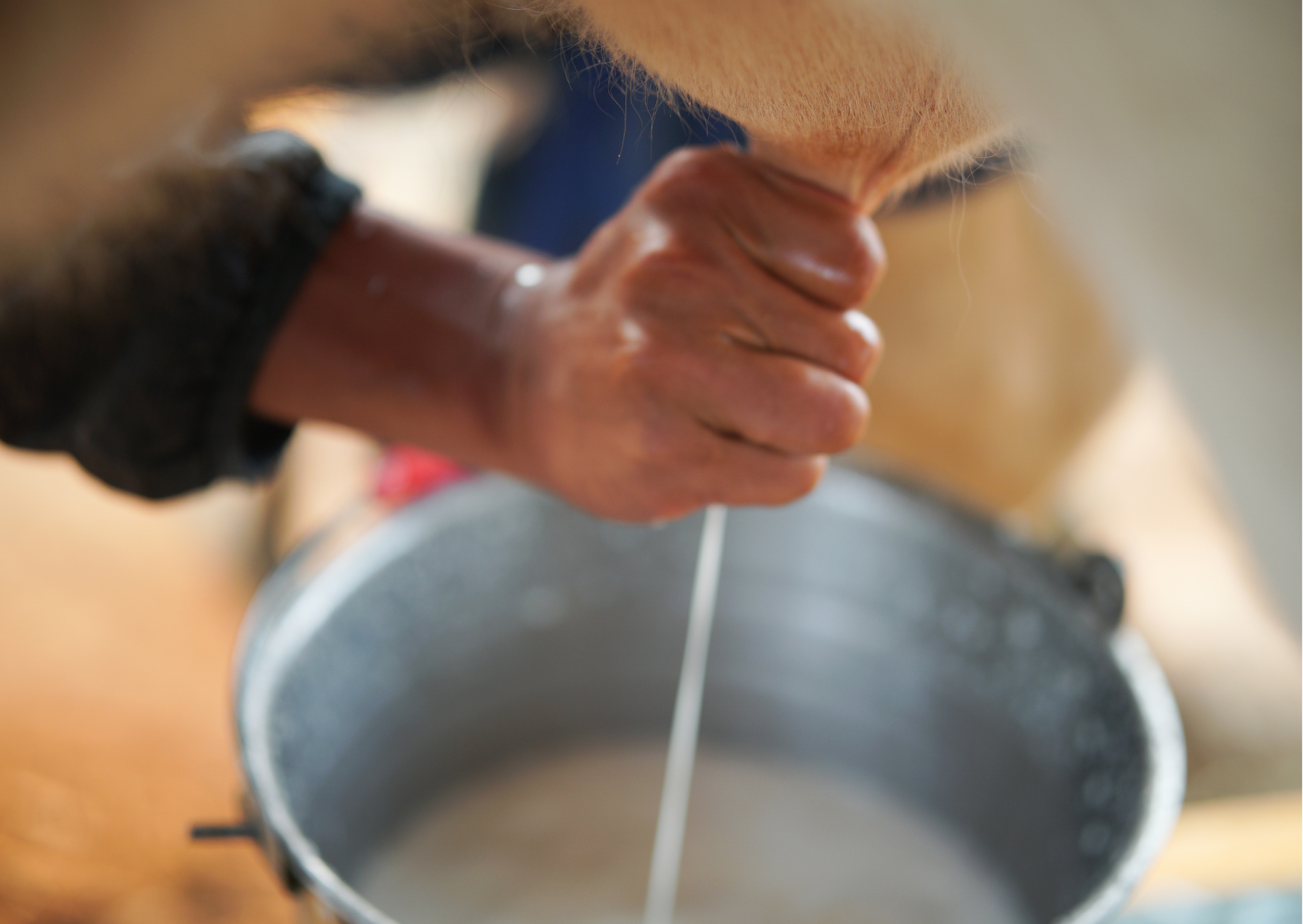
The research on dairy and mucus production is frustratingly mixed.
A 1990 study published in the American Review of Respiratory Disease infected 60 volunteers with rhinovirus and tracked their dairy intake and nasal secretions. The study found no statistically significant association between milk consumption and mucus production in healthy adults.
However, the same study noted that people who believed dairy caused mucus reported more congestion symptoms—even though their actual nasal secretion weights were no different from non-believers.
This has been interpreted two ways: either the dairy-mucus connection is purely psychological, or there is a subpopulation of people who genuinely react to something in dairy that standard studies have not identified.
More recent research suggests the second interpretation may be correct:
- A 2019 blinded study found that dairy-free diets significantly reduced nasopharyngeal mucus in people who reported persistent nasal discharge
- A study of children with confirmed milk allergy found 60% had improvement in ear, nose, and throat issues after dairy elimination
- Research on chronic sinusitis patients found 14% were positive for milk allergy compared to none in healthy controls
The emerging hypothesis: dairy may not increase mucus production in everyone, but it may thicken existing mucus or trigger inflammatory responses in sensitive individuals. The mechanism may involve A1 beta-casein, casomorphins, or other components that vary between milk sources.
The inflammation connection
Chronic sinus issues are fundamentally inflammation issues.
Sinusitis occurs when the tissue lining your sinuses becomes inflamed. The inflammation causes swelling, which blocks normal mucus drainage, which creates pressure and congestion. Anything that increases systemic inflammation can potentially worsen sinus symptoms.
This is where A1 beta-casein becomes relevant even for people without obvious dairy allergies.
A 2014 study in the European Journal of Nutrition examined inflammatory responses to A1 versus A2 beta-casein in mice. The A1 variant generated inflammatory markers that the A2 variant did not produce. The inflammation occurred in both gut and lung tissue.
If BCM-7 from A1 milk triggers low-grade chronic inflammation, and if that inflammation affects the respiratory system, it could explain why some people experience sinus improvement when switching dairy sources—even without having a diagnosable milk allergy.
The connection is not proven in humans. But the mechanism is plausible, and the anecdotal evidence is substantial enough that many integrative medicine practitioners now recommend trying A2 milk or dairy elimination as a first step for patients with chronic sinusitis.
What I actually drink now
I have not eliminated dairy. I eat cheese. I use milk in cooking. I have yogurt for breakfast several times a week.
What I avoid is American commodity milk from unknown sources.
In Spain, I primarily consume:
- Fresh local milk from regional dairies, usually from smaller breeds
- Goat milk and goat cheese, which is naturally A2
- Sheep milk products, also naturally A2
- Imported French and Italian cheeses from traditional breeds
When I visit the United States now, I seek out:
- A2 milk from brands that specifically test and certify their herds
- Goat milk as an alternative
- Grass-fed, organic milk from smaller producers who tend to use heritage breeds
- European-imported cheeses from known A2 sources
The difference in how I feel is consistent enough that I no longer question whether the correlation is real for my body.
The honest caveats
I am not claiming American milk causes sinus problems for everyone. I am not even claiming it caused mine with scientific certainty.
What I am claiming:
The milk is different. American dairy production uses hormones banned elsewhere, relies heavily on breeds with high A1 beta-casein, and operates under different regulatory frameworks than European production.
Some people react to these differences. The research on A1 beta-casein and inflammation is substantial enough to warrant consideration. The anecdotal evidence from people who improve after switching milk sources is extensive.
Elimination trials are free. If you have chronic sinus issues that have not responded to other interventions, trying different milk sources for 60 days costs nothing and risks nothing.
My results may not be your results. Bodies vary. Milk sources vary. The specific combination of factors that affected my sinuses may not apply to yours.
But after fifteen years of constant congestion and two years of clear breathing, I am not going back to drinking whatever whole milk is on sale at the American grocery store.
What to try if this resonates
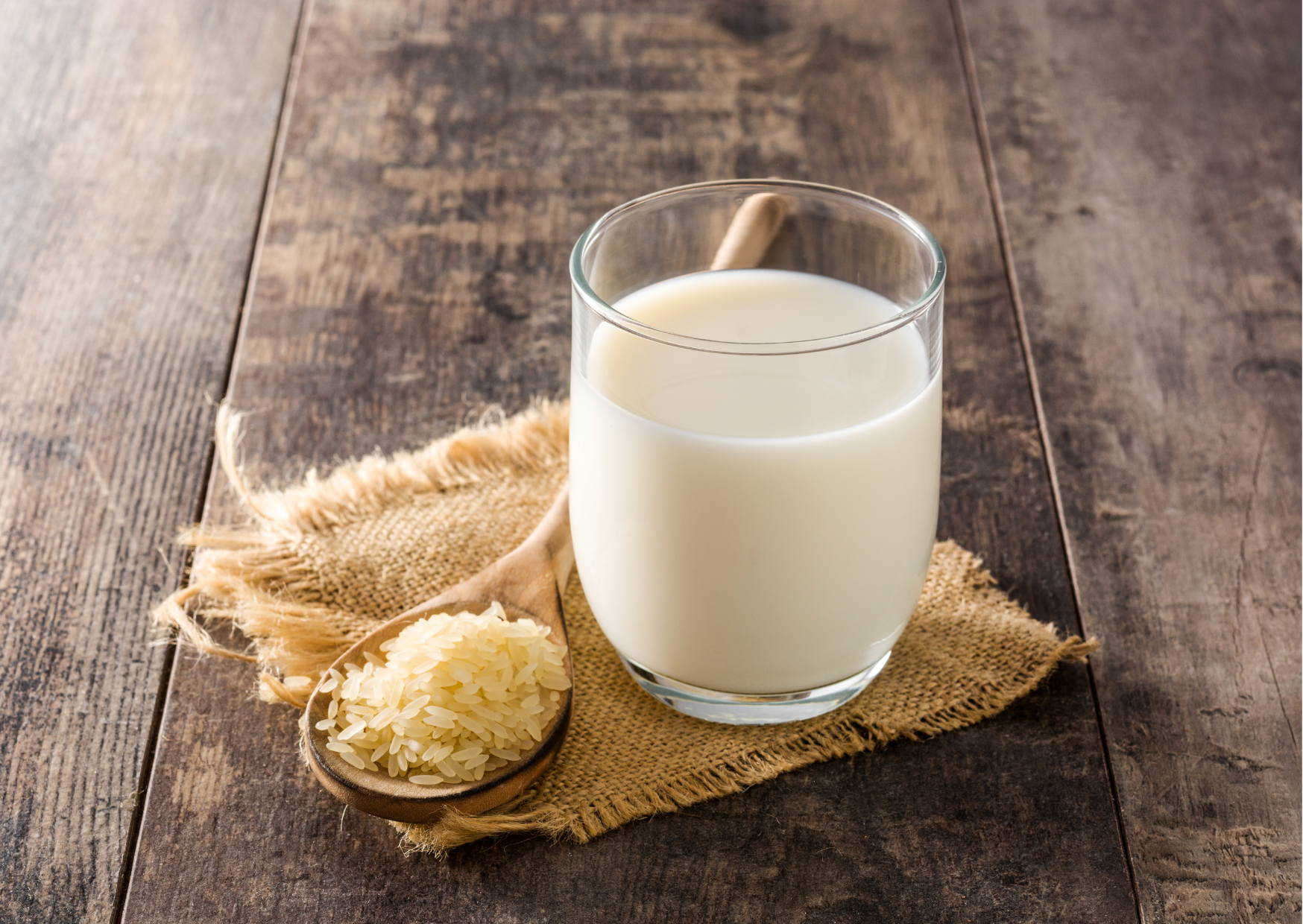
Week one through two: Eliminate all dairy.
Remove milk, cheese, yogurt, butter, and cream from your diet completely. Read labels—dairy hides in unexpected places. Note any changes in congestion, post-nasal drip, or sinus pressure.
Week three through four: Reintroduce A2 milk only.
Find certified A2 milk or goat milk. Reintroduce dairy using only these sources. Monitor whether symptoms return.
Week five through six: Test conventional dairy.
If you had improvement during elimination and remained clear with A2 sources, try conventional American milk again. One glass per day for several days. Note any return of symptoms.
Week seven through eight: Establish your baseline.
Based on your results, determine which dairy sources work for your body and which do not. Some people tolerate all dairy. Some tolerate only A2. Some need to avoid dairy entirely.
This is not a permanent restriction. It is information gathering. Once you know how your body responds, you can make informed decisions rather than wondering whether that chronic stuffiness is just how you are built.
The larger pattern
My sinus improvement is part of a broader pattern I have noticed since moving to Europe.
The food is different here. Not better or worse across the board, but different in specific ways that matter for specific bodies. The regulations are different. The breeds are different. The farming practices are different.
American food is not poison. European food is not magic. But the differences are real, and for some of us, those differences affect how we feel in our bodies day to day.
I spent fifteen years assuming my sinuses were simply broken. It turns out they were responding to something in my environment that I had not thought to question.
The milk was always there, three times a day, in my coffee and my cereal and my cooking. I never considered that changing it might change me.
Now I know. And I breathe clearly for the first time in years.
Quick reference
Key differences between American and European milk:
- Growth hormones: rBST banned in EU since 1990, still used in ~15-20% of US dairy
- A1/A2 ratio: US relies heavily on Holstein cows (high A1); Europe has more breed diversity
- Regulation philosophy: EU uses precautionary principle; US uses risk-based approach
A2 beta-casein sources:
- Certified A2 cow’s milk
- Goat milk (naturally A2)
- Sheep milk (naturally A2)
- Jersey cow milk (high A2)
- Guernsey cow milk (high A2)
Signs dairy may be affecting your sinuses:
- Chronic morning congestion
- Persistent post-nasal drip
- Symptoms that worsen after dairy consumption
- Improvement during illness when appetite decreases
- Clearing during travel to regions with different dairy
60-day elimination protocol:
- Weeks 1-2: Complete dairy elimination
- Weeks 3-4: Reintroduce A2/goat milk only
- Weeks 5-6: Test conventional milk
- Weeks 7-8: Establish sustainable pattern

About the Author: Ruben, co-founder of Gamintraveler.com since 2014, is a seasoned traveler from Spain who has explored over 100 countries since 2009. Known for his extensive travel adventures across South America, Europe, the US, Australia, New Zealand, Asia, and Africa, Ruben combines his passion for adventurous yet sustainable living with his love for cycling, highlighted by his remarkable 5-month bicycle journey from Spain to Norway. He currently resides in Spain, where he continues sharing his travel experiences with his partner, Rachel, and their son, Han.