
The first time I asked for strawberries in January at a Spanish frutería, the woman behind the counter looked at me like I had asked for snow in July.
She had apples. She had oranges. She had clementines piled in wooden crates. But strawberries? Those would come in April. Maybe late March if the weather cooperated.
I left confused and slightly annoyed. Back in the States, I could get strawberries any day of the year. They might taste like watery cardboard, but they existed.
What I did not understand then was that I had stumbled into the Italian rule that governs Mediterranean eating. If it is not growing now, you should not be eating it. Full stop. No exceptions for convenience. No workarounds for cravings.
Italy has the lowest ultra-processed food consumption in Europe. Only 14% of daily calories come from packaged, industrially manufactured products, compared to 60% in the United States and 44% in the UK. Researchers consistently find this correlates with adherence to seasonal, Mediterranean eating patterns.
When our family committed to eating only what was actually in season for 60 days, tracking both spending and weight, the results surprised us. Grocery bills dropped. Energy increased. And yes, 10 pounds came off without counting a single calorie or restricting portion sizes.
This is not a diet. It is simply a calendar.
What seasonal eating actually means in practice
Seasonal eating sounds simple until you try to do it inside an American supermarket. The entire business model depends on making seasonality invisible. Strawberries in December. Tomatoes in February. Asparagus whenever you want it.
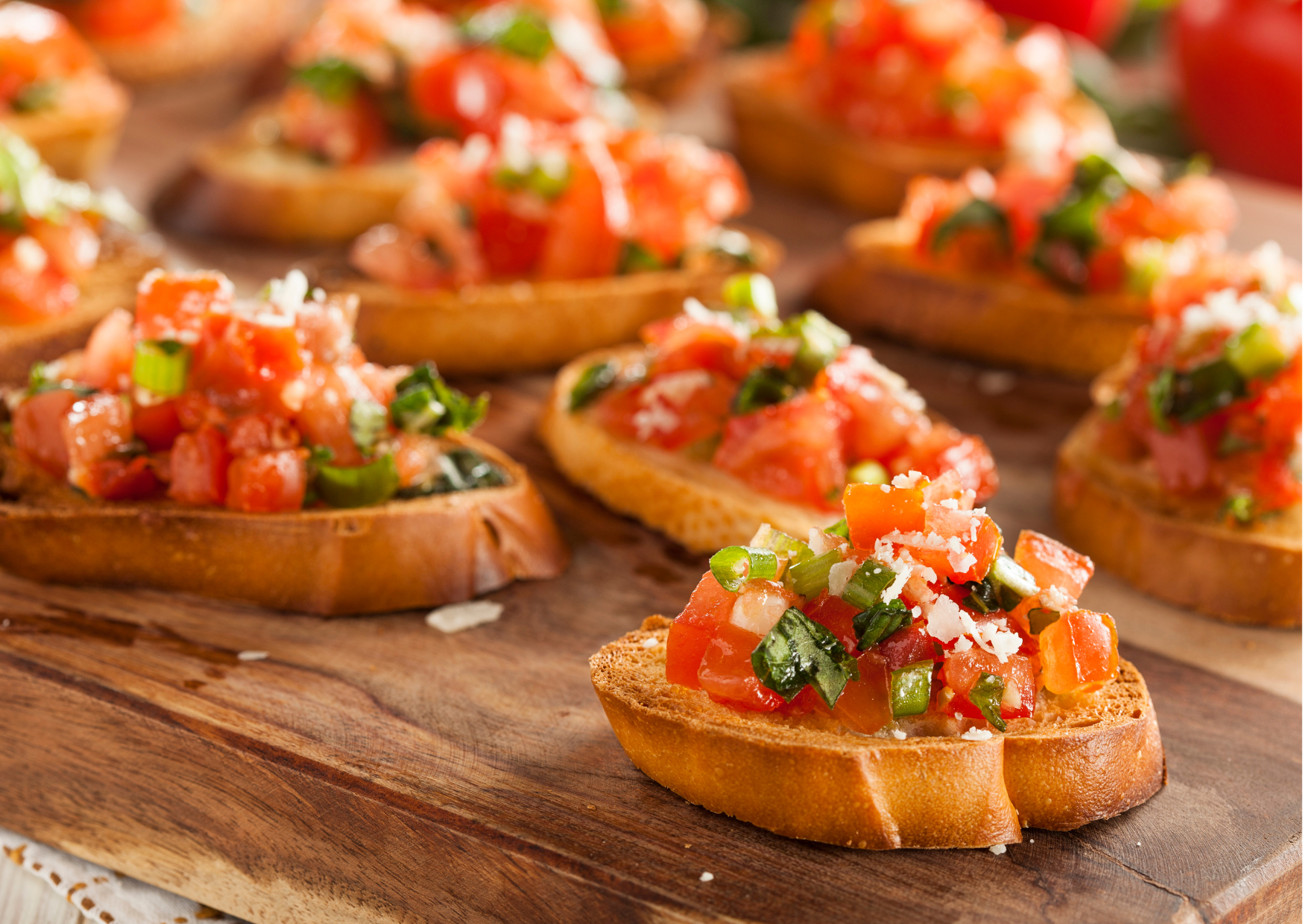
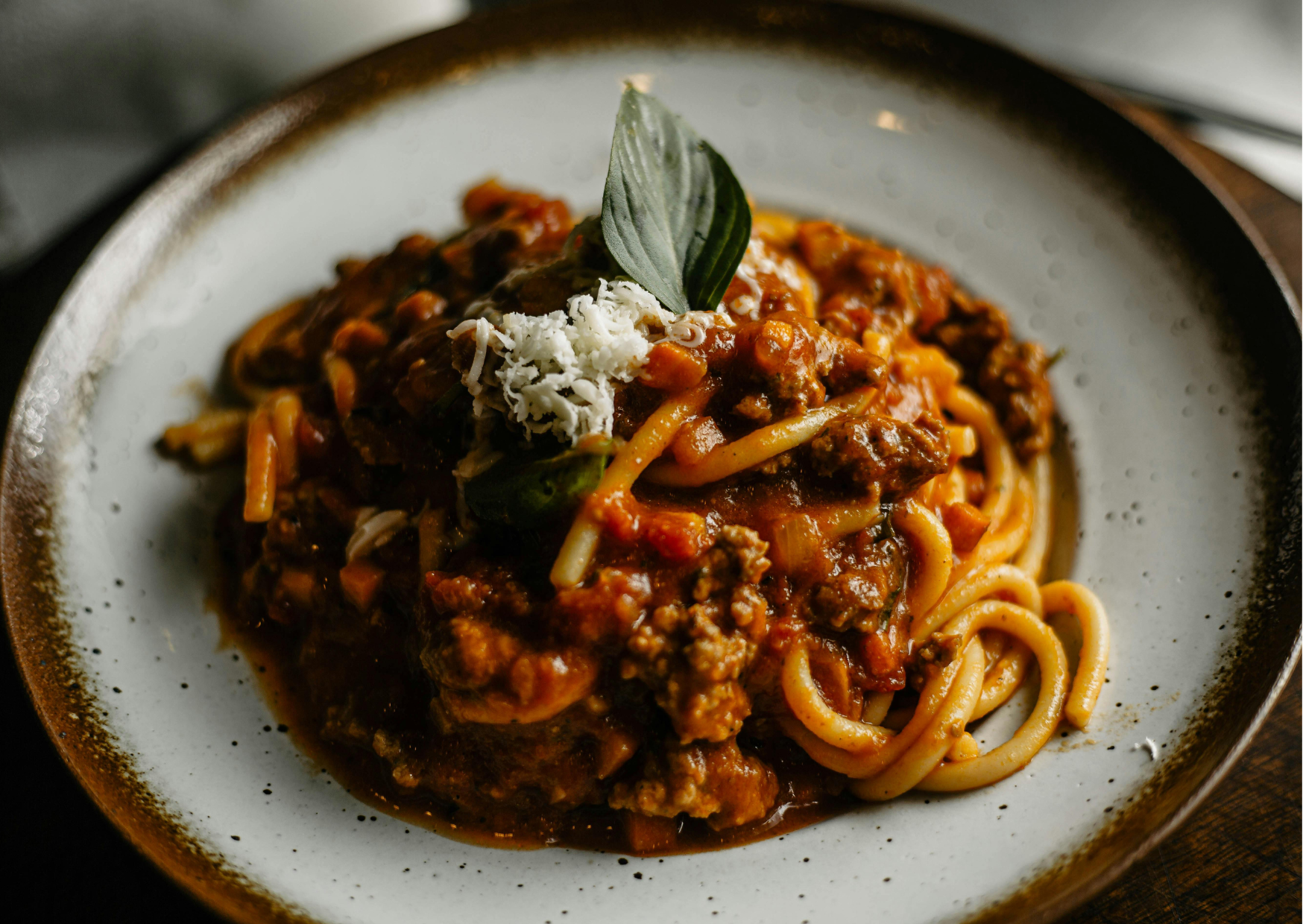
Italians approach food differently. A true Italian would not dream of eating tomato bruschetta in January or porcini risotto in July. The menu follows the harvest, not the craving.
This is not nostalgia or performative tradition. It is practical wisdom baked into the culture.
When produce is harvested at peak ripeness:
- Nutrient density is highest because the plant has completed its natural growth cycle
- Flavor is strongest because sugars and aromatic compounds have fully developed
- Prices are lowest because supply is abundant and transportation costs are minimal
- Storage time is shortest which preserves vitamins that degrade after harvest
One study found that leafy greens lost almost 50% of their vitamin C after transport, storage, and three days sitting on a grocery store shelf. Fresh-picked produce may contain twice the vitamins and antioxidants of items shipped across continents.
The Italian approach treats this as obvious. Why would you eat something at its worst when you could wait a few weeks and eat it at its best?
The money math that changed our grocery bills
Here is where the Italian rule pays for itself.
Research from the UK found that a basket of in-season produce costs up to a third less than the same basket out of season. A study in North Carolina showed that cantaloupe prices in summer were 36% lower at roadside stands than supermarket prices. Summer squash dropped 30% at farmers markets during peak harvest.
The savings happen because:
- No greenhouse heating costs get passed to consumers
- No long-distance shipping from Chile or New Zealand
- No cold storage fees for months of preservation
- Higher supply naturally drives prices down
Our 60-day experiment tracked every euro spent on produce. The numbers told a clear story.
Before seasonal eating:
- Weekly produce spending: approximately 45 euros
- Monthly total: approximately 180 euros
- Significant waste from items spoiling before use
After committing to seasonal only:
- Weekly produce spending: approximately 30 euros
- Monthly total: approximately 120 euros
- Almost zero waste because everything tasted good enough to eat immediately
That is 60 euros per month in savings just from buying what the calendar says to buy. Over a year, the difference covers a short European vacation. And we were eating better food, not sacrificing quality for price.
What to eat in each season
This is the practical part Americans struggle with. We have lost the cultural memory of what grows when. Our grandparents knew. We forgot. Here is the Italian calendar.
Spring (March through May)
Spring in Italy means tender greens and the arrival of vegetables that do not survive summer heat.
- Artichokes peak in April with an extremely short season. Romans prepare them alla giudia (deep-fried) or alla romana (braised with herbs). This is the window.
- Asparagus arrives in May, both green and white varieties. Italians serve it simply with olive oil and parmesan.
- Fava beans are eaten raw with pecorino cheese. May 1st is a national holiday in Italy, and the tradition is fresh favas in the countryside.
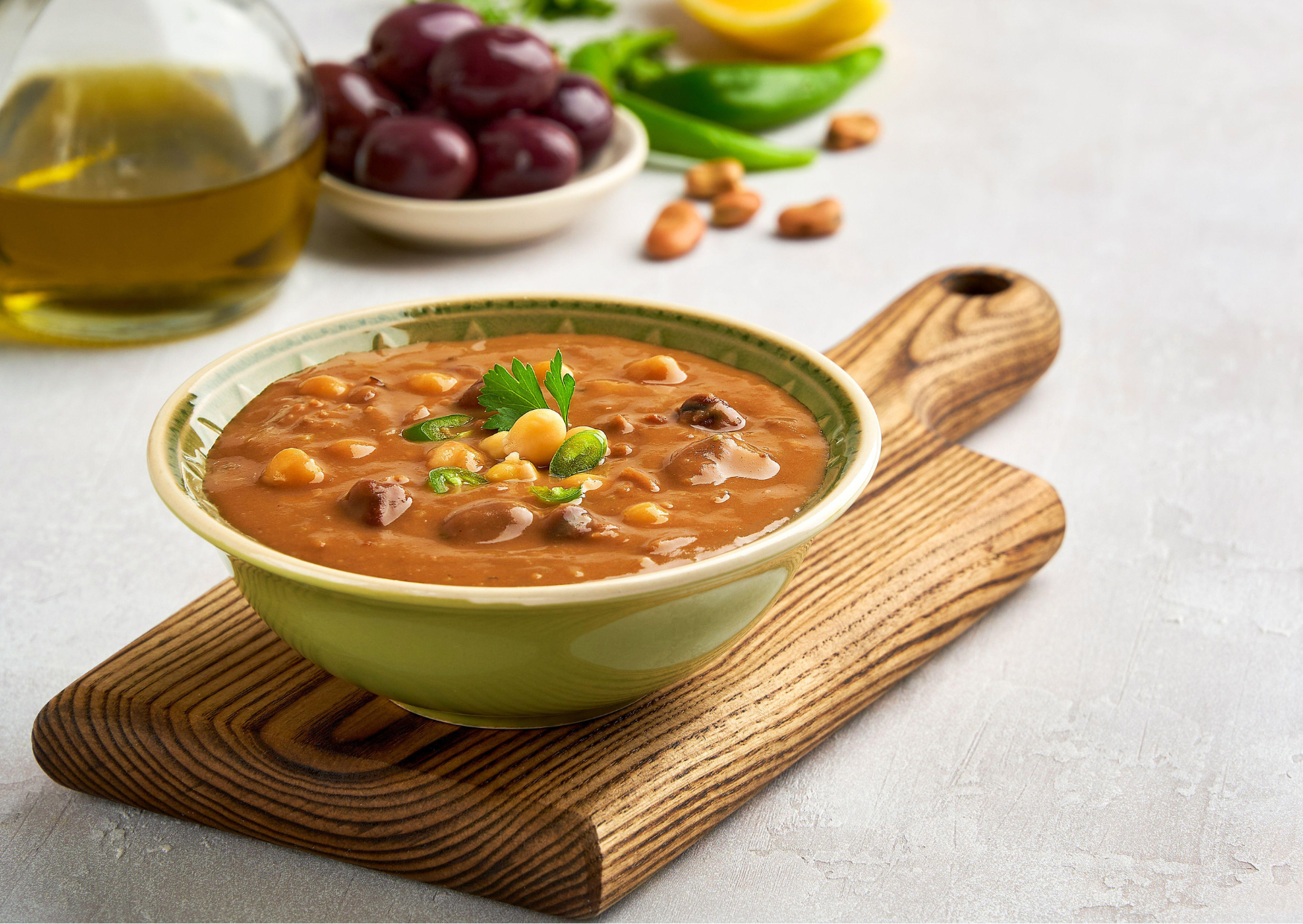
- Peas are sweet and tender, ideal for pasta, risotto, and the Roman spring stew called vignarola.
- Strawberries appear as tiny fragoline, sweeter and more aromatic than anything you have tasted from a plastic clamshell.
Summer (June through August)
Summer is abundance. This is when Italian cooking looks like what Americans imagine Italian cooking to be.
- Tomatoes are the heart of everything. Bruschetta, caprese, pasta sauces. In summer, a tomato needs nothing but salt.
- Zucchini and their flowers peak in June. The flowers are stuffed and fried as an antipasto.
- Eggplants are essential for parmigiana di melanzane and caponata.
- Peppers are roasted, stuffed, or served in peperonata.
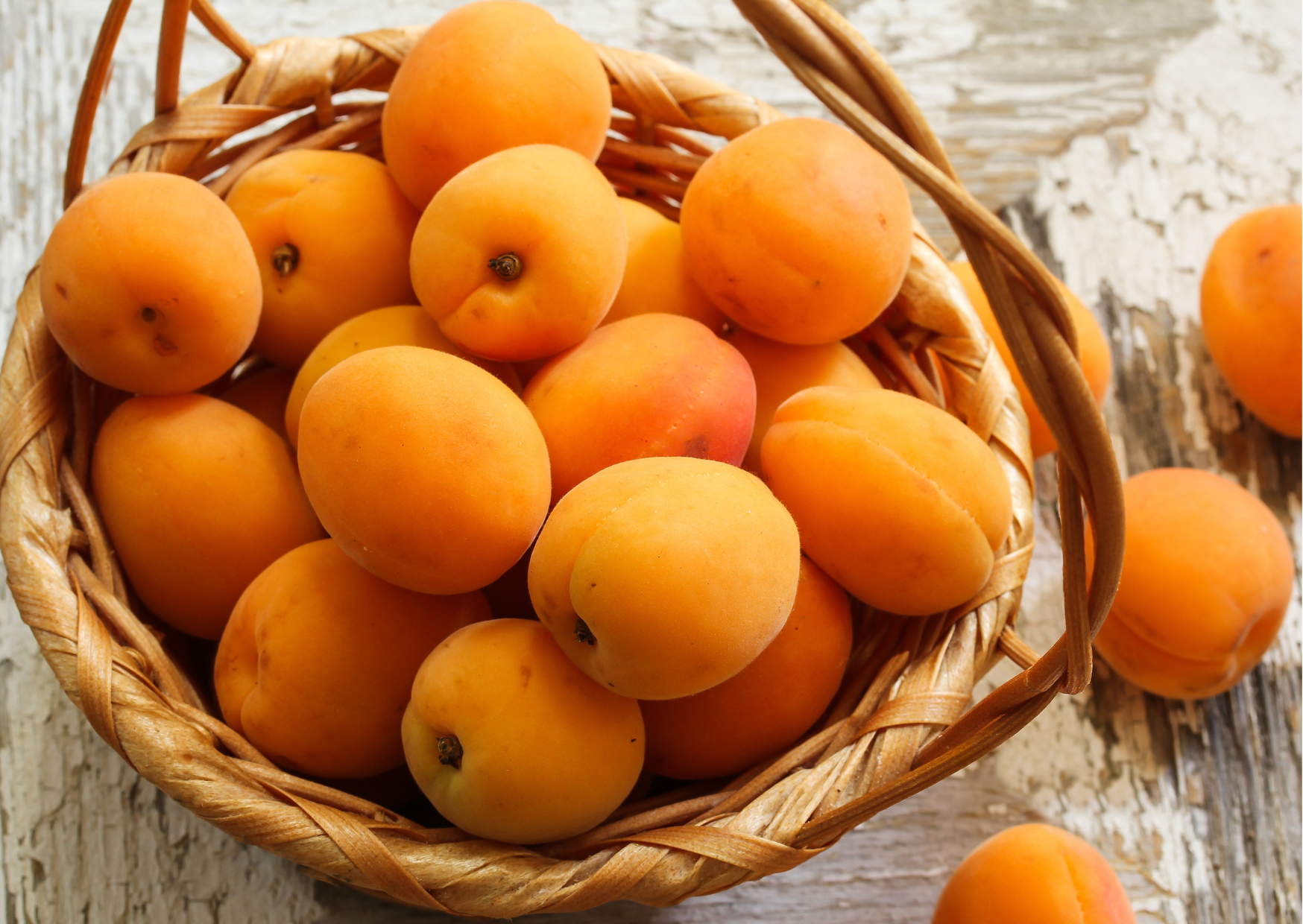
- Stone fruits explode: cherries, apricots, peaches, plums. These are eaten fresh, not processed.
- Melons and watermelon provide hydration. Prosciutto e melone is a summer standard.
- Figs arrive in late summer, paired with cheese or eaten straight from the tree.
Autumn (September through November)
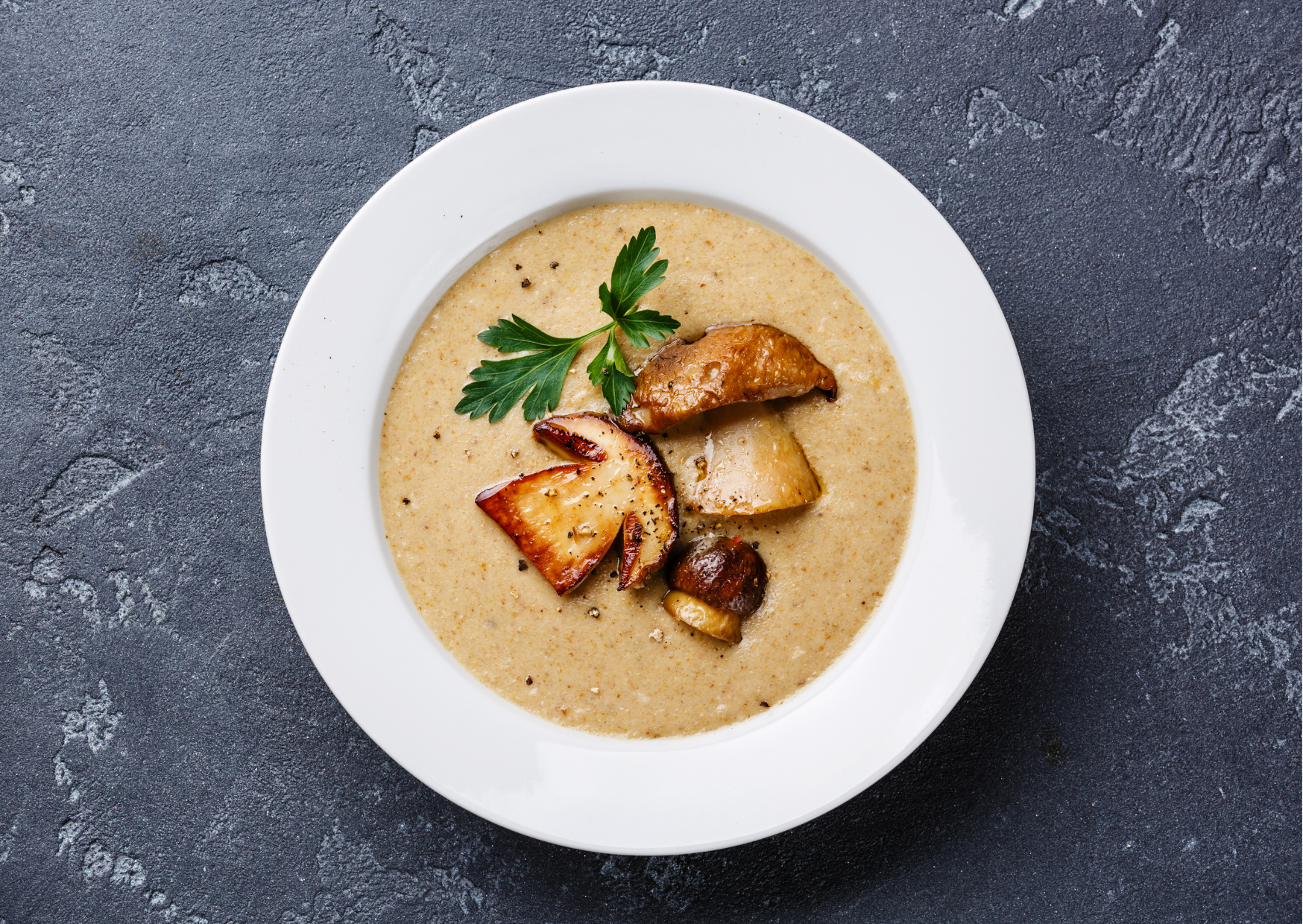
Fall in Italy shifts toward earthier, heartier flavors. This is foraging season.
- Mushrooms are the star. Porcini appear in risottos, pastas, and simply grilled. Italians hunt for them in forests.
- Pumpkin becomes the filling for tortelli and the base for creamy risotto.
- Chestnuts are roasted on street corners. Castagnaccio is a simple chestnut flour cake.
- Truffles arrive in November. White truffles from Alba are among the most expensive foods on earth.
- Grapes are harvested for wine. Sagre (harvest festivals) celebrate specific foods across villages.
- Apples and pears store well and last into winter.
Winter (December through February)
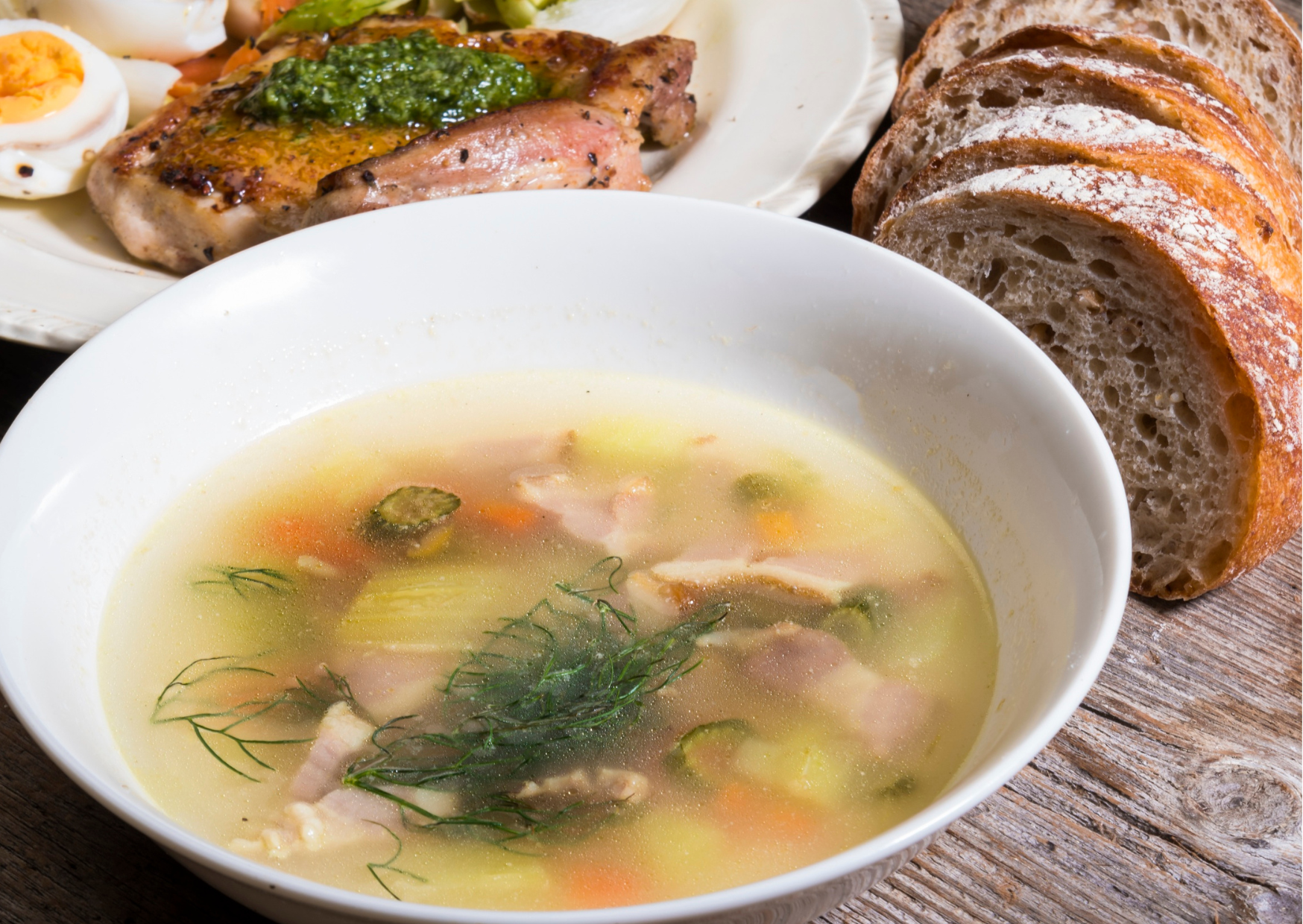
Winter eating is about warmth and preserved sunshine from citrus.
- Blood oranges from Sicily are extraordinary. The Conca d’Oro microclimate produces some of the best citrus in the world.
- Clementines and mandarins are abundant and affordable.
- Lemons from the Amalfi Coast reach peak flavor.
- Cabbage varieties including cavolo nero (Tuscan kale) go into soups like ribollita.
- Cauliflower and broccoli are roasted, steamed, or added to pasta.
- Radicchio adds bitter, spicy notes to winter salads and risottos. Tradition says the best cabbage comes after the first frost.
- Fennel features heavily in February dishes across Italy.
Why this approach naturally reduces ultra-processed food
The connection between seasonal eating and low ultra-processed consumption is not coincidental.
When you commit to eating what is in season, you automatically exclude most of what fills American supermarket aisles. There is no season for Doritos. There is no harvest window for frozen pizza. Breakfast cereal does not ripen.
Italy’s 14% ultra-processed food intake versus America’s 60% reflects this structural difference. Italians are not exercising superhuman willpower. They are operating within a food system that defaults to fresh, seasonal, minimally processed ingredients.
The September 2025 Florida Atlantic University study found that adults consuming the most ultra-processed foods showed 11% higher likelihood of elevated inflammation markers. The highest-risk groups were people aged 50 to 59 and those with obesity.
Seasonal eating bypasses this risk by making processed food the exception rather than the rule.
The weight loss we experienced came from this mechanism. When you fill your plate with vegetables at their peak, fruit that actually tastes like fruit, and proteins from the butcher rather than the freezer aisle, you naturally eat less industrial food. You feel fuller faster. You stop snacking on products engineered to override your satiety signals.
Ten pounds in 60 days without restriction. Just seasons.
Common mistakes Americans make with seasonal eating
Mistake one: Trying to do it inside a conventional supermarket.
American supermarkets are designed to erase seasons. Every fruit and vegetable is available every day. The only way to eat seasonally in this environment is to actively ignore 80% of the produce section. It requires more discipline, not less.
Mistake two: Assuming frozen and canned do not count.
Frozen vegetables picked at peak ripeness retain most of their nutrients. Canned tomatoes from summer are vastly superior to fresh tomatoes shipped from greenhouses in January. Seasonal eating includes smart preservation.
Mistake three: Expecting immediate variety.
January means citrus, cabbage, and root vegetables. That is not boring. That is focus. The variety comes across the year, not within each week. This requires a mental shift Americans find difficult.
Mistake four: Treating this as restriction rather than anticipation.
Italians do not mourn the absence of summer tomatoes in winter. They anticipate their return. The scarcity creates value. The first strawberry of spring means something because you waited for it.
Mistake five: Forgetting that restaurants follow seasons too.
In traditional Italy, menus change with the harvest. Ordering a dish made with out-of-season ingredients is a signal that the restaurant is not serious about quality. Americans miss this entirely and accept year-round menus as normal.
Seven days to start eating with the calendar
Day one. Research what is actually in season where you live right now. The USDA SNAP-Ed Seasonal Produce Guide provides state-by-state information. Write down five items currently at peak.
Day two. Visit a farmers market or produce stand. Talk to the farmers. Ask what just came in and what is about to end. Buy only what they grew locally this week.
Day three. Cook a meal using only in-season ingredients. Notice the flavor difference. A peak-season vegetable needs less seasoning, less manipulation, less effort to taste good.
Day four. Audit your refrigerator. How many items are out of season? Those pale tomatoes, those watery strawberries, those asparagus shipped from Peru. See the pattern.
Day five. Plan next week’s meals around what is in season. Start with the vegetables, then add proteins and starches. This is the opposite of how Americans typically meal plan.
Day six. Learn one preservation technique: freezing, pickling, or simple canning. This extends seasonal abundance into the off-months without relying on industrial processing.
Day seven. Calculate your produce spending from this week versus a typical week. Track waste. If you spent less and threw away less, the calendar is already working.
What we actually observed over 60 days
The first two weeks were adjustment.
We missed the convenience of grabbing whatever looked appealing. Planning meals around what was available required more thought. Some weeks the options felt limited.
By week three, something shifted.
We started noticing flavor in ways we had forgotten. A winter orange from the frutería tasted completely different from the year-round oranges at Walmart. The sweetness was deeper. The juice was more abundant. The eating experience was better.
By week six, the weight started moving.
Neither of us was trying to lose weight. We were eating full portions, cooking with olive oil, enjoying bread with meals. But the scale kept dropping. My husband lost 8 pounds. I lost 10.
The explanation is not mysterious. When food tastes better, you need less of it to feel satisfied. When you stop eating hyper-palatable processed products engineered for overconsumption, your appetite normalizes.
Our 13-year-old son was skeptical at first. He missed his American snacks, the hyper-flavored chips and artificially sweetened drinks he grew up with. By month two, he stopped asking for them. He now prefers fruit from the mercado to anything from a package. His palate recalibrated to real food.
The honest trade-offs worth naming
Seasonal eating has real costs:
- Planning requirements are higher. You cannot impulse-shop and expect seasonal meals.
- Variety within any given week is lower. You eat more of fewer things.
- Learning curve exists. Most Americans cannot name five vegetables in season right now.
- Social friction can occur. Dinner guests may expect year-round options.
- Geographic limitations matter. Not everywhere has good farmers markets or seasonal produce access.
The American food system spent decades and billions of dollars engineering seasonality out of existence. Reclaiming it requires swimming against that current.
But the trade works in your favor.
You spend less money. You eat food that tastes better. You naturally avoid the ultra-processed products driving chronic disease. You lose weight without dieting.
The Italians figured this out generations ago. They did not need peer-reviewed studies to prove what their grandmothers already knew from lived experience.
Eat what is growing. Wait for what is not. Let the calendar be your menu.
The 10 pounds and 60 euros per month are not the point. The point is that a completely different relationship with food exists, it costs less, it tastes better, and your body notices immediately when you make the switch.

About the Author: Ruben, co-founder of Gamintraveler.com since 2014, is a seasoned traveler from Spain who has explored over 100 countries since 2009. Known for his extensive travel adventures across South America, Europe, the US, Australia, New Zealand, Asia, and Africa, Ruben combines his passion for adventurous yet sustainable living with his love for cycling, highlighted by his remarkable 5-month bicycle journey from Spain to Norway. He currently resides in Spain, where he continues sharing his travel experiences with his partner, Rachel, and their son, Han.