
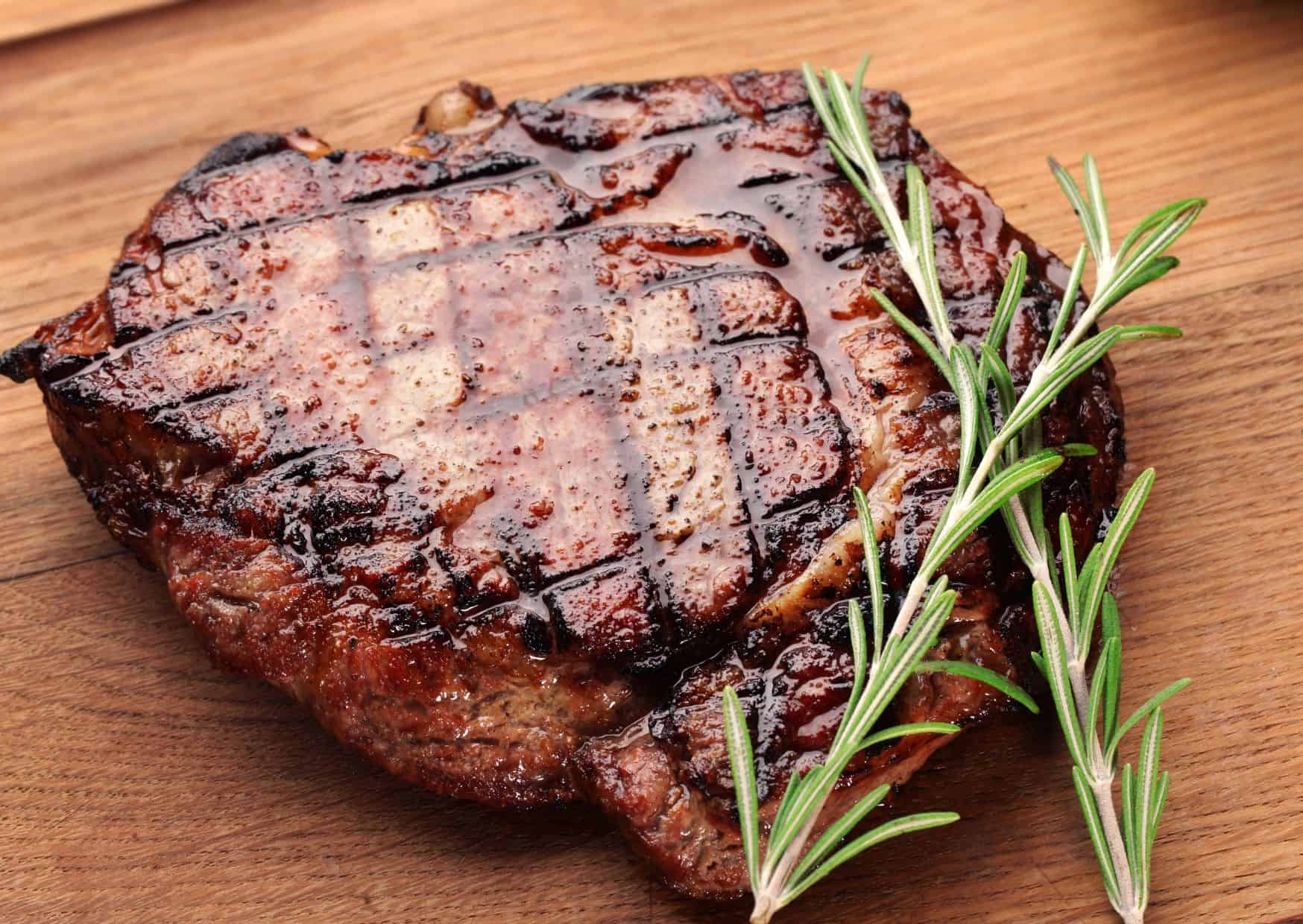
Spain is a culinary treasure trove, offering everything from rich seafood paellas and hearty stews to flavorful tapas and world-famous cured hams. But one dish that stands out—especially for meat lovers—is the legendary Spanish Txuleton (or Chuletón) beef steak. Hailing from the Basque Country, this dish is revered for its intense flavor, impressive size, and perfectly charred exterior. Often cooked simply over a wood-fired grill with just salt, this thick, bone-in rib steak showcases the quality of aged beef and the pride Spaniards take in simplicity done right.
The Txuleton isn’t your average steak. It’s typically cut from older cows—sometimes up to 10 or 12 years old—which gives it a deeper, richer beef flavor that you won’t find in younger meat. The tradition around this dish is just as important as the preparation. In northern Spain, eating Txuleton is often a communal experience, meant to be shared with friends and family, paired with bold red wines, and enjoyed slowly, without fuss. If you’re looking to bring a taste of Spain’s most indulgent steakhouse tradition into your own kitchen, this guide will walk you through everything you need to know.
From sourcing the right cut to mastering the grill (or pan), we’ll take you step-by-step through the process of making Txuleton steak at home. Even if you don’t have access to a wood-fired grill or dry-aged beef, there are ways to get close to the authentic flavor. Whether you’re preparing a Spanish-themed dinner party or simply want to indulge in one of Europe’s most satisfying meals, this recipe delivers a showstopping result with minimal ingredients.
The best Spanish food to try, Breakfast in Spain, and vegetarian food in Spain
BOOK YOUR TRAVEL INSURANCE
Two of our favorite travel insurance: Heymondo Vs Safetwing cheapest travel Insurance. You can get for $135 USD your Heymondo Travel Insurance with Heymondo discount code valid for 90 days. Read our full comparison of Genki vs Safetywing Travel Insurance Review and the comparison Heymondo vs Genki
How to Eat Txuleton
Txuleton is traditionally served sliced on a wooden board, often still sizzling from the grill. Diners help themselves to pieces of meat, enjoying the contrast of crispy seared crust and juicy, tender interior.
It is often eaten rare to medium-rare, as this preserves the natural flavors and texture of the beef. The meat is usually sprinkled with coarse salt just before or after slicing, enhancing its richness without overpowering it.
Sharing is part of the ritual. Rather than individual steaks, Txuleton is designed to be carved and enjoyed together, making it a centerpiece for gatherings and celebrations.
How to Partner Txuleton
Txuleton pairs beautifully with simple sides that don’t compete with its flavor. Roasted peppers, sautéed mushrooms, or fresh green salads provide contrast while keeping the spotlight on the beef.
Potatoes, in any form, are classic companions. Patatas fritas (Spanish-style fries) or roasted potatoes absorb the juices and balance the richness of the steak.
When it comes to drinks, Txuleton demands a bold red wine. Full-bodied Rioja or Ribera del Duero wines complement the intensity of the beef, creating a pairing that feels both traditional and indulgent.
One controversy surrounding Txuleton is the use of older cattle. While this gives the beef its unique flavor, critics argue that the texture can be tougher compared to younger cuts. Supporters counter that the richness of taste outweighs the difference in tenderness.
Another debate lies in cooking preferences. Purists insist Txuleton should be grilled rare to preserve authenticity, while others prefer cooking it longer to suit modern tastes. This divide often sparks lively discussion among chefs and diners.
Finally, there’s the question of globalization. As Txuleton gains international fame, some worry that exporting the dish risks diluting its tradition. Others argue that sharing it with the world helps preserve its legacy by sparking appreciation for Spanish beef culture.
How to Make Txuleton Beef Steak
Txuleton Beef Steak Recipe Ingredients
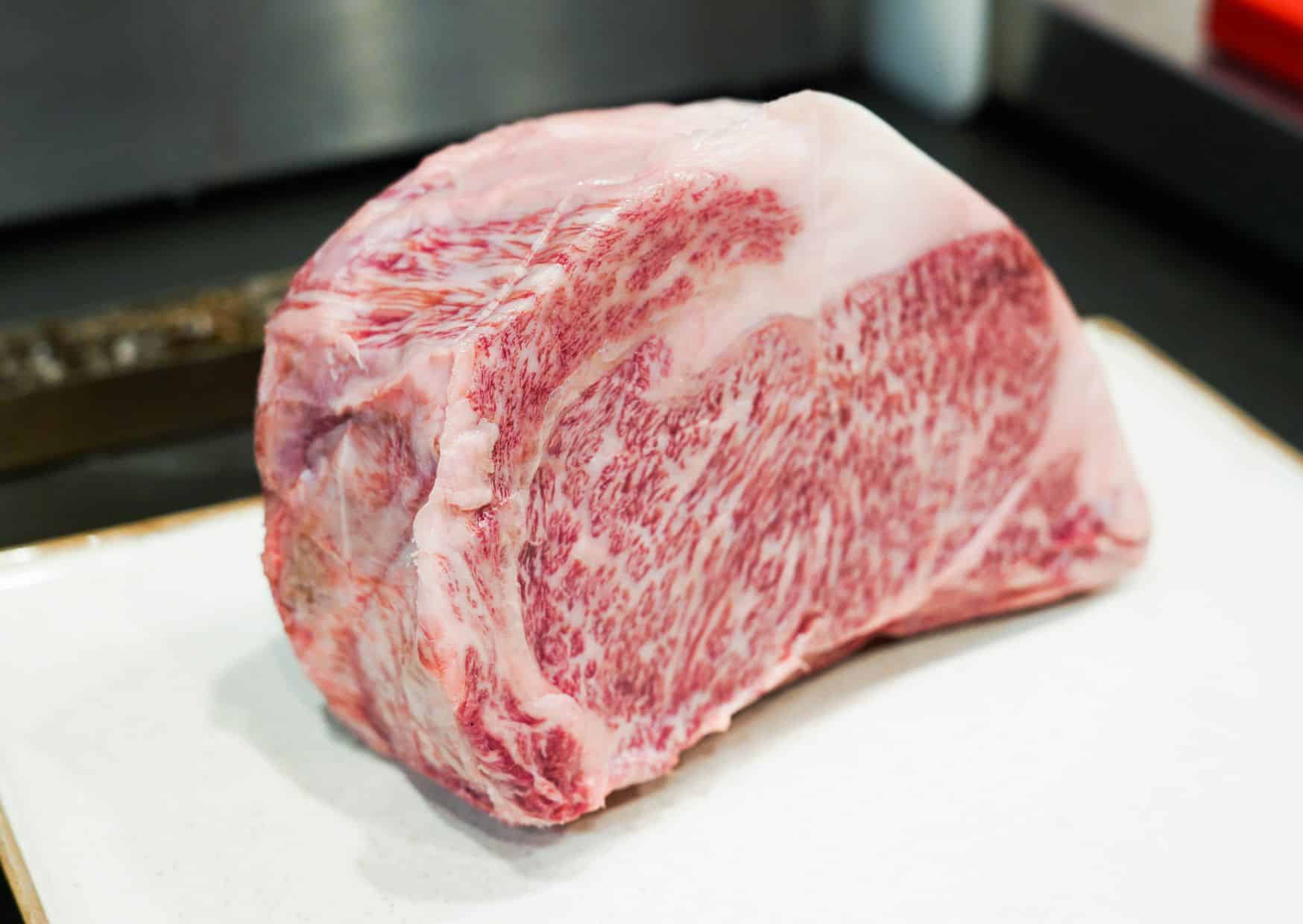
1 Txuleton steak (about 1 to 1.5 inches thick and weighing around 1-1.5 kg)
Coarse sea salt
Olive oil (optional, for some methods)
Get the best deals for your home and kitchen needs
Step By Step How to Make Txuleton Beef Steak
Prepare the Steak
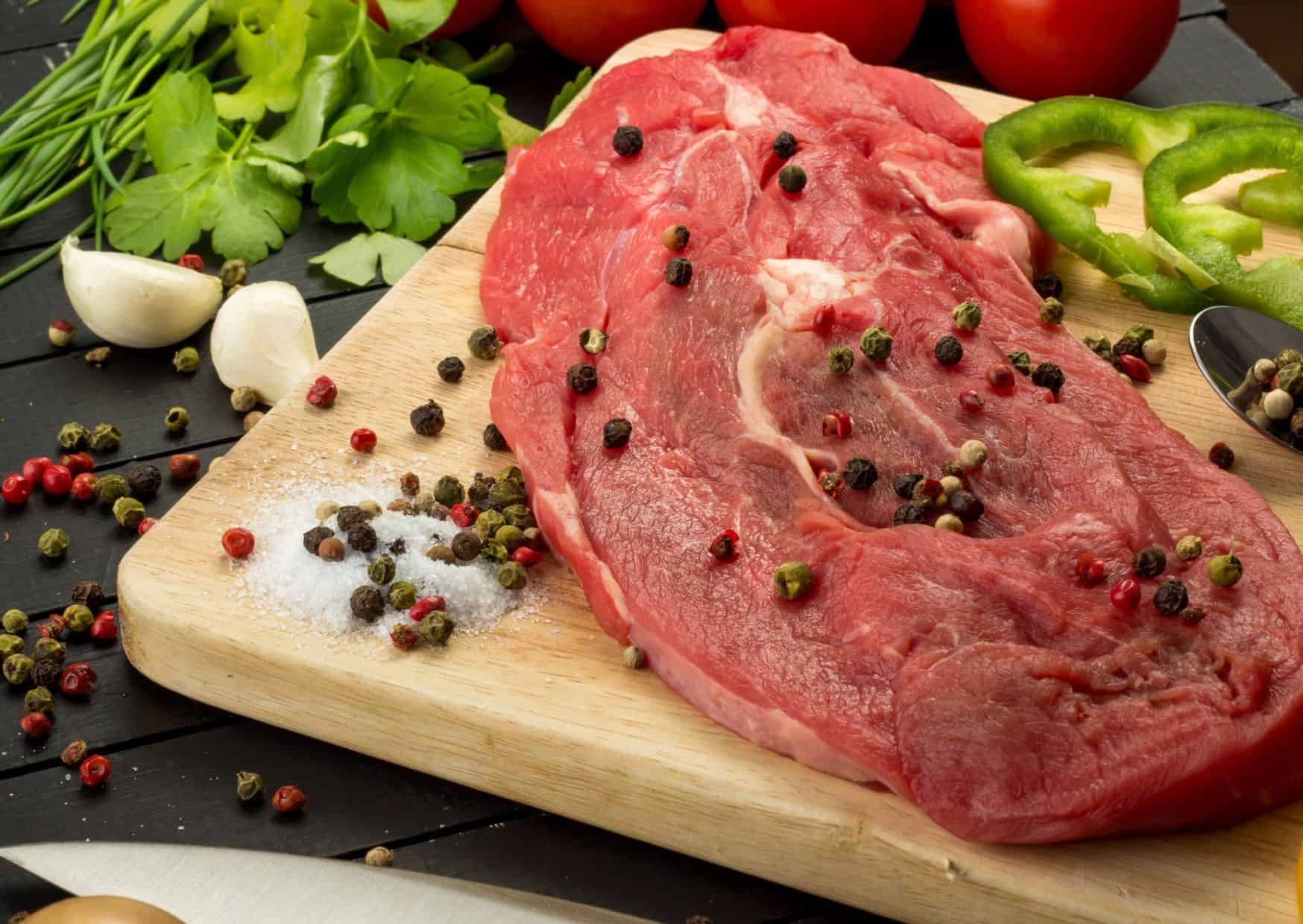
Remove the steak from the refrigerator at least one hour before cooking to allow it to come to room temperature. This ensures even cooking.
Heat the Grill or Pan
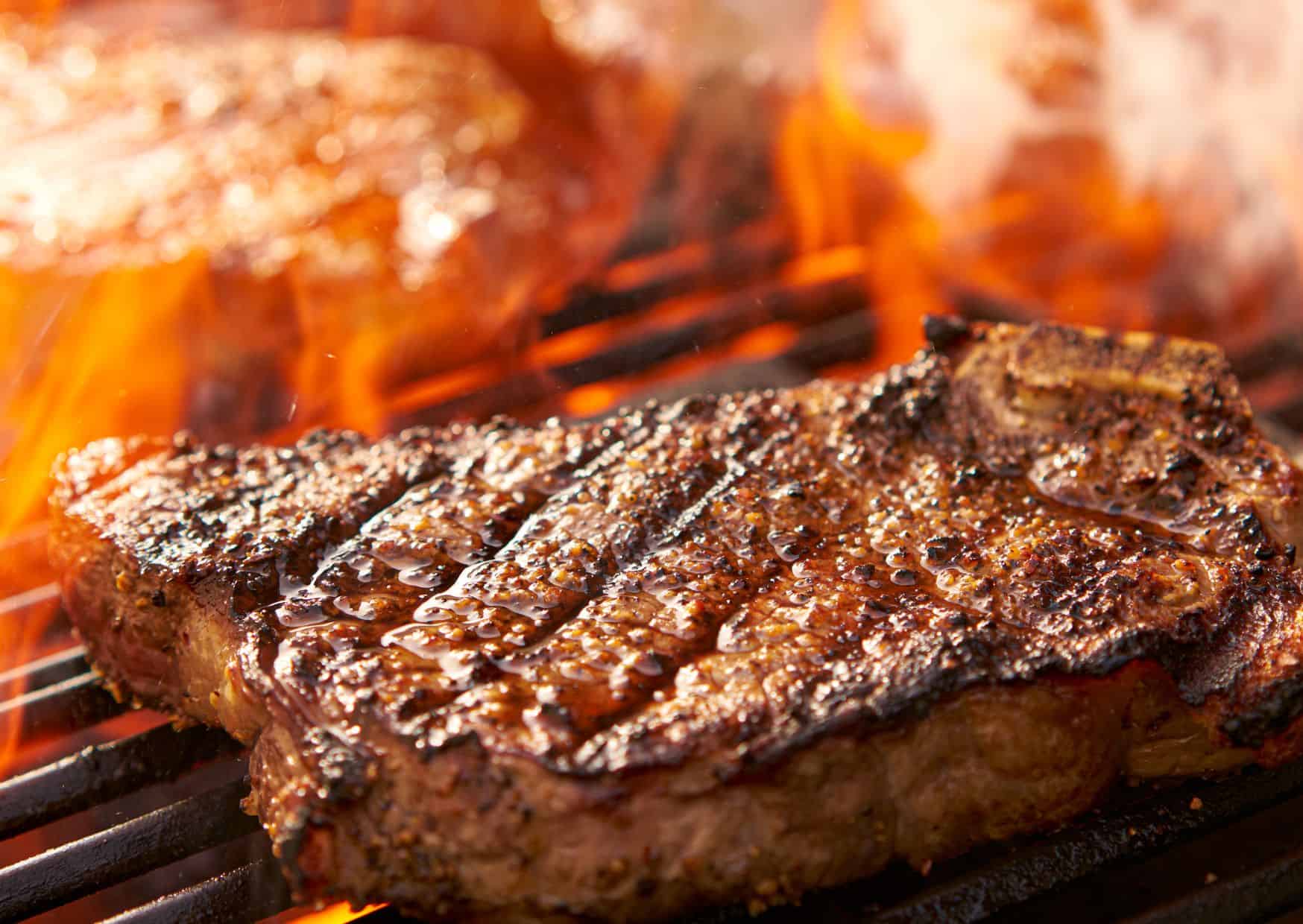
If using a grill, prepare a charcoal grill for direct grilling over high heat. You want a really hot grill to char the outside quickly without overcooking the inside. If using a pan, heat a heavy cast-iron skillet over high heat until it is smoking hot.
Season the Steak
Just before cooking, season the steak generously with coarse sea salt. If pan-cooking, you can optionally rub the steak lightly with olive oil, though traditionally, no oil is added, relying on the steak’s natural fats.
Cook the Steak
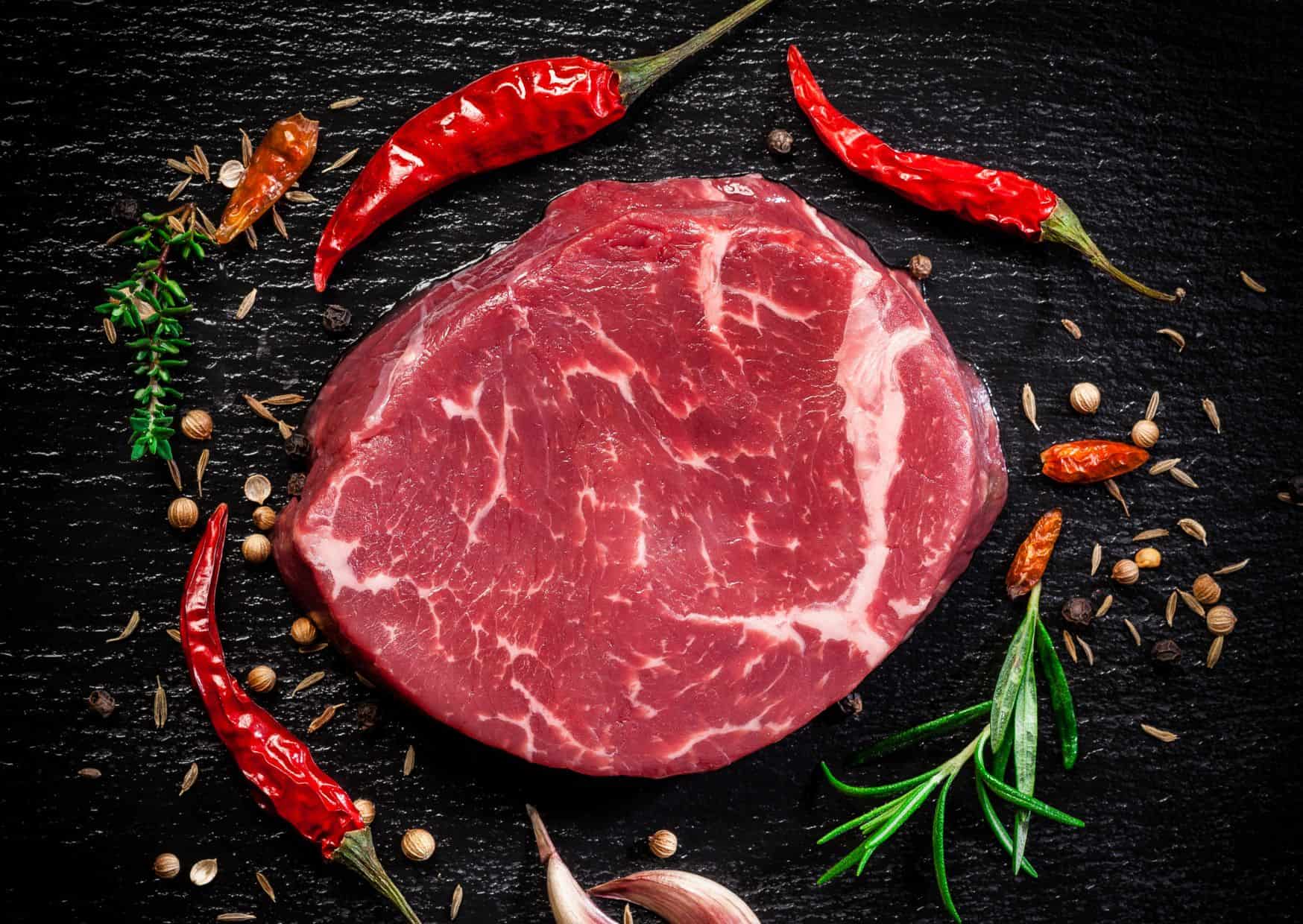
Place the steak on the grill or in the skillet. Cook for about 3-4 minutes on each side for a rare to medium-rare finish, depending on thickness. The high heat will create a flavorful crust. For thicker cuts, you may need to finish the steak in a preheated oven at 400°F (200°C) for a few minutes to reach the desired doneness without burning the exterior.
Rest the Steak
After cooking, it’s crucial to let the steak rest for about 5-10 minutes. This allows the juices to redistribute throughout the meat, ensuring a juicier steak.
Serve
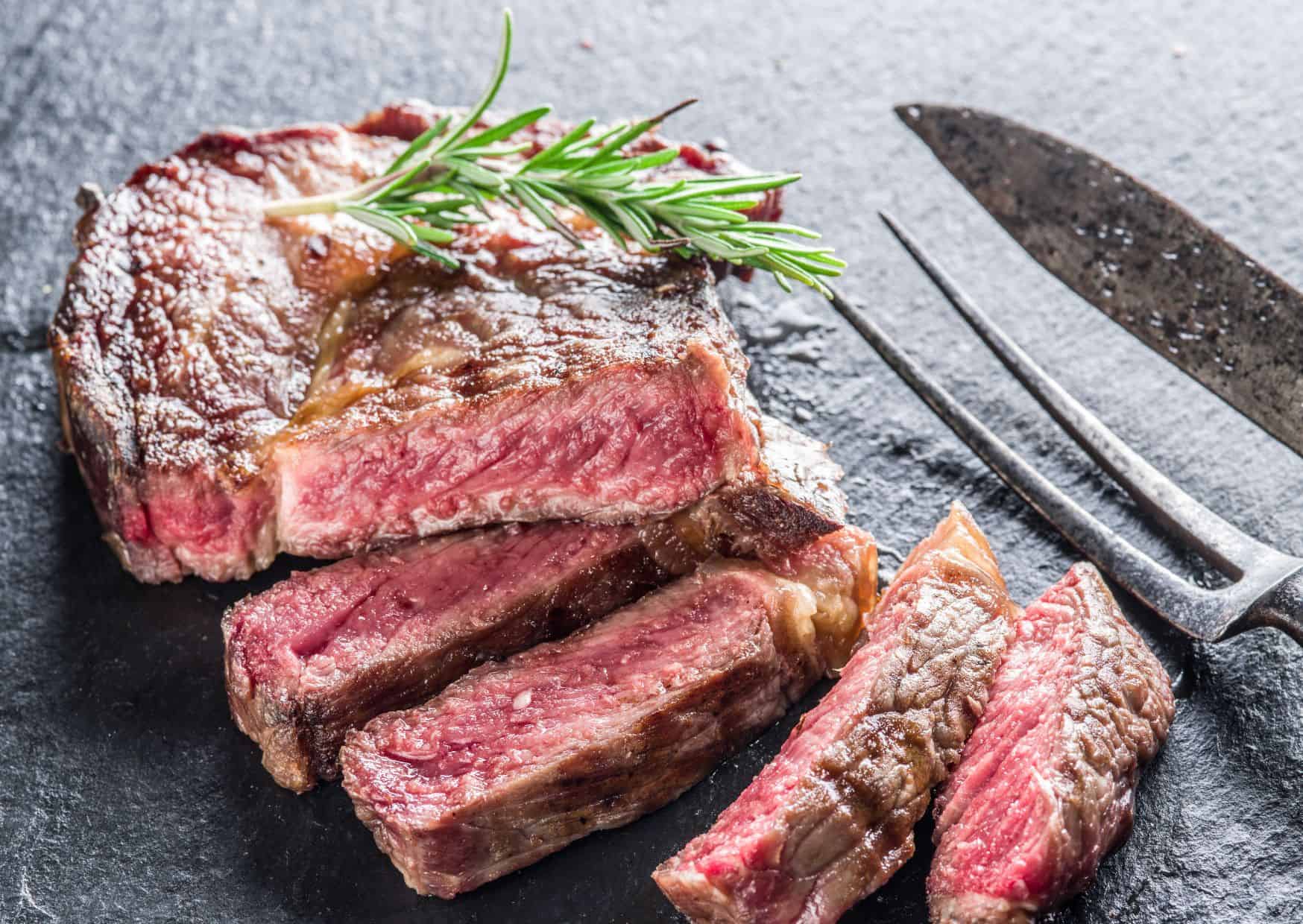
Slice the steak against the grain into thick slices. Sprinkle a little more coarse sea salt over the slices just before serving if desired.
Tips For Making Txuleton Beef Steak
Select a high-quality, well-marbled Txuleton from older cattle for the best flavor. Whether grilling or pan-searing, ensure the cooking surface is extremely hot before adding the steak to achieve the characteristic charred exterior without overcooking the interior.
Txuleton is best enjoyed rare to medium-rare. Overcooking can toughen the meat and diminish its rich flavor. Never skip the resting phase after cooking, as it is essential for a tender, juicy steak.
How Many Calories Have Txuleton Beef Steak
The calorie count for Txuleton can vary based on the fat content and serving size. Generally, a 100-gram serving of rib steak (without additional fat or oil) is approximately 291 calories. Given the large size of typical Txuleton cuts, a single serving can be quite calorie-dense.
Origin and History
Txuleton comes from the Basque Country in northern Spain, a region where grilling is treated as both tradition and identity. Long before it became a global food trend, txuleton was a centerpiece of local gatherings, cooked over open flames in cider houses and steak-focused taverns known as asadores.
The steak itself is cut from older cattle, often dairy cows, rather than young beef raised for tenderness alone. This choice reflects a historical respect for flavor over softness. Aging the meat was not a luxury but a necessity, allowing tougher cuts to develop depth and complexity over time.
Basque grilling culture emphasizes mastery of fire rather than elaborate marinades or sauces. Txuleton was seasoned simply with salt, allowing the natural character of the beef to dominate. This minimalist approach became a defining feature of the dish.
As Basque cuisine gained international attention, txuleton emerged as a symbol of regional pride. Its size, simplicity, and bold flavor captured global interest, turning a local tradition into an international talking point.
One of the biggest misconceptions about txuleton is that bigger automatically means better. In reality, size alone does not define quality. The cut, aging process, and handling of the meat matter far more than sheer weight.
Another controversy centers on doneness. Txuleton is traditionally served rare, sometimes bordering on raw at the center. This challenges diners accustomed to evenly cooked steaks and sparks debate over food safety and preference versus tradition.
There is also disagreement about seasoning and preparation. Outside the Basque Country, txuleton is often marinated or finished with compound butters. Traditionalists argue that these additions mask the meat’s natural flavor rather than enhance it.
Perhaps the most misunderstood element is the role of fire. Txuleton is not about precision temperature control or modern techniques. It relies on intense heat and instinct, a method that clashes with contemporary steakhouse norms.
How Long You Take to Prepare
Despite its dramatic appearance, txuleton requires surprisingly little preparation. The steak should be removed from refrigeration well in advance to allow it to reach room temperature. This step ensures even cooking and better texture.
Aging is the true time investment, though it happens long before the steak reaches the grill. Txuleton is typically dry-aged for several weeks to concentrate flavor and tenderize the meat. This process cannot be rushed or replicated at home.
The cooking itself is fast but unforgiving. Over extremely hot coals, the steak is seared aggressively to form a crust while keeping the interior rare. Each side spends only minutes over the fire.
From grill to table, txuleton rests briefly before being sliced and seasoned. While the cooking is quick, success depends on preparation, confidence, and respect for timing.
Serving Suggestions
Txuleton is traditionally served sliced and shared, reinforcing its role as a communal dish. The steak is cut after cooking, allowing diners to see the contrast between charred exterior and rare interior.
Salt is added after grilling, often in the form of coarse sea salt. This enhances flavor without drawing moisture from the meat during cooking. Additional seasonings are intentionally absent.
Side dishes are minimal and restrained. Simple grilled peppers, roasted potatoes, or a basic green salad provide balance without competing with the steak.
Txuleton is best enjoyed in a relaxed setting, accompanied by robust red wine or traditional Basque cider. The focus remains on conversation and shared experience rather than presentation.
Final Thoughts
Txuleton represents a philosophy of cooking that values confidence over complexity. Its appeal lies not in novelty, but in commitment to tradition and technique.
Understanding its origins clarifies why shortcuts often fail. Without proper aging, heat, and restraint, the steak becomes a spectacle rather than a statement.
Cooking txuleton at home is less about equipment and more about mindset. It demands trust in fire, simplicity, and instinct rather than strict rules.
Ultimately, txuleton endures because it delivers honesty on a plate. It proves that when ingredients are respected and fire is mastered, less truly becomes more.

About the Author: Ruben, co-founder of Gamintraveler.com since 2014, is a seasoned traveler from Spain who has explored over 100 countries since 2009. Known for his extensive travel adventures across South America, Europe, the US, Australia, New Zealand, Asia, and Africa, Ruben combines his passion for adventurous yet sustainable living with his love for cycling, highlighted by his remarkable 5-month bicycle journey from Spain to Norway. He currently resides in Spain, where he continues sharing his travel experiences with his partner, Rachel, and their son, Han.