
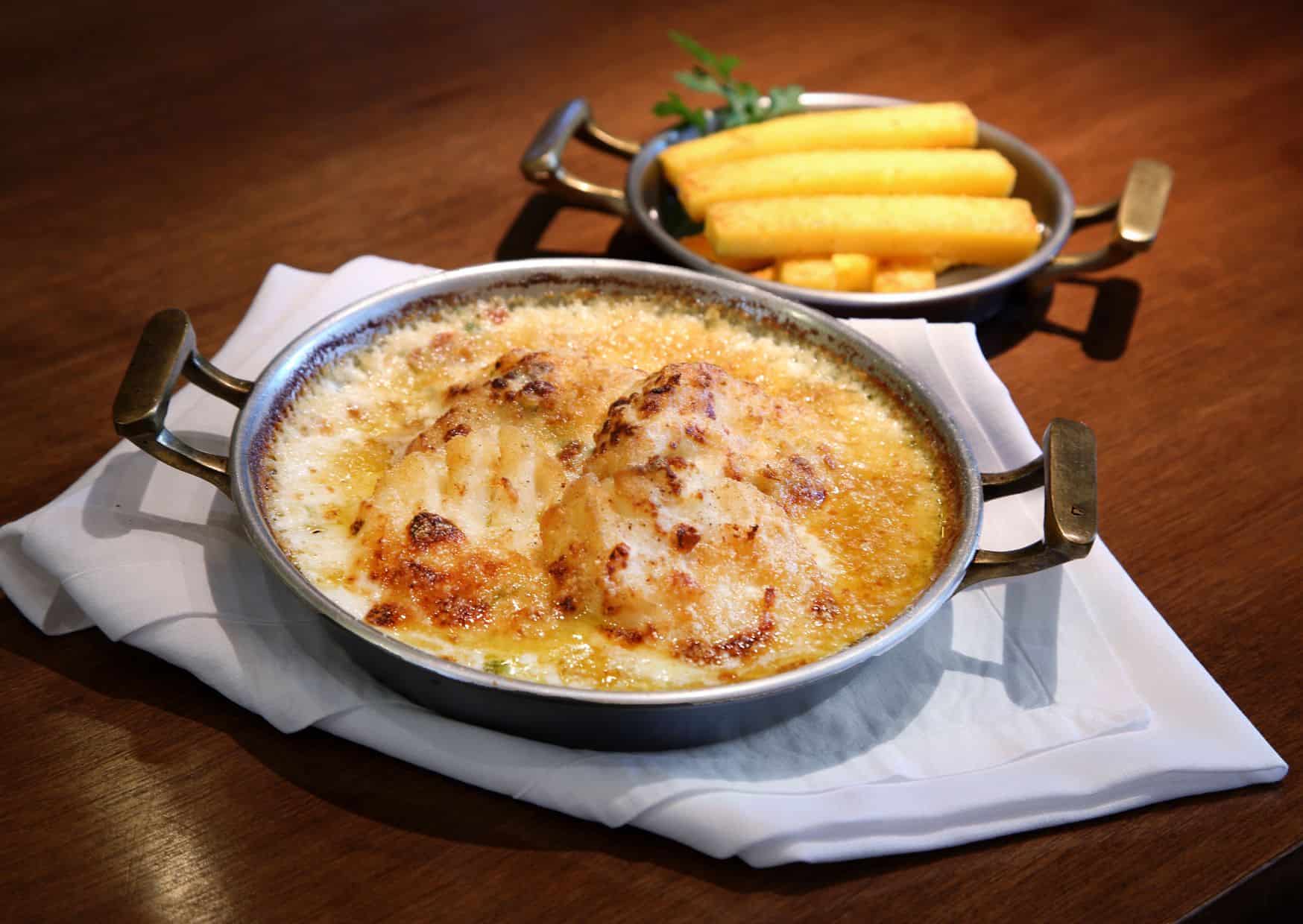
Although Baccalà alla Vicentina is an iconic Italian dish from the Veneto region, its use of salted cod connects deeply with traditional Mediterranean cooking, including Spanish and Portuguese cuisines that also celebrate bacalao. This dish is known for its delicate yet rich flavour, featuring salted cod slowly cooked with onions, milk, olive oil, anchovies, and a touch of parmesan until tender and infused with savoury aromas. In this recipe guide, you’ll learn how to make authentic Baccalà alla Vicentina at home to experience a taste of northern Italy’s culinary heritage.
Baccalà alla Vicentina requires patience and high-quality ingredients to achieve its traditional creamy texture and subtle blend of flavours. The salted cod is soaked for at least two days to remove excess salt, then cooked slowly to develop its signature soft and melt-in-your-mouth consistency. It’s a dish that speaks of Italian tradition, family gatherings, and recipes passed down through generations.
This recipe is perfect for dinner parties, festive occasions, or cosy weekend meals when you want to serve something comforting yet elegant. It pairs beautifully with simple sides and showcases how rustic Italian dishes often bring out the best in minimal ingredients through careful, loving preparation.
Read here best Italian food, vegetarian food in Italy, best drinks in Italy and best breakfast in Italy
Read Here Things to know before visiting Italy and how to buy a sim card in Italy
BOOK YOUR TRAVEL INSURANCE
Two of our favorite travel insurance: Heymondo Vs Safetwing cheapest travel Insurance. You can get for $135 USD your Heymondo Travel Insurance with Heymondo discount code valid for 90 days. Read our full comparison of Genki vs Safetywing Travel Insurance Review and the comparison Heymondo vs Genki
How to Eat Baccalà alla Vicentina
Baccalà alla Vicentina is a dish meant to be savored slowly, allowing the rich flavors to unfold with every bite. The salted cod, soaked for days and cooked gently with onions, milk, and olive oil, pairs beautifully with creamy polenta. Traditionally, it’s served in generous portions, with diners scooping the fish and sauce over polenta for a hearty, comforting meal. Eating this dish is as much about the experience as the taste—a celebration of patience, craftsmanship, and centuries of tradition.
How to Partner Baccalà alla Vicentina
Pair this Venetian classic with a crisp white wine, such as Soave or Pinot Grigio, to complement the fish’s delicate saltiness and the richness of the sauce. Simple sides like sautéed greens or roasted vegetables add balance without overshadowing the main dish. For a complete Italian dining experience, follow it with a light salad and a slice of rustic bread to soak up the sauce. Minimal accompaniments let the baccalà remain the star of the table.
Baccalà alla Vicentina has long been a point of pride and contention in Italy. While the dish is a staple of Veneto cuisine, its main ingredient—salted cod—originated from Northern Europe, sparking debates about what makes a dish truly Italian. Some food historians argue that Italian culinary identity thrives on adaptation, while others view this as a dilution of authenticity.
The preparation process itself also divides opinion. Traditionalists insist on strict adherence to the original recipe passed down by Vicenza’s Venerabile Confraternita del Baccalà, a local guild dedicated to preserving its legacy. Modern chefs often experiment with shorter soaking times or alternative cooking techniques, leading to claims that these shortcuts compromise the dish’s soul.
Even the dish’s luxurious reputation sparks discussion. Historically, salted cod was a budget-friendly staple for working-class families, yet today, high-quality baccalà can be expensive and is often featured in upscale restaurants. This transformation from humble fare to gourmet delicacy raises questions about food accessibility and cultural preservation.
How to Make Baccalà alla Vicentina
Baccalà alla Vicentina Recipe Ingredients
For the Baccalà (Salted Cod) Stew:
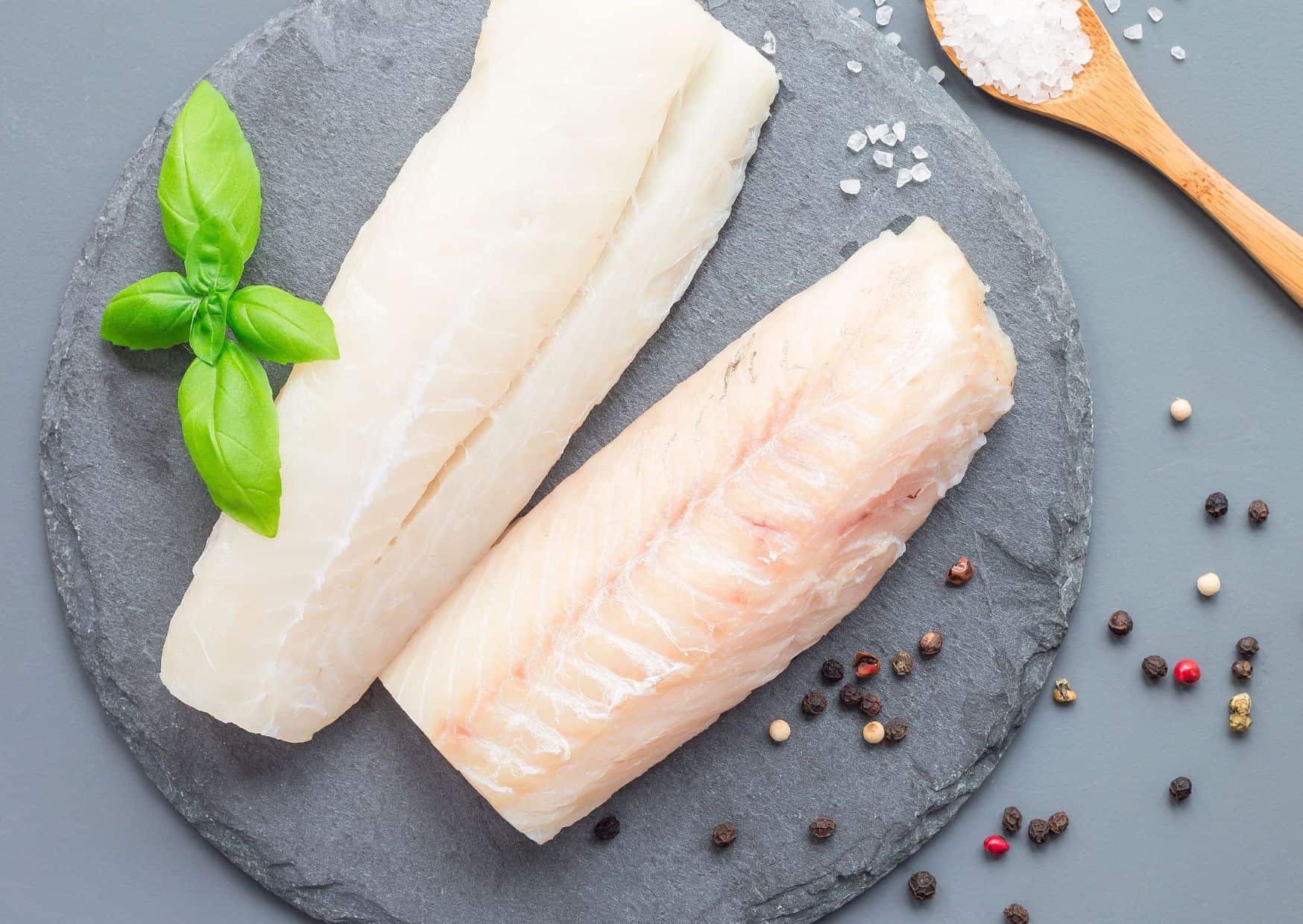
Salted cod (baccalà): 600 g (21 oz), soaked for 24–48 hours to remove excess salt
Onions: 2 medium, thinly sliced
Anchovy fillets (oil-packed): 3–4 fillets
Olive oil: 4 tablespoons
Butter: 3 tablespoons
Garlic: 2 cloves, minced
Whole milk: 2 cups (480 ml)
White wine: 1/2 cup (120 ml)
Parsley: 2 tablespoons, chopped (for garnish)
Flour: 2 tablespoons (optional, for thickening)
Black pepper: Freshly ground, to taste
Salt: To taste (be careful as the cod is already salty)
Get the best deals for your home and kitchen needs
Step By Step How to Make Baccalà alla Vicentina
Prepare the Baccalà (Salted Cod)
Place the salted cod in a large bowl of cold water. Change the water every 6–8 hours for 24–48 hours to remove the salt and rehydrate the fish.
After soaking, rinse the cod well and pat it dry with paper towels. Cut the fish into large chunks.
Make the Sauce
In a large pan, heat the olive oil and butter over medium heat. Add the sliced onions and sauté them until soft and golden, about 10–15 minutes. Stir occasionally to avoid burning. Add the minced garlic and cook for another minute, until fragrant.
Stir in the anchovy fillets, mashing them with a wooden spoon until they dissolve into the sauce. Add the white wine and allow it to reduce for 2–3 minutes.
Cook the Cod
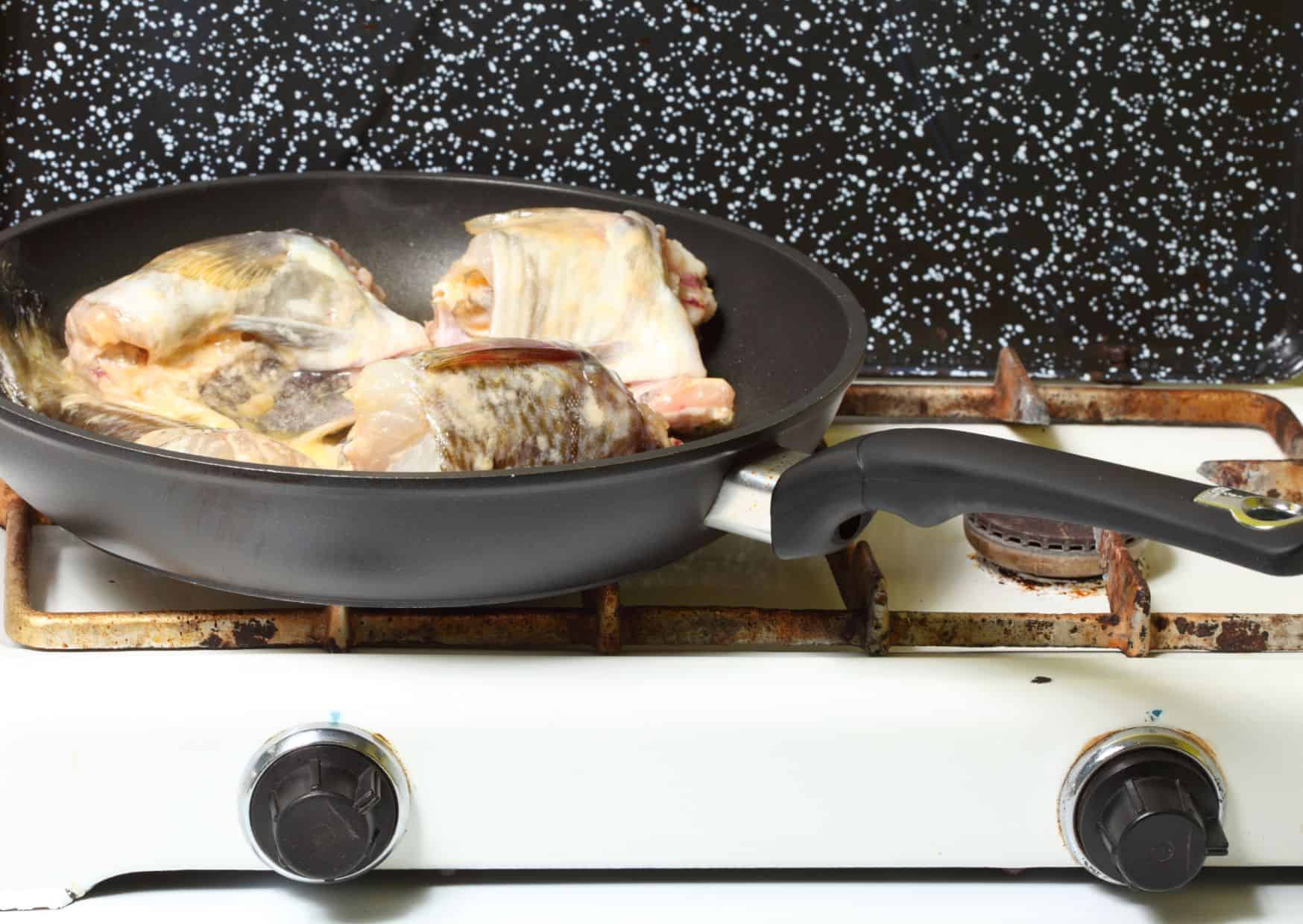
Add the soaked and drained cod pieces to the pan, stirring gently to coat with the onion and anchovy mixture.
Pour in the milk, covering the cod. If you prefer a thicker sauce, you can whisk in the flour at this point.
Reduce the heat to low and let the dish simmer gently for about 30–40 minutes, or until the cod is tender and the sauce has thickened. Stir occasionally to prevent sticking. Season with freshly ground black pepper and salt to taste (but be careful with salt since the fish might already be salted).
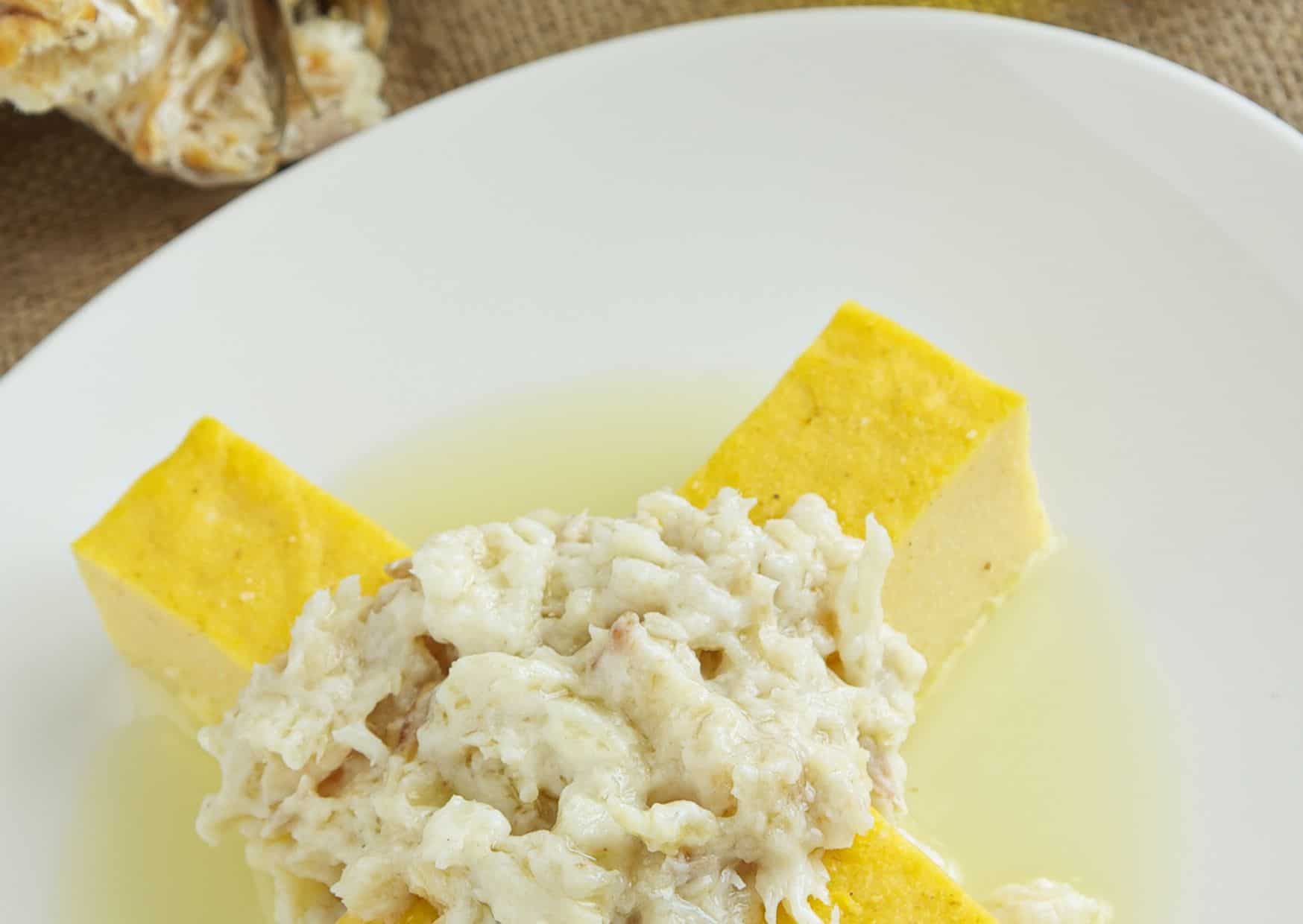
Serve
Once the cod is tender and the sauce has thickened, remove from heat. Transfer the Baccalà alla Vicentina to serving plates and sprinkle with chopped fresh parsley. Serve with polenta or crusty bread to soak up the flavorful sauce.
Tips To Make Baccalà alla Vicentina
Be patient with soaking the salted cod. The longer you soak it, the less salty and more tender it will be. A good quality olive oil and butter will enrich the sauce and enhance the flavor of the dish.
The key to this dish is slow cooking. Don’t rush it, as this ensures the fish becomes tender and the flavors meld together.
If you prefer a thicker sauce, you can whisk in flour during the cooking process, but it’s not always necessary for an authentic Baccalà alla Vicentina.
A dry white wine, such as Pinot Grigio or Soave, works best in this dish. The wine adds depth to the sauce without overpowering the flavors.
How Many Calories Have Baccalà alla Vicentina
Calories: ~400–450 kcal
Protein: ~45 g (from the cod)
Carbohydrates: ~20 g (mainly from the milk and onions)
Fat: ~18 g (from the olive oil, butter, and fish)
Fiber: ~2–3 g (mainly from the onions)
Origin and History
Baccalà alla Vicentina comes from the Veneto region of northern Italy, far from the sea yet deeply connected to maritime trade. Salted cod arrived inland through trade routes that linked Venice with northern Europe, allowing preserved fish to become a staple even in landlocked areas. What began as necessity eventually became tradition.
The dish is closely associated with Vicenza, where it evolved into a regional emblem. Local cooks developed a method that transformed tough, salted cod into something rich and tender through slow cooking. This technique turned preservation food into a symbol of culinary pride.
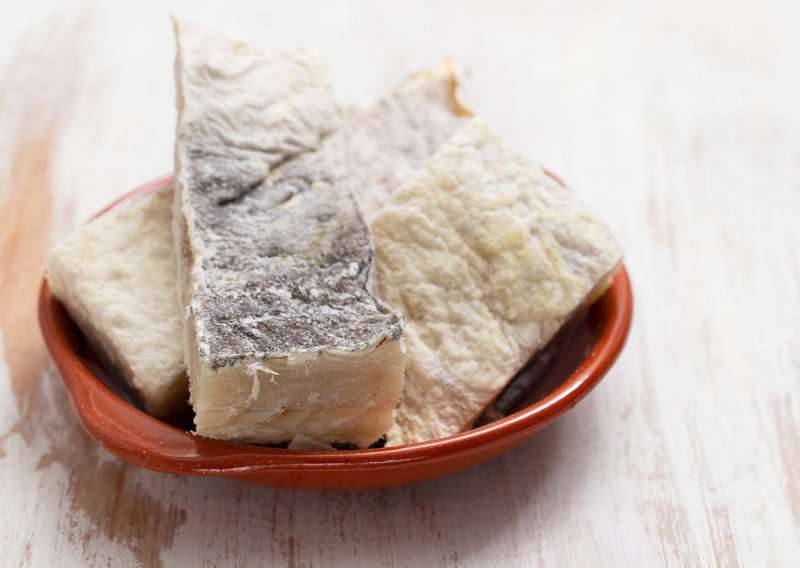
Despite its name, the fish used is not cod preserved in salt alone, but stockfish that has been dried and later rehydrated. This distinction is often misunderstood but crucial to the dish’s identity. The lengthy soaking process is essential for texture and flavor.
Over generations, Baccalà alla Vicentina became more than a recipe. It turned into a point of cultural identity, guarded carefully by locals who view deviations as misunderstandings rather than creativity.
One of the most common points of contention is the fish itself. Many assume any salted cod will suffice, but traditionalists insist on stockfish prepared according to specific standards. Substitutions may work technically, but they change the outcome significantly.
Another controversy lies in cooking time. Modern kitchens often try to shorten the process, yet slow cooking is fundamental to the dish. Rushing it leads to fibrous fish and an unbalanced sauce, undermining the method that defines authenticity.
The use of milk also sparks debate. Outsiders sometimes question dairy with fish, but in Vicenza this pairing is non-negotiable. The milk softens the cod and creates a gentle, emulsified sauce unlike any tomato-based alternative.
There is also disagreement about additions. Some variations include onions, anchovies, or parsley, while purists argue that simplicity preserves the soul of the dish. These debates reflect how fiercely the recipe is protected.
How Long You Take to Prepare
Authentic Baccalà alla Vicentina begins days before cooking. The stockfish must be soaked in water for several days, with frequent changes, to restore moisture and remove excess salt. This step cannot be skipped or rushed.
Preparation on cooking day is minimal but deliberate. The fish is layered with onions and fat, traditionally olive oil or butter, then covered with milk. Assembly takes little time, but accuracy matters.
Cooking is where patience becomes essential. The dish simmers gently for hours, never boiling, allowing the fish to soften gradually and absorb flavor. Stirring is avoided to prevent breaking the delicate flesh.
From soaking to serving, the process spans nearly a week. This extended timeline reflects the dish’s origins and reinforces the idea that time, not complexity, is the key ingredient.
Serving Suggestions
Baccalà alla Vicentina is traditionally served with soft polenta, which absorbs the rich sauce and balances the dish’s intensity. The pairing is intentional and widely considered essential rather than optional.
Portions are modest, as the dish is rich and deeply flavored. It is meant to be savored slowly rather than eaten in large quantities.
The dish is often better the next day, after flavors have settled. Many locals intentionally prepare it in advance, viewing waiting as part of the experience.
It is typically served without elaborate garnishes. The focus remains on texture and depth, not visual embellishment or additional flavors.
Final Thoughts
Baccalà alla Vicentina is more than a recipe; it’s a piece of cultural history. Each step, from soaking the cod to slow-cooking it with care, reflects centuries of culinary tradition and the enduring Italian value of honoring ingredients. Making this dish at home allows you to connect deeply with Veneto’s heritage while appreciating the artistry of simple, thoughtful cooking.
Cooking baccalà requires patience, but the reward is a dish that feels timeless. The process is meditative, inviting you to slow down and embrace the rhythm of traditional Italian kitchens. With every bite, you taste a story of trade, adaptation, and regional pride that has kept this dish alive for generations.
Ultimately, Baccalà alla Vicentina represents the best of Italian cuisine: respect for history, mastery of technique, and the belief that quality ingredients speak for themselves. By preparing it authentically, you’re not just making dinner—you’re participating in a centuries-old culinary tradition that continues to inspire debate and admiration.

About the Author: Ruben, co-founder of Gamintraveler.com since 2014, is a seasoned traveler from Spain who has explored over 100 countries since 2009. Known for his extensive travel adventures across South America, Europe, the US, Australia, New Zealand, Asia, and Africa, Ruben combines his passion for adventurous yet sustainable living with his love for cycling, highlighted by his remarkable 5-month bicycle journey from Spain to Norway. He currently resides in Spain, where he continues sharing his travel experiences with his partner, Rachel, and their son, Han.