
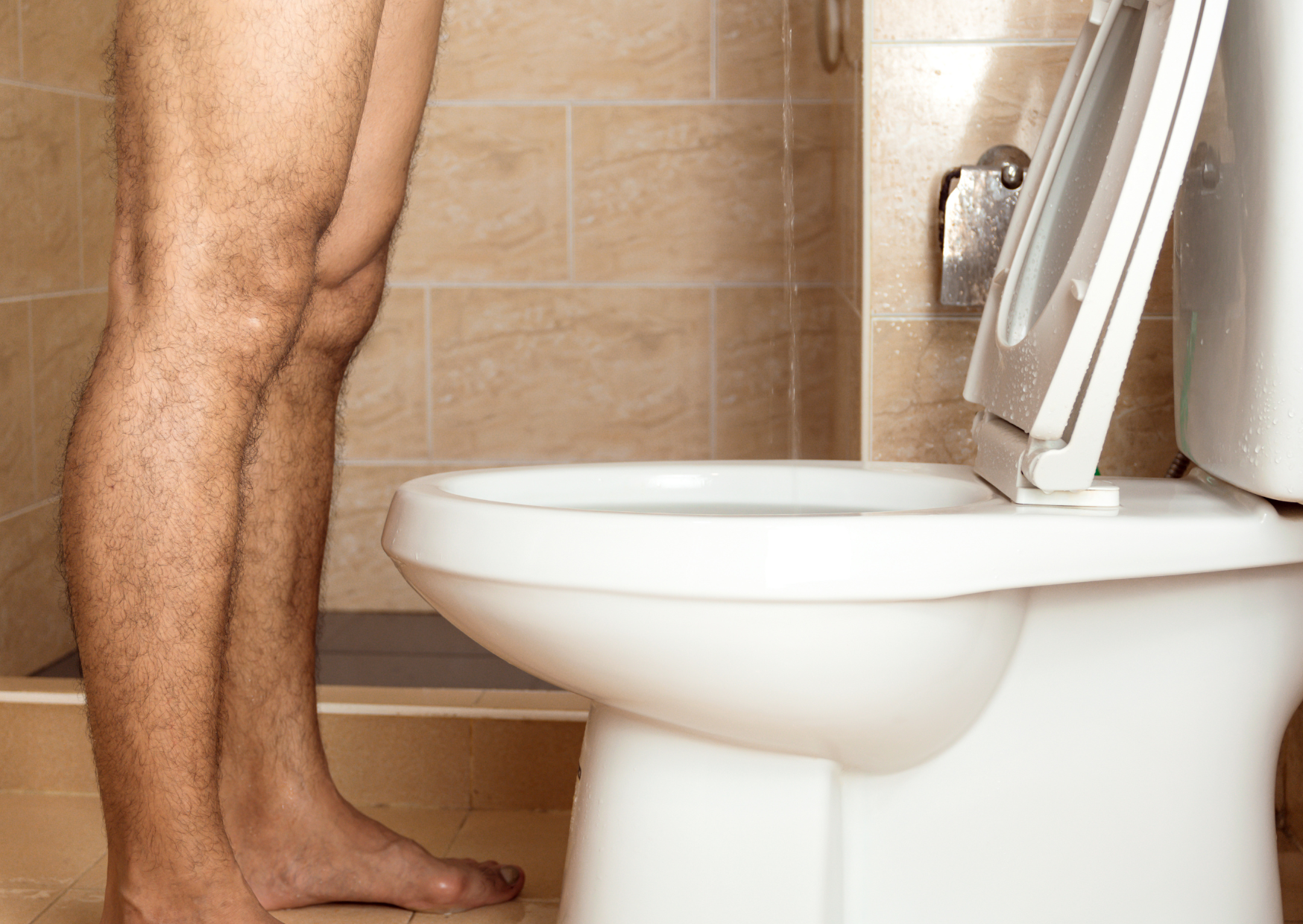
So here is the sentence that makes Americans squint. In Germany, you are expected to use the toilet brush every single time. Not when guests come. Not on cleaning day. Every time. You finish, you brush, you rinse the brush by swirling it in the flush, you dock it, you open the window for two minutes, and you walk out like a decent human. First reaction from most Americans is, “That is gross.” First reaction after two weeks is, “Why was I living with streaks and air freshener.”
If you live with Germans, you already know this without anyone saying it out loud. The brush sits beside almost every toilet. Guests use it. Kids use it. Grandparents use it. The bowl stays clean without a scented chemical circus, the bathroom never smells like a locker room, and the person who cleans on Saturday does not hate you. There is also a second piece you do not see on a sitcom. You squeegee the shower after you shower and you open the window wide for a short blast of air, the stoßlüften that keeps mold from buying real estate in your grout. I will focus on the brush because that is the habit Americans fight. The squeegee and the open window are cousins. Together they turn a bathroom into a room you do not fear.
Where was I. Right. The brush, the why, the how, and how to copy it without feeling like you joined a club.
Quick Easy Tips
Approach unfamiliar habits with curiosity rather than judgment. The fastest way to understand their purpose is to observe how locals treat them as normal.
If trying this habit for the first time, give yourself time to adjust. Initial discomfort is common but usually temporary.
Focus on the function, not the reaction. Ask what problem the habit is solving rather than how it makes you feel at first glance.
Avoid framing the experience as better or worse. Viewing it as different opens the door to learning instead of resistance.
One major point of controversy is the assumption that American bathroom habits are inherently more hygienic. This belief is rarely examined and often based on familiarity rather than evidence or reasoning.
Another source of resistance is discomfort with awareness. The German approach emphasizes observation and prevention, while American habits prioritize speed and avoidance. This philosophical difference makes the practice emotionally uncomfortable for some.
There is also a misconception that this habit is outdated or unsanitary. In reality, it is maintained intentionally and often paired with high standards of cleanliness and bathroom design.
Finally, the strongest opposition tends to come from people who have never tried it. Those who experience it firsthand are far more likely to change their opinion, suggesting that disgust is often rooted in assumption rather than reality.
What “use the toilet brush every time” actually means
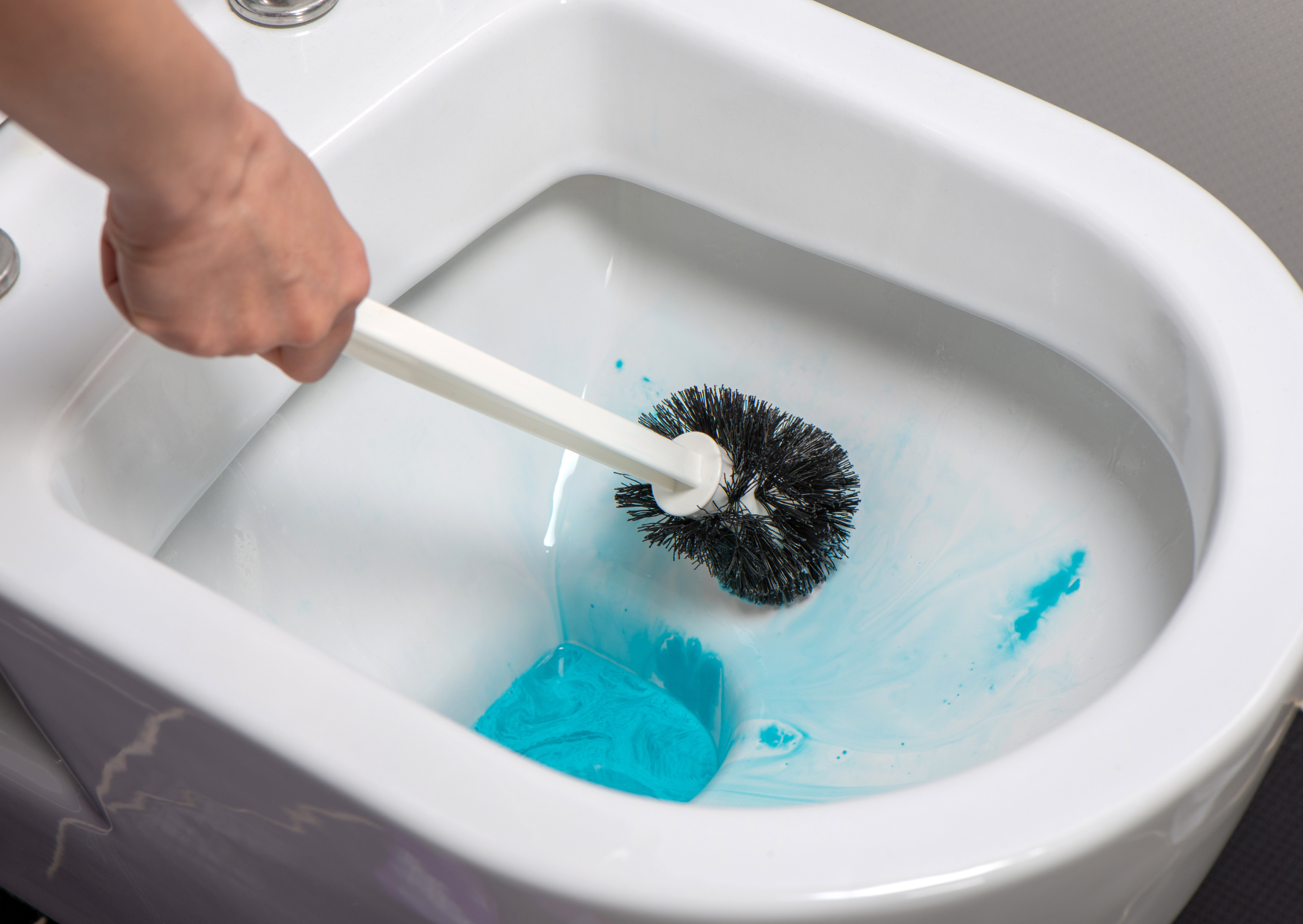
It is not an all-day chore. It is ten seconds of maintenance that removes marks before they harden, reduces odor at the source, and prevents you from pretending a spray can is cleaning. The steps are simple.
- Flush once to send things away.
- As the water refills, use the brush to swish the bowl where anything touched. Two or three circles.
- Rinse the brush by holding it in the clean flow of the flush for one second while you press the lever again.
- Shake off a bit, dock the brush in its cup.
- If there is a window, open it for one to two minutes. If no window, door open for a minute.
No announcement. No discussion. You leave the bowl the way you want to find it. That is the entire habit.
Why this felt disgusting before you tried it
Because you imagine the brush as a contaminated object sitting in a soup of yesterday’s sins. German bathrooms solve that with three quiet choices.
- The brush sits in a vented holder or a simple cup that you empty and rinse when you clean the bathroom.
- People rinse the brush under the flush so it does not carry anything back into the holder.
- The bowl gets a daily micro clean from routine brushing, so harsh chemicals are rarely needed. Less filth equals less fear.
The disgust is mostly theatrical. The reality is physics and timing. Residue is easiest to remove while it is fresh. Three seconds of brush time now prevents ten minutes of scrubbing scale later.
The quiet science that makes this work
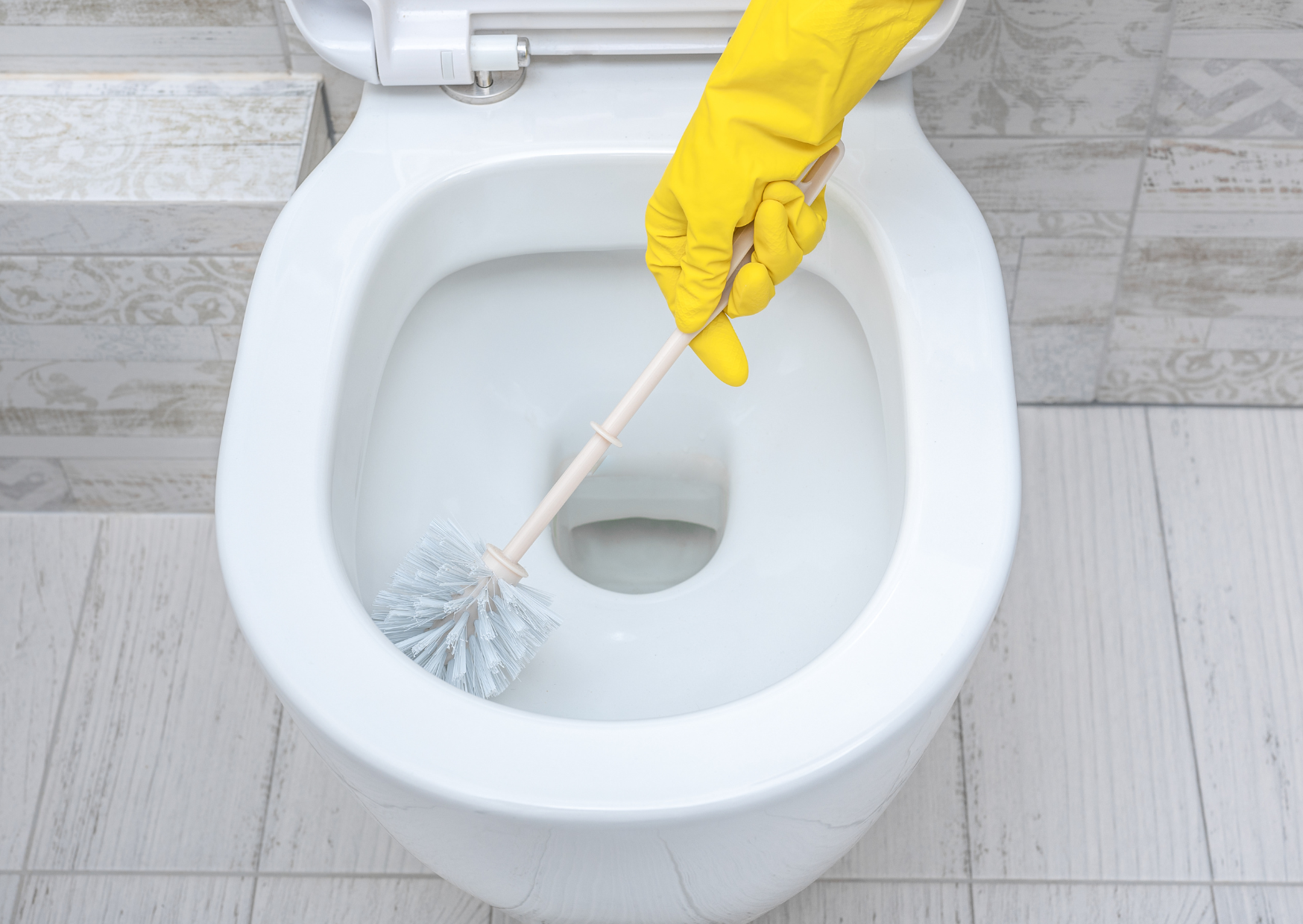
No lab coat here, just obvious mechanics. When organic residue stays on porcelain, minerals in water lock it in. The longer it dries, the more limescale traps color and bacteria. When you brush now, you take away the food and the rough surface that future stains cling to. Odor drops because odor comes from microbes eating leftovers. Remove leftovers, remove half the problem.
Second, air movement beats perfume. A short burst of fresh air moves moisture and smell out of the smallest room, which keeps mold from waking up and reduces any need for sprays that make an honest room smell like a taxi. Old buildings in Germany were designed to be vented by people, not fans. The window is your tool.
Third, a clean bowl uses less chemistry. If weekly cleaning does not have to break a limescale bond, you can use a kinder cleaner. Your lungs like this. Your septic or city water system likes it. Your bill for cleaning products shrinks without effort.
The cultural rule Americans miss
Germans see a toilet brush as part of basic manners. If you leave streaks, you left work for the next person. It is like not wiping a kitchen counter after making a sandwich. The expectation covers guests. If you use someone’s bathroom and there is a brush next to the bowl, the room is telling you what to do. No one will put up a sign. The tool is the sign.
Squeegee falls under the same logic. You shower, you wipe the glass and the tiles quickly, you pull water toward the drain. This is not housework. It is resetting the space so the next person does not walk into a wet fog. It keeps hard water from painting your glass white and turning your weekend into a scrub session.
What you need to copy the habit today
- A toilet brush with firm bristles. Silicone or classic.
- A holder that is easy to empty and clean. Vent holes help.
- A small bottle of mild cleaner for the weekly wipe of the holder and the outer bowl.
- A shower squeegee that actually fits your hand.
- A timer brain that says “open the window for one minute,” then close it.
If your bathroom has no window, the habit still works. Brush, dock, door open for a minute, run a fan if you have one. German apartments win on windows. You can steal the rest.
The exact technique so you do not make it worse
Do not attack the bowl like you are mixing paint. Gentle circles along the waterline and the streak area are enough. Press the flush and rinse the brush in the clean flow for a second. Shake two times over the bowl so you do not drip across the floor. Dock it so the brush hangs with air, not soaking in a puddle. If your holder is a cup, pour out the water weekly and rinse it with the sink sprayer or a mug of clean water, then a bit of cleaner. Let it air.
If scale has already claimed parts of your bowl, do one deep clean with a proper descaler. After that, the daily thirty seconds prevents the return. You do not need to be a hero.
The part Americans secretly love after two weeks
No more air freshener dance. No more “pretend you did not see it.” No more panic clean when the doorbell rings and someone asks to use the bathroom. You walk into your own bathroom and it always looks like a hotel room, but one that actually gets used. The weekly clean becomes almost ceremonial. Wipe, quick disinfect, done.
People also stop arguing. If everyone brushes every time, the Saturday fight about who is the reason the bathroom looks like a situation goes away. It fades because there is no situation.
Stoßlüften and the squeegee, the twin habits
I said I would keep the focus on the brush. These two are its friends.
Stoßlüften is a quick shock airing. Window wide open for two to five minutes. In winter you do it fast so you do not freeze the house. In summer you move damp air out and dry air in. Moisture control is half of bathroom care. Mold is a creature of humidity and time. Reduce both and it looks for another house.
The squeegee is the brush of the shower. Pull water down the glass and the tile. Your reward is clear doors and no chalky white map that forces you to buy sprays with pride on the label. It also makes the floor less slippery for the next person. You are not polishing. You are removing water that would love to stay.
What about those German “shelf toilets” Americans joke about
Yes, some older bowls have a platform inside where things sit before meeting water. Americans call it a shelf and write essays about it. The original logic was inspection. Parents could see whether a child was ill. Adults could keep an eye on digestion. It is not most new toilets, but you will meet one in an older flat. The brush habit makes shelf toilets a non issue. Quick brush, flush, done. No smell. No debate.
If your bowl at home is modern, the habit still applies. Porcelain does not care which country it lives in. It only cares about what dries on it.
The American objections and the answers that hold up
“I do not want to touch a dirty brush.”
You do not. That is why you rinse in the flush, shake over the bowl, and let it hang dry. Your hand never meets the business end. If it still worries you, choose a brush with a small drip tray you can remove and clean.
“My kids will play sword fight.”
Kids need rules. Two sentences. “Brush every time. Brush stays in the holder unless you are brushing.” Praise the brushing. Ignore the drama. Habits grow where attention goes.
“This is my partner’s job on Saturdays.”
Then you built a weekly fight into your marriage. Move the effort to ten seconds per person per day and reclaim your Saturday.
“We have hard water. Nothing helps.”
One deep descaling, then daily brush. It is limescale glue that makes everything stick. Remove the glue once, remove the problem going forward.
“I use spray cleaner after every use.”
You are scenting the room and wetting the problem. Brush first. Spray only if you want to disinfect the seat later. Remove, then sanitize.
The numbers you will never measure but will notice
- Cleaner budget drops because you are not buying smell cover or a different spray for every surface
- Time spent cleaning the bathroom on weekends falls by half
- Mold spots stop appearing on caulk and grout
- Glass stays clear instead of cloudy
- Guests stop apologizing when they leave the bathroom
- Family stops sniping about who left a mess
People undercount how much hostility lives in a shared bathroom. The brush habit removes one invisible fight.
The German extras you may adopt later
Once the main habit feels normal, there are a few quiet upgrades Germans love.
- Separate hand towels for guests. Small, rolled, and laundered often. Clean hands stop recontaminating clean rooms.
- A small tray for rings and watches near the sink. Clutter is grime’s best friend.
- A simple schedule for deeper jobs. First Saturday of the month for grout scrub, second Saturday for washing shower curtain, third for descaling taps. Short, predictable, not heroic.
You do not need these to start. The brush is enough. The other parts just make the room feel even more adult.
If you live with someone who refuses
Do not fight. Install the habit for yourself and make it painless for them. Place the brush and holder closer to their dominant hand. Put a tiny sign for a week. Model the behavior. Say thank you the first time they do it. If they still refuse, accept that some people choose Saturday scrubbing over ten seconds Tuesday. You cannot save everyone from their own calculus.
What you can save is your own mood. Your half of the house can be calmer. Often the refuser comes around when they notice the bathroom never looks like a crime scene and no one is nagging.
A quick FAQ you will actually use
Silicone or bristle brush
Silicone dries faster and does not hold water. Bristles feel firmer and clean edges better. Pick the one you will use. Preference beats theory.
Cleaner inside the holder
No. It turns into a soup. Keep the holder dry. Rinse weekly.
Bleach weekly or only when needed
Only when needed. Bleach is a sledgehammer. If you brush daily, a mild bathroom cleaner is enough most weeks.
Toilet tabs that promise miracles
They paint the water blue and make you think something is happening. The habit is the miracle. Tabs are marketing.
Bidet seat instead of brush
Great for you, irrelevant for the bowl. You still need to remove marks from porcelain. Wash your parts how you want. The bowl needs the brush.
A two-week challenge if you want proof
Week 1
Brush every time, squeegee after every shower, shock-air the room. Use your normal weekly cleaner at the end of the week. Note how long the full clean takes.
Week 2
Repeat. At the end of the week, time the clean again. It will be shorter. The bowl will look like a showroom. The glass will still be clear. Your cleaner bottle will still be mostly full.
If nothing changed, check the two places people skip. Rinse the brush in the flush and open the window. Those two do a lot of heavy lifting.
What this is not
This is not an identity test. You are not German now. You do not need to buy a calendar with castles. You are just adopting a habit that societies with old buildings perfected because it is cheap and it works. Manners as maintenance is a useful idea anywhere.
There is also no purity contest. If a guest leaves a mark, you brush it when you see it. If your partner forgets, you brush and move on. The room stays calm because you are calm.
A quiet ending you can use tonight
Put a decent brush next to your toilet and a squeegee in your shower. Tell your house one sentence. “We brush every time and we open the window for a minute.” Do it once. Tomorrow do it again. In a week your bathroom will smell like nothing, look like a hotel, and take half the time to clean. You will wonder why you fought a ten second habit for ten years. Clean now or scrub later. The Germans chose now. You can too.
Cultural habits often feel strange when viewed through an unfamiliar lens, and bathroom practices are no exception. What initially triggers discomfort is usually not about hygiene, but about conditioning. Germans grow up with certain norms that are rarely questioned, while Americans are taught a completely different set of expectations.
Trying this habit reframes the conversation from disgust to practicality. Once experienced firsthand, many people realize it serves a clear purpose rooted in cleanliness, awareness, and prevention rather than convenience alone. The initial reaction fades quickly when the logic becomes obvious.
What’s most striking is how quickly opinions change after personal experience. A habit that once seemed unthinkable often becomes preferable, or at least understandable. This shift highlights how deeply habits are shaped by culture rather than reason.
Ultimately, this German bathroom practice challenges the idea that familiar equals superior. It’s a reminder that other cultures often solve everyday problems differently, and sometimes more thoughtfully, than we expect.

About the Author: Ruben, co-founder of Gamintraveler.com since 2014, is a seasoned traveler from Spain who has explored over 100 countries since 2009. Known for his extensive travel adventures across South America, Europe, the US, Australia, New Zealand, Asia, and Africa, Ruben combines his passion for adventurous yet sustainable living with his love for cycling, highlighted by his remarkable 5-month bicycle journey from Spain to Norway. He currently resides in Spain, where he continues sharing his travel experiences with his partner, Rachel, and their son, Han.