
Imagine opening a cool cellar, lifting the lid on a crock, and catching the sharp, bright perfume of cabbages and carrots that transformed themselves while you slept, no pills required.
In much of Europe, winter vegetables are not a sad backup plan. They are alive. Cabbage turns silky and sour. Carrots fizz slightly on the tongue. Beets give up a ruby brine you sip like a tonic. None of it is vinegar. All of it is salt and time, vegetables submerged under brine until lactic acid bacteria do their work.
If you grew up on shelf pickles and supplement aisles, this feels like a trick. It is not. It is a cold fermentation method that people from Poland to Portugal use to carry gardens through winter. The habit delivers flavor you cannot buy and living cultures that make paying for probiotic capsules feel unnecessary.
Below is the clear, practical map. You will learn what the method is, why it works, how to do it with 2 to 3 percent salt and a jar you already own, and how to keep it safe without turning your kitchen into a lab. There is a master recipe that fits cabbage, roots, and alliums, plus three classic variations locals lean on when the days get short.
1) What The Winter Pickle Method Actually Is
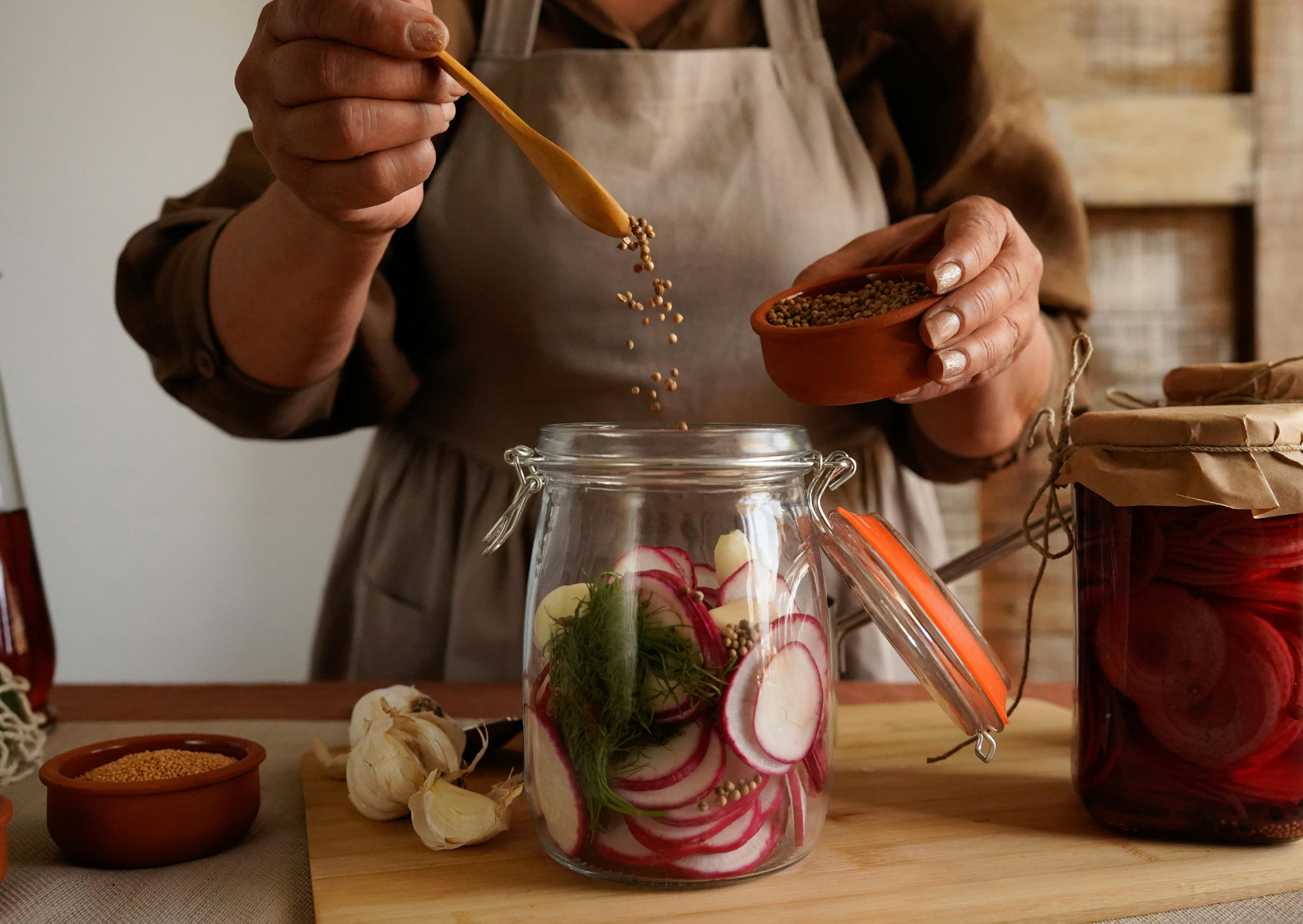
At heart, winter pickles are vegetables plus salt in the cold. The salt pulls water from the vegetables, the brine excludes oxygen, and lactic acid bacteria already on the produce take over. They eat plant sugars and make lactic acid, which drops the pH below the danger zone and preserves the food while adding snap and tang. The work is spontaneous, no starter and no vinegar.
Three anchors make this system hum. No vinegar at the start, because acidity should come from the microbes that live on your vegetables. 2 to 3 percent salt by weight to give the right microbes a head start and to hold texture. Everything under brine, because exposure to air is how you invite mold. European food science texts and public health guides describe the same basics in different words, and the numbers are remarkably consistent, mild salt, submerged environment, sour enough to keep you safe. Submerged equals safe is the rule you tape to your cupboard.
You will see the first bubbles by day two if your kitchen is warm. The brine goes cloudy, carrots glow brighter, cabbage relaxes and packs down, and a fine, harmless white film can appear on top. That film is often yeast that comes with fermentation, not a reason to panic. Scoop it off, keep going, and keep everything under the liquid. Food safety bodies that publish vegetable fermentation guidance keep repeating the same advice for home cooks, right salt, right temperature, right pH, and a clean jar. Follow those and you are doing it like the people who do this every winter.
The payoff is not just shelf life. It is flavor concentration, texture that crunches without vinegar harshness, and an everyday source of live lactic acid bacteria. People across Europe never called it a probiotic. They called it dinner.
2) Why This Replaces Pills, And Where To Be Precise With Words
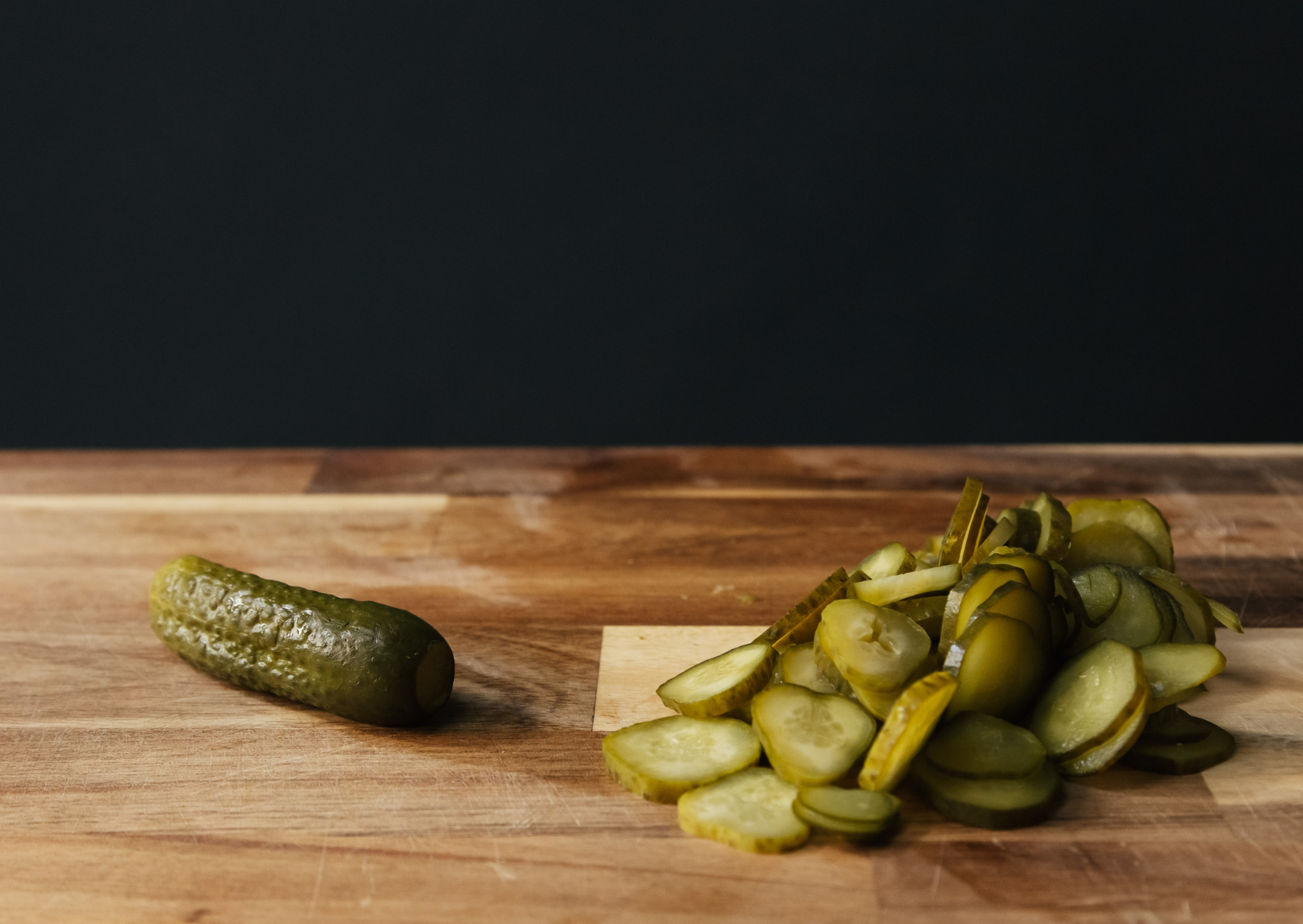
In practice, winter pickles put food before pills. A forkful with lunch gives you live cultures made by the vegetables you already eat, plus plant fiber that feeds those cultures once they reach your gut. Large human studies have shown that higher fermented food intake can increase microbiome diversity and dial down inflammatory markers. Reviews keep piling up that fermented foods shape the gut ecosystem in useful ways. The pattern is not miraculous. It is gradual, daily, cumulative.
Words matter though. In Europe, the term probiotic on labels is tightly policed because authorities want strain and benefit matched before marketers make claims. That restriction does not mean fermented vegetables are useless. It means you should treat them like food with live microbes, not as a medicine with guaranteed effects. If you are used to supplement bottles that promise the moon, this is a better mental model. Forks over capsules most days, pills only if you need them, and talk to a clinician if you have a condition that makes fermented foods risky.
The kitchen proof is easier than the regulatory text. Eat a small serving daily, vary the vegetables through the week, and watch how quickly a meal feels complete with one acidic, crunchy thing on the plate. Food before pills is not a slogan. It is a plan that survives winter.
This is general information, not medical advice.
3) What You Need, The Salt Math, And The Temperatures
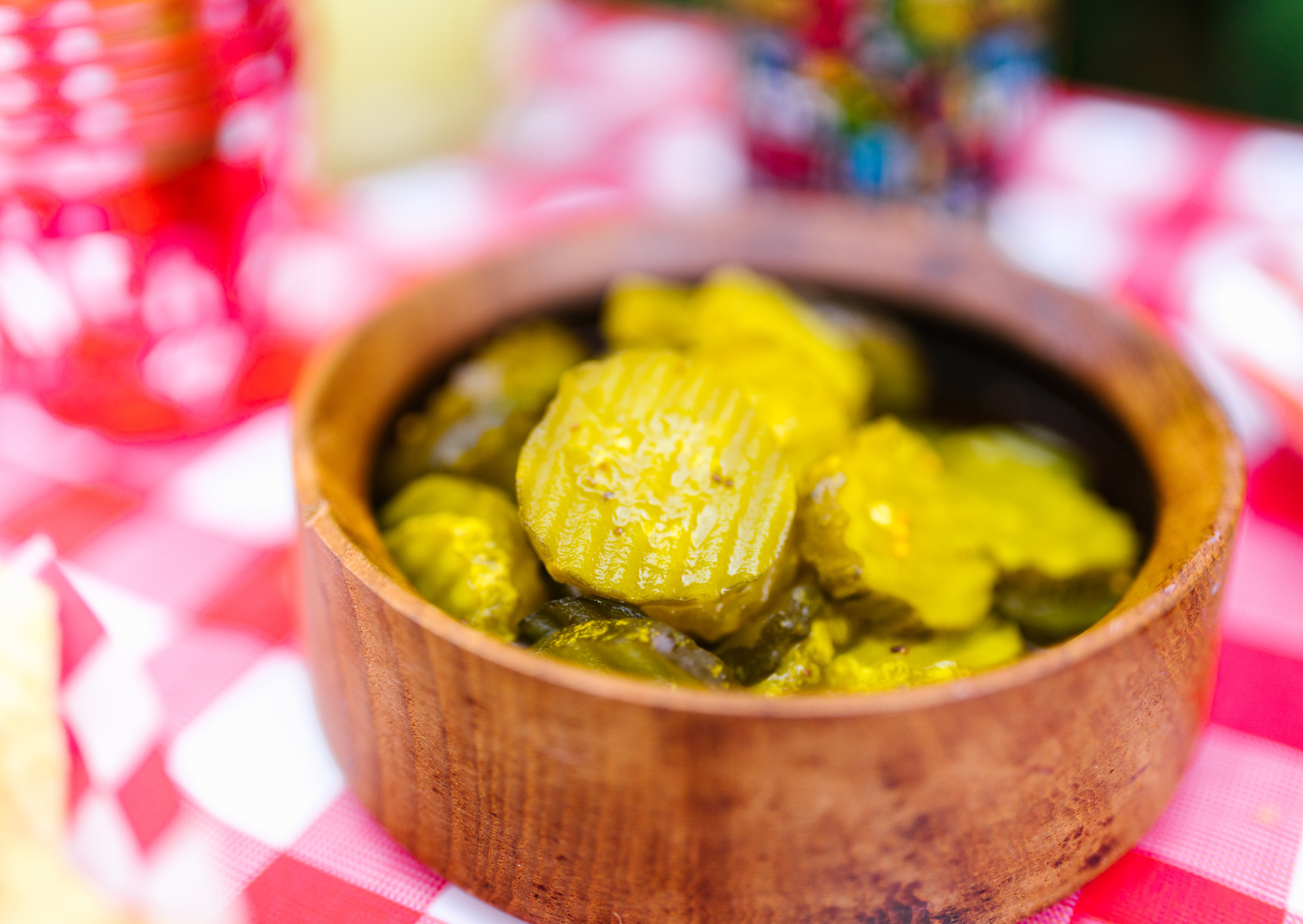
You do not need a crock from your grandmother. You need a jar, coarse salt, a scale, and something to keep vegetables below the brine. Weigh everything is the only fussy part.
- Jars or a crock. A 1 liter clamp jar is perfect for beginners. Larger crocks are great once you fall in love.
- Weights. A small glass ramekin, a food safe weight, or a zip bag of brine. The job is simple, keep it below brine.
- Salt. Use non iodized sea or pickling salt so you do not cloud the brine.
- Scale. Salt percentage is by weight, not by spoon.
- Cool corner. Fermentation starts best near 18 to 22 C, then storage goes to the coldest part of your fridge or a cellar.
The 2.5 percent rule is the sweet spot for mixed vegetables. Add the weight of your prepared vegetables plus the water you add, then multiply by 0.025 for the grams of salt. For a cabbage and carrot mix that weighs 900 g, with 200 g of water added, the total is 1,100 g. Salt is 27 to 28 g. Stir that salt into the water first, or toss it directly with shredded vegetables in the case of sauerkraut. A mild brine favors Lactiplantibacillus plantarum and friends, the same lactic acid bacteria that dominate sauerkraut and cucumber ferments across Europe. 2 to 3 percent salt is high enough to protect texture, low enough for a clean, fast souring.
Temperatures matter because microbes care. Warm rooms ferment fast. Cool rooms ferment slow. Start at room temperature until sour, then move to cold storage so the flavor levels out without turning mushy. If you like numbers, a safe ferment drops the pH below 4.6, which is the line health agencies use because Clostridium botulinum does not make toxin in that acid bath. A cheap pH strip can tell you when you are there. If you do not measure, use time and taste. Sour and crisp beats waiting for a lab reading. Food safety guides aimed at home fermenters endorse either approach, pH checks if you want them, or simple sensory checkpoints that have worked in kitchens for centuries.
4) The Winter Pickle Playbook: Master Method Plus Three Classics
Here is the base method that works for almost any hardy winter vegetable. After that, use the three classic recipes to see how different countries bend the same rule set.
Master Lacto Brine, For Roots, Cabbage, Onions, and Garlic
Scan hooks: 2.5 percent brine, pack tight, burp daily at first.
You need
1 liter jar with lid and a small weight
1,100 g total of prepared vegetables plus water
27 to 28 g non iodized salt, about 2.5 percent by weight
Spices optional, think bay, black pepper, dill seed, caraway
Prep
- Wash, trim, cut. Peel carrots and beets if you like. Slice cabbage, chunk cauliflower, halve radishes. Avoid soft produce like lettuce.
- Make brine. Dissolve salt in 500 g water. Taste for a pleasant seawater salinity.
- Pack the jar. Pack vegetables tightly. Add spices sparingly. Pour brine to cover, then top up with more water to rise above the highest piece.
- Weigh and seal. Place a clean weight on top. Close the jar.
- Ferment. Leave at room temperature on a plate for 3 to 7 days. Burp daily if you use a clamp jar to release gas, or use an airlock lid and ignore it.
- Taste at day 3. When the brine is aromatic, lightly sour, and the vegetables are crisp, move to cold storage. If you want more tang, give it a few more days on the counter.
- Store cold. Refrigerate up to a month or two. Flavor deepens slowly in the cold.
Why it works. The salt picks winners, the brine excludes air, and time carries the pH down into a safety zone. You built a living food with almost no work.
Classic No Vinegar Sauerkraut, Germany and Central Europe
Scan hooks: salt the cabbage, pound until juicy, pack below brine.
You need
1 medium cabbage, cored and finely shredded, about 900 g
18 g non iodized salt, 2 percent of the cabbage weight
1 tsp caraway seeds, optional
Method
- Toss cabbage with salt in a bowl. Massage until it releases enough juice to cover itself when pressed. Add caraway.
- Pack tightly into a jar, pushing down until brine rises above the top. Weight the surface.
- Ferment at room temperature 5 to 10 days. Move to cold when flavor is bright and tart. Eat raw. Warm gently in a pan only if you do not mind losing some live cultures.
This is the winter salad of half a continent, and the dominant bacteria in a good crock are the same families you will see in a lab list, Lactiplantibacillus plantarum and L. brevis. You do not need to know their names to enjoy what they do.
Polish-Style Garlic Dill Carrots and Cauliflower, Brine Ferment
Scan hooks: whole spices, garlic for aroma, no vinegar at all.
You need
500 g carrot sticks
400 g cauliflower florets
3 garlic cloves, halved
A few dill stalks or seeds
Brine at 2.5 percent as above
Pack aromatics in the bottom, vegetables on top, pour brine to cover, weigh, seal, and ferment 4 to 6 days. Crisp, sour, and intensely carrot, this scratches the pickle itch better than any jar that starts with vinegar.
Beet Kvass, Eastern Europe’s Ruby Tonic
Scan hooks: sip the brine, two ferments from one batch, salt keeps it clean.
You need
600 g peeled beets, cut in large chunks
1 liter jar
Brine at 2 percent salt, a little lighter for a drinkable result
1 or 2 cloves garlic, optional
Cover beets with brine in the jar. Weight and seal. Ferment 3 to 5 days. Strain into a bottle and chill. Sip 60 to 120 ml as a daily tonic. Refill the beets with fresh brine once for a milder second batch. If you want to cook with it, reduce in a pan to glaze carrots or to splash into soups at the table.
5) European Rhythm, Many Accents
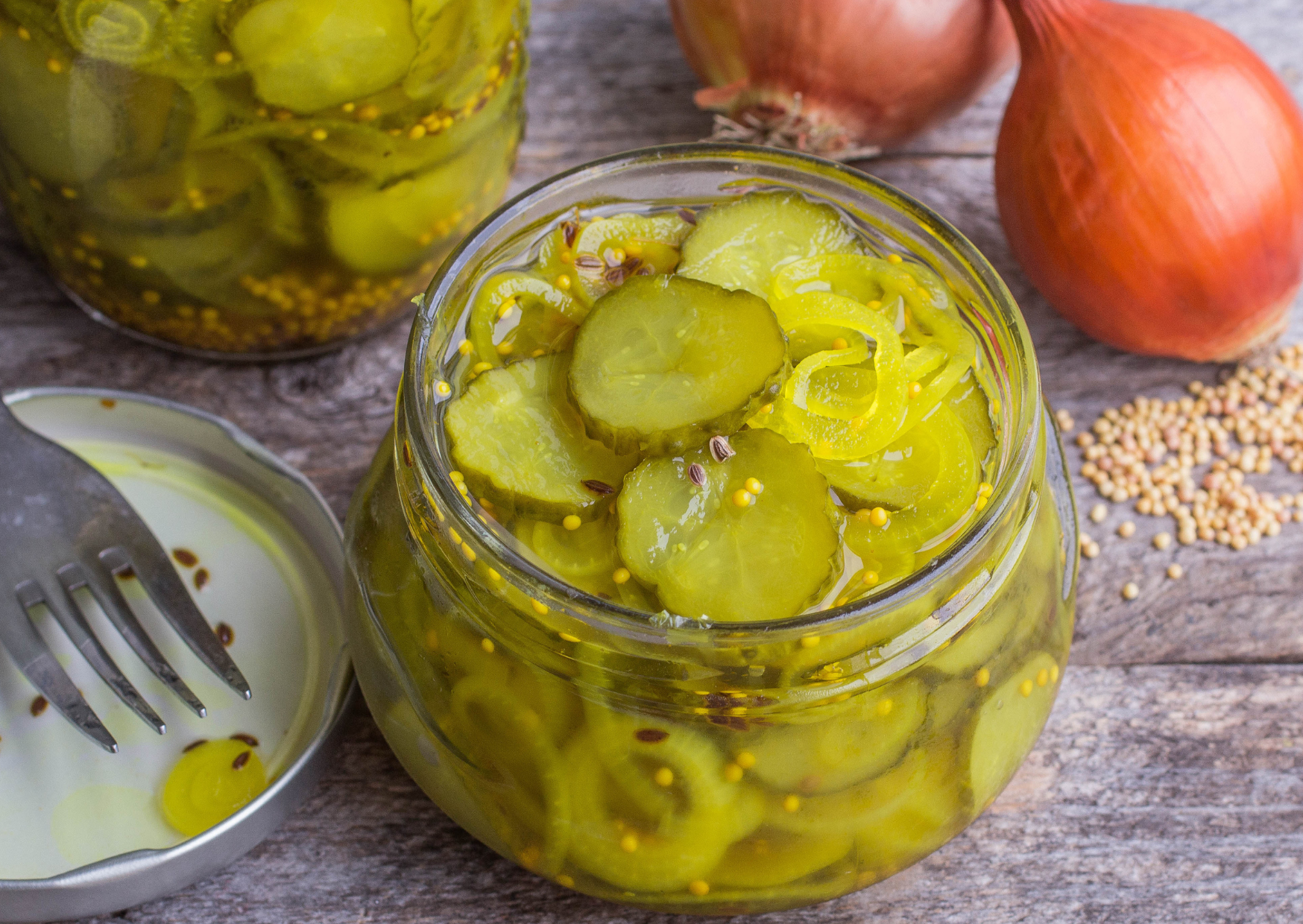
The method is shared. The accents change by country, and knowing them helps you adapt your pantry without guessing.
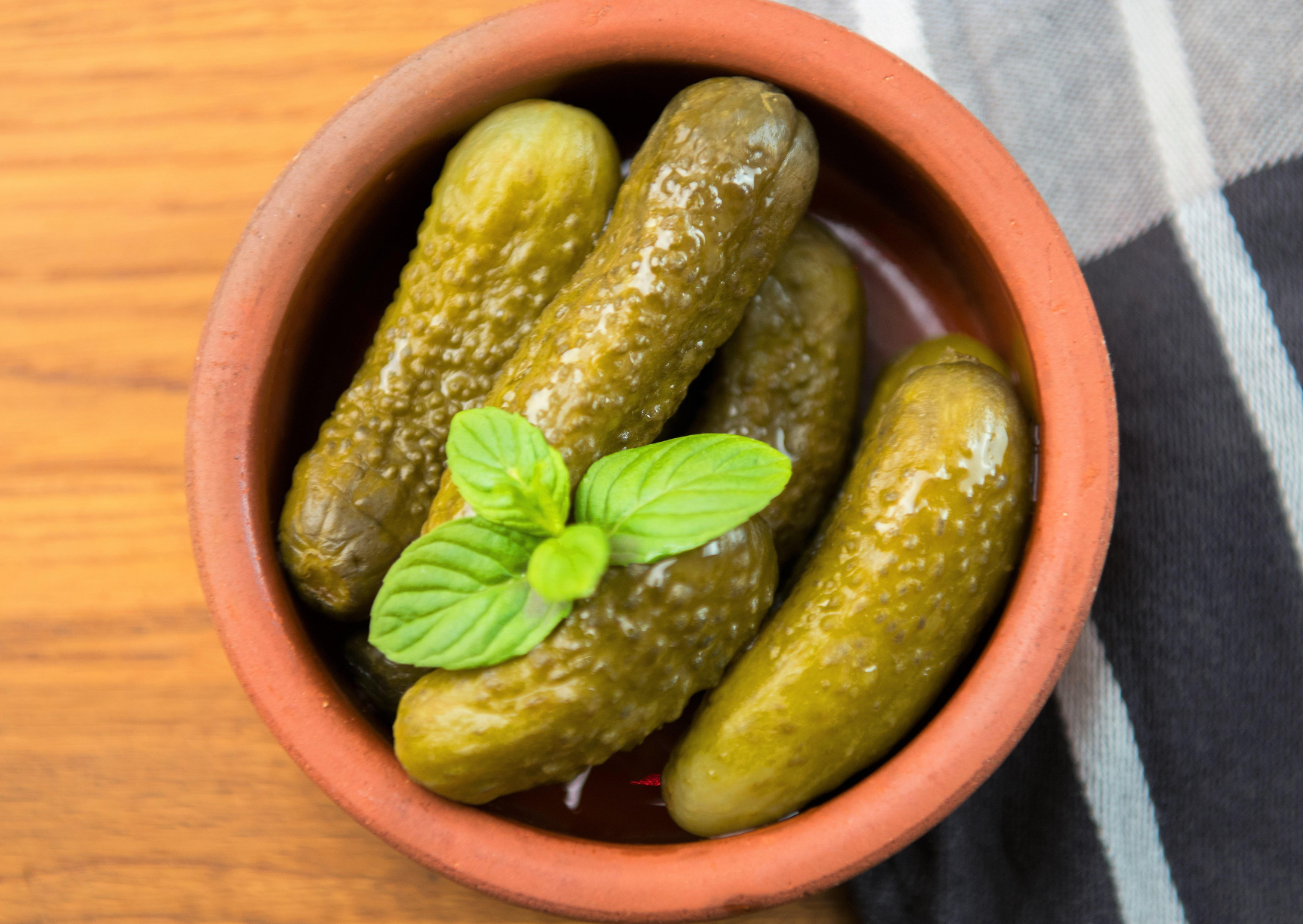
In Poland you will meet ogórki kiszone, salt brine cucumbers with garlic, dill, and sometimes horseradish leaves for tannins. The lesson travels. Tannins from grape or cherry leaves help keep vegetables crisp. In winter, when cucumbers rest, households lean on jars of fermented carrots, shredded roots, and cabbage blends with whole allspice and bay. The rule still holds, no vinegar, only salt and time.
In Germany and Austria, sauerkraut is the backbone. Caraway, juniper, and apple slivers appear in different homes. Winter plates include a fork of kraut next to roast meats and potatoes because the acidity is a relief. Ferment shorter for fresher crunch, longer for deeper tang. The bacteria you coax forward are similar year after year, plantarum and friends that tolerate salt and bring the pH down.
In the Nordics, cooks often use a very light 2 percent brine with sliced carrots, onions, and cabbage to keep texture glassy. The result reads more like a pickle salad than a jarred pickle, and it lives well in the cold for weeks.
In the Baltics and the Balkans, you will see whole cabbage heads fermented for winter rolls, and mixed barrels where carrots, peppers, and green tomatoes share one brine. The lesson there is simple. Vegetables that ripen at the same pace can live in one jar. Mismatched ripening gives you mush and crunch in the same bite, which is a waste of both.
Every region builds on the same trio, salt, submerge, wait. Once you internalize those, you can fold garlic and dill one week, caraway the next, and bay and juniper when you want something resinous for pork.
6) Safety, Troubleshooting, And Your Nose
Fermentation is self policing when you give it the right conditions. Still, a few red flags and quick fixes will save you from doubt.
- White film on top. Often a harmless surface yeast. Skim and continue. Keep vegetables under brine and it will not matter. If the film returns daily, you might be letting too much air in. Fit the weight better or fill the jar higher.
- Fuzzy mold in colors. If you see fur or color like blue, black, pink, or green, toss the batch. Mold thrives where produce pokes above brine. Submerged equals safe is your insurance.
- Soft vegetables. Usually too little salt or too long at warm temperature. Next time, stay near 2 to 3 percent salt and move the jar to cold when you like the flavor.
- Not sour enough. Warm the room a touch, give it more time, or add a tablespoon of brine from a successful batch to inoculate.
- Worried about botulism. Vegetables that reach pH under 4.6 and stay submerged are inhospitable to botulinum toxin. If you can measure, do. If you cannot, rely on sour smell, tangy taste, and brisk bubbling in the first days. Improperly canned foods are the usual botulism risk, not vegetable ferments that acidify properly. When in doubt, throw it out remains sensible.
Your senses are good tools here. A clean lactic sour, a little fizz, and vegetables that look more themselves than they did raw are green lights. Slimy, rotten, or anything with a musty off aroma is a stop sign.
7) How To Eat Them, How To Store Them, Why They Stick
Winter pickles work because they slot into meals without effort. Think a forkful daily, not a jar demolished in one go.
- With eggs and toast at breakfast, spoon sauerkraut on the side and your plate wakes up.
- With soups and stews, add a spoon at the table, not in the pot. Heat will soften flavor and reduce live cultures. Do not cook them to death unless you want the taste only.
- As a salad, drain carrots and cauliflower, add chopped parsley and a thread of olive oil.
- As a drink, pour beet kvass in a small glass before lunch. It is an old habit that reads like new magic.
For storage, keep it cold once the flavor is where you like it. The fridge makes microbes drowsy and keeps texture crisp. Brine should cover everything during storage as well, so top up with a matching salt brine if evaporation exposes a corner. If you have a cellar, park crocks there after the first week. This is why people had cellars at all.
If you are the supplement type, treat winter pickles as your daily baseline, then add pills only when a clinician suggests it. The goal is a habit you enjoy, not a chore. Fermented foods belong to normal meals in Europe because they are simple, cheap, and delicious. That combination is why a method from the cellar keeps defeating products from the pharmacy.
What This Means For You
The European winter pickle method is not nostalgia. It is an evergreen technique that gives you flavor, variety, and a steady supply of live cultures for the cost of salt. You do not need a course, only a jar and the will to keep vegetables under brine for a few days.
If you want to feel what your grandparents felt when they opened a crock in February, do three things. Use 2 to 3 percent salt, exclude air, and move to the cold when the taste is right. Start with the master brine on carrots and cauliflower. Spend one cabbage on sauerkraut. Pour a jar of beets into a kvass. Then put a forkful beside whatever you already eat.
You can keep buying expensive probiotics if you like. Or you can build them at your kitchen counter with vegetables that make winter taste bright and clean. The method does not ask for faith. It asks for a jar, some salt, and a week.

About the Author: Ruben, co-founder of Gamintraveler.com since 2014, is a seasoned traveler from Spain who has explored over 100 countries since 2009. Known for his extensive travel adventures across South America, Europe, the US, Australia, New Zealand, Asia, and Africa, Ruben combines his passion for adventurous yet sustainable living with his love for cycling, highlighted by his remarkable 5-month bicycle journey from Spain to Norway. He currently resides in Spain, where he continues sharing his travel experiences with his partner, Rachel, and their son, Han.