
If your 2025 Europe trip felt like paying Manhattan prices for smaller portions, 2026 is the year to stop “doing Europe” the default way and start doing it like someone who likes their money.
The part nobody says out loud about “the dollar” in 2026
Americans love a clean story. The dollar is strong. Europe is cheap again. Book the trip. Feel smug.
Reality is messier. In late December 2025, the euro is still the euro, and most of the famous places Americans choose first are priced like they know you came for the postcard. If you want your budget to feel 30% bigger in 2026, the most reliable move is not praying for foreign exchange magic.
It’s choosing cities where day-to-day prices are structurally lower.
Here’s the simple version: Eurostat’s price-level comparisons (PPP) show big gaps across Europe. Bulgaria sits around 60 (EU average = 100) on overall price level, Romania around 64, Hungary around 74, Poland around 72, and Turkey around 53. That is not a “cute savings.” That is the difference between a normal long lunch and a long lunch that turns into a budget fight. And when you look specifically at “restaurants and hotels,” Bulgaria is even lower, around 53.
That’s where the “30% further” comes from.
Not because you discovered a secret promo code. Because you stopped buying Europe at the most expensive shelf.
Two time-sensitive notes that actually matter for 2026 planning:
- Bulgaria joins the euro area on 1 January 2026, so Sofia shifts from lev to euros, and the conversion rate is set. That removes a bunch of little payment frictions for visitors and makes pricing feel more straightforward.
- For quick, practical conversions in this post, I’m using the European Central Bank’s reference rates from 24 December 2025. It’s not a forecasting trick, it’s just a clean baseline.
Now the cities. These are picked for one thing: you can have an adult, walkable, museum-and-food European weekend without your wallet doing that slow death spiral.
Sofia, Bulgaria, the “I can breathe again” city break
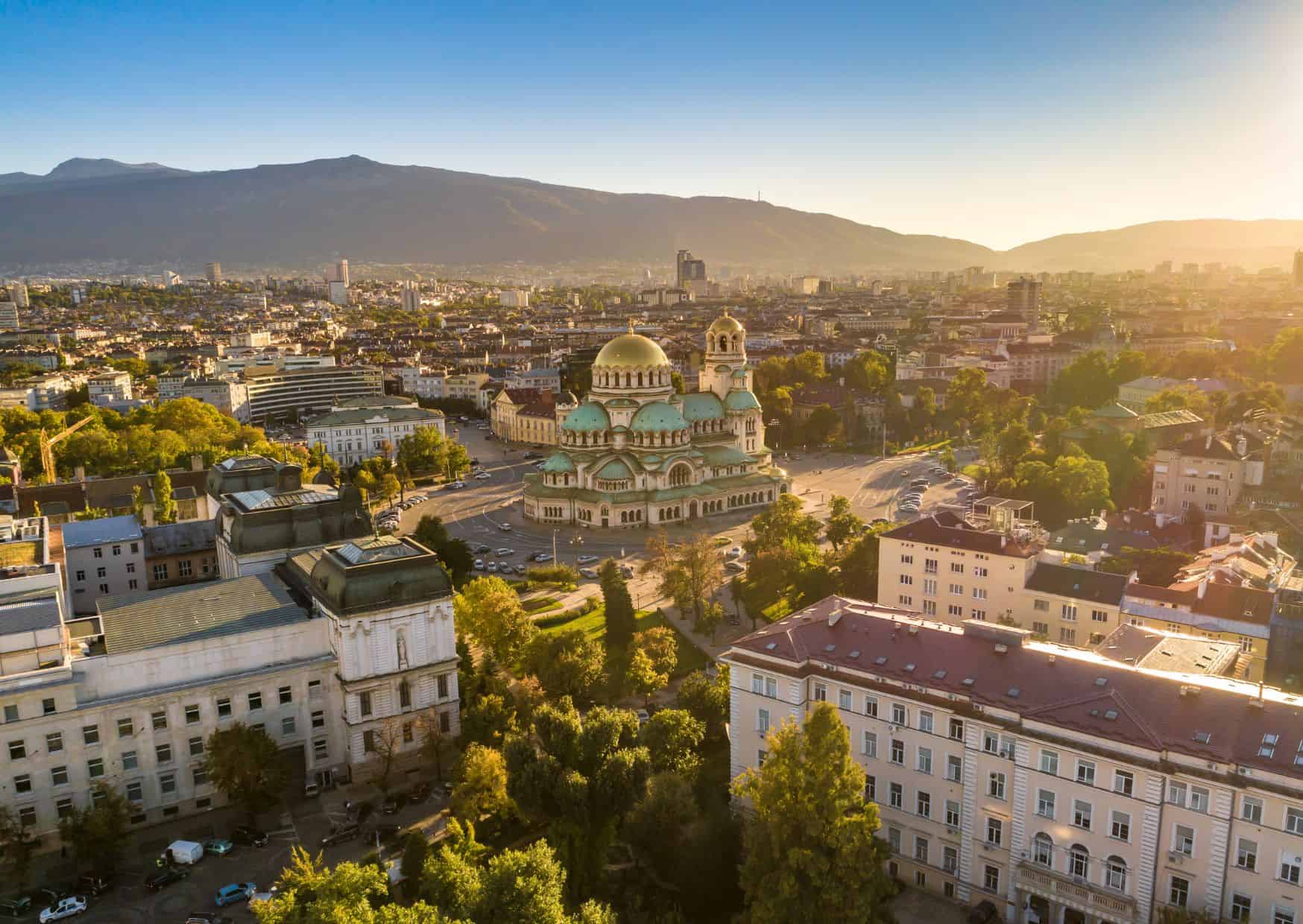
Sofia is the one people skip because it doesn’t fit the fantasy playlist. Which is exactly why it works.
In 2026, Bulgaria is adopting the euro, so you get the convenience of euro pricing with the kind of local cost structure that still feels pre-hype. The money saver here is not some gimmick. It’s the combination of low restaurant and hotel price levels and a city rhythm built around everyday eating, not performance dining.
A few grounded numbers to calibrate your brain:
- Meal at an inexpensive restaurant: 18 лв
- Cappuccino: 4.83 лв
- Monthly transit pass: 50 лв
- 1-bedroom city-centre rent benchmark (useful for sanity checks): 1,282.79 лв/month
If you’re coming from a U.S. city where a basic lunch plus a coffee can hit $30 without blinking, Sofia feels like your budget got its dignity back.
How locals keep it cheap without thinking about it:
- They eat simple, filling lunches that are built for regular people, not tourists collecting content.
- They walk a lot and treat public transport as normal life, not a compromise.
- They save the “nice sit-down” for when it matters, and the rest of the week is bakeries, grills, soups, and practical plates.
Where to stay so you don’t accidentally pay tourist prices anyway:
- Aim for central-but-not-screaming-central areas where you can walk to Vitosha Boulevard and the big sights without living inside the tourist funnel.
- The goal is walkability first, because taxis are where “cheap city” budgets quietly leak.
If you want one sentence: Sofia is where a European weekend stops feeling like a luxury product and starts feeling like a normal life you’re temporarily borrowing.
Bucharest, Romania, where “good value” still exists in a capital
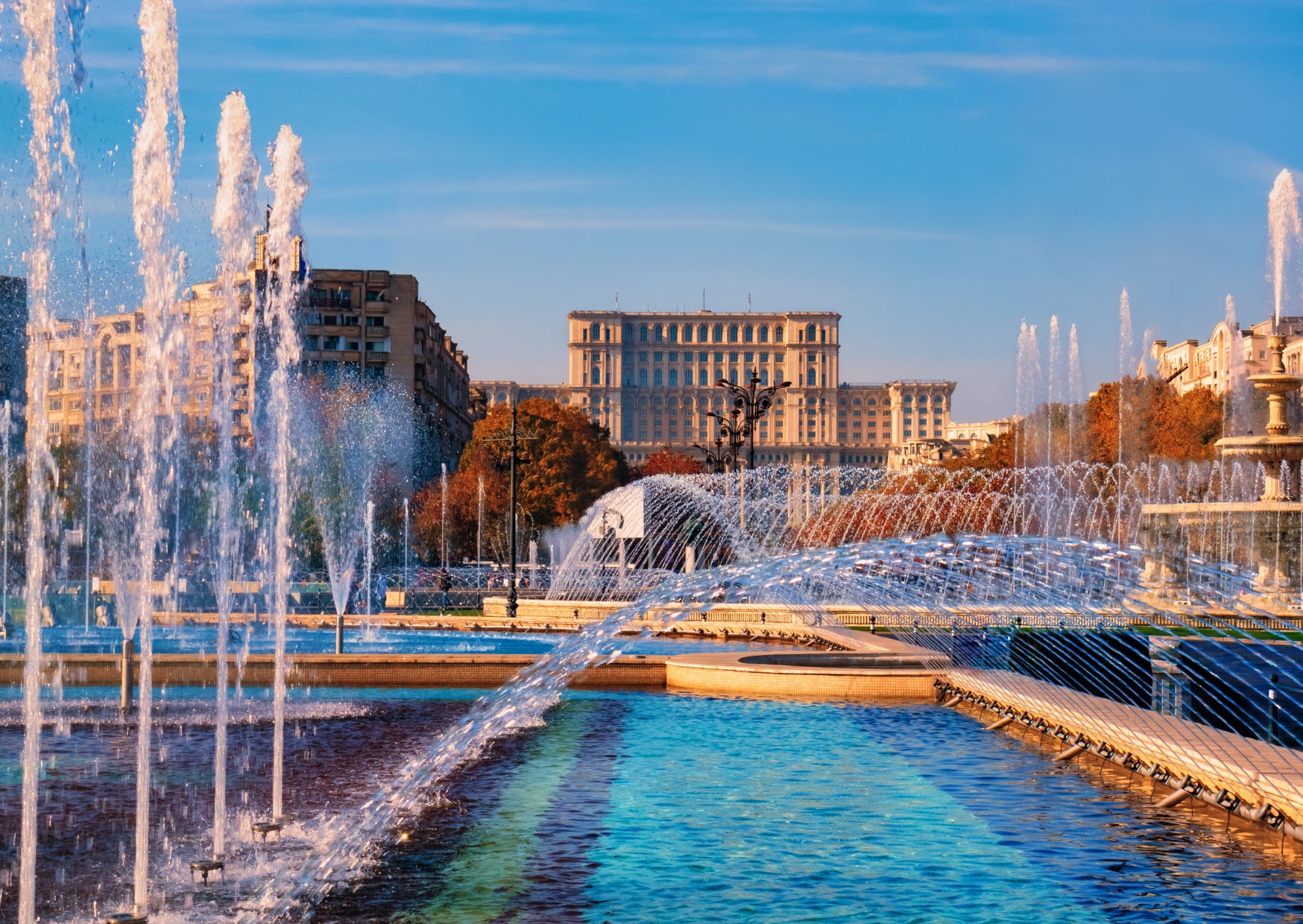
Bucharest has that slightly chaotic energy that makes some Americans nervous. That nervousness is expensive if it keeps you trapped in the most touristy streets, eating the most touristy dinners.
Do it the local way and the city is a budget gift.
Quick calibration numbers:
- Meal at an inexpensive restaurant: 60 lei
- Cappuccino: 14.65 lei
- 1-bedroom city-centre rent benchmark: 2,484.75 lei/month
Romania’s overall price level is well below the EU average, and it shows in the day-to-day stuff that actually dominates a 4-day trip: meals, coffee stops, transit, small museum tickets, casual drinks.
What makes Bucharest work:
- Lunch-heavy eating is your friend. You can do a real meal in the middle of the day and keep dinner lighter without feeling deprived.
- Use the city as a base. Bucharest is a good “hub” city where you can spend less on the basics and splurge on a single memorable meal without turning the whole trip into a spendathon.
- Don’t treat taxis like a personality. Walk when you can, use transit when it’s easy, and keep ride-hailing as a tool, not a reflex.
Where people mess it up:
- They chase “Paris-style café life,” then pick the wrong cafés, then decide the city is a scam.
- They assume cheap means rough, then overpay for comfort in the most overpriced pocket.
Bucharest can feel like a bargain because it still is one, but only if you show up with calm confidence, not defensive tourist energy.
Budapest, Hungary, the prettiest “still reasonable” city in the bunch
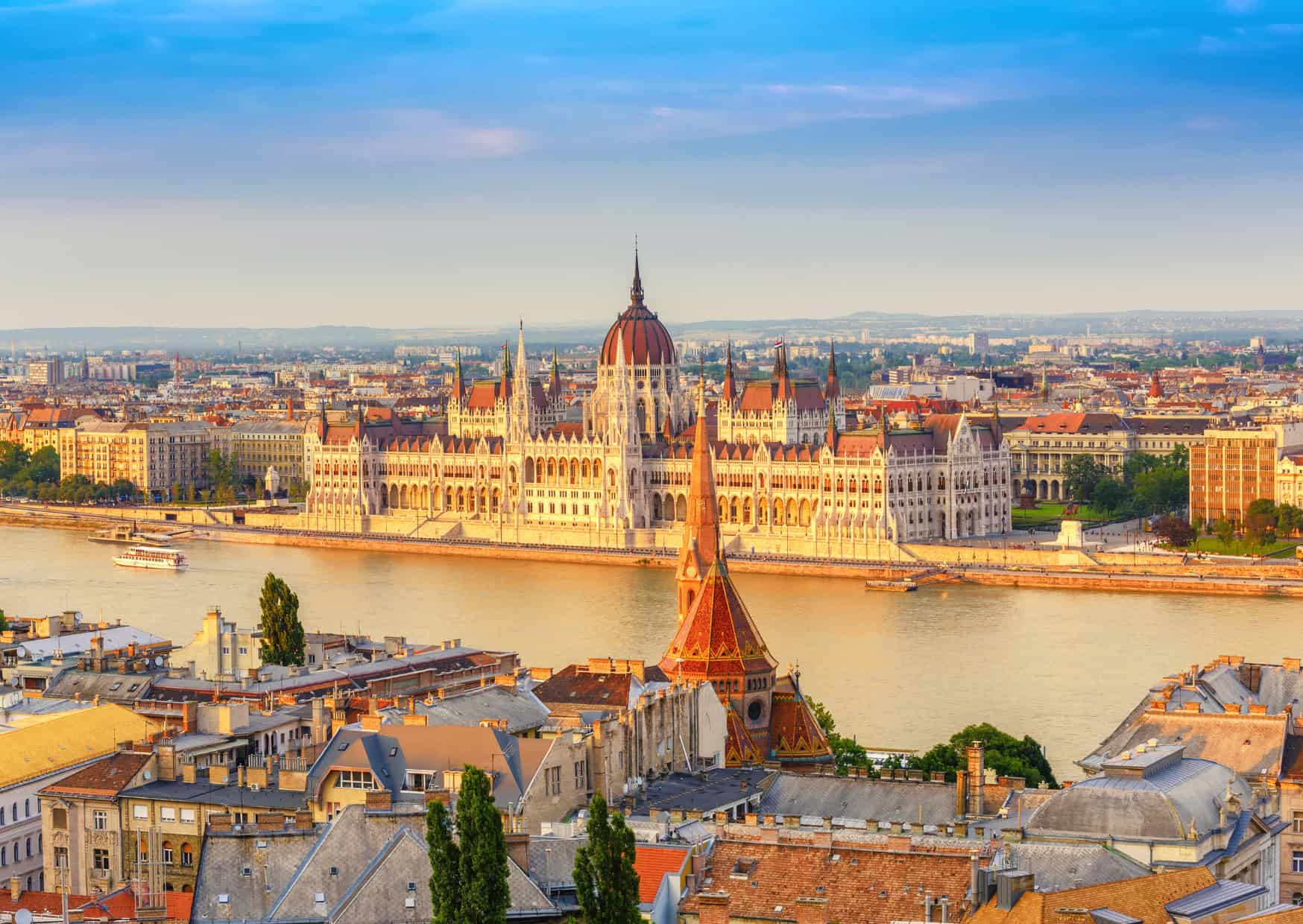
Budapest has one problem: it looks expensive. The river, the architecture, the baths, the whole movie set vibe.
But Hungary’s overall price level stays below the EU average, and Budapest can still be a very sane trip if you avoid the trap of turning every meal into a sit-down event.
Calibration numbers:
- Meal at an inexpensive restaurant: 3,950 Ft
- Cappuccino: 983.48 Ft
- 1-bedroom city-centre rent benchmark: 264,710.61 Ft/month
The local method that keeps this city affordable:
- Make one dinner a “proper dinner,” then stop. The rest is casual eating and it’s still good.
- The baths can be your big-ticket experience. Do one, enjoy it properly, and don’t try to buy your way through every attraction.
- Walk the city. Budapest rewards walking in a way that saves money without feeling like you’re “being good.”
Where to stay:
- Stay somewhere you can access both sides of the city easily. The whole point is cheap movement, not constant paid transport.
Budapest is the city where your 2026 budget stretches when you stop trying to consume it like a checklist. Choose one or two splurges, and let the rest be everyday.
Kraków, Poland, the “European weekend” that doesn’t demand a second mortgage
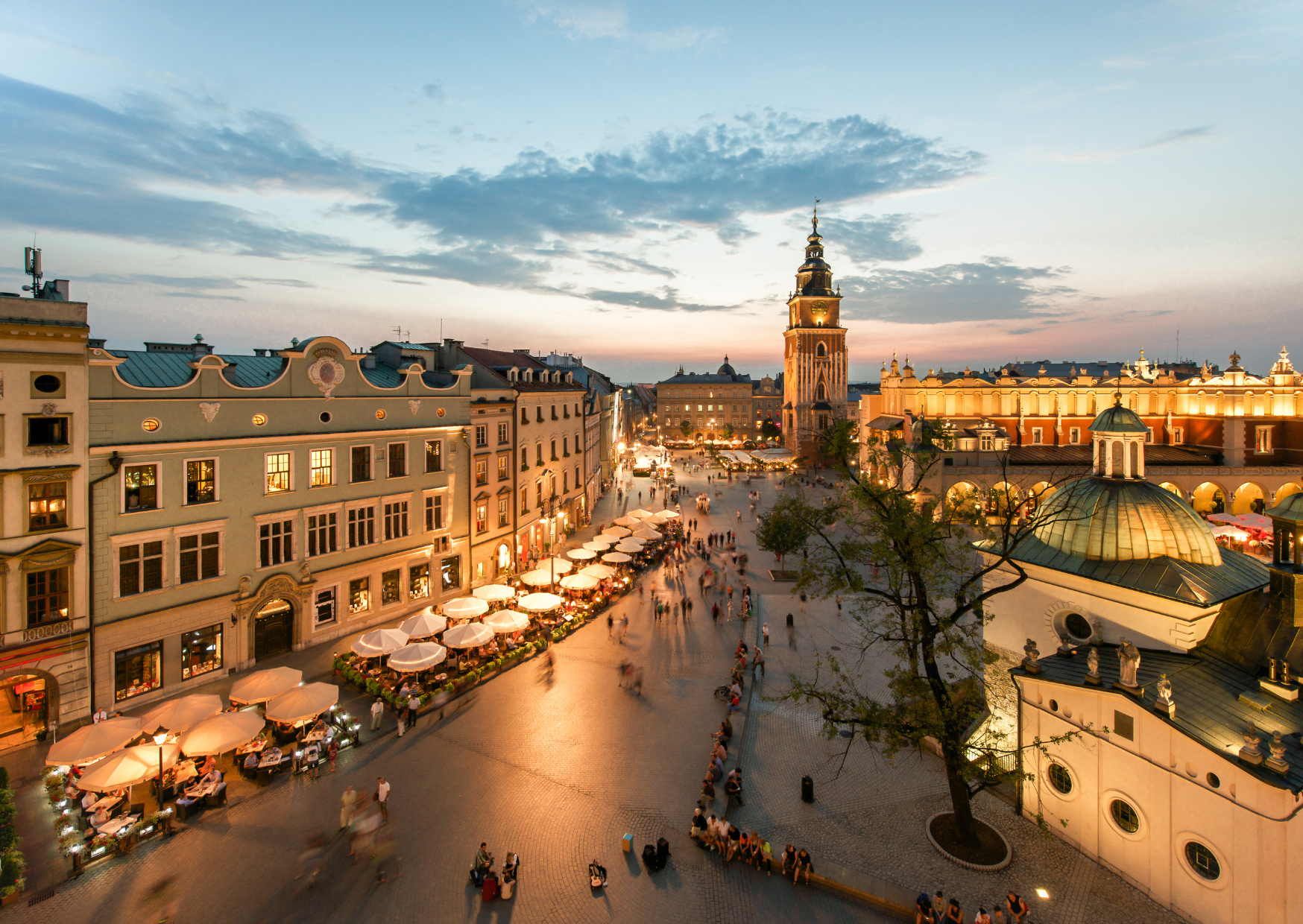
Poland’s overall prices are meaningfully below the EU average, and Kraków is one of the best places to feel it without giving up charm.
It’s compact, walkable, and built for slow wandering. If you want “Europe” without paying “Capitals of Europe” prices, Kraków is a clean choice.
Calibration numbers:
- Meal at an inexpensive restaurant: 40 zł
- Cappuccino: 15.17 zł
- Monthly transit pass: 150 zł
- 1-bedroom city-centre rent benchmark: 3,749.74 zł/month
Kraków works because your costs stay stable:
- Coffee breaks do not become a $9 habit.
- A normal meal does not require a strategy session.
- Transit is there when you need it, but you can mostly walk.
The local method:
- Eat where people actually eat. The minute you see an “Instagram menu” vibe, you’re paying for the vibe.
- Keep evenings simple. Kraków is not a city that needs a fancy plan every night to feel satisfying.
A very practical note for Americans 45–65:
This city is friendly to a slower pace. You can do museums, walking, and long meals without feeling like you need to sprint to justify your hotel cost. That is a quiet form of value people forget to price in.
Skopje, North Macedonia, the wild card that makes the math obvious
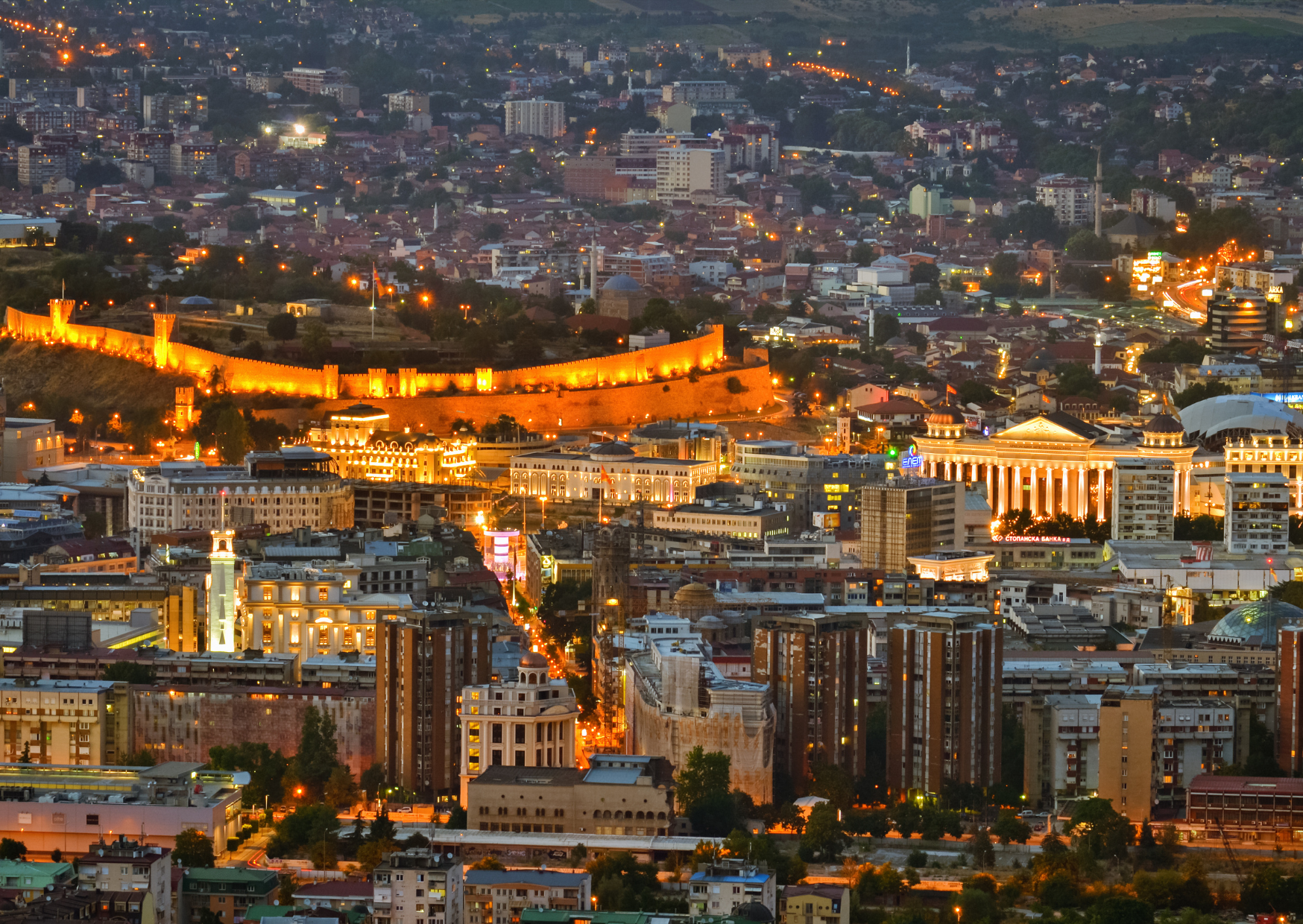
Skopje is not the typical American “Europe trip” city, and that’s the point.
If your goal is to feel, physically, what it’s like when prices are not constantly trying to extract from you, Skopje is a reset.
Calibration numbers:
- Meal at an inexpensive restaurant: 400 ден
- Meal for two at a mid-range restaurant (three courses, no drinks): 1,800 ден
- Cappuccino: 118.47 ден
This is the kind of place where you can eat out without constantly doing mental accounting, which is the thing Americans say they want when they talk about “European lifestyle.”
How to do it without overcomplicating it:
- Treat it like a 3-night experiment. You’re not marrying the city. You’re testing the feeling.
- Use it as a “pairing” destination. Combine it with a bigger hub, then let Skopje be the calm, cheaper half.
The local method:
- Don’t chase tourist dining as entertainment. The food is best when it’s normal.
- Spend your money on experiences that actually feel good in your body: long meals, easy walks, small museums, and not stressing about every receipt.
Skopje is where you stop arguing with the spreadsheet and simply notice your daily burn rate is lower.
The mistake that will erase your savings in any of these cities
If you do only one thing differently in 2026, do this:
Always pay in the local currency (or euros, in euro area cities). If a terminal offers to charge you in dollars, that “helpful” conversion is often where you lose value. It’s the travel equivalent of buying something at the airport because you’re tired.
Other budget killers Americans accidentally normalize:
- Booking a place that is “pretty” but far from everything, then paying for taxis, delivery, and convenience.
- Eating dinner out every night because “we’re in Europe,” even in cities where locals simply do not live that way.
- Turning every day into a shopping day. European cities are fun, but souvenirs are not culture.
- Paying for speed. The fastest, closest, most English-friendly option is frequently the most expensive option.
These cities reward the same behavior: walk, eat simply most days, pick one splurge, and stop trying to purchase a feeling.
When to go in 2026 so the price and the city both behave
People pick months like they pick outfits. Based on vibes. Then they get mad when prices behave like peak season prices.
A better approach: pick windows where the city is alive, but not screaming.
For most of these cities, the sweet spots are:
- Late March to early May
- Late September to mid-November
Summer can still work, but it’s when “cheap” destinations get tested. Shoulder season is where your money stays obedient.
Two specific 2026 notes:
- Sofia switching to the euro in January 2026 makes payments simpler, but it can also create a short-term “rounding psychology” in some tourist-facing pricing. The fix is the same: go slightly off the most obvious streets and you’ll see normal pricing again.
- Budapest and Kraków are gorgeous in cooler months, but pack for comfort. If you’re cold and miserable, you’ll spend more, because you’ll buy convenience.
Your first 7 days: plan a 2026 trip that actually feels 30% cheaper
This is the part people skip, then they claim Europe is “not affordable anymore.”
Do this over the next week:
Day 1: Pick your target burn rate
Decide what you want your on-the-ground daily spend to be (food, transit, small tickets), per person. Write the number. A budget you can’t say out loud isn’t real.
Day 2: Choose one city from this list and commit
Not “maybe.” Commit. If you keep five tabs open forever, you’ll default back to Rome and Paris out of fatigue.
Day 3: Pick the month before you pick the hotel
Lock in March–May or late September–November unless you have a strong reason not to. Timing beats willpower because you can’t out-discipline peak-season pricing.
Day 4: Build a simple meal plan for your trip
Not recipes. A plan like: one nice dinner, two long lunches, and everything else casual. That alone stops the budget bleed.
Day 5: Choose the walkable base neighborhood
The cheapest city becomes expensive when you commute to your own vacation.
Day 6: Decide your one splurge
Baths in Budapest. A tasting menu in Bucharest. A proper long lunch in Sofia. Pick one and protect it, then keep everything else normal.
Day 7: Set your payment rules
No dollar conversion at terminals. One card you trust. A small cash backup. Keep it boring. Boring is how you win.
The actual choice hiding inside this list
You can keep doing Europe the way most Americans do it: the biggest names, the highest prices, the most crowded streets, then a complaint that it’s “overrated.”
Or you can do it the way people who live here actually move: pick places with lower price structures, travel in months that behave, and build your days around long lunches and walking instead of constant paid entertainment.
That’s how a 2026 trip feels 30% cheaper than 2025.
Not because you got lucky.
Because you finally stopped shopping at the most expensive shelf.

About the Author: Ruben, co-founder of Gamintraveler.com since 2014, is a seasoned traveler from Spain who has explored over 100 countries since 2009. Known for his extensive travel adventures across South America, Europe, the US, Australia, New Zealand, Asia, and Africa, Ruben combines his passion for adventurous yet sustainable living with his love for cycling, highlighted by his remarkable 5-month bicycle journey from Spain to Norway. He currently resides in Spain, where he continues sharing his travel experiences with his partner, Rachel, and their son, Han.