
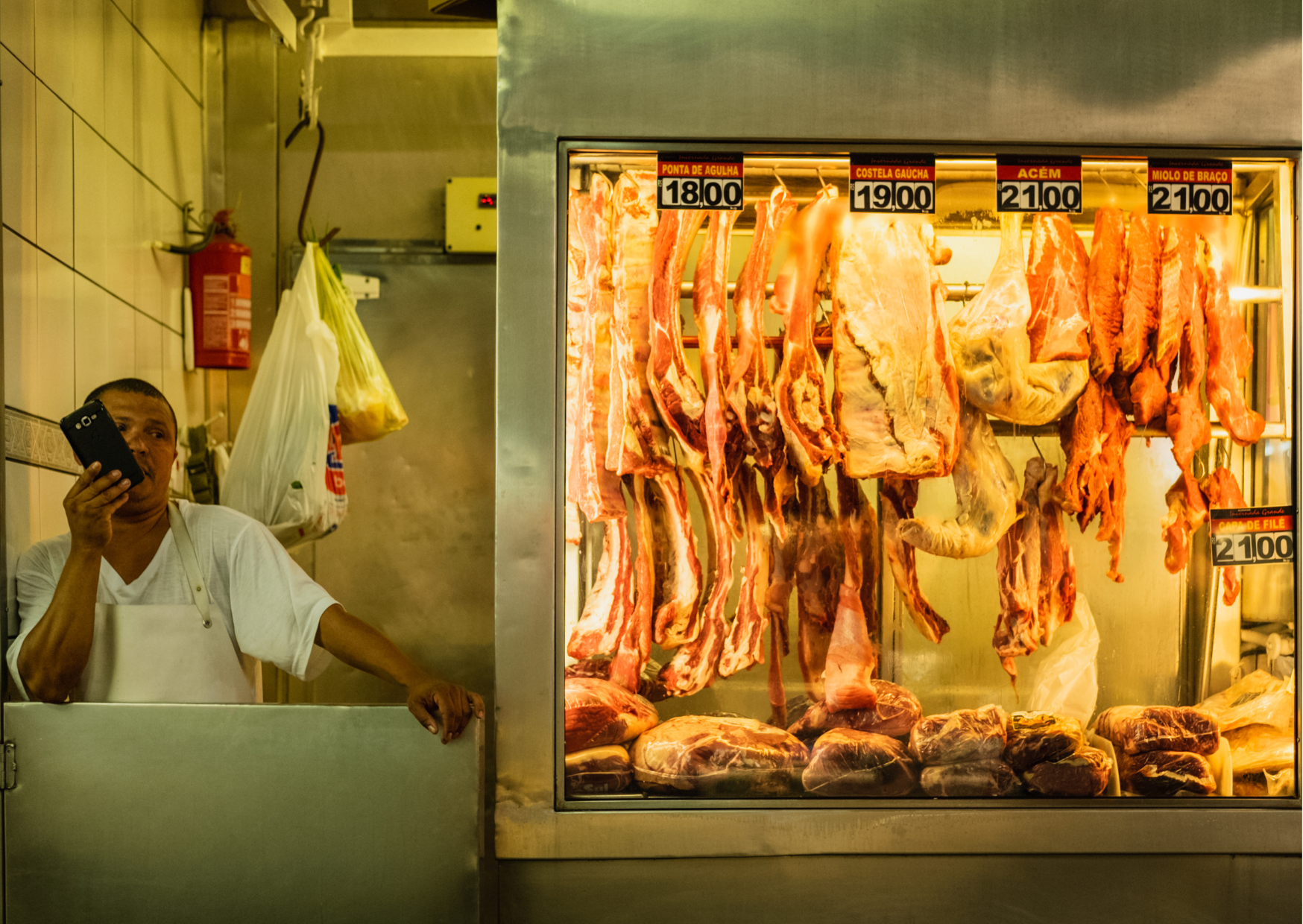
The first time I walked into a Spanish pollería, I asked for chicken breast the way I would have back in the States. Boneless, skinless, maybe a kilo.
The woman behind the counter looked at me like I had requested the moon. She pointed at three whole chickens hanging in the case, each one smaller than what passes for a single breast at Costco, and asked which part I wanted her to cut.
No plastic wrap. No injection plumping. No antimicrobial rinse I would never taste but my liver would certainly process.
That was two years ago. What I did not know then was that the European Union has banned American chicken imports since 1997. Not because of some trade spat, but because the entire approach to getting poultry from farm to table operates on fundamentally different assumptions.
The EU looks at how Americans treat chicken and simply says no.
When our family committed to eating only what Europeans eat for 45 days, tracking high-sensitivity CRP before and after, the numbers told a story the science already predicted. CRP stands for C-reactive protein, a blood marker your liver produces in response to inflammation. The high-sensitivity version of the test catches even low-grade chronic inflammation, the kind that does not make you feel sick today but quietly drives disease over decades.
A 40% reduction in hs-CRP is not magic. It is math. It is what happens when you remove a chronic inflammatory load your body has been quietly fighting for years.
What the EU actually banned and why it matters for your blood work
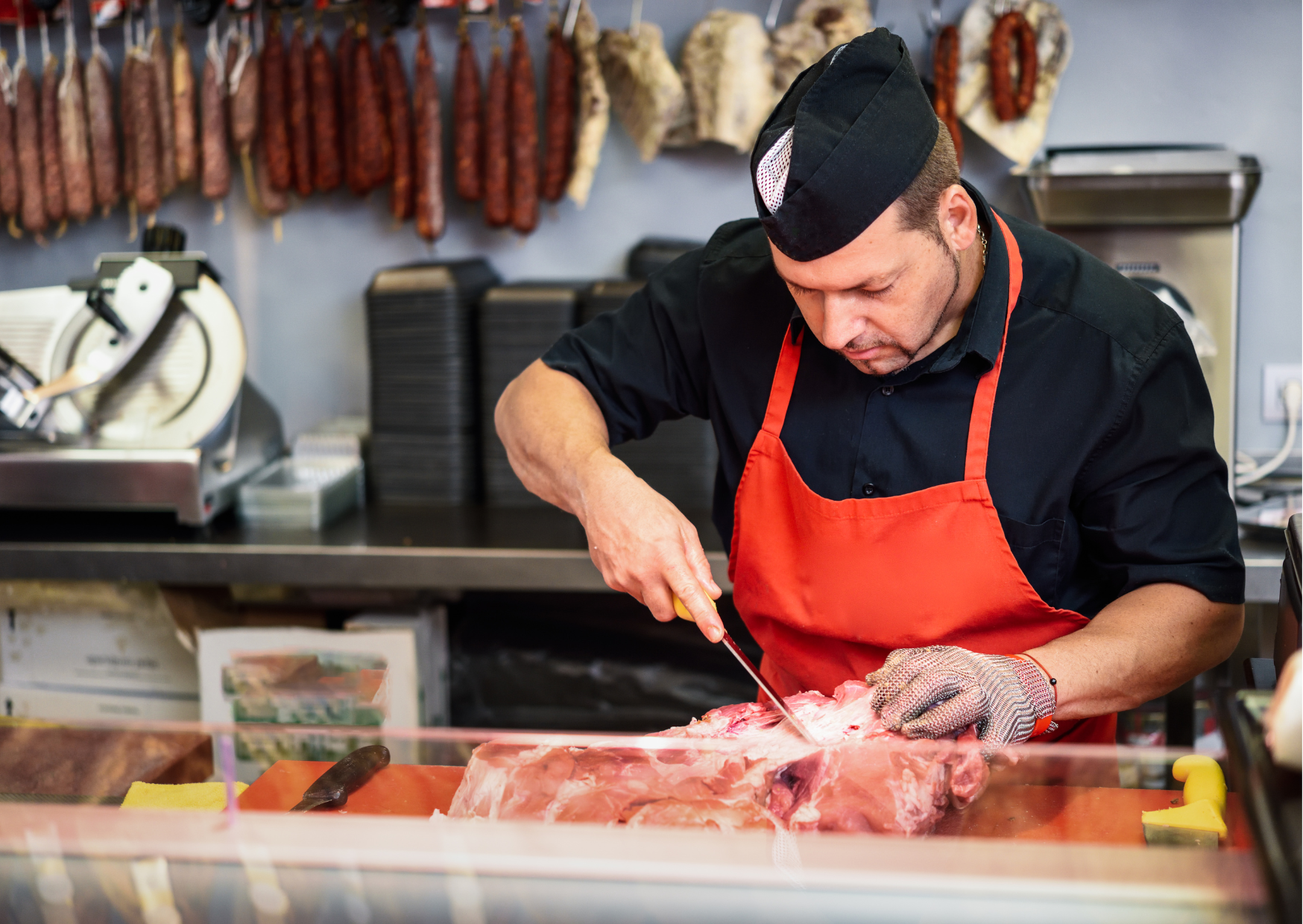
The ban is not technically about chlorine. That is the headline everyone remembers, but the regulation runs deeper.
EU Directive 853/2004 prohibits using anything other than water to decontaminate poultry carcasses. The chemicals banned include:
- Chlorine dioxide – the most commonly cited, used in spray and immersion systems
- Peroxyacetic acid – an antimicrobial wash applied after evisceration
- Trisodium phosphate – reduces bacterial load but leaves residue concerns
- Acidified sodium chlorite – another pathogen reduction treatment
All of these are standard practice in American processing plants. All are designed to kill pathogens that accumulated because birds were raised in conditions that would be illegal under EU animal welfare standards.
The European Food Safety Authority reviewed these washes and concluded they pose no direct safety concern at the concentrations used. That is not why they banned them.
The concern is what the washes allow. When you can chemically sanitize a carcass at the end of the line, you have less incentive to keep birds healthy throughout their lives.
The EU calls this the farm to fork principle. Hygiene has to happen at every stage, not just the final rinse before packaging.
The ultra-processed gap nobody wants to talk about
Here is where the chicken issue becomes a proxy for something larger.
The numbers tell the story:
- United States – 60% of daily calories from ultra-processed foods
- UK and Sweden – around 44% of daily calories from UPFs
- Spain – lower middle range in Europe
- Italy – 14% of daily calories from UPFs, the lowest in Europe
A September 2025 study from Florida Atlantic University analyzed 9,254 adults and found that those consuming the most ultra-processed foods had significantly elevated levels of high-sensitivity CRP. This was one of the largest studies to date examining the direct relationship between UPF consumption and inflammatory markers.
The highest intake group, getting 60 to 79% of calories from UPFs (ultra-processed foods), showed an 11% higher likelihood of elevated hs-CRP compared to the lowest intake group.
Risk factors stacked:
- Adults aged 50 to 59 faced a 26% higher risk
- People with obesity saw an 80% higher risk
- Current smokers showed a 17% higher risk
This is not about willpower or discipline.
When researchers compared staple foods at Walmart and Target against products at Mercadona in Spain and Carrefour in France, they found that even basic items like bread, yogurt, and canned goods carried dramatically more ultra-processed markers in American stores.
The European model proves that large supermarket chains can balance health and affordability. American chains have simply chosen not to.
The chicken you buy at a Spanish market is part of a food system that structurally contains less processing, fewer additives, and shorter ingredient lists. You are not just avoiding chlorine wash. You are avoiding an entire industrial philosophy that treats inflammation as an acceptable cost of convenience.
How CRP works and what your levels tell you
C-reactive protein is produced by your liver in response to inflammation. Doctors order the standard CRP test when they suspect acute infection or injury.
The high-sensitivity version, called hs-CRP, detects much lower levels. This is the test that matters for chronic disease risk. It catches the slow burn of systemic inflammation that predicts heart attacks and strokes independent of your cholesterol numbers.
What the research shows about diet and CRP:
- CANTOS trial – patients who achieved CRP below 2 mg/L saw a 31% reduction in all-cause mortality, proving inflammation reduction matters independent of cholesterol
- Pritikin Center studies – 39% CRP reduction in men, 45% in women, 41% in children within two to three weeks of dietary change
- LIFE diet study – significant CRP decreases in just seven days using dark leafy greens and whole foods
- Linseed oil supplementation – 38% CRP reduction over three months from alpha-linolenic acid alone
The relationship is linear. The lower your CRP, the lower your risk, all the way down.
The science is not ambiguous. What you eat directly affects systemic inflammation, and the effects can be measured quickly. The 40% reduction we saw fits comfortably within what peer-reviewed research predicts.
The weekly rhythm that makes Spanish shopping work

Understanding why European food is different requires understanding how Europeans buy it.
In Madrid, meat and chicken are sold at separate stalls. The carnicería handles beef and pork. The pollería handles chicken. This is not quaint tradition. It reflects specialization.
The person cutting your chicken has done nothing else for twenty years. They know which birds came from which farms. They can tell you how long ago it was slaughtered.
At our local mercado, the chicken case holds maybe six whole birds at any given time. By early afternoon, they are gone. Tomorrow there will be six more.
Our practical rhythm:
- Shopping frequency – twice per week, Monday and Thursday mornings before the good cuts disappear
- Purchase size – only what we eat in the next three days, nothing requiring long-term preservation
- Weekly grocery spend – about 80 euros for a family of three, including all proteins, produce, and staples
- Chicken cost – 6 to 8 euros per kilo standard, 12 to 15 euros per kilo for organic or free-range
This is inconvenient by American standards. It requires planning meals before you shop rather than shopping for possibilities you might cook someday. The refrigerator stays emptier. The cooking happens more often.
But the trade is worth examining. You spend more time in fewer stores. You talk to actual humans who remember what you bought last week. You eat food that was alive much more recently than anything sitting in an American supermarket cooler.
Common mistakes Americans make when they try this
Mistake one: Assuming organic solves everything.
American organic chicken can still be processed with certain approved rinses. The USDA organic label does not mean the bird was raised under EU welfare standards. Organic is a step, but it is not the destination.
Mistake two: Treating this as a chicken-only problem.
If you switch to European-style poultry but continue eating American bread, American snacks, and American packaged foods, you are fighting on too narrow a front. The CRP reduction comes from systemic dietary change, not from swapping one protein source.
Mistake three: Expecting immediate results and quitting too early.
Inflammation markers respond to dietary intervention within days, but meaningful change in how you feel can take weeks. The 45-day frame gives your body time to reduce the chronic load and begin downstream healing. Your joints, your skin, your energy levels – these lag behind the blood chemistry by a few weeks.
Mistake four: Shopping at European supermarkets the American way.
Mercadona sells plenty of ultra-processed garbage. The difference is in how you navigate the store. Skip the center aisles. Buy from the fresh sections. Read ingredient lists.
Mistake five: Underestimating the gut adjustment.
The transition can involve digestive discomfort as your system adjusts to higher fiber and fewer emulsifiers. This is not failure. It is your body remembering what food used to be.
Seven days to start lowering your inflammation markers
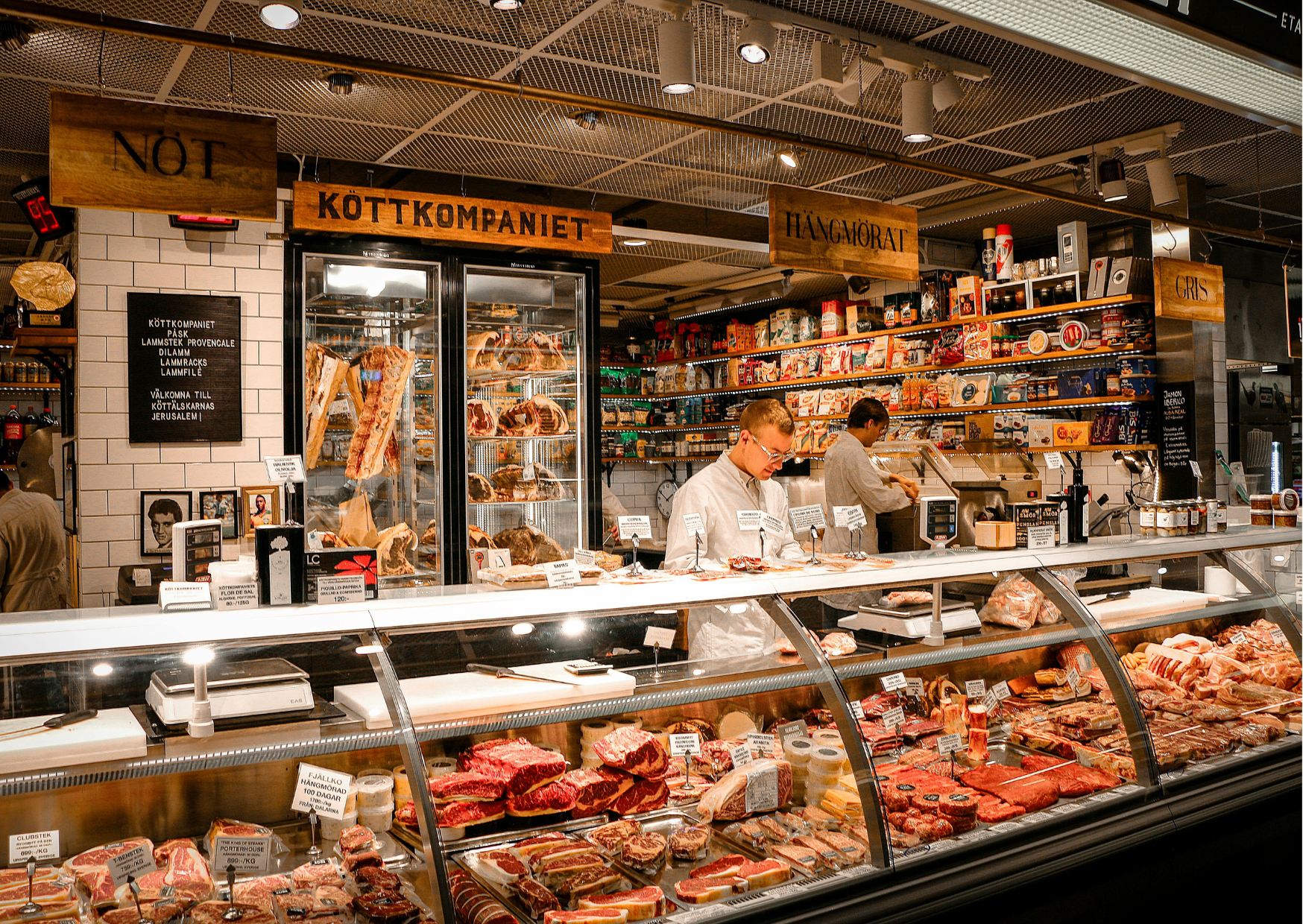
Day one. Find your nearest source of fresh, unprocessed chicken. In Spain, this means a mercado or standalone pollería. In the US, this might mean a farmers market, a butcher who sources directly from small farms, or a specialty shop that prioritizes transparency. Buy a whole chicken and learn to break it down yourself.
Day two. Audit your refrigerator and pantry for ultra-processed foods. Anything with more than five ingredients, anything with ingredients you cannot identify, anything with emulsifiers or stabilizers goes into a separate pile. Just see the scale.
Day three. Cook one meal entirely from unprocessed ingredients. Chicken thighs, olive oil, garlic, vegetables, herbs. Nothing from a package. Notice what this requires in terms of time. Notice what it produces in terms of flavor and satiety.
Day four. Replace one ultra-processed staple with an unprocessed alternative. Packaged bread becomes bakery bread. Soda becomes water. One substitution, fully committed.
Day five. Calculate how many of your weekly calories come from ultra-processed sources. Americans average 60%. Your goal is to get below 30%.
Day six. Plan your meals for the coming week around fresh protein purchased in small quantities. Map out which days you will shop and what you will cook. The logistics matter more than the recipes.
Day seven. If you have access to hs-CRP testing, get a baseline measurement. Many direct-to-consumer lab services offer this for under $50. You want a number to compare against, because the number confirms you are not imagining the change.
What we actually see living with this system
The pollería near our apartment in Móstoles opens at eight and closes at two. The woman who runs it knows my son prefers drumsticks. She sets them aside when she sees me walk in.
This is not exceptional service. This is how neighborhood commerce works when food is not anonymous.
Our son is 13. He spent his first decade eating American chicken, American snacks, American everything. The transition was not seamless.
What we observed over 45 days:
- Week one – complaints about missing certain textures and hyper-palatable combinations
- Week three – complaints faded, new eating patterns normalized
- Week five – his skin cleared up noticeably
- Ongoing – he now prefers the food here and finds American processed snacks too sweet
My husband drives a taxi in Madrid. He packs lunch now instead of grabbing something from a gas station.
The math worked out. Forty minutes of meal prep on Sunday saves ten euros and an unmeasurable amount of inflammatory exposure over the week. He was skeptical. He stopped being skeptical when his chronic joint stiffness decreased.
I am not selling anything here. No program, no supplement, no affiliate link. This is just what happened when we stopped eating food designed to withstand a supply chain and started eating food designed to be eaten soon after it was alive.
The honest trade-offs worth naming
This approach has real costs:
- Money – fresh food costs more and spoils faster, planning failures mean wasted ingredients
- Time – shopping twice weekly instead of once, cooking from scratch instead of reheating, learning skills the American food system spent decades engineering away
- Access – food deserts are real, working multiple jobs is real, lack of cooking facilities is real
- Adjustment – your gut microbiome has adapted to processed food and the transition can be uncomfortable
The choice to eat differently is a privilege, and pretending otherwise is dishonest.
But the health trade is also real.
Elevated inflammation is not a minor inconvenience. It is a predictor of early death from heart disease, stroke, diabetes complications, and cancer. The American food system externalizes those costs onto your body.
The EU made a regulatory choice in 1997 that reflected fundamentally different values about what food should be and what risks consumers should bear.
Living here, eating within that system, we have experienced what those different values produce at the level of blood chemistry and daily life.
The 40% CRP reduction is not the point. The point is that another way of eating exists, it is not that hard to access, and your body notices immediately when you make the switch.
The question is not whether European food standards are better. The question is whether you are willing to eat as if they applied to you, even when the system around you is optimized for something else entirely.

About the Author: Ruben, co-founder of Gamintraveler.com since 2014, is a seasoned traveler from Spain who has explored over 100 countries since 2009. Known for his extensive travel adventures across South America, Europe, the US, Australia, New Zealand, Asia, and Africa, Ruben combines his passion for adventurous yet sustainable living with his love for cycling, highlighted by his remarkable 5-month bicycle journey from Spain to Norway. He currently resides in Spain, where he continues sharing his travel experiences with his partner, Rachel, and their son, Han.