
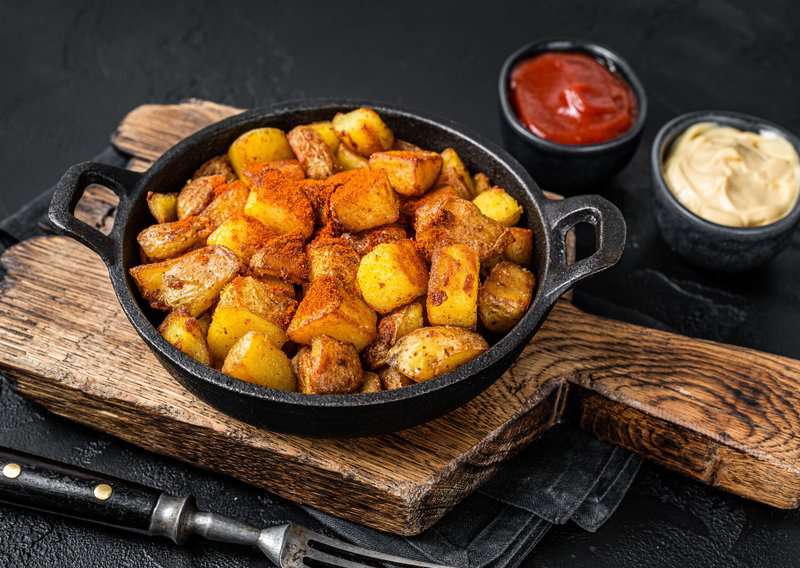
Our full recipe guide on how to make Patatas Bravas one of the most popular tapas in Spain. Apart from Spanish Omelette and the paella, the Patatas Bravas is less complicated to cook.
Patatas Bravas is one of Spain’s most iconic tapas dishes, beloved for its simplicity, bold flavors, and ability to bring people together around the table. Crispy fried potato cubes topped with a spicy tomato-based bravas sauce—and often a drizzle of creamy aioli—create the perfect combination of textures and tastes. Originally from Madrid, this dish has become a staple in tapas bars across Spain, each region adding its own twist to the sauce, whether smokier in the north or with extra garlic in the south.
What makes Patatas Bravas so irresistible is its balance between the crisp golden potatoes and the slightly spicy, tangy sauce that wakes up your palate without overwhelming it. This is comfort food at its finest, yet elegant enough to serve as an appetizer at dinner parties or alongside drinks with friends. The best part is that it’s easy to recreate at home with everyday ingredients, allowing you to bring authentic Spanish flavors to your own kitchen.
In this recipe guide, you’ll learn how to make traditional Patatas Bravas step by step, including tips for achieving the crispiest potatoes and a robust, flavorful bravas sauce. Once you master this classic dish, your tapas nights will never be the same again.
The best Spanish food to try, Breakfast in Spain, and vegetarian food in Spain
BOOK YOUR TRAVEL INSURANCE
Two of our favorite travel insurance: Heymondo Vs Safetwing cheapest travel Insurance. You can get for $135 USD your Heymondo Travel Insurance with Heymondo discount code valid for 90 days. Read our full comparison of Genki vs Safetywing Travel Insurance Review and the comparison Heymondo vs Genki
Best Time to Eat and What to Serve It With
Best time to eat:
Patatas Bravas is traditionally enjoyed as a tapas dish in the late afternoon or evening, often served alongside other small plates with friends. It also works perfectly as a side dish for lunch or dinner, adding a punch of flavor and crunch to your meal.
Perfect pairings:
Side: Pair with other tapas such as Spanish chorizo, olives, garlic shrimp (gambas al ajillo), or manchego cheese for a full tapas spread.
Drink: Serve with a chilled glass of Spanish sangria, a crisp albariño white wine, or an ice-cold beer for the perfect tapas bar vibe.
Dessert: End with a classic Spanish dessert like churros with hot chocolate or flan to complete your authentic Spanish meal.
Patatas Bravas isn’t just a snack; it’s a delicious celebration of Spanish culinary tradition, bringing people together to share laughter, conversation, and unforgettable flavors.
Patatas Bravas may look simple—just fried potatoes with sauce—but in Spain, it’s anything but casual. Every region has a strong opinion about what makes it “authentic,” and locals can instantly tell when it’s been made for tourists. The truth? Most versions served outside of Spain completely miss the mark.
In places like Madrid and Barcelona, the sauce is where the controversy lies. Some insist on a spicy tomato-based sauce, others swear by aioli, and many Spaniards are offended by versions that serve both. Using ketchup or bottled hot sauce is an outright culinary crime in their eyes. Even the way the potatoes are cut—cubes vs. wedges—can spark debate.
Outside of Spain, restaurants often reduce Patatas Bravas to a greasy bar snack. But in its homeland, it’s a point of pride—crispy, golden potatoes with a deeply flavorful, smoky-spicy sauce that reflects the bold flavors of Spanish cuisine. Tourists often get it wrong, and locals aren’t shy about letting them know.
How to Make Patatas Bravas
Patatas Bravas Recipe Ingredients
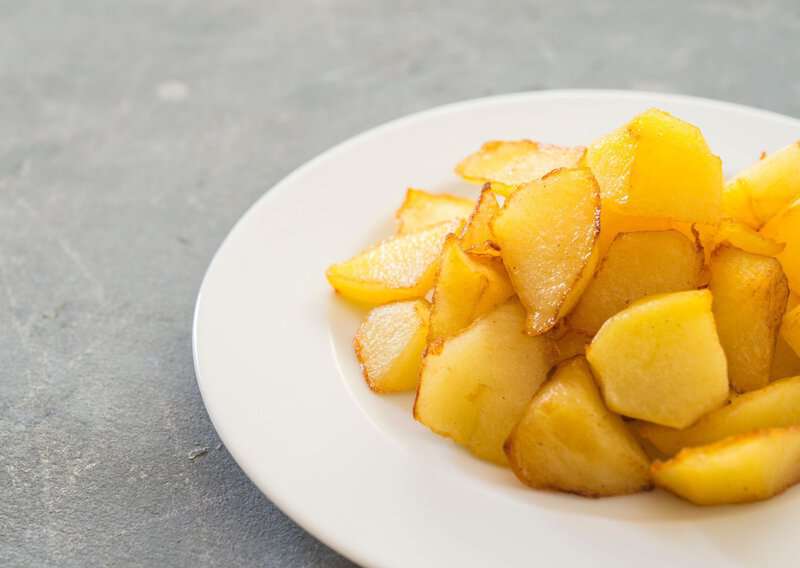
3-4 large potatoes (about 1.5 pounds), peeled and cut into rough 1-inch cubes
Salt
Vegetable oil, for frying
For the Brava Sauce:
1 tbsp olive oil
1 small onion, finely chopped
3 cloves garlic, minced
1 tsp smoked paprika
1/2 tsp cayenne pepper (adjust based on spice preference)
1 can (14 oz) crushed tomatoes
1 tbsp red wine vinegar
Salt, to taste
Optional for Aioli (Garlic Mayo):
1/2 cup mayonnaise
1 clove garlic, minced
1 tbsp lemon juice
Salt
Get the best deals for your home and kitchen needs
Step By Step How to Make Patatas Bravas
1. Prepare the Potatoes
Start by boiling the potato cubes in salted water for about 5-7 minutes until they’re slightly tender but not fully cooked. Drain and let them dry. Heat vegetable oil in a deep fryer or large frying pan to 375°F (190°C). Fry the potatoes in batches until golden and crispy. Remove with a slotted spoon and drain on paper towels. Sprinkle with salt while still hot.
2. Make the Brava Sauce
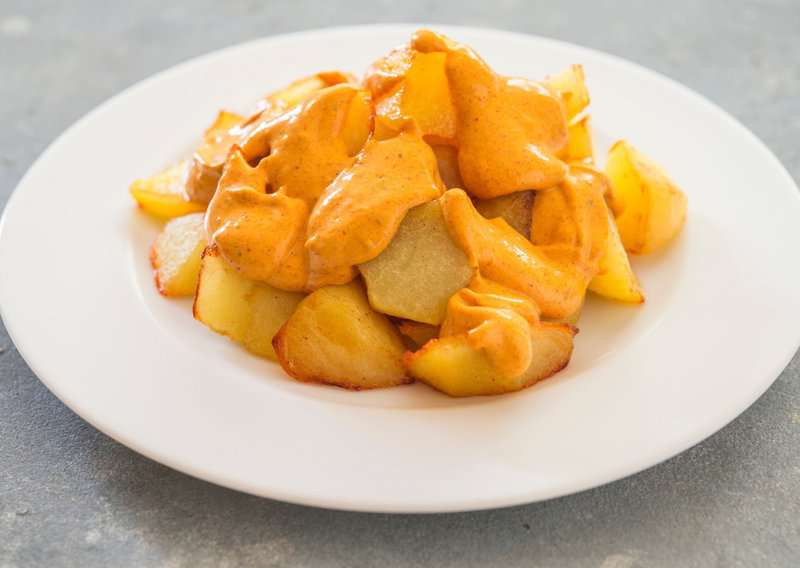
In a saucepan, heat the olive oil over medium heat. Add the onion and garlic, and sauté until the onion is soft and translucent. Add spices and tomatoes: Stir in the smoked paprika and cayenne pepper, cooking for a minute until fragrant. Add the crushed tomatoes and red wine vinegar, and bring to a simmer.
Simmer the sauce: Let the sauce simmer for 10-15 minutes to blend the flavors. Season with salt to taste. For a smoother sauce, blend with a blender or food processor until the desired consistency is reached.
3. Prepare the Aioli (if using)
Mix the aioli ingredients: Combine the mayonnaise, minced garlic, lemon juice, and salt in a small bowl. Mix well until smooth.
4. Assemble and Serve
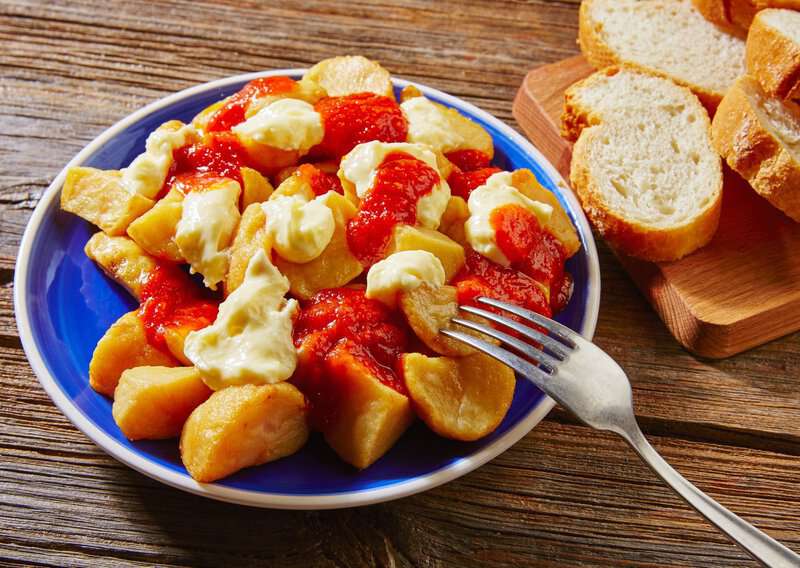
Place the crispy potatoes on a serving plate. Spoon the warm Brava sauce over the potatoes. Drizzle aioli over the top or serve it on the side for dipping. Optionally, garnish with chopped parsley for a touch of freshness.
Tips For Making Patatas Bravas
Boiling the potatoes before frying gives them a softer interior and a crispier exterior after frying.
Adjust the thickness of the sauce with a little water if it becomes too thick. Patatas Bravas are best served hot and fresh. They are a perfect dish for sharing and are commonly enjoyed as part of a larger tapas selection.
How Many Calories Have Patatas Bravas
Patatas Bravas can range between 400 to 600 calories.
A medium potato has about 150 calories, but frying increases the calorie count. Brava Sauce is around 50-70 calories.
Aioli can add around 90-100 calories, depending on the preparation.
Origin and History
Patatas bravas are one of Spain’s most iconic tapas, beloved for their crispy golden potatoes and bold, spicy sauce. The dish originated in Madrid in the mid-20th century, where taverns began serving small plates of fried potatoes topped with a fiery red sauce. The word bravas, meaning “fierce” or “bold,” refers to the dish’s spicy bite something unique in a cuisine that typically favors milder flavors.
As Spain’s tapas culture spread, so did patatas bravas, each region adding its own twist. In Madrid, the sauce is usually made with paprika and vinegar, while in Barcelona, it’s common to see versions topped with aioli or even mixed sauces. The dish became a symbol of casual Spanish dining unpretentious, social, and always served with a cold drink in hand.
Over time, patatas bravas gained global fame, appearing on menus from London to New York. Yet, few international versions capture the simplicity of the original. Authentic bravas aren’t drenched in ketchup or mayonnaise they balance crunch, spice, and tang in perfect proportion. The secret lies in mastering the sauce and frying technique, both of which elevate this humble potato dish into a Spanish classic.
Despite its popularity, patatas bravas have stirred debate across Spain. The first point of contention is the sauce itself. Some insist that the true salsa brava must be tomato-free made only with olive oil, paprika, and flour for a smoky, peppery flavor while others argue that a bit of tomato puree gives it body and sweetness. Every bar in Madrid seems to have its own closely guarded recipe, and locals will passionately defend their favorite.
Another controversy surrounds the texture of the potatoes. Traditionalists demand that the potatoes be fried twice: first at a lower temperature to soften them, then at a higher one to achieve a crisp, golden exterior. However, many modern chefs skip the double-fry method in favor of baking or air-frying, arguing it’s healthier and more convenient. Purists call these versions “fake bravas,” while health-conscious cooks call it evolution.
Finally, there’s the question of toppings. Some regions serve their bravas with aioli or mayonnaise to temper the spice, while others consider that an insult to authenticity. To the Spanish, the beauty of patatas bravas lies in their balance of heat and simplicity anything too creamy or overly decorated risks betraying the essence of the dish.
How Long You Take to Prepare
Authentic patatas bravas are surprisingly simple but require patience for perfect texture. The full process takes about 45 to 60 minutes from start to finish, with most of that time dedicated to frying and preparing the sauce. The potatoes are peeled, cut into irregular chunks (to create more crispy edges), and soaked in water to remove excess starch a crucial step for achieving that signature crunch.
The sauce, meanwhile, takes about 15 minutes to prepare. It begins with sautéing garlic and paprika in olive oil before adding a touch of flour and broth to create a silky, flavorful base. A hint of vinegar or sherry provides acidity, giving the sauce its bold personality. The goal is balance spicy but not overwhelming, smooth but not heavy.
While the dish can be done in one frying session, Spaniards swear by the double-fry technique. The first fry softens the potatoes at low heat, while the second at a higher temperature locks in the crispness. Once finished, they’re tossed lightly with salt and topped with warm sauce just before serving.
Serving Suggestions
Patatas bravas shine as part of a tapas spread, ideally shared with friends over drinks. Serve them hot, topped generously with salsa brava and optionally a drizzle of homemade aioli for contrast. A sprinkle of smoked paprika or chopped parsley adds color and aroma. The dish pairs beautifully with a cold cerveza or a glass of Rioja, the acidity and spice complementing the potatoes perfectly.
For a more modern touch, you can serve bravas alongside grilled seafood, chorizo, or roasted vegetables. They also work well as a side dish to roast chicken or steak. Some chefs even serve them as “bravas bites” on skewers, making them a perfect party appetizer.
No matter how you serve them, timing is key patatas bravas should never sit for long. The sauce is best poured right before eating, so the potatoes stay crispy. In Spain, they’re always eaten fresh, ideally standing at a bar counter with friends, laughter, and the hum of conversation in the background.
Final Thoughts
Patatas bravas are more than just fried potatoes they’re a snapshot of Spanish culture itself: lively, bold, and made for sharing. Each bite tells a story of simplicity perfected through tradition, from the markets of Madrid to the bustling tapas bars of Barcelona. It’s a dish that proves how the humblest ingredients can become extraordinary when treated with care.
What makes authentic bravas special is their honesty. They don’t rely on heavy sauces or fancy plating just well-cooked potatoes, a perfectly spiced sauce, and a respect for craft. When made the Spanish way, they capture the essence of what makes tapas so enduring: food designed to bring people together.
So the next time you crave something crispy, spicy, and comforting, skip the takeout fries and make patatas bravas instead. With a few simple ingredients and a little patience, you’ll taste the warmth of Spain right in your own kitchen and once you do, no other potato dish will ever compare.

About the Author: Ruben, co-founder of Gamintraveler.com since 2014, is a seasoned traveler from Spain who has explored over 100 countries since 2009. Known for his extensive travel adventures across South America, Europe, the US, Australia, New Zealand, Asia, and Africa, Ruben combines his passion for adventurous yet sustainable living with his love for cycling, highlighted by his remarkable 5-month bicycle journey from Spain to Norway. He currently resides in Spain, where he continues sharing his travel experiences with his partner, Rachel, and their son, Han.