
You thought Italian dual citizenship was a paperwork marathon you could run from anywhere in the world. Then the rules shifted, quietly, and the finish line moved.
At kitchen tables from Boston to Buenos Aires, families have long traced lines back to a village, gathered certificates, and walked into a consulate expecting recognition of what Italians call iure sanguinis, citizenship by descent. That door did not slam shut. It did narrow. Italy has tightened who can be recognized from abroad, added clearer “genuine link” expectations, and opened new, faster routes for people with closer ties who are willing to base themselves in the country.
If you are a direct child or grandchild of an Italian citizen, there is still a straightforward path from abroad. If you are further out, you may need to rethink your plan: either show a stronger connection, use a residency track that now runs on shorter timelines, or use a new reacquisition window if your family once held Italian passports and lost them under older laws. The point is not to scare you. It is to show you what actually changed, who still qualifies without moving, and how to adapt so your time and money go toward a plan that still works.
Quick and Easy Tips
Confirm your eligibility using current regulations, not outdated online summaries.
Start document collection early; processing time matters as much as qualifications.
Consult Italy-based professionals who track policy interpretation, not just law text.
Many people believe citizenship laws only change through major announcements. In reality, Italy often adjusts interpretation, enforcement, or procedural requirements quietly, reshaping outcomes without rewriting statutes.
Another uncomfortable truth is that ancestry alone doesn’t guarantee access. Documentation standards, generational limits, and administrative discretion increasingly determine success, not just lineage.
There’s also resistance to the idea that “later” may not be an option. Applicants often delay, assuming citizenship pathways remain open indefinitely. History shows the opposite: windows narrow far more often than they expand.
What makes this topic controversial is that it challenges complacency. Italy isn’t closing its doors outright, but it is refining who gets through and how. Those who recognize the shift early gain leverage; those who wait may find the path far steeper than expected.
What Actually Changed In 2026
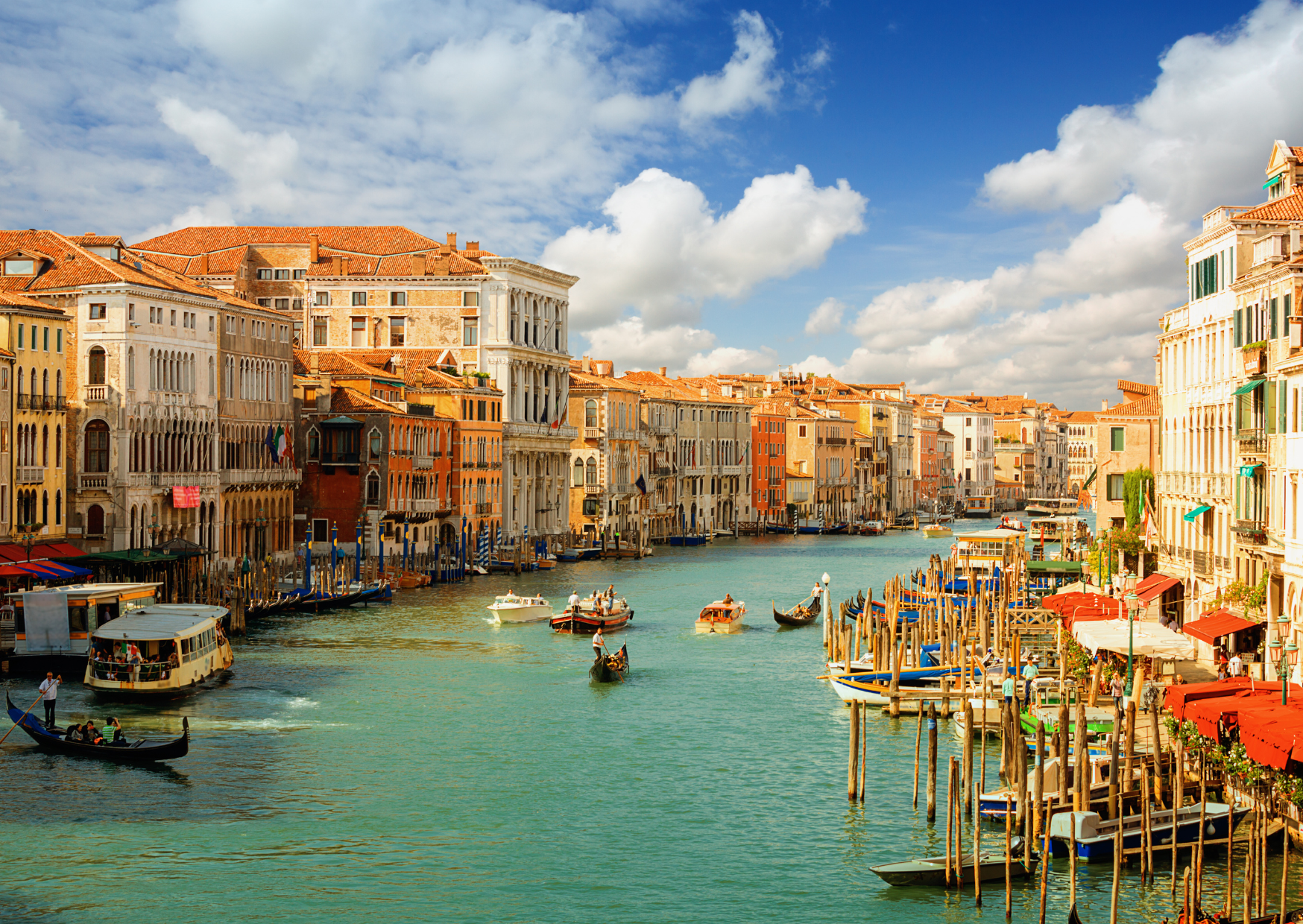
Italy remains a country that allows dual citizenship, and it continues to recognize Italian nationality through ancestry. What changed is the threshold for automatic recognition from abroad and the way the law prioritizes close generational ties and real-world connection.
The government approved a reform package that converted a spring decree into law, updated the 1992 citizenship statute, and instructed consulates and town halls on how to apply the new standards. The headline shifts you will feel:
- Automatic recognition by descent from outside Italy is now focused on “children and grandchildren.” If you are a son, daughter, or grandchild of an Italian by birth, you can still be recognized through consulates abroad, provided you document the line and do not run into disqualifying events in the chain. If your link is further out, there is no blanket ban, but the expectation is that you show a closer connection or choose a route that includes legal residence in Italy before citizenship. Children and grandchildren remain the core, further generations face tighter gates, connection matters more.
- A new “genuine link” lens is in play. Interior Ministry guidance asks caseworkers to look for real ties that go beyond paper chasing. Language study, time spent in Italy, and family continuity weigh more than they used to when you apply from abroad. Genuine link is no longer a slogan, it shapes decisions, paper plus presence beats paper alone.
- Timelines shortened for close family who live in Italy. If you hold legal residence in Italy and have a parent or grandparent who is or was Italian by birth, you can naturalize sooner than before. Residence years were reduced, which means living in Italy became a faster, cleaner path for many people who once planned only consular filings. Shorter residency track, parent or grandparent tie helps, Italy favors people on the ground.
- A reacquisition window opened for former Italians. If your family lost citizenship under older rules before Italy changed its stance on dual nationality in the 1990s, there is now a time-limited way to reacquire. That matters for families whose parents or grandparents were once Italian and lost status by naturalizing elsewhere. Reacquisition is back, time window exists, help for families who lost status decades ago.
These are not rumors. They come from the decree that became law, the Foreign Ministry’s consular pages, Interior Ministry circulars to town halls, and consulate updates that reframe appointments and checklists.
Who Still Qualifies From Abroad, Without Moving

Many Americans can still complete recognition entirely through a consulate. The difference is that “who” is defined more tightly, and “what you bring” needs to look more like a real connection than a scavenger hunt.
- Direct children and grandchildren of an Italian by birth remain the clearest cases. If your mother or father was Italian, even if you were born abroad, you prepare the usual chain of certificates, deal with name changes and naturalization records, and present a clean file. If your grandparent was Italian by birth and never broke the chain in a way that disqualifies you, you can still be recognized. Parent or grandparent by birth, unbroken chain, consular route still works.
- Maternal and paternal lines are treated equally for modern births, so the old idea that only the father’s line “counts” is long gone. The gender of the ancestor is not the gate for most people applying today. Line through women is valid, gender parity is normal, focus on documents and continuity.
- Minors riding a parent’s recognition are under new, clearer rules. When a parent is recognized, the inclusion of minor children follows a set of conditions, and consulates now publish those specifics. This closes the casual assumption that everyone around the table is “automatically added” without paperwork. Children can still ride the parent’s file, but the conditions are explicit, submit what the consulate asks.
- If your link is further back, plan to show language, time in Italy, or shift to the residency track below. The new guidance nudges distant descendants away from automatic recognition at consulates unless they can show more than certificates. Distant links face higher proof, Italian life beats paper, residency is the pragmatic pivot.
The practical takeaway: the consular lane still exists, but it is built for close family and well-documented files. If your case sits outside those contours, your energy is better spent on a route Italy is now making faster for residents.
The New Paths If You Are Not A Child Or Grandchild

Italy tightened abroad-first recognition, then quietly made life easier for people who build ties inside the country. Three routes stand out.
A shorter residency route for close descendants. If you legally reside in Italy and have a parent or grandparent who is or was Italian by birth, the law now lets you naturalize after fewer years than the standard path. That is a large shift, because it no longer forces someone with a strong family tie to wait as long as a stranger. Live in Italy, count fewer years, use your family tie.
A new window for reacquisition. If your family lost Italian citizenship under older rules that once penalized people who naturalized abroad, there is a reopened deadline for reacquiring status, especially if the former citizen was born in Italy or resided there continuously for two years and lost citizenship before the 1990s changes. For some families this is not theory, it is the fastest path to restore what was lost. Lost under old law, born in Italy or long resident, use the reacquisition window.
The classic long-stay tracks still work, some with better timelines. Marriage to an Italian, long residence on a proper permit, and special family routes remain pillars. The state has clarified documents, kept the language bar where it was for naturalization, and told town halls and prefectures to align practice. If you were already planning to study, work, or retire in Italy, the citizenship horizon is clearer than it was a few years ago. Marriage and residence routes remain, language bar still applies, practice aligned by circulars.
The message is consistent: if you base yourself in Italy, especially with close lineage, you move faster and cleaner than you would from a consulate queue abroad.
If You Already Started: What Carries Over And What Does Not
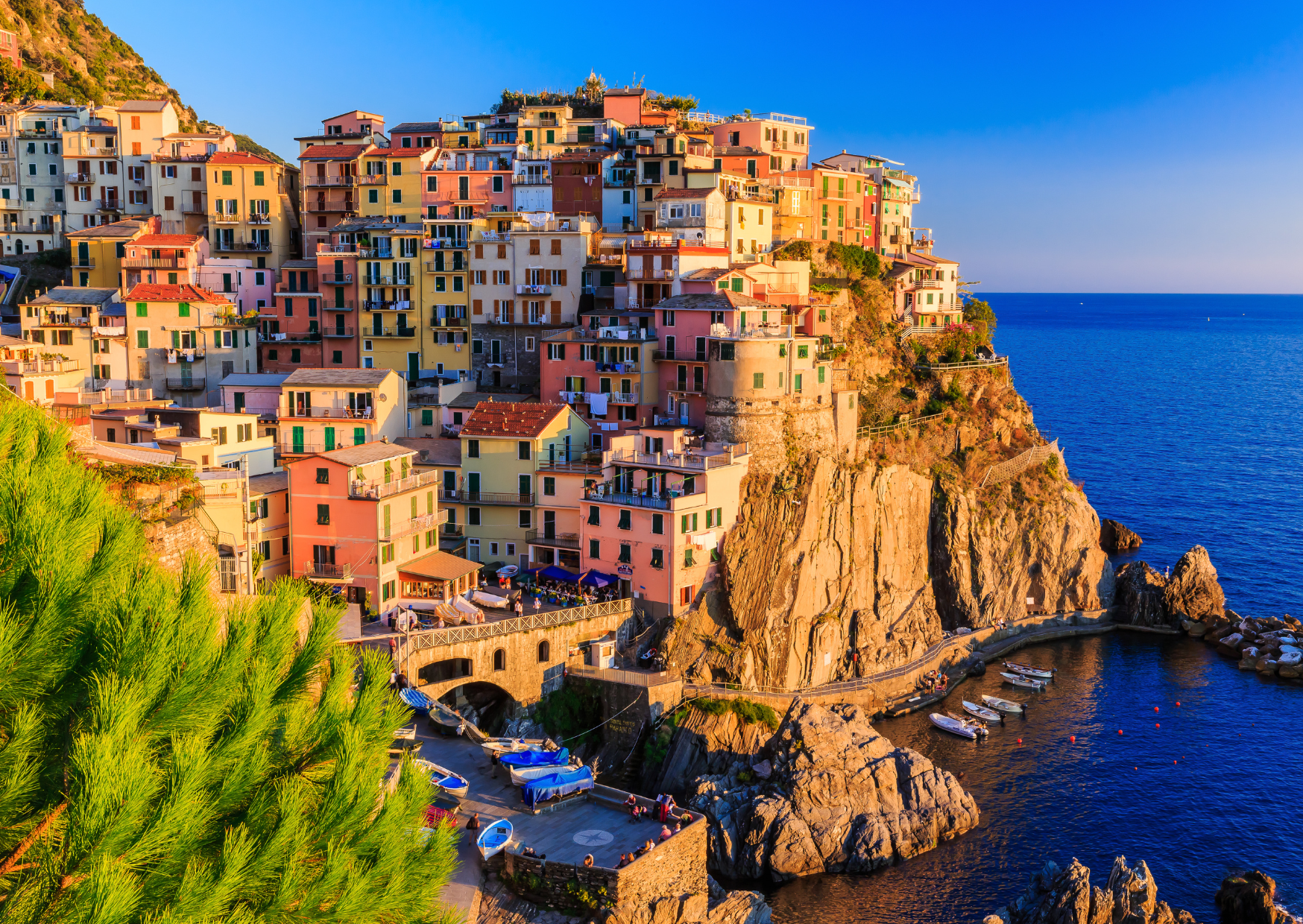
Plenty of people booked consulate appointments months ago or filed in court under the old playbook. The administration has addressed these in updates and circulars so people know which rules apply from which date.
- Appointments booked and files accepted before the cutover generally run under the earlier standard. Consulates have said this plainly in their public pages and in appointment systems. If you were already in the pipeline, the state is not trying to rug-pull families mid-process. Old appointments honor old criteria, check your consulate’s note, bring every document anyway.
- New appointments booked after the change are screened under the new law and guidance. Expect closer-generation focus, proof of connection if you are further out, and stricter expectations for record continuity. New calendars, new rules, screening happens up front, quality of file decides speed.
- Court cases and special situations continue, but the evidentiary bar is now described more tightly. Where people once won on creative arguments with sparse ties, a judge will now expect sharper proof that someone is not just passport shopping. Courts still hear complex claims, proof bar higher, connection beats convenience.
- Minors tied to a parent’s recognition are now handled under a single set of national instructions. If you were relying on a consulate’s old habit, assume the new policy applies and prepare the child’s documents to the letter. One standard for minors, no automatic add-ons, paper must be right.
If you are midstream, the safest habit is to print your consulate’s current page, follow its latest list, and keep one eye on Interior Ministry circulars that town halls follow for local registrations.
Paperwork And Proof: What The Government Expects Now

Italy did not invent a new bureaucracy. It clarified the one you already met. The difference in 2026 is that offices are working from the same script and that script leans into connection, clarity, and clean chains.
- Document trail that closes every gap. Birth, marriage, death, name changes, and naturalization records still anchor the file. The bar for apostilles, certified translations, and exact name matching is higher because offices were told to reduce second visits for corrections. Every record aligned, apostille and sworn translation, names must match.
- Proof of a real tie when you apply from abroad. Consulates now look favorably on recent stays in Italy, Italian language learning, contact with Italian family, or participation in Italian civic life. You do not need a scrapbook, you need a credible picture that supports the request. Connection evidence helps, language and visits count, credibility is the point.
- Clearer rules for children and dependents. If a parent becomes Italian, minors can still be included, but with named documents and timing that consulates publish. Do not assume that a parent’s recognition drags everyone along automatically. Minors included by rule, bring the named proofs, watch timing carefully.
- Language and civics where naturalization is the route. For residence and marriage tracks, the language requirement remains and town halls were told to apply it consistently. If you follow those routes, plan to document language level and submit on time. Language proof remains, town halls aligned, submit complete files.
The theme is simple. Good files move. Messy files bounce. The reform gave officials a reason to be exact, so you have a reason to be disciplined.
No, Italy Did Not Ban Dual Citizenship
There is confusion online that “Italy banned duals.” That is not what happened. Italy still recognizes dual citizenship and still issues passports to those who qualify. What changed is who qualifies from abroad without living in Italy first, and how far the law stretches across generations without additional proof.
If you become Italian, Italy does not ask you to renounce your U.S. citizenship. You will hold two passports. Your obligations will follow residence and tax residency, not the color of your passport. Italy abolished compulsory military service years ago, so the old draft myths are relics. Dual status remains, obligations follow where you live, no conscription waiting in the wings.
This distinction matters. The country did not flip from open to closed. It shifted from paper-first to people-first, meaning it favors those with close ties or a life in Italy over distant claims filed from overseas queues.
Four Clean Ways Americans Can Still Get An Italian Passport
If your plan was “consulate someday,” sketch a decision tree that reflects the new reality. There are four main lanes left, each legitimate.
- Child or grandchild of an Italian by birth, applying abroad. Build a perfect document chain, fix every name discrepancy, and follow your consulate’s current list. Expect to show connection, even if the law does not define it as an exam. Close family, clean file, consulate calendar.
- Close descendant willing to live in Italy. Move on a proper residence permit, register locally, and use the shorter residence timeline tied to a parent or grandparent who is or was Italian by birth. This can be faster than waiting years for a distant-file recognition that may no longer be available. Residence in Italy, reduced years to naturalize, transparent local process.
- Reacquisition for families who lost citizenship under old rules. If a former citizen in your line lost status before the 1990s because of naturalization elsewhere, read the reopening window closely. This is the sleeper lane that restores citizenship to families who thought their line was closed forever. Former Italian in the chain, reopened reacquisition, time window to act.
- Marriage or long residence. The classic path still works. Marry an Italian and follow the published timeline and language requirement, or live in Italy long enough on a proper permit to qualify by residence. The reform did not kill these. It clarified them and, in some cases, shortened waits when you have close Italian ancestry. Marriage and residence still viable, language bar in place, instructions unified.
Pick the lane that matches facts you can prove, not a romantic idea. Italy is signaling that it will meet you halfway if you meet it where it lives.
The Common Mistakes In 2026, And Better Moves Instead

A few habits now waste months. They are easy to avoid.
Relying on a great-grandparent from abroad, with no ties. This was once plausible. Today you will be asked for more than a tree. Either build a connection that looks real, or pivot to residence where your lineage shortens the wait.
Assuming your child is “automatically covered.” New consular notes spell out how minor children are included when a parent is recognized. Bring the exact documents and follow the timeline. Do not leave a child to a second appointment for lack of a translation.
Treating every consulate the same. The law is national, but offices post different checklists and appointment policies. Your evidence lives in that page’s bullets. Do not guess. Print, highlight, deliver.
Waiting for a mythical grandfather clause. Offices have honored accepted files and booked appointments under the old standard, then switched to the new one. If you are outside that line, waiting does not help. Rebuild under current rules or change lanes.
Skipping the reacquisition note. Families with Italian-born former citizens who lost status before the 1990s often overlook this. If that is you, the reopened window might be your fastest road, with fewer fights.
What This Means For You
Italy did not slam the door on the diaspora. It moved the hinges. Families with close ties can still complete recognition from abroad. Distant descendants will be asked to show connection or to build a life in Italy first. People who lost citizenship under old rules have a new window. Residents with an Italian parent or grandparent can naturalize sooner.
If you have been saving documents for years, do not throw them away. Sort them into the lane that still works. If you are a child or grandchild of an Italian by birth, finish your file and book the right office. If you are further out, treat Italy’s signal as an invitation to study the language, spend time in the country, or move for a season on a proper permit and use the shorter residency timeline your family earns you. And if your line ended because of older laws, read the reacquisition rules now, because they run on a clock.
The romance of a passport is fine. The reality is better. Italy is telling you what it values. Answer with ties you can show, rules you can meet, and a path that is still open in 2026 and beyond.
Italy’s shift on dual citizenship isn’t loud or dramatic, which is exactly why it matters. Policy changes that happen quietly tend to catch people off guard, especially those who assume eligibility rules remain frozen in time. Waiting for clarity often means missing opportunity.
What’s most striking is how these changes affect long-term planning. Citizenship isn’t just a passport; it shapes residency rights, work options, taxation, and generational security. Subtle adjustments today can close doors years from now.
For many applicants, the biggest mistake is assuming that intent matters more than timing. Italian bureaucracy rewards those who act under the rules as they exist now, not as they were or as people hope they’ll be.
The takeaway is not panic, but awareness. Understanding the direction of policy even when it’s understated—allows you to make informed decisions before momentum shifts again.

About the Author: Ruben, co-founder of Gamintraveler.com since 2014, is a seasoned traveler from Spain who has explored over 100 countries since 2009. Known for his extensive travel adventures across South America, Europe, the US, Australia, New Zealand, Asia, and Africa, Ruben combines his passion for adventurous yet sustainable living with his love for cycling, highlighted by his remarkable 5-month bicycle journey from Spain to Norway. He currently resides in Spain, where he continues sharing his travel experiences with his partner, Rachel, and their son, Han.