
Few dishes are as beloved in Spain as the humble tortilla española, often simply called Spanish tortilla or potato omelette. This classic dish combines just a handful of ingredients potatoes, eggs, olive oil, and salt into something far greater than the sum of its parts. Golden on the outside and tender within, it is a staple of Spanish homes, bars, and cafes, eaten at all times of day and served at gatherings both casual and festive.
For many Spaniards, the best tortilla is always the one made by their abuela (grandmother). There is something deeply nostalgic about watching her patiently slice potatoes, fry them in generous olive oil until tender, then combine them with beaten eggs to create a thick, comforting omelette that smells of home. Every family has its own method, from slightly runny centers to firm slices perfect for tapas platters.
In this recipe guide, you will learn how to make authentic tortilla española just like a Spanish grandmother, with tips on texture, seasoning, and flipping the tortilla with confidence. Whether you’re hosting tapas night, preparing a brunch dish that impresses, or simply craving Spanish comfort food, this recipe will become a timeless addition to your kitchen repertoire.
What is Tortilla Española?
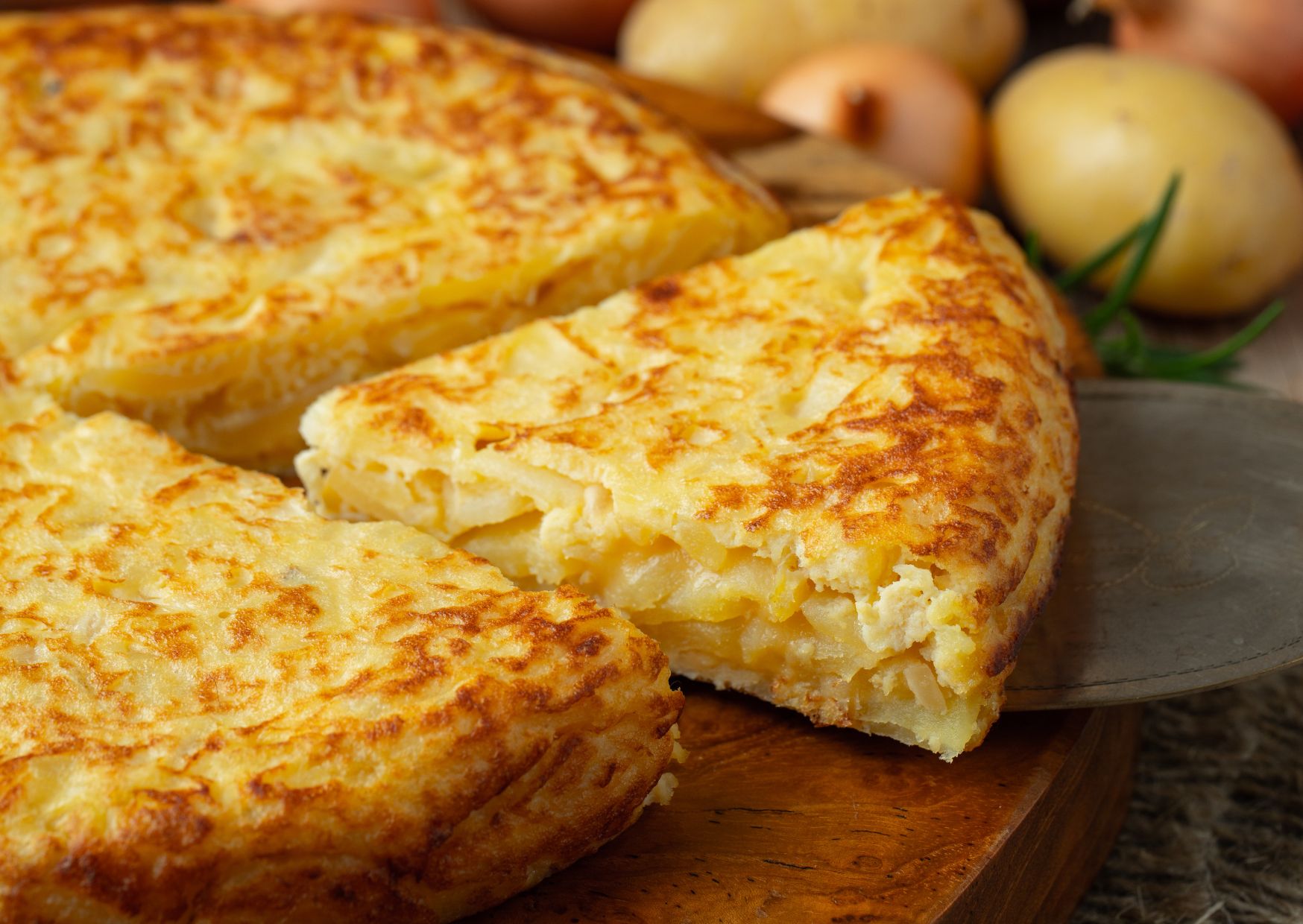
Also called tortilla de patatas, this iconic dish is a thick, golden omelet made with just eggs, potatoes, olive oil, and often onions. It’s a staple in Spanish households—served warm or cold, for breakfast, lunch, or tapas.
In Spain, it’s not uncommon to hear:
“This is my abuela’s version—it’s the best one.”
And truthfully, each family has their own twist.
The best Spanish food to try, Breakfast in Spain, and vegetarian food in Spain
Why This Dish Matters in Spain
Tortilla Española is more than just food—it’s tradition. Passed from grandmother to mother to child, it’s a recipe that carries memories, care, and cultural pride.
Whether you eat it hot off the stove or as a leftover wedge in a bocadillo (sandwich), one thing is true: when made with love, tortilla tastes better.
Best Time to Eat and How to Partner
Spanish tortilla is incredibly versatile and eaten any time of day in Spain. It is enjoyed as a light breakfast with coffee, as a mid-morning snack (almuerzo) with crusty bread, as a tapa or pincho with drinks, or as a simple dinner alongside salad.
To partner tortilla española authentically, serve it with pan con tomate (bread rubbed with tomato and olive oil) and a simple green salad with sherry vinaigrette. For drinks, pair it with Spanish red wine, crisp dry sherry, or even a cold cerveza to recreate the bar tapa experience at home.
One controversial truth about tortilla española is the “with onion or without onion” debate. Spaniards are fiercely divided on whether a true tortilla includes sweet sautéed onions (con cebolla) or remains purely potatoes and eggs (sin cebolla). Both versions have loyal camps, with each side claiming theirs is the only authentic way to honor this dish.
Another often misunderstood aspect is texture. Outside Spain, tortilla is often overcooked into a dense frittata-like dish. In Spain, many prefer it slightly runny in the center (jugosa), which keeps it moist and flavorful. Flipping the tortilla at just the right moment is a skill abuelas pride themselves on, and mastering this defines your tortilla-making status in Spanish households.
Finally, while tortilla española is internationally marketed as “Spanish omelette,” its cultural place is far deeper. In Spain, it is a dish of humility and pride, eaten by everyone from students to royals. Treating it as just another egg dish misses its role as a culinary unifier across generations, social classes, and regions.
Spanish Tortilla Abuela’s Ingredients (Serves 4–6)
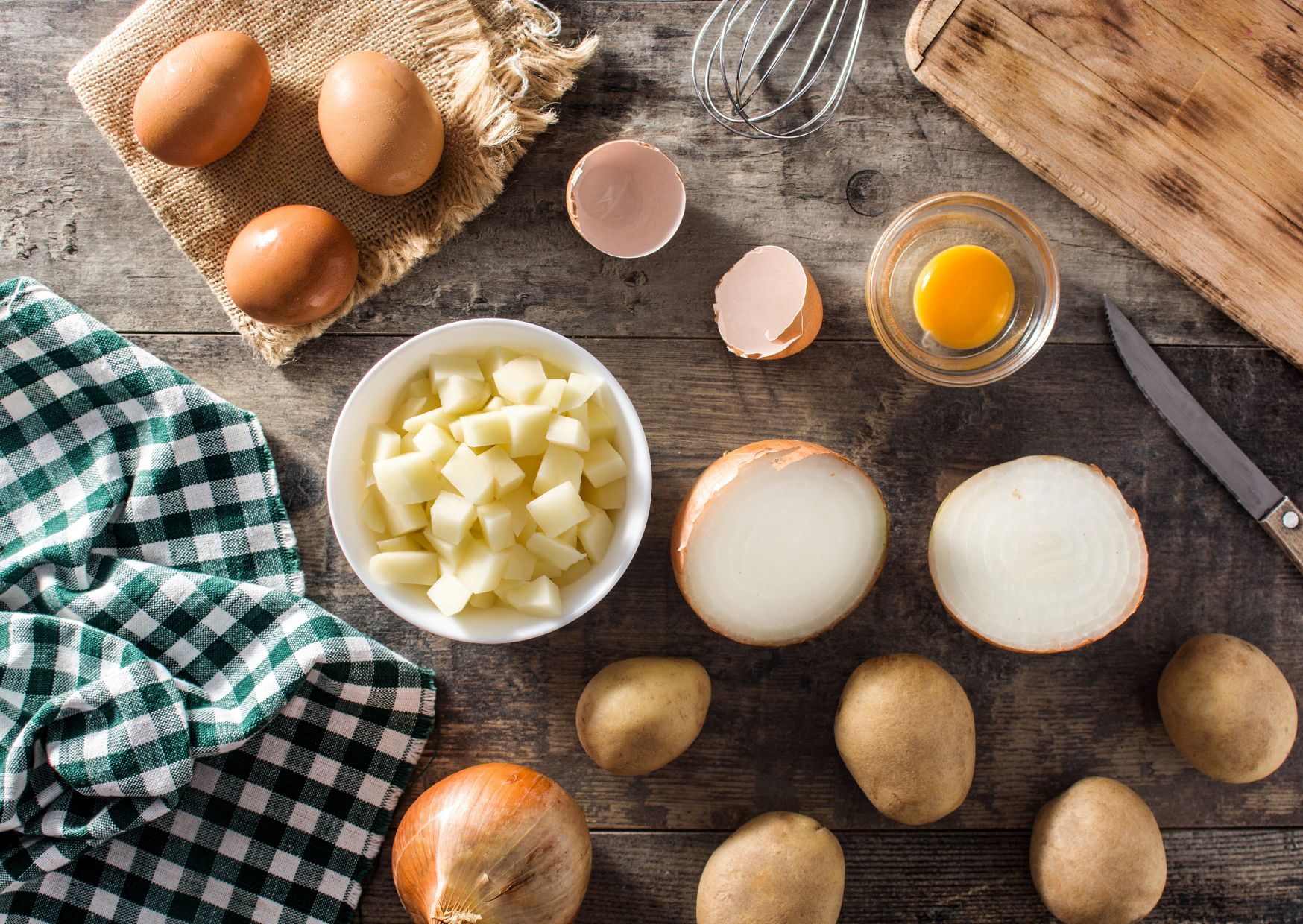
6 large eggs
4 medium potatoes (waxy variety like Yukon Gold or Spanish Monalisa)
1 medium yellow onion (optional but traditional in many homes)
1 cup extra virgin olive oil (don’t worry, most is drained after frying)
Salt to taste
How a Spanish Grandmother Prepares It
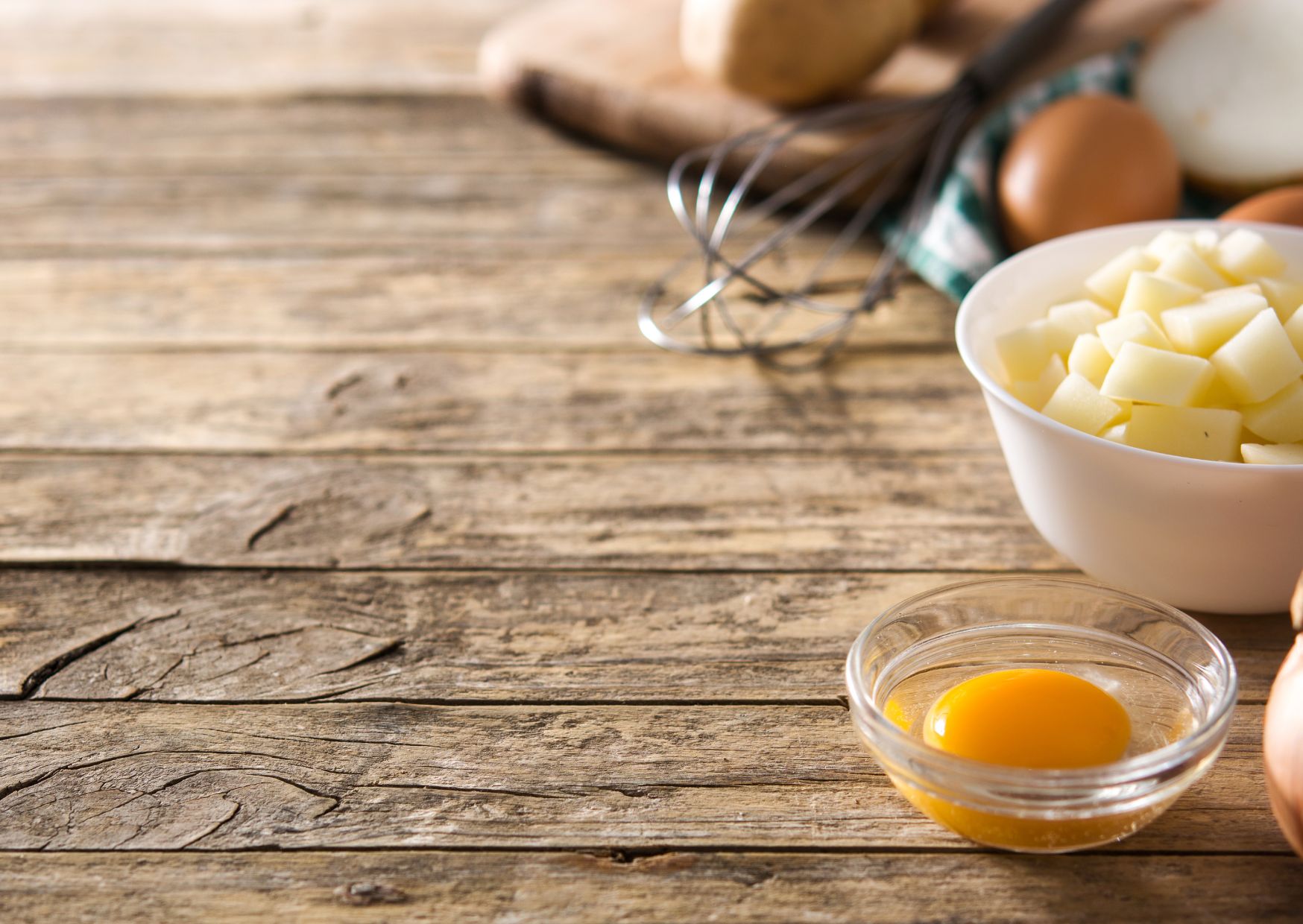
Peel and Slice the Potatoes
Cut potatoes in thin slices, about 1/8 inch thick. Dice the onion if using.
Tip from Abuela: “Cut the potatoes evenly so they cook at the same pace.”
Fry Gently in Olive Oil
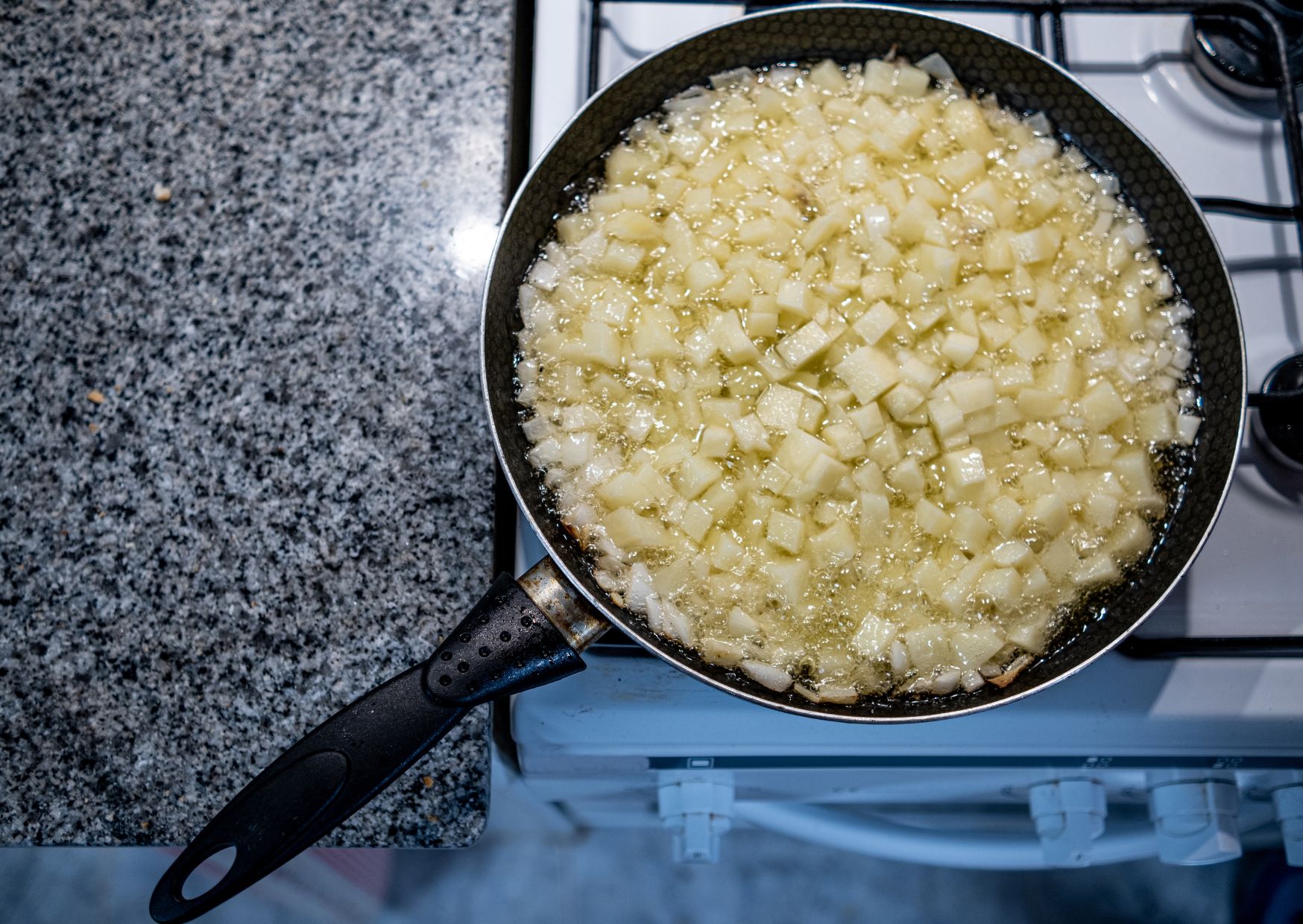
In a large nonstick or traditional pan, heat olive oil over medium-low heat.
Add potatoes and onions. They should simmer gently, not fry hard.
Cook for about 15–20 minutes, stirring occasionally, until tender but not browned.
Tip from Abuela: “Don’t rush. The potatoes must be soft, not crispy.”
Drain and Cool
Remove potatoes and onions with a slotted spoon.
Let them cool slightly in a bowl.
Save a tablespoon of the oil for later.
Beat the Eggs
Beat eggs in a large bowl with a pinch of salt.
Add the slightly cooled potato-onion mixture and stir gently.
Tip from Abuela: “Let them rest together 5–10 minutes so the eggs soak into the potatoes.”
Cook the Tortilla
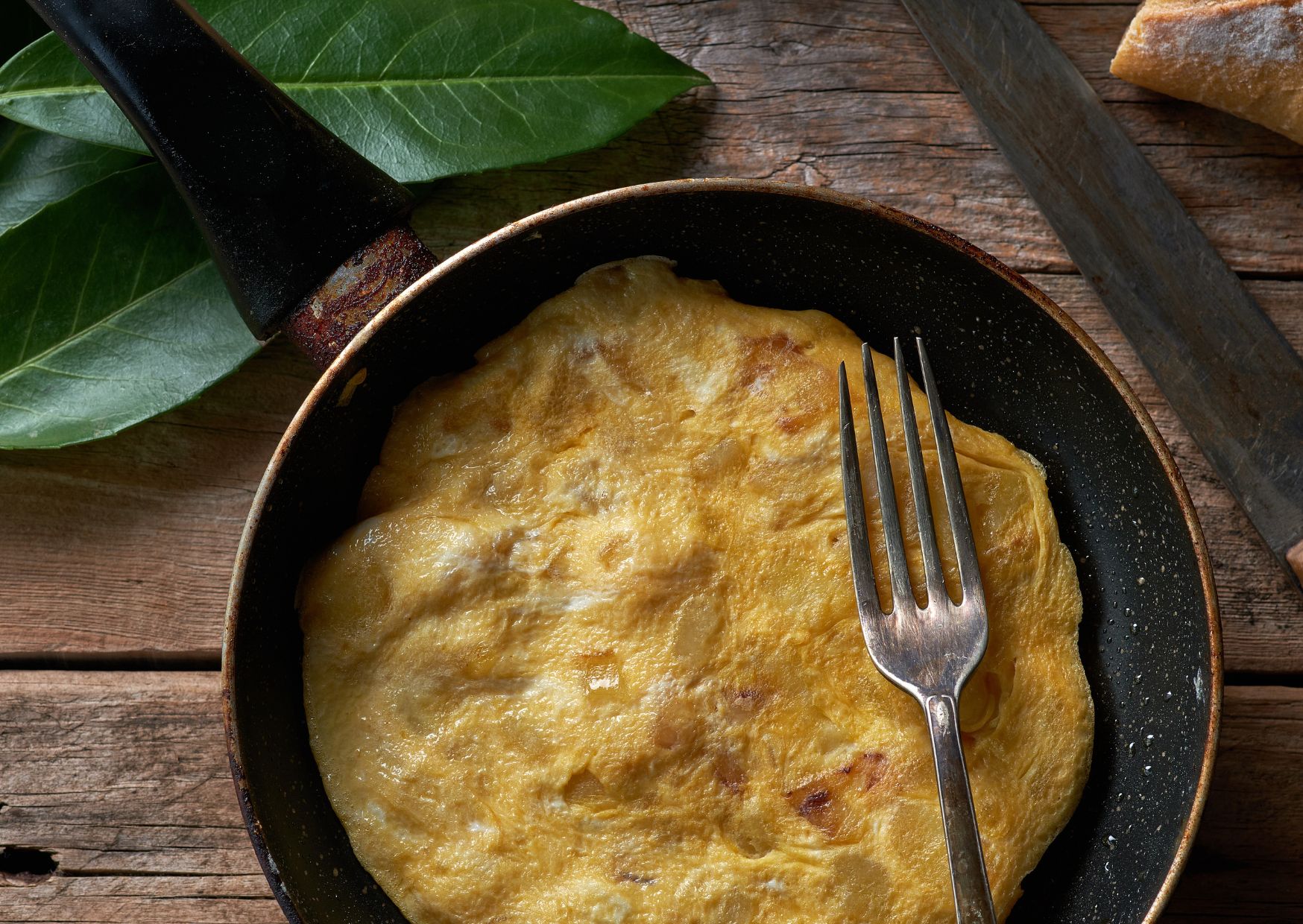
Heat 1 tablespoon of reserved oil in a smaller nonstick or seasoned pan (about 8–9 inches) over medium heat.
Pour in the mixture.
Cook on medium-low for 5–7 minutes.
Shake the pan occasionally to prevent sticking.
Flip the Tortilla (The Classic Move!)
When the edges are firm and the bottom is golden, place a flat plate over the pan, hold firmly, and flip the tortilla onto the plate.
Slide it back into the pan, uncooked side down.
Cook another 3–5 minutes until set to your liking.
Tip from Abuela: “Some like it gooey inside, others firm. You choose your style.”
Cool Slightly & Serve
Let it rest for 10 minutes before slicing.
Serve warm, at room temp, or cold (yes, it’s delicious straight from the fridge).
Tips from Spanish Grandmothers
Onions or no onions? That’s a family debate in Spain! Most grandmas include them for sweetness.
Don’t skimp on olive oil—good quality makes all the difference, and most is drained.
Use a well-seasoned or nonstick pan to prevent sticking when flipping.
Serve with pan con tomate, a simple salad, or as a tapa with wine.
Spanish Tortilla Nutrition Info (Approx. per slice, 1/6th of tortilla):
Calories: ~220
Protein: 8g
Fat: 14g
Carbs: 16g
Fiber: 2g
Sodium: ~180mg
Nutrition will vary slightly depending on oil retained and if onions are included.
Origin and History
The Spanish tortilla, or tortilla de patatas, is one of the most iconic dishes in Spain, but its roots are far simpler than its fame suggests. The earliest known versions date back to the 18th and 19th centuries, when rural families relied on potatoes and eggs as affordable, filling staples. These ingredients were abundant, inexpensive, and easy to transport, making the tortilla a practical solution for feeding large households and farm workers. What started as a peasant dish gradually became a national favorite.
The evolution of the tortilla was also shaped by Spain’s distinct regional cultures. In northern regions like Navarra and the Basque Country, early records show villagers preparing thick potato-and-egg omelets seasoned lightly with salt. As the recipe spread, each region added its own touches—more onions in one province, a thinner style in another. The dish gained popularity not because it was elaborate, but because it was nourishing, comforting, and endlessly adaptable.
By the 20th century, the tortilla had become a symbol of home cooking. Families often had their own closely guarded techniques, passed from one generation to the next. “Abuela’s tortilla” became a phrase that meant more than just food; it represented tradition, family gatherings, and the kind of cooking that could bring people together. Today, the Spanish tortilla remains one of the country’s most treasured dishes.
Few dishes spark stronger debate in Spain than the tortilla, especially the question of whether onions belong in it. The divide between con cebolla and sin cebolla loyalists is fierce, with each side insisting theirs is the only authentic version. Onion supporters argue it adds sweetness and depth, while purists claim the potato and egg need no embellishment. This debate is so passionate that it often surfaces in political jokes, family arguments, and even culinary competitions.
Another point of controversy is texture. Some Spaniards insist the tortilla must be gooey in the center, soft enough to ooze slightly when cut. Others believe this style is undercooked and prefer a firmer, fully set interior. The argument often comes down to regional tradition and personal nostalgia. What one family considers perfection, another considers unacceptable.
Even the technique for flipping the tortilla creates disagreement. Traditionalists argue it must be flipped confidently by hand using a plate, while others embrace modern shortcuts like finishing it in the oven. To some, these shortcuts betray the spirit of the dish; to others, they represent practical kitchen evolution. These debates only prove how deeply the tortilla is woven into Spain’s culinary identity.
How Long You Take to Prepare
A classic Spanish tortilla typically takes 35 to 50 minutes to prepare, depending on technique and preferred texture. The process begins with slicing potatoes thinly and cooking them slowly in olive oil until soft. This step alone can take around 20 minutes, as rushing it prevents the potatoes from reaching the creamy consistency the dish is known for.
Next comes the mixing stage. The potatoes are combined with beaten eggs and, if desired, onions that have been sautéed gently to release their natural sweetness. This mixture should rest briefly to allow the flavors to meld. The resting period also helps create the signature custard-like interior that defines a well-made tortilla.
The final step is cooking the assembled mixture in a pan over medium heat, forming a golden crust on each side. Flipping the tortilla adds a few minutes, and the total cooking time varies depending on whether you prefer a runny center or a firm, fully set texture. With patience and attention to heat, the tortilla comes together in a smooth, balanced process.
Serving Suggestions
Spanish tortilla is a versatile dish that fits comfortably into any meal of the day. Serve it warm or at room temperature with a simple green salad for a light lunch. The creamy eggs and tender potatoes pair beautifully with crisp lettuce and a tangy vinaigrette. This combination highlights the tortilla’s richness without overpowering it.
For a more traditional Spanish experience, enjoy tortilla slices as part of a tapas spread. It pairs naturally with crusty bread, roasted peppers, marinated olives, and cured meats. When cut into cubes or wedges, the tortilla becomes an ideal bite-sized snack for gatherings or casual meals. A side of alioli or romesco sauce adds a flavorful touch without overshadowing the dish.
Tortilla also works well as a breakfast or brunch option. Serve it alongside fresh fruit, jamón, or even a small bowl of gazpacho during warmer months. Its simplicity makes it easy to combine with a wide range of flavors, and its comforting texture ensures it satisfies at any time of day. When stored properly, leftover tortilla tastes even better the next day, making it perfect for picnics, packed lunches, or quick bites on the go.
Final Thoughts
Spanish tortilla is proof that the simplest dishes often carry the deepest meaning. With only a handful of ingredients potatoes, eggs, onions (if you dare), olive oil, and salt this recipe manages to deliver comfort, nostalgia, and soul in every bite. For many Spaniards, it’s not just food, but a link to family kitchens, childhood memories, and the warmth of gatherings around the table.
What makes tortilla Española remarkable is its versatility. It can be enjoyed hot or cold, for breakfast, lunch, dinner, or tucked into a crusty baguette as a bocadillo. It’s equally at home in a tapas bar in Madrid or on a picnic blanket by the sea. This adaptability has helped it earn its reputation as Spain’s true comfort food unpretentious, filling, and universally loved.
Ultimately, making Spanish tortilla at home is about more than mastering a recipe. It’s about honoring tradition, sharing a dish that has been passed down through generations, and discovering the joy that comes from transforming the simplest ingredients into something extraordinary. In a world full of complex dishes, the tortilla reminds us that comfort lies in simplicity.

About the Author: Ruben, co-founder of Gamintraveler.com since 2014, is a seasoned traveler from Spain who has explored over 100 countries since 2009. Known for his extensive travel adventures across South America, Europe, the US, Australia, New Zealand, Asia, and Africa, Ruben combines his passion for adventurous yet sustainable living with his love for cycling, highlighted by his remarkable 5-month bicycle journey from Spain to Norway. He currently resides in Spain, where he continues sharing his travel experiences with his partner, Rachel, and their son, Han.
Jim McCoomb
Saturday 12th of July 2025
This looks delicious, but I have one clarification to ask. The instructions say to slice the potatoes 1/8" thick, but the photos appear to show the potatoes diced, like the onions. Should the potatoes be diced?
Michelle
Sunday 28th of September 2025
@Jim McCoomb, I had the same thought. Hope you get your answer. I’m going for the diced 1/8” thick potatoes since it also said stir occasionally and slices are difficult to stir.