
One family, one ordinary year, and the exact choices that turned a shaky arrival cushion into a real safety fund in Porto.
They landed with $50,000 after selling the minivan and clearing a few high-interest balances. Year one was messy. Visa fees, deposits, buying winter coats for kids who had never met Atlantic rain. The cushion dipped, then steadied. Year two looked different. Same jobs, better systems, and fewer surprises. By month twelve, their balance read $85,000.
This is not a hack. It is a repeatable mix of housing math, transport, food, school rhythm, tax timing, and paperwork that stops leaks. If you want a realistic path from “we barely made it” to “we can sleep,” this is the map we wish someone handed us in week one.
Want More Deep Dives into Everyday European Culture?
– Why Europeans Walk Everywhere (And Americans Should Too)
– How Europeans Actually Afford Living in Cities Without Six-Figure Salaries
– 9 ‘Luxury’ Items in America That Europeans Consider Basic Necessities
Quick and Easy Tips
Track spending monthly in local currency to see real patterns, not estimates.
Choose walkable neighborhoods to eliminate transportation creep.
Lock in long-term housing early to protect against seasonal price swings.
Many people assume savings growth abroad requires extreme frugality. This case shows the opposite. The family didn’t cut joy; they cut inefficiency. Lower costs didn’t reduce quality of life they removed financial noise.
Another uncomfortable truth is how expensive “normal” life is in the U.S. Childcare, insurance, transportation, and convenience fees quietly cap savings potential. In Porto, those systems operate at a lower baseline, changing outcomes without heroic effort.
There’s also resistance to the idea that stability grows wealth faster than hustle. This family wasn’t optimizing income; they were optimizing predictability. That stability made saving automatic instead of aspirational.
What makes this controversial is the implication: many financial struggles aren’t personal failures. They’re geographic mismatches. Once location aligns with lifestyle and income, growth stops being forced and starts becoming inevitable.
Our Starting Point In Year Two
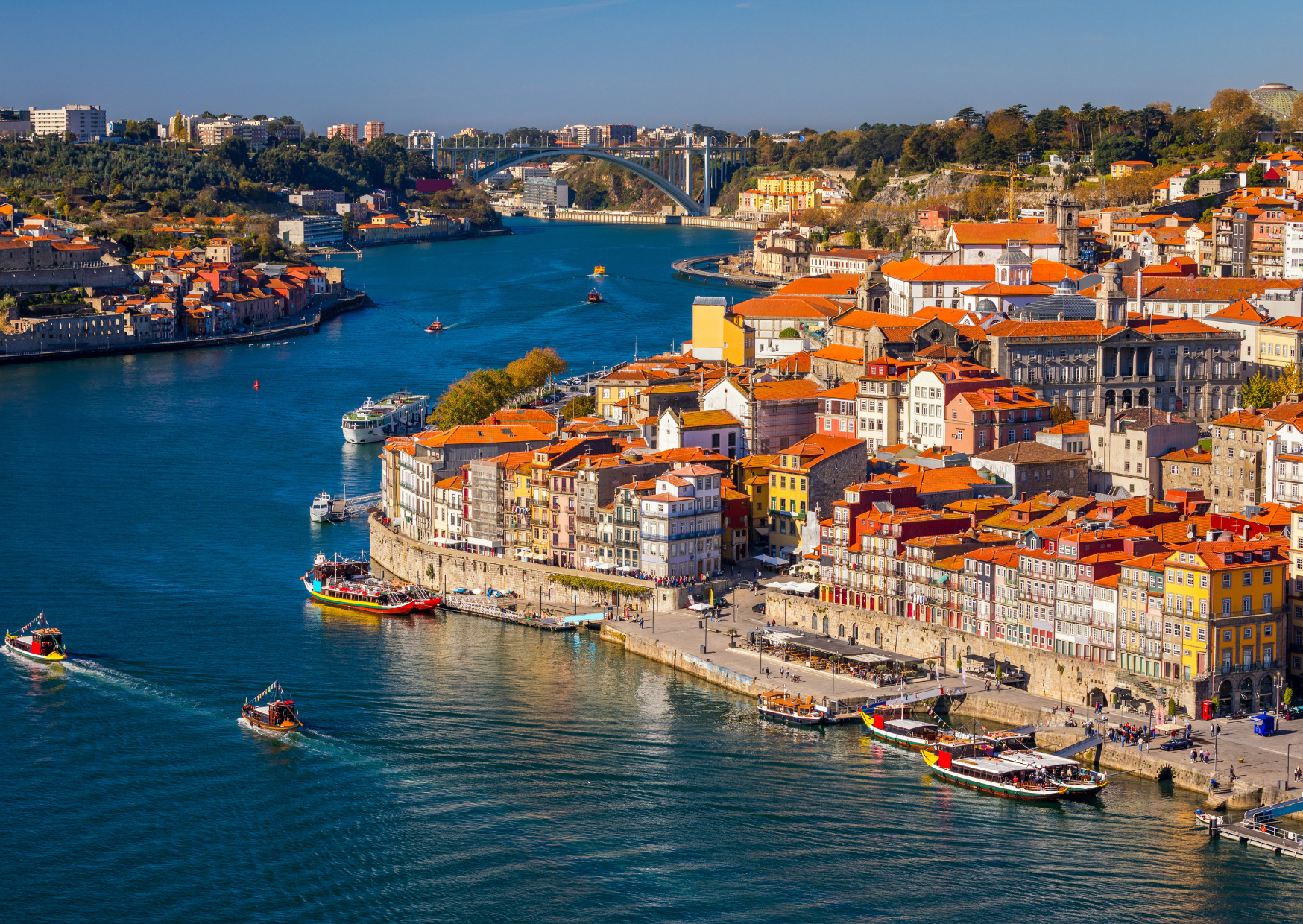
We are a family of four. One full-time remote U.S. income in dollars, one part-time local freelance income in euros. We rent a two-bedroom in Bonfim. We use public transport and walk. We do not own a car. We arrived with $50,000 parked across a U.S. high-yield account and a Portuguese bank current account for bills.
What changed at the one-year mark. Year one was all setup: residence permits, furniture, kids’ school supplies, language classes. By month thirteen, the noise fell away. We had a rhythm for rent, utilities, and food. We understood Andante passes and could read utility bills. We stopped overbuying “just in case.”
The number goal. Add $35,000 to savings in a single year without feeling deprived. The lever was not a single big cut. It was five quiet shifts that compounded: rent choice, transport, groceries, tax timing, and fees we stopped paying.
Why Porto, not Lisbon. We chose Porto because we could put most of our income into time with our kids and the savings cushion instead of rent. Average asking rent sits lower here than Lisbon in 2025, and commute times are shorter when you plan zones well. For our profile, the trade was worth it.
The Budget That Made The Surplus

The math lives month by month. Here is our steady-state budget from Year Two, averaged across twelve months. We list euros where we pay in euros and show the U.S. dollar approximate for clarity.
Income, monthly average
- Remote U.S. net pay: $6,200 (after U.S. deductions)
- Local freelance net: €550 (varied; after simplified regime costs)
- Total in USD terms: roughly $6,800–$7,000, depending on the rate
Fixed costs, monthly
- Rent (T2 in Bonfim): €1,200. We took a second-year renewal instead of chasing a cheaper outer parish. The time saved in school runs kept freelance hours alive. “Pay a little more, earn a little more” was true for us. Typical Porto asking averages hover near €1,216, so we were right at market for size and location.
- Utilities: Electricity €95 in shoulder months, €130 winter. Regulated tariffs rose about 2.1% for 2025; our annualized average ended near €110.
- Water + trash: €35–€40
- Fiber internet: €30 for 1 Gbps promo, then €32 after promo. 1 Gbps for €30 is normal in 2025.
- Phones: €24 each on SIM-only, total €48
Transport
- Two Andante passes, Metropolitan: €80 total (€40 each). We upgraded from 3-zone to Metropolitano because weekend trips across zones got annoying. If you mostly stick to 3 contiguous zones, it is €30 each. Pass prices held for 2025.
Food
- Groceries: €520–€580 depending on months. Fresh fish once a week, markets for greens, supermarkets for staples.
- Eating out: €120–€180. We kept café breakfasts and bakery stops, but swapped tourist-center dinners for neighborhood tascas and home cooking.
Kids
- School lunches and supplies: €70–€100 average.
- Activities: €60–€100 depending on term.
Healthcare
- Public first, private backup. We used SNS for GP and vaccines, and a basic private plan for faster specialist visits. Our plan was €12–€18 per adult monthly. Copays exist; they are small.
Everything else
- Clothes, gifts, small travel: €150–€250 averaged.
Bottom line. In a typical month we spent €2,400–€2,650. With income near $6,800–$7,000, we could bank $3,000–$3,500 without squeezing, plus occasional freelance spikes. Exchange rates moved, but the surplus existed in both currencies. The rest of the $35,000 came from interest on the U.S. side and two months with unusually strong freelance work.
The Five Quiet Moves That Mattered Most

1) We cut the car fantasy and mastered zones. A car in Porto looks cheap until you add insurance, parking, and fuel. We stayed car-free and planned life around Andante. Two Metropolitano passes at €40 each meant unlimited buses, metro, and suburban trains across the network. Not owning a car freed €250–€400 a month in forgone costs.
2) We chose a renewal over a reset. We considered moving for a €100 cheaper rent. The move would have cost a van, new deposits, and a lost week of freelance billables. We stayed put, negotiated minor fixes, and kept stability as a money tool. The second-year lease stabilized our budget when many friends were still chasing listings.
3) We switched groceries to the 80–20 rule. Eighty percent at a value supermarket within walking distance, twenty percent at markets and specialty shops. Walking distance mattered because delivery fees and impulse add-ons were killing us. Cooking one more dinner per week and packing two more school lunches changed the month.
4) We did paperwork once, properly. We updated residency cards, tax numbers, and bank details before expiry dates. Accounts do not get frozen for fun. They get restricted when files go stale. No fees, no late panic, no wasted days. (See our banking piece for the autumn checklist.)
5) We mapped tax timing. U.S. filings, Portuguese returns, and VAT at 23% on a few services meant we had to plan cash flow. We set monthly reserves for taxes so no quarter felt like a cliff. The benefit was psychological and real. No penalty interest, no frantic selloffs.
The Big Tickets: Housing, Utilities, And Internet

Housing is the whole game. Our €1,200 T2 was the anchor. We vetted handovers carefully and refused “six months up front” unless it came with a real concession. We did not chase sub-€1,000 outskirts because the time cost backfired for our work and school. Market context in 2025 puts Porto’s average near €1,216, with neighboring municipalities cheaper if you can add commute time. If your workday is flexible, Paredes and Maia often present value. We paid a premium for walkability and earned it back in hours.
Utilities were predictable in Year Two. ERSE approved 2025 tariffs with a moderate increase that we built into the budget. We set standing orders for electricity and water so nothing went late. Winter bills ran higher but not scary. Power strips, LED bulbs, and drying racks made more difference than we expected.
Fiber is a quiet win. 1 Gbps at ~€30 is normal, sometimes less on bundle promos. Remote work felt smooth, video calls never dropped, and we never overbought mobile data. The key was haggling at renewal and switching provider once. We valued reliable upload speeds more than TV bundles.
Transport: Why Two Passes Beat One Car
Andante is the cheat code. In 2025, Andante 3Z is €30, Metropolitano is €40. That flattened the city for us. We planned schools and lessons within those zones. The airport sits Z4 from center for occasional trips, and single tickets stayed sane. We loaded one Gold card per adult, validated every ride, and never worried about parking fines or inspections. The Metropolitan Council kept prices steady for 2025, which meant the line item did not surprise us.
What we did with the savings. That extra €300–€400 we did not spend on car costs went directly into the U.S. savings account. We stopped thinking of it as “maybe money” and treated it like rent we pay our future selves.
Food: The Three-Meal Routine That Saved Hundreds
We did a simple rotation.
- Breakfast at home five days a week.
- Two packed lunches for adults on heavy workdays, three for kids.
- Four dinners cooked, two neighborhood meals, one freezer night.
Where the money moved. Farmers’ markets for greens and fruit, supermarket for staples and dairy, fishmonger once a week. We learned Portuguese grocery sales cycles, bought olive oil and canned goods on promo, and kept a “base pantry” so last-minute takeout did not win.
The café trap we escaped. We still took coffees at the counter, but we swapped brunches for lanche and cut fancy desserts to once a week. All the small wins added up to €100–€150 monthly.
School, Health, And Kid Costs
Public school basics are affordable. We bought supplies in September and spread extracurriculars across the year. Sports and music cost less than in the U.S., and the after-school club kept freelance windows open.
Health felt sane. The SNS handled most needs. Our low-cost private plan let us see a specialist within a week when we needed it. Prescriptions were cheaper than back home. We kept a small cash reserve for dental and glasses. Paying small copays felt like a financial exhale.
Banking, Currency, And The Interest Nudge
We used two rails. Everyday life ran on euros in a Portuguese account. Savings stayed in dollars in a U.S. account. Interest rates were friendlier stateside in early 2025 than on Portuguese savings, so the cushion grew faster there. We paid ourselves in euros on a set schedule so exchange rates did not drive our mood.
Fees we refused to pay.
- No dynamic currency conversion at shops. We always chose to pay in euros.
- No random ATM fees. We used our Portuguese card for local cash and kept one U.S. card with fee refunds for travel.
- No late fees. We turned on bank alerts and lined up payments before due dates.
Why the cushion lived in the U.S. It was not tax arbitrage. It was simplicity and yield. We declared what we needed to, kept documents clean, and let the rest earn quietly.
Taxes: The Month We Almost Tripped, Then Didn’t
Two systems, one calendar. We throttled money out of the U.S. account into euros after setting aside U.S. estimates. On the Portugal side, we tracked the small freelance invoices and paid on time. VAT at 23% on a few services surprised us once; then it was just a line item. We did not get cute. We got organized. The reward was no penalties and calm Aprils.
What we would tell anyone. Set separate subaccounts named “U.S. taxes” and “PT taxes.” Move money the day you get paid. Empty the tax subaccounts only to pay taxes. That is how the cushion grows uninterrupted.
Where The Extra $35,000 Actually Came From
Housing stability: choosing renewal over churn saved one relocation’s worth of costs and a week of lost work.
Transport choice: €80 in passes beat car math by €300–€400 monthly.
Groceries: an 80–20 supermarket-to-market mix saved €100–€150 monthly.
Banking hygiene: no frozen accounts, no emergency couriers, no late fees.
Interest and two strong freelance months: the last $8,000–$10,000 of the year’s gain.
Stack those and you hit $35,000 without a lottery ticket.
Exactly How You Can Replicate The Year Two Jump
Pick housing for life, not Instagram. If your commute, schools, and shopping work inside 3 zones, a €30 Andante 3Z may beat a car for years. If your weekends cross the map, the €40 Metropolitano is freedom. Start with transport, back into neighborhoods.
Do paperwork the month before it expires. Residence cards, tax IDs, bank profiles. The cheapest euro in Portugal is the fee you never pay.
Make a pantry, not a plan to be perfect. Four cooked dinners, two out, one freezer night is enough. Fail less, save more.
Use two currencies on purpose. Spend in euros, store the emergency fund where interest is higher, and automate a monthly euro paycheck from yourself.
Name your subaccounts. “Rent,” “Utilities,” “Groceries,” “Taxes,” “Cushion.” Money goes where it has a job.
What We Would Change For Year Three
We will test a room swap. The kids are older. A T2 with better sound matters more than proximity to one specific lesson. We will look one parish over where value is higher at the same rent.
We will upgrade one pass to 3Z again for a term. Our school rhythm is tighter. The €30 tier may be enough for nine months out of twelve. We will switch back to €40 for summer. Flex pays.
We will prepay winter electricity by €20 a month. Not because we have to, but because fewer surprises help us keep the cushion sacred.
We will keep Portuguese lessons. Language is a savings tool. It shortens problem-solving time and improves every negotiation.
The Outcome That Matters
A year sounds long until you break it into twelve calm months. This family did not earn Silicon Valley money or live like monks. They picked a rent that fit, moved by metro, cooked most days, answered bank emails, and kept taxes tidy. The cushion grew from $50,000 to $85,000 because small choices stacked. If you make them early, you buy the same peace sooner.
You do not need permission to run this play. You need a notebook, two bank apps, a pantry, and a metro card. Porto will do the rest.
What makes this story compelling isn’t a sudden income spike or lucky investment. It’s the quiet power of environment. By living in Porto, this family reduced financial leakage the small, constant expenses that drain savings without notice.
Their second year mattered more than the first. The learning curve flattened, routines stabilized, and spending became intentional rather than reactive. Familiarity turned a good move into a sustainable one.
What grew wasn’t just their bank balance, but confidence. Predictable expenses allowed planning instead of scrambling. When financial pressure eased, better decisions followed naturally.
The biggest lesson is that wealth growth isn’t always about earning more. Sometimes it’s about placing yourself where money works harder simply by staying still.

About the Author: Ruben, co-founder of Gamintraveler.com since 2014, is a seasoned traveler from Spain who has explored over 100 countries since 2009. Known for his extensive travel adventures across South America, Europe, the US, Australia, New Zealand, Asia, and Africa, Ruben combines his passion for adventurous yet sustainable living with his love for cycling, highlighted by his remarkable 5-month bicycle journey from Spain to Norway. He currently resides in Spain, where he continues sharing his travel experiences with his partner, Rachel, and their son, Han.