
Pairing wine with food is both an art and a science one that Europeans have quietly mastered over centuries of culture, cuisine, and common sense. While many Americans reach for their favorite red or white by default, the right wine can elevate even the simplest meal into something extraordinary. Whether you’re hosting a dinner party or just making a Tuesday pasta night feel special, knowing how to pair wine correctly transforms the entire dining experience.
The goal isn’t to memorize hundreds of rules it’s about understanding the basic flavor principles that guide great pairings. Rich meats call for structured reds, acidic dishes benefit from equally zesty whites, and creamy pastas find harmony with round, oak-aged selections. Once you grasp the simple logic behind these pairings, you’ll gain the confidence to experiment and find combinations that not only make sense, but make every bite sing.
In this guide, we’ll break down the easiest, most effective ways to pair wine with everything from cheese boards to roast chicken, spicy dishes to seafood. You don’t need a sommelier’s vocabulary or a cellar full of Bordeaux. You just need the right tips and a willingness to taste, learn, and trust your palate.
BOOK YOUR TRAVEL INSURANCE
Two of our favorite travel insurance: Heymondo Vs Safetwing cheapest travel Insurance. You can get for $135 USD your Heymondo Travel Insurance with Heymondo discount code valid for 90 days. Read our full comparison of Genki vs Safetywing Travel Insurance Review and the comparison Heymondo vs Genki
Best Time to Eat and How to Partner
Wine pairing is most rewarding during dinner, when the meal’s complexity matches the layers of the wine. Weekends are perfect for indulging in full pairings with multiple courses, but even a weeknight meal can shine with a simple glass. For a successful pairing, serve wine slightly chilled (yes, even reds benefit from 10–15 minutes in the fridge) and choose a dish that highlights one dominant flavor profile like lemon in a seafood pasta or garlic in grilled lamb.
Pairings to try:
Spaghetti Carbonara + Pinot Grigio (the acidity balances the richness)
Grilled steak + Malbec (tannins cut through the fat beautifully)
Spicy Thai curry + off-dry Riesling (sweetness soothes the heat)
One of the biggest misconceptions in American wine culture is the idea of red wine with meat and white wine with fish always. While it’s a helpful guideline, it ignores the nuances of preparation. A grilled salmon with a smoky crust might pair better with a light Pinot Noir than a buttery Chardonnay. European wine drinkers know this, and they pair based on texture, spice, and sauce not just the protein on the plate.
Another common error is serving wine too warm or too cold. In the U.S., red wine is often served at room temperature, which in modern homes is too warm, dulling the wine’s character. Europeans tend to serve reds cooler, around 60–65°F, which brightens the flavor. Likewise, whites should be cold—but not straight-out-of-the-fridge icy. Understanding temperature is just as important as choosing the right bottle.
Lastly, Americans often view wine as something reserved for special occasions. In contrast, Mediterranean cultures see wine as part of everyday life meant to be enjoyed with food, friends, and no pretension. Wine doesn’t need to be expensive to be good, and the best bottle is often the one that complements your meal and makes you linger just a little longer at the table.
How to Pair Wine with Food
1. Understanding the Basics of Wine Pairing
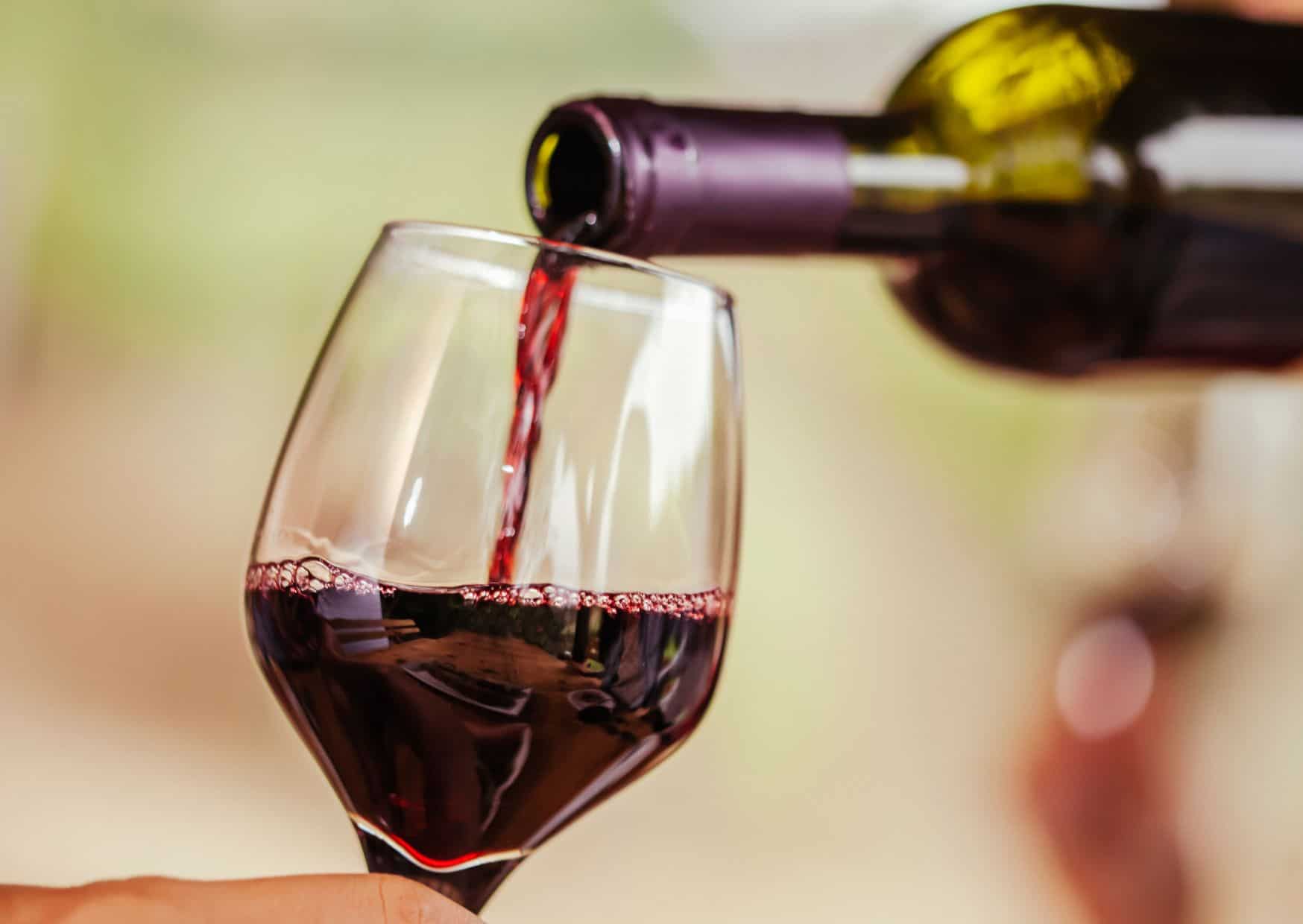
Match the intensity and flavors of the wine with the food. For example, a bold red wine pairs well with rich, hearty dishes, while a light white wine complements delicate flavors.
Use wine to balance or contrast the flavors in a dish. For example, a sweet wine can balance the spiciness of a dish, while a high-acid wine can cut through the richness of a creamy sauce.
When in doubt, pair wines with foods from the same region. This often works because the flavors of the wine and food have evolved together.
2. Pairing White Wine with Food
Best For:
Light meats (chicken, turkey, fish)
Creamy sauces
Fresh herbs and vegetables
Shellfish
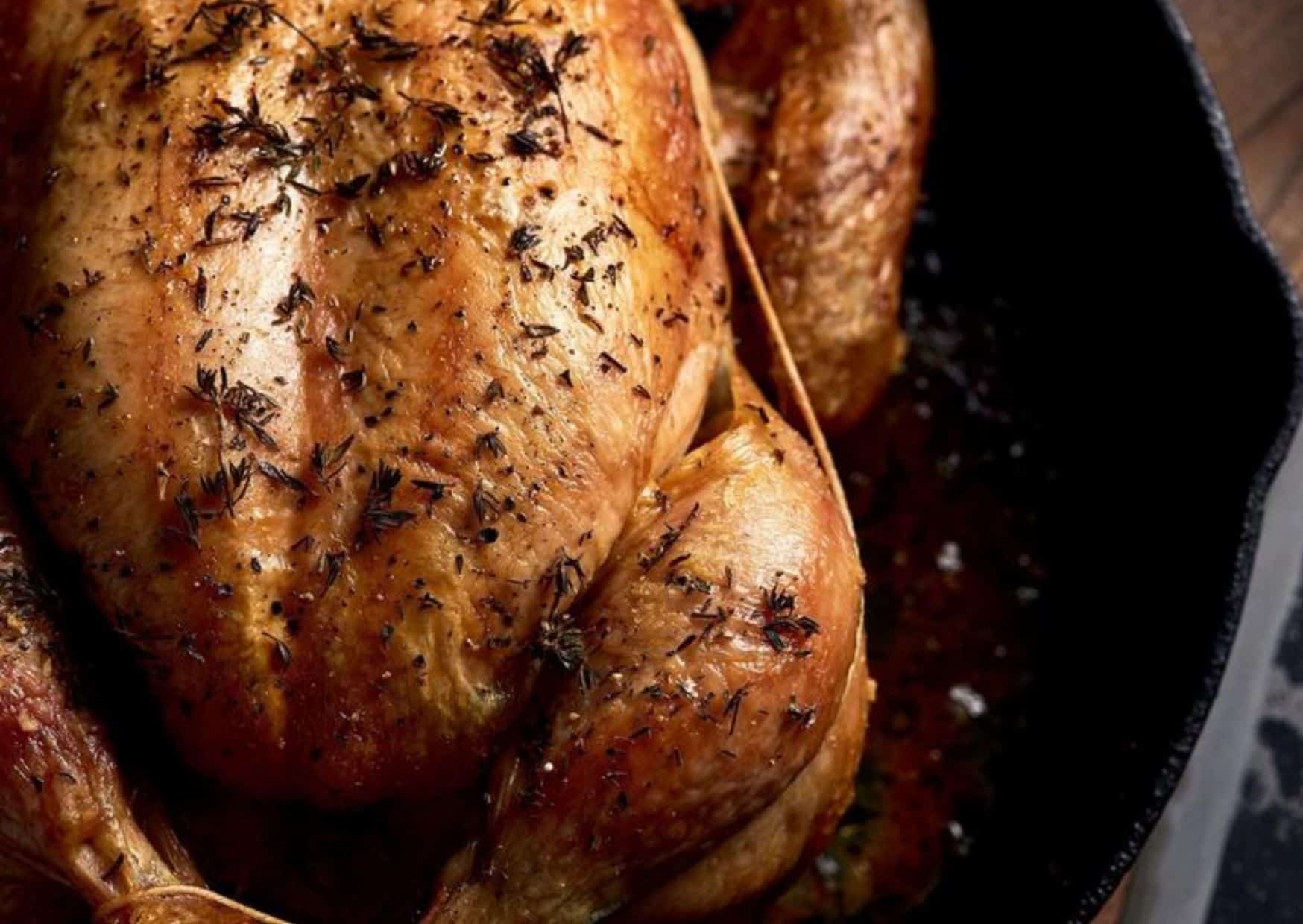
Example: Chardonnay with Roast Chicken
Why It Works:
A full-bodied Chardonnay with a hint of oak pairs beautifully with the savory, roasted flavors of chicken. The wine’s acidity balances the richness of the dish.
Recipe Guide:
Season a whole chicken with garlic, thyme, lemon, and olive oil. Roast until the skin is crispy and the meat is tender. Serve with roasted potatoes and a green vegetable like asparagus.
Wine Pairing Tips:
Choose an oaked Chardonnay for richer dishes and a lighter, unoaked Chardonnay for more delicate flavors.
Calories:
Approximately 500 calories per serving (chicken with sides)
Example: Sauvignon Blanc with Goat Cheese Salad
Why It Works:
Sauvignon Blanc’s high acidity and citrus notes complement the tanginess of goat cheese and the freshness of a green salad.
Recipe Guide:
Goat Cheese Salad: Toss mixed greens with slices of fresh goat cheese, walnuts, dried cranberries, and a light vinaigrette made with lemon juice, olive oil, and Dijon mustard.
Wine Pairing Tips:
Sauvignon Blanc is also excellent with dishes featuring herbs like basil or mint, as well as with seafood.
Calories:
Approximately 300 calories per serving
3. Pairing Red Wine with Food
Best For:
Red meats (beef, lamb)
Tomato-based sauces
Grilled or roasted vegetables
Rich, hearty dishes
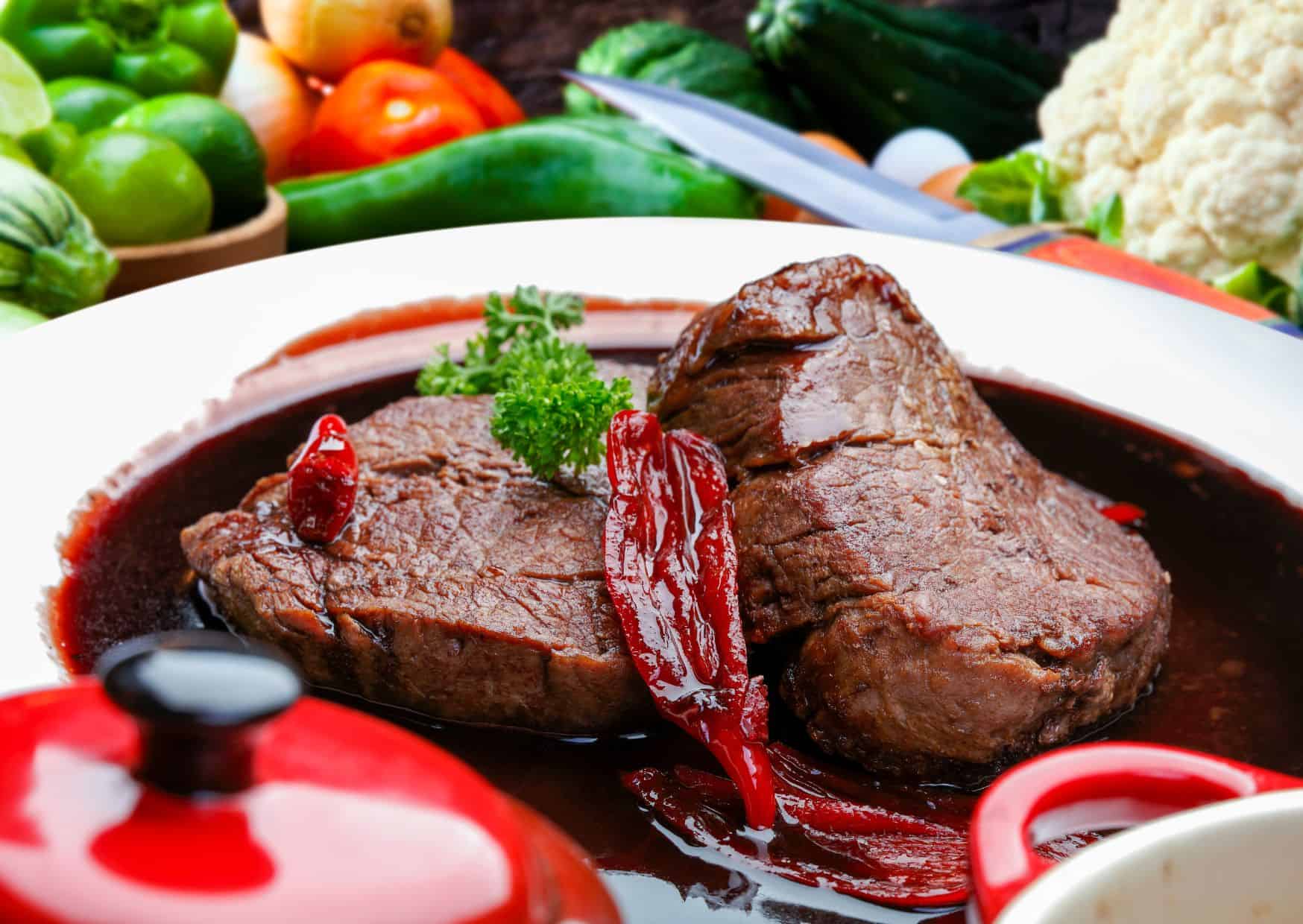
Example: Cabernet Sauvignon with Grilled Steak
Why It Works:
The bold tannins and dark fruit flavors of Cabernet Sauvignon complement the richness and char of a grilled steak, making it a classic pairing.
Recipe Guide:
Grilled Steak: Season a ribeye or filet mignon with salt, pepper, and rosemary. Grill to your desired doneness and serve with a side of garlic mashed potatoes and grilled asparagus.
Wine Pairing Tips:
Cabernet Sauvignon also pairs well with aged cheeses and dishes with a lot of umami (like mushrooms).
Calories:
Approximately 700 calories per serving (steak with sides)
Example: Pinot Noir with Mushroom Risotto
Why It Works:
Pinot Noir’s earthy undertones and light to medium body pair beautifully with the creamy texture and rich flavor of mushroom risotto.
Recipe Guide:
Mushroom Risotto: Sauté a mix of mushrooms (like cremini and shiitake) in butter and garlic. Cook Arborio rice in broth, slowly adding liquid until creamy. Stir in the mushrooms, Parmesan cheese, and a splash of white wine.
Wine Pairing Tips:
Pinot Noir’s versatility also makes it a good match for dishes with lighter meats like duck or pork.
Calories:
Approximately 500 calories per serving
4. Pairing Sparkling Wine with Food
Best For:
Salty or fried foods
Light appetizers
Creamy dishes
Desserts
Example: Champagne with Oysters
Why It Works:
The crisp acidity and effervescence of Champagne complement the brininess of oysters, making this a classic and elegant pairing.
Recipe Guide:
Fresh Oysters: Serve raw oysters on the half shell with lemon wedges, mignonette sauce, and a few drops of hot sauce.
Wine Pairing Tips:
Champagne also pairs well with light, salty snacks like popcorn or potato chips, and with creamy dishes like Alfredo pasta.
Calories:
Approximately 50 calories per oyster
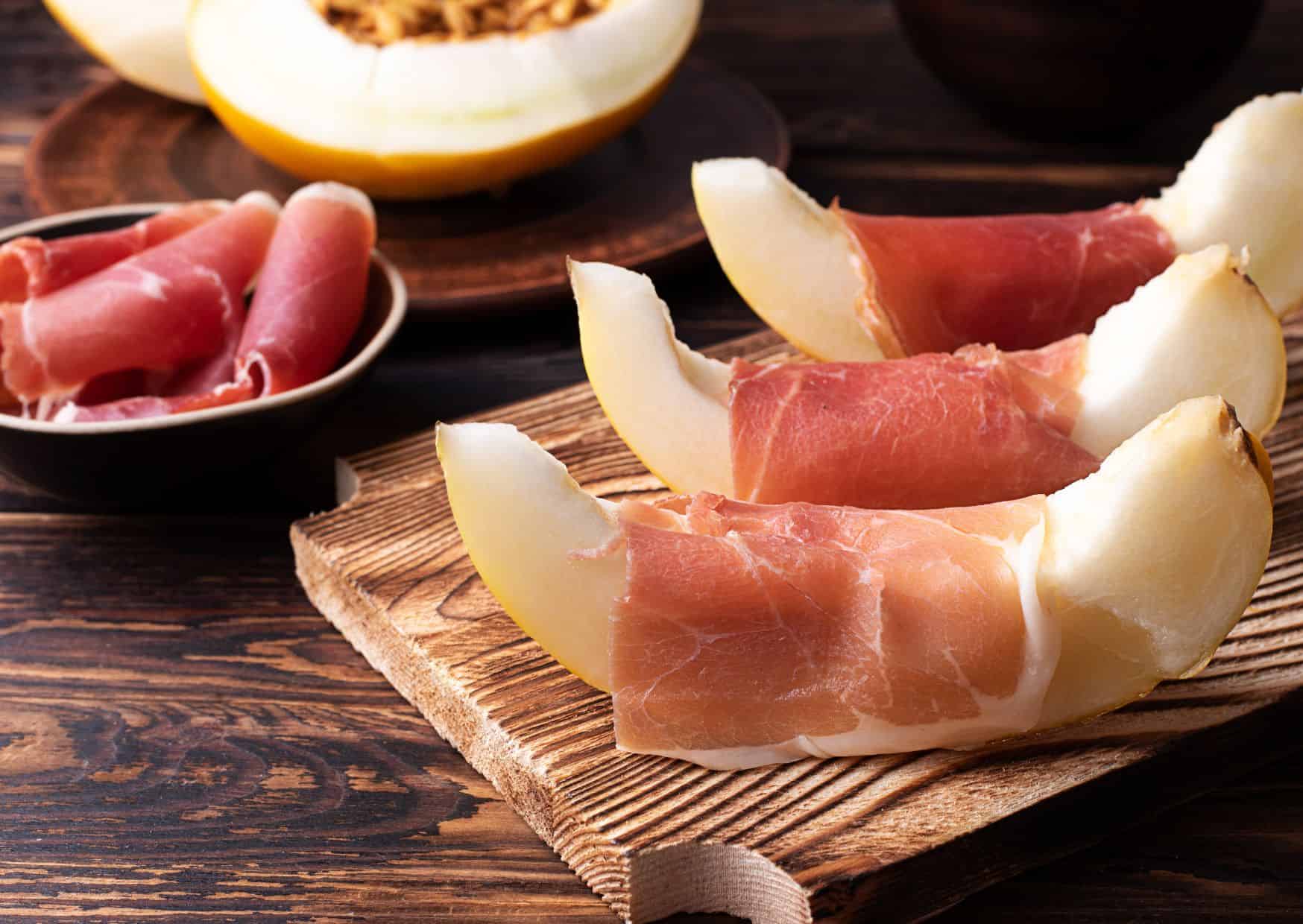
Example: Prosecco with Prosciutto and Melon
Why It Works:
The light, fruity sweetness of Prosecco enhances the sweet and salty combination of prosciutto-wrapped melon slices.
Recipe Guide:
Prosciutto and Melon: Wrap thin slices of prosciutto around wedges of ripe cantaloupe or honeydew melon. Serve as a refreshing appetizer.
Wine Pairing Tips:
Prosecco’s sweetness also makes it a great match for fruit-based desserts and light pastries.
Calories:
Approximately 100 calories per serving
5. Pairing Dessert Wine with Food
Best For:
Sweet desserts
Rich cheeses
Chocolate
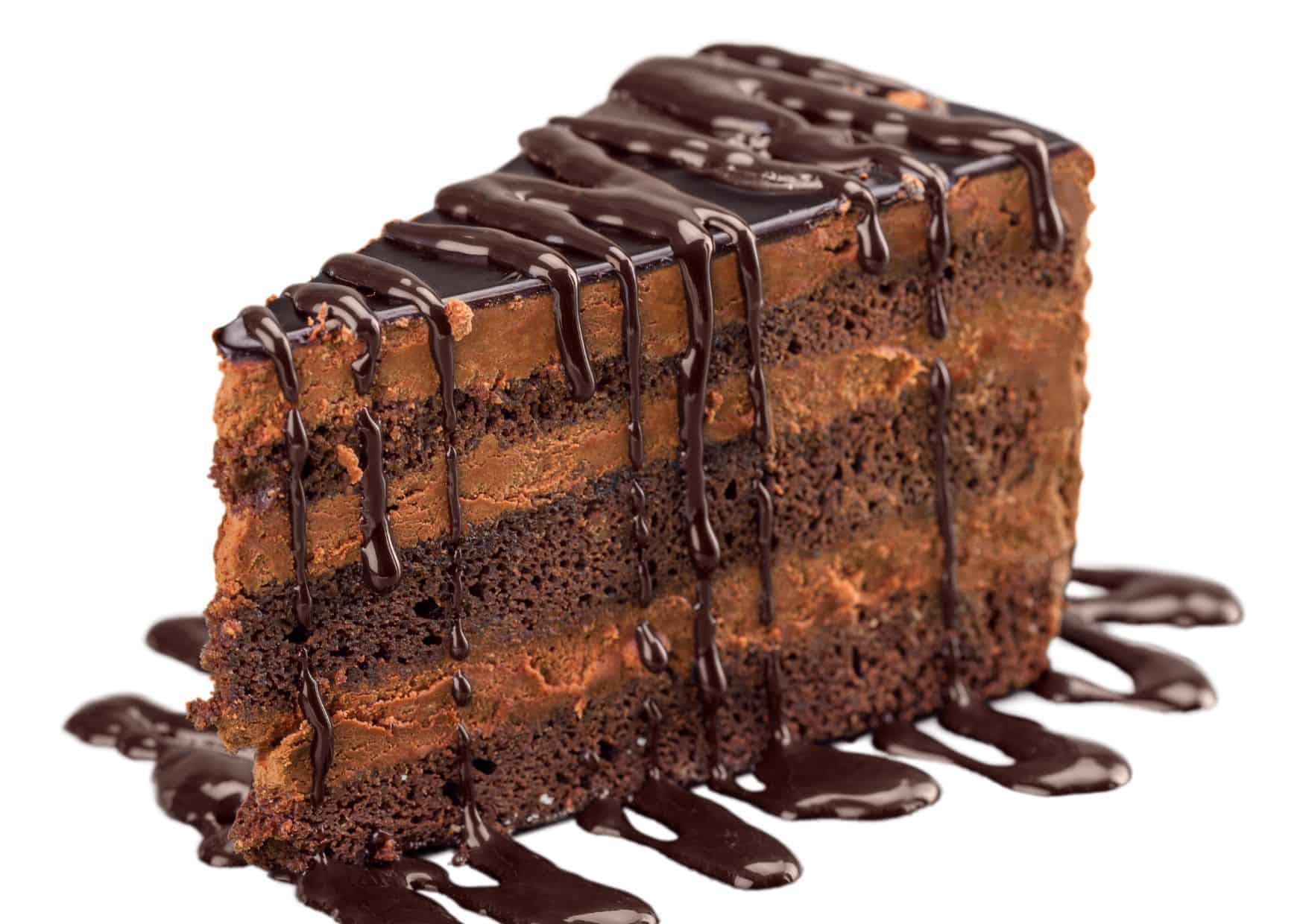
Example: Port with Chocolate Cake
Why It Works:
The rich, sweet, and slightly tannic flavors of Port complement the deep, bittersweet notes of dark chocolate.
Recipe Guide:
Chocolate Cake: Make a decadent dark chocolate cake with a rich ganache topping. Serve in small slices with a glass of Port.
Wine Pairing Tips:
Port also pairs well with strong, blue cheeses like Stilton and with nut-based desserts.
Calories:
Approximately 400 calories per slice of cake
Example: Sauternes with Blue Cheese
Why It Works:
The sweetness of Sauternes pairs beautifully with the sharp, salty flavor of blue cheese, creating a balanced and luxurious pairing.
Recipe Guide:
Blue Cheese Plate: Serve a selection of blue cheeses with fresh fruit like pears or figs and a drizzle of honey.
Wine Pairing Tips:
Sauternes also pairs well with foie gras and other rich, indulgent dishes.
Calories:
Approximately 200 calories per serving (cheese and fruit).
Origin and History
Wine pairing in Europe developed organically, not academically. Long before tasting notes and scoring systems existed, wine was made to accompany local food, not stand apart from it. Meals and wine evolved side by side, shaped by geography, climate, and necessity.
In places like France, Italy, and Spain, pairing was never about rules on paper. It was about repetition. Families drank the same local wine with the same dishes for generations, reinforcing combinations that simply worked.
This is why classic pairings feel effortless rather than engineered. A Tuscan red with bean-based dishes or a Loire white with fish didn’t emerge from theory, but from habit and availability.
As wine culture globalized, especially in the U.S., these organic relationships were replaced by systems meant to educate quickly. In the process, nuance was often lost in favor of simplified formulas.
One of the biggest misconceptions is that wine pairing is about intensity matching alone. Americans are often taught to pair “big” food with “big” wine, which can overpower both.
Europeans focus more on acidity, fat, and salt than flavor dominance. A high-acid wine cuts richness, refreshes the palate, and supports food rather than competing with it.
Another controversial idea is that wine should enhance the meal, not the other way around. In many American settings, wine is treated as the star, with food adjusted to accommodate it.
This clash exists because American wine culture often prioritizes tasting wine on its own. European culture treats wine as incomplete without food, changing how pairings are evaluated.
How Long It Takes to Prepare
European wine pairing requires almost no preparation time. The pairing decision is made before cooking begins, based on the structure of the dish rather than its final presentation.
Unlike complex tasting rituals, there’s no need for aeration strategies or temperature micromanagement for everyday meals. Wine is chosen to fit the meal’s role, not impress guests.
Because pairings are habitual, the process is quick. The same wine might be poured for multiple meals across a week without overthinking.
This efficiency is intentional. Wine is meant to support eating, not slow it down with ceremony unless the occasion calls for it.
Serving Suggestions
European meals typically serve one wine per course or even one wine for the entire meal. Constant switching is rare outside formal dining.
Wine is poured in moderation and refreshed as needed, allowing food to remain the focus. Excessive tasting comparisons are avoided during meals.
Glassware is functional rather than specialized. The goal is comfort and consistency, not precision.
Most importantly, wine is served with food already on the table. Drinking wine without eating is far less common than Americans expect.
Final Thoughts
European wine pairing works because it’s practical. It values balance, refreshment, and repetition over novelty or performance.
What Americans often get wrong isn’t knowledge, but intention. When wine becomes the centerpiece, pairings feel stressful and rigid.
Reframing wine as part of the meal rather than an event simplifies everything. The “rules” become guidelines rooted in experience rather than authority.
Once you adopt this mindset, pairing stops being intimidating. Wine becomes what it has always been in Europe: a companion, not a contest.

About the Author: Ruben, co-founder of Gamintraveler.com since 2014, is a seasoned traveler from Spain who has explored over 100 countries since 2009. Known for his extensive travel adventures across South America, Europe, the US, Australia, New Zealand, Asia, and Africa, Ruben combines his passion for adventurous yet sustainable living with his love for cycling, highlighted by his remarkable 5-month bicycle journey from Spain to Norway. He currently resides in Spain, where he continues sharing his travel experiences with his partner, Rachel, and their son, Han.