
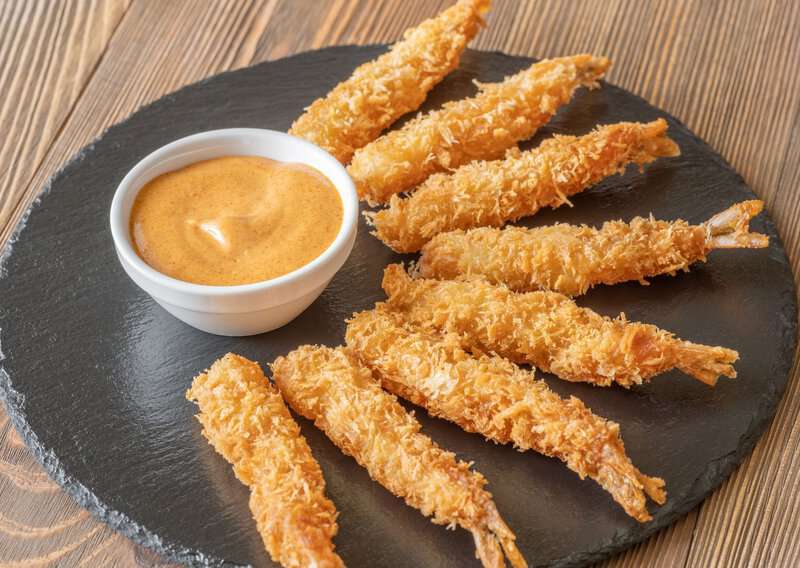
Tempura is one of Japan’s most beloved culinary exports — a delicate, crispy batter that turns vegetables, seafood, and even herbs into light, golden bites of perfection. Unlike heavier fried foods, authentic Japanese tempura is known for its airy texture and subtle flavor, designed to enhance the ingredients rather than overwhelm them. When done right, each bite delivers a crisp exterior and a tender, flavorful center.
While it may seem like a simple fried dish, mastering tempura at home requires attention to detail — from the batter temperature to the frying oil choice. The beauty of tempura lies in its restraint: no breadcrumbs, no thick coatings, and certainly no heavy-handed seasoning. It’s a dish that honors fresh, seasonal ingredients and precise technique.
In this guide, you’ll learn how to make traditional tempura at home, including the secrets to creating the perfect batter, frying tips for crispness, and pairing ideas to serve tempura as it’s enjoyed in Japan. Whether you’re cooking for a light appetizer or a standout main dish, this recipe brings an authentic taste of Japan’s culinary craftsmanship to your table.
Read here Japan Vegan Snacks and Breakfast in Japan
Read Here a guide to buy your JR Pass, Things to know before visiting Japan and Best Japan Sim Card
BOOK YOUR TRAVEL INSURANCE
Two of our favorite travel insurance: Heymondo Vs Safetwing cheapest travel Insurance. You can get for $135 USD your Heymondo Travel Insurance with Heymondo discount code valid for 90 days. Read our full comparison of Genki vs Safetywing Travel Insurance Review and the comparison Heymondo vs Genki
Best Time to Eat & How to Partner This Dish
Tempura is typically served as a starter, side dish, or light main course, making it ideal for lunch, dinner, or a special occasion meal. In Japan, it’s often enjoyed in tempura restaurants (tempura-ya) or as part of a bento box. The dish is best eaten immediately after frying, when the batter is at its crispiest.
Pair tempura with a simple tentsuyu dipping sauce (a light mix of dashi, soy sauce, and mirin), grated daikon radish, and a bowl of steamed rice. For drinks, a cold Japanese beer, light sake, or green tea enhances the subtle flavors without overpowering the dish.
For a complete meal, tempura pairs wonderfully with udon or soba noodles, either served hot or in a chilled broth. Light, fresh accompaniments like pickled vegetables or a simple green salad help balance the fried textures and complete the traditional Japanese dining experience.
One widespread misunderstanding is that tempura is simply “Japanese fried food” like any other, when in fact, it follows strict technique and tradition. Unlike Western deep-frying, tempura uses a cold batter and quick frying method to create a light, crisp coating that’s never greasy. Treating it like standard fried food misses the delicate art behind it.
Another misconception is that any vegetable or seafood can be tempura-fried the same way. In reality, authentic tempura requires selecting ingredients that cook quickly — like shrimp, sweet potatoes, bell peppers, or mushrooms — ensuring they’re cooked perfectly within the brief frying time. Overloading the batter or choosing the wrong ingredients can ruin both texture and taste.
And perhaps most surprising: tempura isn’t meant to be dipped in heavy sauces or served with thick coatings. Many Western adaptations smother tempura in sauces or pair it with spicy condiments, losing the subtlety that defines the dish. In Japanese cuisine, tempura is about appreciating simplicity, freshness, and texture — a lesson in how restraint can create extraordinary flavor.
How to Make Tempura
Tempura Recipe Ingredients
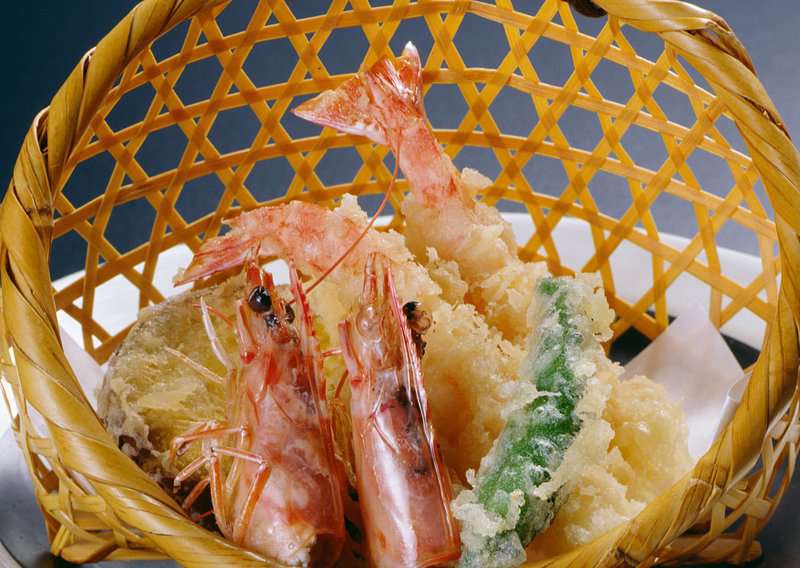
For Tempura:
Assorted vegetables (such as sweet potato, bell pepper, broccoli, and zucchini), sliced
Seafood (such as shrimp, squid, and white fish fillets), cleaned and prepared
Vegetable oil, for deep frying
For Tempura Batter:
1 cup ice-cold water (very important for a light batter)
1 large egg
1 cup all-purpose flour, sifted (important to avoid clumps)
For Dipping Sauce (Tentsuyu):
1 cup dashi stock (you can use instant dashi powder)
1/4 cup soy sauce
1/4 cup mirin (sweet cooking sake)
Grated daikon radish (optional, for serving)
Grated ginger
Get the best deals for your home and kitchen needs
Step By Step How to Make Tempura
Preparing the Dipping Sauce
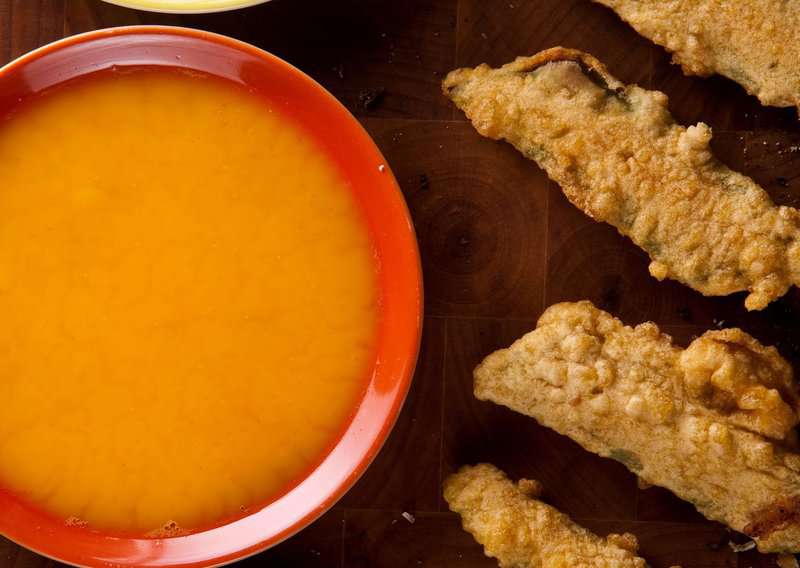
If using instant dashi, prepare it according to package instructions. In a small saucepan, combine the dashi, soy sauce, and mirin. Bring to a light simmer, then remove from heat. Set aside and keep warm.
Making Tempura
Peel and slice vegetables into bite-sized pieces. For shrimp, make a few shallow cuts along the belly and gently press down to straighten them. In a deep fryer or large heavy-bottomed pot, heat vegetable oil to 340-350°F (170-175°C). Use a thermometer to monitor the temperature.
Make Tempura Batter
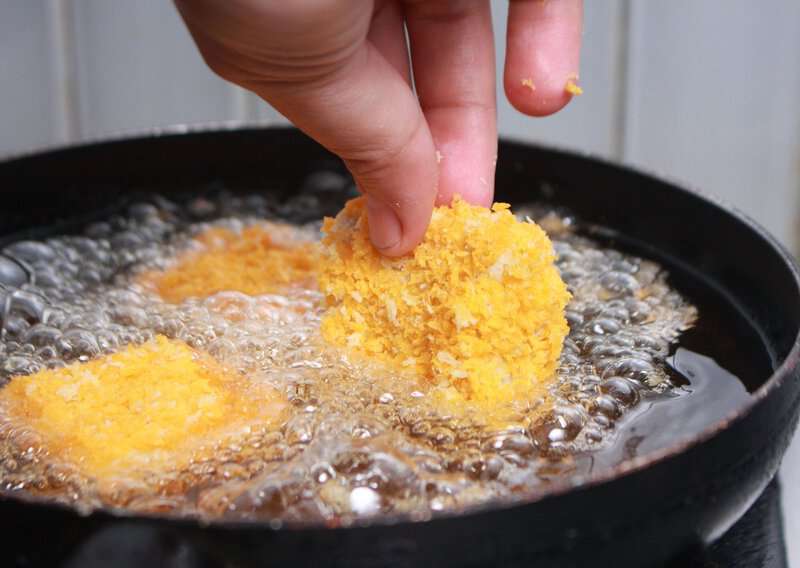
In a bowl, lightly beat the egg and mix with the ice-cold water. Add the sifted flour to the mixture. Stir gently with chopsticks just until the flour is incorporated; it’s okay if the batter is lumpy. Dip the vegetables and seafood into the batter one piece at a time, then carefully place them into the hot oil.
Do not overcrowd the fryer. Fry until lightly golden, about 2-3 minutes, turning halfway through. Remove the tempura from the oil and drain on paper towels. Keep them in a warm oven if frying in batches.
Serving
Serve the tempura immediately with the warm tentsuyu dipping sauce. You can add grated daikon radish and ginger to the sauce for extra flavor.
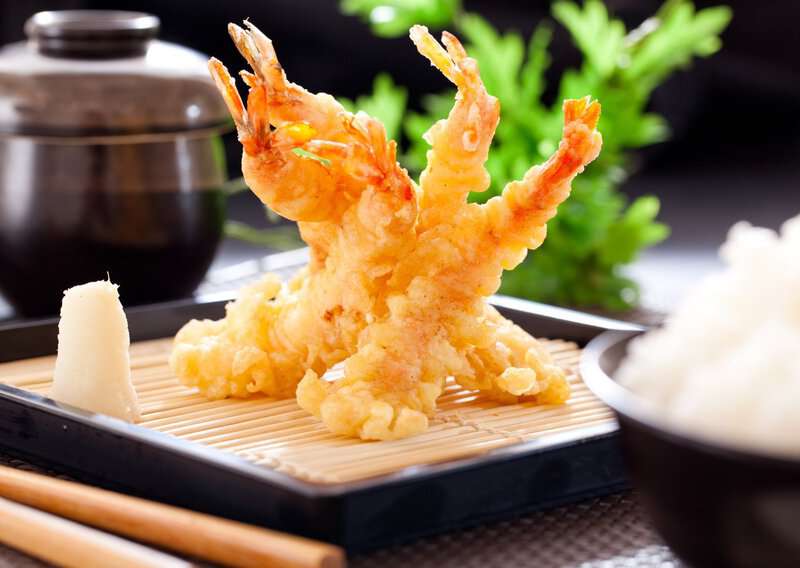
Tips To Make Tempura
The key to crispy tempura is keeping the batter cold. Use ice water for the batter, and some even place the batter bowl in a larger bowl filled with ice during frying. Overmixing develops the gluten in the flour, resulting in a heavy, oily batter.
Mix just until ingredients are incorporated. Maintaining the right oil temperature is crucial. If too low, tempura will be oily; if too high, it will burn easily. Tempura is best enjoyed fresh and hot for maximum crispiness.
How Many Calories Has A Tempura
Assorted vegetable tempura (about 5 pieces): 150-300 calories
Shrimp tempura (about 3 pieces): 60-90 calories
Fish tempura (about 2 pieces): 100-200 calories
A typical plate of tempura could be around 310 to 590 calories.
Origin and History
Tempura arrived in Japan in the 16th century through Portuguese traders, who introduced batter-frying techniques along coastal regions. The method was adapted quickly, refined to suit Japanese ingredients and aesthetics rather than copied directly.
Over time, tempura became distinctly Japanese by emphasizing lightness and seasonality. Unlike heavier Western batters, tempura batter was designed to protect ingredients, not dominate them. The goal was enhancement, not concealment.
During the Edo period, tempura became popular street food in Tokyo, cooked quickly and eaten fresh. Vendors focused on seafood and vegetables that reflected the season, reinforcing tempura’s connection to freshness and timing.
As tempura moved from street stalls to specialized restaurants, technique became sacred. Precision replaced improvisation, and what began as borrowed cooking evolved into one of Japan’s most respected culinary forms.
Many people believe tempura is simply deep-frying with batter. In reality, tempura is about restraint. The batter should be barely mixed, uneven, and thin qualities that feel wrong to many Western cooks.
Another misconception is oil temperature control. Too hot and the batter burns before cooking the ingredient; too cool and it absorbs oil. Mastery comes from consistency, not guesswork.
There’s also confusion about crispness. Perfect tempura is crisp but delicate, never crunchy or thick. Heavy coatings are considered a flaw, not a preference.
The biggest controversy is preparation order. Japanese cooks fry one piece at a time to preserve oil temperature and texture. Batch frying, while efficient, sacrifices quality.
How Long It Takes to Prepare
Tempura requires more preparation discipline than time. Ingredient prep washing, drying, and slicing takes about 20 to 30 minutes.
The batter itself takes less than five minutes to make. Overmixing is avoided, so preparation is intentionally brief.
Frying happens quickly. Each piece cooks in under two minutes, but the process is extended because items are fried individually.
From start to finish, expect about 45 to 60 minutes. The time investment lies in focus, not labor.
Serving Suggestions
Tempura is most satisfying when served immediately, while still hot and crisp. The traditional pairing is a simple dipping sauce called tentsuyu, made from dashi, soy sauce, and mirin. A small bowl of this sauce on the side allows the light batter to shine without being overpowered.
For a fuller meal, tempura works beautifully alongside steamed white rice and miso soup. This classic trio turns a plate of fried vegetables or seafood into a balanced and comforting Japanese-style dinner. Adding a few pickled vegetables on the side enhances the flavors even more.
If you’re entertaining, tempura makes an impressive appetizer. Serve a variety shrimp, sweet potato, zucchini, mushrooms on a platter with lemon wedges and dipping sauce. Its delicate crunch and colorful presentation make it both elegant and approachable.
Final Thoughts
Perfect tempura isn’t about heavy batter or complicated seasoning it’s about letting the natural flavor of fresh ingredients shine. With the right technique, you can achieve a crisp, airy coating that highlights rather than hides what’s inside.
For home cooks, mastering tempura is a reminder that less is often more. The batter should be mixed lightly, the oil kept at the right temperature, and the frying done quickly to preserve texture and taste. These small details make all the difference.
Ultimately, making tempura at home gives you more than just a meal it’s a way to connect with Japanese culinary philosophy. It’s about balance, respect for ingredients, and the beauty of simplicity. Done right, tempura can elevate even everyday vegetables into something extraordinary.

About the Author: Ruben, co-founder of Gamintraveler.com since 2014, is a seasoned traveler from Spain who has explored over 100 countries since 2009. Known for his extensive travel adventures across South America, Europe, the US, Australia, New Zealand, Asia, and Africa, Ruben combines his passion for adventurous yet sustainable living with his love for cycling, highlighted by his remarkable 5-month bicycle journey from Spain to Norway. He currently resides in Spain, where he continues sharing his travel experiences with his partner, Rachel, and their son, Han.