
(And Why It Captures the Entire Spirit of French Style)
There are countless articles about how French women dress. The myth of their effortless style fills fashion blogs, travel guides, and Instagram captions around the world. But when it comes down to it, there is one particular item they wear again and again—an item that perfectly captures their approach to dressing and that continues to baffle many Americans:
The scarf.
Not just in winter. Not just when it is cold. Year-round, French women embrace the scarf as a core element of their wardrobe, treating it not as an accessory but as a necessary part of being dressed.
To many Americans, the scarf is seasonal or optional. In France, it is essential, personal, and deeply cultural.
Here is why the scarf holds such a powerful place in French style—and why Americans often miss its deeper meaning.
Quick Easy Tips
Invest in Quality Over Quantity – A single silk or linen scarf in neutral tones will outlast dozens of trendy items.
Learn the Art of Draping – Instead of tying scarves tightly, let them fall naturally; French women prefer an undone look.
Match Mood, Not Color – Choose scarves that match how you feel that day, not just your outfit.
Don’t Overthink It – The key to French chic is effortlessness; avoid looking too “styled.”
Pair with Minimal Accessories – Let the scarf be the centerpiece — skip large jewelry or bright patterns.
To many Americans, French women’s obsession with scarves even in warm weather borders on irrational. Why wear something seemingly unnecessary? But in France, it’s not about utility. It’s about identity. The scarf isn’t protection from cold; it’s protection from conformity.
Another cultural contrast lies in the mindset. In America, fashion is driven by consumerism new seasons, new wardrobes, fast fashion. In France, it’s about emotional connection and longevity. The idea of having one signature accessory, worn for years, seems foreign to a culture raised on variety and convenience.
Lastly, some Americans interpret the French style philosophy as pretentious the idea that one accessory can define elegance feels elitist. But the truth is the opposite. The French scarf habit democratizes style: anyone can achieve elegance with simplicity. It challenges the notion that beauty requires excess a lesson the fashion world still struggles to learn.
1. The Scarf is a Signature, Not a Trend

In the United States, scarves often come in and out of fashion.
- Chunky infinity scarves during one fall season
- Oversized blanket scarves during another
- Silk neck scarves briefly appearing during retro trends
For French women, the scarf is timeless. It is not something worn because it is “in” at the moment. It is worn because it anchors an outfit, adding a personal, often emotional signature.
Scarves are passed down from mothers, collected from markets, splurged on after first paychecks. Each one carries a memory, not just a style point.
2. Scarves are Worn Year-Round
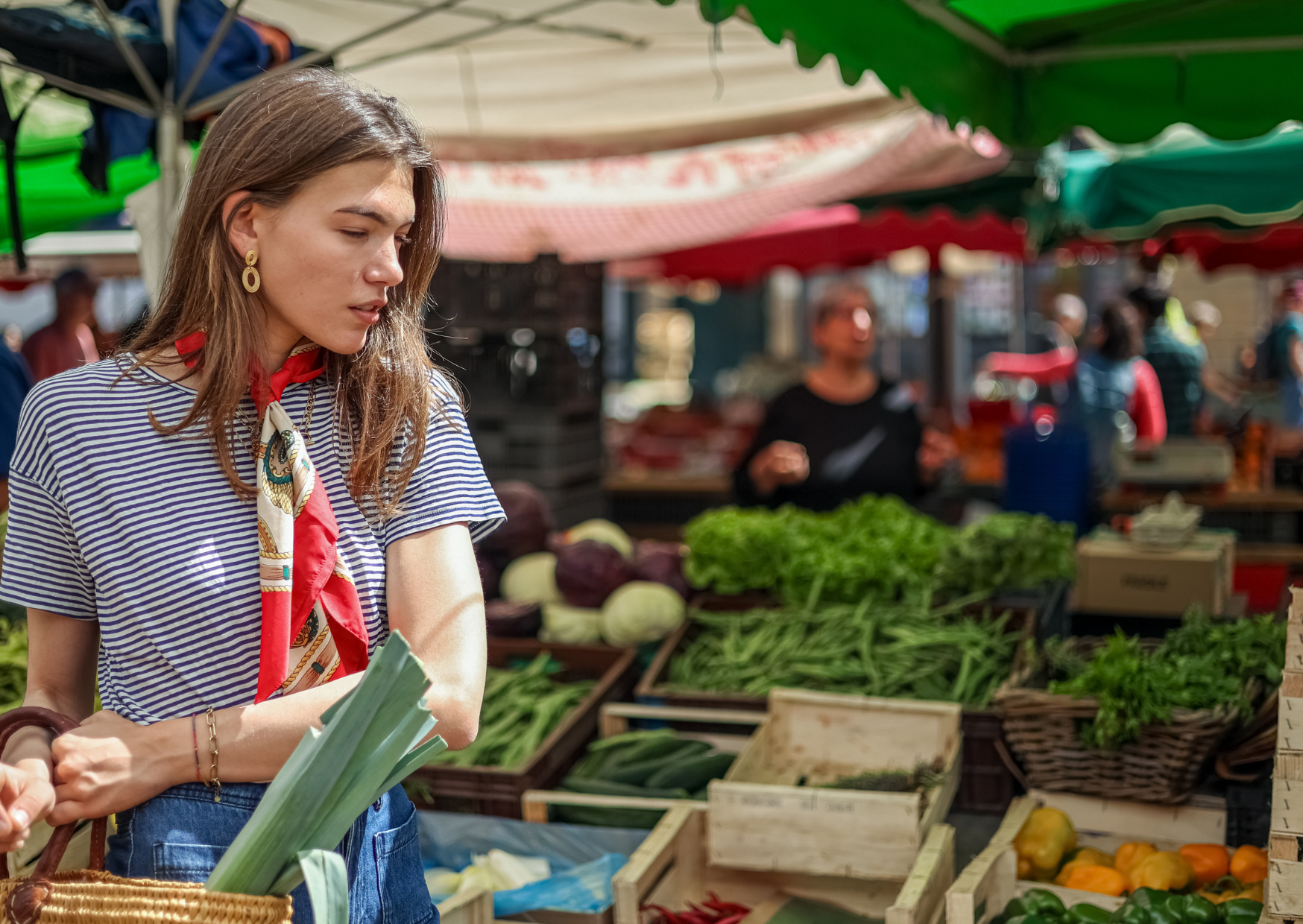
French women do not wait for cold weather to wear scarves.
- Lightweight silk scarves appear in spring and summer
- Light wool or cotton versions emerge in autumn
- Thicker cashmere scarves wrap softly around coats in winter
While Americans might reserve scarves mostly for warmth, in France, a scarf is about layering, proportion, and mood, not just function. It adds dimension to even the simplest outfit.
3. The Scarf Completes the Outfit
In French style philosophy, an outfit often feels unfinished without a scarf.
- A plain t-shirt and jeans look intentional with a knotted silk square
- A black dress feels richer with a loosely draped wool scarf
- A trench coat becomes iconic when paired with a soft twist of fabric at the neck
For many Americans, accessories are added last, often hurriedly. For French women, the scarf is part of the plan from the beginning, just as essential as shoes or a handbag.
4. Scarves Are Worn Casually, Not Over-Styled
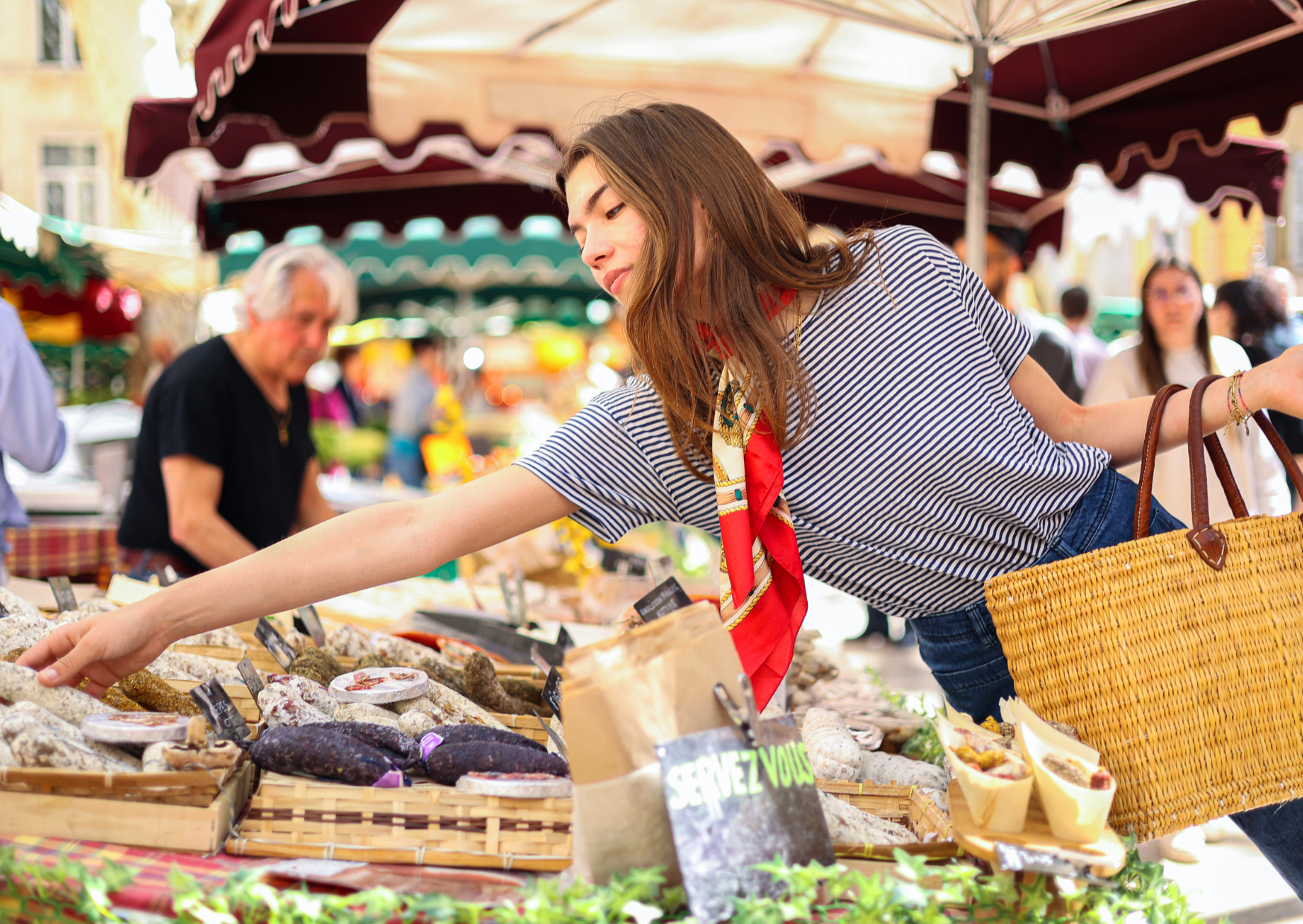
Perhaps one of the most confusing parts for Americans is how casually French women wear scarves.
- Tied loosely, often imperfectly
- Draped without endless fussing
- Wrapped two or three times around the neck and left to settle naturally
The scarf does not scream for attention. It moves. It shifts. It looks lived-in. The imperfection is part of the beauty.
In the U.S., scarves often seem staged—symmetrically wrapped or pinned carefully. In France, a scarf is alive, adjusting and breathing as the wearer moves.
5. Every Age Wears Scarves Without Irony

In American fashion, scarves sometimes get trapped in age groups.
- Bright, trendy scarves are marketed to teens
- Chunky knits to twenty-somethings
- Silk scarves to women “of a certain age”
In France, women of every age wear scarves seamlessly.
- Young women knot them at the throat with a leather jacket
- Middle-aged women loop them around crisp blazers
- Elderly women wear flowing silk versions without hesitation
The scarf transcends age because it is not a youthful accessory or a mature one. It belongs to anyone who wears it with confidence.
6. Scarves Emphasize the Face, Not the Body
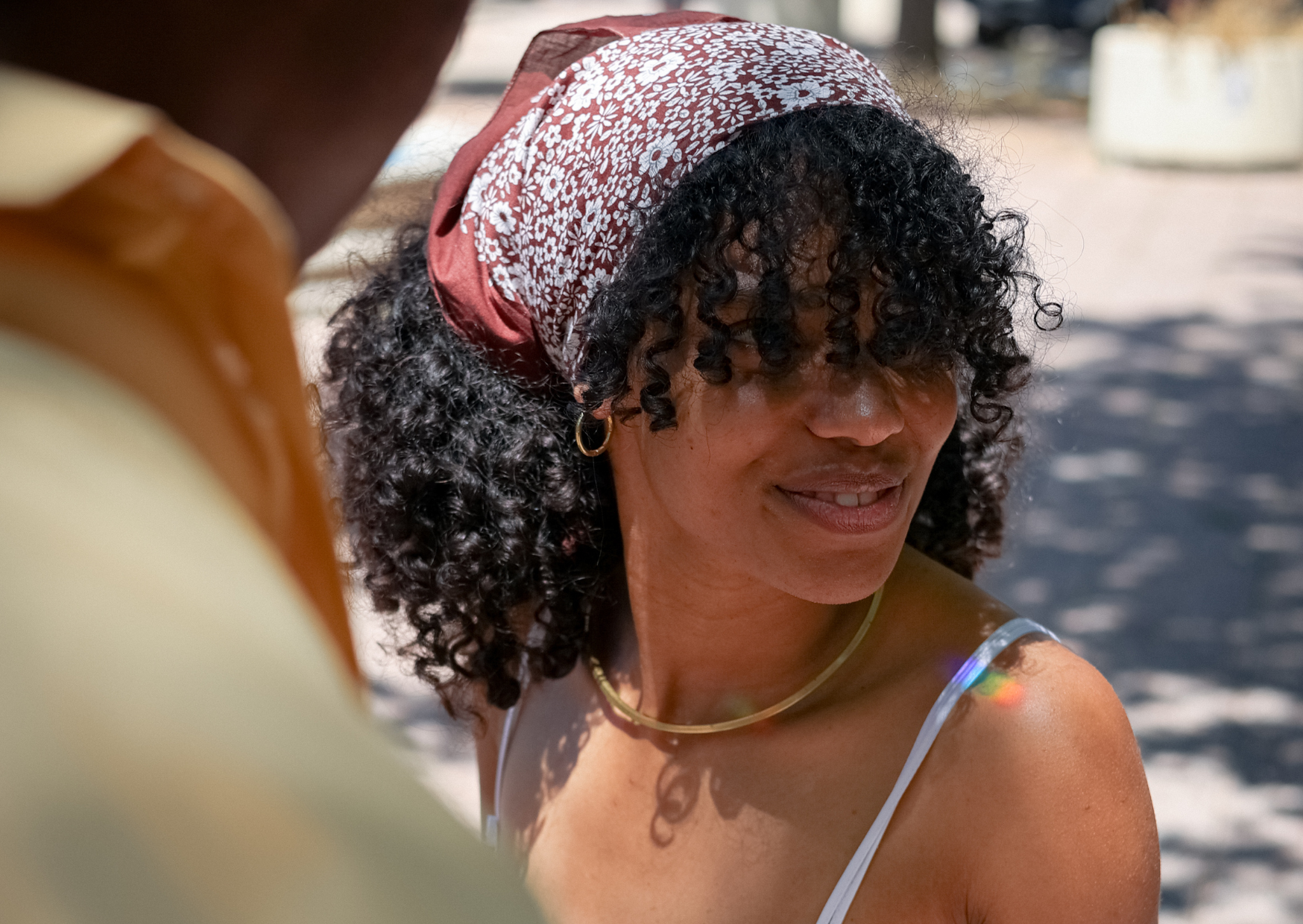
French style has always favored drawing attention upward.
- The scarf frames the jawline
- It highlights the lips and cheekbones
- It focuses attention on facial expression and gaze
In contrast, much of American fashion focuses on body-conscious dressing, emphasizing curves, waistlines, or legs. French style reminds people that charm and presence live above the shoulders, and the scarf enhances this naturally.
7. Neutral Scarves Build Versatile Wardrobes
French women often choose scarves in muted or classic tones.
- Navy, beige, cream, deep red, forest green
- Subtle patterns: paisley, polka dots, delicate stripes
These scarves layer easily with different outfits, allowing a small wardrobe to feel infinitely more dynamic.
In American fashion, colorful or highly patterned scarves are common, but they often clash with multiple outfits. The French approach makes scarves part of a long-term wardrobe strategy, not just an occasional flair.
8. The Scarf is a Private Expression, Not Public Branding
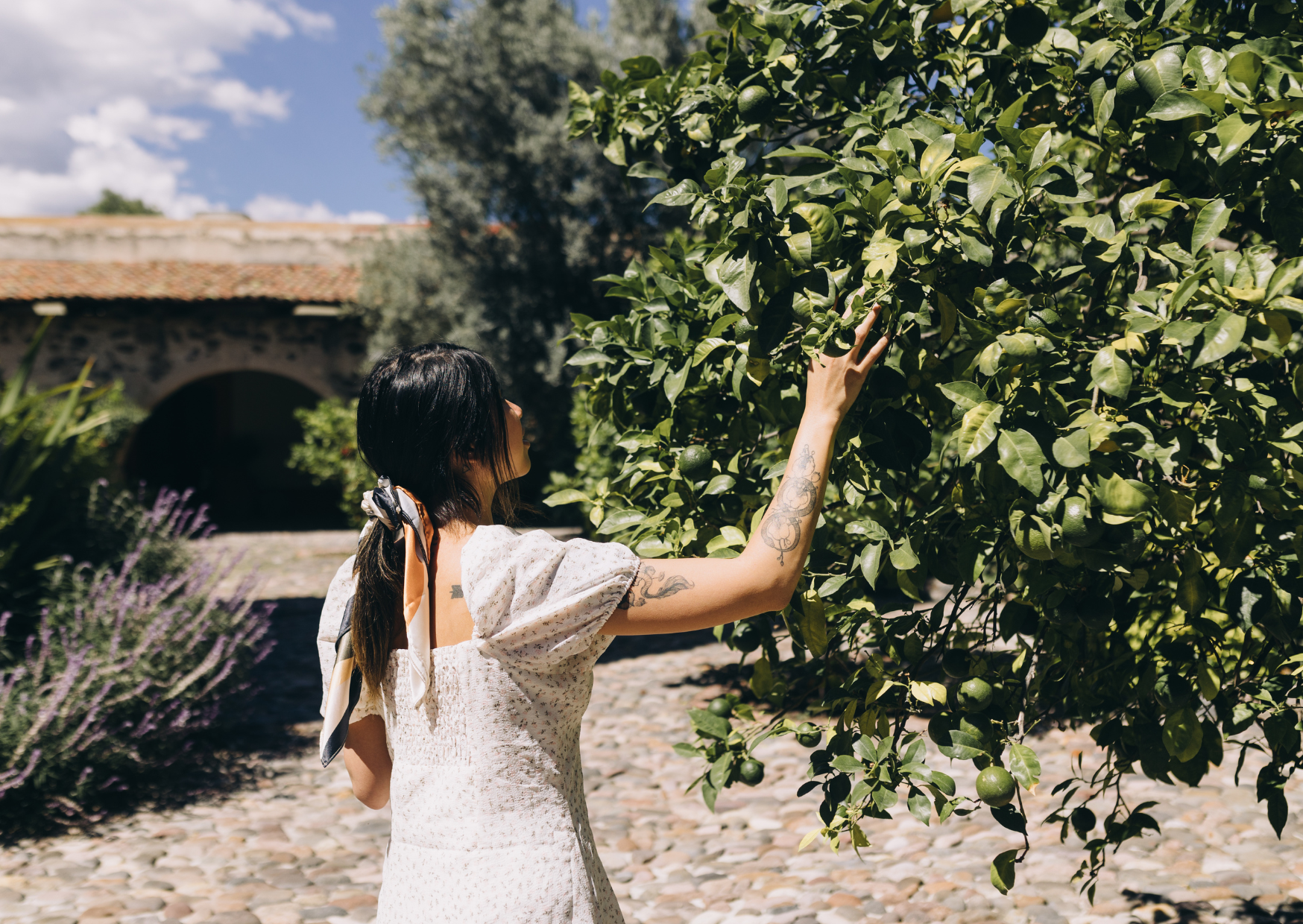
In a French woman’s wardrobe, a scarf often carries personal meaning.
- Bought during a memorable trip
- Gifted by someone important
- Chosen for its texture or color that speaks to her, not just to trends
While designer scarves like those from Hermès do exist, everyday French scarves rarely announce their brand. The meaning is internal, not external.
In American culture, branding and visible logos often dominate fashion accessories. French style keeps the relationship between the wearer and the scarf intimate and self-contained.
9. Wearing a Scarf is an Act of Self-Respect
At the heart of it, wearing a scarf is not about impressing others. It is about honoring the self.
- Taking a moment to choose a scarf means choosing to embellish daily life, even on the most ordinary morning.
- It is a small but powerful act of self-care, dressing oneself with beauty for no one’s gaze but one’s own.
- It signals, quietly, that every day deserves a little ritual, a little adornment, a little celebration.
This philosophy often surprises Americans, who are used to dressing primarily for occasions or audiences. In France, style starts from within, not from others’ expectations.
The Scarf is a Way of Being, Not Just Dressing
To understand French women’s love for scarves is to understand a deeper cultural truth: style is not about chasing trends or creating impact. It is about building beauty into the fabric of daily life.
A scarf is not added for effect. It is worn because life deserves a touch of art, even on a Tuesday morning. It is practical and sensual, personal and public, simple and profound all at once.
If American women adopted even a little of this approach—choosing scarves not to impress but to express—they might find that their daily wardrobes begin to feel less like obligations and more like quiet celebrations.
French women have long been admired for their effortless elegance, and one item that perfectly captures that essence is the scarf. To them, it’s not just an accessory it’s a statement of identity, versatility, and sophistication. A single silk scarf can transform a plain outfit into something chic and intentional, reflecting the minimalist yet refined French approach to style.
In contrast, many Americans tend to see scarves as strictly functional a way to keep warm rather than a fashion staple. This difference highlights how style in France is built on subtlety, quality, and emotion rather than trends. French women wear scarves like they wear confidence: naturally, without overthinking it.
Ultimately, the “French scarf secret” isn’t really about fabric it’s about attitude. It’s the idea that elegance is born from ease, not excess. Where American fashion often prioritizes newness and boldness, the French remind us that timeless charm often lies in restraint and

About the Author: Ruben, co-founder of Gamintraveler.com since 2014, is a seasoned traveler from Spain who has explored over 100 countries since 2009. Known for his extensive travel adventures across South America, Europe, the US, Australia, New Zealand, Asia, and Africa, Ruben combines his passion for adventurous yet sustainable living with his love for cycling, highlighted by his remarkable 5-month bicycle journey from Spain to Norway. He currently resides in Spain, where he continues sharing his travel experiences with his partner, Rachel, and their son, Han.