
(And Why It Has Nothing to Do with How Much You Drink)
If you’ve ever spent an evening at a sidewalk café in France, a family lunch in Greece, or a slow, late-night dinner in Italy, you’ll notice something subtle—but powerful—about how Europeans drink alcohol.
They don’t avoid it. They don’t glorify it. They don’t “black out” from it. And they definitely don’t make it a game.
In fact, many Americans are shocked to discover that Europeans drink frequently—but not heavily. They’ll have a glass of wine with lunch, a beer mid-afternoon, a digestif after dinner. But what you almost never see? The binge culture that defines so much of American drinking.
And that’s where the unspoken rule comes in.
Here’s the European drinking rule that makes Americans stick out instantly—and what it reveals about radically different relationships with alcohol, identity, and social life.
Want More Deep Dives into Everyday European Culture?
– Why Europeans Walk Everywhere (And Americans Should Too)
– How Europeans Actually Afford Living in Cities Without Six-Figure Salaries
– 9 ‘Luxury’ Items in America That Europeans Consider Basic Necessities
Quick Easy Tips
If you want to drink more like a European, pair alcohol with food—it slows down consumption and makes it more about taste than quantity.
Limit yourself to one or two drinks, and savor them slowly instead of rushing for the next round.
Focus on quality over volume. Choose a good wine, craft beer, or artisanal spirit instead of drinking large amounts of cheaper options.
One controversy stems from the cultural role alcohol plays in Europe versus the United States. In many European countries, drinking is seen as part of daily life integrated with meals, family gatherings, and socializing. By contrast, in the U.S., alcohol is often tied to binge culture, college parties, or excessive weekend drinking. Europeans sometimes interpret this as unhealthy and undisciplined.
Another debate lies in moderation. Europeans often nurse a single glass of wine or beer for an entire meal, while Americans may drink multiple rounds in a short span. Some Americans view the European pace as “stingy” or boring, while Europeans see it as balanced and respectful of health.
Finally, the legal and social frameworks differ. Lower drinking ages and more relaxed cultural attitudes in Europe often result in fewer taboos, but Americans argue that this leniency could encourage underage drinking. Europeans counter that strict rules in the U.S. backfire by glamorizing alcohol and fostering unhealthy relationships with it.
1. The Rule: Alcohol Is an Accompaniment, Not the Main Event
In most European cultures, drinking is almost always secondary. Alcohol is something that:
- Complements a meal
- Marks a shared social moment
- Is enjoyed slowly, deliberately, and without urgency
You drink with food. With conversation. With intention.
But in much of American culture—especially among young adults and college-aged groups—drinking is often the activity itself. You “go out to get drunk.” You pregame. You “day drink.” You play games to speed it up.
This difference is visible from the moment you sit down at a café in Europe. Americans tend to order drinks quickly and drink quickly. Europeans? They settle in.
The drinking isn’t rushed—because the goal isn’t intoxication. It’s experience.
2. Drinking to the Point of Losing Control Is Socially Unacceptable
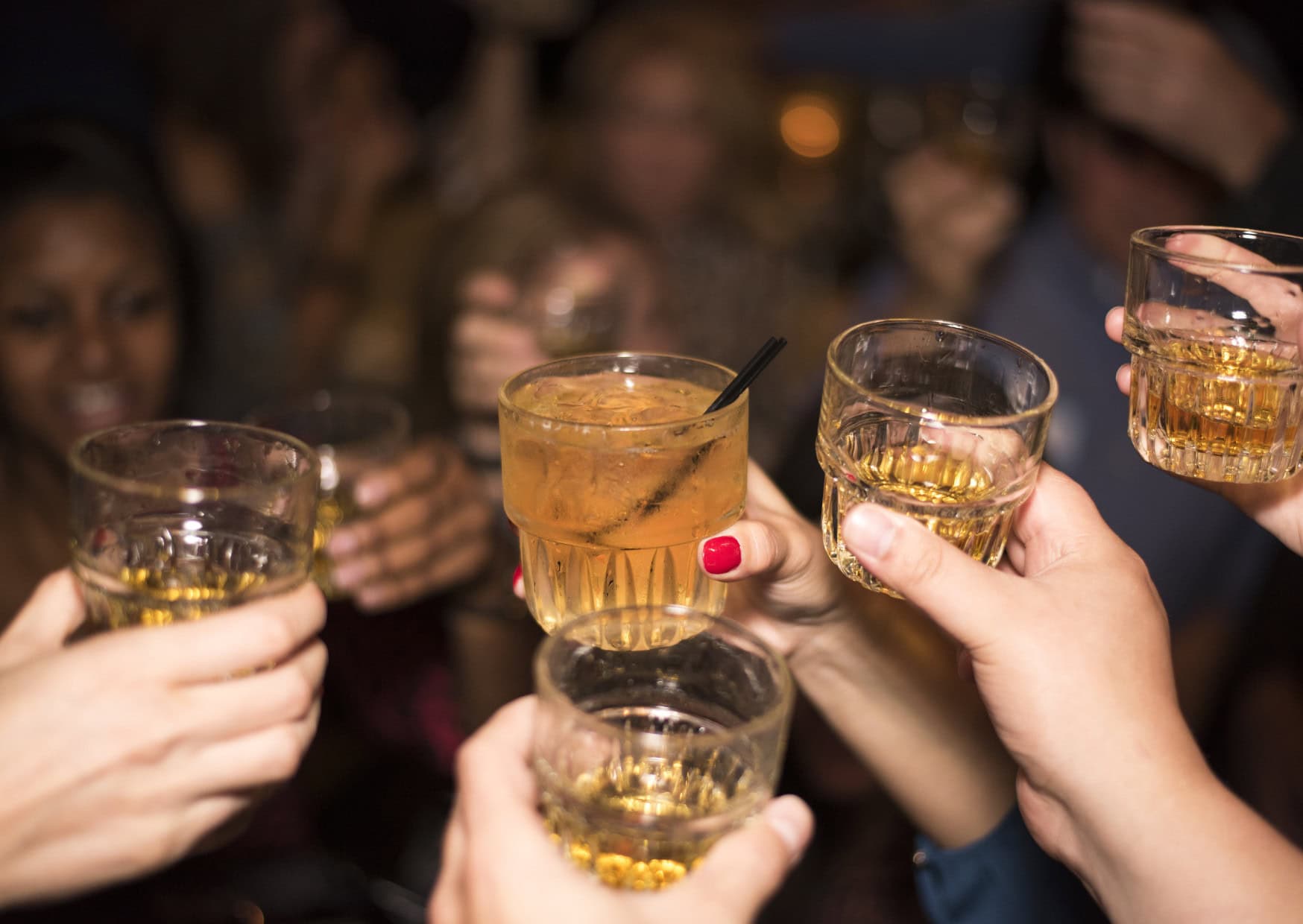
In many parts of the U.S., it’s not uncommon to hear people joke about blacking out or not remembering the night before. Entire friend groups bond over stories of who got the most wasted.
In Europe, this kind of behavior is not just frowned upon—it’s often seen as immature, embarrassing, and even worrying.
Yes, people party. Yes, there are exceptions (especially in parts of the UK and student-heavy areas). But in general, losing control from alcohol is not something to be proud of—it’s something to avoid.
There’s an unspoken belief: if alcohol turns you into someone else, maybe you shouldn’t be drinking it.
3. Drinking Is Tied to Food, Family, and Daily Life—Not Escapism

In American culture, alcohol often enters the scene to change the energy:
- To “loosen up” after work
- To “let go” on the weekend
- To shift into party mode
- To cope or unwind quickly
In Europe, alcohol is more integrated into daily rhythms:
- A glass of wine with lunch isn’t taboo
- A cold beer mid-afternoon is normal
- A small shot of grappa or ouzo after a long meal is traditional
It’s not used to escape life. It’s part of life. And that makes it feel… different.
Children in Italy or Spain grow up watching adults drink slowly, responsibly, conversationally. There’s no aura of rebellion or forbidden fruit.
Which may be why many Europeans never develop the same extremes of binge-abstain-binge behavior.
4. Serving Size Matters—So Does Pace
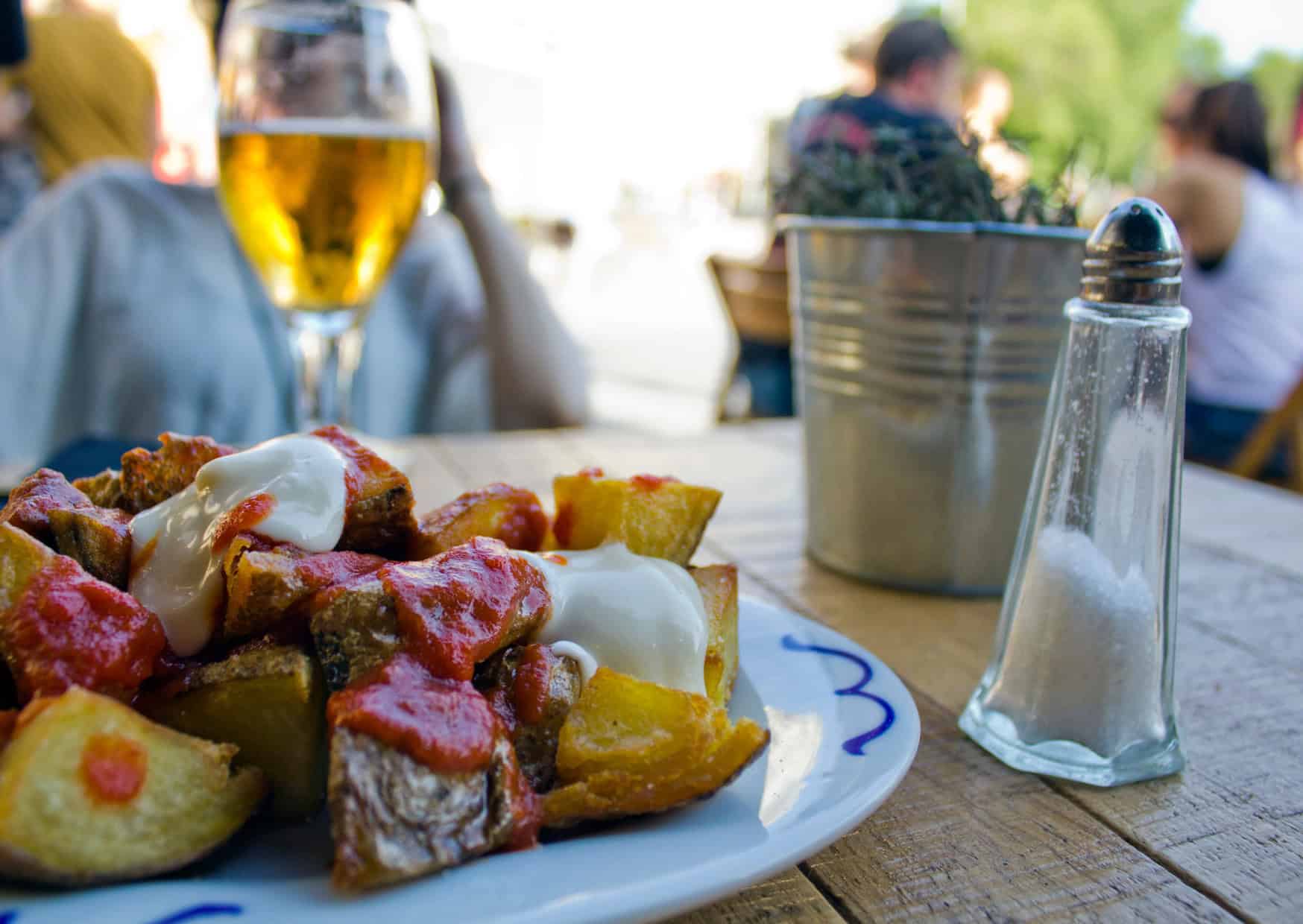
Here’s something you’ll notice immediately in Europe: drinks are smaller, but no one seems to mind.
- A glass of wine is often 4–5 oz, not 9 or 12
- Beers are served in 330ml bottles (not 20 oz pints)
- Aperitifs and digestifs are small, measured, and sipped
And yet, meals last longer. Conversations last longer. And the drink lasts longer.
There’s no rush to reorder. There’s no pressure to keep up. If someone’s nursing a single drink for two hours, no one bats an eye.
In fact, drinking slowly is often seen as more elegant and adult. Drinking quickly—or visibly trying to “catch up”—can make you look inexperienced or out of control.
5. The Energy Is Calm, Not Loud
In American bars, drinking often comes with noise: loud music, shouting, crowds, and high energy. It’s performative.
In European bars, cafés, and bistros—even busy ones—the vibe is calmer. You can usually hear your own conversation. You don’t have to shout over the bass line. There’s room to breathe.
This difference in tone reflects the difference in drinking philosophy:
- In the U.S., alcohol is used to elevate the volume
- In Europe, it’s used to deepen the moment
So when Americans arrive with high-volume energy, multiple shots ordered at once, and a demand for the strongest thing on the menu, it tends to raise eyebrows.
6. Drinking Alone Is Rare (and Often Stigmatized Differently)

In the U.S., it’s become fairly normalized to drink alone at home—after work, during dinner, while watching TV.
In Europe, especially in Southern countries, drinking is still seen as a social act. You don’t drink alone unless:
- You’re eating at a café solo (and even then, it’s usually food + drink)
- You’re at home enjoying a glass with dinner
- You’re at a bar and naturally joining in conversation with strangers
Drinking alone to “unwind” or “numb out” carries a different social weight—and often draws quiet concern rather than solidarity.
Alcohol is not for isolation. It’s for connection.
7. There’s No “Drunk Food” Culture
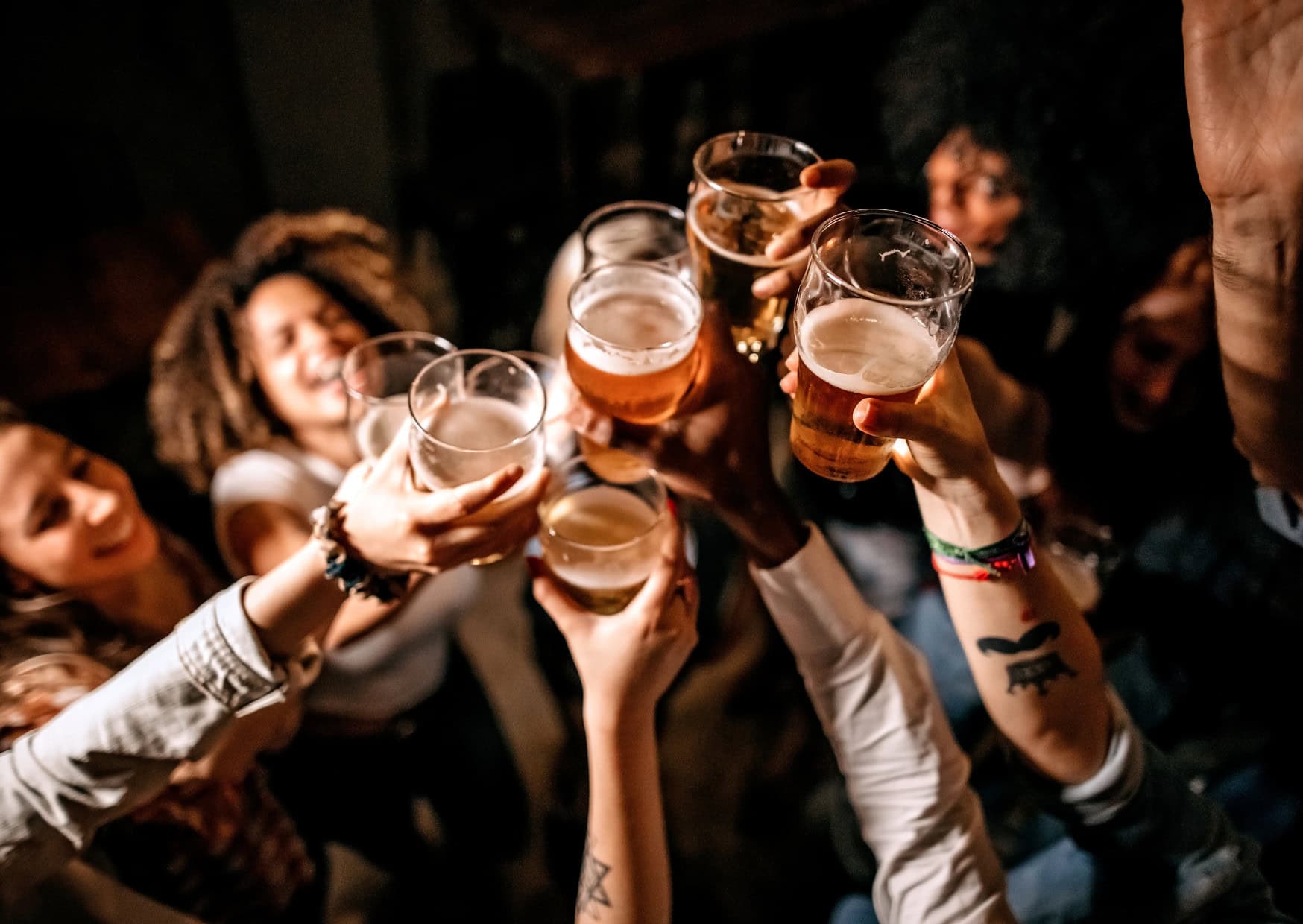
This may sound strange, but it says a lot: in Europe, there’s no late-night culture of soaking up the alcohol with greasy, fast food after drinking.
No 2 a.m. Taco Bell. No loaded nachos. No emergency diner run.
Why? Because:
- People often eat before and during drinking, not after
- Meals are the main event, not something to “get through” before the party
- The goal isn’t to drink until your body demands fuel—it’s to enjoy food and drink together
Plus, most drinking happens earlier in the evening, not deep into the night. You don’t have to recover from the bar. You just go home.
8. Youth Drinking Is Treated Differently—And It Shows
In many European countries, alcohol is introduced at a younger age, but in a controlled, family-centered way.
Teenagers may have wine with family meals. University students might drink at parties, but often in mixed-age groups, with food, and in public places.
The result? Less secretiveness. Less rebellion. Less intensity.
Contrast that with the American model: age 21 drinking laws, zero tolerance, and a cultural delay that leads to extremes once the “floodgates” open.
It’s not about encouraging underage drinking. It’s about modeling healthy relationships with alcohol early, instead of pretending it doesn’t exist until it does.
9. There’s No Shame in Not Drinking
One of the more interesting contrasts? In Europe, saying no to alcohol doesn’t raise questions.
If you’re not drinking, people usually don’t care. Maybe you’re driving. Maybe you’re not in the mood. Maybe you just had a glass and that’s enough.
There’s less pressure to explain, less insistence to “come on, just one more.” In fact, moderation is often respected, not questioned.
In contrast, in many American circles—especially in party settings—not drinking can draw more attention than drinking too much.
In Europe, both drinking and not drinking can exist in the same social moment—without judgment.
Final Thoughts: It’s Not About How Much You Drink—It’s About How You Do It
The European drinking rule isn’t about quantity. It’s about relationship.
Alcohol isn’t demonized. It’s not glorified. It’s just… there. Integrated into life, into meals, into celebration and quiet evenings alike.
In the U.S., drinking often serves as an escape, a rite of passage, or a coping mechanism. In Europe, it’s more of a flavor enhancer for life—subtle, slow, and socially tethered.
So next time you sit down at a café abroad, pause before ordering the strongest thing on the menu. Start with something light. Pair it with food. Sip slowly. Talk more than you drink.
And whatever you do, don’t ask where the beer pong table is.
Pro Tip: In Europe, drinking isn’t about what’s in your glass. It’s about who you’re with, what you’re eating, and how long you’re willing to stay at the table.
The European drinking rule isn’t about denying alcohol it’s about reframing it as a complement rather than the centerpiece. This approach encourages moderation, appreciation, and healthier social habits.
The controversies remind us that cultural norms shape behavior as much as laws do. Americans may see Europeans as overly restrained, while Europeans may see Americans as excessive. Both perspectives highlight the power of culture in shaping our relationship with alcohol.
Ultimately, adopting a more European mindset doesn’t mean giving up the joy of drinking it means slowing down, appreciating the moment, and recognizing that less can truly be more. It’s a shift that can transform not only how you drink but how you connect with others around the table.

About the Author: Ruben, co-founder of Gamintraveler.com since 2014, is a seasoned traveler from Spain who has explored over 100 countries since 2009. Known for his extensive travel adventures across South America, Europe, the US, Australia, New Zealand, Asia, and Africa, Ruben combines his passion for adventurous yet sustainable living with his love for cycling, highlighted by his remarkable 5-month bicycle journey from Spain to Norway. He currently resides in Spain, where he continues sharing his travel experiences with his partner, Rachel, and their son, Han.
CI
Monday 28th of July 2025
I guess you didn’t include drinking culture in the UK or events like Oktoberfest in Munich… this article is a very romantic description and mainly focused on some parts of southern Europe…
Coach
Saturday 29th of March 2025
Your point about no shame in not drinking is not true. Hosts are insulted if you don’t partake in what they offer.