
Our guide on the most Popular Soups in Italy to try to cook at home.
Italian cuisine is known for its rich, comforting flavors and an emphasis on fresh, high-quality ingredients. Italian soups are no exception, ranging from hearty minestrone to delicate broths brimming with vegetables, beans, and pasta. Each region of Italy has its own traditional soups, reflecting local produce, climate, and cooking techniques.
These delicious and comforting Italian soups are perfect for enjoying a taste of Italy right at home. Whether you’re in the mood for a hearty minestrone or a delicate stracciatella, each soup showcases the rich flavors and traditions of Italy! Enjoy experimenting with these recipes in your kitchen.
Here’s a guide to the most popular Italian soups, along with recipes, cooking tips, and calorie information.
Read here best Italian food, vegetarian food in Italy, best drinks in Italy and best breakfast in Italy
BOOK YOUR TRAVEL INSURANCE
Two of our favorite travel insurance: Heymondo Vs Safetwing cheapest travel Insurance. You can get for $135 USD your Heymondo Travel Insurance with Heymondo discount code valid for 90 days. Read our full comparison of Genki vs Safetywing Travel Insurance Review and the comparison Heymondo vs Genki
Popular Soups in Italy
1. Minestrone (Classic Italian Vegetable Soup)
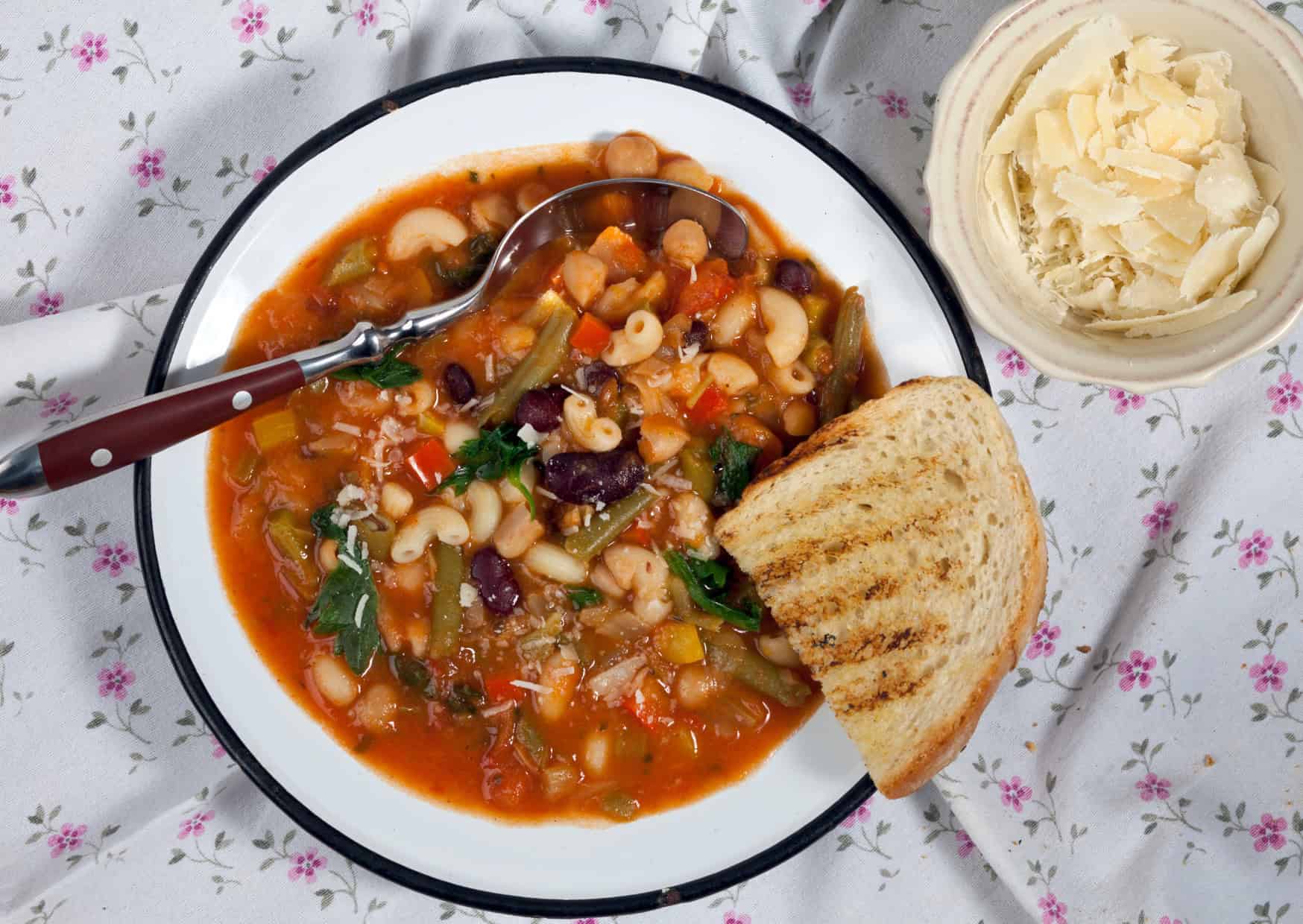
What It Is: Minestrone is a hearty, vegetable-based soup that varies widely depending on the season and region. It usually contains a mix of seasonal vegetables, beans, tomatoes, and pasta or rice. This versatile soup is a staple in Italian households and can be made vegetarian or with meat.
Ingredients:
2 tbsp olive oil
1 onion, chopped
2 garlic cloves, minced
2 carrots, diced
2 celery stalks, diced
1 zucchini, chopped
1 cup green beans, trimmed and chopped
1 potato, peeled and diced
1 cup chopped tomatoes (or 1 can diced tomatoes)
4 cups vegetable broth
1 can cannellini beans, drained and rinsed
1/2 cup small pasta (e.g., ditalini)
1 bay leaf
1/2 tsp dried oregano
Salt and pepper to taste
Fresh basil and Parmesan cheese for garnish
Recipe Instructions:
Heat olive oil in a large pot over medium heat. Add the onion, garlic, carrots, and celery, and sauté until softened.
Add the potatoes, zucchini, and green beans, and cook for another 5 minutes.
Stir in the tomatoes, vegetable broth, oregano, and bay leaf. Bring to a boil, then reduce heat and simmer for 20 minutes.
Add the cannellini beans and pasta, and cook for an additional 10 minutes or until pasta is al dente. Season with salt and pepper, and serve hot, garnished with fresh basil and grated Parmesan.
Tips:
Use seasonal vegetables for the best flavor and texture. For a more filling soup, add some diced pancetta or use a mix of beans and lentils.
Calories: Approximately 200-250 calories per serving (1 cup).
Read here how to make Minestrone
2. Ribollita (Tuscan Bread and Vegetable Soup)
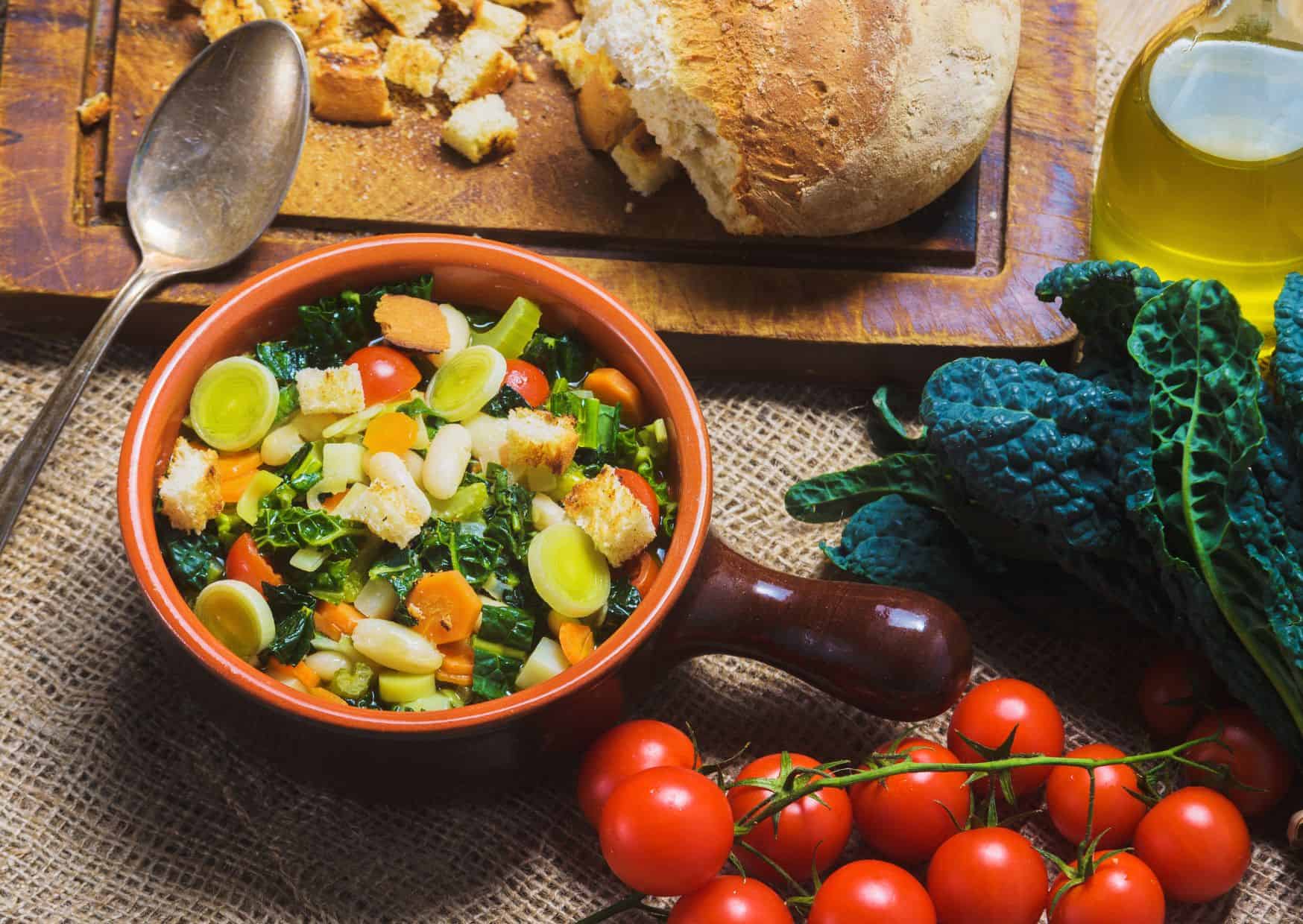
What It Is: Ribollita is a traditional Tuscan soup made with stale bread, cannellini beans, and an assortment of vegetables, including cavolo nero (Tuscan kale). The name “ribollita” means “reboiled,” as the soup is often reheated and served the next day, making the flavors even more robust.
Ingredients:
2 tbsp olive oil
1 onion, chopped
2 garlic cloves, minced
2 carrots, diced
2 celery stalks, diced
1 leek, chopped
2 cups chopped cavolo nero (or regular kale)
1 can (14 oz) cannellini beans, drained and rinsed
4 cups vegetable broth
1 cup diced tomatoes
2-3 cups stale bread, torn into pieces
1 bay leaf
Salt and pepper to taste
Extra-virgin olive oil for drizzling
Recipe Instructions:
Heat olive oil in a large pot over medium heat. Add the onion, garlic, carrots, celery, and leek, and sauté until softened.
Add the kale and cook until wilted. Stir in the cannellini beans, tomatoes, and vegetable broth. Add the bay leaf, and season with salt and pepper.
Bring to a boil, then reduce heat and simmer for 30 minutes. Add the bread and simmer for another 10 minutes until the bread breaks down and thickens the soup. Serve hot, drizzled with extra-virgin olive oil.
Tips:
Use day-old, crusty bread for the best texture and flavor. Ribollita tastes even better the next day, so make a large batch and enjoy leftovers.
Calories: Approximately 250-300 calories per serving.
Read here how to make Ribollita
3. Zuppa Toscana (Tuscan Sausage and Potato Soup)
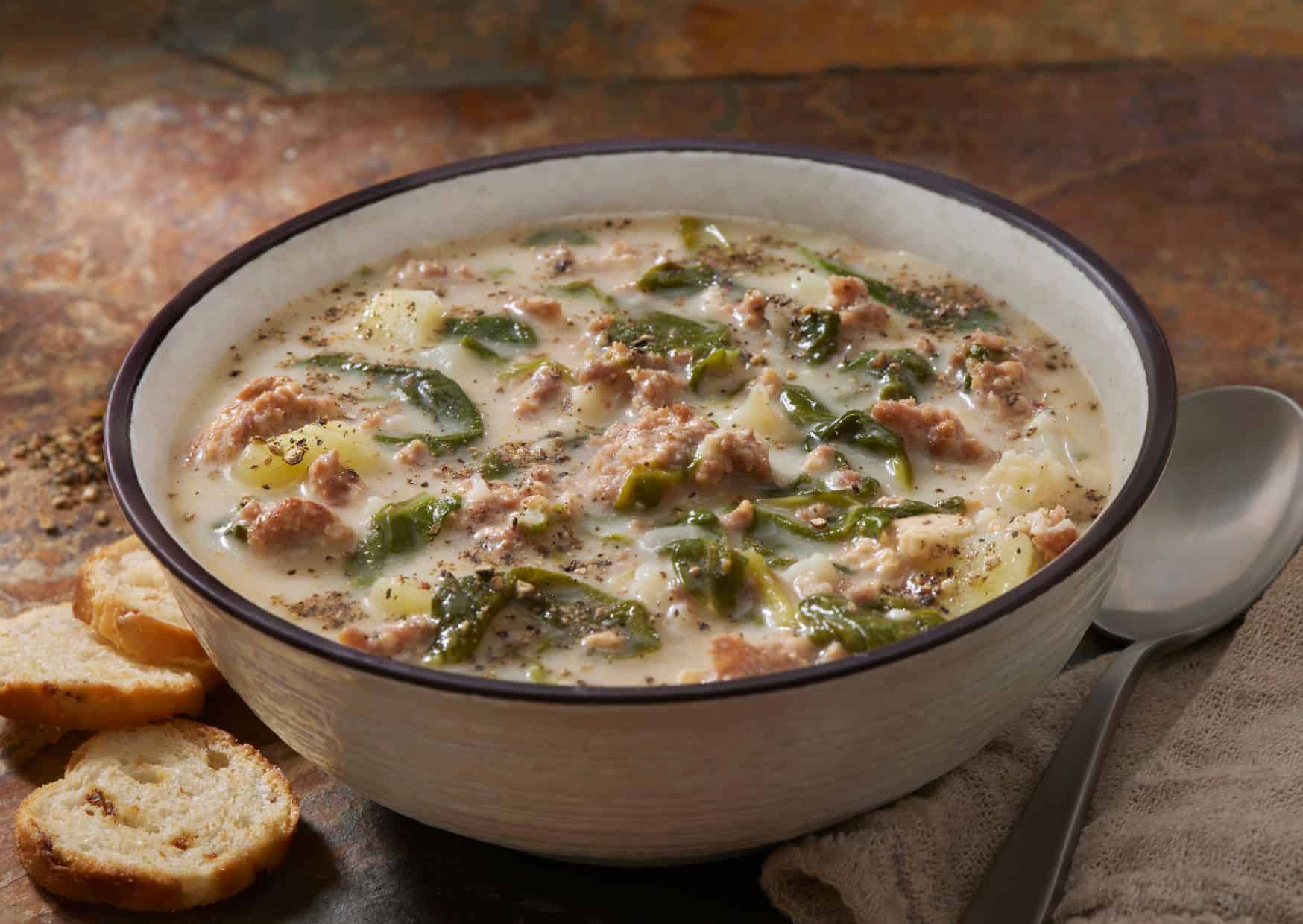
What It Is: Zuppa Toscana is a creamy, comforting soup featuring Italian sausage, potatoes, and kale. It’s known for its rich, savory flavor and is often enjoyed as a hearty meal in itself.
Ingredients:
1 pound Italian sausage, casings removed
1 tbsp olive oil
1 onion, chopped
2 garlic cloves, minced
4 cups chicken broth
4 large potatoes, peeled and sliced thinly
2 cups chopped kale
1 cup heavy cream
Salt and pepper to taste
Red pepper flakes (optional)
Recipe Instructions:
In a large pot, cook the sausage over medium heat until browned. Remove and set aside. Add olive oil to the pot, then sauté the onion and garlic until soft. Pour in the chicken broth and add the sliced potatoes. Bring to a boil, then reduce heat and simmer for 20 minutes.
Return the sausage to the pot and add the chopped kale. Cook for another 5-7 minutes until the kale is tender. Stir in the heavy cream and season with salt, pepper, and red pepper flakes. Serve hot with crusty bread.
Tips:
For a lighter version, substitute half-and-half for the heavy cream. You can also add bacon for extra flavor.
Calories: Approximately 400-450 calories per serving.
4. Pasta e Fagioli (Pasta and Bean Soup)
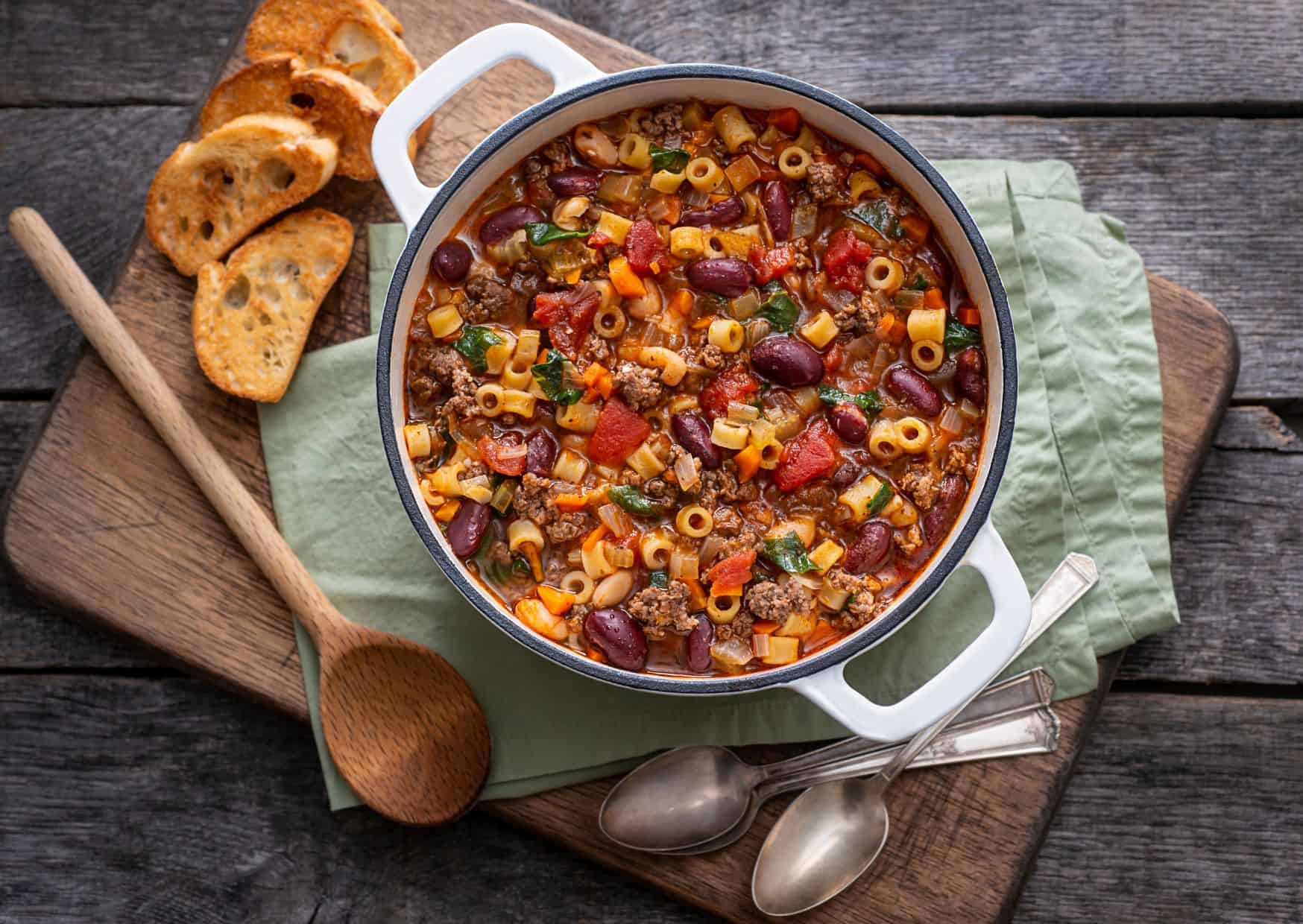
What It Is: Pasta e Fagioli, or “pasta and beans,” is a traditional Italian peasant soup made with small pasta, beans, and a tomato-based broth. It’s simple, hearty, and incredibly satisfying, often enjoyed as a main course.
Ingredients:
2 tbsp olive oil
1 onion, chopped
2 garlic cloves, minced
1 carrot, diced
1 celery stalk, diced
1 can (14 oz) diced tomatoes
1 can cannellini beans, drained and rinsed
4 cups vegetable broth
1 cup small pasta (e.g., ditalini or elbow macaroni)
1 tsp dried oregano
Salt and pepper to taste
Fresh parsley and Parmesan cheese for garnish
Recipe Instructions:
Heat olive oil in a large pot over medium heat. Add the onion, garlic, carrot, and celery, and sauté until softened.
Stir in the tomatoes, cannellini beans, and vegetable broth. Bring to a boil, then reduce heat and simmer for 20 minutes.
Add the pasta and oregano, and cook until the pasta is al dente, about 10 minutes. Season with salt and pepper. Serve hot, garnished with fresh parsley and grated Parmesan.
Tips:
Cook the pasta separately if you plan to have leftovers, as the pasta will continue to absorb liquid and become mushy. Add pancetta or bacon for a richer flavor.
Calories: Approximately 300-350 calories per serving.
5. Stracciatella (Italian Egg Drop Soup)
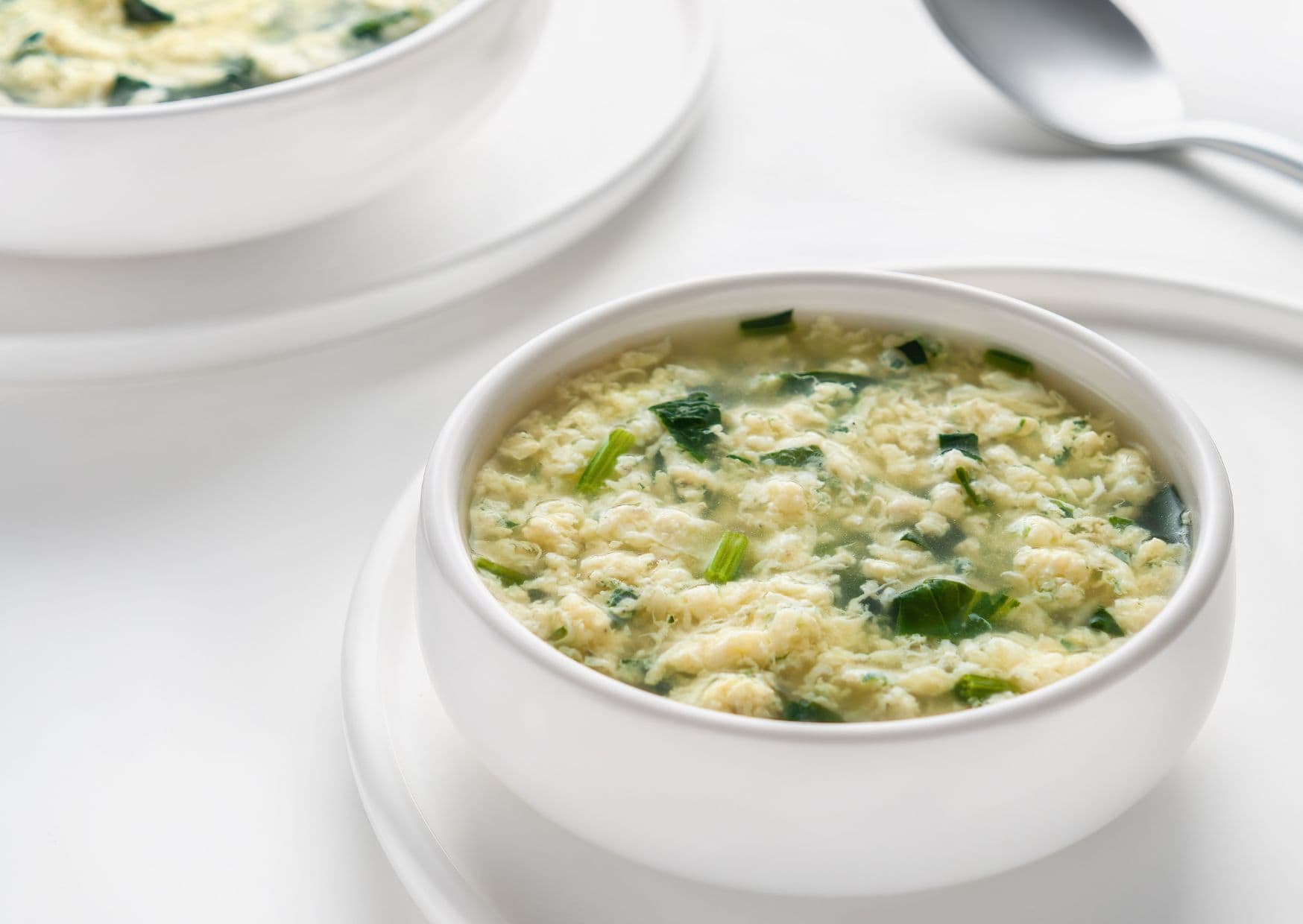
What It Is: Stracciatella is a simple, delicate soup made by stirring beaten eggs into hot broth, creating ribbons of egg similar to Chinese egg drop soup. Often flavored with Parmesan cheese, spinach, and nutmeg, this light soup is traditionally served as a first course.
Ingredients:
4 cups chicken broth
3 large eggs
1/2 cup grated Parmesan cheese
1 cup chopped fresh spinach
Pinch of nutmeg
Salt and pepper to taste
Recipe Instructions:
Bring the chicken broth to a gentle simmer in a pot. In a bowl, whisk together the eggs, Parmesan, nutmeg, salt, and pepper. Slowly drizzle the egg mixture into the simmering broth, stirring constantly to create thin ribbons of egg.
Add the spinach and cook for another 2-3 minutes until the spinach is wilted. Serve hot, topped with extra Parmesan if desired.
Tips:
Serve with crusty bread and a drizzle of olive oil for added richness. For a heartier version, add small pasta like orzo or tortellini.
Calories: Approximately 150-200 calories per serving.
6. Acquacotta (Tuscan Vegetable Soup)
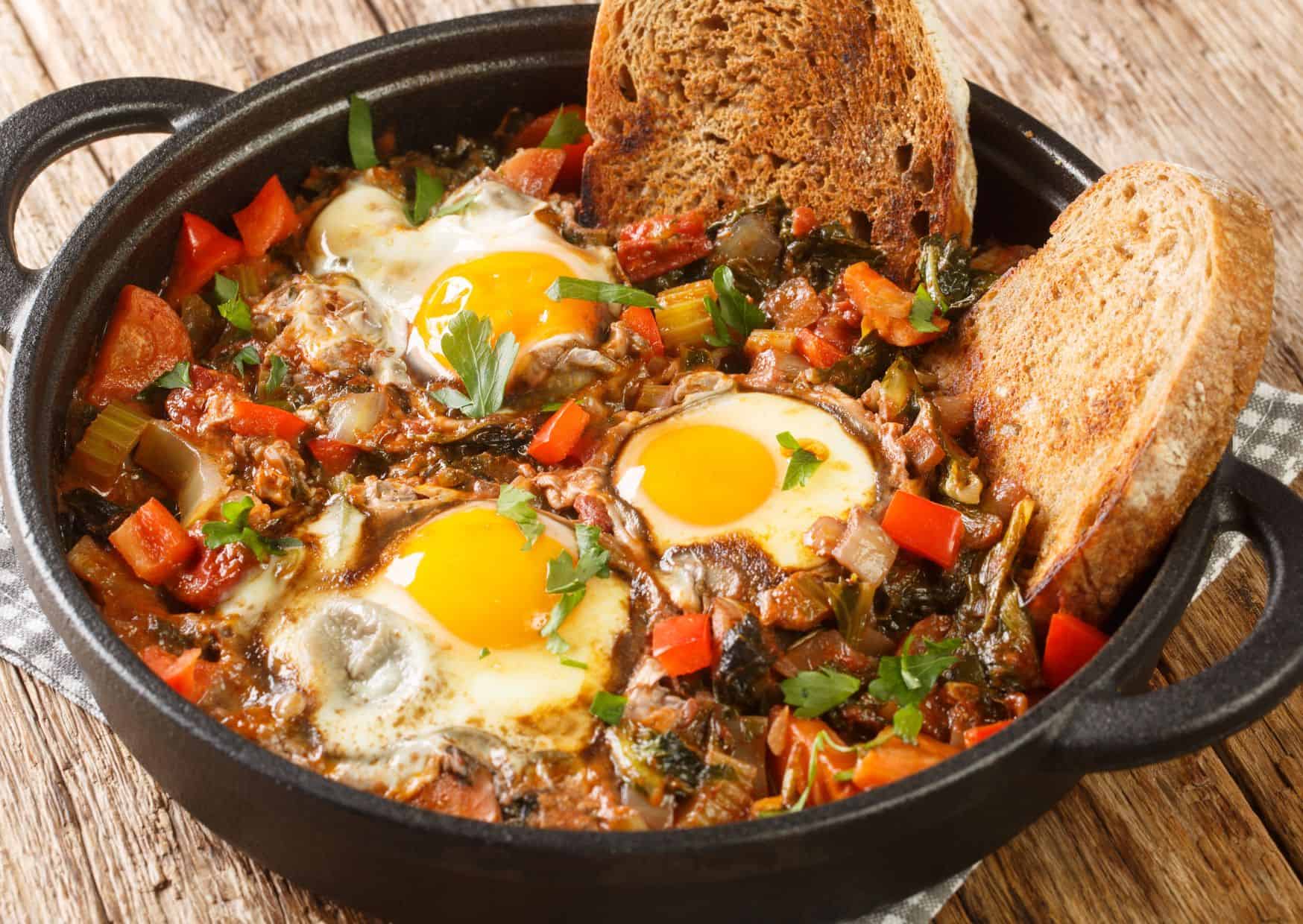
What It Is: Acquacotta, meaning “cooked water,” is a rustic soup from Maremma, Tuscany, traditionally made by shepherds using wild herbs, vegetables, and stale bread. This humble yet delicious soup is usually topped with a poached egg.
Ingredients:
2 tbsp olive oil
1 onion, chopped
2 garlic cloves, minced
1 celery stalk, diced
2 cups chopped tomatoes
4 cups vegetable broth
4 slices of day-old bread
4 eggs
Fresh basil or parsley for garnish
Salt and pepper to taste
Recipe Instructions:
Heat olive oil in a pot. Add the onion, garlic, and celery, and sauté until soft. Add the tomatoes and cook for 5 minutes until slightly reduced. Pour in the broth, season with salt and pepper, and simmer for 20 minutes.
Place a slice of bread in each bowl and ladle the soup over it. Poach the eggs in the simmering soup and place one on top of each bread slice. Garnish with fresh herbs and serve hot.
Calories: Approximately 300-350 calories per serving.
Origin and History
Italy’s most beloved soups were born from a long tradition of cucina povera, or “peasant cooking,” where simple ingredients were transformed into nourishing, flavorful meals. In rural communities, families relied on whatever was in season beans, vegetables, stale bread, and modest cuts of meat to create warming soups that stretched ingredients and fed many. These humble beginnings formed the foundation of most Italian soups still enjoyed today.
As Italy’s regions developed distinct culinary identities, so did their soups. Tuscany became known for ribollita and pappa al pomodoro, both rich in local produce and stale bread turned into silky textures. In the north, where colder climates shaped eating habits, creamy polenta-based soups and minestrone variations took center stage. Coastal areas added their own mark, incorporating fresh fish and shellfish pulled straight from the sea.
Over time, these soups evolved from everyday necessity to cultural signatures. Generations passed down recipes, each one becoming a reflection of family traditions and regional pride. Today, Italy’s iconic soups remain an essential part of the country’s culinary landscape, valued for their comfort, versatility, and deep connection to history.
Debates around Italian soups often begin with the question of authenticity. With regional boundaries, family customs, and village-by-village variations, many Italians argue fiercely over what makes a soup “correct.” A Tuscan ribollita, for example, must follow specific steps in some households, while others insist that small changes are perfectly acceptable. These disagreements reflect Italy’s strong regional identity.
Another ongoing debate concerns modernization. Some cooks embrace updated versions with added spices, richer broths, or creative ingredients unheard of in traditional kitchens. Purists argue that these changes stray too far from the original methods that gave Italian soups their signature flavors. Others counter that cuisine naturally evolves and that modern interpretations keep these dishes alive for new generations.
There’s also tension surrounding the global popularity of certain soups like minestrone which many believe have been oversimplified abroad. Pre-made versions, canned recipes, and commercial shortcuts often dilute the dish’s complexity. Italians argue that these versions misrepresent what the soup should be, while international fans appreciate the convenience. This clash highlights the broader struggle between tradition and global adaptation.
How Long You Take to Prepare
Most Italian soups are relatively simple to make, but preparation times vary depending on the dish. Minestrone, for example, can take about forty-five minutes to an hour, depending on how many vegetables you chop and how deeply you want the flavors to meld. Faster versions are possible, but slow simmering makes a noticeable difference.
Hearty soups like ribollita or pasta e fagioli require a bit more patience. The process of softening beans, sautéing aromatics, and allowing the ingredients to fully integrate can take one to two hours. These soups rely heavily on slow cooking to achieve their signature creaminess and depth, especially when using dried beans instead of canned ones.
Seafood-based soups like brodetto or zuppa di pesce—take less time than expected. Once the aromatics are sautéed and the broth is established, fish and shellfish cook quickly, often in under twenty minutes. No matter the soup, the overall preparation is approachable, rewarding cooks with rich flavor without overwhelming complexity.
Serving Suggestions
Italian soups are almost always served with bread, and the type depends on the region. Crusty Tuscan loaves pair well with vegetable-based soups, helping to thicken or scoop as you eat. For heartier broths, toasted slices drizzled with olive oil add texture and richness. Bread isn’t just a side it’s a fundamental part of the meal.
Fresh herbs make an excellent finishing touch. Basil complements tomato-forward soups, parsley brings brightness to bean dishes, and rosemary enhances rustic vegetable combinations. A small drizzle of high-quality olive oil adds depth, while grated Parmesan or pecorino brings savory richness to soups featuring pasta or beans.
Pair your soup with a simple green salad or roasted vegetables for a balanced meal. Light white wines work well with seafood soups, while earthy reds complement bean and vegetable-based varieties. Italian soups are meant to be comforting yet unfussy, so serve them warm and let their natural flavors shine.
Final Thoughts
Italian soups are far more than starter dishes they’re a reflection of centuries of culture, resourcefulness, and regional pride. Each one tells a story about the land, the people, and the ingredients that shaped it. Whether enjoyed in the countryside or at home in your own kitchen, these soups embody warmth and tradition.
What makes these recipes so enduring is their adaptability. You can follow them precisely, honor regional nuances, or personalize them with ingredients you already have. The heart of Italian soup-making lies in its flexibility and ease, making it accessible to cooks of all skill levels.
In the end, exploring Italy’s most popular soups gives you a deeper appreciation for the country’s culinary heritage. These recipes offer comfort, nourishment, and timeless flavor qualities that keep them beloved across generations. Once you master the basics, these soups become dishes you’ll return to again and again.

About the Author: Ruben, co-founder of Gamintraveler.com since 2014, is a seasoned traveler from Spain who has explored over 100 countries since 2009. Known for his extensive travel adventures across South America, Europe, the US, Australia, New Zealand, Asia, and Africa, Ruben combines his passion for adventurous yet sustainable living with his love for cycling, highlighted by his remarkable 5-month bicycle journey from Spain to Norway. He currently resides in Spain, where he continues sharing his travel experiences with his partner, Rachel, and their son, Han.