
Portugal has become one of Europe’s most popular travel destinations and for good reason. With its scenic coastline, historic cities, warm hospitality, and vibrant food scene, it’s easy to fall in love with this sun-soaked country. But if you want to experience Portugal like a local and avoid standing out as a tourist, there are a few cultural cues to understand.
You don’t need to pretend to be Portuguese to have an incredible experience in Portugal. But by making small efforts to respect local customs and culture, you’ll not only avoid looking like a tourist you’ll enjoy a deeper, more meaningful connection to the people and the places you visit.
Travel is about learning, adapting, and embracing the unfamiliar. In Portugal, that means slowing down, sipping coffee in the sunshine, greeting people warmly, and appreciating the beauty in the details.
Here’s your practical guide to help you fit in, avoid awkward moments, and enjoy the real Portugal.
Read here Tips for living in Portugal as Digital Nomad, best things to know before visiting Portugal, best Portugal sim card for tourist and the best Portuguese food
BOOK YOUR TRAVEL INSURANCE
Two of our favorite travel insurance: Heymondo Vs Safetwing cheapest travel Insurance. You can get for $135 USD your HeymondoTravel Insurance with Heymondo discount code valid for 90 days. Read our full comparison of Genki vs Safetywing Travel Insurance Review and the comparison Heymondo vs Genki
Quick Easy Tips
Dress Smart but Simple: Avoid flashy logos, flip-flops outside the beach, and activewear in cities. Portuguese style leans toward timeless and tidy, not casual or bold.
Mind Your Volume: Loud voices in restaurants, buses, or shops instantly signal “tourist.” The Portuguese are soft-spoken — match their tone.
Eat Like a Local: Skip all-day breakfast spots. Have a pastel de nata and espresso in the morning, and save your seafood feast for lunch.
Learn Key Phrases: A polite “obrigado/a” or “bom dia” goes a long way — locals appreciate even small attempts at Portuguese.
Respect Slow Service: Meals are not rushed. Relax, enjoy your wine, and never ask for the check too quickly.
Many American and British tourists are shocked to find how traditional Portugal remains, especially compared to its trendier neighbors like Spain or France. This difference often sparks frustration: visitors misread slower service, modest fashion, and quiet demeanor as lack of hospitality. But in reality, these habits reflect deep-rooted values patience, dignity, and humility that run through Portuguese culture.
One major cultural misunderstanding revolves around friendliness. In Portugal, warmth is shown through quiet gestures not big smiles or over-the-top chatter. Tourists expecting constant enthusiasm may misinterpret locals as cold, when they’re simply being reserved until trust is built. Similarly, tipping isn’t a performance; it’s modest and discreet. Overdoing it can even make people uncomfortable.
Finally, Portugal’s deep sense of community means that behavior in public spaces matters. Tourists who act as though every beach, restaurant, or square is their private playground often get subtle disapproval. Understanding this cultural restraint isn’t about restriction it’s about aligning with a society that values coexistence over self-expression.
1. Dress Neatly and with Subtle Style

What to know: Portuguese people value dressing well, even for casual outings. You’ll rarely see locals in sloppy clothes, and you definitely won’t see them walking around in flip-flops unless they’re at the beach.
What to do instead:
Avoid gym clothes, shorts (unless it’s very hot), and graphic tees in the city.
Go for clean, casual, and modest clothing — think fitted jeans, light layers, and comfortable shoes.
Leave the baseball caps and fanny packs at home.
2. Greet People Properly
What to know: Politeness goes a long way in Portugal. Saying hello (“Olá”) and goodbye (“Adeus”) when entering or leaving shops, restaurants, or elevators is the norm.
What to do instead:
Always greet shopkeepers and staff, even if you don’t speak Portuguese.
Use “Bom dia” (good morning), “Boa tarde” (good afternoon), and “Boa noite” (good evening) at appropriate times.
3. Don’t Expect Things to Run on American Time
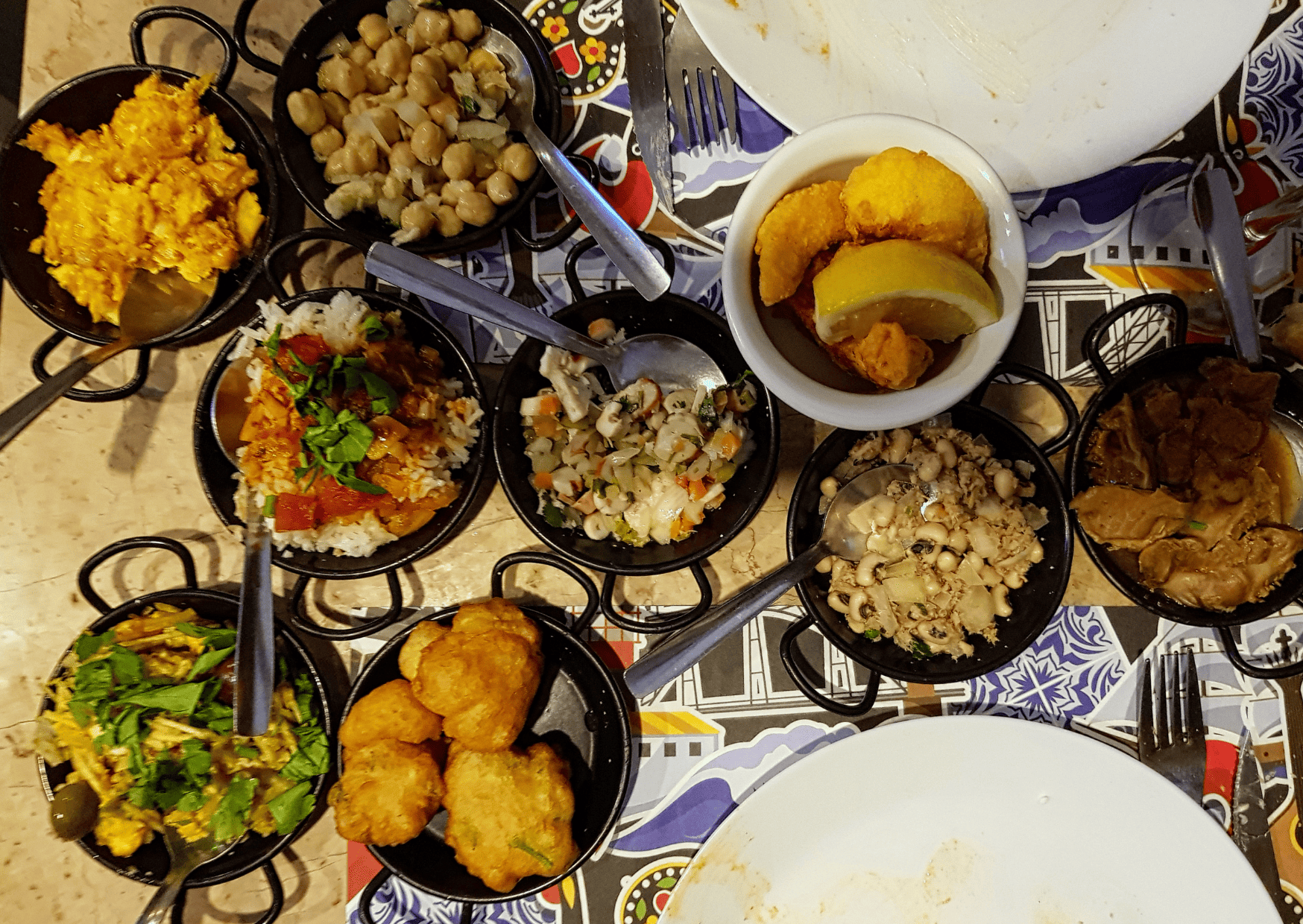
What to know: Portugal moves at a slower, more relaxed pace. Things open later, especially in smaller towns, and dining times are often much later than in the U.S.
What to do instead:
Plan for a flexible itinerary.
Expect lunch around 1–2 PM and dinner around 8–9 PM.
Be patient — slower service is normal and not a sign of rudeness.
4. Learn Basic Portuguese Phrases
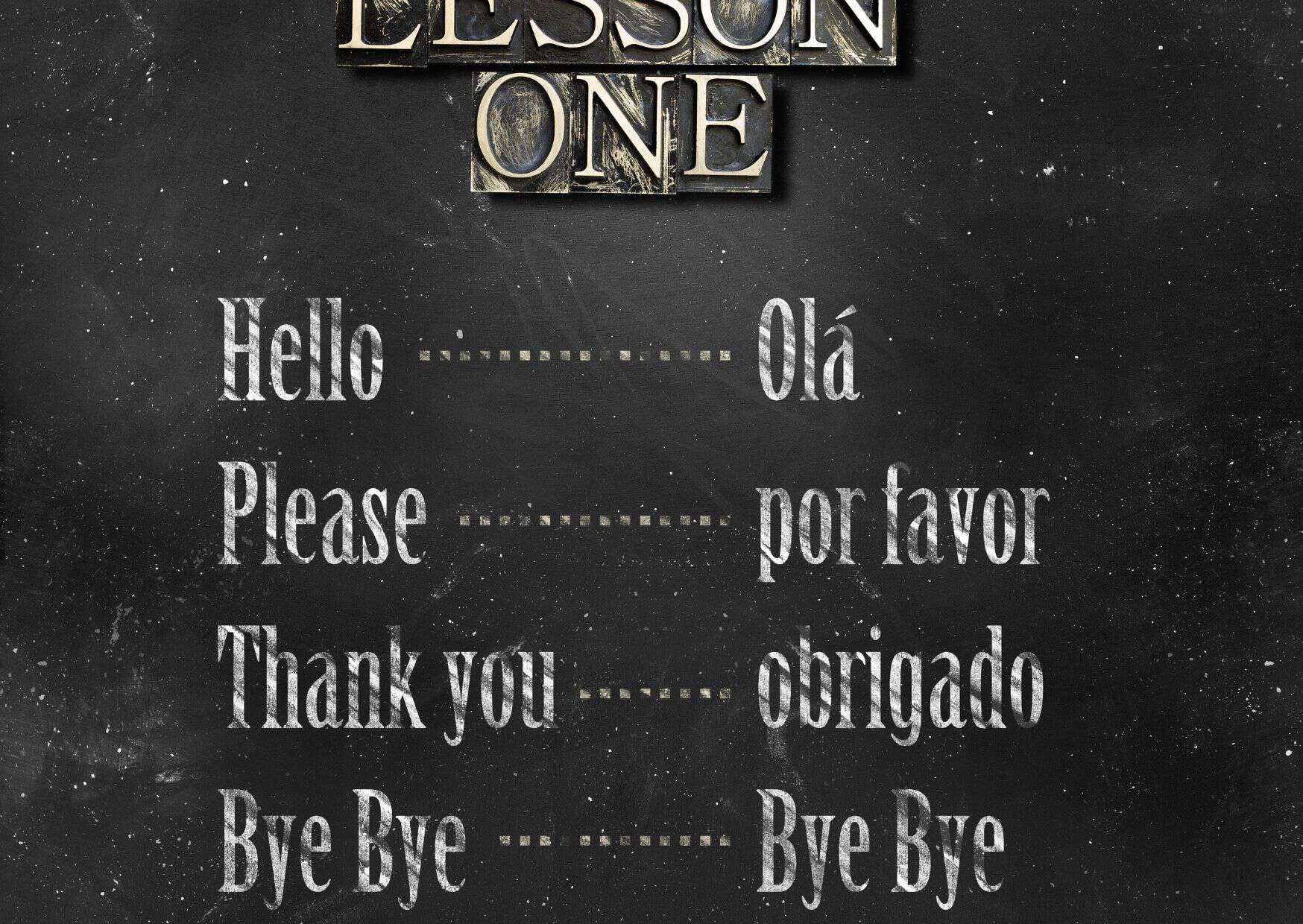
What to know: While English is widely spoken in Lisbon, Porto, and touristy areas, locals appreciate it when you try to speak their language — even just a few words.
What to do instead:
Learn phrases like “por favor” (please), “obrigado/obrigada” (thank you), and “desculpe” (excuse me).
Use translation apps when needed but try a few words before switching to English.
5. Respect Local Dining Customs

What to know: Meals are an important part of Portuguese culture and are meant to be enjoyed slowly. It’s also common to be charged for small items like bread, olives, or cheese served at the start of a meal.
What to do instead:
Don’t rush your meal or expect quick service.
If you don’t want the couvert (starter items), politely decline it when offered.
Try local dishes like bacalhau, grilled sardines, or francesinha instead of sticking to international fare.
6. Don’t Overtip
What to know: Tipping is appreciated but not expected. You’ll see locals leave small change or round up, but 15–20% tips are rare.
What to do instead:
Round up the bill or leave 1–2 euros at cafés and casual restaurants.
For exceptional service in higher-end spots, a 5–10% tip is more than enough.
7. Use Public Transportation Like a Local
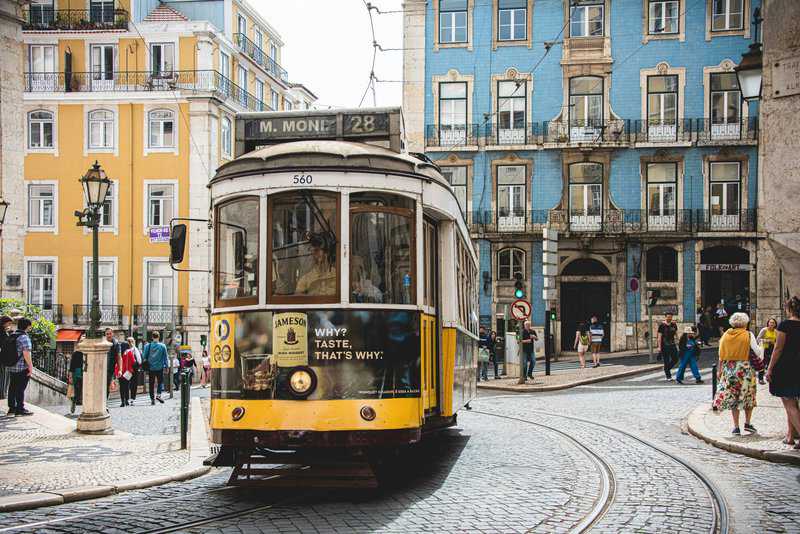
What to know: Portuguese cities like Lisbon and Porto have excellent public transportation systems. Locals commonly use trams, metros, buses, and even funiculars.
What to do instead:
Buy a rechargeable transit card (like Viva Viagem in Lisbon).
Validate your ticket before boarding to avoid fines.
Avoid loud conversations or blocking doorways.
8. Don’t Assume Portugal is Just Like Spain
What to know: Portugal is proud of its own distinct culture, history, and language. Comparing it constantly to Spain, or worse, speaking Spanish to locals, can be seen as dismissive.
What to do instead:
Treat Portuguese as its own culture and language — because it is.
Show genuine interest in the country’s traditions, music (like fado), and cuisine.
9. Avoid Overpacking or Carrying Giant Backpacks
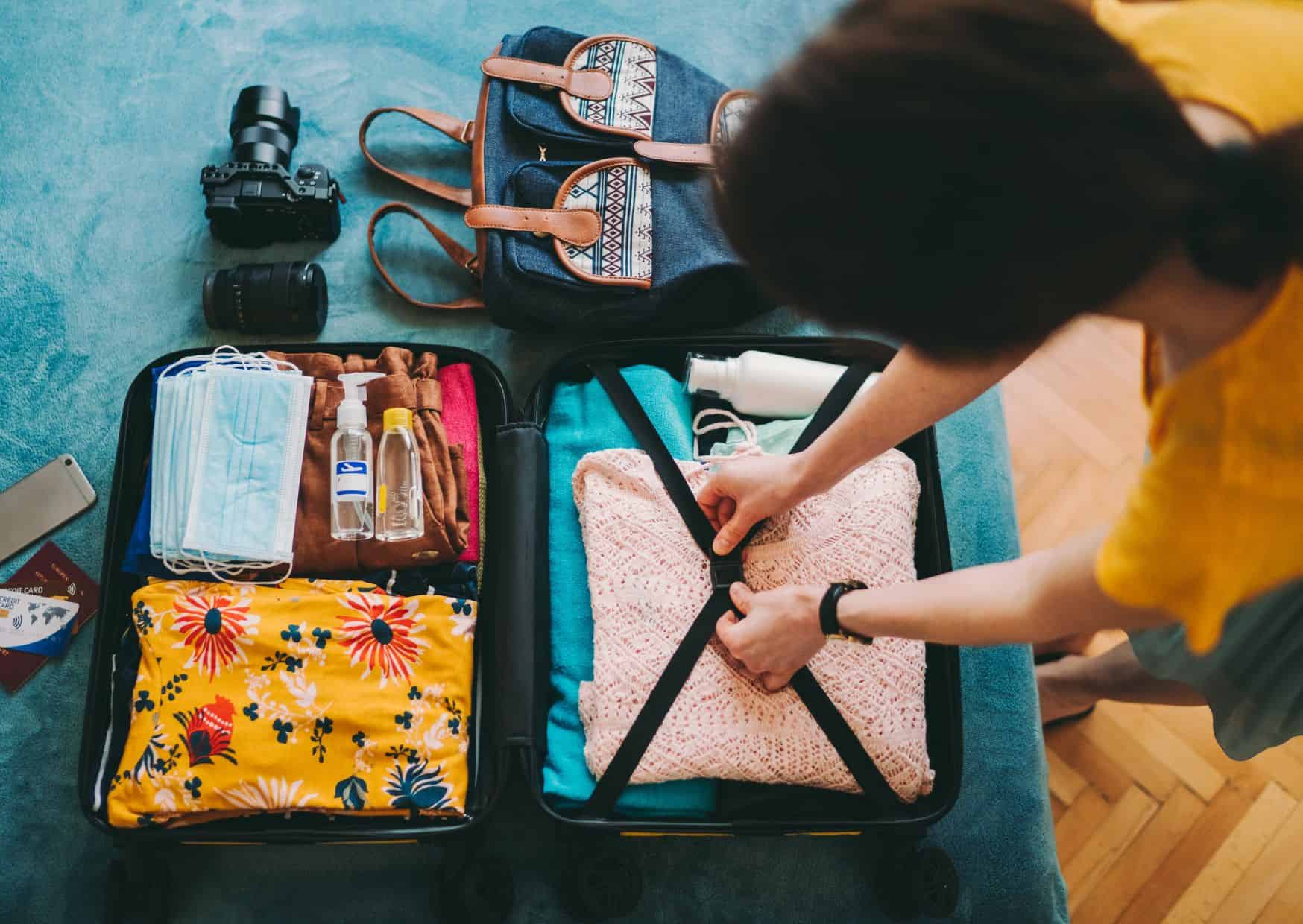
What to know: Large backpacks, loud luggage, or daypacks stuffed with gear scream “tourist” — and can be inconvenient on narrow streets, trams, or cobbled paths.
What to do instead:
Pack light and use a smaller crossbody or shoulder bag for daily outings.
Keep valuables close and be mindful of pickpockets in crowded areas.
10. Be Respectful in Churches and Historic Sites
What to know: Portugal has many beautiful churches and religious landmarks. These are not just tourist attractions — they are sacred spaces.
What to do instead:
Dress modestly when visiting churches.
Speak quietly, turn off your flash, and follow signage.
Don’t treat religious sites like photo ops — take time to appreciate them.
11. Don’t Walk While Eating
What to know: In Portugal, eating on the go is uncommon. Meals, coffee, and even snacks are usually enjoyed seated, either at a café or a bench.
What to do instead:
Take the time to sit down and enjoy your espresso and pastel de nata.
Even for quick meals, try to find a spot to stop and eat rather than rushing through.
12. Avoid Getting Too Loud in Public
What to know: Portuguese people are generally warm and social, but they’re also respectful of public space. Loud talking, especially on public transport or in quiet towns, can draw unwanted attention.
What to do instead:
Keep your voice down in trains, restaurants, and historic neighborhoods.
Avoid speakerphone or loud videos in public places.
Final Thoughts
Traveling through Portugal is not just about the sights it’s about blending into a rhythm that’s centuries old. To truly connect with the country, slow down, observe, and adapt. The beauty of Portuguese life lies in the details: the quiet clinking of espresso cups, the afternoon ocean breeze, the respect between strangers sharing a café table.
By learning to match the local pace, you’ll notice how much deeper your experience becomes. You’ll get better service, genuine smiles, and perhaps even an invitation into a hidden taverna where no tourist ever wanders. Portugal rewards respect with warmth always.
So don’t aim to “act local” for appearance’s sake. Instead, embrace the Portuguese spirit of simplicity and gratitude. Because once you do, you’ll realize that the best kind of travel is when no one can tell you’re just visiting.

About the Author: Ruben, co-founder of Gamintraveler.com since 2014, is a seasoned traveler from Spain who has explored over 100 countries since 2009. Known for his extensive travel adventures across South America, Europe, the US, Australia, New Zealand, Asia, and Africa, Ruben combines his passion for adventurous yet sustainable living with his love for cycling, highlighted by his remarkable 5-month bicycle journey from Spain to Norway. He currently resides in Spain, where he continues sharing his travel experiences with his partner, Rachel, and their son, Han.