
And what it reveals about daily impact, cultural motion, and why one society protects its strength from the ground up
In the U.S., hip replacements are so common they’ve become routine. Every year, hundreds of thousands of Americans especially women over 60 undergo surgery to fix what their bodies can no longer support. Doctors cite genetics, inactivity, diet, or just “getting older.” But what’s often framed as inevitable in America looks very different in Spain.
In southern Europe, women in their 70s and 80s walk unaided through plazas, climb narrow staircases in centuries-old buildings, and carry groceries home from the market. Their posture is upright. Their pace is steady. Their balance is intact. Fractures and surgeries still happen, but not at the same rate. And one of the reasons is literal: bone density.
Spanish women, particularly in older generations, maintain stronger bones into later life not because of supplements or gym routines, but because of everyday patterns that build and preserve skeletal health from youth onward. Their lifestyle provides the scaffolding. Their environment reinforces it. And the medical system supports it by not rushing to intervene with surgery when slower methods still work.
Here’s how Spanish culture quietly protects mobility in older women and what the American system often overlooks about the long-term relationship between movement, food, posture, and time.
Want More Deep Dives into Everyday European Culture?
– Why Europeans Walk Everywhere (And Americans Should Too)
– How Europeans Actually Afford Living in Cities Without Six-Figure Salaries
– 9 ‘Luxury’ Items in America That Europeans Consider Basic Necessities
Quick Easy Tips
Incorporate daily, low-impact movement like walking, dancing, or cycling to support bone strength.
Focus on a nutrient-rich diet that includes calcium, vitamin D, and healthy fats.
Spend time outdoors regularly to boost vitamin D naturally from sunlight.
Prioritize posture and balance exercises to reduce fall risk as you age.
Limit over-reliance on processed foods and sugary drinks, which can weaken bone health over time.
One of the most striking differences between Spain and the U.S. when it comes to bone health is lifestyle. In Spain, daily movement is built into everyday life walking to the market, climbing stairs, or gathering with friends outdoors. In the U.S., more sedentary routines and car-dependent living often reduce this natural physical activity, weakening bones over time.
Another controversial factor is diet. Spanish women traditionally follow a version of the Mediterranean diet, which is naturally rich in nutrients that support bone strength, such as calcium, omega-3 fatty acids, and vitamin D. In contrast, many American diets are dominated by processed foods, which can lead to inflammation and lower bone density.
The debate extends to healthcare culture itself. In the U.S., there’s a strong emphasis on treating problems after they arise like relying on hip replacements rather than addressing the habits that lead to bone loss in the first place. Meanwhile, Spanish health practices lean more heavily toward prevention, illustrating a major cultural divide in how aging and health are approached.
1. They walk every day, without calling it exercise

In Spain, walking isn’t a workout. It’s a default. People walk to the bakery, to the pharmacy, to visit a neighbor, or just to be outside. There are no step counters, no fitness trackers, no performance metrics. Movement is built into daily life—and has been for generations.
This matters for bone density because bones respond to load. The more consistent, low-impact strain placed on the skeleton, the more it strengthens and maintains itself. Spanish women in their 60s and 70s grew up in towns where walking was unavoidable. Public transit filled in the gaps, but cars weren’t the center of movement.
Compare this to the American norm, where driving is default. Even short distances are car-dependent. Exercise becomes something scheduled or purchased—an hour at a gym, a session in physical therapy—rather than something constant. Bones that don’t carry weight regularly lose strength over time. No supplement undoes that.
Over decades, these differences compound. What feels like luck or genetics in later life often traces back to the cultural infrastructure of movement that shaped the body early on.
2. Posture is culturally reinforced not corrected after damage
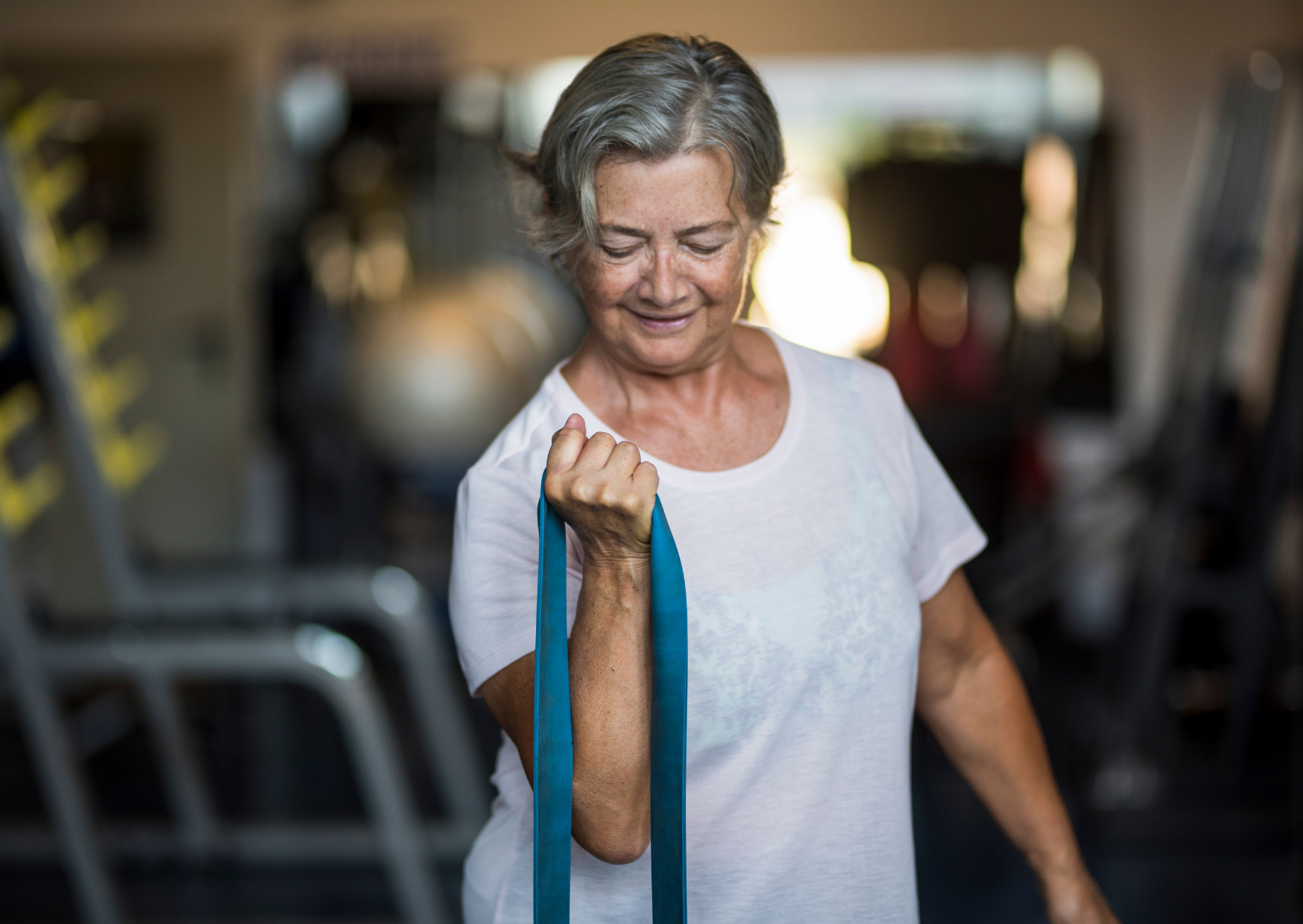
In Spain, posture is socially embedded. Young girls are corrected at the table. Elderly women carry themselves with awareness. There’s no cult of perfect spine alignment—but there is a cultural attention to how one holds the body.
You see it in small details: women walking with their hands behind their backs, shoulders back, heads upright. Benches are straight, chairs are firm, beds are supportive but not sunken. At home and in public, posture is a functional norm—not a therapeutic correction.
In the U.S., postural awareness is often introduced only after something goes wrong. Physical therapy starts after the fall, the herniated disc, the recurring neck pain. Pillows are sold to fix tech neck. Chairs are designed to compensate. But these interventions arrive late.
Spanish women, even in old age, often maintain natural spinal alignment—not because they trained for it, but because their daily environment and habits never asked them to collapse. That posture distributes weight efficiently and keeps the hips, spine, and legs moving as a connected unit.
3. Diet builds bone without packaging it as a product
Bone health in Spain isn’t branded. There are no widespread calcium-fortified snack bars, no “bone-support” drink lines, no health influencers pushing supplements. Yet daily meals naturally include nutrient-dense foods that support skeletal strength.
Calcium and magnesium come from legumes, anchovies, sardines, olive oil, lentils, leafy greens, and full-fat cheeses. Meals are built from whole ingredients. Bones are simmered for broth. Dairy is consumed in moderation, but consistently. Mineral-rich fish is common, and salt isn’t demonized—it’s used mindfully.
In the U.S., bone density is medicalized. It becomes a condition to treat. Americans are told to take calcium pills, buy fortified products, or get annual scans. But these reactive steps often begin after decades of low-mineral diets filled with processed foods, soft drinks, and refined grains.
Spanish diets preserve bone without chasing bone. Meals are local, seasonal, cooked at home, and slow. There’s no special protocol—just an accumulated rhythm of nourishment that gives the skeleton what it needs over time.
4. Hormones are supported through rhythm, not replacement
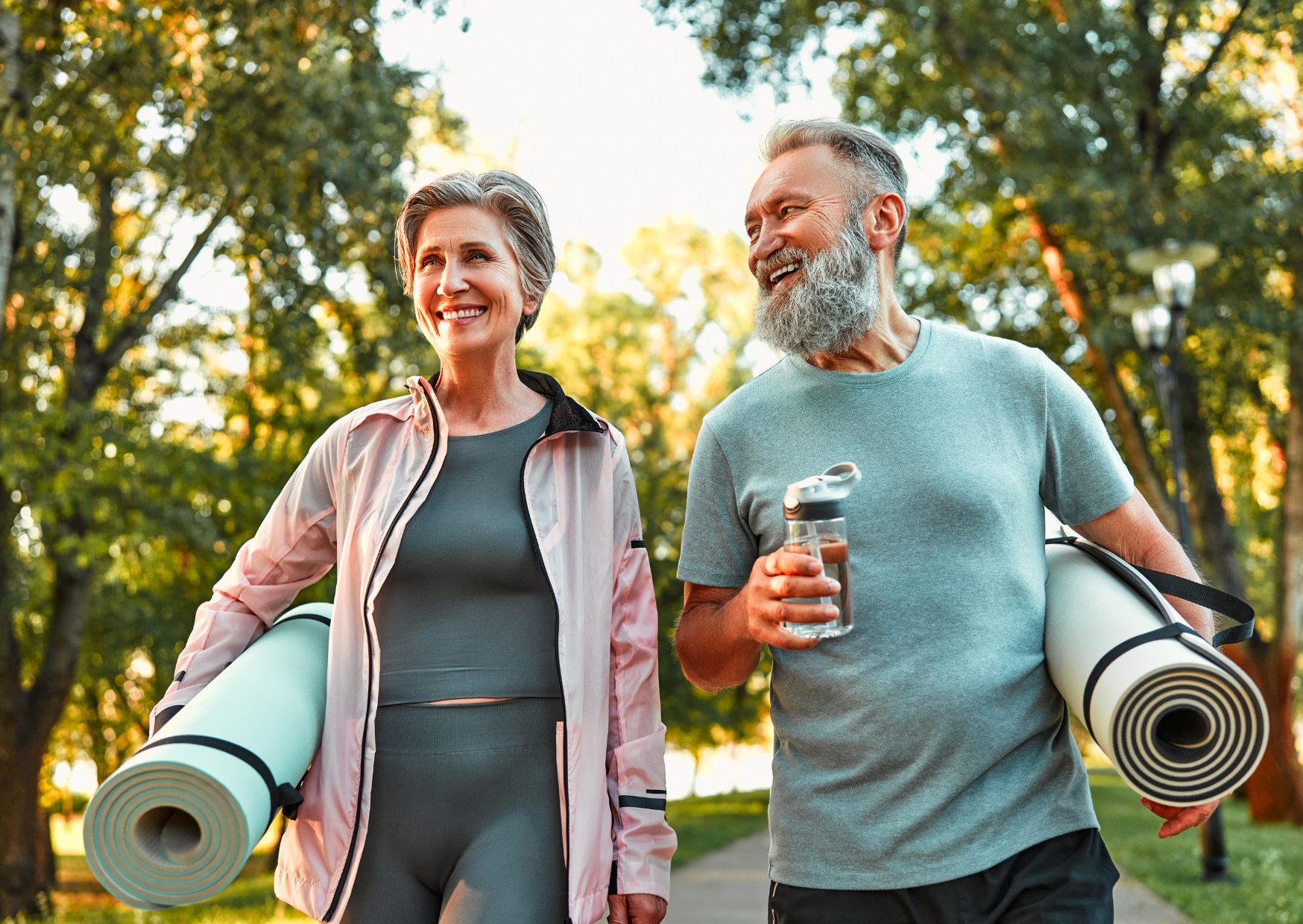
Bone density loss accelerates after menopause. In the U.S., the typical response is clinical: hormone replacement therapy, DEXA scans, and pharmaceutical interventions. These can be effective—but they’re often the only plan offered, and they come after decline has begun.
In Spain, while HRT is available, many women move through menopause with fewer symptoms and slower degeneration—not because of a miracle, but because of lifestyle regulation that buffers hormonal swings. Meals are regular. Movement is consistent. Sleep patterns are steadier. Social rhythms keep isolation at bay.
Women gather daily in plazas, shops, and homes. They don’t disappear post-50. Their roles change, but their visibility doesn’t. That ongoing inclusion reduces cortisol spikes and emotional isolation—both of which affect hormone regulation and, by extension, bone preservation.
It’s not that menopause is easier in Spain. It’s that the body is supported through stability. Hormonal shifts are softened by a culture that still expects older women to participate—and to move.
5. Surgical intervention is not the default
In the U.S., medical care is efficient, but often interventionist. Once bone density drops or mobility falters, the solution tends toward replacement—new hips, new knees, months of recovery. In many cases, these surgeries are necessary. But the system is primed for hardware.
Spanish doctors tend to treat mobility loss more gradually. They recommend walking, swimming, stretching, physical therapy, and dietary adjustments. Surgery is reserved for last—not as punishment, but because the cultural instinct is to preserve function first.
This makes a difference in outcomes. A hip that’s slightly deteriorated in Spain might be managed with movement and lifestyle changes. In the U.S., the same condition may be accelerated to surgery, simply because the system assumes that’s where it’s going.
As a result, more Spanish women maintain their original joints into old age—not because their bones are better, but because their system gives them more time to use what they already have.
6. Older women are still part of the city’s physical design
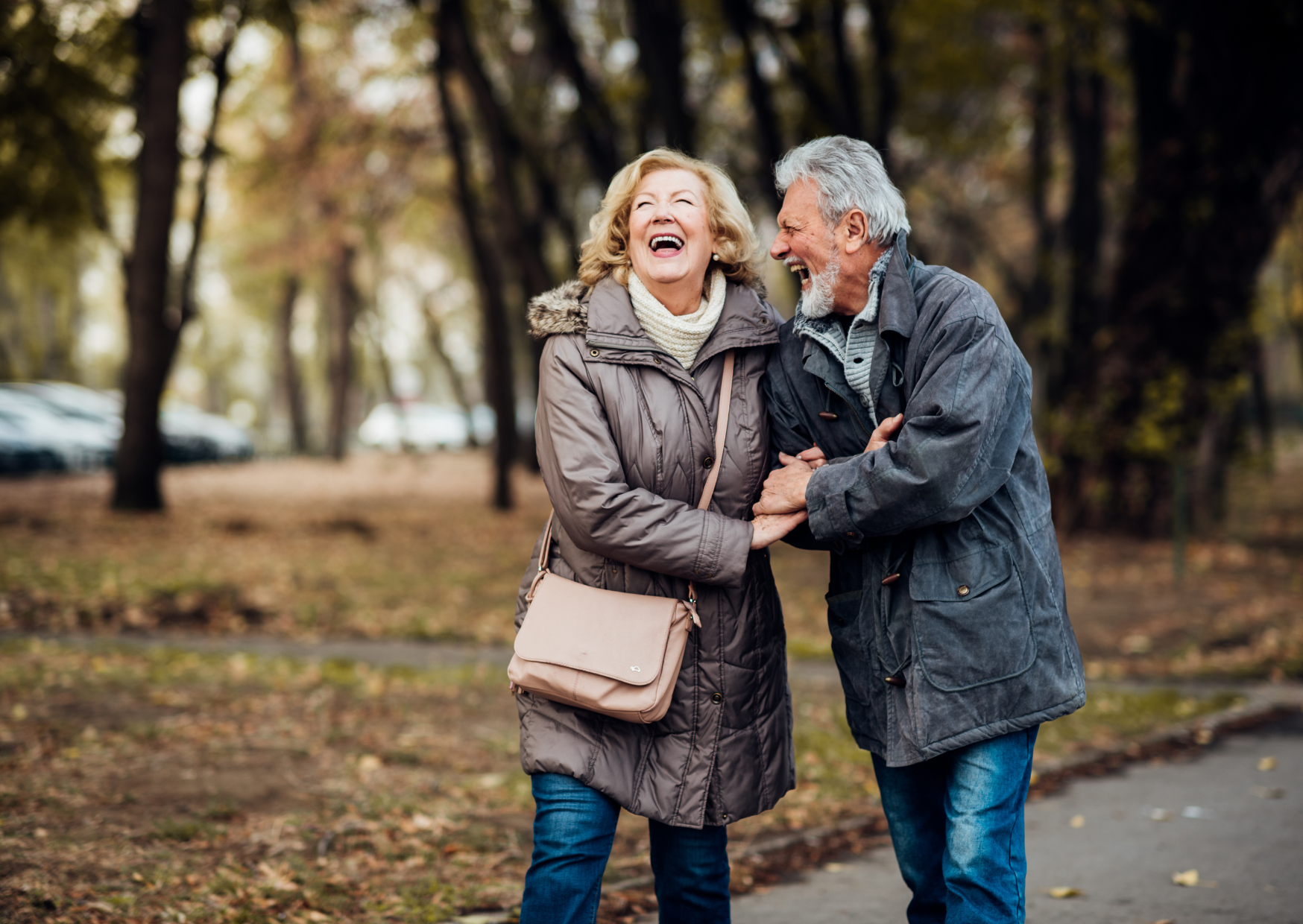
Spanish cities were not designed for cars or retirement homes. They were designed for daily life on foot—across all ages. Sidewalks are narrow but well-used. Parks are integrated. Benches are everywhere. Public transit requires short walks but minimal exertion.
This design keeps older women in circulation. They don’t need gyms. They don’t need senior-only transport. Their world is scaled to their body, and that body stays in motion because the city expects it to.
Contrast this with the American landscape. Suburbs sprawl. Sidewalks disappear. Stores require parking lots. Even if an older woman wants to stay active, she has to build an artificial plan to do so. The world around her has not been designed for her continued motion.
In Spain, motion is maintained because mobility is not segregated by age. Older women stay strong because they are not physically excluded from the world they helped build.
7. Aging is public not medicalized
In American culture, aging often becomes medical. After 60, most healthcare visits center around what’s declining. The body is tracked through tests and scans. Bones become data. Movement becomes risk.
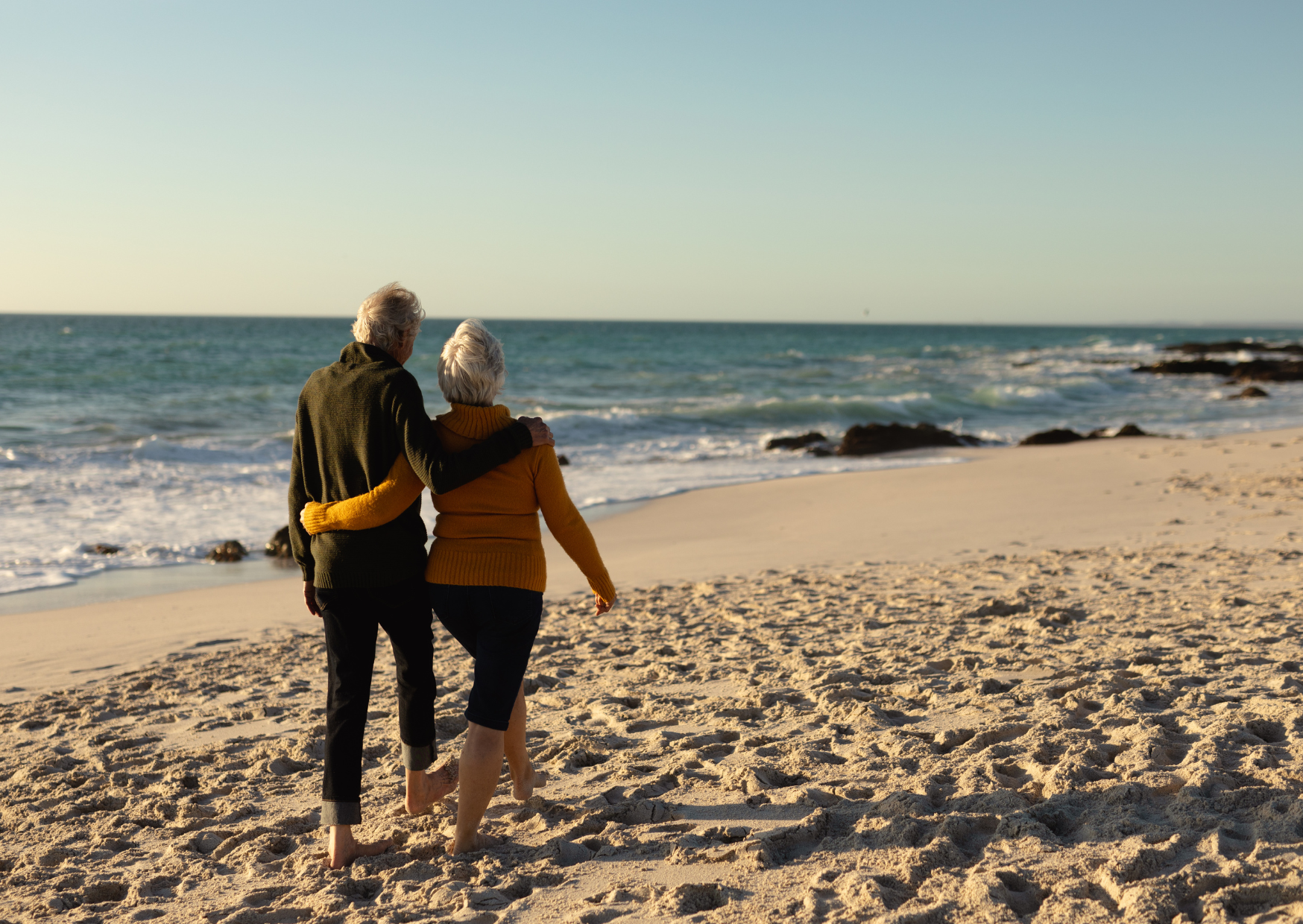
In Spain, aging is slower. Not because it doesn’t happen, but because it isn’t immediately categorized as deterioration. A woman in her 70s may slow down, but she is still expected to be visible, social, and mobile.
This cultural expectation protects physicality. It keeps older women from withdrawing. They move not just because they’re able to—but because the world still invites them to. That continuity strengthens bones, yes—but it also preserves identity.
Bone density, in this case, is just one visible result of a culture that still sees aging as life—not decline.
8. The body they have is the body they use
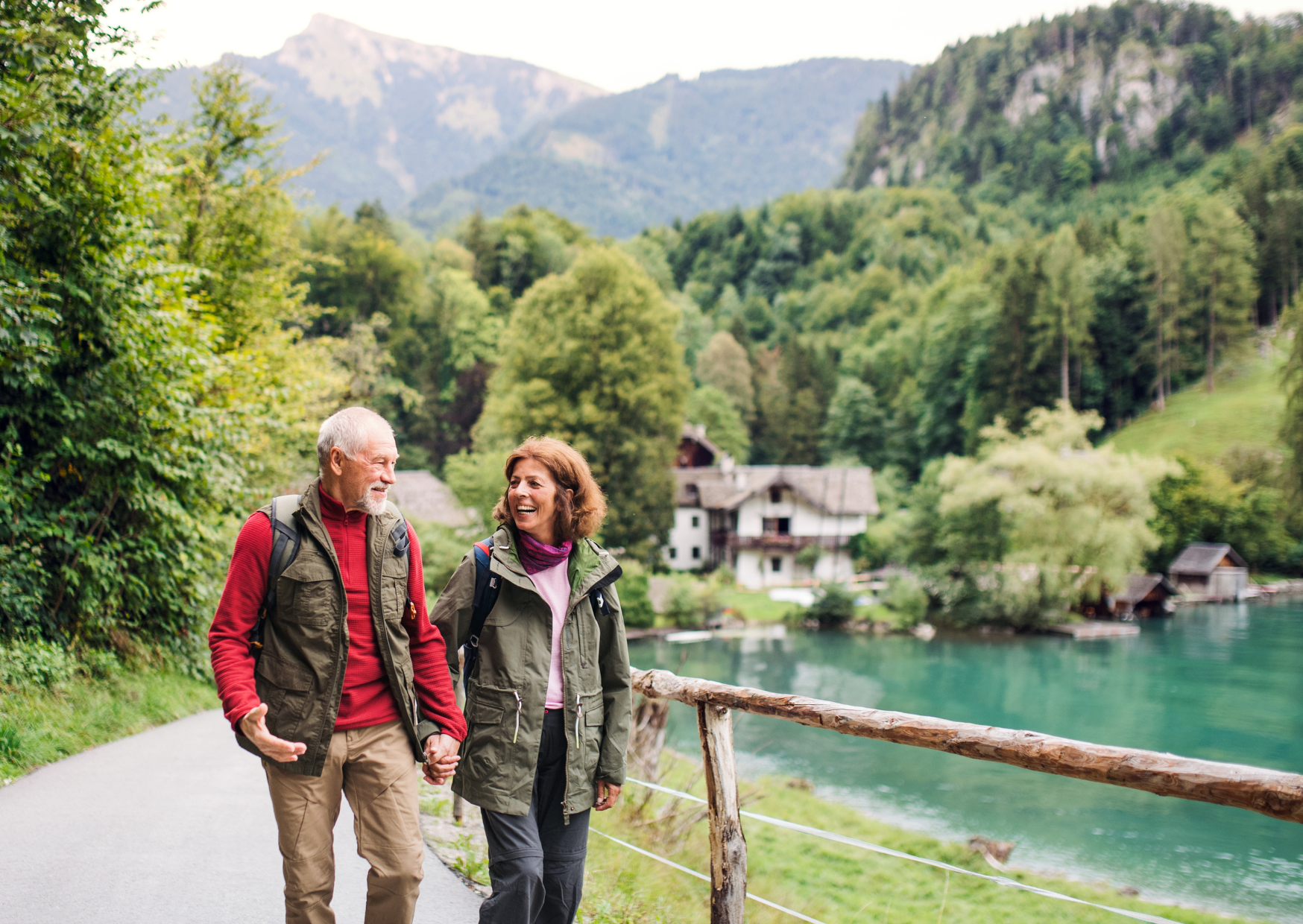
In the U.S., aging women are told to buy better shoes, switch diets, try supplements, get scans, and prep for surgery. They are reminded that their body is failing—and encouraged to outsource its solutions.
In Spain, the emphasis stays on use. The body is not upgraded. It is continued. Shoes are chosen for walking, not cushioning. Meals are prepared for function, not marketing. A cane is used, if needed, but not hidden.
This doesn’t romanticize aging—it normalizes it. It makes older women visible, upright, and engaged. That posture becomes literal: their bones stay strong because their movement stays honest.
They don’t preserve themselves to stay young. They keep moving because they were never asked to stop.
Final Thoughts
Healthy aging looks different around the world, and nowhere is that more evident than in Spain. Spanish women, known for their active lifestyles and balanced approach to health, maintain stronger bones and mobility well into older age compared to many of their American counterparts. This difference doesn’t come down to expensive treatments or high-tech solutions, but rather everyday habits rooted in culture, diet, and movement.
While hip replacements are becoming increasingly common in United States, many Spanish women are still walking, gardening, dancing, and living independently in their later years. Their secret lies in a way of living that supports bone health naturally over time, not through quick fixes.
This contrast is a reminder that lasting health isn’t always about radical interventions. It’s often about small, consistent choices made over decades choices that build resilience from the inside out.

About the Author: Ruben, co-founder of Gamintraveler.com since 2014, is a seasoned traveler from Spain who has explored over 100 countries since 2009. Known for his extensive travel adventures across South America, Europe, the US, Australia, New Zealand, Asia, and Africa, Ruben combines his passion for adventurous yet sustainable living with his love for cycling, highlighted by his remarkable 5-month bicycle journey from Spain to Norway. He currently resides in Spain, where he continues sharing his travel experiences with his partner, Rachel, and their son, Han.