
The pitch sounds patriotic. You retire with a US passport, you move wherever you want, you live the dream. The blue book opens doors. Except in 2026, the doors it opens are narrower than you think, and the ones it keeps locked are the ones nobody mentions until you’re standing at a consulate window watching a Hungarian couple breeze through while you fill out form seventeen.
The 2026 Nomad Passport Index just dropped. The United States ranks #43 globally. Not a typo. Behind Romania, Hungary, Bulgaria, Greece, and Malta. Behind countries Americans dismiss as “developing” while planning retirements that will cost them more than they ever saved. The ranking isn’t about pride. It’s about what your passport actually does for your money, your taxes, and your freedom to build a life somewhere else. If you’re planning to retire in Europe, the passport you hold matters more than the pension you saved.
This is not a political piece. It’s a practical one. I’m going to show you exactly why the American passport underperforms for retirees, which countries jumped ahead and why, and what this means if you’re sitting in Florida with a dream of Portugal that might need to shift to Romania. You’ll get clean numbers, real trade-offs, and the uncomfortable math that travel blogs skip because it doesn’t photograph well.
Quick and Easy Tips
The US passport ranks #43 because America taxes citizens on worldwide income regardless of where they live – one of only two countries that does this.
Portugal dropped 20 spots in one year after ending its Non-Habitual Resident tax program.
Romania, Bulgaria, and Hungary now outrank most Western European countries and all Anglo-Saxon nations.
If you’re planning European retirement, your passport’s tax treatment matters more than its visa-free travel score.
1) The Ranking That Should Worry Every American Retiree

The Nomad Passport Index ranks 199 countries on five factors: visa-free travel (50%), taxation of citizens (20%), perception (10%), dual citizenship allowance (10%), and personal freedom (10%). Travel is half the score, but taxation is where Americans bleed.
The US scores a perfect 50 on perception. People like Americans. The US scores 168 on travel – solid, not spectacular. The US scores 10 out of 50 on taxation. The lowest possible score. Why? Because America is one of only two countries on earth – the other is Eritrea – that taxes citizens on worldwide income no matter where they live.
Move to Portugal? The IRS still wants its cut. Retire in Spain? File your FBAR, report your foreign accounts, pay US tax on your Spanish rental income. Renounce citizenship? Face an exit tax and lose the passport entirely. The American passport is a financial leash disguised as a travel document.
Malta, the new #1, scores 40 on taxation. Romania, tied for #2, scores 40. Greece, also #2, scores 40. These countries let citizens leave and stop paying. Americans cannot.
2) Portugal’s Fall From Grace: What Changed in One Year
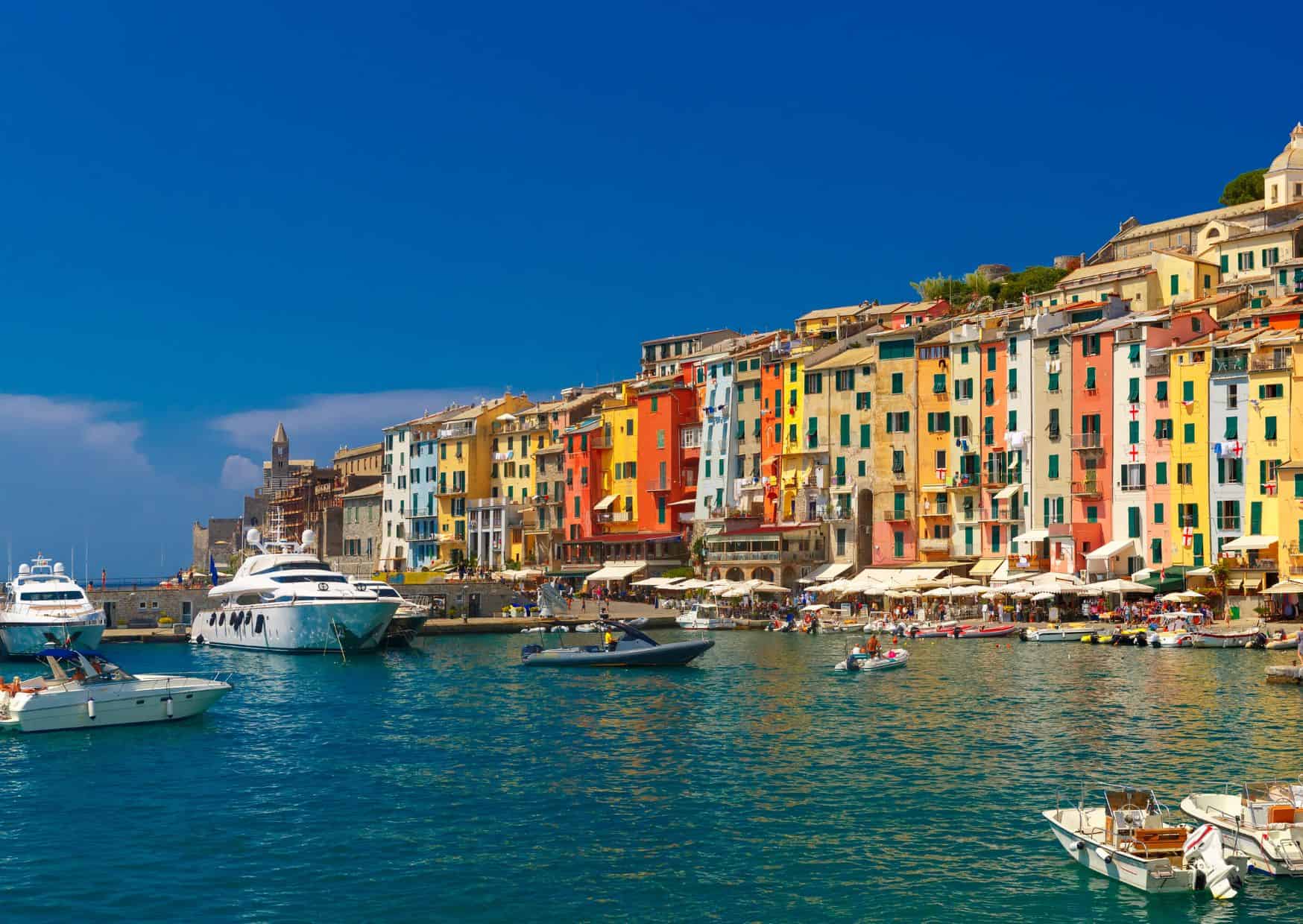
Portugal was the poster child. The Non-Habitual Resident program let new residents pay zero tax on most foreign income for ten years. Americans flooded Lisbon. Real estate prices doubled. The dream blogs wrote themselves.
Then Portugal ended NHR in 2024. The new regime is narrower, focused on innovation workers, and does not offer the blanket tax holiday retirees loved. In one year, Portugal dropped from #4 to #24 in the passport rankings. Not because the beaches got worse. Because the math changed.
If you bought property in 2023 expecting ten years of tax freedom, you got it. If you’re planning now, Portugal is no longer the tax-efficient play it was. The country is still beautiful. The cost of living is still manageable. But the special sauce is gone, and the rankings reflect that.
Americans who followed the herd are now watching Greece, Malta, and Italy climb past them while holding Portuguese residency that costs more than it saves.
3) The Eastern European Countries Americans Overlook

Romania jumped 19 spots to tie for #2. Bulgaria jumped 23 spots to #6. Hungary jumped 22 spots to #10. These are not typos. These are trends.
What do they share? EU membership with full Schengen mobility. Low flat taxes that don’t chase citizens who leave. Open dual citizenship policies. And cost of living that makes Florida look expensive.
Romania charges a 10% flat income tax. Bulgaria charges 10%. Hungary varies but offers favorable treatment for certain income. None of them tax citizens who move abroad on their worldwide income. If you establish residency, use the system, then relocate somewhere else, they wish you well and close your file.
Americans dismiss these countries because the Instagram posts don’t look like Tuscany. But the retiree in Cluj-Napoca paying €600 for a city-center apartment while the retiree in Lisbon pays €1,800 for the same square footage is not winning on aesthetics. They’re winning on math.
4) Why the UK, Canada, and Australia Keep Falling

The UK dropped 14 spots to #35. Canada sits at #35. Australia at #26. These are “desirable” countries by every lifestyle measure. They are falling in passport rankings because they tax residents heavily and offer no special regimes for newcomers.
The UK just ended its non-dom program – the last major tax advantage for wealthy foreigners. Canada never had one. Australia’s system is straightforward high-tax residence-based.
If you’re American, adding a Canadian or UK passport doesn’t solve your tax problem. You still owe the IRS. You just added paperwork.
The countries climbing the rankings – Malta, Greece, Cyprus, Italy – all offer special tax regimes for new residents. Flat taxes, pension exemptions, lump-sum options for the wealthy. They are competing for retirees with money. The Anglo-Saxon countries are not.
5) The Only G7 Country Still in the Top 10
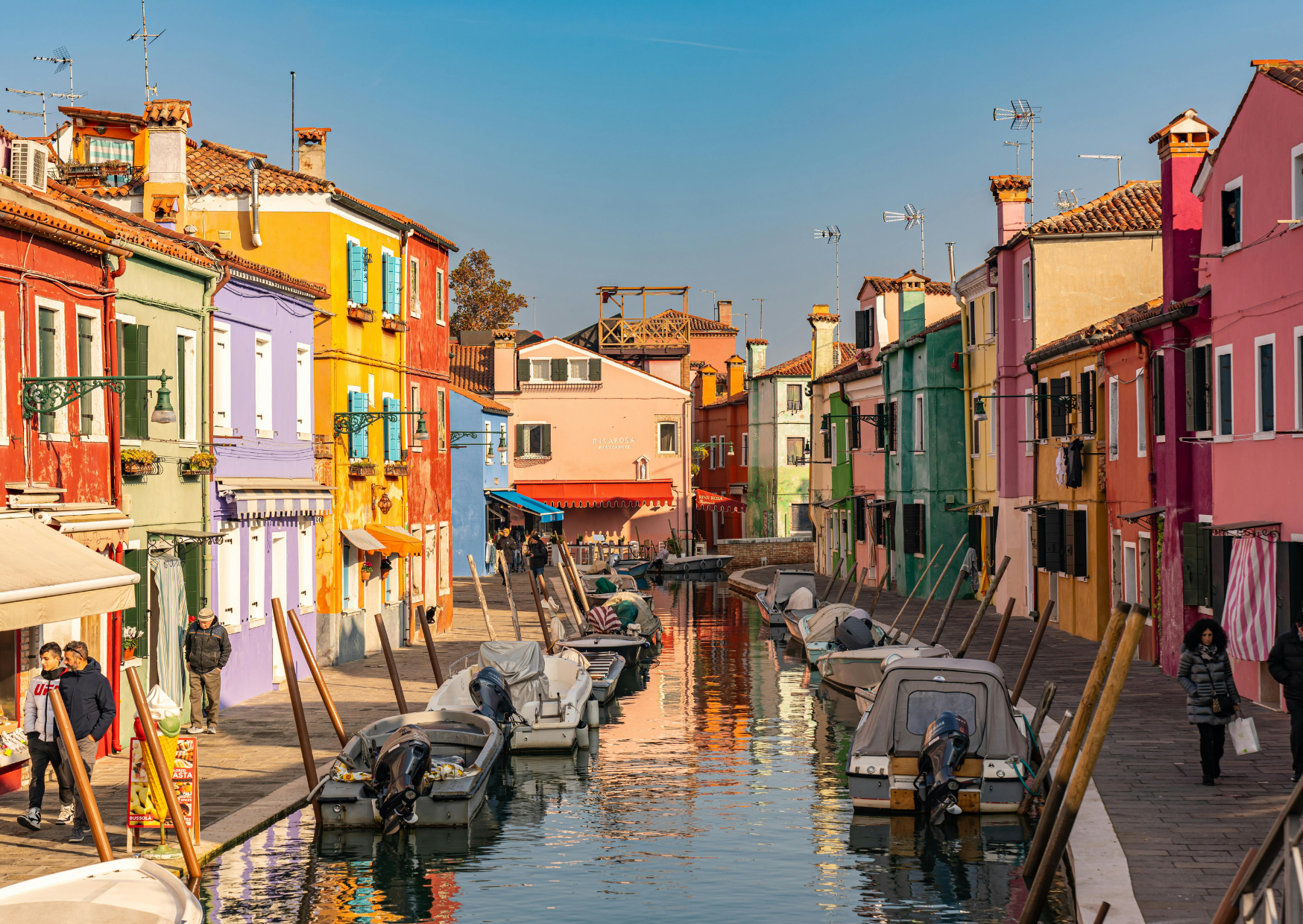
Italy. #6. The only G7 nation in the upper tier.
Italy offers a lump-sum tax regime for high-net-worth new residents (€100,000 flat, covers worldwide income). It offers a 7% flat tax for pensioners who move to qualifying southern regions. It offers something Portugal no longer does and Germany never did.
The irony is thick. Americans romanticize Italy while fearing its bureaucracy, then move to Portugal for the “easier” option. Portugal just made itself harder. Italy kept its tax incentives. The country with the reputation for chaos has the more stable policy.
If you’re considering Italy now, understand: the pensioner regime requires moving to a town under 20,000 population in specific southern regions. The lump-sum regime is for people with significant wealth, not middle-class retirees. But compared to Portugal’s nothing, Italy’s something looks increasingly attractive.
6) What “Dual Citizenship” Actually Means for Americans
The passport index scores countries on whether they allow dual citizenship. Malta scores 50. Romania scores 50. The US scores 50 too – but that doesn’t help you.
Here’s why: having the right to hold two passports doesn’t help if your first passport taxes you anyway. An Italian-American dual citizen still owes US tax on worldwide income. A Greek-American still files FBARs. Dual citizenship changes where you can live and work. It does not change what you owe the IRS.
The only escape is renunciation, which triggers an exit tax on unrealized gains if you meet certain thresholds, and eliminates your right to return easily. It’s not a casual decision, and most retirees don’t qualify for a second passport anyway.
The actionable point: if you can claim citizenship by descent from Ireland, Italy, Poland, Hungary, or another EU country through ancestry, do the paperwork now. It won’t save you taxes while you hold the US passport, but it gives you options your neighbors don’t have.
7) The Tax Trap Americans Don’t Understand Until It’s Too Late

The US is one of only two countries that taxes citizens on worldwide income regardless of residence. The other is Eritrea. This is not a political opinion. It’s an accounting fact.
If you move to Spain, you become a Spanish tax resident after 183 days. Spain wants tax on your worldwide income. So does the IRS. You use foreign tax credits to avoid double taxation on the same income, but the paperwork is real, the compliance costs are real, and the edge cases create surprises.
Your IRA? Taxable in both countries, with different rules for when and how. Your Spanish rental income? Reported to both. Your Social Security? Treaty-dependent, varies by country. The American retiree abroad does not escape the US tax system. They layer a second system on top.
The Portuguese retiree in Spain just pays Spain. The Romanian retiree in Spain just pays Spain. The American pays Spain and then reconciles with the IRS. The 2026 passport rankings capture this difference in a number, and the number is 10 out of 50.
8) The Countries That Actually Win for American Retirees
Given the constraints, where should Americans actually look?
For tax efficiency within the US system: Countries with strong US tax treaties and territorial or low-tax systems. Panama doesn’t tax foreign income. Costa Rica uses territorial taxation. Neither triggers heavy double-taxation headaches.
For EU access with favorable treatment: Portugal is still good, just not as good. Italy’s southern pensioner regime still works. Greece offers a 7% flat tax for pensioners moving their tax residence. Malta is expensive but powerful.
For cost of living plus EU access: Romania, Bulgaria, Croatia. Lower costs, full EU rights, and none of them will chase you with a bill if you move somewhere else later.
The uncomfortable truth: There is no perfect passport strategy for Americans. The leash is long, but it’s still a leash. The best moves involve minimizing complexity, not achieving perfection.
9) What This Means If You’re Planning Now
If you’re sitting in Florida with a retirement date circled on the calendar, here’s the field guide version:
Before you move anywhere: Research the US-country tax treaty for your destination. Not the lifestyle blog version. The actual IRS publication and the treaty text.
Consult a cross-border CPA who understands both US obligations and your destination’s system. This is not optional.
Calculate your effective tax rate under both systems with realistic numbers, not best-case assumptions.
If you’re choosing between countries: Portugal is no longer the tax play it was. If you’re going for beauty and lifestyle, fine. If you were going for NHR, that door is closed.
Italy’s southern pensioner regime still works but requires specific location choices.
Greece’s 7% pensioner flat tax is underrated.
Romania and Bulgaria are financially efficient and widely dismissed. That dismissal is a mistake.
If you’re considering a second passport: Check your ancestry for EU citizenship by descent. Ireland, Italy, Poland, and Hungary all have programs.
Do not assume a second passport solves your US tax obligations. It does not.
Renunciation is a major decision with exit tax implications. It’s not a hack.
10) The Number That Matters More Than the Ranking

Here’s what the passport index really tells you: your citizenship is not just identity. It’s a financial product.
The US passport is a strong travel document and a weak tax document. It opens many borders and follows you everywhere with a filing requirement. The countries climbing the rankings understand that global retirees are shopping for packages, not just flags.
Romania isn’t #2 because Bucharest has better cafés than Boston. It’s #2 because a Romanian citizen who retires to Spain just pays Spain. They don’t spend February organizing documents for a country they left.
The American who retires abroad is managing two tax lives whether they planned for it or not. The smart ones plan for it. The surprised ones lose money in April every year.
The human part no one admits until it’s too late
Passport rankings are numbers. Life is not. The retiree who moves to Portugal for beauty and community and a slower pace might be perfectly happy paying the compliance costs. The retiree who moves to Romania for pure efficiency might be miserable in a language they never learn.
The ranking tells you what your passport can do. It doesn’t tell you what will make you happy.
But it does tell you something important: the American passport is not the advantage Americans think it is. Not for taxes. Not for flexibility. Not for building a retirement outside the country’s borders.
The countries at the top of this index are not richer than America. They’re not “better.” They simply treat their citizens differently when those citizens decide to leave. They wave goodbye. America waves an envelope.
If you’re planning retirement abroad, plan for the envelope. Budget for the accountant. Understand the treaty. Then move somewhere beautiful anyway, with your eyes open and your files organized. The lemon tree doesn’t care about your passport. Your bank account does.

About the Author: Ruben, co-founder of Gamintraveler.com since 2014, is a seasoned traveler from Spain who has explored over 100 countries since 2009. Known for his extensive travel adventures across South America, Europe, the US, Australia, New Zealand, Asia, and Africa, Ruben combines his passion for adventurous yet sustainable living with his love for cycling, highlighted by his remarkable 5-month bicycle journey from Spain to Norway. He currently resides in Spain, where he continues sharing his travel experiences with his partner, Rachel, and their son, Han.