
You bite into a crisp potato under a warm red sauce and feel heat, not heartburn. The plate tastes bold, the stomach stays calm, and the napkin is clean.
Every diner knows the greasy aftermath of a basket of American fries with ketchup. Oil pools under the paper, sugar rushes from the squeeze bottle, and you walk out thirsty. In Spain, the same potato shows up with a sharper finish. Patatas bravas eat bright, not heavy, because the sauce is engineered to balance the fry. Olive oil replaces seed-oil fog. Smoked paprika and garlic add heat without syrup. Sherry vinegar cuts through starch and quietly tames the spike.
This is not folklore. It is technique and chemistry. Build the sauce the classic way, choose a smarter fry, and a bar snack becomes a small plate that reduces the mess, moderates the sugar swing, and dials back the inflammatory noise that often follows American-style fries. Below is the why, then the how, with a home method that lands the same clean finish.
Why American Fries Feel Rough On The Body
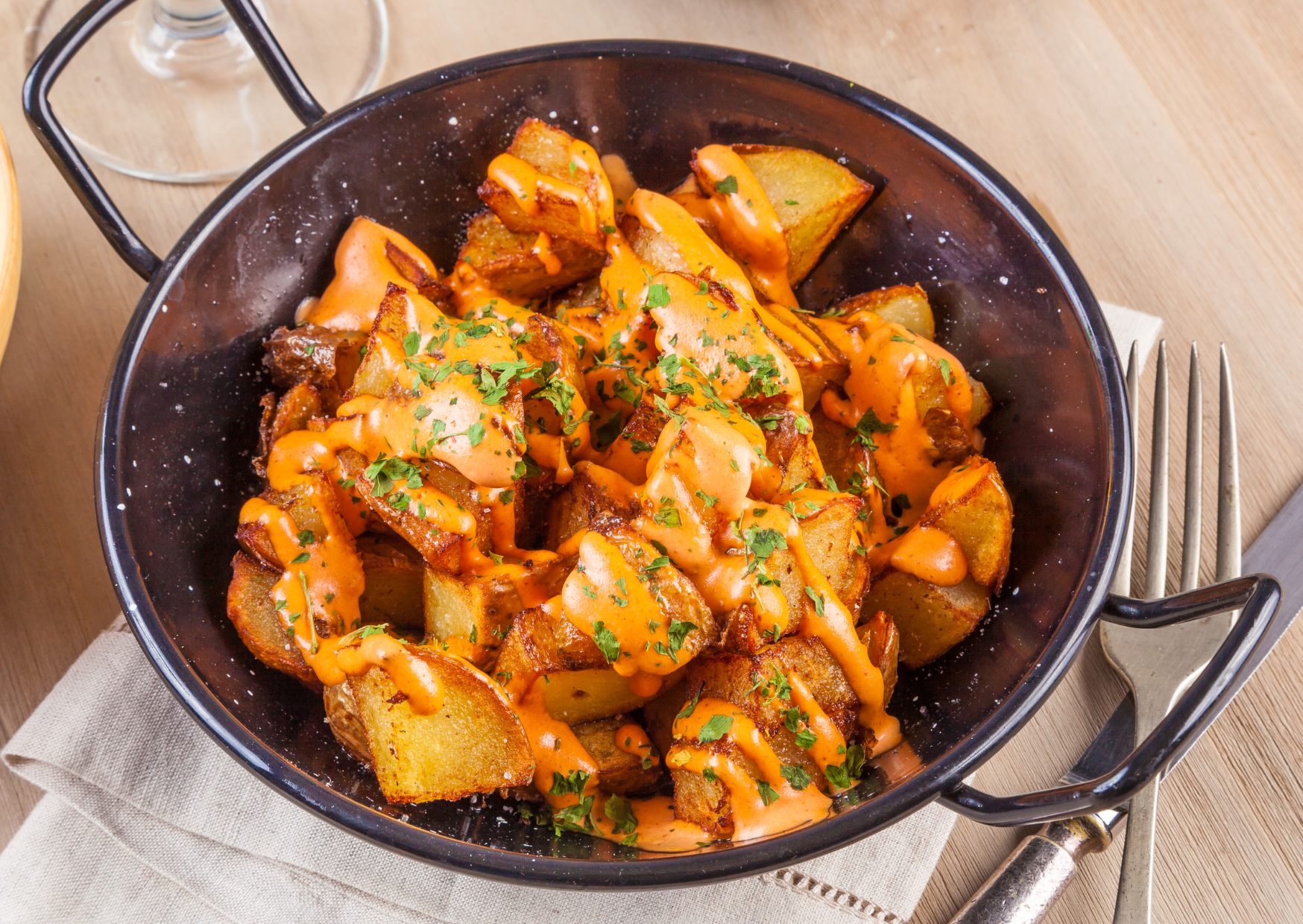
American fries are not just potatoes. They are method plus medium plus condiment, and that trio sets up the bloat.
Most fast fries are cooked in large volumes of polyunsaturated seed oils at high heat. Oils that are rich in linoleic acid oxidize quickly under deep-fryer conditions. As the oil breaks down, it forms reactive aldehydes that move from the fryer into the food. Those compounds are not flavor, they are stress signals your body has to clear. Studies measuring aldehydes during frying show higher loads in certain seed oils compared with more stable fats, while olive oil and high-oleic formulations tend to hold together better at heat. Fryer oil quality matters, oxidation creates irritants, olive oil is more stable.
Then there is acrylamide, the brown-edge chemical that forms when high heat hits the sugars and amino acids in potatoes. No one is removing fries from the menu because of acrylamide, but European regulators treat it as a signal to limit browning and control temperatures. The fix is not panic, it is smarter technique, like par-cooking and finishing at controlled heat so the crisp is golden, not mahogany. Brown less, worry less, heat management reduces acrylamide, technique beats fear.
Finally, the default condiment makes the ride louder. Standard ketchup is sweetened, often close to a teaspoon of sugar per tablespoon. Pile it on and you spike the plate without adding anything that slows digestion. Sugar plus starch plus hot oil is a combination your body will clear, but it will complain about the job. Swap the condiment, and the same potato lands very differently.
What Salsa Brava Actually Is
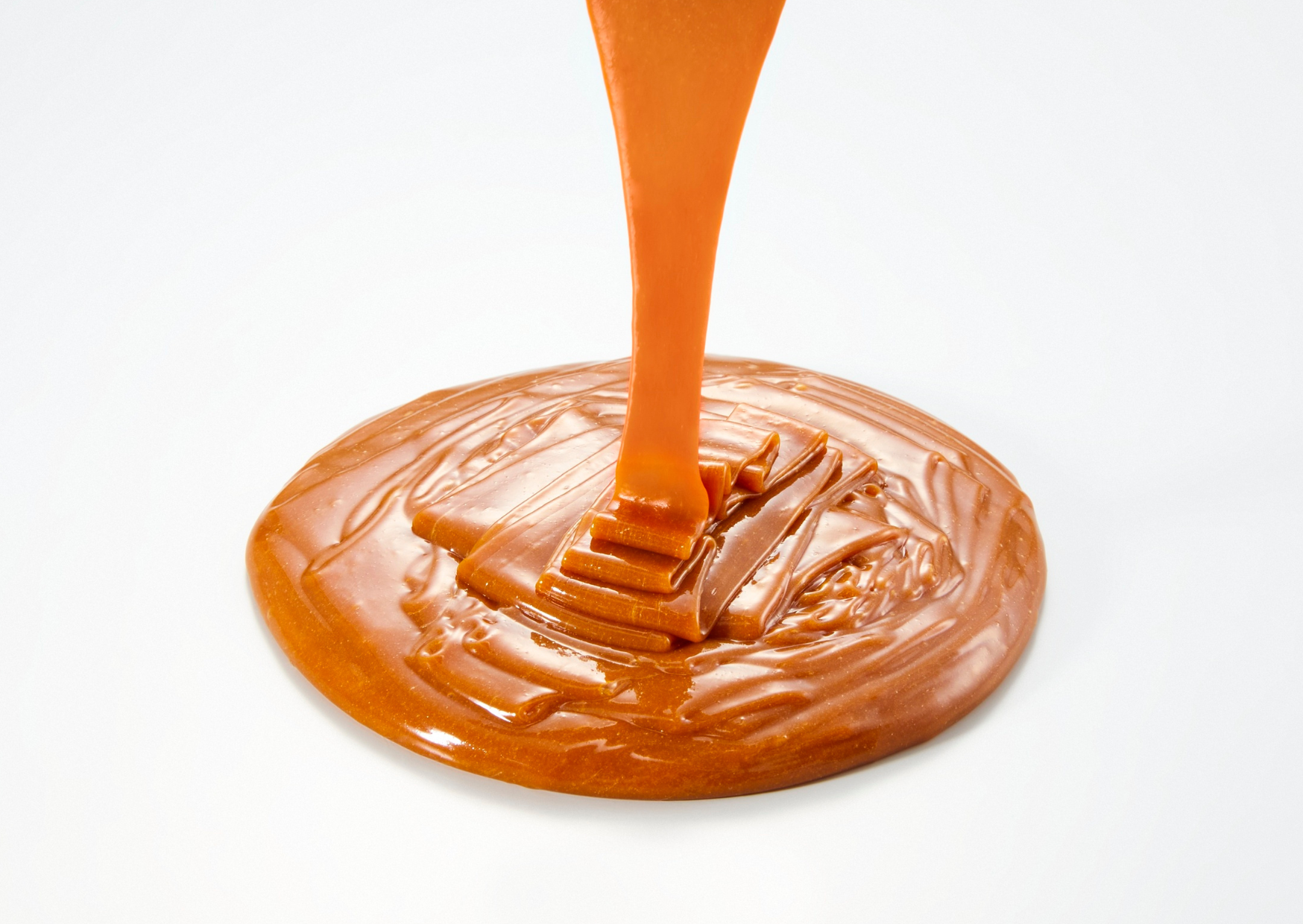
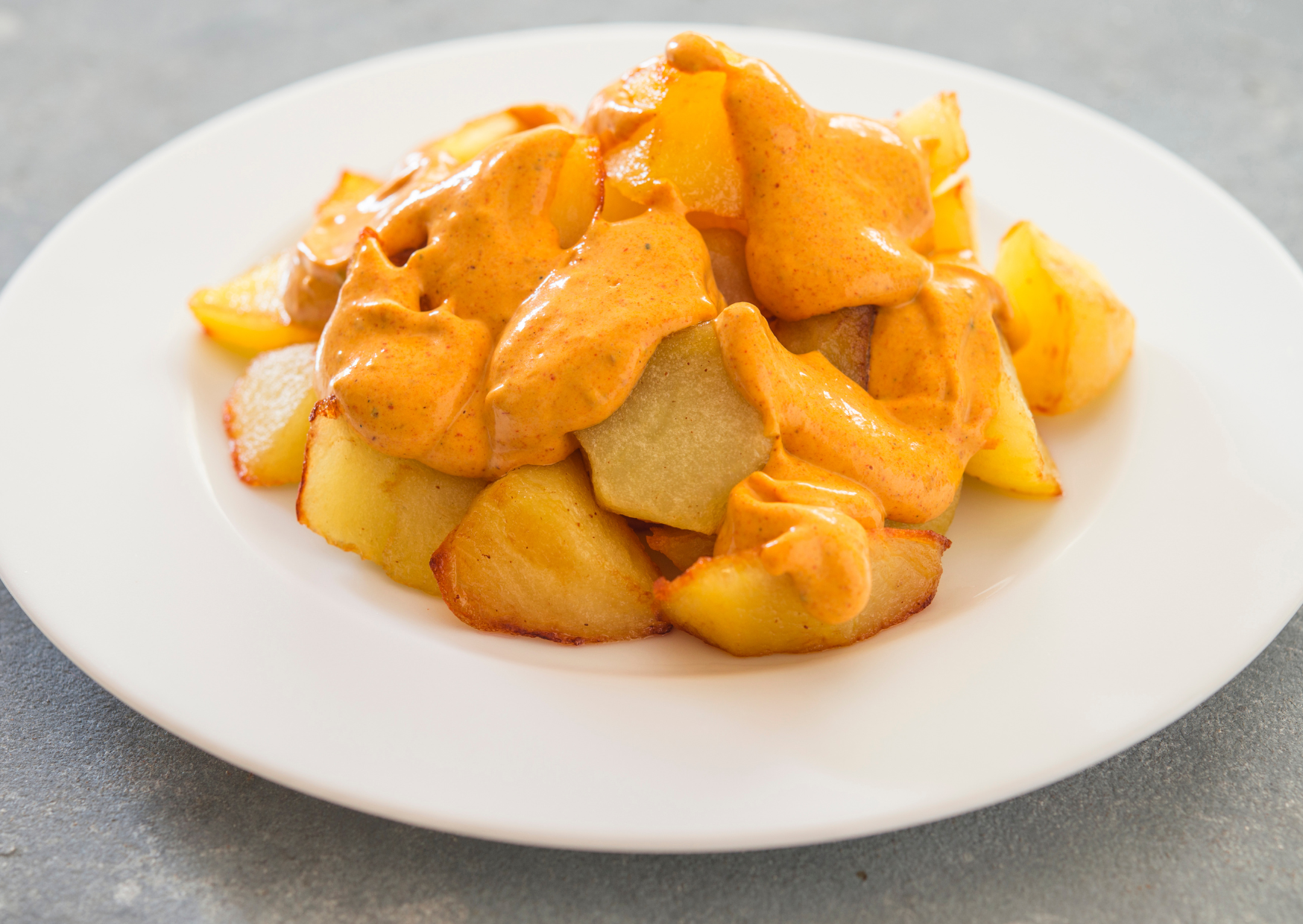
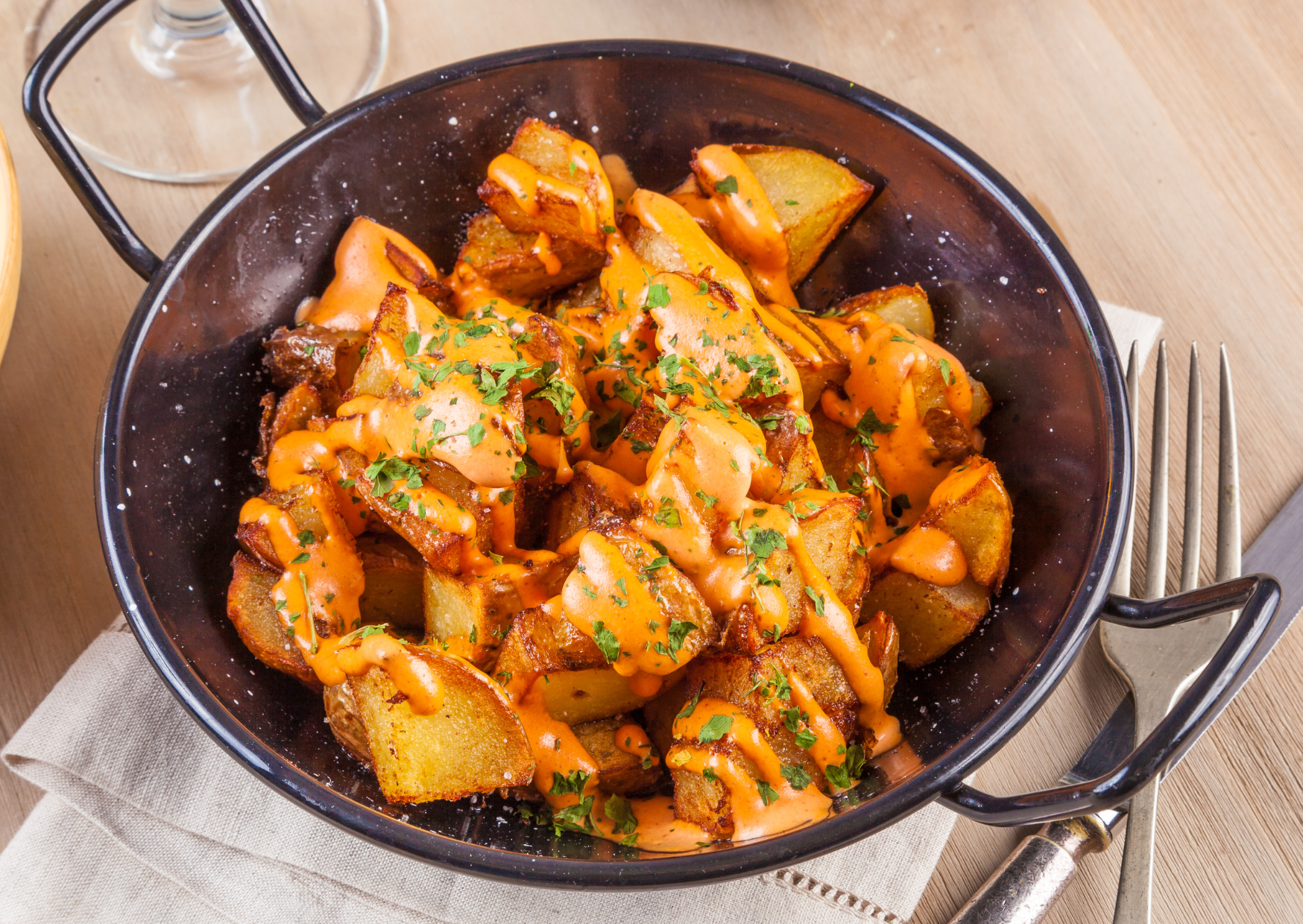
Bravas sauce looks simple. It is not random. The classic Madrid-Barcelona family of bravas builds on olive oil, onion, garlic, paprika, tomato, and sherry vinegar, cooked down and blended until spoon-thick. The oil is extra-virgin or good olive pomace, not a neutral fryer oil. The paprika is often pimentón de la Vera, sweet or hot, for smoke and warmth. The vinegar is sherry, for tang and aroma that cut starch without sweetness. In many bars the plate arrives with a second white sauce, an allioli or light garlic mayonnaise, which brings a cool, fatty contrast and carries garlic’s bite. Olive oil is the base, paprika and vinegar do the talking, allioli rides shotgun.
What is missing is just as important. There is no corn syrup, no bottled barbecue glaze, no layer of processed cheese. Bravas reads like pantry cooking, because it is. The pieces are ordinary, but they work like a system once you heat them together.
The Science Behind A Calmer Plate
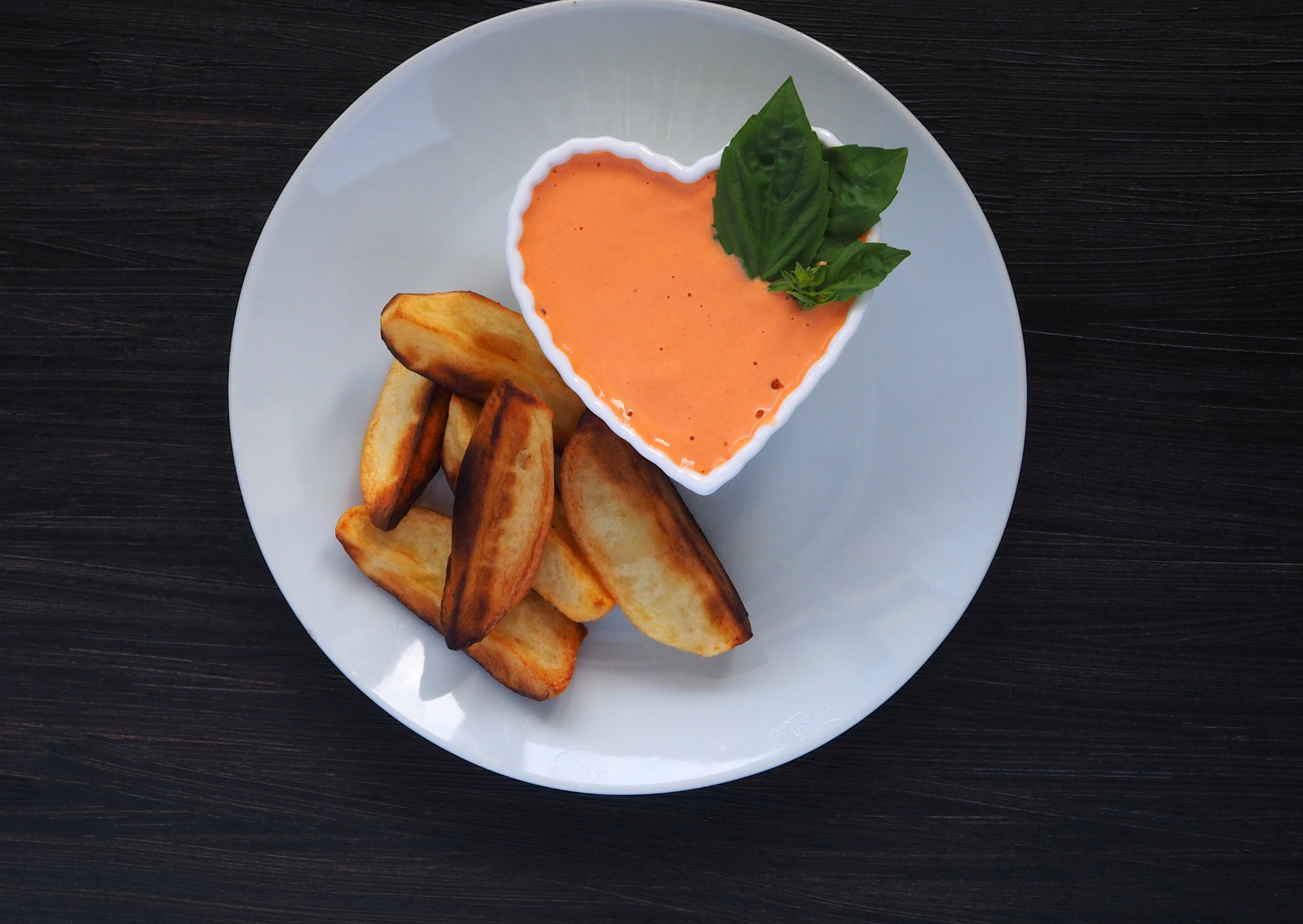
The Spanish sauce does three jobs your ketchup cannot touch.
First, vinegar. A small amount of acetic acid with a high-GI starch can blunt the post-meal glucose and insulin response. The effect is modest, not magical, and it depends on the rest of the plate, but the direction is consistent across controlled trials. In bravas sauce, sherry vinegar is not garnish, it is a glucose brake that also sharpens flavor. Acid blunts the spike, vinegar is a useful lever, flavor and function align.
Second, extra-virgin olive oil. Good olive oil carries oleocanthal, a phenolic with COX-1 and COX-2 inhibitory activity similar in profile to ibuprofen. No one is suggesting you medicate with tapas. The point is that swapping olive oil into both the sauce and the fry medium reduces oxidized by-products and contributes anti-inflammatory phenolics at the same time. When olive oil meets tomatoes, you also absorb more lycopene, the carotenoid that rides better when cooked with fat. Olive oil brings stability and phenolics, tomato plus oil boosts lycopene, little things add up.
Third, paprika and garlic. Capsaicin in hot paprika has documented anti-inflammatory and microbiome-modulating effects in experimental and human contexts, and garlic’s sulfur compounds show down-regulation of inflammatory markers in clinical populations. You are not curing anything with a tapa, you are choosing a flavor profile that pushes against the usual fast-food biology. Capsaicin cools the flame it appears to stoke, garlic lowers inflammatory signals, heat without hurt.
Put those together and a pattern emerges. Acid plus phenolics plus spice lowers the metabolic noise of starch and fat. You still ate potatoes. You just ate them in a way your body likes more.
The Potato Matters, But Less Than You Think
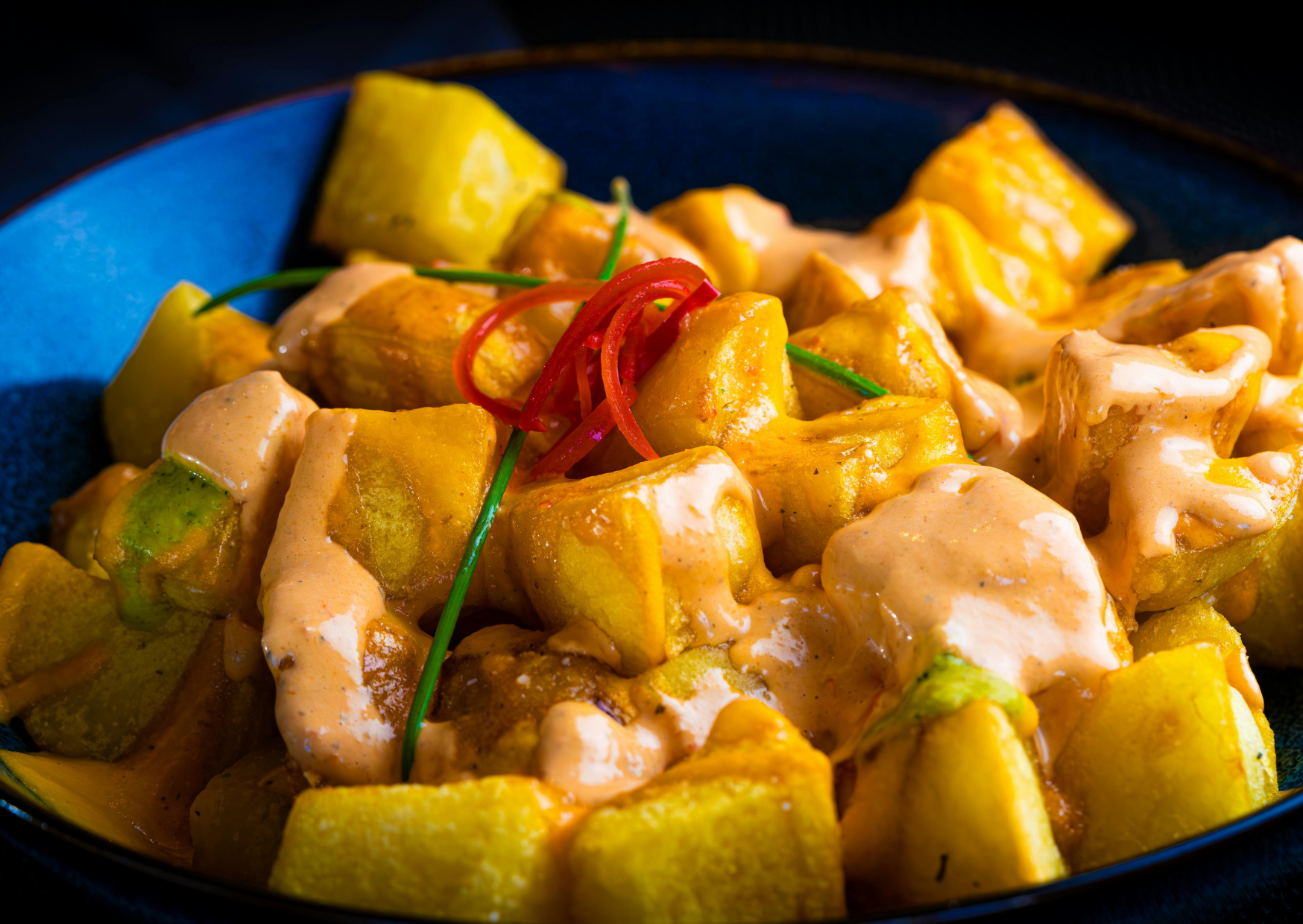
A potato is not a villain. It is a starch whose structure changes with treatment. Handle it well and the same potato behaves better.
If you cook, cool, and reheat potatoes, some of their starch retrogrades into resistant starch, a form that behaves like fiber and can reduce post-meal insulin demand for some people. Cold potato salad has this benefit, but so do par-cooked, chilled cubes that you finish hot for bravas. The GI dial does not swing crazily, but the shift is consistent. Cook then chill, more resistant starch, calmer insulin curve.
Technique also controls acrylamide and grease. Soak or rinse cut potatoes to wash off surface sugars, par-cook in lightly salted water, then dry thoroughly. Fry in olive oil or high-oleic sunflower oil at controlled temperatures, or oven-roast on a preheated sheet with a thin film of oil. Aim for deep gold, not brown, and skip reused oil. You get crisp edges without a chemistry lesson in the bottom of the bowl. Rinse, par-cook, finish hot, choose stable oils, gold beats brown.
Make It At Home: Two Real Bravas Sauces, One Clean Fry
You do not need a deep fryer. You need a pan, patience, and the right order.
Salsa brava, Madrid-style
Makes about 2 cups, enough for 1.5 kg potatoes.
- 3 tbsp extra-virgin olive oil
- 1 medium onion, finely chopped
- 3 garlic cloves, minced
- 2 tsp pimentón dulce and ½ to 1 tsp pimentón picante
- 2 tbsp tomato paste, plus 400 g crushed tomatoes
- 1 to 2 tsp sherry vinegar, to taste
- ½ cup water, as needed
- Fine salt and black pepper
Warm oil over medium heat. Soften onion with a pinch of salt until sweet, 8 to 10 minutes. Add garlic for 30 seconds. Stir in both paprikas for 20 seconds. Add tomato paste and cook 1 minute, then add tomatoes. Simmer uncovered 15 to 20 minutes until spoon-thick. Season with salt, pepper, and sherry vinegar until the sauce tastes bright. Blend smooth or leave rustic. Olive oil for phenolics, paprika for heat, vinegar for the brake.
Allioli, the cool counterpart
- 1 egg yolk at room temp
- 1 small garlic clove, pasted with salt
- ½ tsp Dijon mustard, optional
- ¾ cup light olive oil, plus 1 tbsp extra-virgin to finish
- 1 tsp lemon juice or sherry vinegar, more to taste
- Salt
Whisk yolk, garlic, and mustard. Drip in oil while whisking until thick. Loosen with a teaspoon of water if it tightens too much. Season with salt and acid. Chill. Spoon alongside the red sauce, not over it, so each bite can swing between heat and cool.
Clean, crisp potatoes
- 1.5 kg waxy or all-purpose potatoes, peeled and cut in 2 cm cubes
- Sea salt
- Olive oil or high-oleic sunflower oil
Rinse cut potatoes until water runs clearer. Par-boil in salted water 6 to 8 minutes until just tender. Drain, then spread to steam-dry. Chill 30 minutes for more resistant starch. To roast, heat oven to 230 C and a large sheet pan inside. Toss potatoes with 3 tbsp oil and 1 tsp salt, then roast on the hot pan 25 to 30 minutes, turning once, until deep gold. To shallow-fry, heat 1 cm of oil in a wide pan to 180 C. Fry in batches 4 to 6 minutes until crisp, salt immediately, and drain on a rack. Dry surfaces crisp, stable oil, steady heat, golden edges, clean centers.
To serve, pile potatoes on a warm plate, spoon on salsa brava, add dots of allioli, and finish with a dusting of sweet paprika and a few drops of olive oil. The plate should shine, not glisten.
Common American Mistakes And Easy Fixes
You can ruin bravas three different ways. All three have simple cures.
Using ketchup as the base. Ketchup is convenient, it is also sweet. The sugar adds a rush the vinegar would have moderated. Start with onion, garlic, paprika, tomato paste, and olive oil instead. Skip the squeeze bottle, build flavor in the pan, add vinegar, not sugar.
Deep-frying in old seed oil. The fryer in the garage smells like last summer. That smell is oxidation. Use fresh oil for each session, pick olive oil or high-oleic for better heat stability, and control the temperature. Fresh oil matters, composition matters, temperature control is flavor control.
Over-browning for crunch. Darker is not better here, darker is more acrylamide and a bitter edge. Aim for deep gold. If you want more crackle, chill the par-cooked cubes longer and let surface moisture evaporate. Crisp without char, gold is the goal, texture beats color.
Forgetting the acid. Without sherry vinegar the sauce goes flat and the potato hits hard. Add a teaspoon, taste, then add drops until the sauce lifts. Acid makes the plate, small amount, big job, balance over burn.
Serving a puddle. Sauce should cling. If it runs, simmer five more minutes. If it thickens too much, loosen with a spoon of water and a drop of vinegar. Spoon-thick is right, cling, do not flood, potato stays crisp.
Ordering Bravas Out, Without The Aftermath
You cannot see chemistry from a menu, but you can read the kitchen.
Ask if the bar uses olive oil or high-oleic for frying. Many Spanish kitchens do, and they are not shy about saying so. If the cook says sunflower oil, a follow-up about high-oleic is fair. That one adjective signals better heat stability.
Watch the color. Plates that arrive deep golden are the sweet spot. If every potato is mahogany, expect a harsher chew and a thirstier walk home.
Taste the sauce before you drown the plate. Good salsa brava should be tangy, smoky, and hot, not sweet. If it reads as sugary, switch to the plain potatoes and ask for allioli only. You still get the garlic and olive oil benefits without the syrup.
Finally, pace matters. Bravas are a tapa, not a meal. Share, and let the bite live with protein and salad, not alone. The context is as much the secret as the recipe.
Why This Works Beyond Spain
You are not chasing a miracle. You are swapping three small levers.
You replace a sweet condiment with a vinegared sauce that tames the spike. You replace a fragile fryer oil with a stable one that contributes phenolics and fewer oxidation by-products. You treat the starch so it behaves more like fiber after it cools and reheats. None of those is a fad. All three are boring, repeatable choices that any busy kitchen can make on a Tuesday.
Do it once and you feel the difference right away. The bite is loud on the tongue and quiet everywhere else.

About the Author: Ruben, co-founder of Gamintraveler.com since 2014, is a seasoned traveler from Spain who has explored over 100 countries since 2009. Known for his extensive travel adventures across South America, Europe, the US, Australia, New Zealand, Asia, and Africa, Ruben combines his passion for adventurous yet sustainable living with his love for cycling, highlighted by his remarkable 5-month bicycle journey from Spain to Norway. He currently resides in Spain, where he continues sharing his travel experiences with his partner, Rachel, and their son, Han.