
And what it reveals about practicality, habit, and the cultural limits of hygiene anxiety
In the United States, bathroom hygiene is increasingly shaped by warnings, disclaimers, and a fear of the unseen. Shower items are labeled “antimicrobial,” loofahs are thrown out monthly, and the idea of sharing personal bathroom tools is often treated as a health hazard.
But in many European households — from modest apartments in Seville to shared flats in Berlin — one particular shower item is used casually by multiple people in the home without hesitation, without labels, and definitely without individual ownership.
The bar of soap.
Not liquid soap with individual pumps. Not body wash with a loofah. Just a plain, often generic, sometimes slightly melted bar of soap — sitting in a dish or tray, used by everyone.
To many Americans, this feels not only old-fashioned, but dangerous. U.S. hygiene experts have warned about bacteria spreading through shared bars. Parents teach children not to use anyone else’s soap. And in some households, bar soap has disappeared altogether.
But in Europe? It remains a standard, trusted part of daily life.
Here’s why Europeans continue to share bar soap without panic — and why American discomfort says more about cultural anxiety than microbial science.
Want More Deep Dives into Everyday European Culture?
– Why Europeans Walk Everywhere (And Americans Should Too)
– How Europeans Actually Afford Living in Cities Without Six-Figure Salaries
– 9 ‘Luxury’ Items in America That Europeans Consider Basic Necessities
Quick Easy Tips

Pack your own toiletries. Bringing your personal items ensures you don’t have to rely on shared products in hotels, hostels, or even family stays.
Respect local norms. Even if you wouldn’t share at home, be mindful that in some cultures, it’s a gesture of closeness rather than neglect.
Focus on hygiene basics. Washing and drying items properly after use reduces most risks, even if sharing occurs.
The controversy begins with how differently hygiene is defined. In much of Europe, sharing certain shower essentials is seen as harmless and even practical, while in the U.S., it’s considered unsanitary and a possible health hazard. The science behind these claims is mixed, which fuels ongoing arguments.
Another layer of controversy is generational. Older Europeans often see nothing strange about this practice, as it ties back to times when resources were scarce, while younger people exposed to global travel and American media may find it less acceptable. This generational divide reveals how cultural habits evolve over time.
Finally, there’s a broader debate about cultural superiority. Some Americans frame this habit as “proof” of poor hygiene abroad, while Europeans argue that the U.S. obsession with germs is excessive and wasteful. These opposing views say more about cultural values than about actual health risks.
1. Bar Soap Is Seen as Clean — Not Contaminated
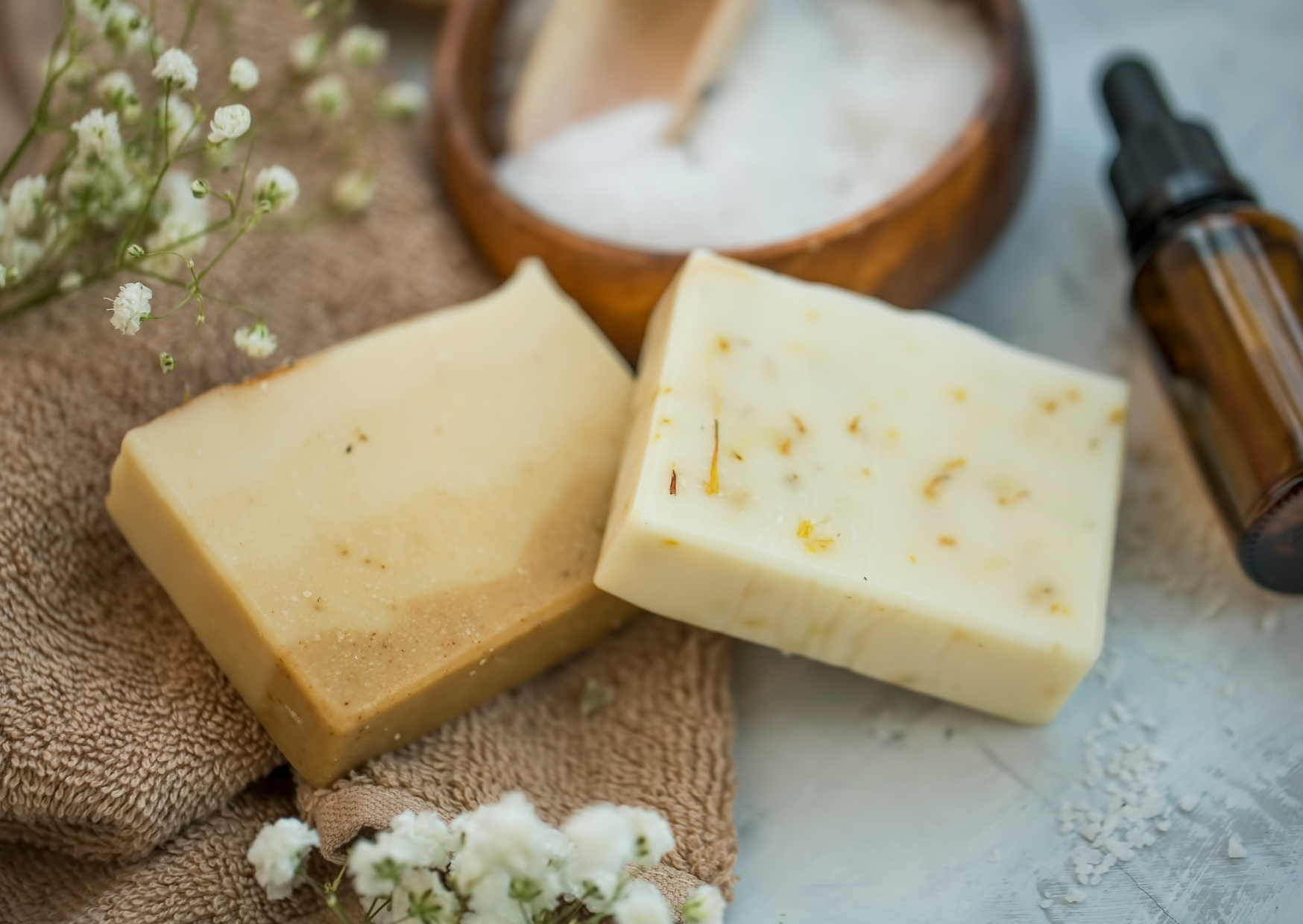
In American media, bar soap has developed a strange reputation: useful, but slightly suspicious. Articles warn about germs hiding in crevices. Myths circulate about it transferring bacteria between users.
But in Europe, a bar of soap is considered self-cleaning. It lathers. It rinses. It sits exposed to air. That’s enough.
People use it. Rinse it. Place it back. End of ritual.
There’s no worry that the soap remembers you. It’s not treated like a toothbrush or a towel. It’s a shared tool, not a personal item.
2. Liquid Soap Is Not Always Standard — Especially at Home
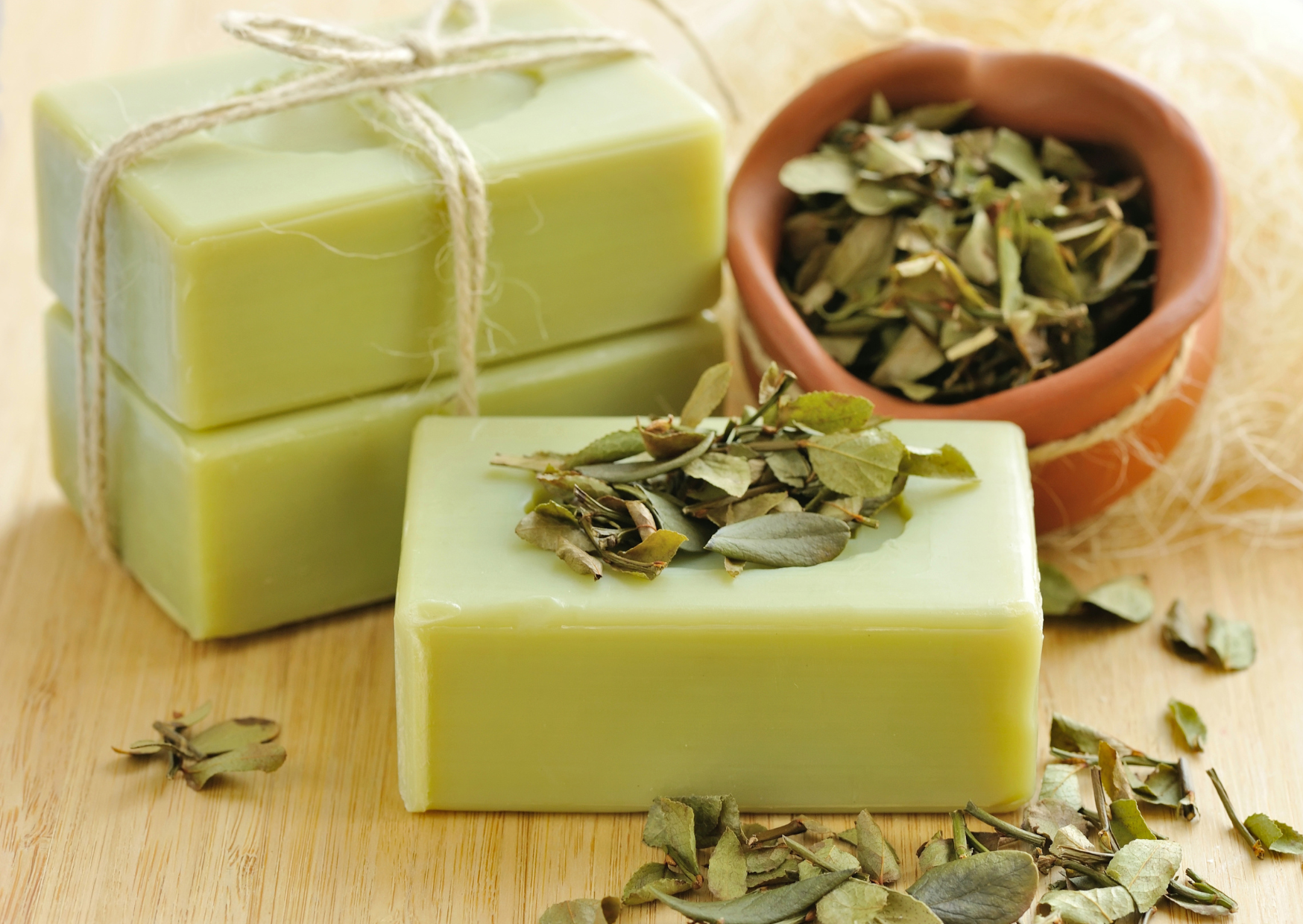
While liquid soap is common in public restrooms across Europe, in private homes, bar soap remains the default — especially for bathing.
You might find a bottle of shampoo and a razor in the shower, but the body is often washed with a single bar, placed in a dish or directly on a soap shelf.
No one has their own. Even in multi-generational households. Even in homes with guests.
If you ask, “Which one is mine?” they may look at you blankly and say, “This one. The soap.”
3. Shower Items Are Communal — Not Individual

In American bathrooms, each person often has their own set: body wash, face wash, puff, razor, shampoo. Items are separated, labeled, even color-coded in some families.
In Europe, many households simply share what’s there.
There’s one bottle of shampoo. One bar of soap. Maybe one exfoliating cloth, or none at all.
This doesn’t mean cleanliness is neglected — it means it’s not personalized.
People aren’t anxious about ownership. The focus is on using what works, not building a bathroom arsenal.
4. The Fear of Germs Doesn’t Dominate Daily Life
In the U.S., hygiene is often driven by fear: of bacteria, of cross-contamination, of lawsuits.
In Europe, there is respect for cleanliness, but not obsession. People wash hands, bathe regularly, and keep spaces tidy. But they do so with practicality, not paranoia.
A bar of soap that lathers and dries is not seen as a risk. It’s seen as efficient — and if it lasts three weeks, even better.
Medical studies in Europe rarely warn about bar soap, because there is little evidence that it spreads illness among healthy people. And culturally, people trust their bodies to handle basic exposure.
5. Bathrooms Aren’t Treated as Microbial War Zones

American homes increasingly treat bathrooms like sterile labs. Everything is wiped down. Disinfected. Sprayed. Sanitized.
In Europe, bathrooms are cleaned regularly — but not with a chemical cocktail of anxiety.
A shared bar of soap doesn’t trigger disgust. It’s just one item in a room that gets used — and cleaned — like any other.
People don’t pretend the bathroom is germ-free. They just trust it’s clean enough to use.
6. Bar Soap Is Better for the Environment — And Everyone Knows It
Across Europe, especially in environmentally conscious countries like Germany, France, and the Netherlands, bar soap is seen as a sustainable choice.
It uses no plastic packaging. It lasts longer. It’s often made locally. And it requires less water to produce.
Liquid soap bottles are more expensive, wasteful, and less eco-friendly. That alone is enough reason for many Europeans to stick with the bar.
If you ask why they don’t switch, they’ll often shrug and say, “Why would I?”
7. Children Grow Up Sharing Soap — And It’s Normal

In the U.S., children are often taught to use their own towel, their own bottle, their own soap — even from a young age.
In Europe, kids grow up grabbing the same bar of soap as their parents, siblings, or cousins.
They don’t think twice. They don’t ask for their own brand. And they don’t learn that touch equals contamination.
That early comfort builds habits of sharing, trust, and ease, rather than nervousness and over-sanitization.
8. There’s No Need to Perform Hygiene for Guests
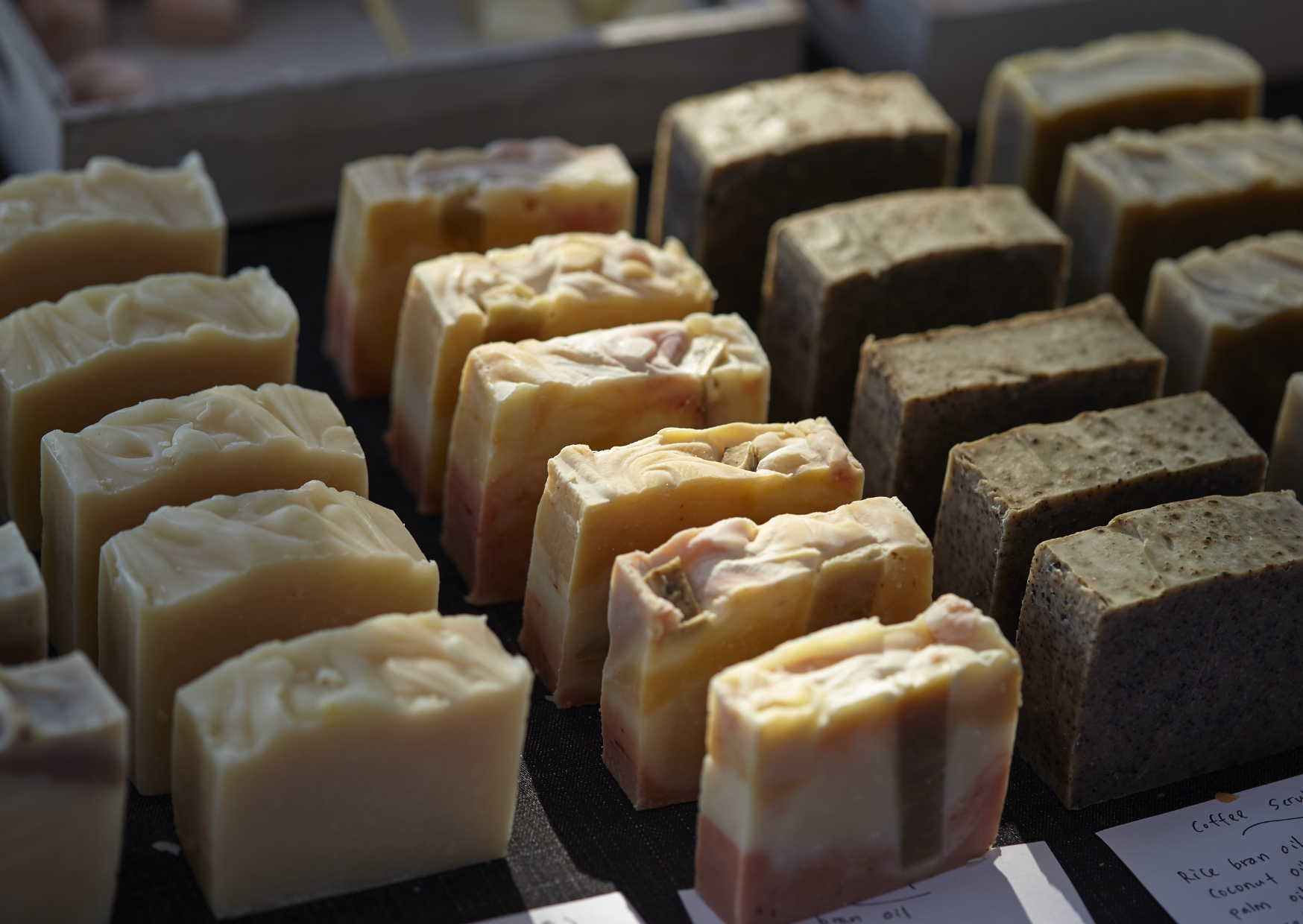
In many American homes, if a guest uses the shower, hosts will prepare separate products: fresh towels, travel-size body wash, new bars of soap.
In Europe, guests often use what’s already in the bathroom — including the main family soap.
This isn’t laziness. It’s normal.
You’re expected to be an adult. To understand that a bar of soap is still soap. And to trust the cleanliness of the household you’re visiting.
No one is shocked. No one is offended. And most importantly — no one writes a Yelp review about it.
9. Soap Is Just Soap — Not a Symbol
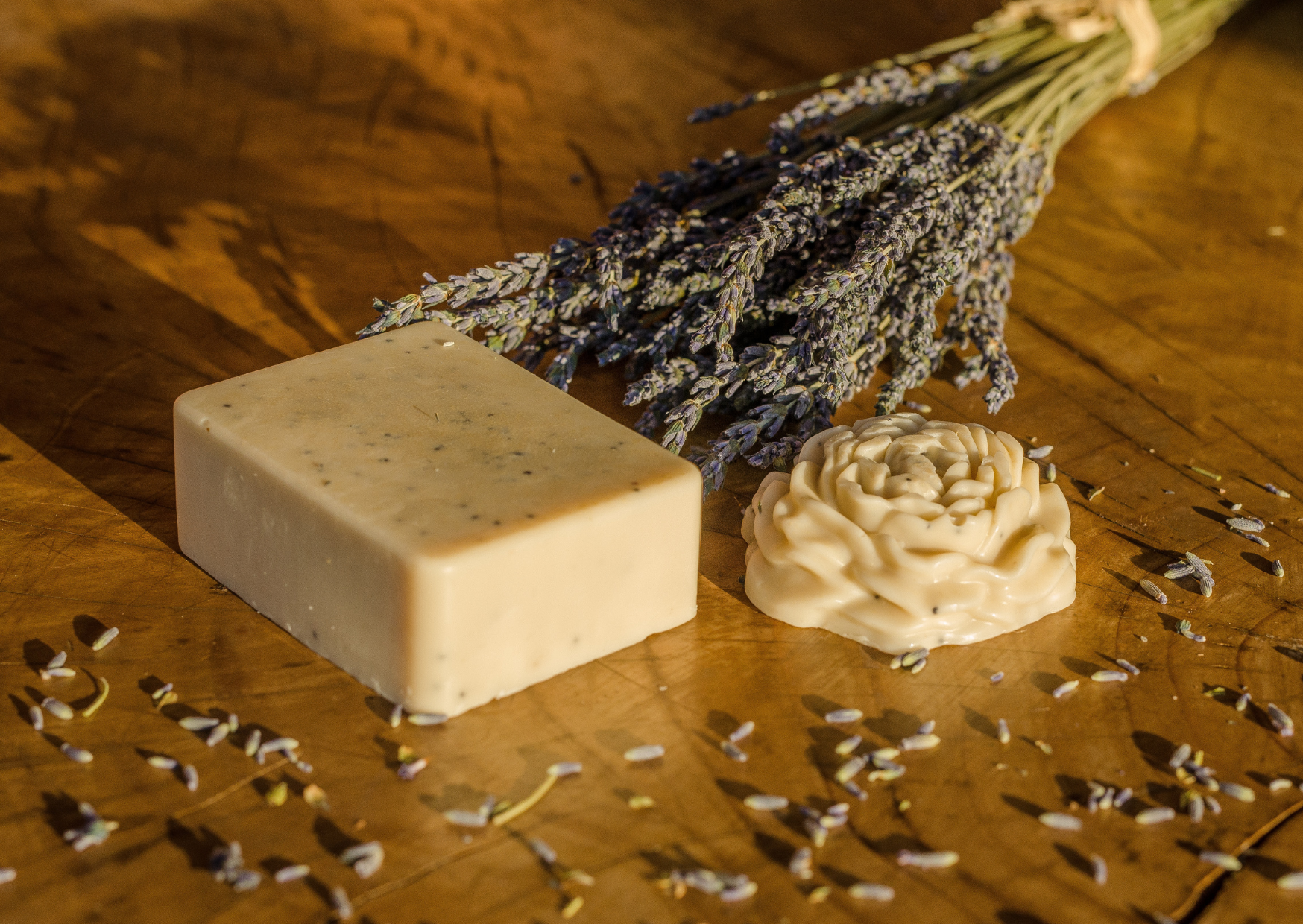
In American culture, hygiene items often carry identity. “This is my brand.” “This is my scent.” “This is how I do clean.”
In Europe, soap is functional, not personal.
It doesn’t need to smell like cucumber melon or charcoal mist. It doesn’t need to match your skin tone or mood. It just needs to lather, rinse, and get the job done.
There’s a quiet elegance in that — a rejection of the idea that every item must be curated, branded, or personalized.
Sometimes, soap is just soap.
One Bar, Two Interpretations
To Americans, a shared bar of soap feels risky — unsanitary, even disrespectful.
To Europeans, it feels obvious — practical, sustainable, and entirely unremarkable.
In the U.S., hygiene is deeply individualized.
In Europe, hygiene is communal where it makes sense — and no one makes it a big deal.
So if you find yourself in a European bathroom and spot a single, well-used bar of soap — don’t panic. Don’t assume it’s unsanitary. Don’t look for your own.
Just pick it up, lather, rinse, and remember — this is a culture that trusts its habits more than its labels.
Cultural habits often highlight how differently people view comfort, hygiene, and practicality. For Europeans, sharing certain shower items comes from tradition, frugality, and a mindset that doesn’t see it as unusual. Meanwhile, Americans are more likely to view the same habit through a lens of hygiene and individual ownership. Both perspectives are shaped less by science and more by cultural conditioning.
The debate serves as a reminder that what feels “normal” in one country may feel unthinkable in another. Instead of judging, travelers benefit from understanding why traditions exist and how they reflect deeper values, such as family closeness or resourcefulness.
Ultimately, the shower item debate is less about right or wrong and more about perspective. Recognizing these differences opens the door to richer travel experiences and more respectful interactions abroad, even if you wouldn’t adopt the habit yourself.

About the Author: Ruben, co-founder of Gamintraveler.com since 2014, is a seasoned traveler from Spain who has explored over 100 countries since 2009. Known for his extensive travel adventures across South America, Europe, the US, Australia, New Zealand, Asia, and Africa, Ruben combines his passion for adventurous yet sustainable living with his love for cycling, highlighted by his remarkable 5-month bicycle journey from Spain to Norway. He currently resides in Spain, where he continues sharing his travel experiences with his partner, Rachel, and their son, Han.