
(This Isn’t Just a Recipe — It’s a Ritual)
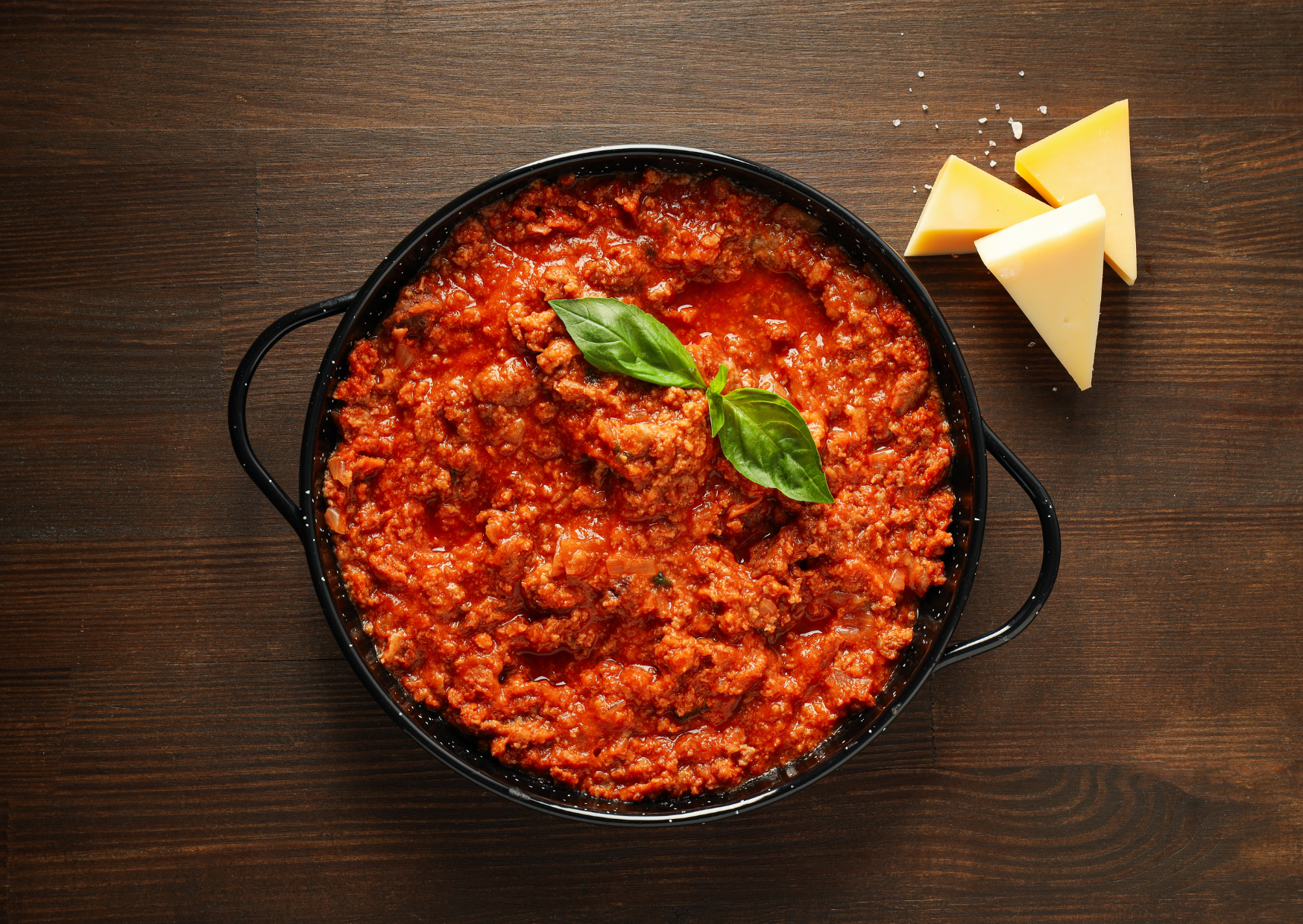
In many Italian households, Sunday has a smell. It starts in the morning and floats through the entire home by midday. It is rich, sweet, slow, and unmistakable.
That scent is sugo della nonna — grandmother’s tomato sauce — and it is not just a meal. It is a family tradition, a weekly ceremony, and a guarded recipe whispered over generations.
Ask any Italian and they will tell you: this is the sauce you don’t mess with. It is not trendy. It is not fast. It is not made with shortcuts or gadgets. It is cooked with time, memory, and respect for the process.
Most Italian grandmothers never wrote it down. But today, you will.
Read here the best Italian food, vegetarian food in Italy, best drinks in Italy and best breakfast in Italy
What Is “Sugo della Nonna”?
“Sugo” simply means “sauce.” But sugo della nonna is more than that. It is the slow-cooked tomato sauce Italians make on Sundays, often starting in the morning, allowing the flavors to meld by the afternoon meal.
- It is made with simple ingredients: tomatoes, olive oil, garlic or onion, basil, sometimes meat or bone.
- It simmers low and slow for hours, not minutes.
- It is often made in large batches, to be shared or frozen.
This isn’t weeknight sauce. It is Sunday sauce. A sauce that feeds ten and invites neighbors in. A sauce that earns silence at the table because everyone is too busy eating.
Ingredients (for 4–6 servings)
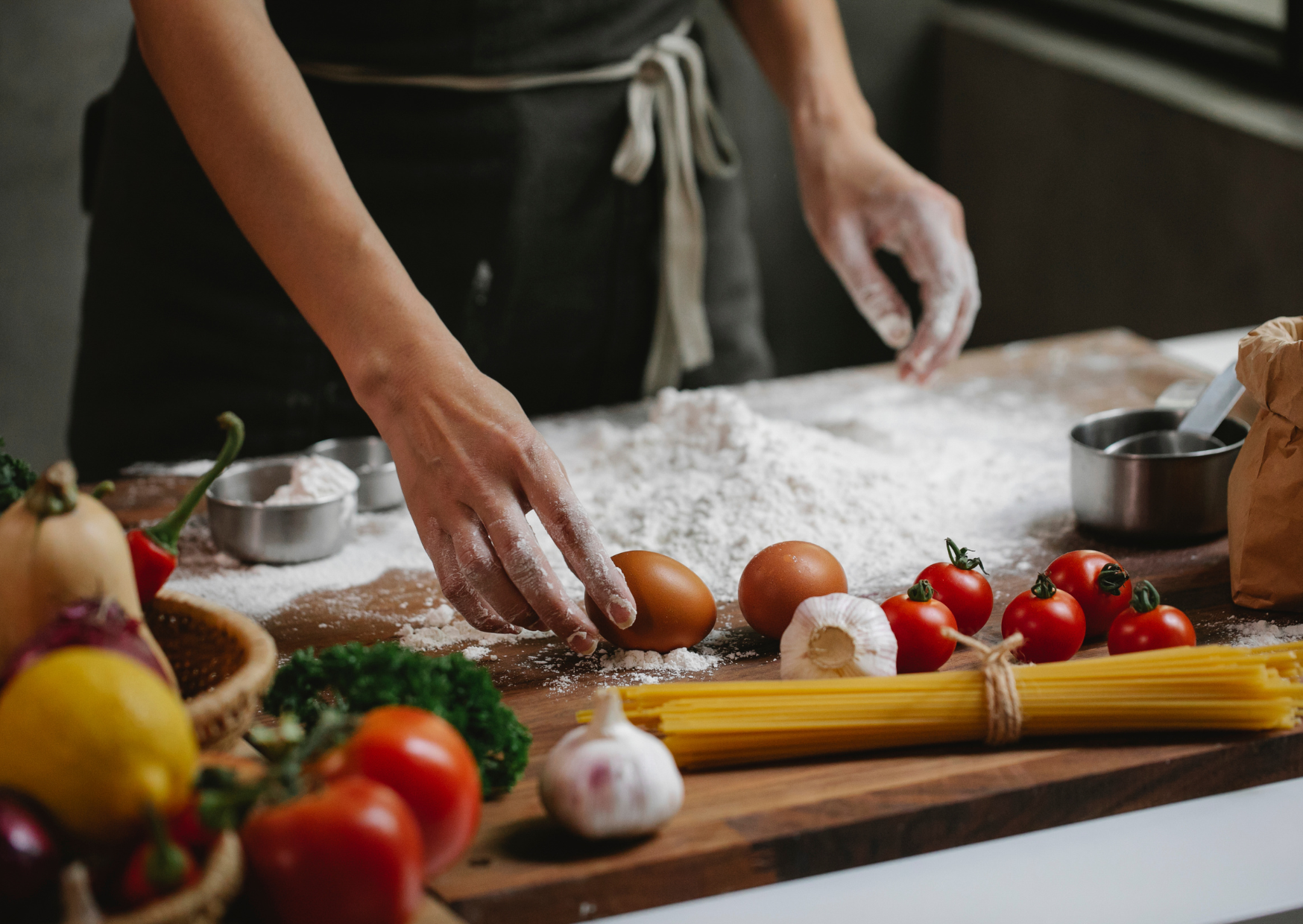
Note: There are variations by region and family tradition. This version reflects a Southern Italian, meatless base with optional add-ins.
- 2 tablespoons extra virgin olive oil
- 1 small yellow onion, finely chopped
- 3 cloves garlic, peeled and smashed (not minced)
- 2 (28 oz / 800g) cans of whole peeled San Marzano tomatoes, crushed by hand
- 1 tablespoon tomato paste
- 1 teaspoon sugar (optional, for acidity balance)
- 8–10 fresh basil leaves, torn
- Salt, to taste
- Black pepper, to taste
- Optional: 1 small carrot, grated (adds natural sweetness)
- Optional: A Parmesan rind, added to the sauce while it simmers
- Optional: 1 small meat bone (beef or pork) or sausage for added depth
Grandmothers vary widely here. Some use garlic only, others onion. Some add both. The version below includes both for a balanced Southern-style base.
Tools You’ll Need
- Large heavy-bottomed pot or Dutch oven
- Wooden spoon
- Chef’s knife and cutting board
- Hand blender (optional, if you prefer a smoother texture)
- Ladle (for serving or reserving)
Preparation Steps
- Crush the tomatoes by hand.
Open the cans and pour into a large bowl. Crush with clean hands for a rustic texture. Do not discard the juice. - Chop your onion.
Keep it fine for better melting into the sauce. Peel and smash the garlic cloves. Do not mince. - Gather your basil and any optional ingredients.
Rinse and tear basil leaves by hand. If using meat, pat dry. If using carrot, grate it now.
Cooking Instructions
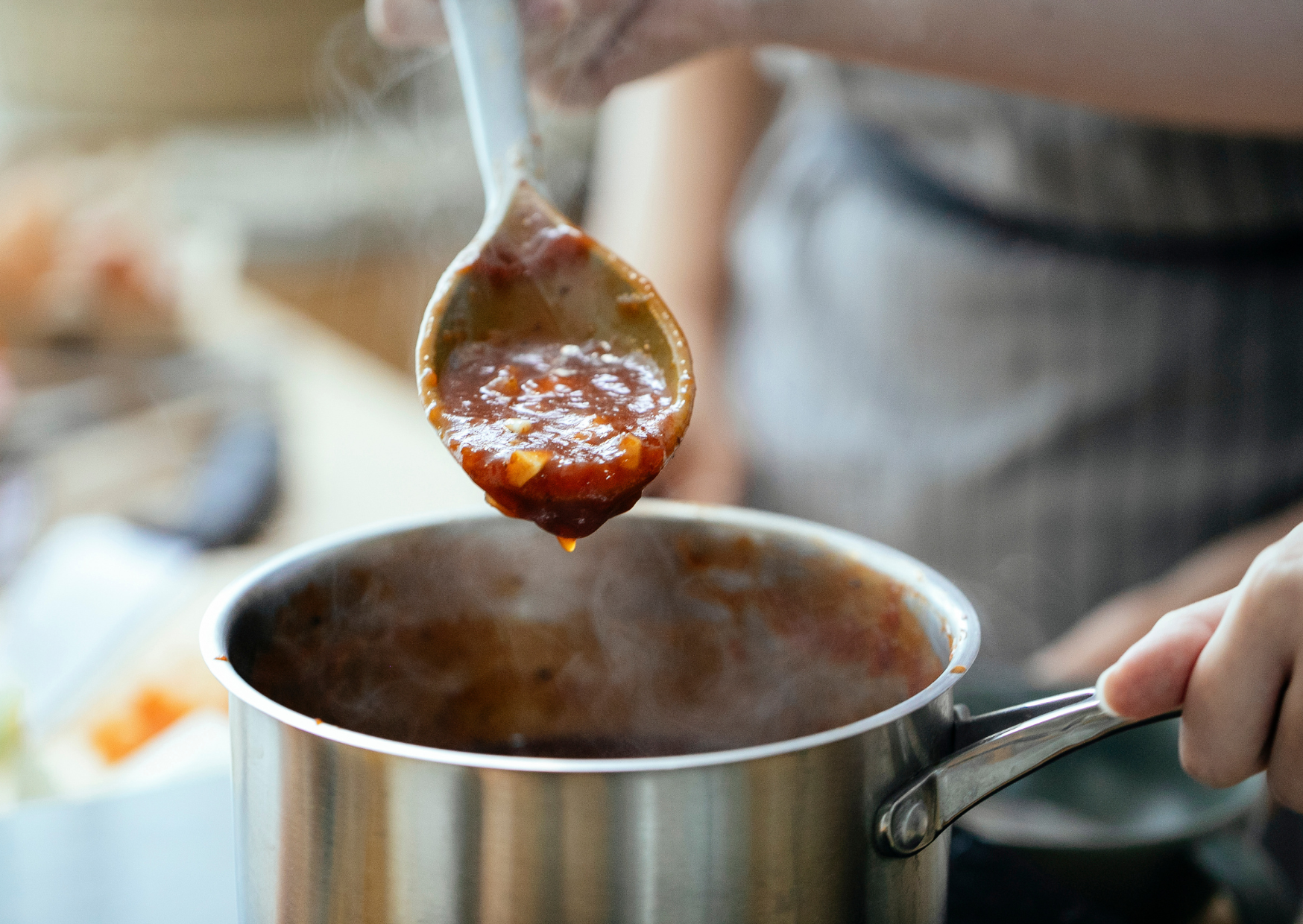
- Sauté aromatics.
In a large pot over medium-low heat, warm the olive oil. Add chopped onion and stir gently for 5–7 minutes until translucent. Do not brown. Add the garlic and stir for another 1–2 minutes until fragrant. - Add tomato paste.
Stir in the tomato paste and cook gently for 1–2 minutes to deepen the flavor. - Add tomatoes.
Pour in the hand-crushed tomatoes and all their juices. Stir to combine. - Season.
Add salt, a few grinds of black pepper, and sugar (if needed). If using, add the grated carrot and Parmesan rind or meat bone now. - Bring to a gentle simmer.
Reduce the heat to low and let it simmer uncovered for at least 1.5 to 2 hours. Stir every 20 minutes to prevent sticking. The longer it simmers, the deeper the flavor. - Add basil near the end.
In the last 15–20 minutes, stir in torn basil leaves. - Taste and adjust.
Remove garlic cloves, Parmesan rind, or meat if used. Taste for salt, sweetness, and acidity. - Optional: Blend.
For a smoother sauce, you may partially blend with a hand blender. Many Italians leave it rustic.
Serving Suggestions
- Serve over al dente pasta, preferably rigatoni, bucatini, or spaghetti.
- Top with freshly grated Parmigiano-Reggiano or Pecorino Romano.
- Serve with a hunk of crusty bread and a glass of red wine.
- Use in lasagna, stuffed shells, or eggplant parmigiana.
Leftovers improve by the day and can be refrigerated up to 5 days or frozen up to 3 months.
What Makes This Sauce So Different from American Versions?
- Time. Americans often rush red sauce. Italians stretch it out. Low heat changes everything.
- Fewer ingredients. No oregano, no chili powder, no sugar overload. Just real tomatoes, real aromatics, and patience.
- Fresh basil, not dried herbs. Flavor from fresh leaves added at the end is gentler and more authentic.
- Texture. Italians prefer it rustic, never watery, and never cloying. You taste the tomato, not just seasoning.
The Sauce Is Just the Start
In many Italian homes, sugo della nonna is the base for a dozen meals. It might start on pasta, then be used for meatballs, baked ziti, or spooned over bread the next day.
It’s also the kind of sauce that feeds more than hunger. It feeds memory, wrapping every bite in the smell of your grandmother’s kitchen, the sound of relatives arguing over who stirred it last, and the echo of the wooden spoon scraping the pot just before lunch is served.
This isn’t just about food. It’s about not skipping the good stuff, even when it takes more time. Italians do not reserve this sauce for guests. They make it for themselves. Because they believe that food cooked with care makes life better, even if no one sees it but you.
You can throw together a jarred sauce in ten minutes. Or you can make sugo della nonna and feel the difference in every bite. Not because it’s fancy. But because it is made with respect.
Origin and History
Sugo della Nonna is not a single recipe but a tradition rooted in Italian family life, especially in the south. Long before written cookbooks were common, tomato sauce was taught by observation, repetition, and correction, passed from grandmother to child without measurements or notes.
Sunday sauce emerged from necessity and ritual. Meat was expensive, so it was cooked slowly once a week, flavoring a large pot of tomatoes that could feed extended family. The sauce wasn’t rushed because Sunday itself wasn’t rushed. Time was the main ingredient.
Each region shaped its own version. Some added pork, others beef or sausage. Some used onions, others didn’t. What unified them was patience and restraint. The sauce was never about complexity, but depth developed over hours.
This is why the recipe is “guarded.” Not because it’s secret, but because it’s personal. To share it fully would require sharing family rhythm, instinct, and memory not just ingredients.
One common misconception is that great tomato sauce requires many ingredients. Italian grandmothers often use very few, believing excess hides flaws rather than fixing them.
Another debate surrounds cooking time. Many modern cooks shorten simmering for convenience, but traditionalists insist long cooking isn’t optional. The sauce transforms only when tomatoes break down slowly and fats emulsify naturally.
There’s also disagreement over texture. Some prefer a smooth sauce, others leave it rustic. What matters in traditional kitchens isn’t uniformity, but intention. Each choice reflects family taste, not trends.
The biggest controversy is precision. Written recipes attempt to standardize something meant to be felt. Nonna’s sauce resists exactness because it was never designed to be replicated perfectly only learned.
How Long It Takes to Prepare
Active preparation is minimal, usually under 30 minutes. Chopping, browning meat if used, and starting the sauce require attention, but not complexity.
The real time investment is simmering. Traditional Sunday sauce cooks anywhere from three to six hours, sometimes longer. This slow process allows flavors to deepen without aggressive seasoning.
During cooking, the sauce needs occasional stirring, not constant supervision. The rhythm is relaxed, built around conversation and other tasks.
Rushing the sauce compresses flavor. Time is what separates ordinary tomato sauce from something that feels complete and satisfying.
Serving Suggestions
Sugo della Nonna is often served in stages. Pasta is dressed first with the sauce alone, allowing its flavor to stand on its own.
The meats cooked in the sauce are served separately as a second course, not mixed into the pasta. This preserves structure and respects tradition.
Bread is essential, not optional. It’s used to soak up remaining sauce, often considered the best part of the meal.
Leftovers are prized. The sauce deepens overnight, making the next day’s meal even richer.
Final Thoughts
Sugo della Nonna isn’t about tomatoes. It’s about time, presence, and continuity. The sauce tastes different because it’s made differently.
What makes it special isn’t secrecy, but consistency. Italian grandmothers repeat the same motions week after week, refining instinct rather than chasing novelty.
This sauce teaches patience in a culture that rewards speed. It asks the cook to slow down and trust the process.
Once you understand that, the recipe reveals itself. Not as a formula, but as a habit one worth keeping.

About the Author: Ruben, co-founder of Gamintraveler.com since 2014, is a seasoned traveler from Spain who has explored over 100 countries since 2009. Known for his extensive travel adventures across South America, Europe, the US, Australia, New Zealand, Asia, and Africa, Ruben combines his passion for adventurous yet sustainable living with his love for cycling, highlighted by his remarkable 5-month bicycle journey from Spain to Norway. He currently resides in Spain, where he continues sharing his travel experiences with his partner, Rachel, and their son, Han.
Mike
Thursday 25th of December 2025
From both my Nonna's - and mother's experience: Grated carrots, yes. Sugar - a hard no. A touch of chili is a good thing. Everything else process-wise was spot on.