
Because freedom, affordability, and peace of mind shouldn’t be luxuries.
Let’s face it—life in the U.S. can feel like a treadmill that never stops. Between the rising cost of living, healthcare premiums that rival rent, and a culture built on overwork, more and more Americans are asking:
“Is there a better way to live?”
The answer? Yes—and it starts by looking beyond the borders.
The dream of escaping the endless American grind rising costs, stressful commutes, and minimal work-life balance has led many to seek a better quality of life abroad. But not every destination offers the golden trifecta: affordability, high-quality healthcare, and an easy visa process. The good news? There are countries that tick all three boxes, allowing you to live comfortably on a modest budget while enjoying excellent medical systems and straightforward long-stay entry options.
From peaceful European towns with universal healthcare to vibrant Latin American cities where private insurance costs a fraction of US rates, these destinations open the door to a lifestyle that feels both luxurious and financially sustainable. Whether you’re an early retiree, digital nomad, or simply craving a reset, finding the right country can transform your daily life from burnout to balance.
In this guide, you’ll discover 13 affordable countries with great healthcare and easy visa options, plus quick tips for planning your move and understanding potential challenges. Because living abroad isn’t just about saving money it’s about gaining peace of mind, health security, and the freedom to design a life that truly suits you.
Read Here European Things that terrify Americans and American Habits that make Europeans Cringe
Read here how to pack for Europe and Best eSIM for Europe
BOOK YOUR TRAVEL INSURANCE
Two of our favorite travel insurance: Heymondo Vs Safetwing cheapest travel Insurance. You can get for $135 USD your Heymondo Travel Insurance with Heymondo discount code valid for 90 days. Read our full comparison of Genki vs Safetywing Travel Insurance Review and the comparison Heymondo vs Genki
Quick & Easy Tips
Research visa conditions carefully. Many countries offer temporary residency that can later transition to permanent residency or citizenship.
Compare healthcare systems. Even in affordable countries, urban areas often have better facilities than rural regions.
Budget realistically. Include health insurance, visa fees, and potential travel back to the US for family or emergencies.
While moving abroad for affordable living and healthcare seems ideal, it isn’t without criticism. Critics argue that an influx of expats with US dollars can drive up local housing costs, displacing residents and changing the cultural fabric of communities. In cities like Lisbon, Medellin, and Bali, rising rents due to foreign demand have sparked resentment and protests from locals priced out of their own neighborhoods.
Another often overlooked issue is the “expat bubble.” Many Americans abroad gravitate towards English-speaking communities, international cafes, and imported goods, living parallel lives without integrating into local society. This limits cultural immersion and perpetuates stereotypes of expats as privileged outsiders enjoying benefits without contributing meaningfully to their host country’s social fabric.
Finally, there’s the ethical dimension of healthcare access. While private healthcare in these countries is affordable for Americans, it often remains out of reach for locals who rely on underfunded public systems. Some argue that foreigners relying on private clinics while praising healthcare quality fail to acknowledge the disparities faced by residents without the same purchasing power or insurance options.
Why Healthcare Matters When You Move Abroad
For many Americans, access to affordable, reliable healthcare is reason enough to move:
No $1,500 ER bills
No fighting with insurance for approvals
No skipping treatments due to cost
In these countries, healthcare is treated as a right—not a privilege. And that can be life-changing.
What to Know Before You Move
Choosing a new home abroad isn’t just about scenery—it’s about systems that support a better life. Here’s what to consider before you make the leap:
Check the Healthcare Access
Some countries require legal residency for public care access. In most, private insurance is still far cheaper than U.S. options.
Do a “Trial Run”
Rent for a few months before committing to buy or stay long-term. Explore different regions within your chosen country.
Understand the Visa Process
Healthcare access often depends on your visa status. Research residency requirements and renewal rules carefully.
Mind the Language Barrier
While many doctors abroad speak English, day-to-day communication will be easier if you learn the basics of the local language.
1. Portugal

Universal healthcare with excellent private options (~$50/month for insurance)
Coastal towns, cobbled streets, and warm, sunny climates
One of Europe’s most expat-friendly countries
Cost of Living: $1,800–$2,500/month
Doctor visits often cost under $30—yes, even without insurance.
Why It Works
Portugal consistently ranks as one of the best countries for expats—and with good reason. Its public healthcare system (SNS) is efficient, affordable, and available to legal residents. The lifestyle is laid-back, crime is low, and the food and wine are fantastic.
2. Mexico
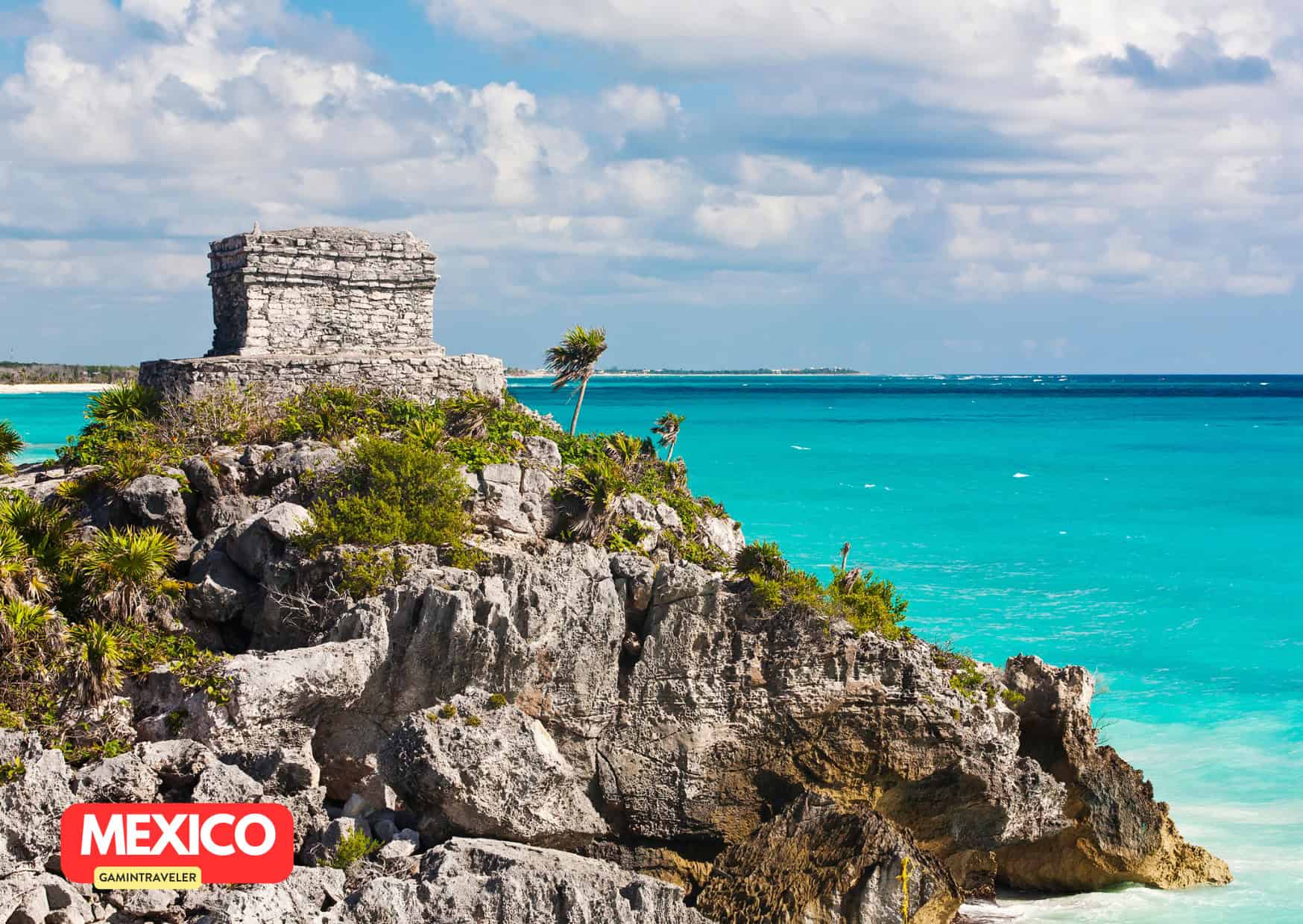
Excellent private hospitals, low-cost care, and U.S.-trained doctors
Easy visa options and proximity to the U.S.
Huge variety of climates and lifestyles—from beach to mountain
Cost of Living: $1,200–$2,000/month
Monthly health insurance can be $75 or less with full coverage.
Why It Works
Close to home but vastly more affordable, Mexico offers high-quality private hospitals, a rich culture, and a large U.S. expat community. Healthcare is often 80% cheaper than in the U.S.
3. Costa Rica
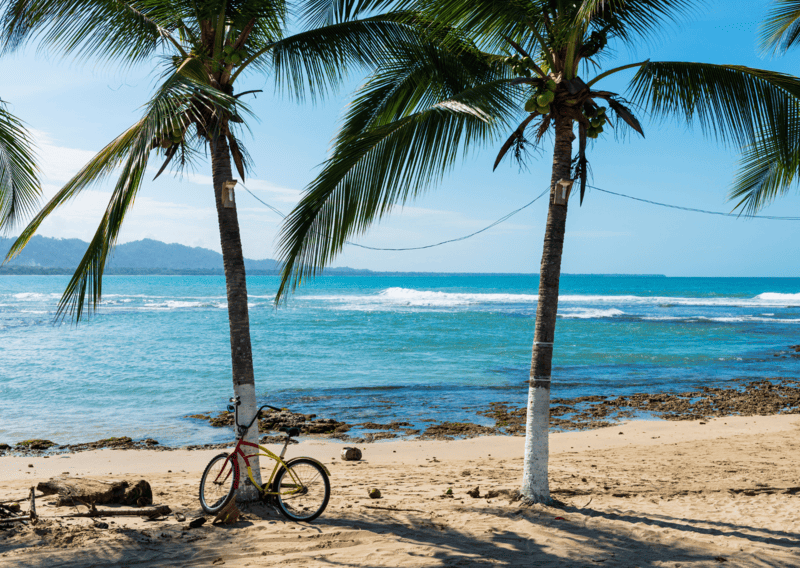
Ranked among the best healthcare systems in Latin America
Public system (Caja) + affordable private clinics
Lush, eco-friendly living with a “pura vida” pace
Cost of Living: $1,500–$2,200/month
Retirees and legal residents can access the public system for 5–11% of income.
Why It Works
Costa Rica is known for its “Pura Vida” philosophy, but it also boasts a strong public health system (Caja) and excellent private clinics. Many Americans retire here for the relaxed lifestyle and high life expectancy.
4. Malaysia

English-speaking doctors, modern hospitals, and medical tourism hot spot
Penang and Kuala Lumpur offer urban ease and island charm
No taxes on foreign income and long-stay visas available
Cost of Living: $1,200–$1,800/month
Routine care = $15–30, full check-ups for under $100.
Why It Works
Kuala Lumpur is one of Southeast Asia’s top medical tourism hubs, offering excellent care at shockingly low prices. Malaysia’s “My Second Home” (MM2H) program also attracts long-term residents.
5. Thailand

World-renowned private hospitals with Western standards
Low cost of living and a strong expat infrastructure
Great for both retirees and digital nomads
Cost of Living: $1,000–$1,800/month
Many expats self-pay: $25 doctor visits, surgeries for a fraction of U.S. prices.
Why It Works
Thailand combines tropical beauty, vibrant culture, and a well-developed healthcare sector. Bangkok and Chiang Mai are popular with digital nomads and retirees alike.
6. Spain

Top-ranked healthcare system, especially for expats with residency
Mediterranean lifestyle, strong infrastructure, and stunning culture
Non-lucrative visas available for retirees and remote workers
Cost of Living: $2,000–$2,700/month
Full health insurance for expats: ~$70/month for private coverage.
Why It Works
Spain offers the perfect balance of affordability, modern infrastructure, and world-class healthcare. Whether you’re in Madrid, Valencia, or a small Andalusian town, you’ll find top-rated medical services with a strong public-private healthcare system.
7. Colombia
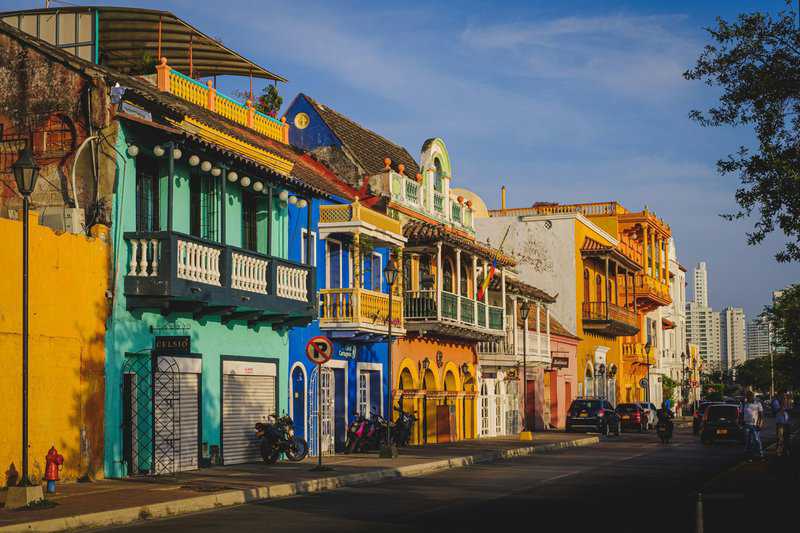
Medellín is a global favorite for climate, healthcare, and affordability
Public and private systems, both affordable and high-quality
Vibrant culture and quick access to other Latin American destinations
Cost of Living: $1,200–$1,700/month
Premium private insurance can be under $60/month.
Why It Works
Colombia’s cities are safe, beautiful, and increasingly popular with expats. The healthcare system, especially in Bogotá and Medellín, is modern and accessible.
8. Uruguay

Progressive policies, low crime, and accessible, modern healthcare
Montevideo is a calm, coastal capital with a European vibe
Residents pay into a mutualista system (private hospital networks)
Cost of Living: $1,600–$2,200/month
Monthly healthcare plans = $70–$100, no surprise bills.
9. France

France has arguably the best healthcare system in the world, according to WHO. While it’s not the cheapest destination overall, it offers exceptional value in healthcare.
Healthcare Highlights:
Universal healthcare with minimal co-pays
Private top-up insurance (“mutuelle”) is affordable
Accessible for long-term residents
Cost of Living
$2,000–$2,500/month in smaller cities or rural areas
Visas: Long-stay visas for retirees and self-supporting individuals.
10. Italy

Italy blends gorgeous scenery, rich culture, and solid public healthcare. Once registered as a resident, expats can access the Servizio Sanitario Nazionale (SSN).
Healthcare Highlights:
Universal care, with small registration fees
Private doctors and clinics are inexpensive
Great access to specialists and preventive care
Cost of Living
$1,400–$2,000/month in towns outside Rome or Milan
Visa Tip: The Elective Residency Visa is ideal for those with steady passive income.
11. Panama

Panama is a favorite among U.S. retirees due to its dollarized economy, excellent infrastructure, and modern hospitals. Many doctors are U.S.-trained.
Healthcare Highlights:
Quality care at a fraction of U.S. costs
Expats eligible for public and private care
Discounts on services for retirees
Cost of Living
$1,500–$2,200/month in cities like David or Boquete
Visa Options: The Pensionado Visa offers perks including healthcare discounts.
12. Germany
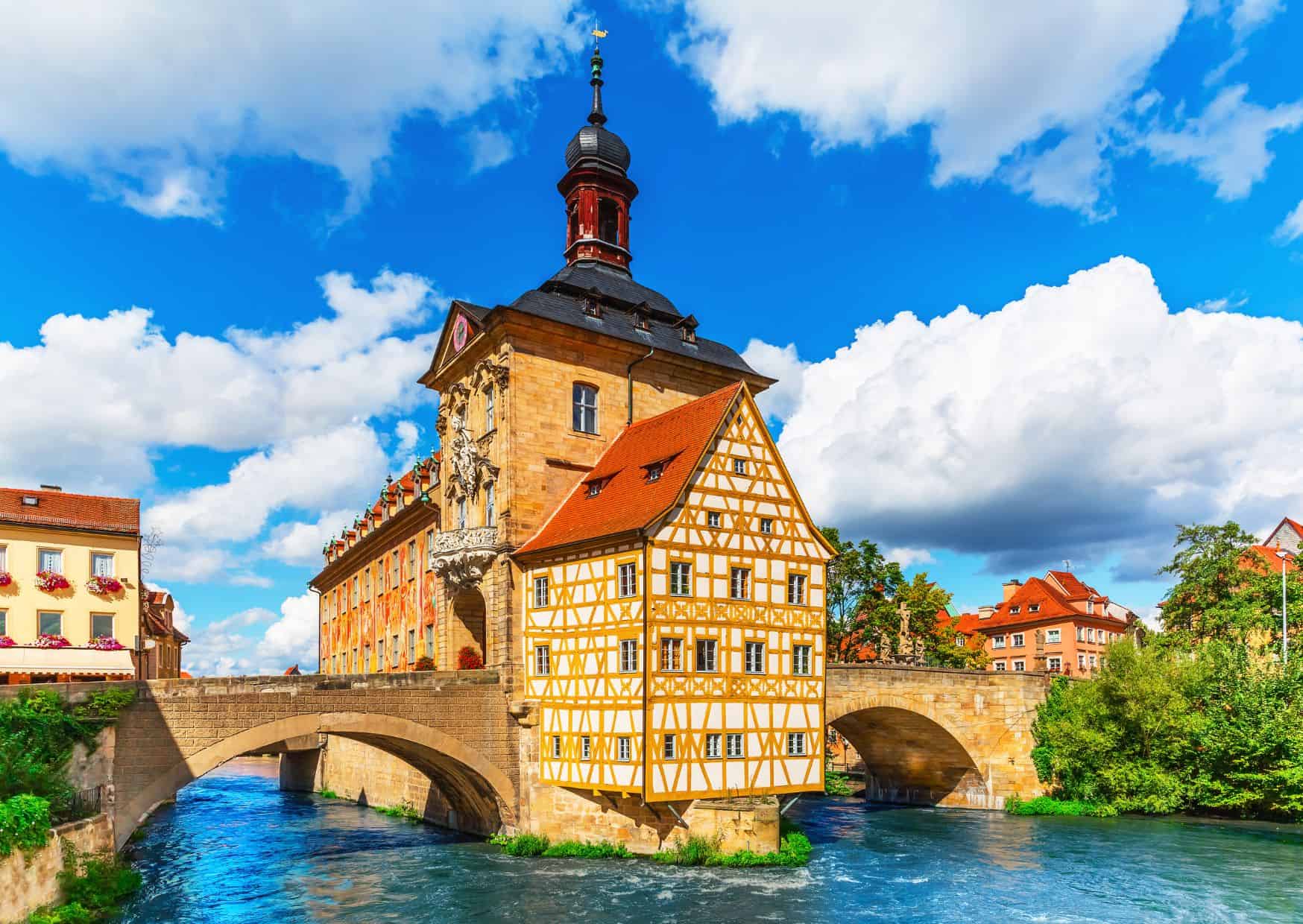
Germany has a world-class dual healthcare system. It’s more expensive than other destinations on this list, but offers excellent care, modern cities, and cultural richness.
Healthcare Highlights:
Public insurance (gesetzliche Krankenkasse) mandatory for residents
Private insurance is available for freelancers and higher earners
Outstanding hospitals and preventive care
Cost of Living
$2,200–$2,700/month in smaller cities
Visas: Freelancer, student, and work-seeker visas available.
Visa Tip: Retirement visas and investment-based residency are easy to obtain.
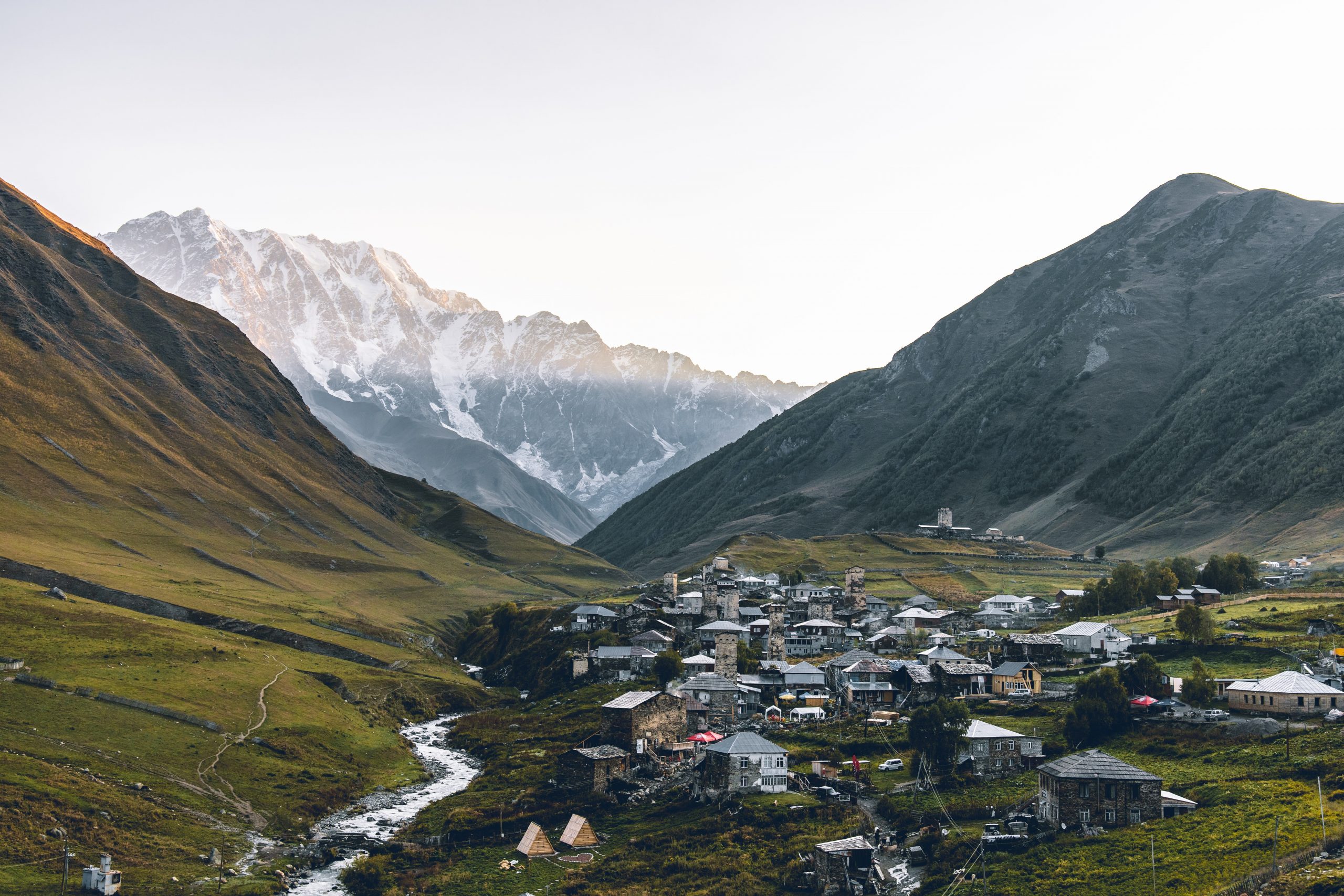
13. Georgia
Why It Works
Georgia (the country, not the state!) is becoming a haven for digital nomads due to its low taxes, visa-free entry for U.S. citizens, and cost-effective living.
Healthcare Highlights:
Private clinics in Tbilisi are affordable and reliable
Emergency care is fast and inexpensive
English-speaking doctors are common in cities
Cost of Living
$1,000–$1,300/month
Visa Tip: U.S. citizens can stay visa-free for one year.
Final Thoughts
Choosing to move abroad is a major decision that should be grounded in realistic expectations and cultural humility. While these 13 destinations offer the promise of affordable living and excellent healthcare, they also require you to navigate language barriers, cultural differences, and bureaucracy with patience and respect.
Approach your expat journey not just as an escape from American problems, but as an opportunity to engage deeply with a new culture, learn its language, understand its history, and support its communities. This mindset transforms your move from a self-serving relocation to a genuine life upgrade rooted in global citizenship.
Ultimately, escaping the grind is less about the destination itself and more about what you do with your newfound freedom. Use it to prioritize health, happiness, and human connection and you’ll gain more than affordable rent and good hospitals. You’ll build a life you don’t need to escape from again.

About the Author: Ruben, co-founder of Gamintraveler.com since 2014, is a seasoned traveler from Spain who has explored over 100 countries since 2009. Known for his extensive travel adventures across South America, Europe, the US, Australia, New Zealand, Asia, and Africa, Ruben combines his passion for adventurous yet sustainable living with his love for cycling, highlighted by his remarkable 5-month bicycle journey from Spain to Norway. He currently resides in Spain, where he continues sharing his travel experiences with his partner, Rachel, and their son, Han.