
It looks elegant from the outside, but the real reason it feels calm is boring and practical: the whole holiday is built around one long meal that does not require constant hustle.
The first time you spend Christmas around French people, you notice what is missing.
No frantic Christmas-morning logistics. No day-long “who’s driving where” choreography. No kitchen meltdown that starts at 7:00 a.m. and ends with someone eating standing up over the sink.
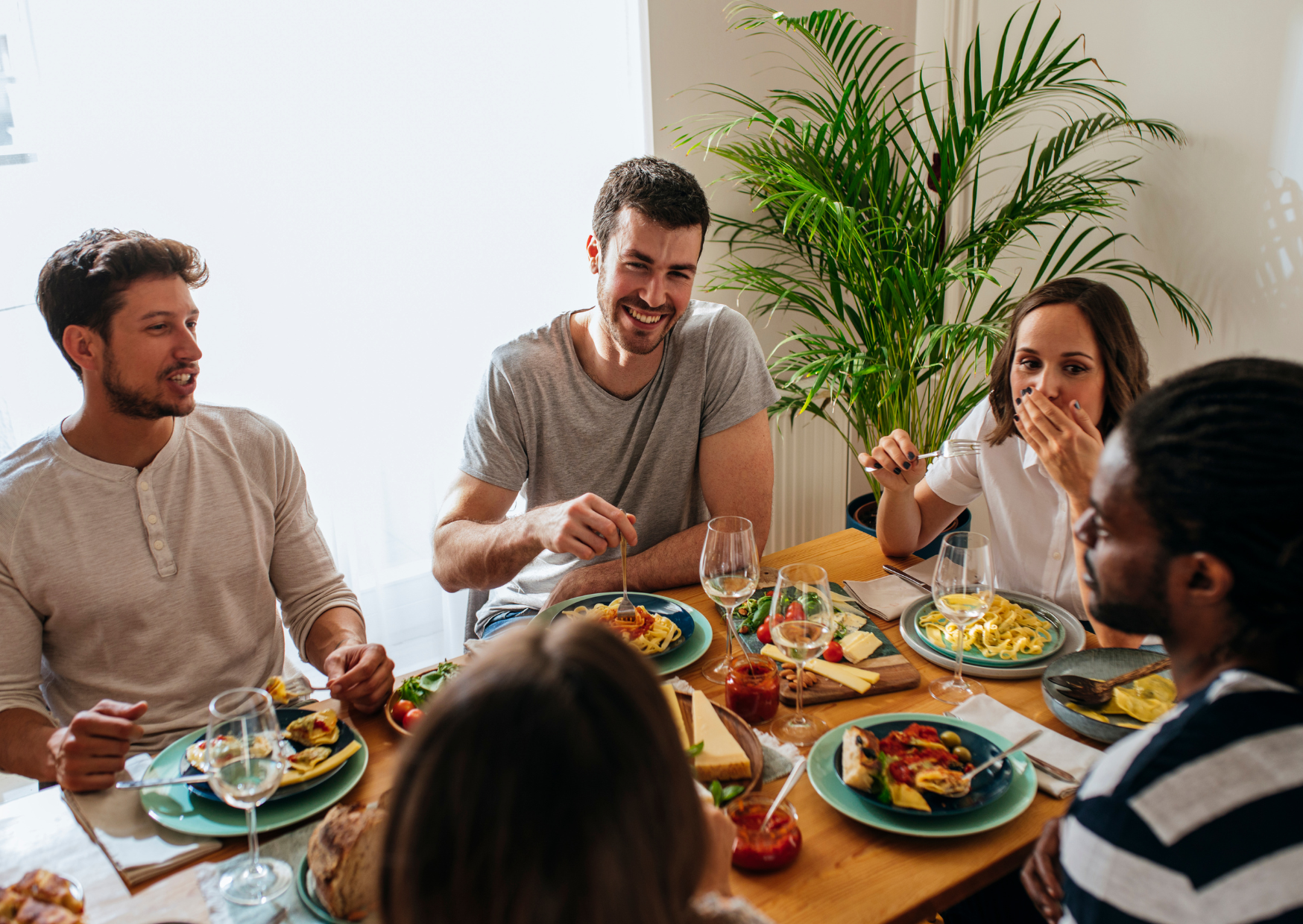
Instead, there’s a slow build: an apéritif, small bites, and a long dinner that starts late enough that nobody had to sprint through the day to make it happen. Kids are still up. Adults are not acting like martyrs. The table is doing the work.
Americans often assume this calm comes from some cultural superpower.
It’s simpler. The French holiday rhythm is designed to prevent chaos. The meal is the schedule, and once you accept that, the whole thing feels less like a performance and more like a lived night.
Living in Spain, we see a similar logic in how people stretch celebrations across multiple moments instead of concentrating everything into one frantic peak. France does it with a signature move: Christmas Eve’s réveillon.
That is the tradition Americans tend to love once they experience it. And it’s also the tradition that makes Americans quietly rethink what they thought “holiday magic” was supposed to look like.
Réveillon is the calm: one long Christmas Eve dinner that carries the holiday
The French Christmas tradition that shocks Americans is not the food itself, although the food can be incredible. It’s the structure.
Réveillon is essentially a long Christmas Eve dinner, usually later and more drawn out than what many Americans are used to. It can be modest or luxurious, depending on the family, but the rhythm stays similar: apéritif, a few courses, dessert, coffee, and people lingering at the table because there is nowhere else they are supposed to be.
That’s the calm. The holiday is centered on a night where you sit down and stay down.
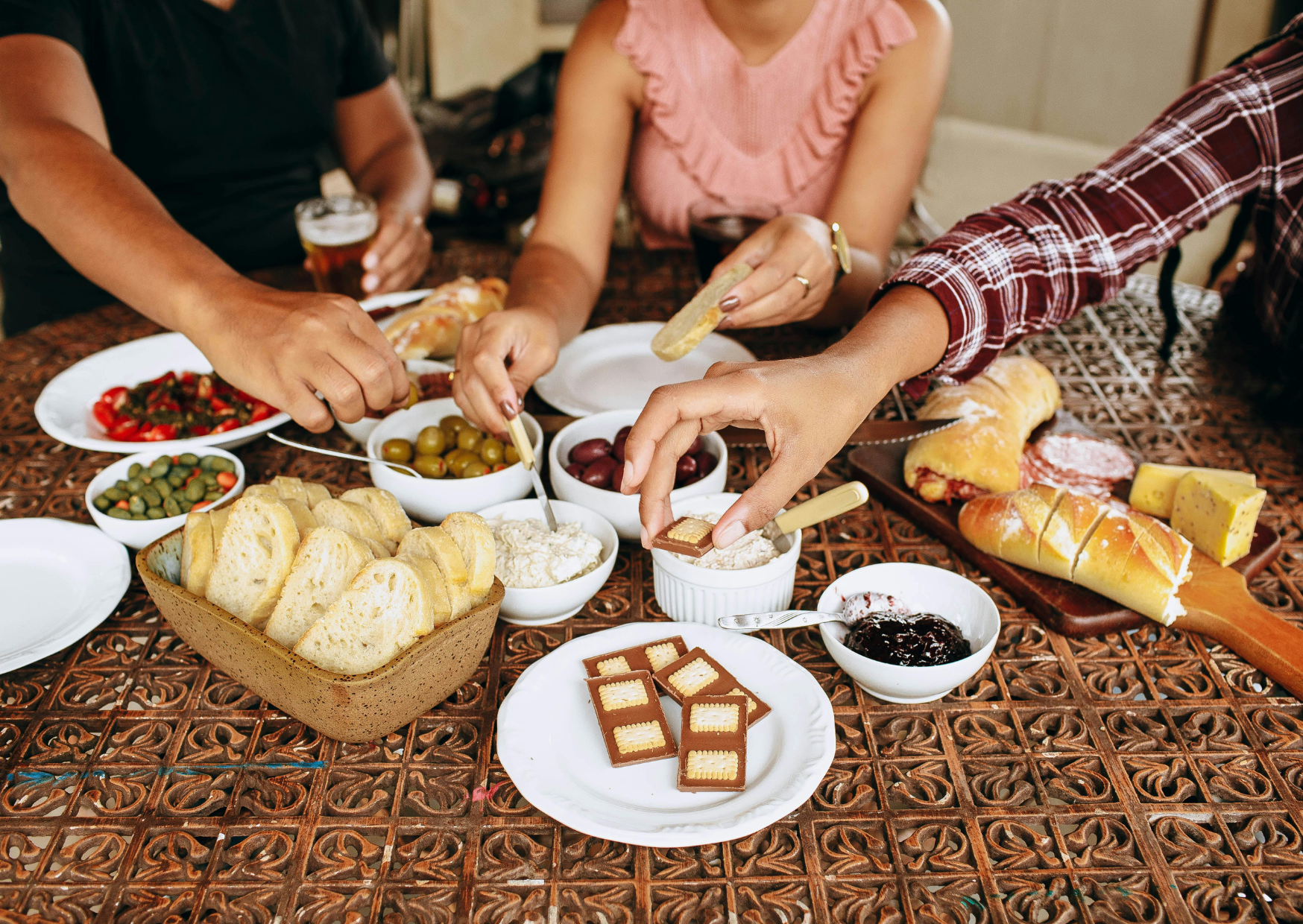
The apéritif stage matters more than Americans think. You start with drinks and small bites, and that first hour is doing quiet emotional labor: people arrive, settle, talk, and eat just enough to stop being hungry-angry. Appetizers prevent arguments. It sounds silly, but it works.
Then you get the courses. In many French households, oysters or seafood show up somewhere in the evening, plus something rich like foie gras, plus a main dish that feels like winter and tradition. The exact menu changes by region and budget, but the vibe is consistent: not rushed, not one-plate-and-done.
And gifts often do not dominate the whole night the way they can in the U.S. In some families, gifts are opened after midnight, or later in the evening, which means there is less “morning chaos” pressure.
If you want to copy the calm, don’t copy the fanciest dishes. Copy the decision that makes the evening work: the holiday lives at the table, and the table lasts long enough that nobody needs a second event to make the night feel full.
Why it feels calmer than an American Christmas, even when the house is loud
Americans often hear “French Christmas” and imagine quiet elegance, soft jazz, and whispered compliments about cheese.
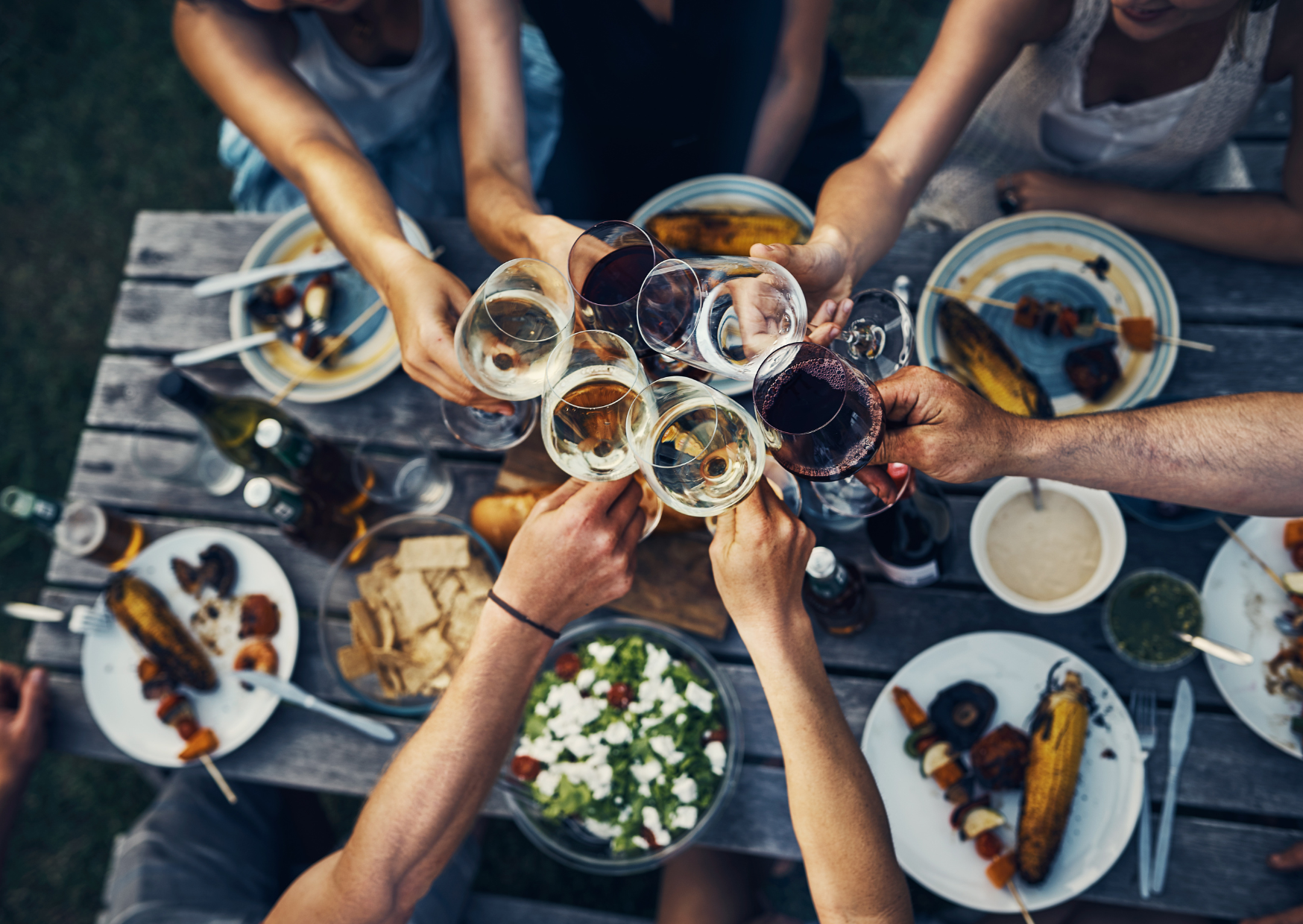
Real French family gatherings can be loud. Kids can be feral. Adults can be opinionated. The calm is not silence. The calm is containment.
In the U.S., holiday stress comes from logistics as much as emotions. You are trying to do everything in one day: shop, cook, drive, host, gift, clean, entertain, and somehow feel meaningful while you do it.
The French structure cuts down the number of moving parts.
You’re not building an entire day around a morning reveal. You’re not planning five separate activities. You are planning one long meal, and you’re letting it take the time it needs.
Another calm-maker is that the system doesn’t reward last-minute heroics. In many places, shops and services slow down around the holidays, which forces planning. You cannot rely on the American habit of fixing everything with a late-night run or a same-day delivery. That can feel annoying if you’re used to convenience, but it also prevents the chaos spiral where you keep adding tasks because you can.
There’s also a subtle social difference: French hosting often has fewer “host performance” expectations. People still care about the meal, obviously, but you are not expected to be relentlessly upbeat and constantly serving. Guests are allowed to exist without the host orchestrating every minute.
That’s why the evening feels calmer even when it’s full. Fewer decisions, fewer emergencies.
If you are an American family trying to import this, the main adjustment is psychological: stop treating Christmas like a production where the host must suffer for everyone else to enjoy it. The French version tends to distribute the night through food and time, not through host exhaustion.
The money math: food-first feels indulgent, but it’s often more predictable
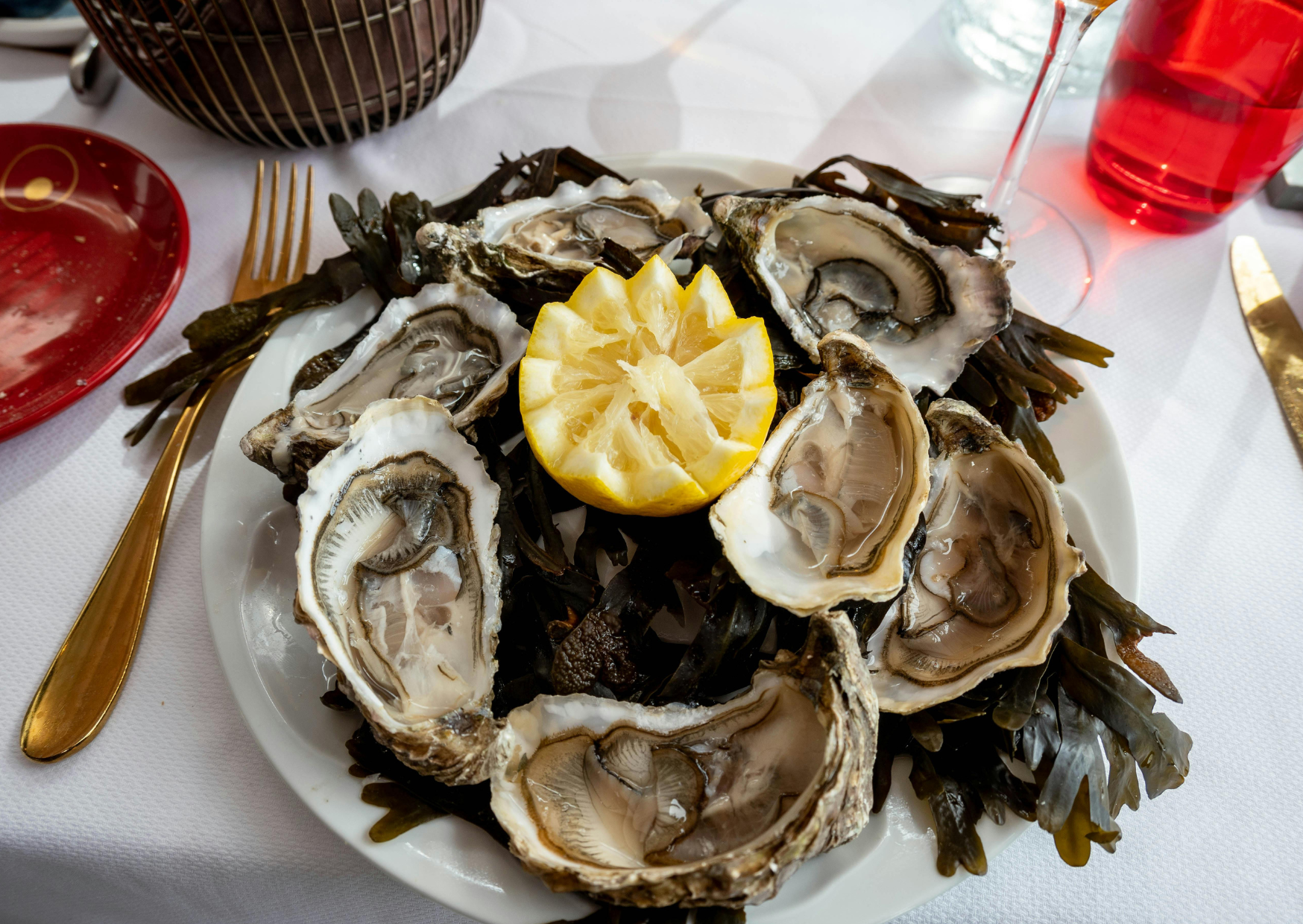
This is where Americans get confused. They see oysters and foie gras and assume French Christmas must be wildly expensive.
It can be expensive, but the spending pattern is different. It’s often food-first, not gift-first. And food-first spending can actually feel more predictable because it lands in one category you planned for, instead of leaking through a dozen “little” holiday purchases.
Here’s a realistic example budget for 6 people in France doing a “classic enough” réveillon. This is not a universal bill, it’s a planning model.
For a currency snapshot, the European Central Bank reference rate on 19 December 2025 was €1 = $1.1712.
A calm, normal version (about €134, roughly $156.94):
- Oysters, 2 dozen: about €21 (one official French consumer price series lists medium cupped oysters per dozen around €10.44 in early 2025)
- Foie gras, 200g: €26 to €49 depending on style and brand (200g examples range around these numbers)
- Roast bird (chapon type), about 3 kg: around €30 in some supermarket promos in December 2025
- Potatoes, salad, and veg: €8 to €12
- Cheese: €10 to €18
- Bûche de Noël, supermarket style: around €10 (common promo pricing)
- Wine: €12 to €20
- Bread, butter, little extras: €8 to €12
A “yes we’re leaning into it” version (about €290, roughly $340.82):
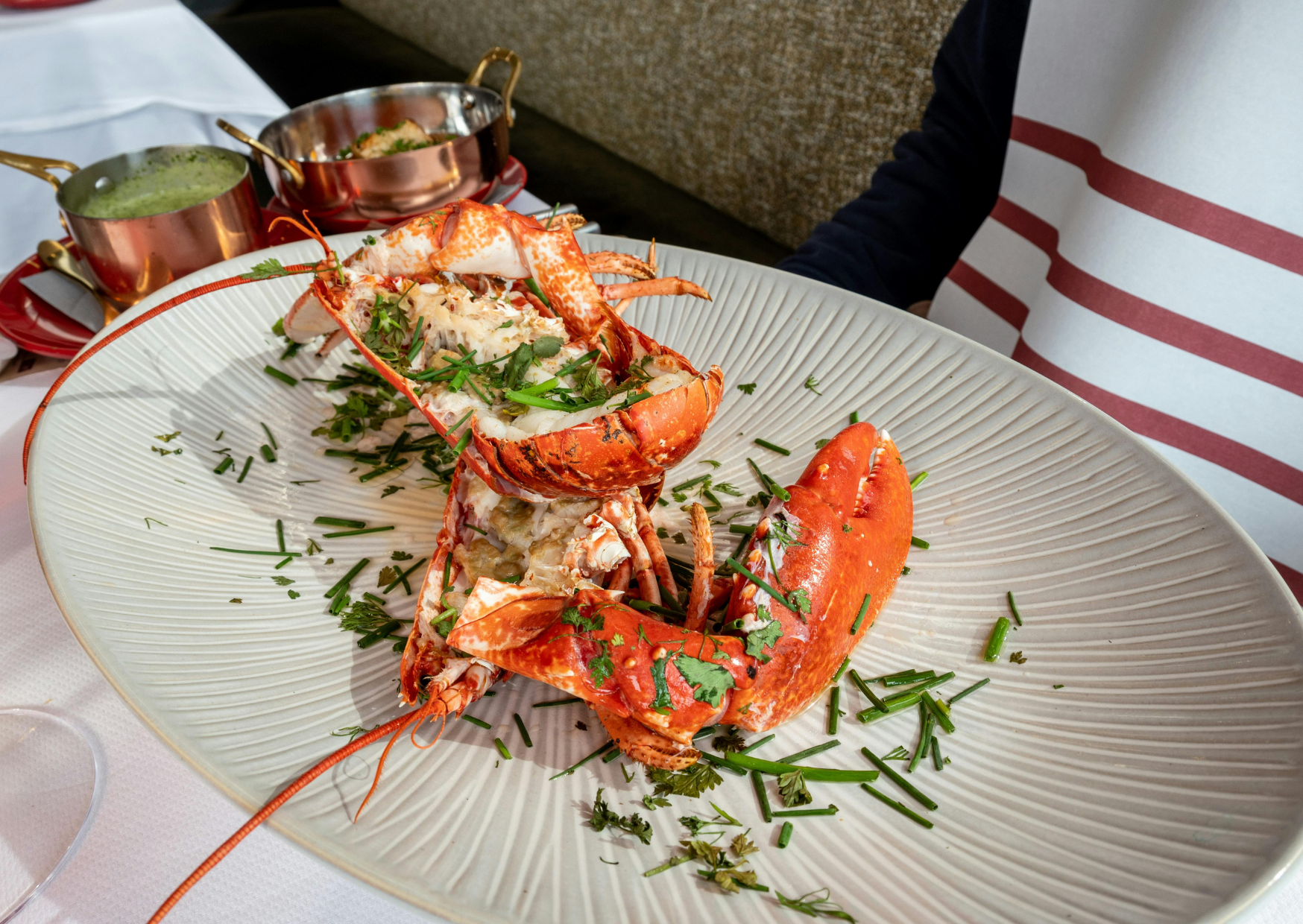
- Better oysters, more seafood, better wine or champagne
- Foie gras from a specialist or a higher-end version
- A nicer roast bird or a more elaborate main
- A pâtisserie bûche instead of supermarket (these can climb fast)
The calm trick is not spending less. It’s spending in a way that does not surprise you. Food is purchased deliberately. The menu is decided. The evening is long enough that nobody needs constant add-ons.
Also, the French tradition quietly protects you from the American “we need to entertain everyone all day” spending. A long table does not require paid activities. Time is the entertainment.
The calendar that makes it work: late dinner, slow morning, and a gentle second act in January
If you’re trying to understand why it feels calmer, look at the calendar.
A typical French rhythm often goes something like this:
- December 24 evening: réveillon dinner
- Late night: dessert, coffee, gifts in some families
- December 25: quieter day, often a family meal or a rest day
- January: galette des rois season around Epiphany, which extends the holiday feeling without forcing another massive production
That last part matters more than Americans expect. Galette des rois is not “Christmas,” but it acts like a soft landing. It gives people another communal ritual after the December rush, without turning it into a second peak of stress.
It’s also a clue about how French traditions handle pressure. Instead of stacking everything into one perfect day, you get multiple small anchors. The Christmas Eve meal is the big one. Christmas Day can be calmer because the emotional climax already happened. And the season doesn’t disappear overnight because there’s a small cultural ritual waiting in January.
In Provence and some other areas, you’ll also hear about the tradition of multiple desserts at Christmas, sometimes framed as “thirteen desserts.” Not everyone does it, and not everyone does it literally, but the point is the same: the season is expressed through food rituals that linger.
If you want the calm, copy the spacing. Don’t try to build one perfect day. Build one long night, then give yourself a genuinely quiet next day.
The local method: how French hosts keep the night calm without acting like saints
French Christmas hosting looks effortless from the outside, but it’s not magic. It’s method.
First, they choose menus that can be staged.
A lot of classic réveillon foods are either cold, can be prepped ahead, or cook gently without constant attention. Oysters and smoked salmon are served cold. Foie gras is sliced. Cheese is literally ready. Dessert is often bought. The main dish is the only thing that truly needs cooking attention.
That’s deliberate. It keeps the host from being trapped in the kitchen all night.
Second, the apéritif is not just a drink. It is a pacing tool. If people arrive at 7:30 and dinner is at 9:00, the apéro stops everyone from getting restless, and it stops the host from rushing. Timing beats willpower, because a structured pre-dinner hour removes the pressure to have everything ready immediately.
Third, they let the table stretch. Americans often try to “move things along,” clear plates quickly, push the next activity. The French model lets you sit in each stage long enough that the evening feels full without extra programming.
If you’re hosting, here’s the simplest local-method version:
- Pick one impressive cold starter (oysters, smoked salmon, or pâté)
- Pick one main that cooks itself (roast bird, braise, or oven dish)
- Buy dessert instead of proving something
- Put cheese on the table and let it handle the late-night hunger
The calm is not that the host does more. It’s that the menu does more. The menu carries the mood.
Common American mistakes that turn French calm into another stress project

If you try to recreate French Christmas and you end up stressed, it’s usually one of these.
Mistake 1: You treat it like a performance dinner.
You try to cook everything from scratch, including dessert, and you turn the night into a test of your self-worth. French households outsource dessert all the time. Buying a good bûche is normal.
Mistake 2: You start too early.
Americans begin cooking at dawn because the U.S. holiday model is built around an early day. Réveillon is later. Start later. Let the morning be normal.
Mistake 3: You pack the day with activities.
You don’t need “events” if the meal is long. The long dinner is the event.
Mistake 4: You overdo gifts and then wonder why you’re exhausted.
If you want French calm, shrink the gift moment and enlarge the time. Fewer packages, more table.
Mistake 5: You skip the apéro and then everyone is hungry and cranky.
This is where arguments are born. A few bites and a drink buys you peace.
Mistake 6: You try to make it quiet.
It doesn’t need to be quiet. It needs to be contained. There’s a difference.
If you avoid those mistakes, the “French calm” shows up naturally. Not because you became French overnight, but because you stopped feeding the American chaos machine.
Seven days before Christmas, the French way
If you want to run this as a real plan, here’s a one-week setup that works even if you are hosting in the U.S.
Day 1: Decide the shape of the night.
Commit to Christmas Eve as the main event, and decide your dinner start time. Make it later than you think you should.
Day 2: Choose one cold starter and one main.
Cold starter means no last-minute panic. Main means oven and downtime.
Day 3: Buy or order dessert.
Supermarket bûche is fine. Bakery bûche is lovely. Either way, don’t bake to prove something.
Day 4: Build the apéro list.
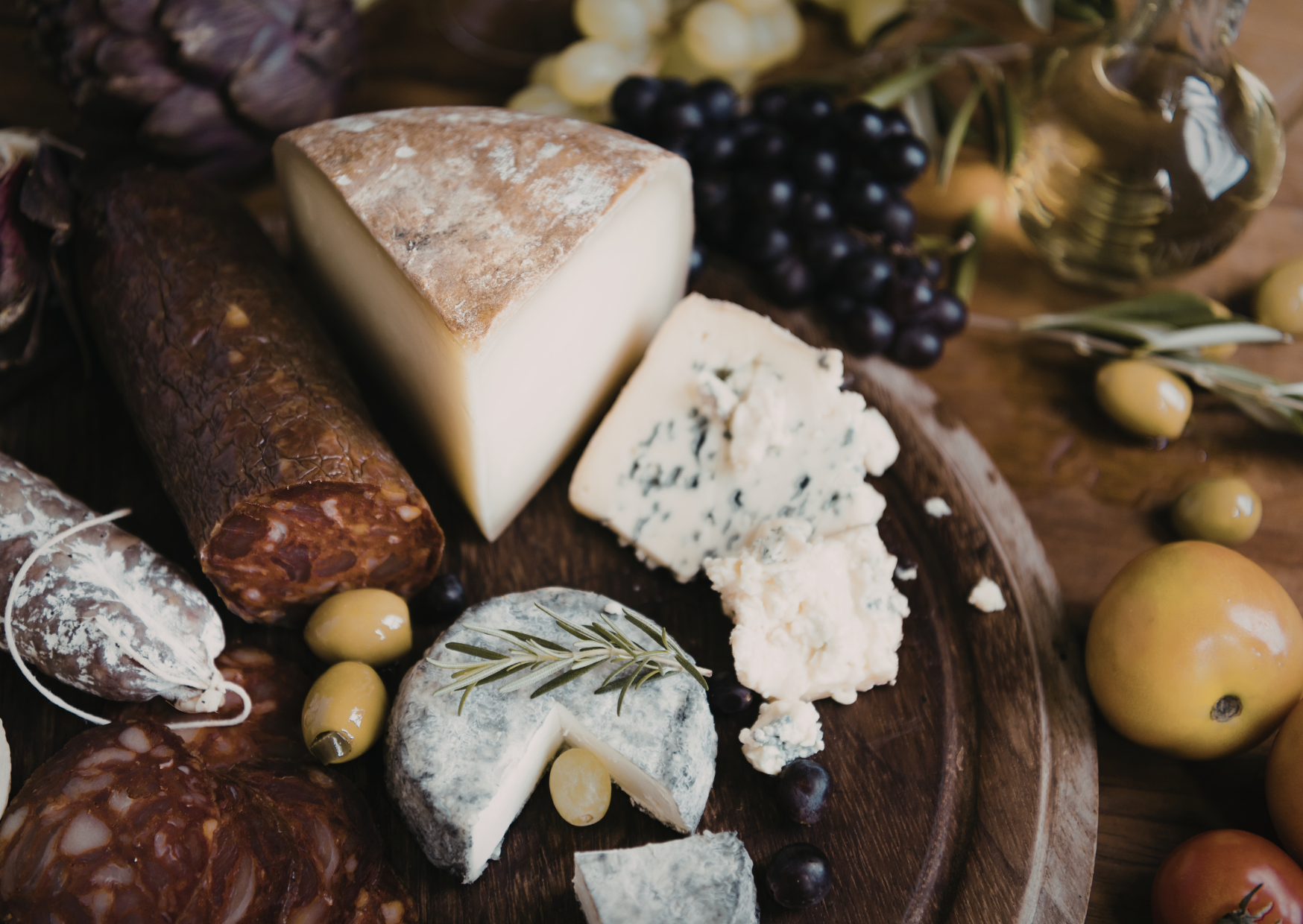
Two cheeses, one cured meat or smoked fish, olives or nuts, bread. That’s enough. Small variety feels abundant.
Day 5: Make a beverage decision.
One wine, one non-alcoholic option, one coffee plan. Keep it simple.
Day 6: Set the table early.
This is the underrated calm trick. When the table is ready, your brain stops spinning.
Day 7: Protect the next day.
Plan nothing ambitious for December 25. The calm only lands if you allow the quiet day.
If you do this once, you’ll see why Americans find the French tradition soothing. It’s not a personality shift. It’s a structure shift.
You can keep your own culture, your own family quirks, your own holiday meaning. You just stop making one morning carry the entire season.

About the Author: Ruben, co-founder of Gamintraveler.com since 2014, is a seasoned traveler from Spain who has explored over 100 countries since 2009. Known for his extensive travel adventures across South America, Europe, the US, Australia, New Zealand, Asia, and Africa, Ruben combines his passion for adventurous yet sustainable living with his love for cycling, highlighted by his remarkable 5-month bicycle journey from Spain to Norway. He currently resides in Spain, where he continues sharing his travel experiences with his partner, Rachel, and their son, Han.