
And what it reveals about food fears, cultural trust, and the quiet confidence of tradition over nutrition panic
For many Americans, breakfast is about rules. Start with protein. Avoid sugar. Keep it low-carb. Watch the cholesterol. Read the labels. Eat clean.
The American breakfast table is often loaded with food products claiming to be heart-healthy, low in fat, rich in protein, or high in fiber — all designed to prevent disease, manage weight, and avoid risk.
Which is why a European breakfast — particularly one served in France, Italy, Germany, or Spain — can feel like dietary sabotage.
Cured meats with cheese. Soft-boiled eggs with buttered rolls. White bread, jam, and coffee loaded with sugar. Sometimes even a slice of cake.
But there’s one breakfast combination that really makes Americans stop mid-bite:
Bread, butter, and ham — eaten with a milky coffee.
Not a protein shake. Not a multigrain bagel. Not almond milk. Just crusty bread, real butter, slices of jamón or prosciutto, and coffee with whole milk — sometimes even sweetened condensed milk. And yes, this is sometimes followed by fruit juice.
To Americans, this sounds like a cholesterol bomb. To Europeans, it’s normal. Even healthy. Even essential.
Here’s why Europeans eat breakfast combinations that would send many Americans into a nutrition panic — and what that reveals about how two cultures define “good food.”
Looking for More Travel & Culture Reads?
– They Don’t Work 24/7: 5 Vacation Customs in Europe That Drive Americans Crazy
– 7 Dress Code Shocks Americans Face in Italy
– 9 European Beach Habits That Shock First-Time Tourists
– 7 Beach Behaviors That Make Locals Avoid You in Italy
In many parts of Europe, especially in Scandinavian and Eastern European countries, a traditional breakfast might include cured meats, smoked fish, soft cheeses, and even raw egg yolks — all paired with strong coffee or herbal digestifs. For Americans raised on pancakes, cereal, or bacon and eggs, this can feel not just foreign, but outright alarming. The idea of consuming what they perceive as “raw” or “unusual” ingredients so early in the morning goes against deeply held beliefs about food safety and digestion. Americans may associate these foods with heavy dinners or suspect them of harboring bacteria, while Europeans see them as normal, nourishing, and even cleansing.
A prime example? The popular European breakfast pairing of soft-boiled eggs with cold-cured meats or smoked fish. In the U.S., the combination of undercooked eggs and cold cuts is often labeled as a health risk — with fears of salmonella, listeria, and food poisoning dominating the discourse. Yet in many European countries, these foods are trusted staples. The key difference lies in food sourcing, freshness, and centuries of culinary tradition. Europeans often consume locally sourced, minimally processed foods and see no issue with a soft yolk or a sliver of smoked trout at breakfast. The American caution, by contrast, is shaped by mass food production, refrigeration concerns, and a stronger emphasis on labeling and liability.
This cultural divide highlights a deeper issue: the Western obsession with sterilized eating versus the European embrace of living, fermented, or raw elements in their diet. While Americans may view European breakfast choices as unregulated or risky, Europeans often consider the ultra-processed, sugar-heavy American breakfasts just as harmful — if not more so — due to their long-term health consequences. Ultimately, what one culture sees as dangerous, another may see as essential, sparking debate over what “healthy” really means.
1. Europeans Prioritize Taste, Not Labels
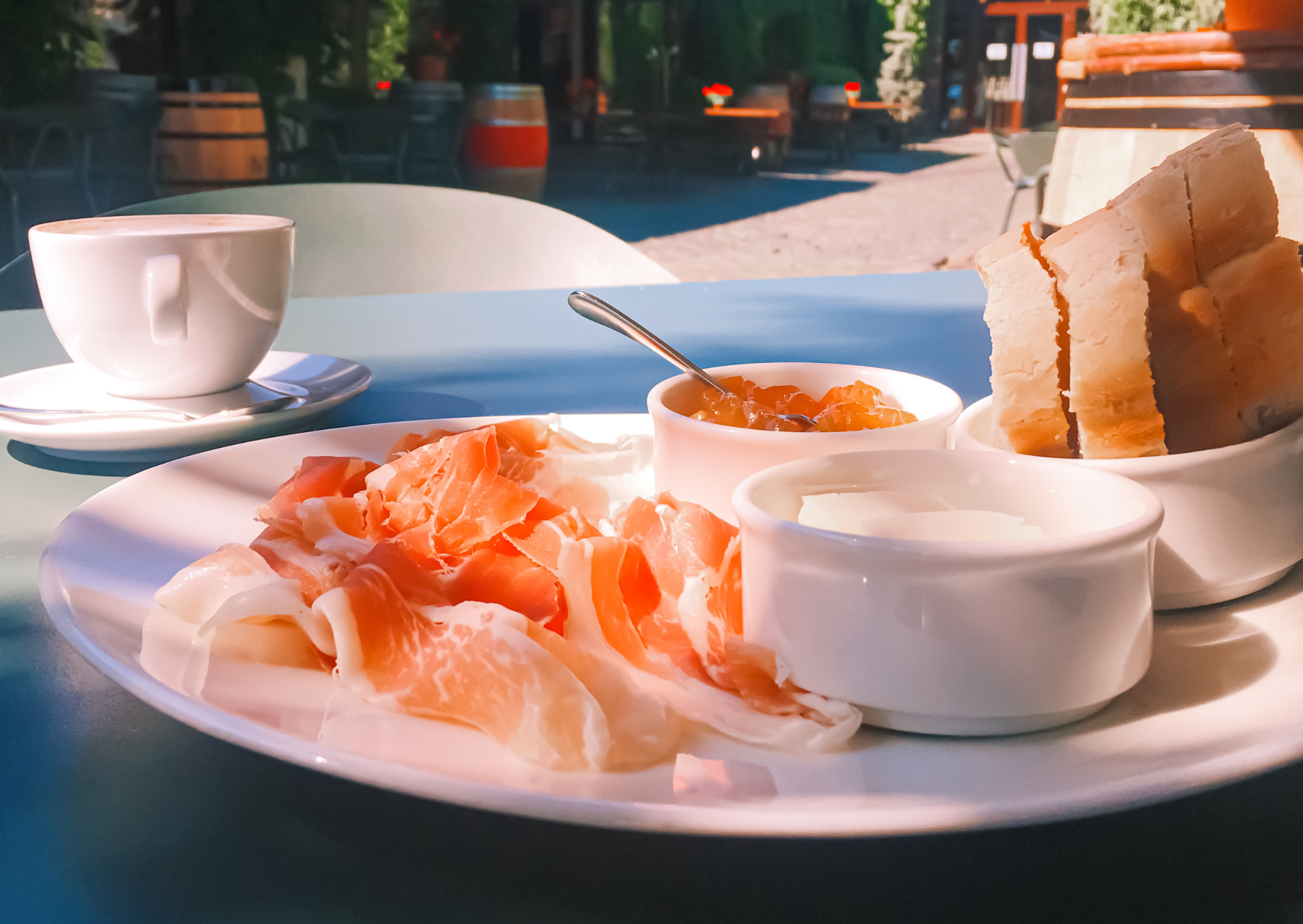
American food culture is shaped by warning labels. “Low-fat.” “Gluten-free.” “Dairy-free.” “No added sugar.” The goal is to avoid risk — sometimes before understanding what the risk even is.
In Europe, the ingredients are simpler — and no one is avoiding butter.
A breakfast of bread, butter, and ham may not fit a USDA food pyramid or TikTok-approved macro count. But it tastes good. It’s satisfying. It fills you up without overthinking it.
The logic is timeless: eat what works, not what’s currently trending.
2. Butter + Ham Is Not Seen as a Crime
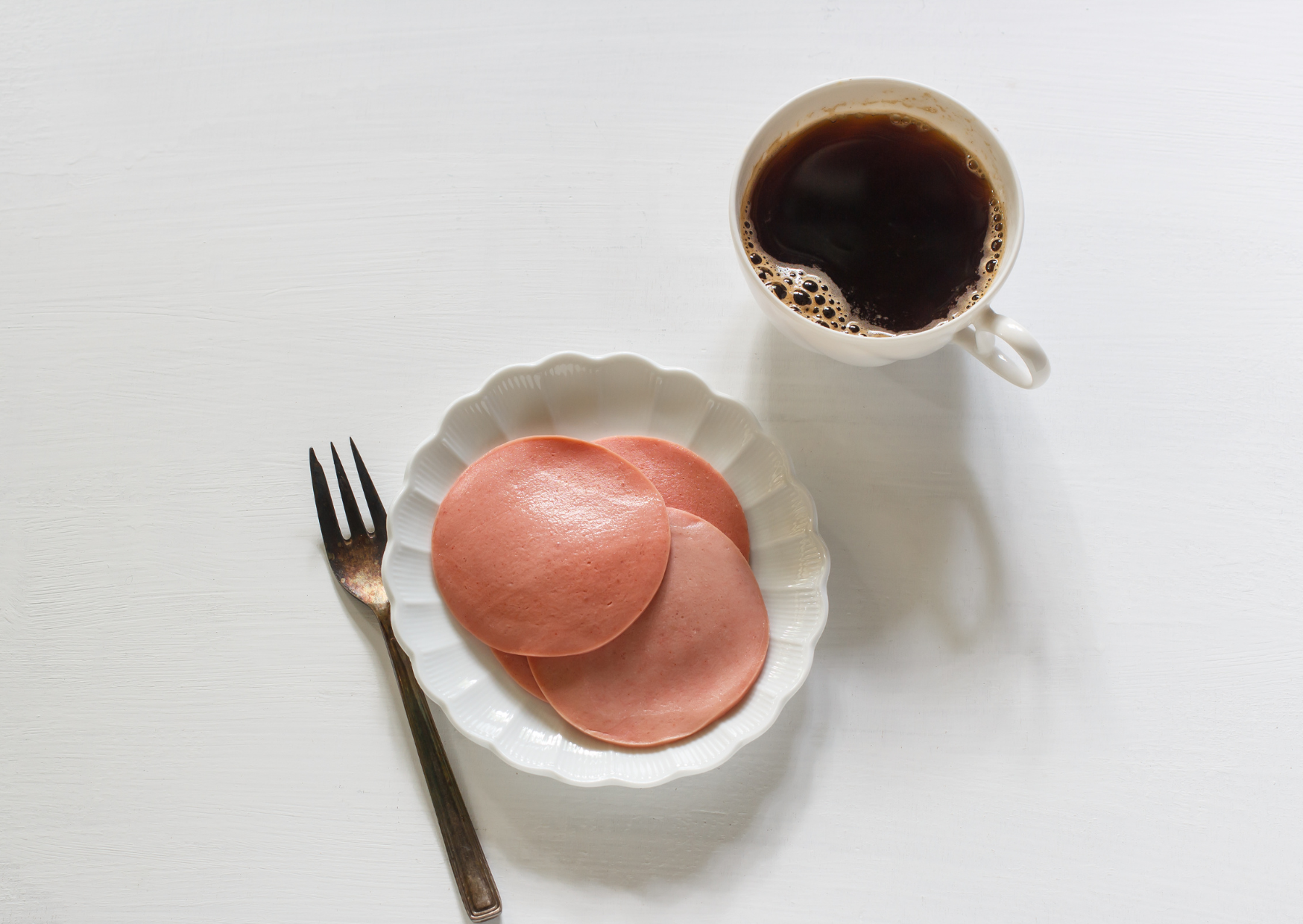
In the U.S., pairing butter and ham is practically forbidden in modern dietary culture. Butter is fat. Ham is processed meat. The combination, especially on white bread, is considered inflammatory, high in sodium, and potentially dangerous.
In Europe — especially in Spain, France, and Germany — this combo is a classic.
There’s no fear. No “Should I be eating this?” moment. It’s not a cheat meal. It’s a normal one.
You wake up, slice bread, spread butter, layer jamón, and drink a café con leche. No guilt. No apology.
3. Whole Milk and Sugar Are Still Normal
In much of Europe, café au lait, café con leche, cappuccino — all contain full-fat milk. And often sugar.
There is no oat milk foam. No fear of dairy. No low-fat almond alternative with protein powder mixed in.
Italians drink cappuccino before 11 a.m. Germans drink milchkaffee with sugar. Spaniards swirl in whole milk without measuring.
To many Americans, this is a blood sugar spike waiting to happen. But for Europeans, it’s a morning ritual — and one that hasn’t changed for generations.
4. Bread Isn’t the Enemy
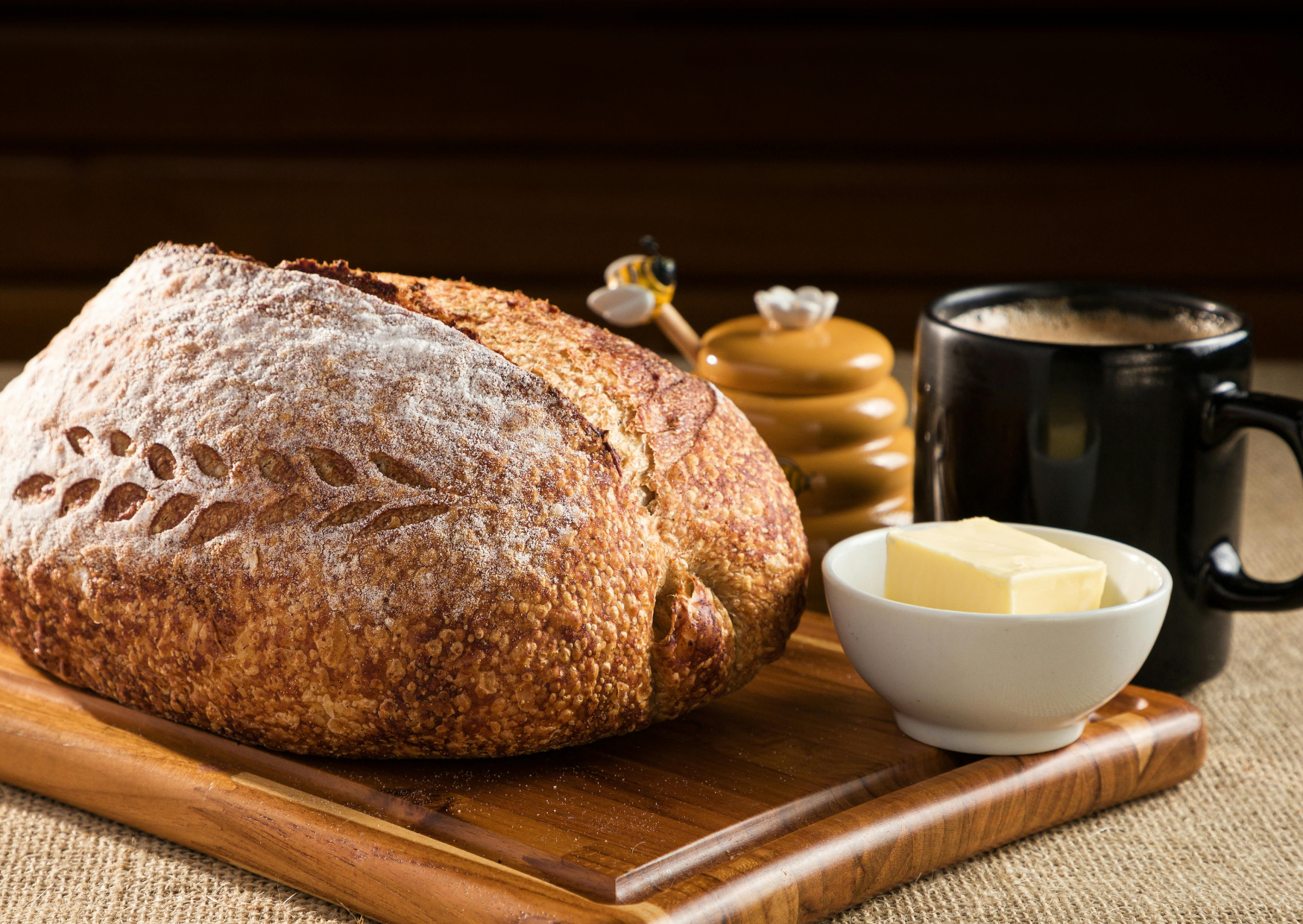
In American diet culture, bread — especially white bread — is often treated like poison. It’s too processed. Too starchy. Too glycemic. Too addictive.
In Europe, bread is everywhere. Baked fresh daily. Served with everything. And treated as a vehicle for joy, not a threat to health.
For breakfast, a piece of baguette with jam, or ciabatta with cheese, or rye bread with cured meats is normal — and paired with a strong, milky coffee, it’s deeply satisfying.
People don’t count carbs. They just chew slowly and go on with their day.
5. Processed Meats Are Viewed Differently
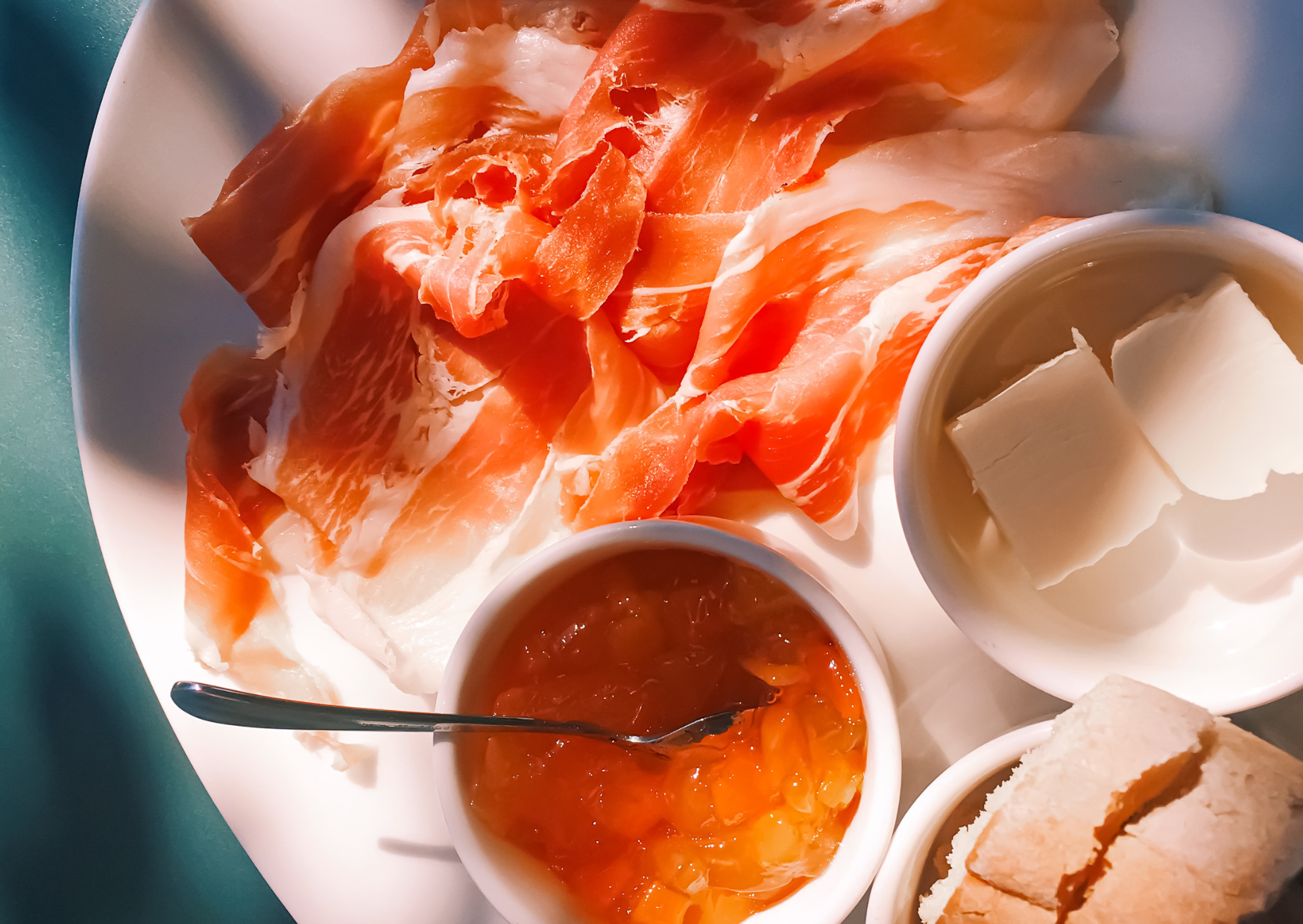
In the U.S., “processed meat” is a scary phrase. Bacon, ham, and sausages are often labeled carcinogenic. Breakfast guidelines suggest limiting or eliminating them entirely.
In Europe, charcuterie is culture.
Jamón ibérico, prosciutto crudo, speck, mortadella — these are not considered suspect. They’re considered heritage food. They are cured with care, sliced thin, and eaten in small quantities.
No one is eating a 12-ounce steak before noon. They’re having a few slices of artisan ham with bread and butter. It’s not overeating. It’s balanced indulgence.
6. Fruit Juice Is Still Part of Breakfast
Many Americans now avoid fruit juice, seeing it as a sugar bomb. Orange juice is compared to soda. Juice cleanses have turned sour. Even children’s lunchboxes are moving to sugar-free alternatives.
In Europe, a small glass of fresh-squeezed juice is still a breakfast staple.
In Spain, it’s zumo de naranja natural. In France, jus d’orange pressé. It’s served at cafés, hotels, and homes — not because it’s a health drink, but because it’s refreshing and normal.
It’s not a 20-ounce bottle. It’s a glass. And it doesn’t come with a lecture.
7. Sweet and Savory Are Allowed on the Same Plate
American breakfasts are often one or the other: sweet (pancakes, cereal, yogurt) or savory (eggs, bacon, toast). Mixing the two is rare and often questioned.
In Europe, the line doesn’t exist.
You might eat a slice of ham on toast, then follow it with butter and jam. Or have cheese with honey. Or start with fruit and then switch to charcuterie.
The stomach can handle the transition. And the culture doesn’t punish variety.
8. There’s No Fear of Fat
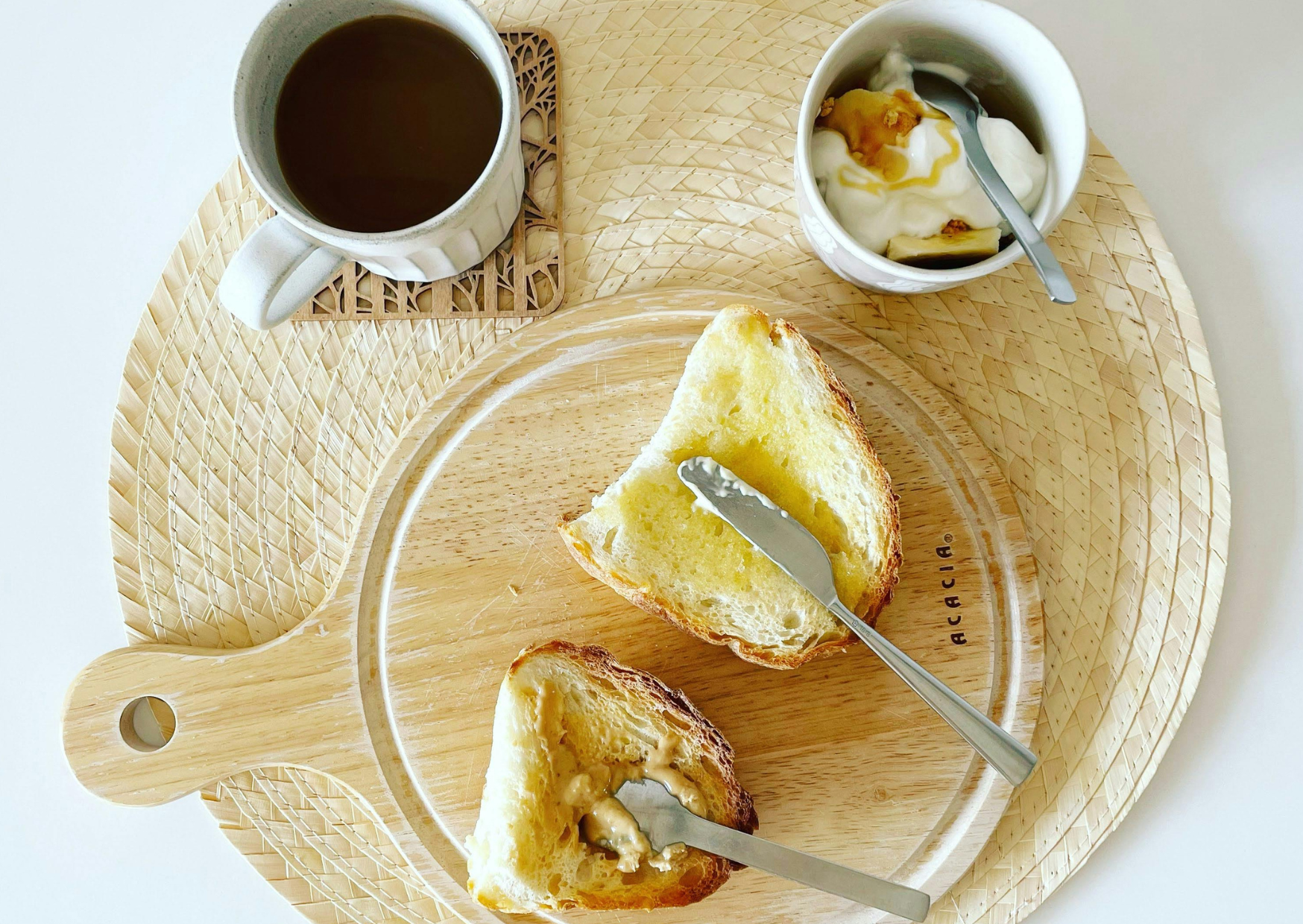
In the U.S., fat is still tiptoed around — even in an age of keto and high-protein trends. Labels still boast “0% fat.” Avocados are praised for being “healthy fat,” while butter is treated like a dangerous indulgence.
In Europe, fat is flavor.
Butter on toast. Cheese in the morning. Full-fat yogurt. None of it is considered a danger — it’s part of a meal.
The portions are smaller, but the ingredients are unapologetically rich. People eat well and move on.
9. The Morning Isn’t Treated Like a Metabolic Experiment
In American culture, mornings are often optimized:
What’s the best food to kickstart your metabolism? Should you intermittent fast? Can you eat protein within 30 minutes of waking? Does your breakfast align with your gut health goals?
In Europe, breakfast is treated as a meal, not a biohack.
It’s coffee, bread, cheese, maybe some meat or fruit. It’s slow. Often social. Sometimes silent.
No apps. No spreadsheets. No counting. Just a plate and a cup — and enough nourishment to get you to lunch.
One Table, Two Worldviews
To Americans, the European breakfast can feel reckless. Bread? Butter? Ham? Milk? Where’s the moderation?
To Europeans, the American breakfast can feel paranoid. Why so many labels? Why so much control?
In the U.S., breakfast is an opportunity to optimize your health.
In Europe, breakfast is an opportunity to ease into the day.
One is ruled by performance. The other is shaped by presence.
So the next time you see someone layering cured ham onto a baguette while sipping a sweet café con leche, don’t panic.
They’re not poisoning themselves.
They’re just starting their morning — without fear.

About the Author: Ruben, co-founder of Gamintraveler.com since 2014, is a seasoned traveler from Spain who has explored over 100 countries since 2009. Known for his extensive travel adventures across South America, Europe, the US, Australia, New Zealand, Asia, and Africa, Ruben combines his passion for adventurous yet sustainable living with his love for cycling, highlighted by his remarkable 5-month bicycle journey from Spain to Norway. He currently resides in Spain, where he continues sharing his travel experiences with his partner, Rachel, and their son, Han.