
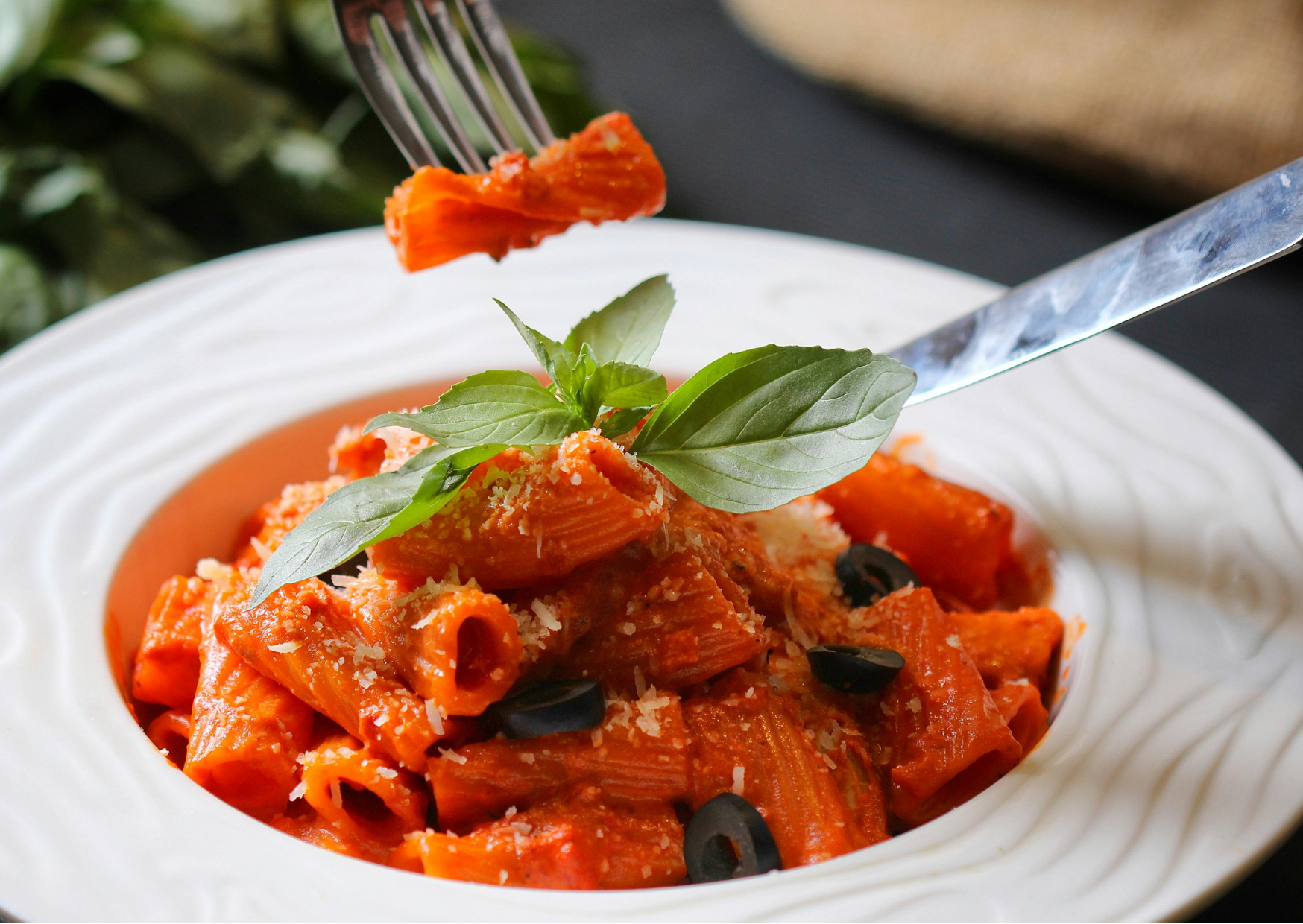
And what it reveals about patience, layering, and why time—not tomato—is the real ingredient
It starts before breakfast. In kitchens across Palermo, Agrigento, and Catania, grandmothers open the shutters, rinse basil from the garden, and set a pot on the stove. By the time the rest of the family smells garlic, the tomato sauce has already begun to change color.
This is not just a recipe—it’s a ritual. Sicilian women, especially from older generations, simmer their pasta sauce all day long. Not because they have to. Not because the ingredients are complex. But because the flavor demands it. Because eight hours isn’t just about softening tomato—it’s about layering dimension into something deceptively simple.
And while American jars promise “slow-simmered” and “authentic” right on the label, nothing they contain matches what emerges from that heavy-bottomed pot by 5 p.m.—when the oil has risen to the top, the garlic has disappeared into sweetness, and the entire kitchen smells like something older than language.
Here’s the technique Sicilian nonnas still use to make pasta sauce taste like home—and why no commercial brand can come close.
1. The sauce begins with the right tomatoes—but doesn’t rush them
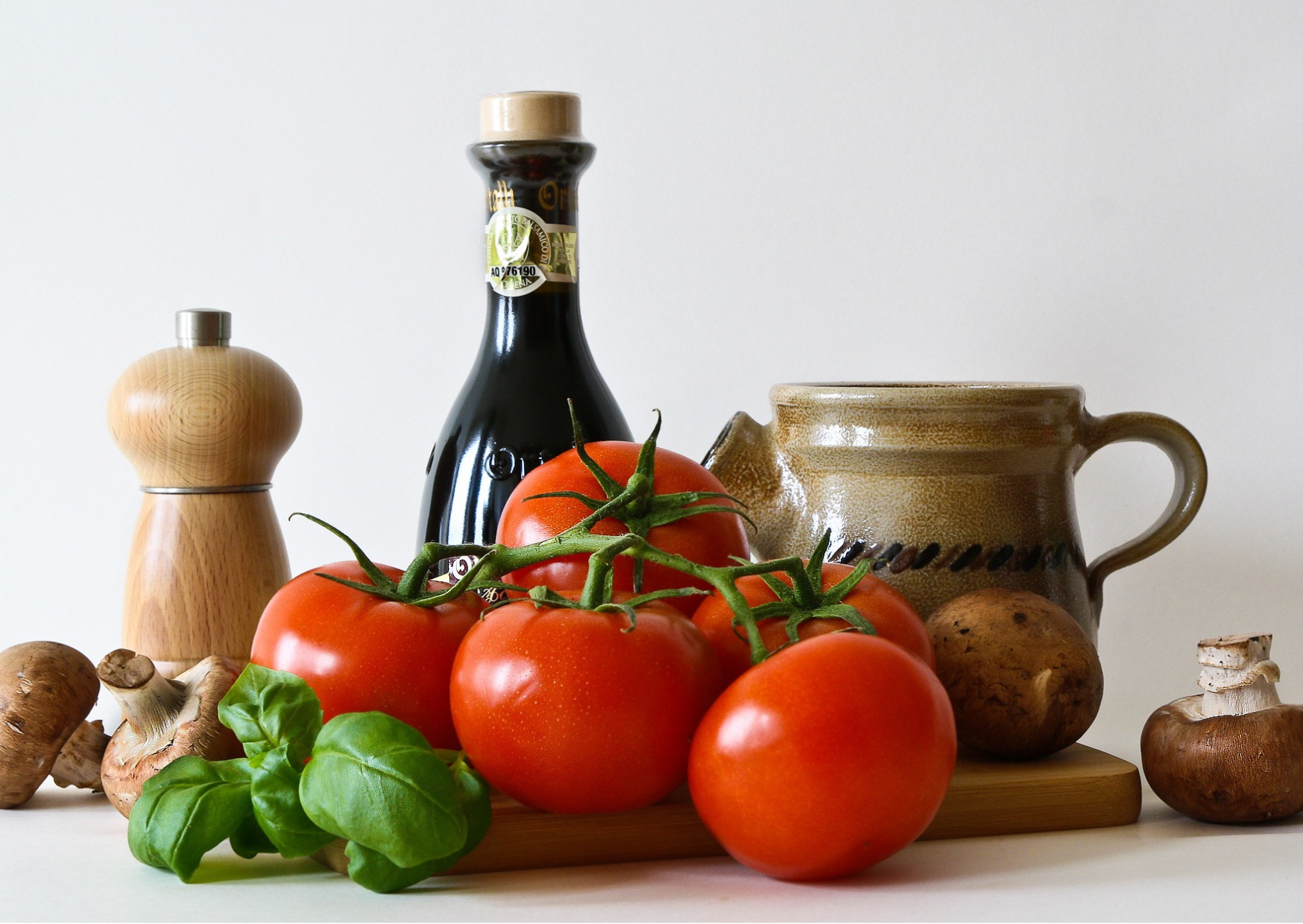
The sauce starts with tomato passata. In Sicily, this might be bottled at home or bought fresh from a neighbor. If it’s jarred, it’s unseasoned, uncooked, and strained—just tomatoes, pureed and passed through a mill to remove skins and seeds.
The nonna will pour it into the pot cold, with olive oil already warming at the bottom. There’s no quick sauté. No heat blast. Just a gentle blend—oil embracing tomato.
She might use two or three types: a bottle of passata, a few peeled whole tomatoes broken by hand, and a spoonful of concentrated estratto (a thick sun-dried tomato paste spread on wooden boards in summer). Each tomato brings something different: body, brightness, or depth.
The trick isn’t just time—it’s beginning with patience, even when nothing seems to be happening.
2. No garlic is sautéed only steeped
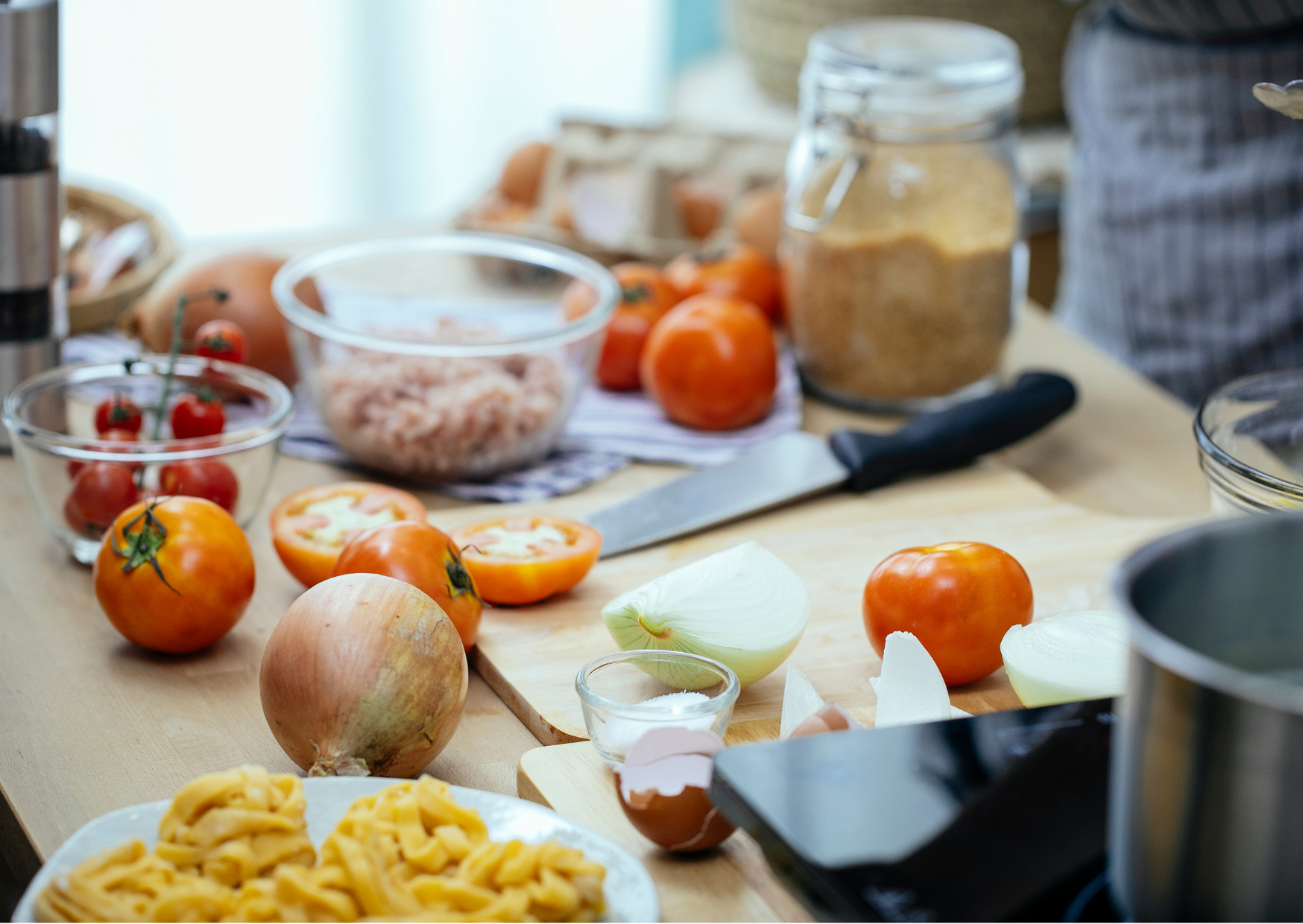
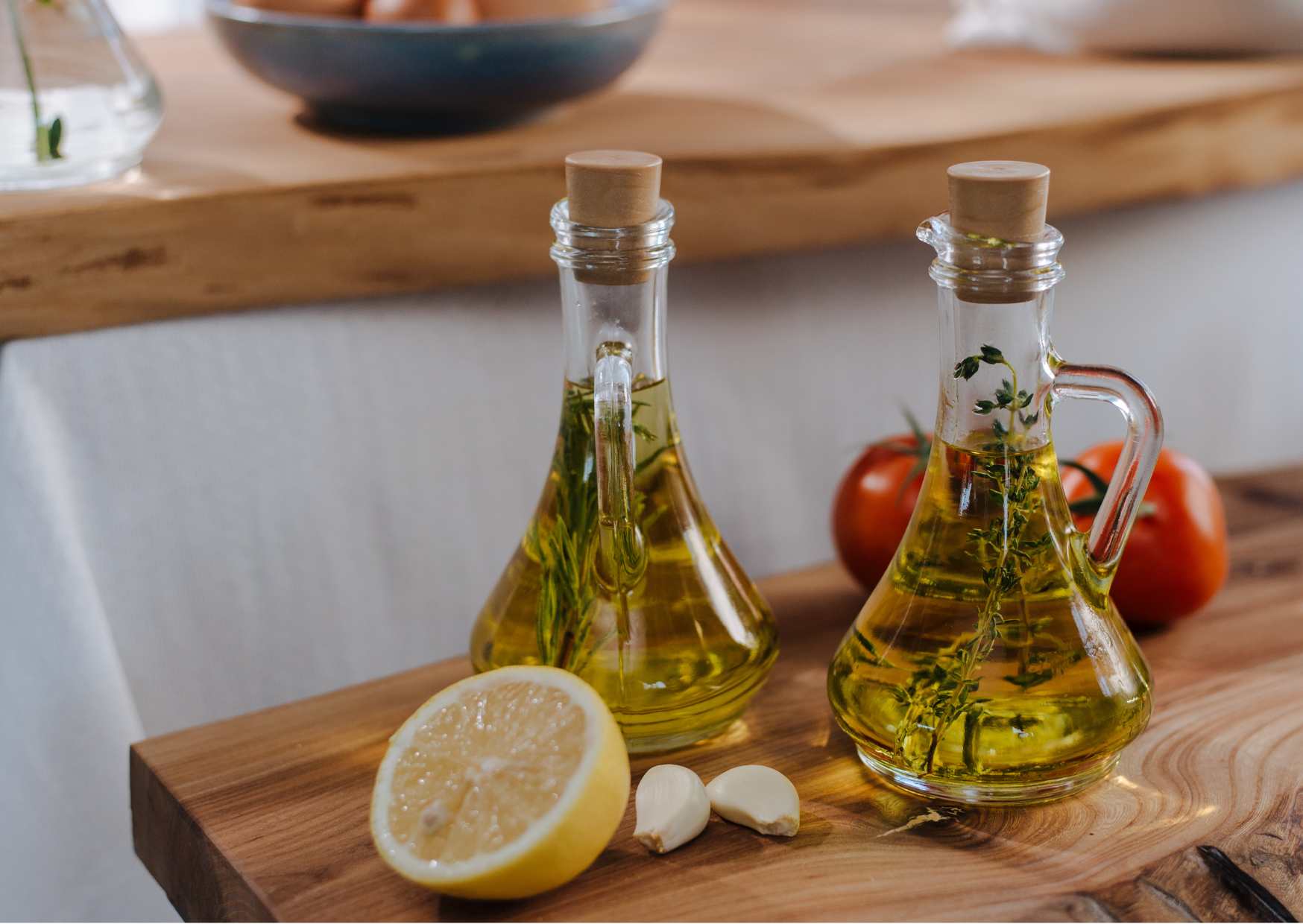
In American sauces, garlic is often chopped and fried early—sometimes until golden, sometimes until burnt. In Sicily, nonnas know better. Garlic isn’t fried. It’s infused.
A whole clove, sometimes with the skin on, is added to the oil and passata together. It simmers gently, releasing aroma without bitterness. After an hour or two, it’s removed completely—its job is done. What remains isn’t a sharp bite, but a round sweetness that hides behind the tomato like a memory.
This is the first hint that the sauce won’t taste like garlic or even tomato—but like something new, made by combination, not components.
3. There’s no onion—unless you’re from the mainland
Sicilian sauce purists don’t use onion. In some households, yes, a small piece might be added for sweetness. But traditionally, especially in coastal and rural regions, onion is seen as northern. The southern palate wants clarity, not comfort.
If sweetness is needed, it comes from a carrot—peeled, whole, and simmered for hours until it surrenders its sugars. Like the garlic, it’s removed later. It leaves nothing behind but softness.
The sauce isn’t building from a soffritto base like many American or Italian-American recipes. It’s built from liquid, not aroma. That changes everything.
4. The meat isn’t ground—it’s whole
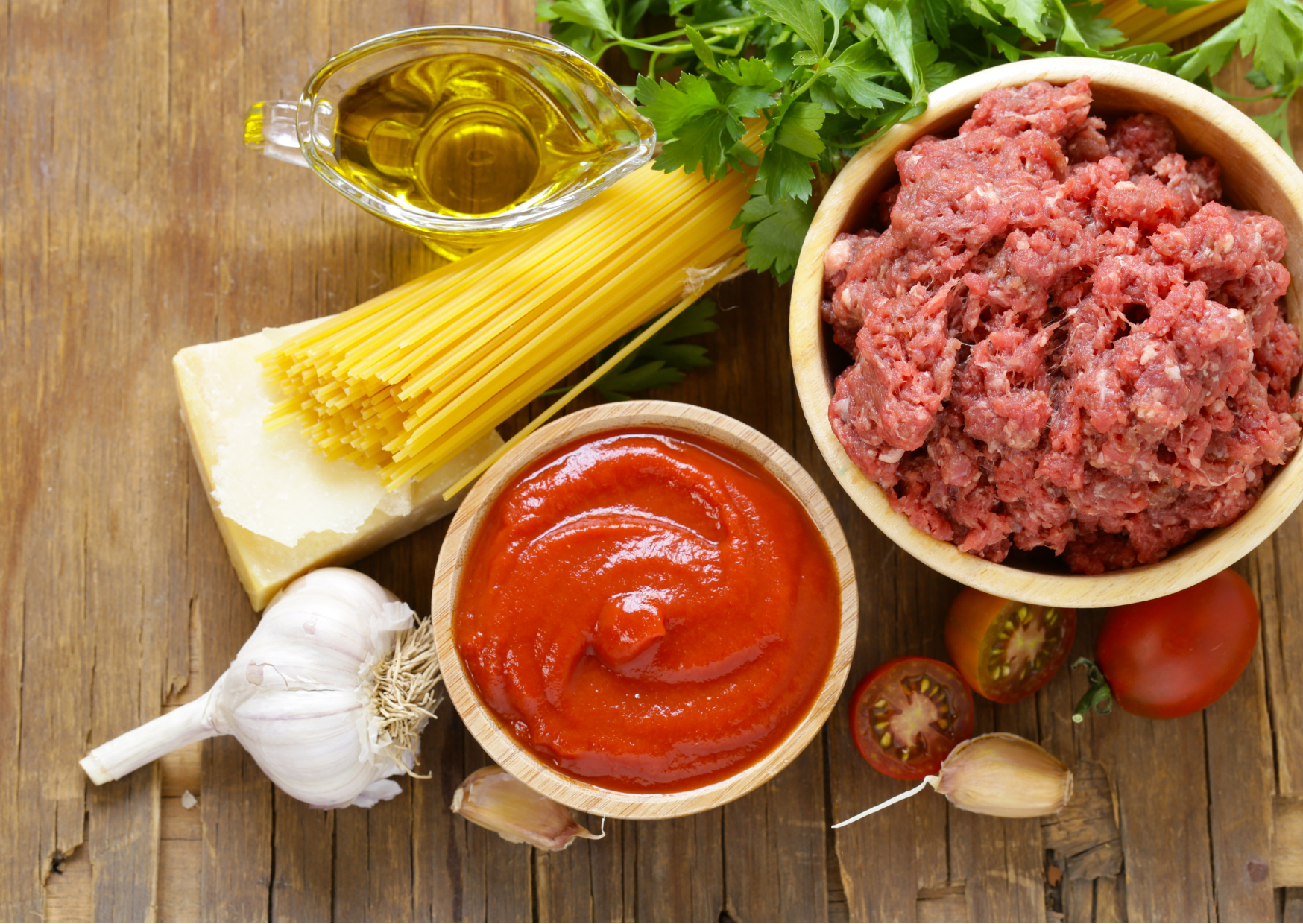
Ragù in Sicily doesn’t use minced meat. It uses cuts: pork shoulder, beef chuck, sausage, or ribs. The meat is browned separately, then slow-cooked in the sauce whole, bone-in, for flavor and texture.
This method does two things: it prevents overcooked ground meat, and it turns the sauce into a full meal. Once the meat is tender, it’s removed and served separately—maybe as a second course, or shredded back into the pot.
American sauces often rely on ground beef sautéed at high heat. Sicilian sauce uses collagen and bone to deepen flavor—and time to soften everything until it melts.
5. The sauce is never stirred constantly—just observed
Once everything is in the pot—passata, oil, garlic, maybe a bay leaf or carrot—the nonna covers it partially and walks away. She’ll check on it in an hour. She’ll give it a stir with a wooden spoon. Maybe taste the edge with bread.
But she doesn’t hover. She doesn’t fiddle. The heat stays low. The bubbles rise like sighs. The color darkens.
Every hour, the sauce changes. It thickens. It develops structure, not just reduction. Bits of tomato disappear. Oil rises. Acidity calms. The kitchen smells first like raw fruit, then like roasted sweetness, and finally like something floral and almost caramelized.
You can’t rush this. You can’t bottle it. You can only wait.
6. The basil comes in late—never chopped
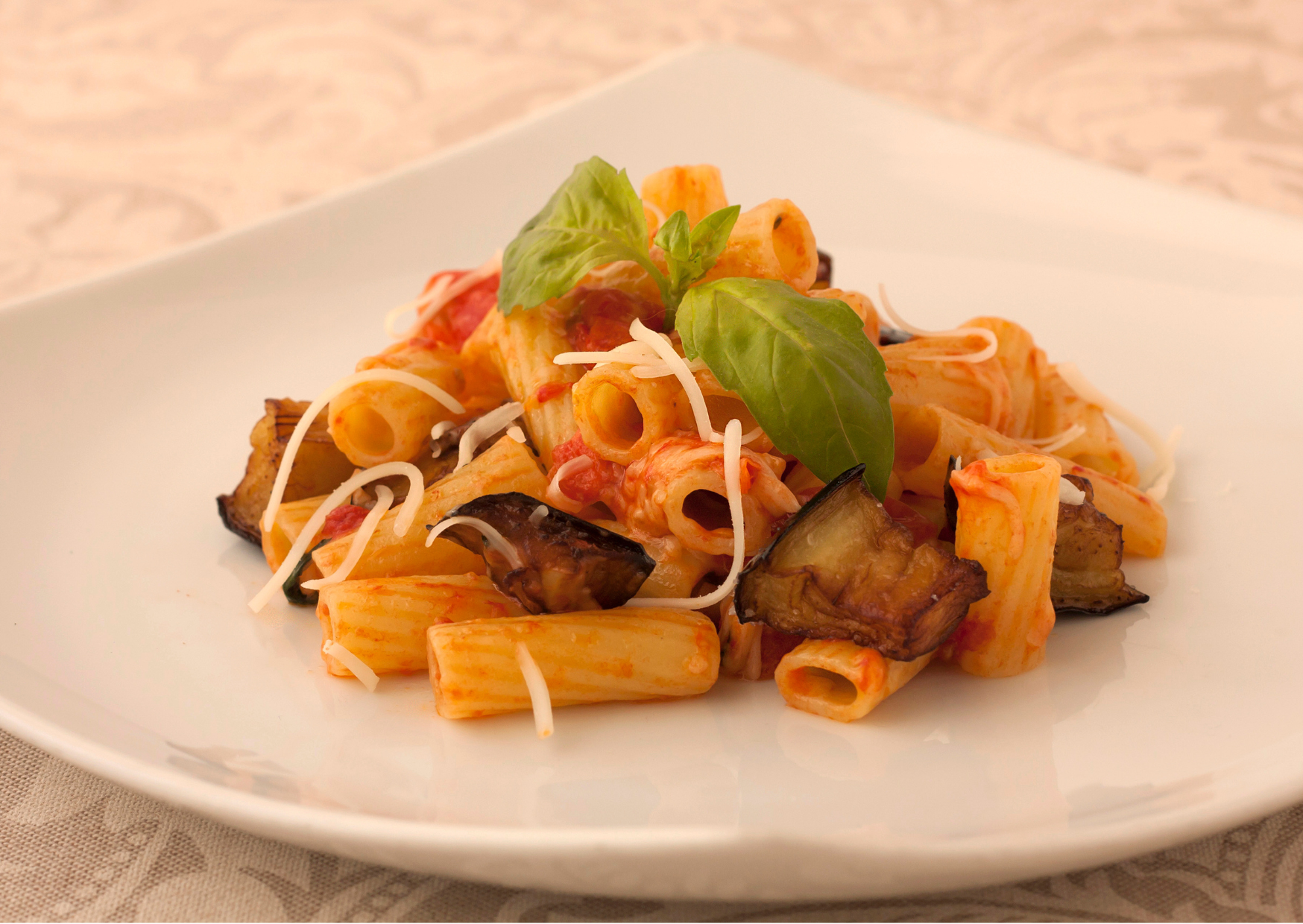
Fresh basil is sacred. But it doesn’t go in at the beginning. And it’s never chopped. It’s torn gently at the end—maybe during the last thirty minutes. The leaves float, wilt, and melt into the sauce.
Basil added too early loses its perfume. Basil cut with a knife blackens. Nonnas have known this for centuries, without chemistry.
The herb is not for seasoning—but for memory. It reminds you this sauce was once a garden. That under the meat, salt, and heat, there was green.
7. No sugar, no shortcuts
You won’t find sugar in this sauce. You won’t find baking soda, wine, or spice blends. If the tomatoes are too acidic, the nonna adds a peeled carrot. If the flavor needs depth, she uses estratto or more oil. But never sugar.
Sugar flattens sauce. Time rounds it.
American sauces, especially commercial ones, often rely on sugar to balance cheap tomato concentrate. The sweetness masks acidity, but also masks complexity.
In Sicily, flavor is earned—not added. And the difference is clear by the third hour.
8. The final stage: resting the sauce
This might be the most important step. Once the sauce is done—after six, seven, eight hours—it’s removed from heat and left to sit. Covered. Silent.
It doesn’t go straight on pasta. It waits.
During that hour, something shifts. The oil reabsorbs. The flavors settle. The garlic’s trace becomes invisible. And what was once separate is now fused.
By dinner, the sauce is warm, not hot. It coats the pasta but doesn’t drown it. It clings to ridges. It shines.
No American jar can replicate this, because no jar is allowed to cool into itself.
9. Ingredients
- 2 liters of tomato passata (unseasoned, high-quality)
- 3–4 whole peeled tomatoes (preferably San Marzano)
- 2 tablespoons tomato estratto (optional but deeply traditional)
- 1 whole garlic clove, smashed
- 1 peeled carrot (optional, for sweetness)
- 2 bay leaves
- 1/4 cup extra virgin olive oil
- Salt to taste
- A few large leaves of fresh basil
- Optional: 2–3 cuts of bone-in meat (pork ribs, beef chuck, or sausage)
10. Preparation and Cooking
- In a heavy-bottomed pot, warm olive oil gently. Add garlic and stir for 1 minute without browning.
- Add passata, peeled tomatoes (crushed by hand), and estratto. Add bay leaf and carrot. Stir once.
- If using meat, brown separately and add now.
- Cover partially. Keep heat low. Let it simmer for 6 to 8 hours. Stir every hour. Taste occasionally.
- In the final 30 minutes, add torn basil. Remove garlic and carrot.
- Turn off heat. Let sauce rest for 1 hour before serving. Skim excess oil or stir it back in.
- Serve over short pasta or use as base for lasagna. Reserve meat as a second course.
When the Sauce Becomes the Story
This isn’t a recipe. It’s a tradition. One that predates supermarkets, packaging, and timers. A sauce that changes as you change, hour by hour, until it no longer tastes like tomato—but like time.
No jar can replicate this. No shortcut can produce the quiet sweetness that comes from garlic cooked so long it vanishes. No chef, no matter how trained, can substitute the patience of a Sicilian nonna who makes sauce the way her mother did, and her mother before her.
Because in Sicily, the sauce doesn’t just feed the body. It teaches you how to live with time. How to wait. And how to let something deepen in its own rhythm.
That’s why the jars can’t compete. They’re made for shelves. This sauce is made for Sundays.
Origin and History
In Sicily, pasta sauce isn’t just a kitchen staple it’s a legacy passed down through generations. Long before supermarket shelves were filled with ready-made jars, Sicilian nonnas perfected the art of slow-cooked sauces, using simple, fresh ingredients. Their recipes often relied on tomatoes ripened under the Mediterranean sun, locally pressed olive oil, and herbs grown in backyard gardens.
This tradition of slow cooking dates back centuries, rooted in the philosophy that food is more than sustenance it’s family, patience, and love. The sauce simmered all day not only to deepen its flavor but also to bring the household together. The smell alone was enough to fill homes with anticipation, creating memories as powerful as the meal itself.
While modern life has sped things up, the essence of this practice remains unchanged in Sicilian kitchens. The slow, eight-hour simmer is a ritual that connects families to their past and keeps culinary traditions alive.
How Long You Take to Prepare
The secret to authentic Sicilian sauce is time lots of it. The process begins with peeling and crushing fresh tomatoes, often early in the morning. Olive oil, garlic, onions, and sometimes a splash of wine are added to the pot, and the sauce begins its long journey toward perfection.
For eight hours, the sauce is stirred gently, allowing flavors to meld and deepen. The tomatoes break down slowly, releasing their natural sweetness, while herbs like basil or oregano infuse their aroma. The low simmer prevents burning but ensures richness builds with every passing hour.
By evening, the sauce is transformed velvety, bold, and complex in a way no quick jarred version can replicate. It’s not just food; it’s an experience of waiting, watching, and savoring the transformation that only time can create.
Serving Suggestions
This sauce shines when paired with simple pasta, such as spaghetti or penne, letting the richness of the sauce take center stage. A drizzle of high-quality olive oil and freshly grated Pecorino Romano or Parmesan add the finishing touches.
It also pairs beautifully with hearty meats. Many Sicilian families cook pork or beef directly in the sauce, letting the flavors mingle until the meat becomes tender and infused with tomato goodness.
Don’t forget the bread. A rustic loaf is essential for scooping up the last drops from the plate because in Sicilian households, no sauce is ever wasted.
Final Thoughts
The eight-hour Sicilian pasta sauce isn’t just about flavor it’s about a philosophy of life. It teaches patience, respect for ingredients, and the joy of sharing something truly special with others. Unlike a jar pulled from a supermarket shelf, it carries the essence of tradition and love.
In a world obsessed with speed and convenience, this practice feels almost radical. Yet, it’s precisely the slowness that makes it meaningful. It proves that some of the best things in life like food and family can’t be rushed.
For anyone who has only ever known quick sauces, experiencing this Sicilian tradition is eye-opening. It’s more than a recipe; it’s a reminder that the heart of cooking is time, care, and the willingness to do things the old way.

About the Author: Ruben, co-founder of Gamintraveler.com since 2014, is a seasoned traveler from Spain who has explored over 100 countries since 2009. Known for his extensive travel adventures across South America, Europe, the US, Australia, New Zealand, Asia, and Africa, Ruben combines his passion for adventurous yet sustainable living with his love for cycling, highlighted by his remarkable 5-month bicycle journey from Spain to Norway. He currently resides in Spain, where he continues sharing his travel experiences with his partner, Rachel, and their son, Han.