
(And Why Aging Is Seen as Gaining, Not Losing)
In many parts of the United States, aging is framed as a slow surrender. You fight wrinkles. You chase youth. You worry about becoming invisible after 40. Every decade brings more talk of loss—loss of beauty, strength, relevance, or opportunity.
In the Mediterranean, the experience of growing older feels different.
Across Italy, Spain, Greece, and southern France, aging is not treated as a problem to be solved but as a natural, honored phase of life. It is not perfect. Ageism exists everywhere. But in daily life, in families, on the streets, and around dinner tables, the Mediterranean shows that growing older can feel expansive, not diminishing.
Here are nine core aspects of the Mediterranean perspective on aging that could transform how Americans think about getting older—and how they live at every stage of life.
Want More Deep Dives into Other Cultures?
– Why Europeans Walk Everywhere (And Americans Should Too)
– How Europeans Actually Afford Living in Cities Without Six-Figure Salaries
– 9 ‘Luxury’ Items in America That Europeans Consider Basic Necessities
Quick & Easy Tips for Embracing the Mediterranean Approach to Aging
Stay Socially Connected — Engage in regular gatherings with friends, neighbors, and family, just like Mediterranean elders do.
Maintain an Active Lifestyle — Prioritize walking, light physical activity, and daily movement, common in Mediterranean communities.
Value Lifelong Learning — Embrace new skills or hobbies regardless of age; many Mediterranean seniors learn, cook, and engage with new experiences well into later years.
Eat with Purpose and Joy — Share meals with loved ones, enjoying fresh, wholesome food without stress or restrictive diets.
Embrace Your Role in the Community — Offer your experience and support to younger generations and local organizations.
One common misconception is that the Mediterranean reverence for elders is purely cultural tradition and doesn’t apply elsewhere. In truth, the respect shown to older adults is rooted in active participation and genuine value within the community. It’s not about hollow rituals it’s about continued relevance and connection, something achievable in any culture with the right mindset.
Another debated point is the belief that aging gracefully means giving up ambition or new pursuits. In many Mediterranean societies, aging is seen as a time to deepen hobbies, explore passions, and mentor others. The idea of “slowing down” is more about shifting focus, not stepping aside from meaningful engagement with life.
Perhaps most surprising is the assumption that longevity and quality of life are purely genetic in Mediterranean countries. While genes play a role, cultural attitudes including strong community ties, daily physical activity, and a positive approach to aging are key contributors. It’s not just about where you’re born; it’s about how you choose to live as you grow older.
1. Age Deepens Your Role, Not Erases It

In Mediterranean culture, aging does not mean stepping aside. It means stepping into a new kind of influence.
- Older people are seen as cultural and family anchors.
- Grandparents are not just babysitters; they are storytellers, advisors, and daily presences.
- Aging brings credibility, not just retirement.
In many American narratives, youth is treated as the peak of value. In the Mediterranean, each stage of life has a purpose, and older generations remain visibly active in shaping social and family life.
2. Beauty Evolves, It Does Not Disappear
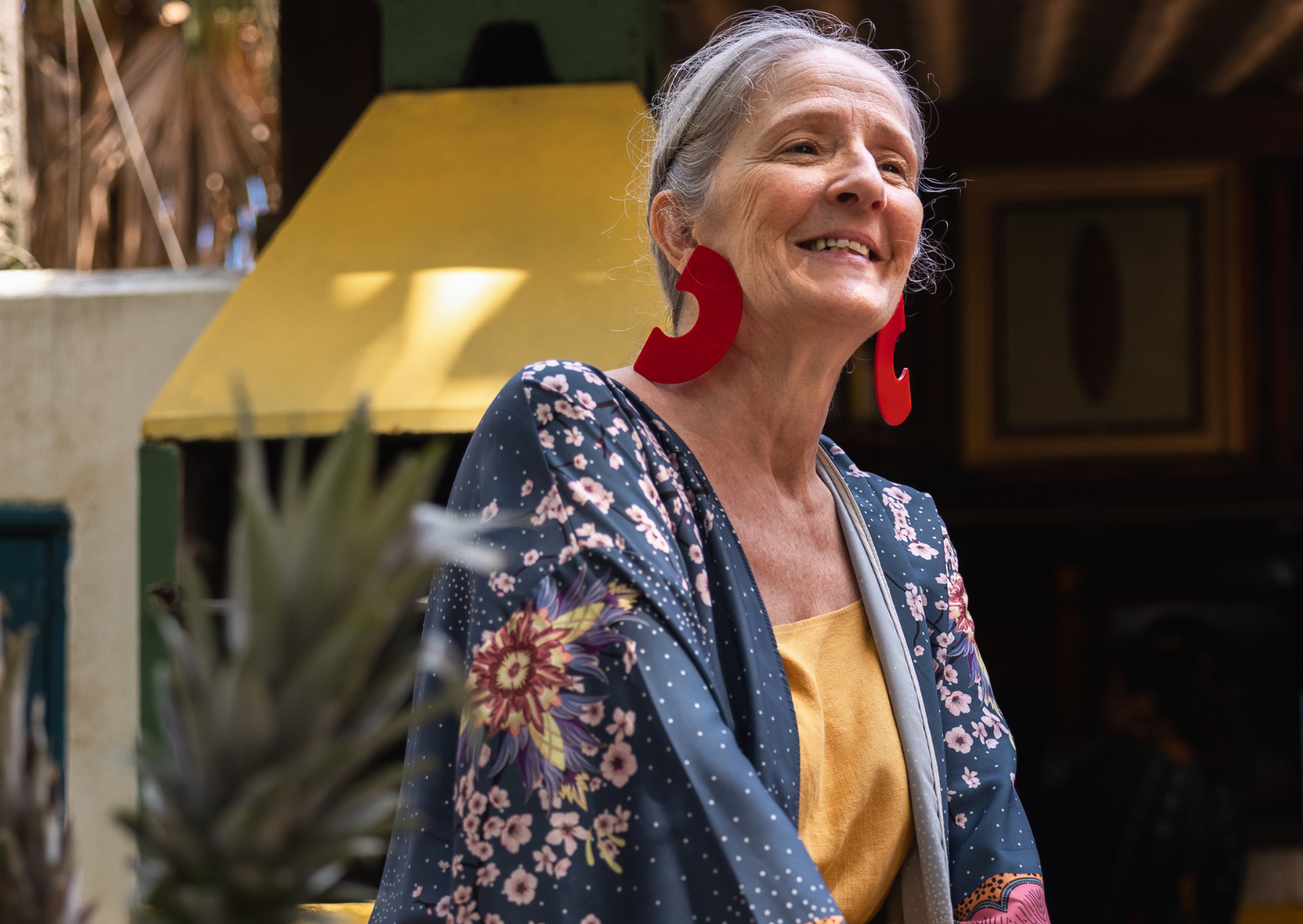
The obsession with looking young at all costs is less intense in Mediterranean societies.
- Lines on the face are seen as markers of a life lived fully, not flaws.
- Older women, in particular, embrace elegance over imitation of youth.
- Fashion adapts with age, but it does not retreat into invisibility.
It is common to see women in their 60s or 70s wearing bold jewelry, beautiful leather shoes, silk scarves, and fitted blazers. The aesthetic is not about pretending to be 30. It is about showing pride in who you are today.
3. Physical Changes Are Normalized, Not Pathologized
In Mediterranean towns and villages, seeing older people walking slowly, resting often, or needing help is part of daily life, not something hidden away.
- Elders are still present at festivals, cafés, and markets.
- Slower pace or physical frailty does not exile someone from social spaces.
- Neighbors or strangers often instinctively offer small helps without fanfare.
In contrast, American culture often isolates or medicalizes aging, seeing it as a set of problems to fix. The Mediterranean approach reminds people that the body’s changes are natural, not shameful.
4. Food Culture Honors Aging Bodies

Mediterranean diets naturally support healthy aging without turning eating into a battle.
- Meals center on olive oil, fresh vegetables, legumes, fish, and moderate wine.
- Eating is social, unhurried, and emotionally nourishing.
- Older people are not pressured into diet fads or extreme health trends.
Nutrition is treated as a foundation for vitality, not a desperate scramble to hold onto youth. Food is a relationship, not a battlefield.
5. Friendship and Romance Continue Into Later Life
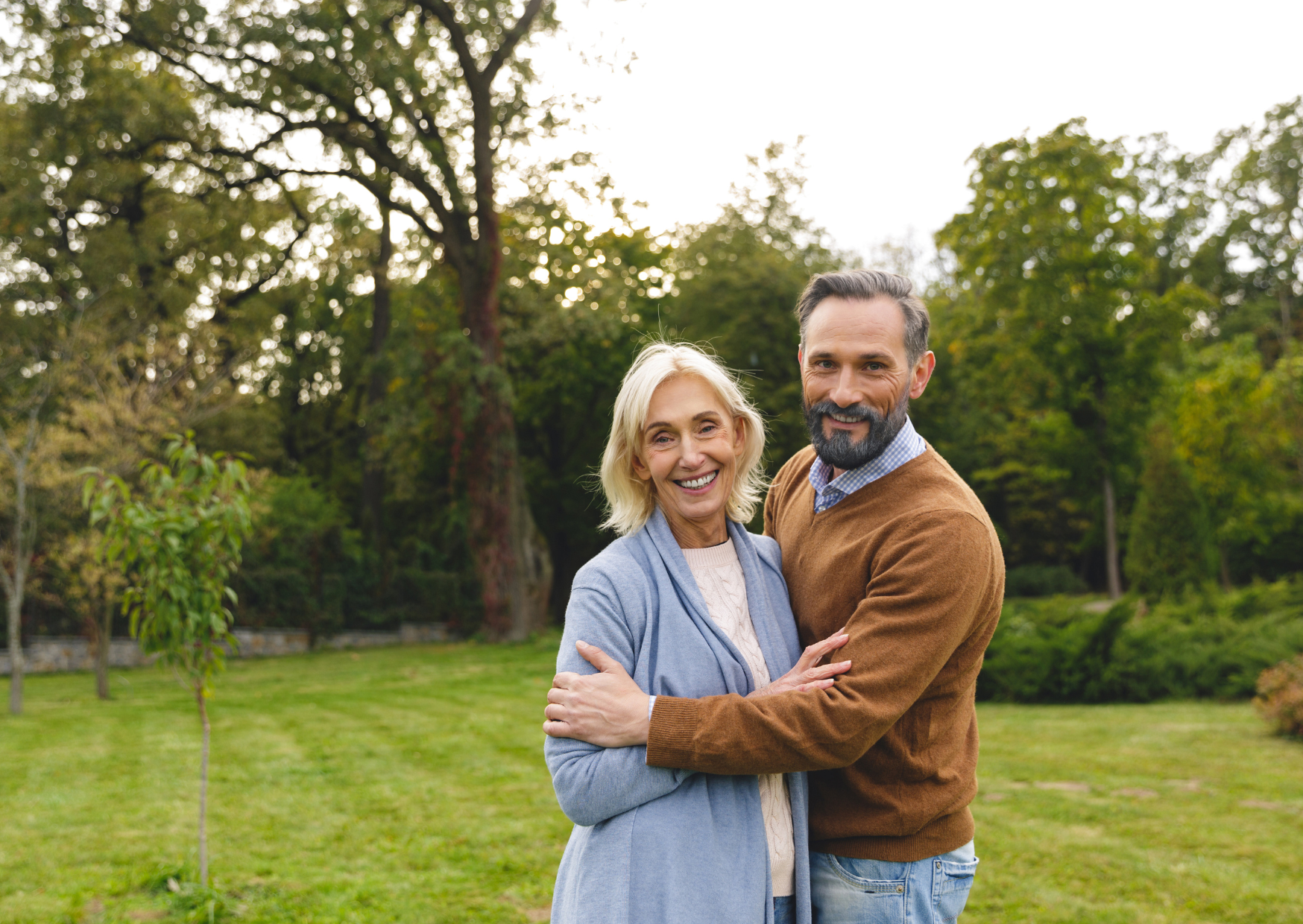
In the Mediterranean, it is normal—and expected—for people to maintain active social and romantic lives well into their older years.
- Widowed or divorced elders date again without stigma.
- Late-life friendships are valued and celebrated.
- Flirtation, laughter, and connection are not seen as the domain of the young only.
In many American narratives, romance and new friendships are seen as rare or unusual after a certain age. Mediterranean culture insists otherwise. Emotional and romantic life can expand, not contract, with age.
6. Work Slows Down, But Identity Does Not End
Retirement looks different in the Mediterranean.
- Many older people shift into slower-paced jobs or mentorship roles rather than completely exiting work life.
- Farmers tend smaller plots. Artisans mentor apprentices. Restaurant owners sit at the front greeting guests while younger family members manage the kitchen.
There is less abrupt loss of identity after retirement. Instead, there is a gradual rebalancing—less pressure, but continued purpose.
7. Intergenerational Living Strengthens Identity

Multigenerational households are more common in Mediterranean regions, or at least very close family proximity.
- Adult children live near parents.
- Grandparents help raise grandchildren.
- Elders remain central in the day-to-day rhythms of family life.
Rather than separating older people into specialized communities or facilities, the Mediterranean approach integrates them into the fabric of daily life, offering them continuous connection, respect, and engagement.
8. Aging is Accepted with Humor, Not Fear
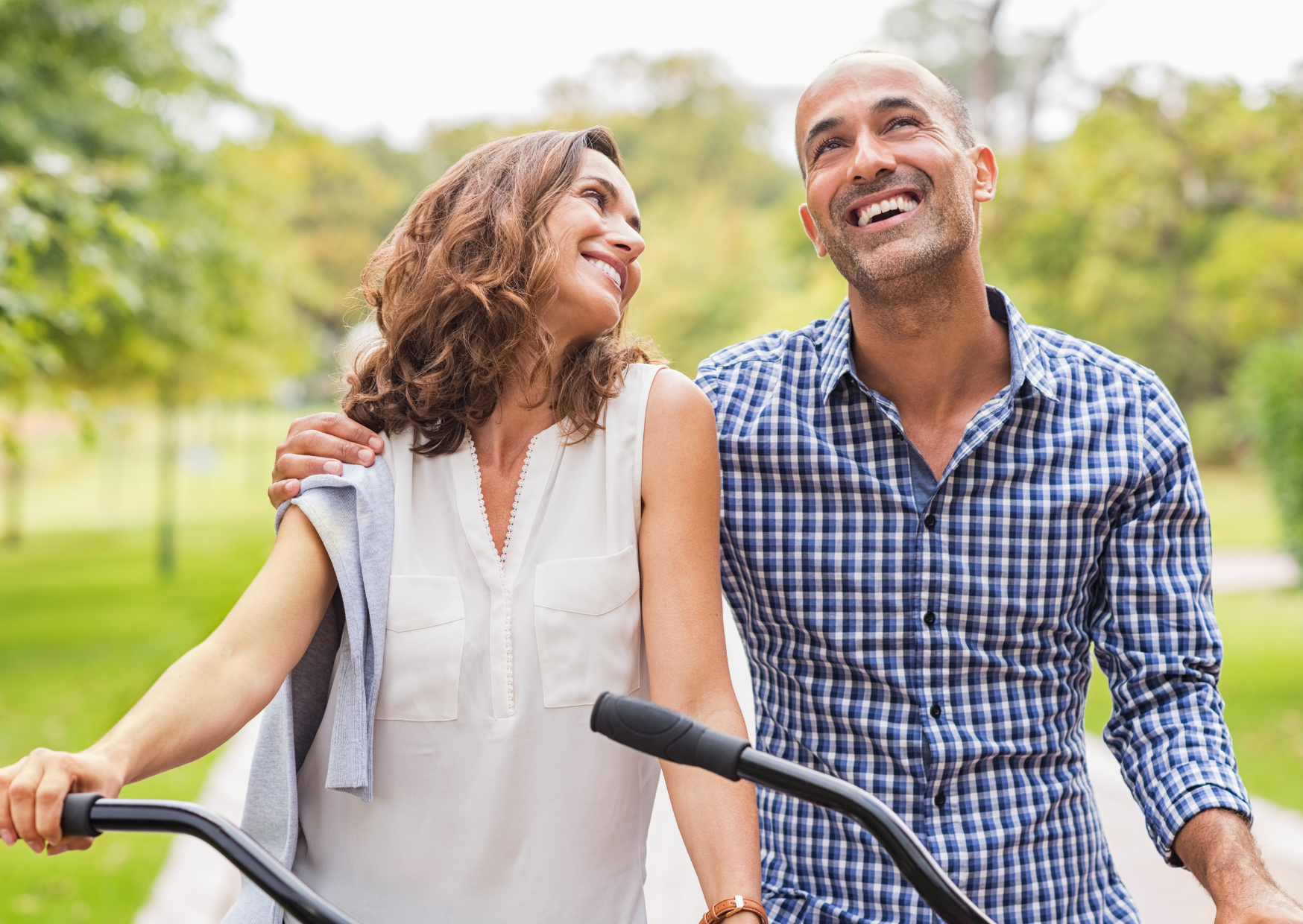
Mediterranean humor often embraces aging with good-natured jokes and affectionate teasing.
- Wrinkles, memory slips, or slowing down are part of everyday humor—not sources of shame.
- Elders often joke about their own age proudly.
- Birthday celebrations at 70, 80, or even 90 are loud, festive, and filled with laughter.
This cultural attitude reduces the fear surrounding aging. Humor does not erase difficulty, but it lightens the weight of time.
9. A Full Life is the Goal, Not a Longer Life at All Costs
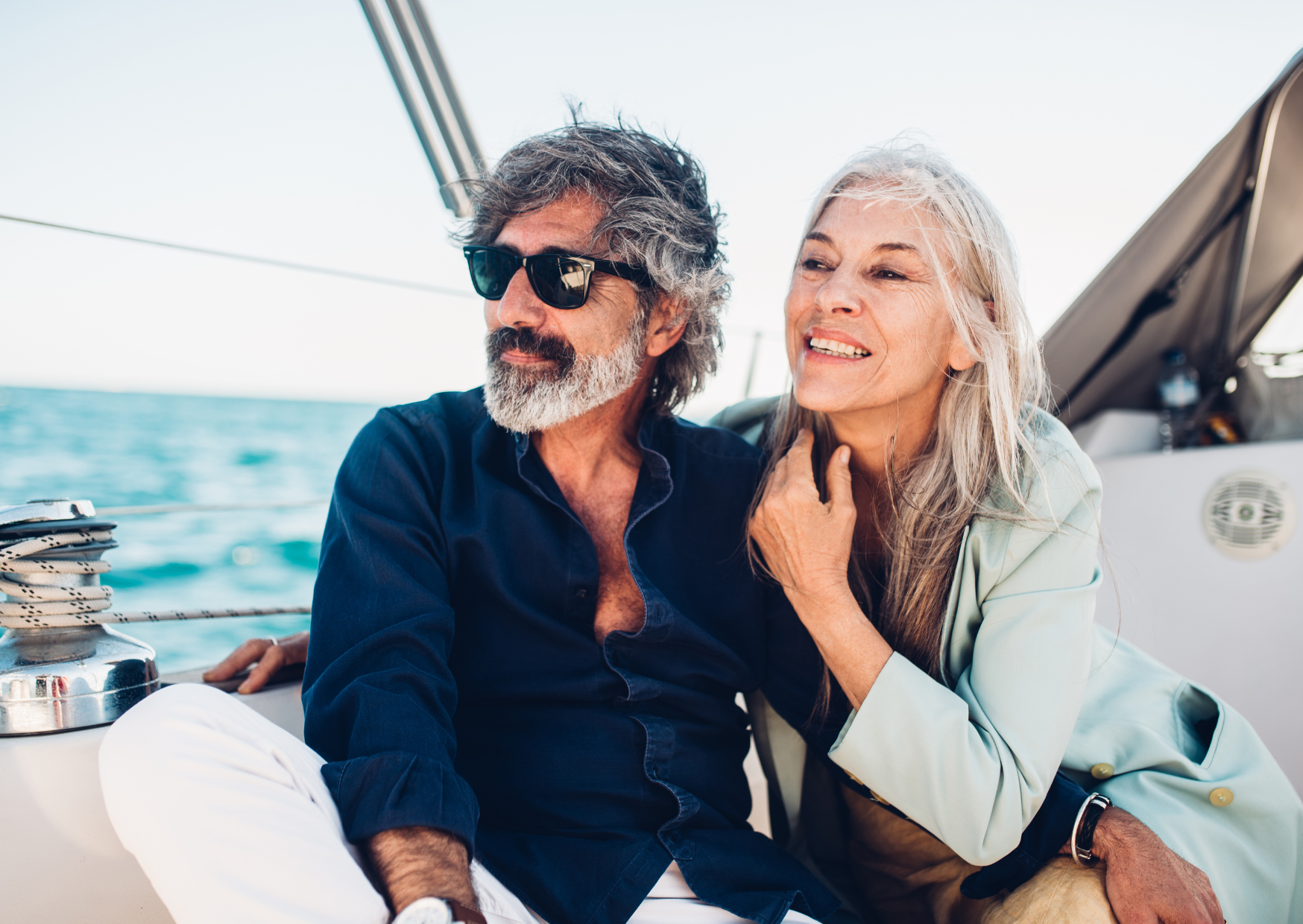
In the Mediterranean, living long is less important than living well.
- Longevity is celebrated, but not idolized.
- The emphasis is on quality of daily life, not prolonging it at any cost.
- Elders remain active participants in village life, religious ceremonies, street markets, and home rituals.
American wellness culture often frames aging as something to delay or avoid. The Mediterranean perspective sees aging as something to inhabit fully, even joyfully.
Aging as Belonging, Not Disappearing
In Mediterranean culture, aging does not make you disappear. It makes you belong more deeply to your community, your family, and your own story.
Instead of fighting every sign of time, Mediterranean societies create space for elders to be seen, heard, and celebrated. They make room for older bodies, older faces, and older wisdom to coexist naturally with the rest of society.
If Americans could adopt even part of this perspective, aging could be less about resisting life’s changes and more about moving into life’s fullness.

About the Author: Ruben, co-founder of Gamintraveler.com since 2014, is a seasoned traveler from Spain who has explored over 100 countries since 2009. Known for his extensive travel adventures across South America, Europe, the US, Australia, New Zealand, Asia, and Africa, Ruben combines his passion for adventurous yet sustainable living with his love for cycling, highlighted by his remarkable 5-month bicycle journey from Spain to Norway. He currently resides in Spain, where he continues sharing his travel experiences with his partner, Rachel, and their son, Han.