

January 2 in Spain is not a cleanse. It is a bakery line.
Someone is buying a roscón for the next family visit. Someone is grabbing coffee and a tostada because school is back and nobody has time to perform a “reset” before 9 a.m. The streets feel normal again, which is the whole point.
Meanwhile, a lot of American women start the year the way they’ve been trained to start it: apologizing for December. Shopping for discipline. Announcing rules. Pretending the body is a project that can be fixed in 30 days if you punish it hard enough.
This is where the gap shows up.
Not because Mediterranean women are magically thinner, or because American women are doing something wrong. Plenty of women in Europe struggle with weight, hormones, stress eating, and body image too. But the cultural defaults in much of the Mediterranean make it easier to return to routine without turning routine into a morality play.
And the boring truth is that routine beats resolution almost every time.
The guilt gap starts before January 1

The American New Year diet is rarely just about food. It’s about identity.
A lot of women in the U.S. are raised on a constant background hum of self correction. The body is always one “before” photo away from being acceptable. There’s always a new plan, a new rule set, a new version of “good.”
So December becomes evidence. You ate cookies. You drank more. You traveled. You were tired. You did normal human things and then the narrative kicks in: you failed.
That’s why January is emotionally loaded. It’s not just “I want to feel better.” It’s moral accounting. It’s the January courtroom where you present your case to yourself, and the judge is always harsh.
You can see the difference in what women talk about.
In the American version, the language is punishment-flavored: cheat meals, being bad, earning food, making up for it, burning it off. It’s exhausting, and it also makes eating a constant mental task. The result is a loop where food is never neutral, which makes overthinking inevitable.
In much of the Mediterranean, women still care about appearance. Nobody is pretending otherwise. But the day to day conversation is more likely to be practical: feeling bloated, wanting to eat lighter, needing to sleep, being stressed, walking more because life restarted. Not “I’m starting a new identity on Monday.”
That’s the first reason the year starts differently.
If January begins with guilt, you tend to choose extreme rules because you’re trying to fix a feeling, not build a system.
If January begins with normal life, you tend to choose small corrections because you’re just returning to baseline.
Baseline is where the real weight stability comes from.
Spain is still in Christmas mode when Americans are detoxing

Another simple reason: the holiday calendar is not the same.
In a lot of Spain, Christmas does not feel “over” on December 26. There’s New Year, and then there’s January 6, the Three Kings day that acts like a real finish line for the season. Christmas ends on January 6 in a way Americans find slightly inconvenient and also kind of genius.
That long runway changes the psychology. If you’re still doing family gatherings and roscón and school holidays are still in motion, launching a strict diet on January 1 feels weird. Like starting a sprint in the middle of a parade.
So the post holiday shift here is usually a slow exit, not a dramatic reset. People don’t flip from indulgence to punishment overnight. They taper.
And tapering matters more than people think.
When you taper, you don’t trigger the classic American rebound. You don’t do five days of strict rules, then hit Friday night and collapse into a binge because you were starving and angry all week. You just drift back to normal meals, normal portions, and normal movement.
In practical terms, that looks like this:
You still eat something sweet, but it becomes one small thing with coffee, not a whole day of grazing.
You still have a late dinner sometimes, but it goes back to being lighter, soup, eggs, fish, vegetables, not a second giant meal because lunch already happened.
You go from constant social eating back to weekday structure. That structure is the “diet,” but nobody calls it that.
This is why Americans can visit Spain in December and feel like everyone is eating sweets nonstop, yet people often look relatively stable. The indulgence is real, but it’s compartmentalized into specific moments, and then life resumes.
The calendar does some of the discipline for you.
Lunch does the heavy lifting, and it quietly prevents January panic
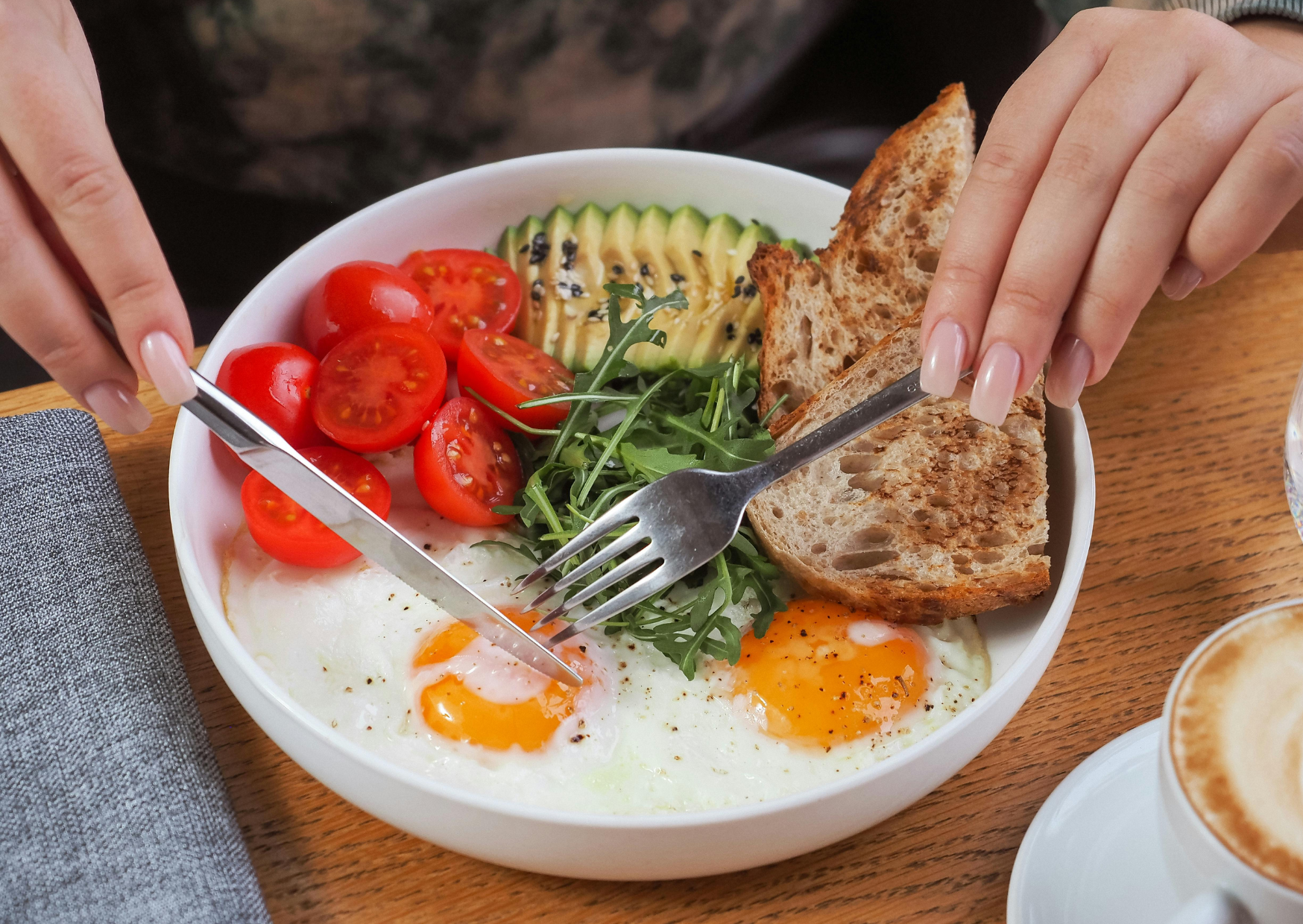
If you want the Mediterranean “thin at the start of the year” feeling, look at lunch.
In many Mediterranean households, lunch is still the anchor meal. Not always a three-course event, but enough food to keep the day stable. Lunch does the heavy lifting, which prevents the classic American pattern of snack chaos and oversized dinners.
A very normal Spanish weekday looks like this:
Breakfast is small. Coffee, toast, maybe a little olive oil or tomato. Not a huge “I’m being healthy” breakfast, just something to start the day.
Lunch is real. A plate of legumes. A stew. Fish and vegetables. Rice with something. If someone eats out, the menu del día exists as a practical option, and in 2025 the average price was reported around €14.2 in Spain. A predictable lunch price makes it easier to eat one solid meal without turning it into a financial event.
Dinner is often lighter than Americans expect, especially in families. Not always early, but lighter.
The outcome is simple: fewer emergency snacks, fewer late night “I’m starving” moments, and less need to fight hunger with willpower.
Also, Mediterranean “lunch structure” tends to include things Americans struggle to make routine: beans, lentils, chickpeas, eggs, canned fish, soups. These foods are cheap, filling, and not very exciting, which is exactly why they work. They keep blood sugar more stable and keep you from treating dinner like a rescue mission.
This is where the January diet fails Americans. The American plan often starts by shrinking food. Mediterranean routine starts by making food more stable.
If you want a single template to steal: protein plus legumes plus vegetables at lunch, most days. Not forever, not perfectly, just as a default.
It’s not glamorous, but it is how a lot of women stay steady through winter without the guilt hangover.
Movement here is transport, not a personality
When Americans say, “Europeans walk more,” they picture cute strolls. The reality is more boring.
Mediterranean movement is often just errands. School runs. Transit. Stairs. Carrying groceries in smaller loads because you buy little and often.
That matters for January because it restarts automatically when normal life restarts. You don’t need a resolution. You need the school calendar and a pair of shoes that don’t destroy your feet.
This is also why so many American fitness plans collapse. They’re built on a gym identity. The plan requires motivation, time, money, and the emotional energy to “be a person who works out.”
Mediterranean movement is more likely to be movement as transport, which survives bad moods and busy weeks.
If you want a concrete example you can picture: a woman walking her kid to school, then walking to a market, then walking home with a bag of oranges, then walking again later because she forgot one thing. That’s not a workout, but it adds up.
And it adds up in a way that doesn’t trigger the classic compensation behavior. Americans often do a hard workout, feel heroic, then eat as a reward because the workout was hard and the body wants payback. Walking doesn’t trigger that in the same way. It’s steady, low drama, and consistent.
Consistency is the whole game.
This is also why Mediterranean women often look “effortlessly” in shape when it’s not effortless. It’s just that the effort is spread across the day in small, non negotiable chunks.
If you want the less glamorous truth: your body responds to the total week, not the best gym day.
The diet economy is louder in America, and it keeps women stuck

One reason American women start the year with guilt is that the U.S. sells guilt very effectively.
The weight loss market is enormous, and it keeps expanding. When weight loss becomes a major consumer category, the culture shifts. You’re not just trying to feel better, you’re constantly being reminded that you should be trying to feel better.
That creates a loop:
Buy the plan. Fail the plan. Blame yourself. Buy a new plan.
You can do this for decades.
In the Mediterranean, there’s still marketing. There are still diet products. But the everyday food culture is less obsessed with “special diet foods” as a lifestyle identity. In Spain, a normal breakfast is still a coffee and toast. A normal lunch can still be lentils. A normal treat can still be a small pastry with coffee. Nobody needs a branded “clean snack” to justify eating.
And when you remove the constant purchase pressure, the mind quiets down. Less buying means less thinking.
This is where American women get trapped. January becomes a shopping event. A new app subscription. A new supplement stack. A new protein bar habit. A new set of rules.
Mediterranean routine doesn’t require a cart full of products to start.
It requires a grocery list that looks boring.
If you want the most practical money comparison: the cost of “dieting” in America is often higher than the cost of simply buying better groceries and walking more. That’s not because people are lazy. It’s because the culture trains them to outsource discipline to products.
The Mediterranean approach is more likely to build discipline into the environment.
Not perfect, not universal, but often enough to matter.
Mediterranean treats are small and frequent, not an all-or-nothing event
This is the part Americans misunderstand, especially women who have tried and failed at “moderation.”
Mediterranean eating often includes sweets, but sweets are not always treated like a binge trigger. They’re treated like a small part of a day that already has structure.
In Spain, people will eat turrón in December. They’ll eat polvorones. They’ll do roscón around January 6. But for many households, that sweet shows up in a specific place: after lunch, with coffee, or during a family moment. Small treats, often rather than “I broke my diet so I might as well go wild.”
That structural containment matters because it prevents the mental spiral.
The American version is often different: strict rules plus forbidden foods. When you finally touch the forbidden food, the brain reads it as failure. Failure triggers more eating, because the day is “ruined,” and if the day is ruined, why not keep going.
Mediterranean routine, at its best, makes sweets less dramatic. You don’t need to earn them. You don’t need to punish yourself after. You just have them, and then you move on.
That “move on” part is underrated.
If you want a tiny example from Spain that says a lot: a café con leche is often around €1.50 on average, and people sit with it, talk, then leave. It’s not a 700 calorie “wellness drink” that replaces a meal and then triggers hunger later. It’s a small pleasure inside a normal day.
That’s the pattern to steal. Pleasure that doesn’t destabilize the whole week.
The mistakes American women make when they try to copy Mediterranean “thinness”

This is where people get hurt by their own expectations.
Mistake one: copying the late dinner without copying lunch
Late dinner plus a small lunch becomes late dinner plus snacking, which often means more calories, not less. Late dinner plus snacks is not Mediterranean, it’s just chaotic.
Mistake two: turning Mediterranean food into diet food
If you make a Greek salad your entire personality and feel deprived, you will rebound. Mediterranean eating works because it’s satisfying and repeatable, not because it’s punishing.
Mistake three: ignoring alcohol
A glass of wine with food is not the same as drinking to cope with stress. If January becomes “I’m eating healthy but still drinking the same,” you may not see changes.
Mistake four: buying Mediterranean as a brand
Olive oil and feta won’t save you if your day is still ultra processed snacks and sugar spikes. The Mediterranean pattern is about meals, not ingredients sprinkled on top of chaos.
Mistake five: trying to do it perfectly
If you start with perfection, you end with failure. The Mediterranean advantage is not perfection, it’s default behavior.
Mistake six: importing the American guilt language
If you keep saying “I was bad,” you will keep acting like you need punishment. Guilt is not a plan. It’s a feeling that sells plans.
The point is not to become European in a week. The point is to build a week that feels calmer, more stable, and less emotionally charged around food.
Seven days to start the year without the guilt diet
This is the part you can actually run, starting tomorrow. No cleanse, no special products.
Day 1: Build one lunch you can repeat
Pick something you can make in 15 minutes: lentils and eggs, chickpeas with tuna, soup plus bread plus fruit. Keep it simple. Repetition is your advantage.
Day 2: Set a walking floor that is embarrassingly doable
Two 15 minute walks is a strong start. Do it after meals if you can. Timing beats willpower when motivation fades.
Day 3: Make breakfast smaller and boring
Coffee and toast. Yogurt and fruit. Eggs and bread. Not a diet breakfast, just a normal one. If breakfast becomes a sugar bomb, the day gets harder.
Day 4: Reduce snacks by making lunch bigger
This is the counterintuitive move. If you snack because you’re underfed, eating less will not fix it. Eat a real lunch, then see what snacks you actually still want.
Day 5: Make dinner lighter without making it sad
Soup and an omelet. Fish and vegetables. A simple salad plus potatoes. Dinner should feel like closure, not rescue.
Day 6: Add one treat on purpose
Coffee and a small pastry. Chocolate after lunch. Something that proves you can include pleasure without spiraling.
Day 7: Review like an adult, not like a judge
What lunch was easiest. What walking time was realistic. What dinner left you satisfied. Then adjust one thing, not everything.
If you do this for a week, the big shift is psychological. You stop acting like January is punishment month. You start acting like January is routine month.
Routine is where the body changes quietly.
The real choice: guilt identity or a calm week you can repeat
American women are not weak. They’re tired.
They’re tired of carrying the mental load of food decisions all day. They’re tired of spending January performing discipline. They’re tired of starting over.
The Mediterranean “start the year lighter” vibe is mostly this: fewer dramatic rules, more stable meals, more walking baked into the day, and less moral language around food.
It’s not magic. It’s not effortless. It’s just built to last.
You can start the year with guilt and buy another plan.
Or you can start the year by building a week that would still work in March.
That’s the version that actually changes things.

About the Author: Ruben, co-founder of Gamintraveler.com since 2014, is a seasoned traveler from Spain who has explored over 100 countries since 2009. Known for his extensive travel adventures across South America, Europe, the US, Australia, New Zealand, Asia, and Africa, Ruben combines his passion for adventurous yet sustainable living with his love for cycling, highlighted by his remarkable 5-month bicycle journey from Spain to Norway. He currently resides in Spain, where he continues sharing his travel experiences with his partner, Rachel, and their son, Han.