
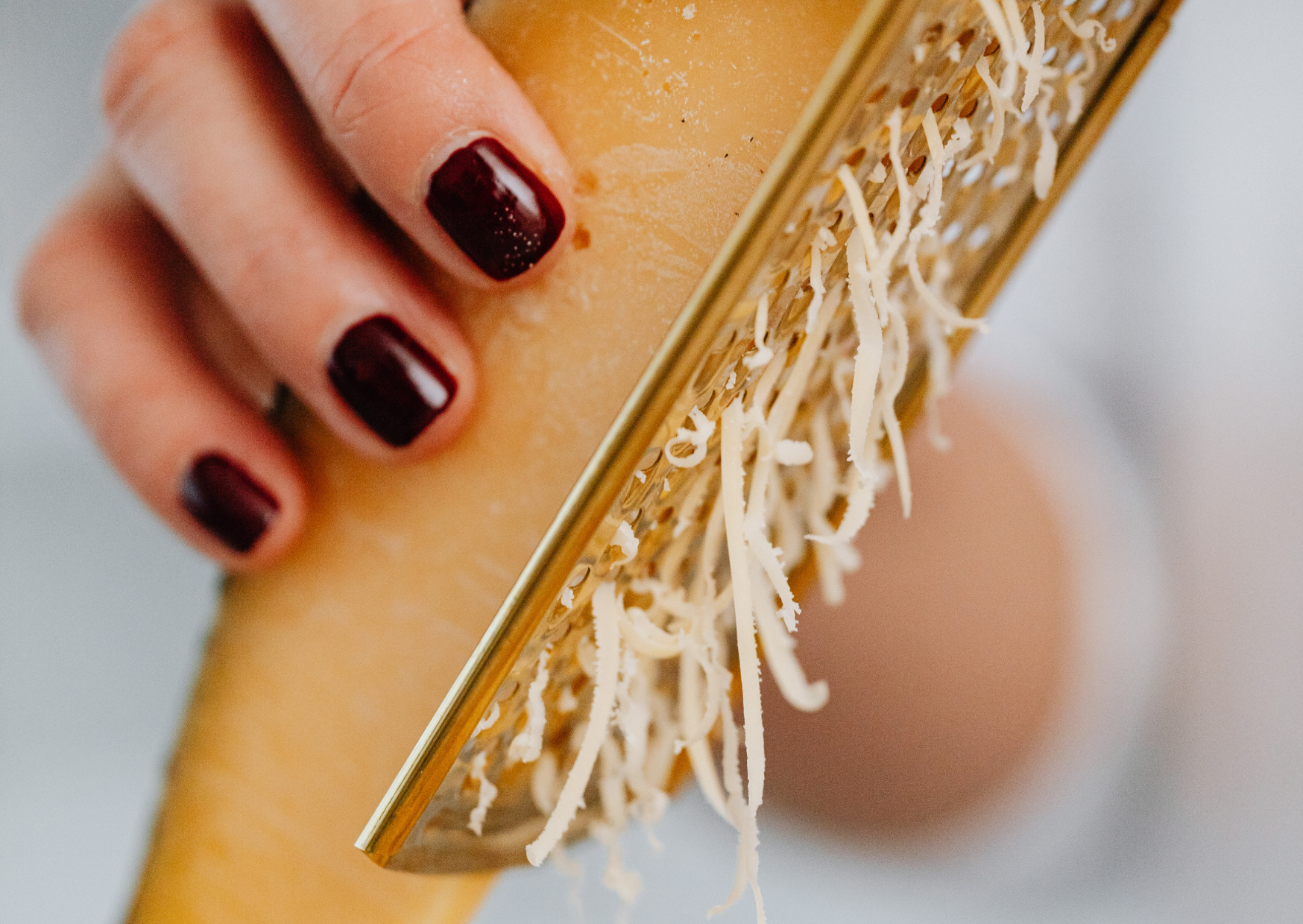
It’s not a felony. It’s just the fastest way to signal you don’t trust the dish, and Italians take that personally in the quietest possible way.
It usually happens mid-plate.
You’re in Italy, you ordered something beautiful, maybe spaghetti alle vongole or linguine with mixed seafood. The sauce is glossy, the clams taste like the sea, the garlic is behaving, and then your American brain does the thing it has been trained to do since childhood.
You look around for the cheese.
Not because you’re trying to disrespect anyone. Because grated cheese has become the default “make it better” button in the U.S. You add it to pasta the way you add salt. It’s muscle memory.
So you ask the waiter for Parmigiano.
And the temperature at the table changes.
Not dramatically. No shouting. No lecture. Just a small pause, a look that says “Are you sure,” and sometimes the softest possible refusal. Or they bring it, but you can feel the relationship end. They stop checking in. They stop performing warmth. They stop trying to help you have a good meal, because you just told them you don’t.
That’s what people mean when they say it “ends the meal early.” The food still arrives. You still eat. But the invisible goodwill evaporates.
And in Italy, goodwill is half the dining experience.
This isn’t about rules, it’s about flavor violence
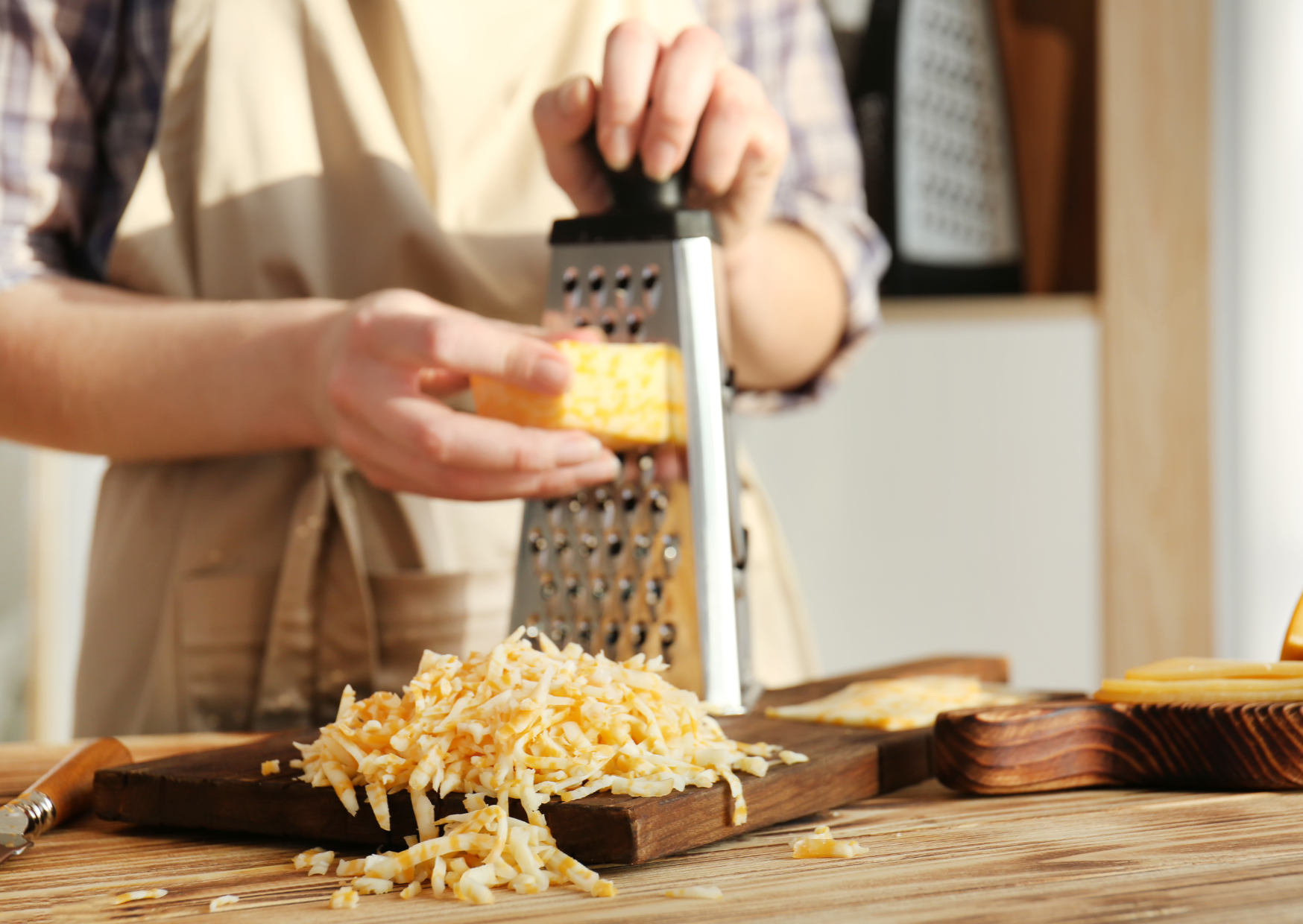
Most Italians are not thinking “cheese on fish is illegal.” They’re thinking “why would you bury that flavor.”
A lot of seafood pasta in Italy is built on delicacy and balance. The sauce is often olive oil, garlic, wine, a little chili, maybe tomato, maybe not. It’s meant to taste like the ingredient, not like the seasoning.
Parmigiano and Pecorino are loud. Salty, aged, sharp, umami-heavy. They don’t sit politely next to clams and shrimp. They climb on top and start talking over everyone.
So when you ask for cheese on seafood pasta, you’re not just requesting a condiment. You’re asking to change the entire design of the dish. Italians hear that as “this isn’t good enough,” even if you’re only trying to make it “your way.”
Also, there’s a texture issue people skip. Many seafood pastas have a briny, silky sauce that’s supposed to cling. Cheese can turn that sauce grainy or sticky in a way that feels wrong to Italian cooks. Cheese changes the sauce, not just the taste.
And yes, this is cultural too. Italian cooking has a strong sense of what ingredients “belong together.” Cheese belongs with certain pasta shapes, certain sauces, certain vegetables, certain meats. Seafood belongs in a different lane.
When you keep the lanes separate, the food tastes cleaner and more intentional. When you mash lanes together, you can get something tasty, but it won’t taste Italian in the way Italians expect Italian food to taste.
So no, your taste buds aren’t “wrong.” But the request is still a signal that you’re trying to overwrite the dish instead of tasting it.
The real etiquette is this: if cheese belongs, they offer it
Here’s the practical rule that saves you every time.
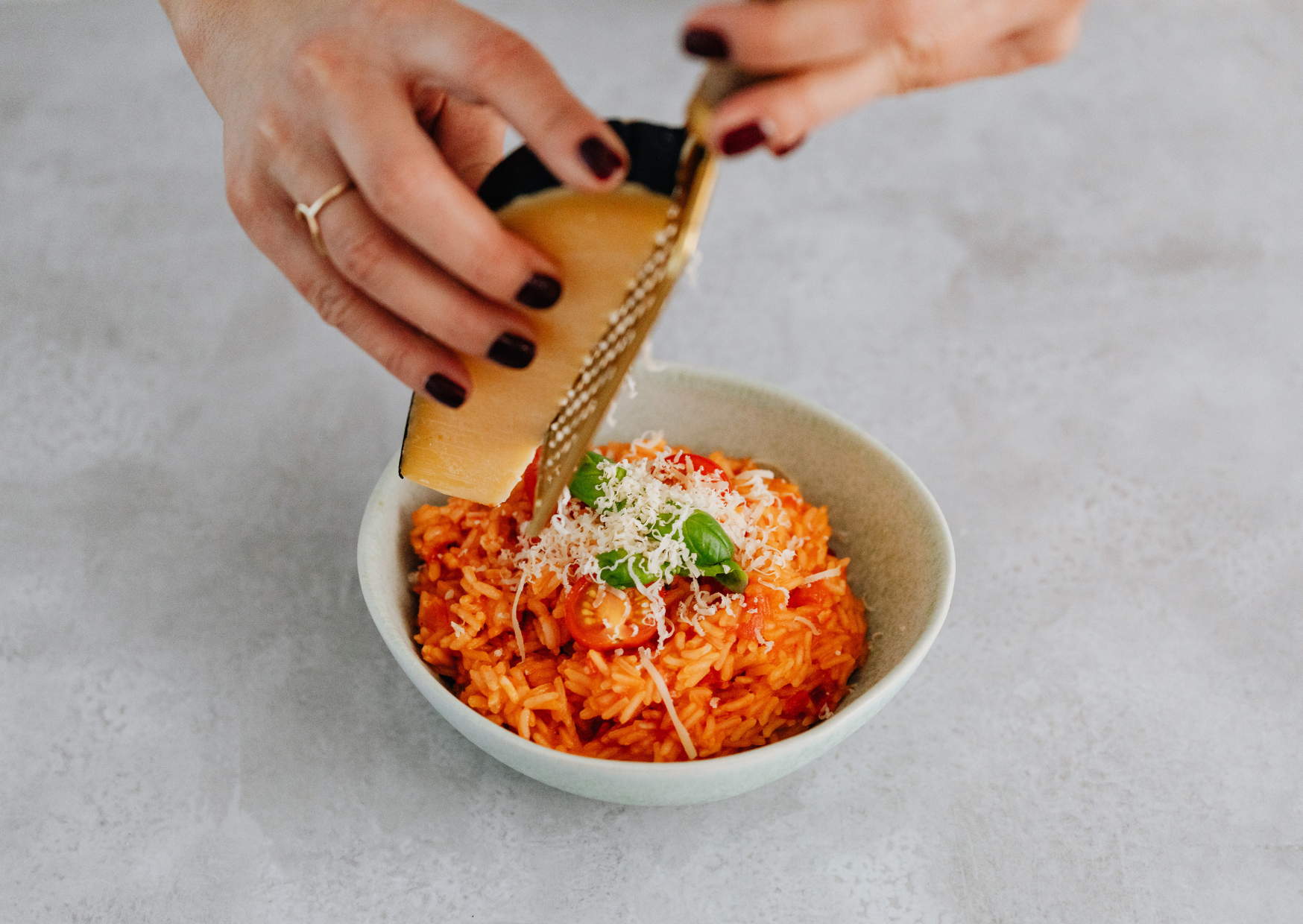
In Italy, when cheese is part of the experience, it shows up without you asking. Sometimes as a bowl on the table. Sometimes as the waiter hovering with a grater like a priest with incense. You don’t have to hunt for it. It arrives because it’s expected.
When cheese does not belong, it does not appear. That absence is the answer.
So when you ask for cheese on a seafood pasta, you’re doing two things at once:
You’re requesting an off-menu modification, and you’re also telling the staff you don’t understand the house logic.
That’s why the reaction can feel colder than you expect. Italians can be warm, playful, and generous in restaurants, but they’re also protective of the food. Food is reputation. When you ask for cheese on fish, it sounds to them like you’re about to ruin something they’re proud of, then blame them for the result.
There’s also the flow of the meal. Italian dining is structured. Courses have identities. Pasta is one thing, fish is another, cheese is its own world, and dessert is separate again. When you force cheese into a seafood course, you’re mixing categories in a way that reads like you’re not paying attention.
In Spain, there’s a similar instinct in good places. The waiter offers what belongs. The customer doesn’t redesign the plate by default. Italy is just more intense about it, especially with seafood.
So if you want a simple survival move: don’t ask for cheese until you see cheese.
And if you see it, go ahead. That’s the invitation.
Yes, there are exceptions, and that’s what makes tourists overconfident
This is where Americans get confused, because they’ve seen cheese with seafood somewhere and now they think the whole “rule” is fake.
It’s not fake. It’s just not universal.
Italy has plenty of dishes that blur the line, especially when the “seafood” is strong enough to stand up to cheese, or when the cheese is used differently than a snowstorm of Parmigiano.
Some real-life loopholes:
- Certain baked seafood pastas can include cheese because the dish is built for that heavier, gratin-style vibe. Different texture, different intent.
- Anchovies are often treated like seasoning more than “seafood,” which is why you’ll see anchovy and cheese combinations that don’t feel heretical.
- Some southern dishes use salty dairy in a way that’s closer to “accent” than “blanket,” like a sprinkle of ricotta salata in specific contexts.
- In modern restaurants, chefs sometimes break the rule on purpose, because they can control the balance.
But here’s the key: those combinations are designed that way from the start.
The tourist mistake is trying to apply the exception to a classic dish that is explicitly built without cheese, like vongole, scoglio, or sea urchin pasta. Those dishes are basically allergic to grated Parmigiano.
So yes, you might find a place that hands you cheese anyway. You might even find an Italian friend who shrugs and says “eat what you like.”
That doesn’t change the social meaning of the request in a typical restaurant.
Exceptions exist, but the default expectation still holds: seafood pasta is meant to taste like the sea, not the cheese board.
If you want to be smart, follow the menu’s intent. If the dish is light, briny, and olive-oil based, skip the cheese. If the dish is baked, heavy, creamy, or explicitly includes cheese, you’re in a different lane.
What to do instead when you want “something more”
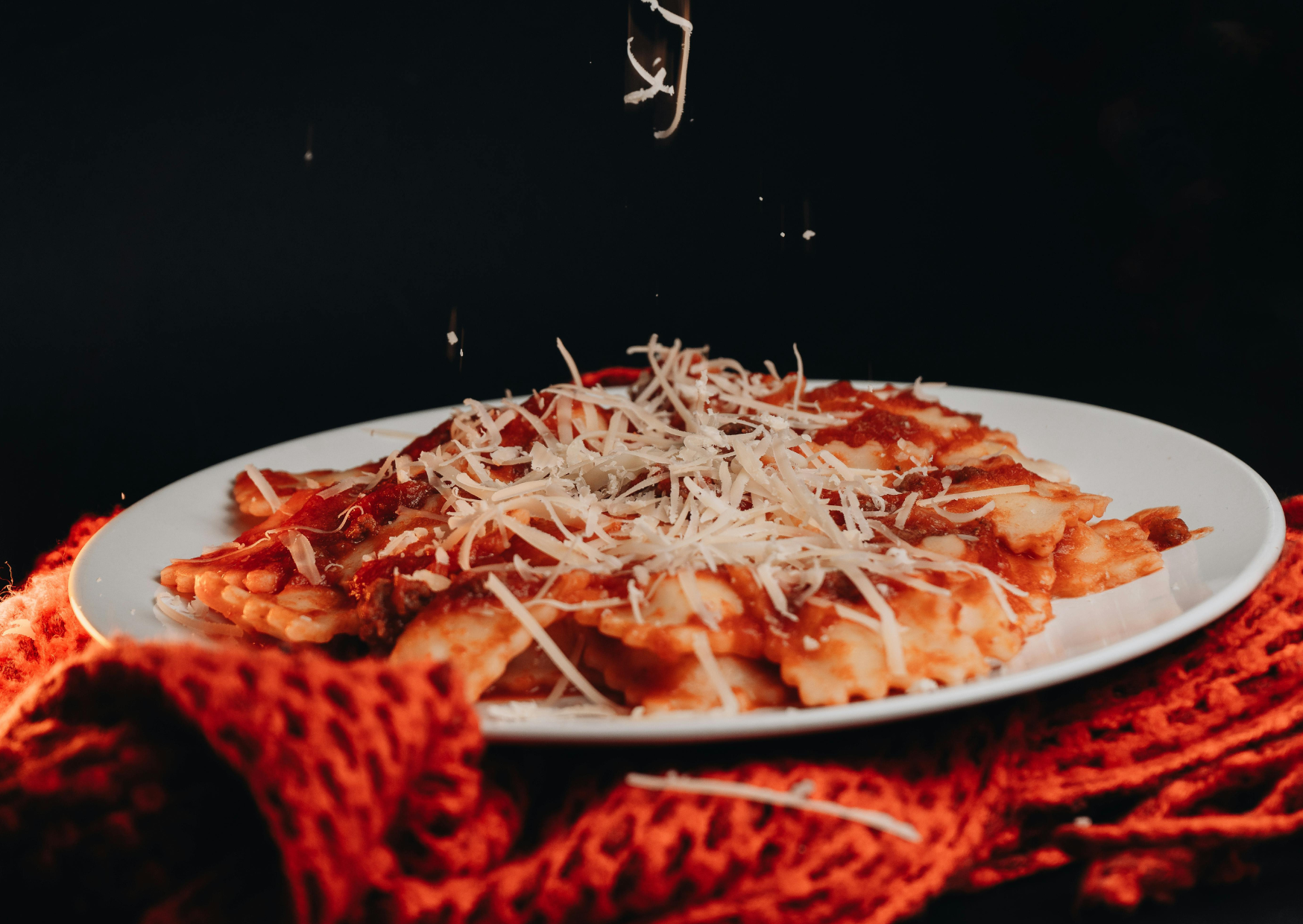
A lot of Americans ask for cheese because the dish feels like it needs an extra punch.
Sometimes that’s because the dish is genuinely under-seasoned. Sometimes it’s because your palate is trained to expect a heavy finish. Either way, there are Italian ways to add “more” without committing seafood sacrilege.
Try these instead:
- Ask for lemon. A squeeze of lemon wakes up seafood pasta instantly. Acid replaces cheese more often than you’d think.
- Ask for a little chili oil or peperoncino if the dish can handle it.
- Add a touch more olive oil. It sounds too simple, but good olive oil is the Italian version of “make it richer.”
- Ask for black pepper. Not everything needs it, but when it works, it works.
- In the rare case a place has bottarga available, that’s the real “umami finish” Italians use on certain seafood pastas. It’s salty and intense, but it’s aligned with the sea flavor, not fighting it.
Also, there’s a behavioral fix that matters more than any condiment.
Slow down and taste the dish before you reach for anything. A lot of Italian seafood sauces taste subtle on bite one and perfect on bite three. First bites are orientation, not final judgment.
If you truly dislike it, that’s allowed. But don’t reflex-modify it into something else, then call Italy overrated.
If you want Italian dining to feel good, the best move is to assume the dish is complete unless the staff signals otherwise.
The American mistakes that trigger the cheese moment, and the clean recovery
Let’s be honest about what’s happening under the request.
Americans are used to customizing. Substitutions. Extra sauces. Fixing food at the table. It’s not rude in the U.S. It’s normal.
In Italy, customization can read as distrust.
Common mistakes that set you up to ask for cheese on fish:
- Ordering by familiar keywords instead of reading the dish logic. If you see “pasta” and stop there, you miss whether it’s a light seafood plate or a heavy meat ragù.
- Eating too fast. Fast eating makes food feel less flavorful, then you chase intensity with cheese.
- Drinking something that dulls taste. Too much alcohol early can flatten your palate, then you start adding things for stimulation.
- Expecting everything to be saucy. A lot of Italian seafood pasta is not swimming. It’s coated. If you expect American-style sauce volume, you’ll think it’s “missing something.”
Now the recovery, because everyone slips once.
If you already asked, and the waiter looks unhappy, you can reset without making it worse.
The simplest reset line is basically: “No problem.”
If you want to do it in Italian:
- “Va bene così.”
- “Non importa, grazie.”
Then stop talking. Smile. Eat the dish as served. Do not justify your request with a speech about your preferences. In Italy, the longer you explain, the deeper the hole gets. Short resets work.
If they bring the cheese anyway, you’re not obligated to perform the whole grating ritual. Sprinkle lightly, or don’t use it. The point is not to win. The point is to keep the interaction smooth.
And if you’re dining with Italians, let them lead. If they don’t touch cheese, you don’t touch cheese. Not because you’re scared, but because you’re a guest in someone else’s food culture.
Your next 7 days: how to eat in Italy without the cheese trap
If you’re traveling soon, treat this like a short training block. You’re not changing your identity, you’re just learning the local rhythm.
Day 1: Watch what arrives without asking
Notice which dishes automatically come with cheese and which don’t. Train your eye. The table tells you.
Day 2: Order one classic seafood pasta and eat it plain
No fixes. No modifications. Let your palate adjust. If it feels subtle, keep going.
Day 3: Practice the “more flavor” alternatives
Ask for lemon, pepper, or a touch of chili. Learn the Italian way to add intensity without covering the main ingredient.
Day 4: Stop customizing in the first 5 minutes
This is the habit that changes everything. Taste first, then decide.
Day 5: Learn one polite script
“Buonasera.”
“Vorrei questo, per favore.”
“Grazie.”
That’s plenty. When you sound polite, you get more grace.
Day 6: Let the restaurant lead the cheese
If they offer it, enjoy it. If they don’t, assume it’s not meant to be there. Offer is permission.
Day 7: Do one meal with full local structure
Antipasto, pasta or fish, maybe dessert. No random mixing. See how the pacing changes your cravings for “extra.”
By the end of a week, you’ll stop seeing this as a weird rule and start seeing it as a design choice. Italian seafood pasta is built to be clean, briny, and complete. Cheese is a different story entirely.
The real choice: eat like you’re visiting, or eat like you’re listening
You can absolutely put cheese on seafood pasta and survive. Nobody is going to arrest you.
But if you’re in Italy and you want the meal to feel good, not just the food, you have a choice.
You can bring the American reflex: modify first, trust later.
Or you can try the Italian approach: trust first, then adjust only if the restaurant invites it.
That second approach is what gets you better service, better rhythm, and a nicer version of the night. Not because Italians are fragile. Because food is part of how they communicate respect.
And asking for cheese on seafood pasta is basically saying, “I’m not listening.”
Once you stop doing that, Italy gets friendlier fast.

About the Author: Ruben, co-founder of Gamintraveler.com since 2014, is a seasoned traveler from Spain who has explored over 100 countries since 2009. Known for his extensive travel adventures across South America, Europe, the US, Australia, New Zealand, Asia, and Africa, Ruben combines his passion for adventurous yet sustainable living with his love for cycling, highlighted by his remarkable 5-month bicycle journey from Spain to Norway. He currently resides in Spain, where he continues sharing his travel experiences with his partner, Rachel, and their son, Han.