
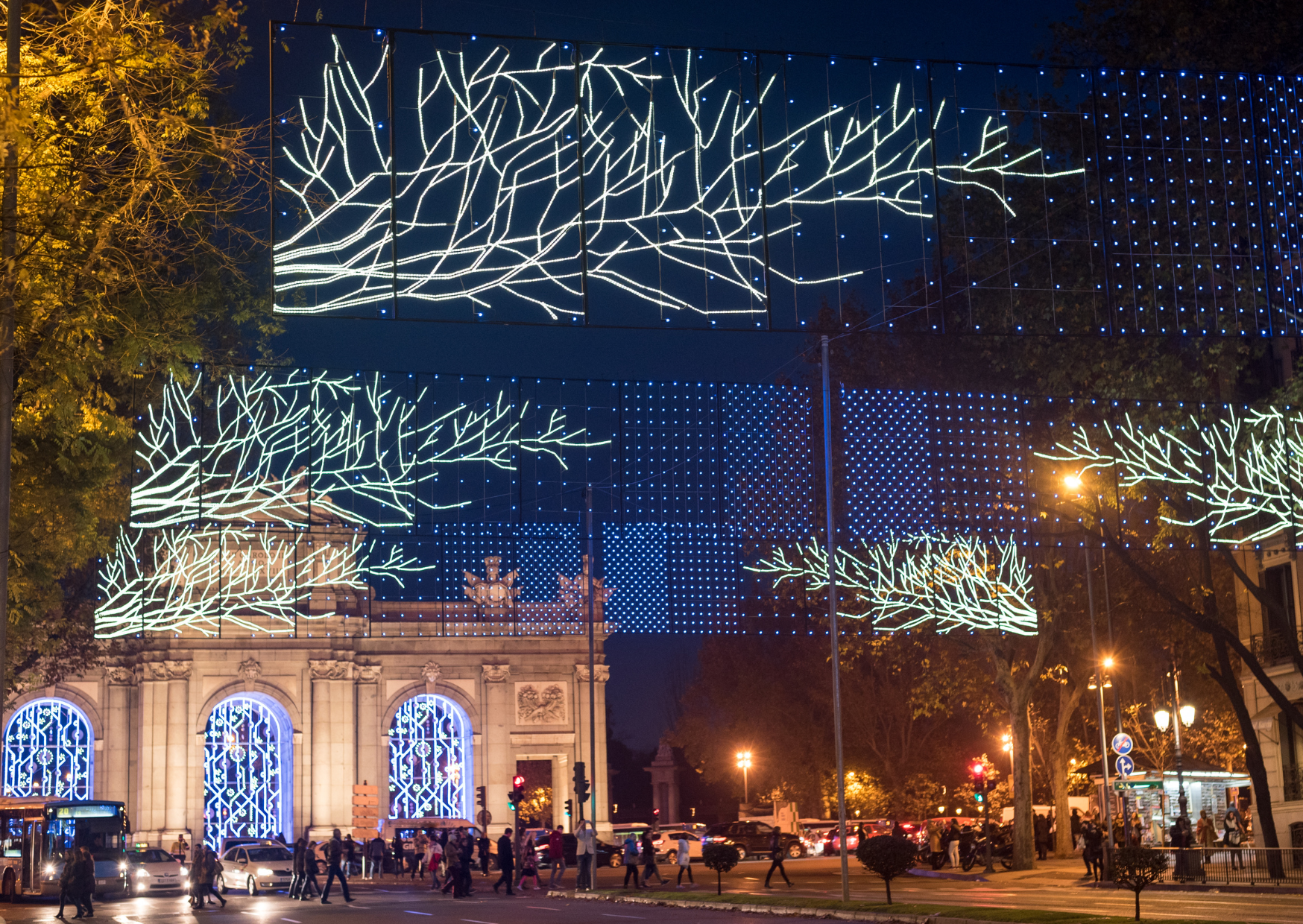
If you come to Spain expecting one big American-style day of chaos, you’ll miss the point. The season is spread out on purpose, and the pacing is the whole trick.
If you’re American, Christmas is a single giant deadline.
You sprint toward December 25 like it’s a final exam. You shop late, you wrap late, you cook too much, you drive too far, and then you collapse into leftovers and a vague sense of emotional whiplash.
Spain is not like that.
Spain does plenty of eating, plenty of family intensity, and plenty of noise, but it’s not concentrated into one frantic day. Here, Christmas is a season with multiple “main events,” and the finale is not December 25. It’s January 6.
That difference changes everything: the food, the gifts, the social schedule, and the way families pace their money and energy. The first year you live here, it can feel confusing, like the holiday keeps restarting. The second year, you realize it’s the calmer system Americans keep saying they want, just without the American need to over-produce the experience.
This is what it actually looks like on the ground in Spain, in real homes, with real calendars, and why it lasts as long as it does.
December 22 is the unofficial starting gun
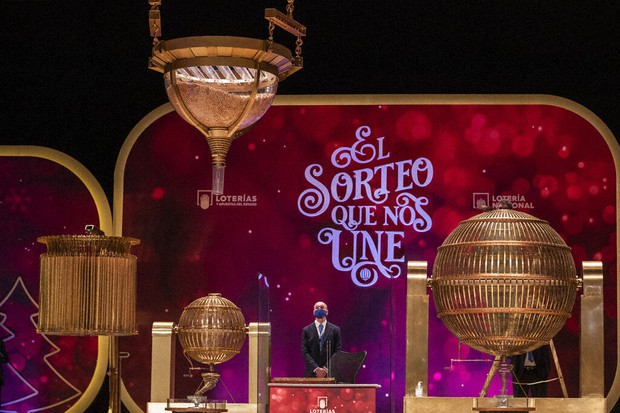
In Spain, the season doesn’t truly begin with mall music. It begins when everyone starts talking about the lottery.
El Gordo is social glue, not just gambling. Offices, friend groups, families, and neighbors split tickets, trade numbers, and act like a shared win would fix the year. Even people who swear they “don’t play” often have a décimo someone handed them.
The draw happens on December 22, and it sets the tone. Streets feel different that day. Bars have the broadcast on. People check numbers the way Americans check weather alerts. The vibe is not “Christmas is coming,” it’s “the season is officially on.”
And it matters because it stretches the holiday psychologically. By the time December 24 arrives, people already feel like they’ve been in Christmas mode for days. Americans often hit December 24 already exhausted. In Spain, the season has already started, but it’s not yet at peak intensity.
There’s a practical side too. Families start coordinating meals, travel, and gift plans across multiple dates. The “big spend” is spread out. Even the sweets show up early, turrón, polvorones, mantecados, and the steady appearance of treats that sit on the table for weeks.
That’s the first clue that Spain is playing a different game. Christmas here is not one performance, it’s a long, steady stretch of small rituals that build on each other.
If you’re moving here, this is the moment to stop thinking in American deadlines. You’re not planning one day. You’re planning a season.
December 24 is the emotional centerpiece
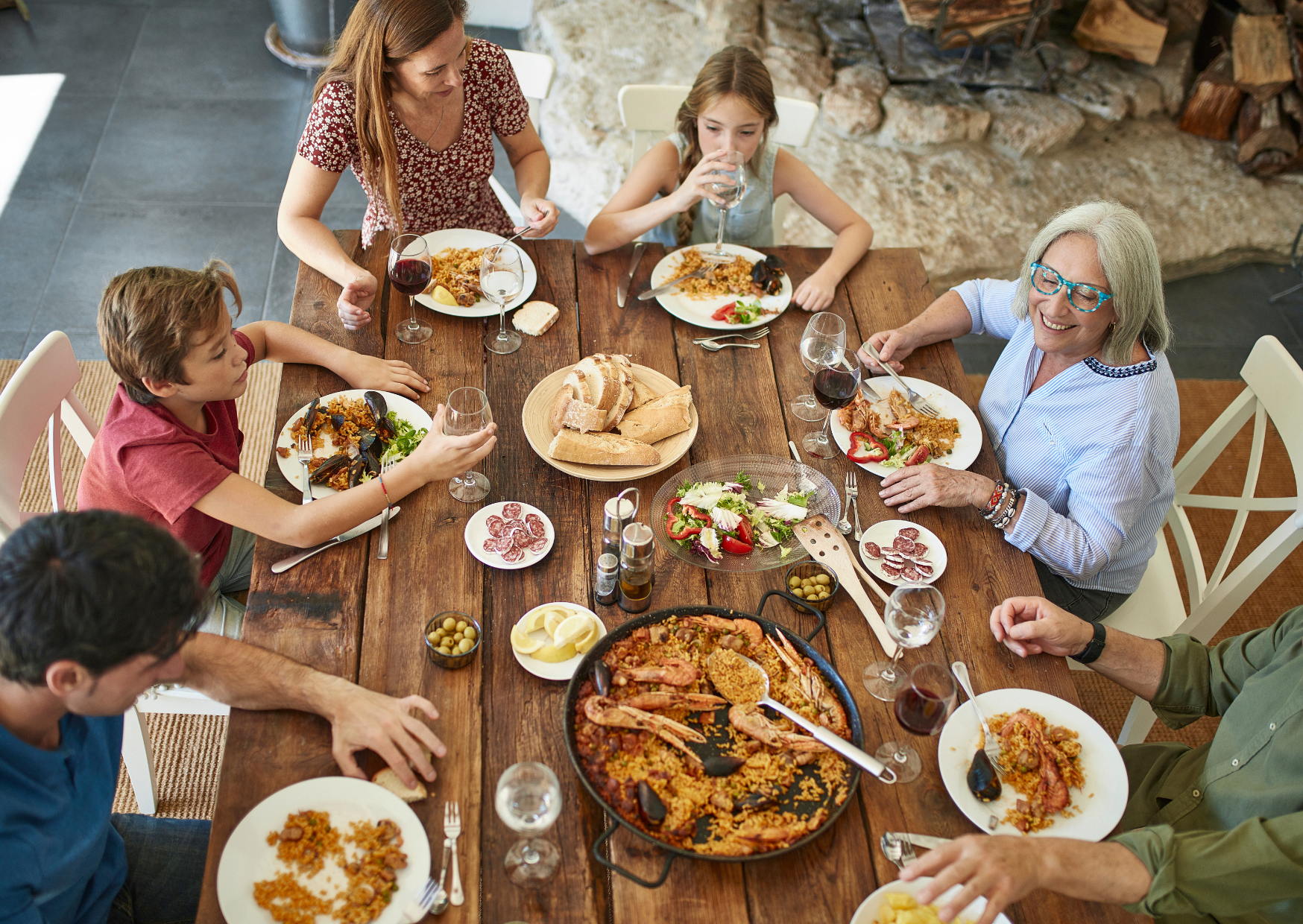
Christmas Eve, Nochebuena, is the night you feel in your bones.
In many Spanish households, this is the real family dinner. It’s the meal where everyone shows up, dressed nicely but not dramatically, and the table runs long. The food varies by region and family, but the structure is familiar once you’ve lived it: multiple courses, lots of seafood in many homes, cured meats, special dishes that only appear this time of year, and a dessert table that looks like a small bakery.
In our Spanish family life, the most “Spanish” part is not the menu, it’s the pacing. The dinner is not rushed. People talk. People argue lightly. Someone disappears into the kitchen. Someone insists you eat more. It’s family in the way family actually is, not the commercial version.
And there’s a second layer Americans don’t expect: late timing is normal. Dinner often starts later than an American would tolerate, and it can roll toward midnight without anyone acting like it’s strange. Some families go to Midnight Mass. Many don’t. But the night still has that “this is the moment” energy.
If you’re an American couple living in Spain, this is where you can get tripped up. You might assume the big day is tomorrow, so you keep things light. Your Spanish friends might be treating tonight as the main event. You can accidentally miss the emotional center of the holiday by being too focused on December 25.
Practical tip if you’re new here: do not schedule something early the next morning and assume you’ll be fresh. Nochebuena is not a casual dinner. It’s a long night by design, and the long night is part of why the season doesn’t burn out in one day.
December 25 is quieter than Americans expect
Christmas Day in Spain can surprise Americans because it often feels… calm.
Yes, families eat. Yes, there’s a big lunch in many homes. But the energy is different from American Christmas morning chaos. There’s less frantic opening of mountains of gifts, less “go go go,” and less sense that the entire holiday hinges on a single perfect day.
A lot of Spanish families have already done the emotional heavy lifting on the 24th. The 25th is often for a slower meal, a visit, or simply being together without the pressure to stage something.
If you’re used to the American model, where Christmas Day is the climax, this can feel anticlimactic at first. Then it starts to feel like a relief. The day isn’t carrying the whole holiday.
The other major difference is the public vibe. Many places are quieter. Businesses can be closed. Streets can feel empty in the morning, then slowly come alive with people taking walks, visiting relatives, or heading to lunch. It’s less “event day” and more “family day.”
This is also where the Spain calendar starts to make sense financially. When gifts are not exclusively centered on December 25, the spending pressure shifts. Not every household does this the same way anymore, and Santa culture has grown, but the traditional structure still matters. Some families do smaller gifts on the 25th, or none, and save the big moment for Reyes.
So if you moved here because you wanted a less frantic holiday, Spain quietly offers it. But it comes with a trade: you have to stop measuring Christmas by American intensity. Quiet does not mean empty, it means the holiday is spread out.
The “in-between” days are the point, not filler
Americans tend to treat the days between Christmas and New Year’s as a weird no-man’s-land. Spain treats them like part of the season.
You’ll see more visiting, more slow meals, more sweets on every table, and more casual gatherings that don’t require the pressure of a major holiday meal. People might travel. People might stay put. But the vibe is still festive.
December 28, Día de los Santos Inocentes, is also a cultural marker. It’s traditionally a day for pranks and jokes, a bit like April Fools’ Day energy. It’s one of those details that reminds you the season has multiple textures. It’s not all solemn family meals and perfect decor.
These in-between days are also where you see the Spanish approach to “public life” shine. Friends meet for a drink. Families go for walks. Kids are out late. It’s not because everyone is off work for weeks, many people are still working. It’s because social life doesn’t shut down, even during holidays.
If you’re living here, this stretch can either feel cozy or lonely, depending on whether you’ve built any community. The mistake Americans make is assuming they’ll “feel festive” automatically. If you don’t have plans, the season can feel like everyone else is inside a warm bubble you can’t access.
The local method is repetition. Same café, same neighborhood routes, same market, same small hellos. It sounds too simple, but it’s how you stop feeling like an observer. Belonging is built in small doses, and this season gives you more chances to do it.
December 31 is the high-energy night
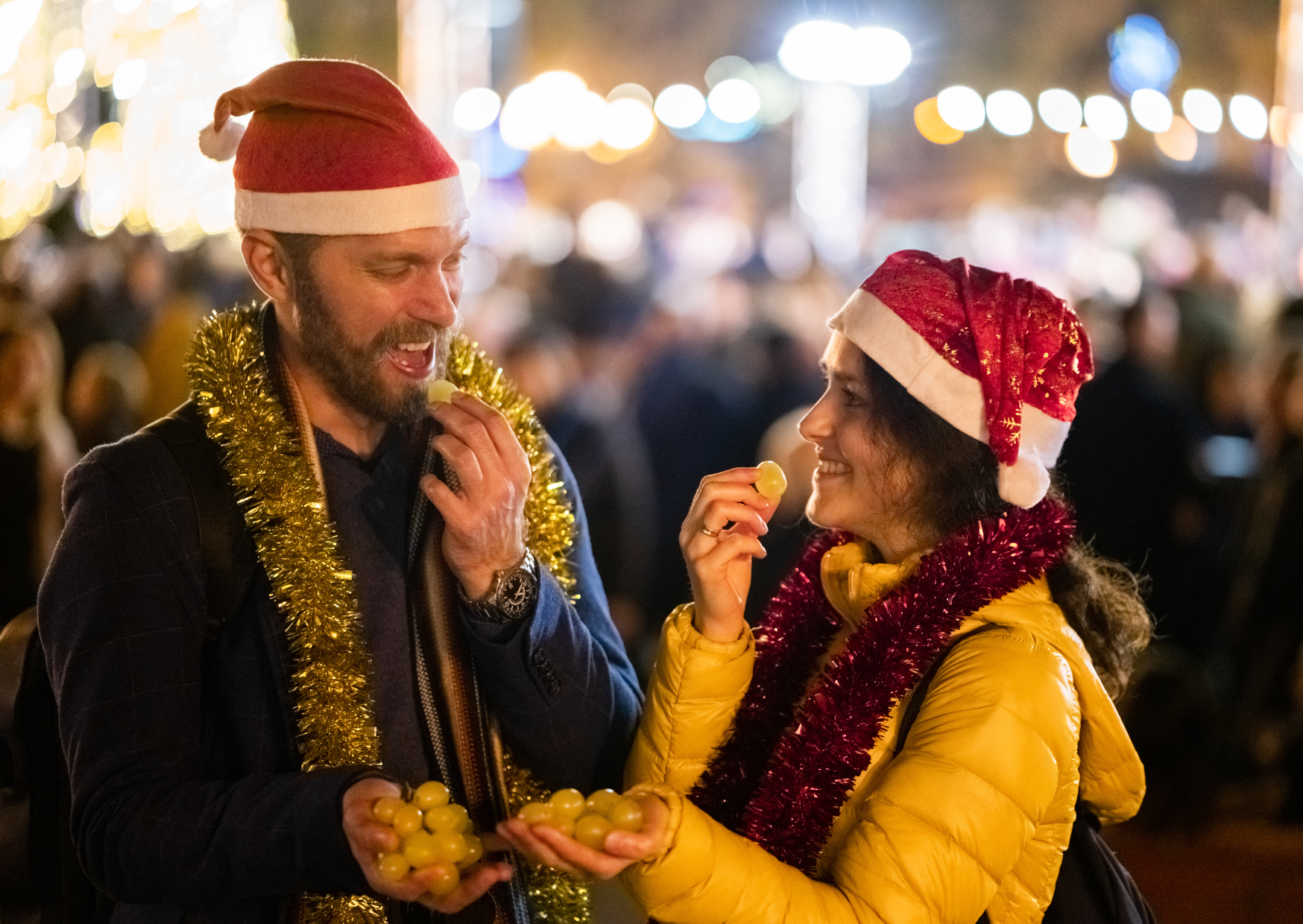
New Year’s Eve, Nochevieja, is where Spain gets loud again.
It’s not the American “early dinner, maybe a party, champagne.” It’s later, more social, and often more structured. People dress up more than Americans expect. Restaurants run special menus. Friends gather late. Families do dinner, then drift into the night.
And yes, the grapes matter. The tradition of eating 12 grapes at midnight, one per chime, is real. People plan for it. They buy grapes specifically for it. Some people buy the peeled, seedless, pre-packaged version because doing it the hard way is a choking hazard if you’re not careful.
This is one of those rituals that looks silly until you do it, then you realize it’s a collective timing moment. Everyone is synchronized for 12 seconds. It’s oddly grounding.
For Americans, the surprise is often the timing. Midnight is not “late” in the way it feels in the U.S. Here it’s normal, and for many people the night continues long after. If you’re trying to live locally, you adapt. If you’re trying to stay on your American rhythm, you might feel like Spain is constantly pushing your sleep.
This is where it helps to remember: the season is long. You don’t have to do everything. You can choose one or two key nights and skip the rest without being a grump.
But if you do choose one, Nochevieja is worth understanding because it’s a social anchor. Spain celebrates in public, even when the celebration starts at a family table.
January 5 and 6 are the real finish line
This is the part Americans consistently misunderstand.
In Spain, the season’s emotional climax often lands on the night of January 5 and the day of January 6. That’s Reyes, the Three Kings, and it’s not treated like an afterthought.
January 5 is the Cabalgata, the Three Kings parade, in many cities. Kids line the streets, people show up early for good spots, and there’s candy flying through the air like a low-stakes sugar storm. It’s loud, it’s crowded, and it feels like a community event rather than a private family performance.
Then January 6 arrives, and for many families this is gift day. Not for everyone, and not always exclusively, but culturally it still holds real weight. Kids leave out shoes. Some families leave treats for the Kings and even water for the camels. The morning has that Christmas-morning energy Americans expect, just shifted later on the calendar.
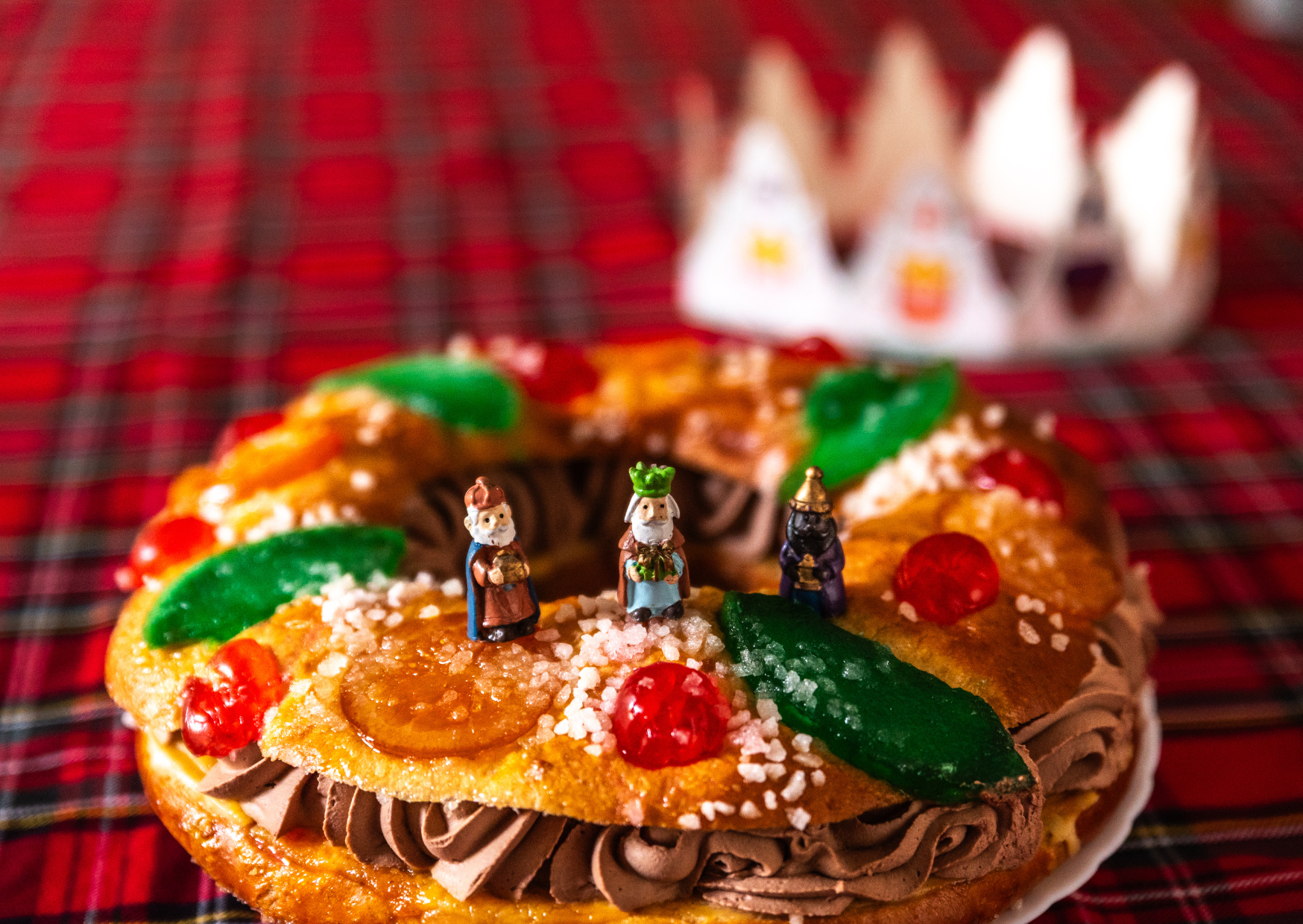
And there’s roscón de Reyes, the ring-shaped sweet bread that shows up everywhere. People argue about the best bakery version. Families buy one, slice it, and someone inevitably gets the little surprise inside. If you grew up in the U.S., you might not realize how much this matters until you’re invited into a Spanish home and it’s treated as obvious.
This is why the season lasts. It’s not just “extra days.” It’s built around multiple peaks, and Reyes is the last peak. January 6 is not an epilogue, it’s the finale.
If you’re living in Spain, you plan around this. Kids’ schedules, travel schedules, work returns, all of it. The season ends when Reyes ends, not when Christmas Day is over.
How to do Spanish Christmas without burning out
If you’re American and you want the calmer version of the holidays, Spain is basically offering a system upgrade. But you have to cooperate with it.
Here’s what makes it work:
First, accept that you’re planning multiple events, not one. That sounds like more stress, but it’s less stress because each event is smaller. The American model tries to make one day carry everything, gifts, family, food, meaning, nostalgia, and perfect photos. Spain spreads it out so it doesn’t crack.
Second, budget like the season is long. If you’re buying gifts, decide whether your household is a Santa house, a Reyes house, or a split house. The fastest way to overspend is to do both fully without admitting it. Two gift days can double your spending if you don’t set boundaries.
Third, choose one “food flex” and keep the rest simple. You don’t need a new elaborate meal every time someone visits. Spanish families often rely on repeat dishes, good ingredients, and the fact that people don’t expect you to reinvent the wheel daily.
Fourth, protect your sleep. Spain’s holiday rhythm runs late. If you try to attend everything and keep American sleep expectations, you’ll feel wrecked. Pick your nights. Skip one. Nobody dies.
And finally, build one tiny public ritual for yourself. A walk route, a café stop, a market visit. The season can feel lonely if you’re new, because families close ranks. A small routine keeps you steady when you’re not part of the big family machine yet.
A 7-day setup to experience Spain’s season like a local
If it’s your first December living here, do this in the next week. It’s not about being perfect. It’s about not feeling lost.
Day 1: Decide your gift calendar.
Pick one main gift moment, Christmas, Reyes, or split, and set a spending ceiling that matches your real income.
Day 2: Buy the one seasonal sweet you actually like.
Not all of them. One. Put it on the table. Let the season be present without turning into a sugar warehouse.
Day 3: Lock in one social plan.
Coffee with a neighbor, a walk with a friend, a simple meal. Do not wait for an invitation that may never come if you’re new.
Day 4: Choose your one big meal.
Maybe it’s Nochebuena, maybe it’s New Year’s Eve, maybe it’s Reyes. Pick one, keep the others easy.
Day 5: Go to one public Christmas thing.
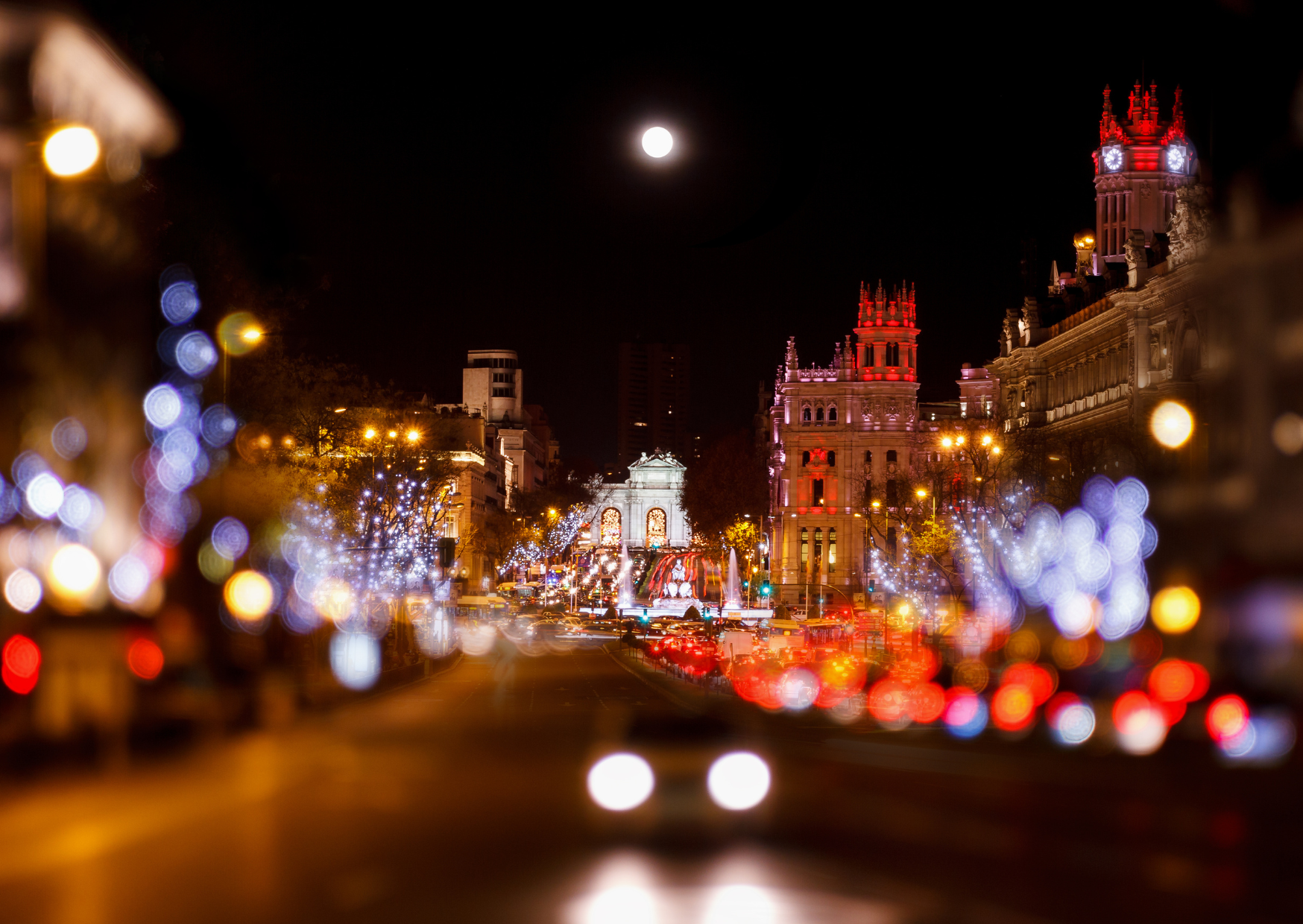
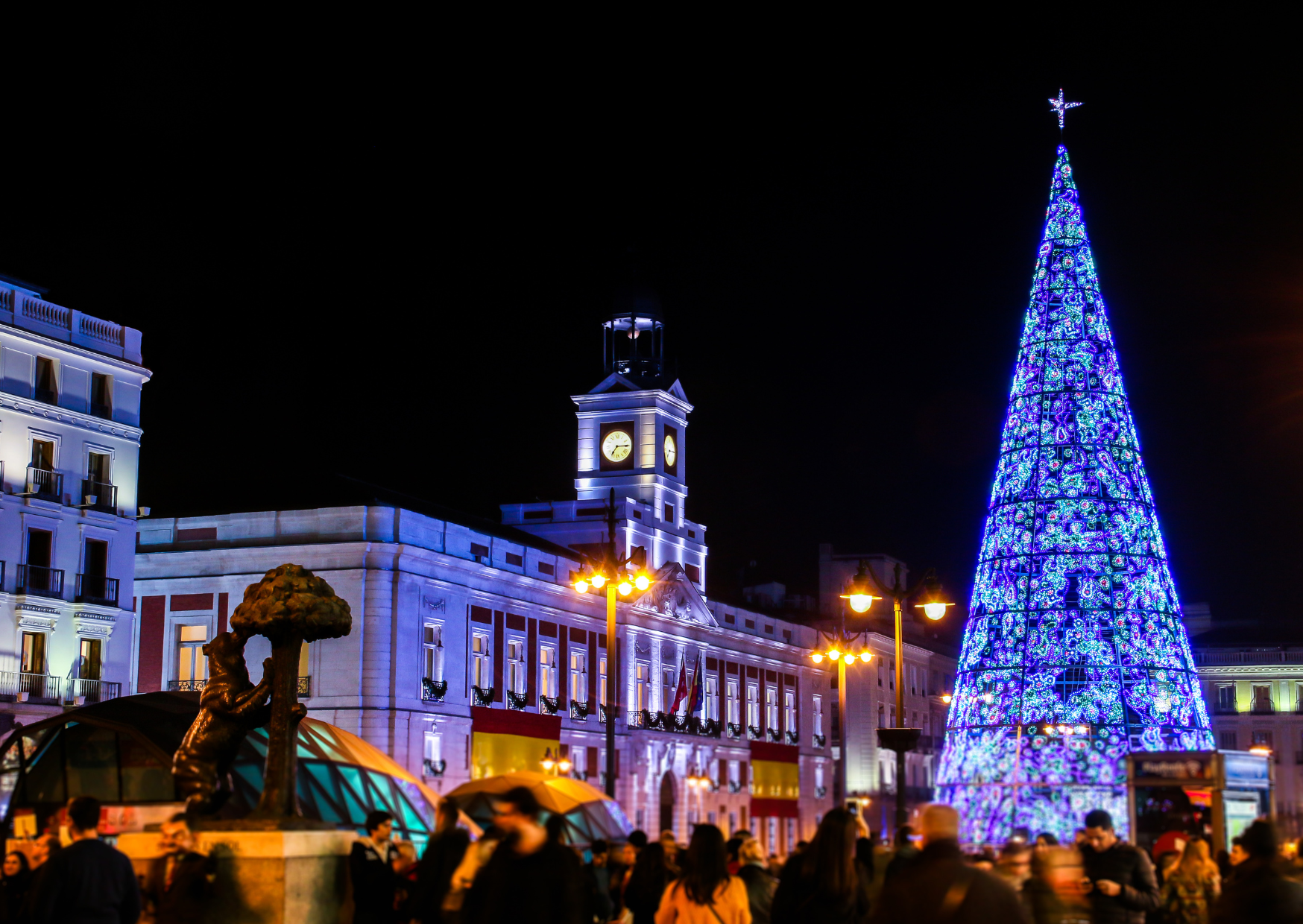
A market, lights, a neighborhood event, even just a busy plaza at the right hour. Spain’s season is lived outside.
Day 6: Plan your January 5 or 6 moment.
Even if you don’t have kids. Buy a roscón slice. Watch part of a Cabalgata. Notice the energy.
Day 7: Build your recovery day.
A slow lunch at home, a long walk, an early night. The season is long, so you need a day that resets you, not more stimulation.
Do that, and Spain’s Christmas stops feeling like “so many random dates” and starts feeling like a paced season with a real arc.
The best part is that it doesn’t ask you to be magical. It asks you to show up, eat well, and let time stretch a little.
For Americans used to holiday chaos, that can feel almost suspiciously calm.

About the Author: Ruben, co-founder of Gamintraveler.com since 2014, is a seasoned traveler from Spain who has explored over 100 countries since 2009. Known for his extensive travel adventures across South America, Europe, the US, Australia, New Zealand, Asia, and Africa, Ruben combines his passion for adventurous yet sustainable living with his love for cycling, highlighted by his remarkable 5-month bicycle journey from Spain to Norway. He currently resides in Spain, where he continues sharing his travel experiences with his partner, Rachel, and their son, Han.