
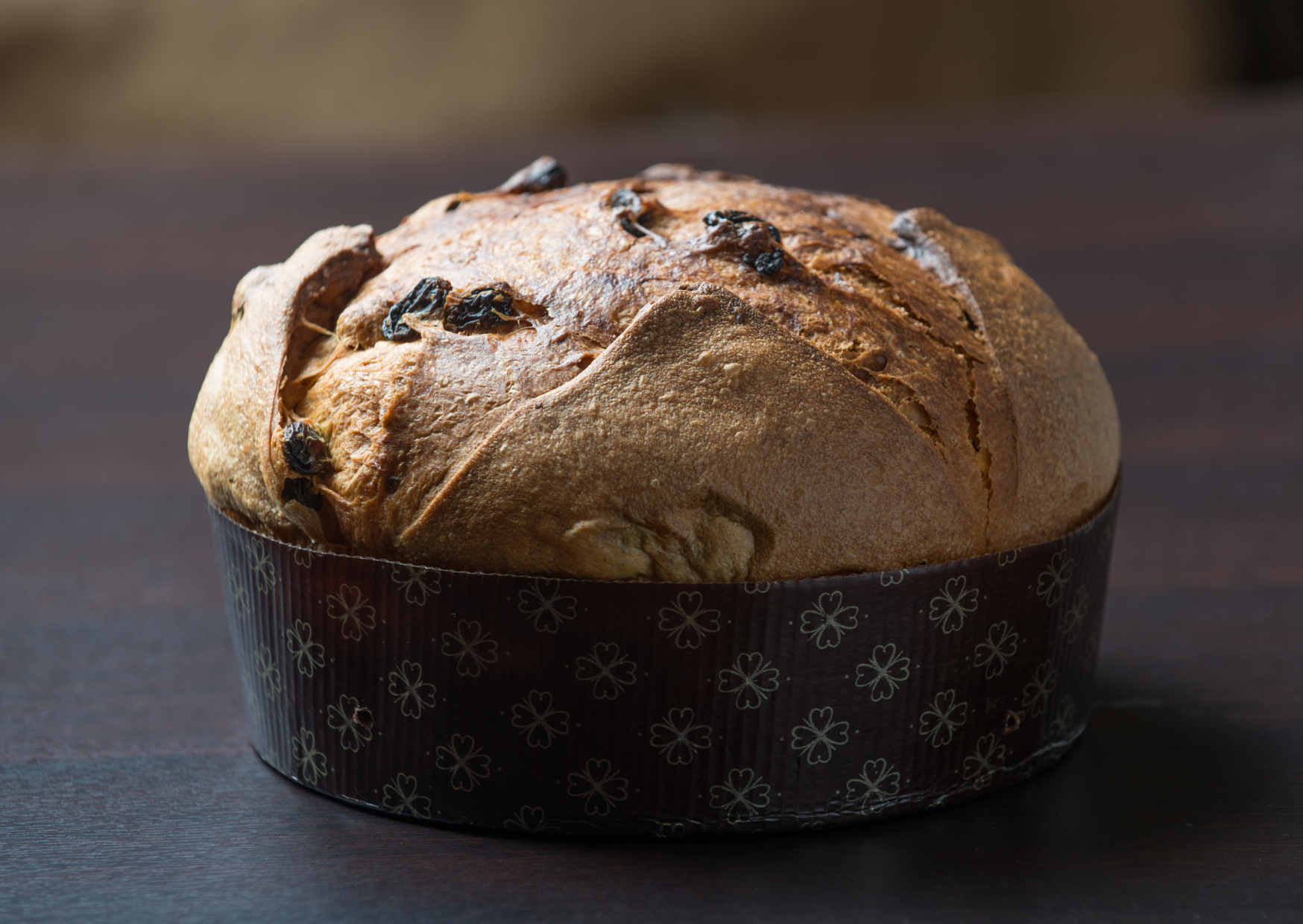
The loaf goes dry on day three, everyone gets a little dramatic about it, and then you turn it into breakfast that tastes like you planned the whole week.
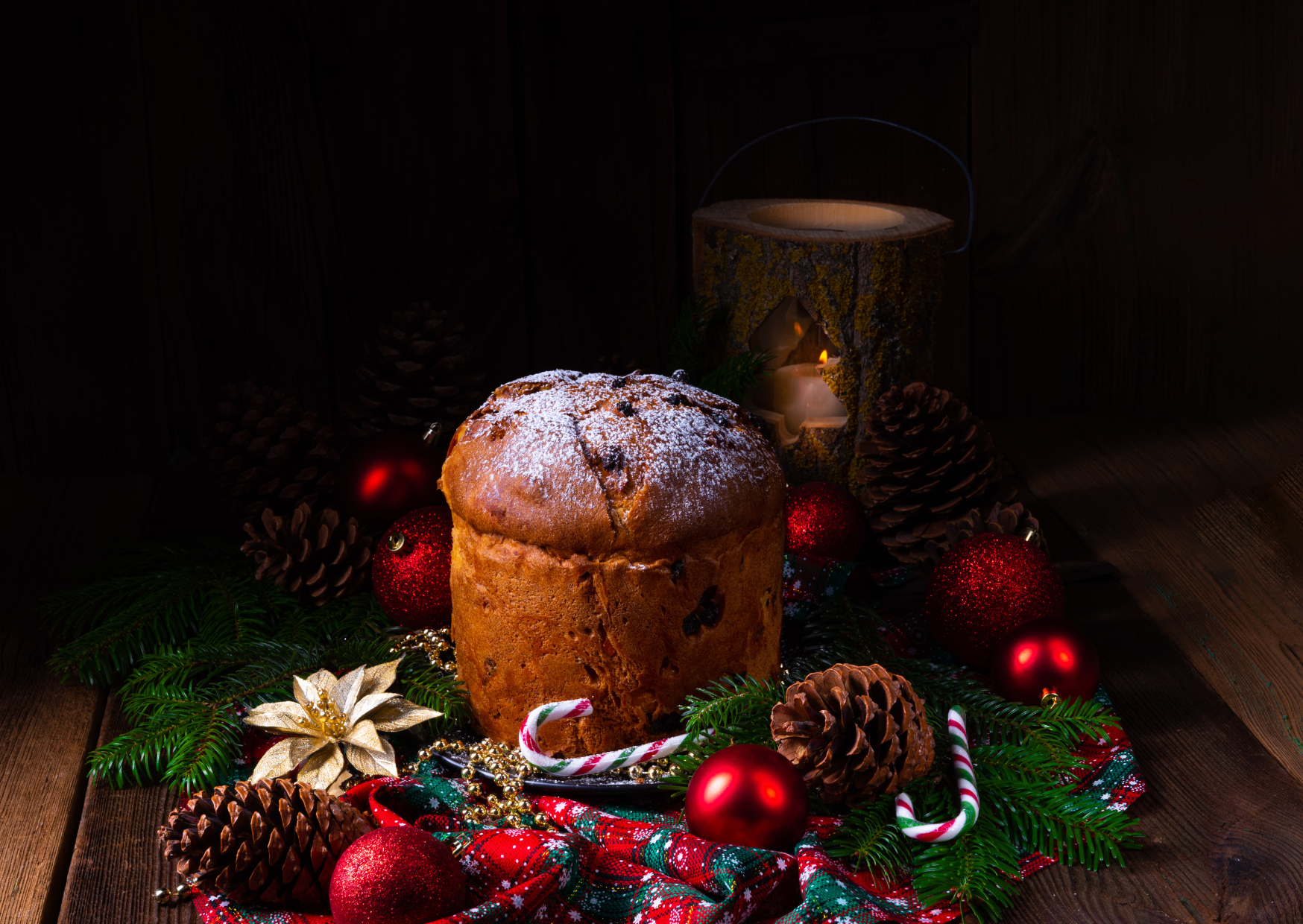
Panettone has a predictable life cycle.
Day 1: everyone is polite and slices it like it’s a wedding cake.
Day 2: people start “just grabbing a bit” while walking past.
Day 3: it’s dry, crumbly, and somehow still taking up half your counter like it pays rent.
Then you hit the fork in the road. You either keep forcing sad slices because you feel guilty, or you turn it into something that actually wants stale bread.
French toast is the obvious answer, and panettone is basically made for it. It already has butter, citrus, sweetness, and structure. Once it dries out a little, it becomes the perfect sponge for custard.
Living in Spain, we see panettone everywhere in December. Italian imports, Spanish versions, fancy “artisan” ones, supermarket ones that come in a cardboard box that looks like a gift. It’s everywhere, and by the 26th it’s also everywhere slightly stale.
So this is the practical guide. One panettone, two French toast methods (quick slices and baked casserole), plus the small choices that keep it from turning soggy or burnt.
Panettone gets dry fast, and that’s not a flaw
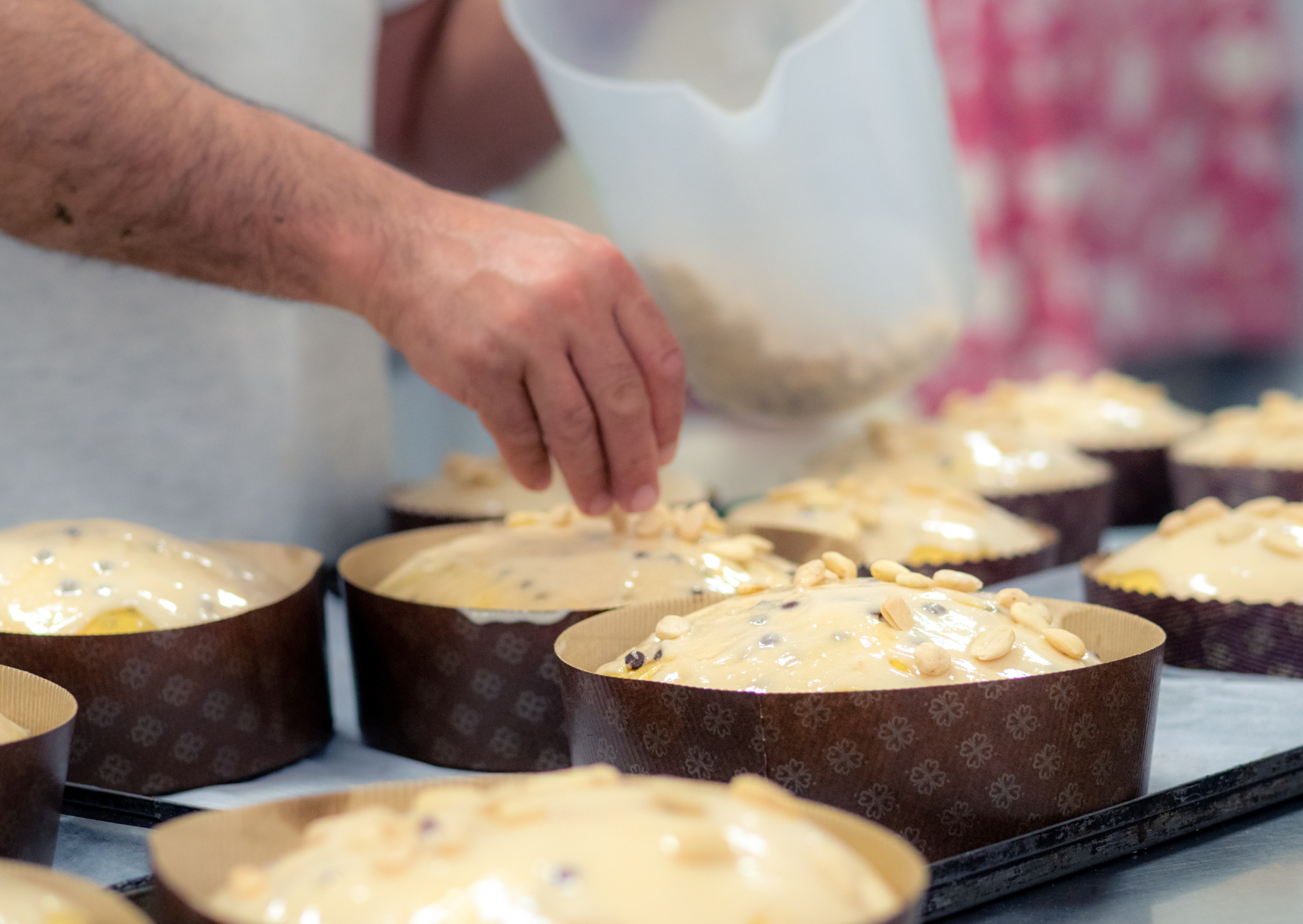
Panettone is not sandwich bread. It’s an enriched holiday bread with air pockets, fruit, and a delicate crumb. It stales quickly, especially once it’s sliced and exposed to air.
Americans tend to treat staling like failure. In this case, stale is an ingredient.
French toast works best when the bread has enough dryness to absorb custard without collapsing. Panettone that feels a bit dry is exactly what you want. If your panettone is still pillowy-soft, you can still do French toast, but you need a lighter soak and a hotter pan to avoid turning it into sweet scrambled egg.
There’s also a small emotional win here: panettone French toast feels like “holiday breakfast,” but it uses something you already have. That’s a rare combination in December.
One more thing: people love to argue about panettone like it’s a personality test. Store-bought versus artisan. Raisins versus no raisins. Candied citrus versus “I hate peel.”
For French toast, the rules are simple:
- Avoid panettone that’s so full of chocolate chunks it burns easily.
- If it’s very sweet already, reduce sugar in the custard.
- If it’s very dry, give it a longer soak or use the baked method.
That’s it. Don’t make bread a moral issue.
Pick the loaf, then make it “stale on purpose”
If you’re buying panettone specifically for this, you don’t need the €40 showpiece. French toast is not the place to prove you have refined taste buds. It’s the place to make stale bread taste expensive.
A standard 750 g to 1 kg panettone is perfect. You want something tall enough to cut thick slices.
If your loaf is fresh and soft, here’s how to “stale it” quickly:
- Slice it into 2.5 cm (1 inch) slices.
- Lay slices on a baking rack.
- Leave uncovered for 2 to 4 hours at room temperature.
If you’re truly in a hurry:
- Put slices in a 120°C (250°F) oven for 10 to 12 minutes, flipping once.
- You’re not toasting. You’re drying. Dry outside, soft inside is the goal.
What not to do:
- Don’t microwave it to “freshen” it. That makes it weird and rubbery.
- Don’t soak it for ages just to compensate. That’s how you get custard mush.
And yes, panettone varies. Some loaves are light and airy. Some are dense. Some are soaked in syrup. Adjust with your eyes, not with internet confidence.
If you’re unsure, pick the baked casserole method later. It’s more forgiving.
Panettone French toast slices
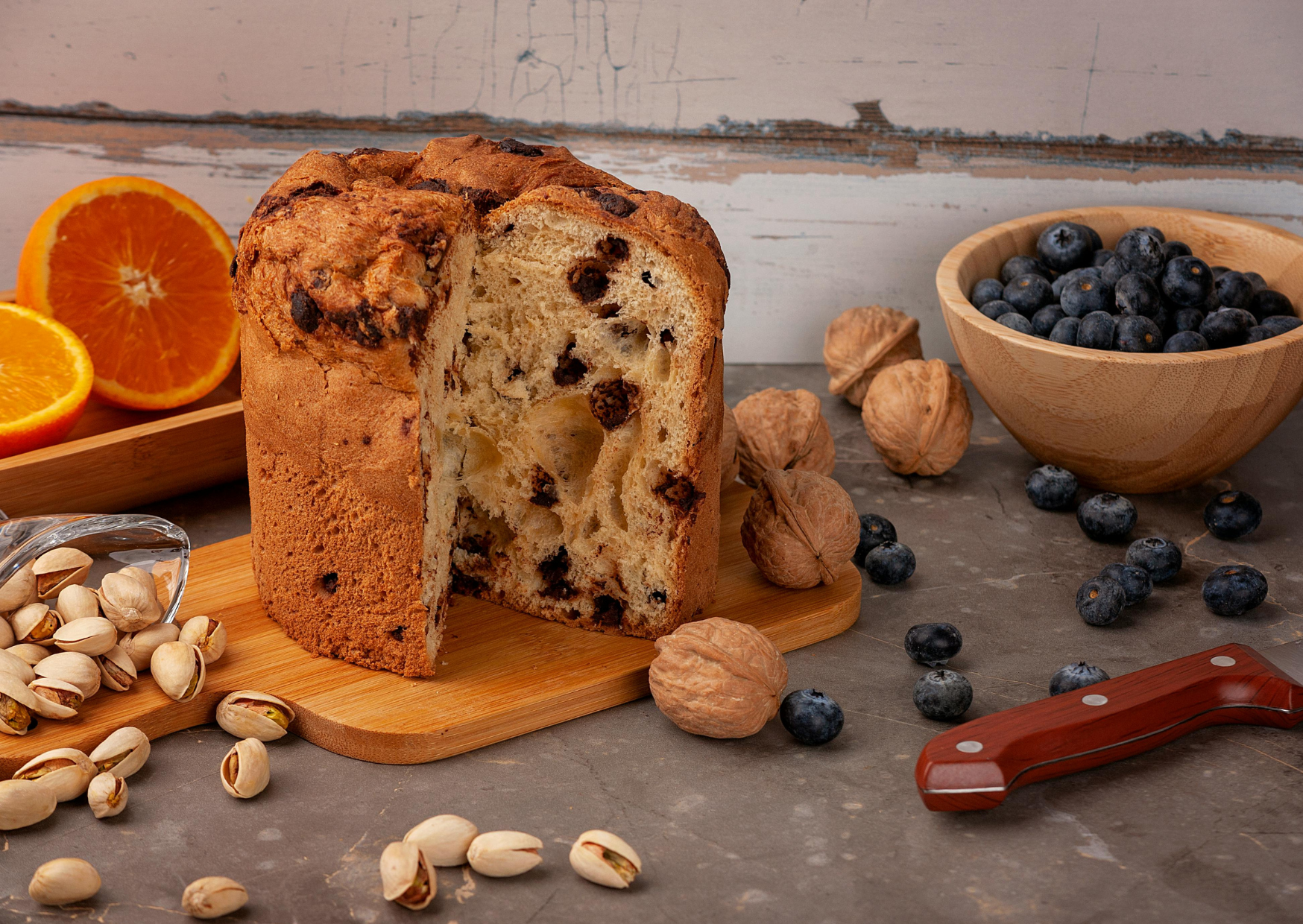
This is the version for a normal morning when you want something fast and honestly a little dramatic.
Servings, timing, storage
- Serves: 3 to 4 (6 thick slices)
- Prep time: 10 minutes
- Active time: 15 minutes
- Rest time: 2 minutes per slice in custard (or less)
- Storage: best fresh, leftovers keep 2 days and reheat well in a pan or oven
Equipment
You do not need anything fancy.
- Shallow bowl or baking dish for custard
- Whisk
- Nonstick pan or well-seasoned skillet
- Spatula
- Optional: thermometer (helpful if you’re nervous about eggs)
Ingredients
For 6 thick slices
- Panettone: 6 slices, about 2.5 cm (1 inch) thick
- Eggs: 3 large
- Whole milk: 180 ml (3/4 cup)
- Heavy cream: 60 ml (1/4 cup)
- Sugar: 10 to 15 g (1 to 1 1/2 tbsp), optional depending on sweetness of loaf
- Vanilla: 1 tsp
- Cinnamon: 1/2 tsp
- Fine salt: a pinch
- Butter: 25 to 30 g (2 tbsp) for the pan
- Optional: orange zest from 1 orange
For serving (choose one or two, don’t go wild):
- Maple syrup or honey
- Powdered sugar
- Yogurt or mascarpone
- Orange segments
- Toasted nuts
If you only add one topping, add something tangy. Panettone is sweet. A little yogurt, citrus, or berries keeps it from tasting like dessert that forgot it’s breakfast.
Method
- Whisk eggs, milk, cream, vanilla, cinnamon, salt, and sugar (if using) until smooth.
- Heat your pan on medium to medium-low. Melt a bit of butter.
- Dip panettone quickly, 5 to 10 seconds per side. If it’s very dry, go up to 20 seconds per side.
- Let excess custard drip off, then place slices in the pan.
- Cook 3 to 4 minutes per side until deep golden. If it browns too fast, lower heat. Color is not doneness.
- Transfer to a plate and rest 2 minutes before serving.
Food safety note: egg-based dishes should be cooked until set, and a common safety target for egg dishes is about 71°C (160°F).
Substitutions that don’t ruin it
- No cream: use all milk. It will be lighter, still good.
- No sugar: skip it entirely if your panettone is sweet.
- Dairy-free: use oat milk plus a spoon of neutral oil in the custard. Not identical, but workable.
- Extra flavor: swap cinnamon for cardamom, or add lemon zest.
The biggest win here is restraint. The slices cook fast. The crust forms fast. You don’t need a long soak. Quick dip, hot pan is the whole technique.
Baked panettone French toast for lazy mornings and houseguests
If you’re feeding people, or you want breakfast without standing at the stove flipping slices like a short-order cook, bake it.
This method is also your best friend when the panettone is very dry or slightly crumbly. Cubes soak more evenly. The oven finishes the center gently. You get a casserole that tastes like a holiday bread pudding but still reads as breakfast.
Servings, timing, storage
- Serves: 8
- Prep time: 15 minutes
- Active time: 15 minutes
- Rest time: 8 hours (overnight soak)
- Bake time: 25 to 35 minutes
- Storage: 3 to 4 days in the fridge, freezes well in slices
Equipment
- Baking dish, about 20 x 20 cm (8 x 8 inch) or similar
- Mixing bowl or jug
- Whisk
- Foil (optional)
Ingredients
- Panettone: 450 to 500 g (about 1 pound), cubed
- Eggs: 4 large
- Whole milk: 480 ml (2 cups)
- Cinnamon: 3/4 tsp
- Nutmeg: a pinch
- Salt: a pinch
- Brown sugar: 2 to 3 tbsp for topping
- Butter: for greasing the dish
Optional add-ins:
- A handful of raisins if your panettone is “plain”
- Chopped toasted almonds
- Orange zest
- A few dark chocolate chips if you like chaos
This baked method, including the overnight soak and 180°C/350°F bake temperature, is a common and well-tested approach.
Method
- Grease your baking dish with butter.
- Add cubed panettone. Spread evenly.
- Whisk eggs, milk, spices, and salt. Pour over bread slowly.
- Press gently so cubes absorb liquid. Cover and refrigerate overnight (at least 8 hours).
- In the morning, heat oven to 180°C (350°F).
- Sprinkle brown sugar over the top for a light crust.
- Bake 25 to 35 minutes until puffed and set. If the top browns too fast, cover loosely with foil.
Serve warm with yogurt, fruit, or a drizzle of syrup. It’s rich. It doesn’t need much.
And yes, this is where timing beats willpower. Overnight soak means zero morning stress. You wake up, bake, and look like a functional adult.
Why this works, and how to avoid soggy sadness
Panettone French toast is easy to mess up in two predictable ways: soggy centers and burnt outsides.
The fix is not extra technique. The fix is controlling absorption and heat.
Soggy center happens when
- The pan is too cool, so the bread steams instead of searing.
- The bread is too fresh and soaked too long.
- The slice is too thick for your heat level.
- You used too much milk and not enough egg.
The solution:
- For slices, dip briefly and cook on medium-low long enough to set the center.
- For very thick slices, finish 3 to 5 minutes in a 170°C (340°F) oven after searing both sides.
- If your custard is very thin, add one extra egg. Egg sets, milk softens.
Burnt outside happens when
- Your pan is too hot.
- Your panettone has lots of sugar or chocolate that caramelizes quickly.
- You used sugar in the custard on top of a sweet loaf.
The solution:
- Lower the heat. Accept slower cooking.
- Skip sugar in the custard if the loaf is sweet.
- Use butter plus a touch of neutral oil to raise the burn point.
The “it falls apart” issue
Panettone is delicate. If it’s crumbling in the custard, it’s telling you something: it wants the baked method.
That’s not failure. That’s adapting.
Food safety in one sentence
Egg dishes should be cooked until set, and a widely used safety target for egg dishes is around 71°C (160°F).
If you don’t use a thermometer, cook until there’s no wet custard in the center when you cut in.
This is also why the baked version is so forgiving. The oven gives you even heat, and the set point is obvious.
The cost reality, and how Europeans keep this from becoming a sugar bomb
Let’s talk money and habit, because this recipe sits right on the line between “smart leftover breakfast” and “dessert pretending to be a meal.”
If you’re in Spain, a basic supermarket panettone is often affordable in December compared to specialty holiday cakes, especially once the post-holiday discounts hit. In the U.S., panettone can be oddly expensive depending on where you buy it. Either way, the math improves once you treat it as multiple breakfasts, not a single holiday novelty.
A rough cost breakdown for the slice version (6 thick slices):
- Panettone: depends wildly, but call it €6 to €15 for a standard loaf, more if artisan
- Eggs and dairy: usually the cheaper part per serving
- Butter and spices: pennies once you already have them
What changes the cost fast is toppings. Maple syrup, mascarpone, fancy berries in December, suddenly you’re at restaurant breakfast pricing.
The more European approach is simple: balance sweetness with something plain and tangy.
- Plain yogurt
- Citrus
- Espresso
- A small handful of nuts
That combination keeps it from feeling like you ate cake for breakfast and then wondered why your afternoon was useless.
If you want the “holiday” feeling without the crash, do this:
- One or two slices of French toast
- A strong coffee
- Fruit on the side
- Water, yes, even if you’re being festive
This is how a lot of households in southern Europe handle sweet breads: they’re part of the table, not the whole table. The sweet thing is not the main character.
The seven-day plan for finishing a panettone without waste
This is the practical part. You bought the loaf. You don’t want to throw it away. You also don’t want to eat sad slices for a week straight.
Here’s a realistic plan that works for a household of two to four.
Day 1: Eat fresh slices normally. Keep it simple.
Day 2: Toast slices lightly and add butter or yogurt. This is the “still good” stage.
Day 3: Make French toast slices. This is the peak use for slightly stale bread.
Day 4: Cube what’s left and prep the baked casserole overnight.
Day 5: Bake the casserole and store leftover slices.
Day 6: Reheat one slice in a pan or toaster oven, and eat it with fruit, not syrup.
Day 7: Freeze remaining slices, or turn cubes into a quick bread pudding-style dessert with milk and chocolate.
If you want extra leftover ideas that aren’t just more sugar:
- Panettone croutons for a fruit salad (toast cubes, toss with citrus)
- A savory experiment if your loaf is mild: toast slices and serve with ricotta and a pinch of salt
- Panettone “mini trifles” with yogurt and berries for a lighter dessert
And if you’re hosting around the holidays, here’s the move that makes you look organized: prep the baked version the night before, then bake it while people wake up. Breakfast that bakes itself is the kind of calm that feels like luxury.
What you’re really choosing when you make this
Panettone French toast is not a life-changing recipe. It’s a small household decision.
You’re choosing not to waste something that went dry. You’re choosing a holiday morning that doesn’t require you to suffer. You’re choosing a sweet breakfast that can still feel balanced if you don’t drown it in syrup and call that tradition.
And you’re also choosing to stop treating “stale” as a problem to hide. In a lot of European kitchens, stale bread is just the next ingredient waiting for its second job.
You can keep forcing dry slices because you feel guilty.
Or you can turn the loaf into something hot, golden, and actually worth sitting down for.
That’s the whole rescue mission.

About the Author: Ruben, co-founder of Gamintraveler.com since 2014, is a seasoned traveler from Spain who has explored over 100 countries since 2009. Known for his extensive travel adventures across South America, Europe, the US, Australia, New Zealand, Asia, and Africa, Ruben combines his passion for adventurous yet sustainable living with his love for cycling, highlighted by his remarkable 5-month bicycle journey from Spain to Norway. He currently resides in Spain, where he continues sharing his travel experiences with his partner, Rachel, and their son, Han.