
And what it reveals about intergenerational living, subtle observation, and a cultural approach to aging that keeps families more prepared
In the United States, awareness of dementia often begins with a crisis.
A missed appointment. A confused phone call. A relative getting lost on the way home. Or a loved one who suddenly can’t remember their own address. The signs may have been there earlier — but they’re often dismissed, or chalked up to aging. And by the time American families act, the disease is no longer subtle.
But across many parts of Europe, especially in Southern and Mediterranean countries, families look for signs of cognitive decline long before a diagnosis. And they do so not through formal screenings or medical appointments, but through a small, daily observation that rarely appears on U.S. checklists.
It happens over morning coffee. During a visit to grandma’s house. While passing through the kitchen or sitting at the lunch table.
They check the order of the home. The way the bed is made. The sequence of the table setting. The rhythm of routine. The absence of what should be there.
Here’s why Europeans catch dementia earlier — and how a quiet, cultural habit of observation helps them spot what Americans often miss until it’s unmistakable.
Want More Deep Dives into Everyday European Culture?
– Why Europeans Walk Everywhere (And Americans Should Too)
– How Europeans Actually Afford Living in Cities Without Six-Figure Salaries
– 9 ‘Luxury’ Items in America That Europeans Consider Basic Necessities
Quick Easy Tips
Track Your Routine Recall: Europeans often monitor subtle lapses in daily habits, like forgetting where they placed items, missing familiar routes, or skipping steps in everyday routines.
Watch Language and Word Choice: Difficulty finding common words or expressing thoughts clearly can be an early cognitive red flag. Europeans—especially in multilingual countries—tend to be more attuned to this.
Prioritize Mental Fitness Like Physical Health: Regular memory games, reading newspapers, and engaging in debates are more integrated into daily life in many European cultures.
Encourage Intergenerational Conversation: Regular family discussions help detect when stories are repeated too often or logic begins to slip.
Notice Personality Shifts: Mood changes, apathy, or sudden irritability may precede memory loss. Europeans often take these shifts seriously rather than dismissing them as stress or aging.
In the U.S., dementia is often spotted too late—when daily life is already significantly impaired. But in Europe, the warning signs are taken more seriously much earlier. This isn’t just because of access to universal healthcare or cultural reverence for the elderly—it’s also because people are more comfortable talking about decline before it becomes taboo.
American culture tends to associate memory loss with shame or weakness. As a result, many ignore the early warning signs, chalking them up to stress or aging until they escalate. In contrast, many Europeans view cognitive health as something to manage proactively, like cholesterol or fitness. They normalize monitoring the mind—not waiting for a crisis to intervene.
This difference in mindset means Europeans are more likely to notice when something’s off—and more empowered to seek early care. The cultural reluctance in the U.S. to confront the realities of aging head-on could be one reason why many Americans miss the window for early diagnosis and effective intervention.
1. They Notice Subtle Disruptions in Daily Rituals
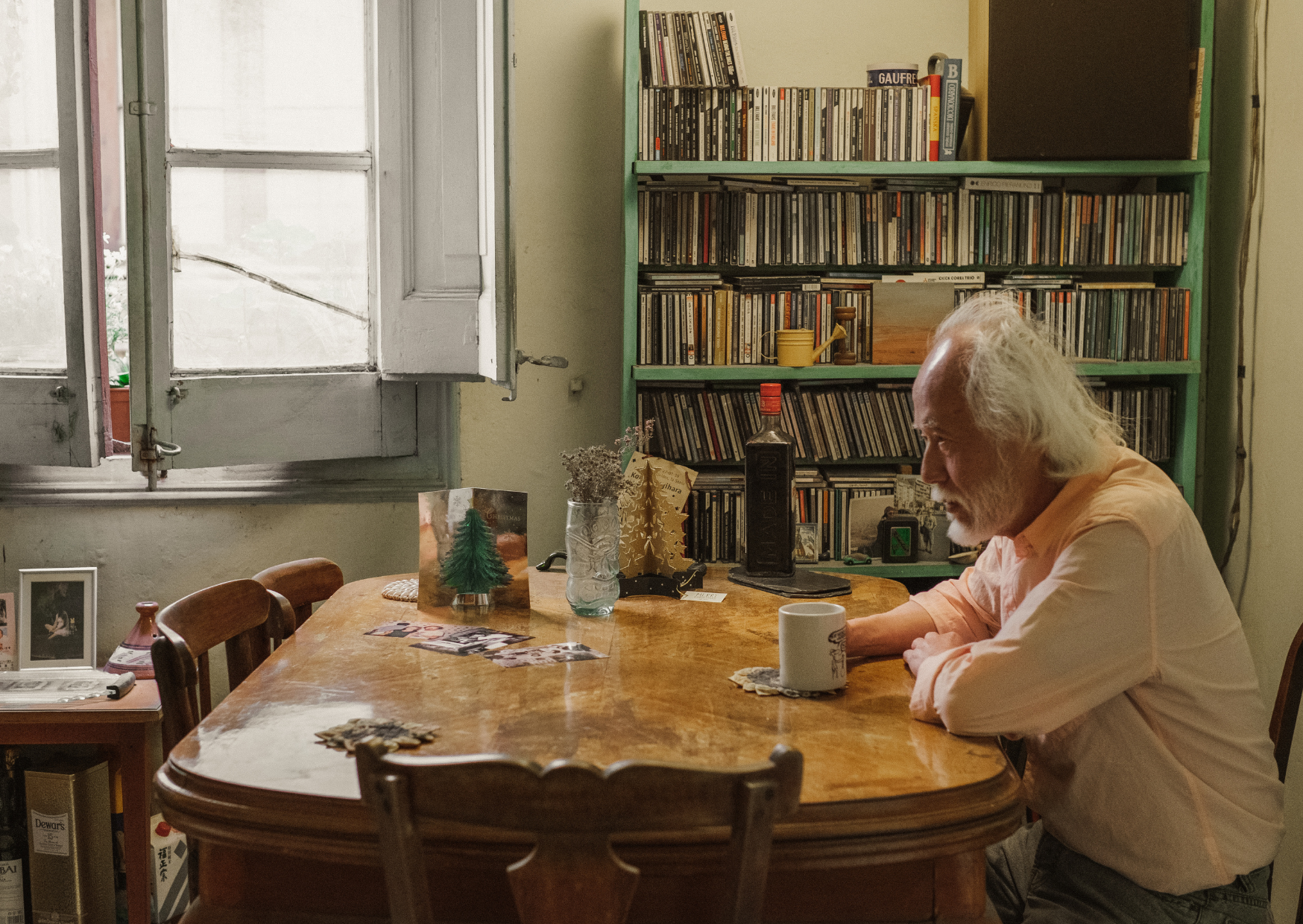
In many European households, particularly in Spain, Italy, and France, older adults have deeply structured routines — not out of compulsion, but tradition.
The bed is made in a certain way. Coffee is brewed at the same time. Lunch is served with specific items, in a predictable order. Shoes are stored where they always go.
So when something small changes — a plate placed upside down, salt missing from the table, the bedsheet not pulled tight — family members notice immediately.
They don’t see it as “just getting older.” They see it as a possible early disruption in cognitive sequencing or memory.
2. Families Live Closer — So Small Changes Are Easier to Spot
In the U.S., many elderly parents live independently, sometimes far from their adult children. Visits are weekly, monthly, or even less frequent. And the signs of decline can be subtle enough to miss between phone calls.
In Europe, it’s more common for families to live in the same building, neighborhood, or even under the same roof.
Grandparents are visited daily. Meals are shared. Errands are run together. And within that closeness, even the smallest changes in behavior or routine become visible.
You don’t need a formal checklist. You just need to be around.
3. The Warning Sign Isn’t Memory Loss — It’s Sequence Confusion

In many American families, memory lapses are considered the main indicator of dementia: forgetting names, birthdays, appointments.
But European caregivers are often trained — informally, through experience — to look for breaks in process rather than content.
Did she add salt before turning on the burner?
Did he set out the coffee pot, but forget to plug it in?
Did she fold the laundry, but leave it in the wrong room?
These aren’t dramatic moments. They’re subtle slips in order and flow — often the first signs of neurological change.
And families who live together notice them before confusion becomes collapse.
4. They’re Not Embarrassed to Talk About It

In the U.S., discussions of memory loss are often delayed. There’s stigma. Fear. A desire to protect pride.
In many parts of Europe, especially in multigenerational homes, forgetfulness is treated more openly.
“¿Te acuerdas?” (Do you remember?)
“Did you already do this?”
“You didn’t add sugar — are you feeling tired today?”
These aren’t accusations. They’re gentle prompts, woven into daily conversation, that help families gauge patterns.
The idea isn’t to shame — it’s to stay present, early, before detachment begins.
5. The Kitchen Is the First Diagnostic Space
In America, doctors often recommend drawing a clock or remembering a list of words. But in Southern Europe, the first informal “tests” happen in the kitchen.
Can grandma still make the family soup?
Does she forget the garlic, or add salt twice?
Does she set the table in the right order?
The kitchen is a cognitive map. It requires memory, sequencing, attention, and muscle memory — and when those skills fade, the signs show up in missing ingredients, burned dishes, or lost steps.
No white coat required. Just a chair at the table and an attentive eye.
6. They Ask About Time Without Asking for a Clock

One of the early signs of dementia is losing a sense of time. Not just what day it is — but when to do things, and in what order.
In many European homes, families listen for temporal confusion:
“I already had lunch,” when the food is still on the table.
“It’s Sunday,” when it’s Thursday.
“Didn’t we go to the store today?” when the fridge is empty.
These aren’t confrontational moments. They’re signposts.
In American culture, this might be brushed off or forgotten. But in Europe, where daily time is shared more often, these small missteps are recorded mentally — as part of a larger pattern.
7. They Don’t Outsource Elderly Attention to Apps or Schedules

In the U.S., early dementia signs are sometimes missed because routines are managed digitally: calendars, reminders, alarms, pill boxes.
But in Europe, older adults are often integrated into daily tasks without tech.
They still shop for bread. Still peel garlic. Still remind grandchildren to bring a sweater. And when those tasks go undone, or get confused, people notice immediately.
Because the body, the hand, the tone — not just the memory — begins to slip.
8. They Trust Intuition Over Documentation
In American health culture, you often need a diagnosis before anyone takes action.
In Europe, families often act before a formal label is applied.
They simplify routines. They adjust visits. They begin helping with small things. They involve the pharmacist. They bring in neighbors. And they do it quietly, instinctively, without waiting for permission.
This early action can prevent bigger spirals — not through medicine, but through presence.
9. They Understand That Memory Isn’t the First to Go — Intuition Is

Perhaps the most powerful difference is this: American families often wait for clear memory gaps.
European families watch for personality shifts. Slight distance. Subtle irritation. Loss of rhythm.
Grandma still remembers your name — but doesn’t laugh at the same joke.
Dad still knows his phone number — but forgets the punchline of his favorite story.
An uncle who always brings the wine forgets the glasses.
It’s not forgetfulness. It’s a fraying of texture. Of energy. Of the invisible links between presence and familiarity.
And in Spain, in Italy, in parts of France, families see it — because they’ve been trained to live with their elders, not just care for them from afar.
One Mind, Two Approaches

To American families, dementia is often seen only when it disrupts.
To European families, dementia begins when something small goes quiet.
In the U.S., the signs are missed because we’re not watching.
In Europe, they’re caught because people are close enough — physically, emotionally, culturally — to notice when something feels off.
It’s not about tests. It’s about knowing how someone moves through a room, and when that movement changes.
So if you want to understand how dementia begins, don’t wait for the dramatic signs.
Sit down. Watch the hands. Watch the order of things. And listen.
Not for what’s said — but for what’s forgotten in the space between the usual steps.
Dementia doesn’t arrive overnight. It whispers before it shouts. While no one wants to dwell on worst-case scenarios, adopting a European mindset toward cognitive health could mean earlier detection and better long-term outcomes. It starts with awareness—small memory lapses, subtle language hiccups, or minor changes in behavior can all be signs worth noticing.

About the Author: Ruben, co-founder of Gamintraveler.com since 2014, is a seasoned traveler from Spain who has explored over 100 countries since 2009. Known for his extensive travel adventures across South America, Europe, the US, Australia, New Zealand, Asia, and Africa, Ruben combines his passion for adventurous yet sustainable living with his love for cycling, highlighted by his remarkable 5-month bicycle journey from Spain to Norway. He currently resides in Spain, where he continues sharing his travel experiences with his partner, Rachel, and their son, Han.