
Steam fogs the bakery window, a rack of country loaves crackles, and the flour on the counter is just…flour. No extra powders to bleach it whiter, no boosters to bully the dough higher. In much of Europe, bread is still built the old way.
You hear the claims every few months: Americans are eating chemicals that Europe banned decades ago, especially in bread. Some of that chatter is messy or exaggerated. The core point, though, is solid. Beginning in 1990 and rolling forward through the 1990s, European regulators and national governments locked out a handful of flour treatment agents and flour-bleaching chemicals that U.S. industrial baking still uses in pockets. If you grew up on supermarket loaves in the States, you have probably tasted at least one of them.
This is a clear, practical map of the five big ones: what each ingredient does in American doughs, why Europe banned it, what replaced it, and how to read a label on either side of the Atlantic without turning grocery runs into homework. We will also decode the policy logic that makes a baguette in Lyon and a bagged sandwich loaf in Phoenix live under different rules, plus a no-drama playbook for choosing bread that lines up with your preferences wherever you live.
Want More Deep Dives into Everyday European Culture?
– Why Europeans Walk Everywhere (And Americans Should Too)
– How Europeans Actually Afford Living in Cities Without Six-Figure Salaries
– 9 ‘Luxury’ Items in America That Europeans Consider Basic Necessities
A Quick Picture Of The Rulebook
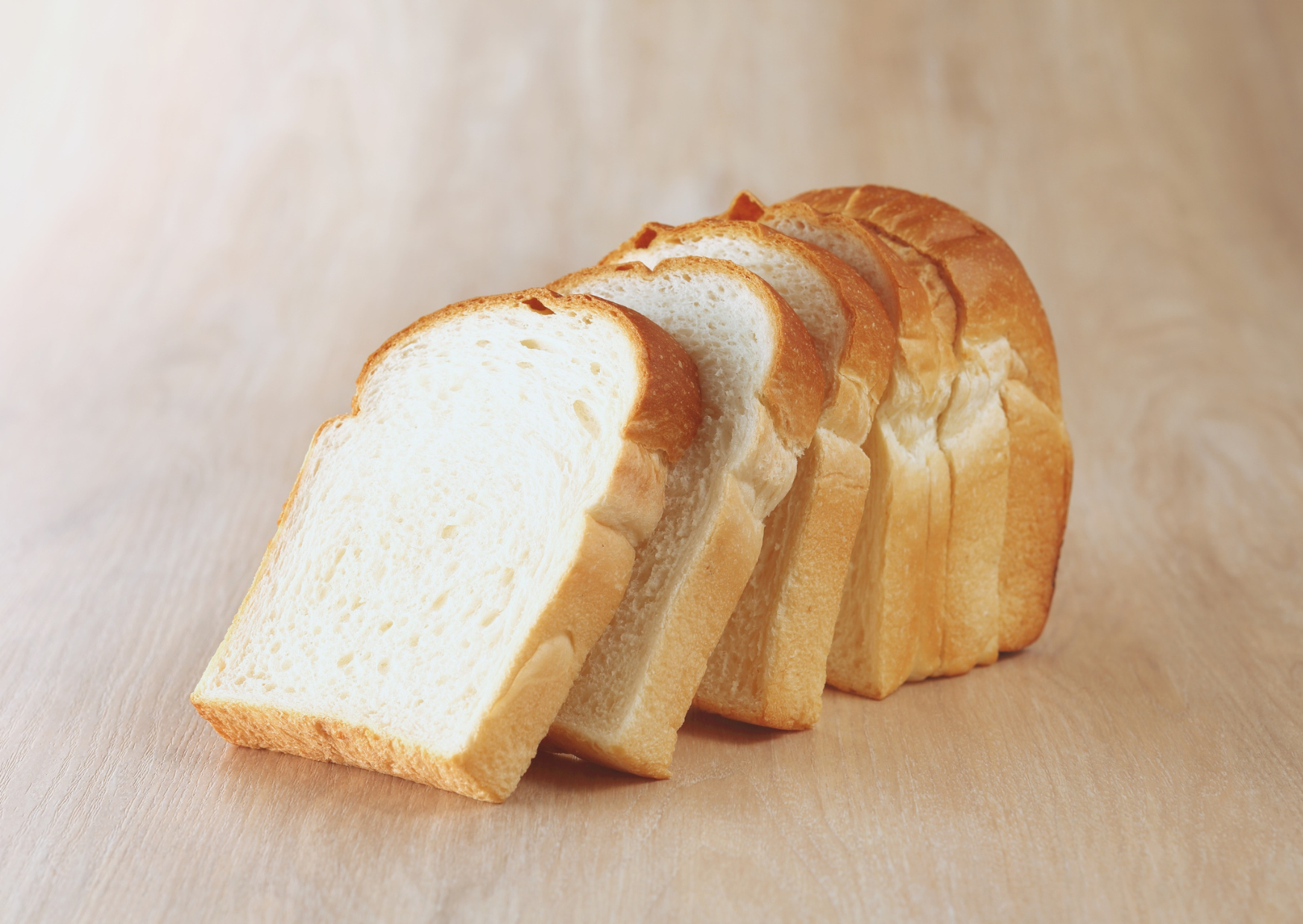
Europe regulates additives by listing what is allowed and where. If a substance is not on the Union list for a given use, it is off the table. That approach, plus country-level moves in the early 1990s, took aim at a small group of flour improvers and bleaching agents tied to cancer signals, excessive iodine intake, or simply unnecessary processing. In practice, that means a Paris boulanger and a Berlin supermarket buyer can’t legally use certain U.S. standby ingredients in flour at all. The United Kingdom, while no longer in the EU, still mirrors those bans through its own bread and flour regulations.
On the U.S. side, the Food and Drug Administration historically approved several of these ingredients for specific uses and limits. Some have faded from mainstream brands thanks to consumer pressure and state action, but they remain part of the American playbook in industrial baking and foodservice.
Keep that frame in mind as we walk the list.
Ingredient #1: Potassium Bromate

What it does in U.S. bread. Potassium bromate stiffens and strengthens dough and helps bread rise higher with a whiter crumb. It was a go-to “insurance policy” for high-speed production lines because it evens out weaker flours and rough handling.
What Europe did. The United Kingdom banned potassium bromate as a flour improver in 1990, and the broader European position classifies bromate as not permitted in flour treatment. That date matters: it’s the anchor year when the continental shift away from bromate became the norm. Since then, countries from Canada to India have followed with their own prohibitions.
Why. Toxicology work over decades raised red flags, and by the late 1980s regulators had enough to act on a precautionary basis. The bottom line in Europe: bakers must find other ways to strengthen dough.
What replaced it in practice. Stronger base flours, longer fermentation, ascorbic acid in controlled doses, enzymes tailored to the wheat crop, and gentler mixing. In other words, process and quality in place of a chemical safety net.
How to spot it. In the U.S., look for “potassium bromate,” “bromated flour,” or “bromate” on ingredient lines. If you see “unbromated flour,” that is the signal that a brand knows you are checking.
Ingredient #2: Azodicarbonamide (ADA)
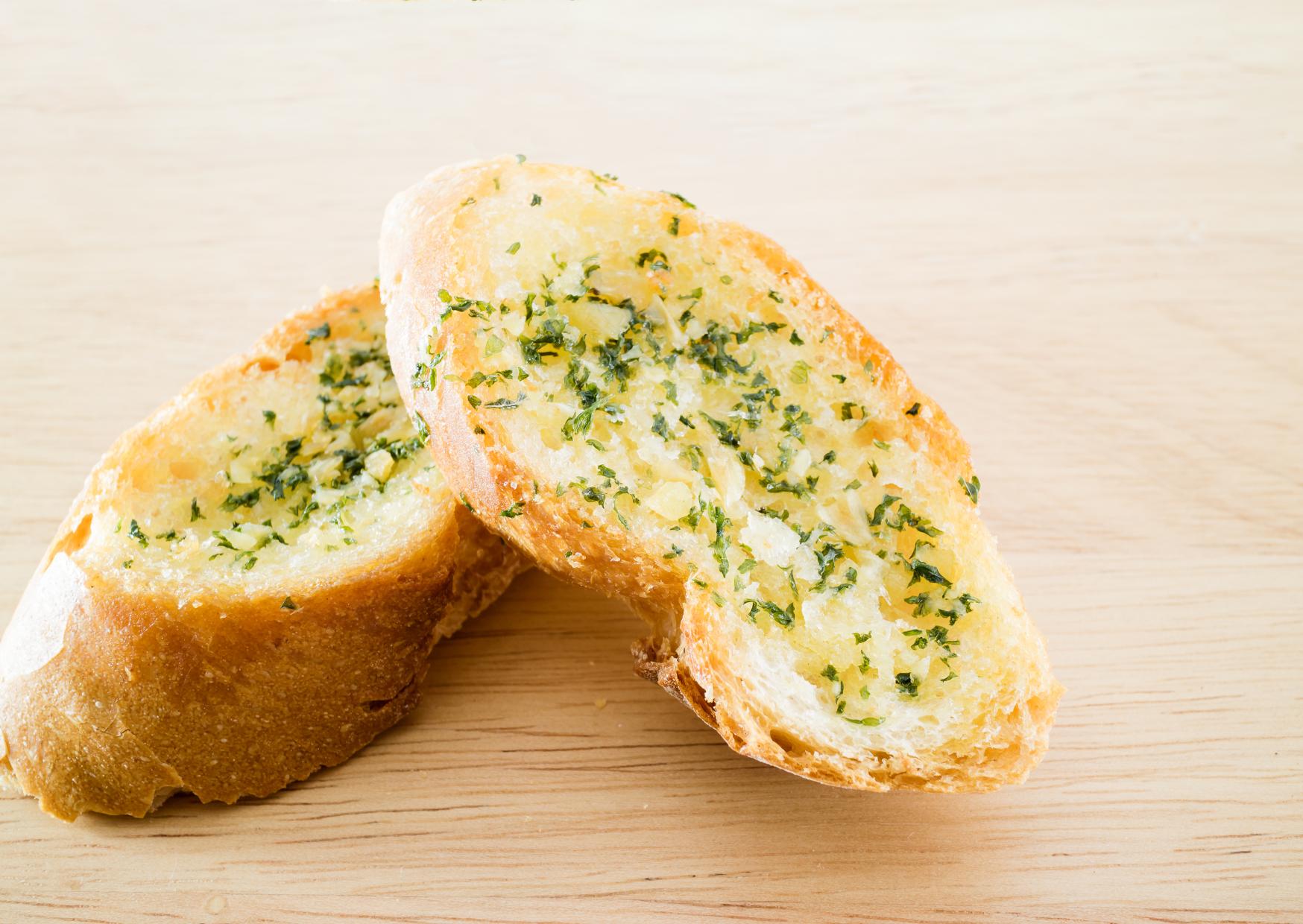
What it does in U.S. bread. ADA is a flour bleaching agent and dough conditioner. It whitens flour and pushes dough toward faster, more uniform handling. If you remember the “yoga mat chemical” headlines, that was ADA.
What Europe did. Europe does not authorise azodicarbonamide as a food additive. It is absent from the EU list for flour treatment, and European submissions to Codex explicitly state that ADA is not permitted. The compound has also been restricted in food-contact plastics in the EU for years.
Why. The problem is not yoga mats. It is chemistry. When ADA is used in dough, it breaks down into other compounds, including semicarbazide, which has shown carcinogenic activity in animals. European regulators chose a conservative route: if bread can be made without ADA, do that.
What replaced it in practice. Natural aging of flour, ascorbic acid, targeted enzymes, and milling choices. Cake and biscuit makers in Europe reformulated decades ago.
How to spot it. U.S. labels may list “azodicarbonamide,” “ADA,” or “E927a” in older technical documents. Many national chains removed ADA after public criticism, but smaller industrial products can still contain it.
Ingredient #3: Potassium Iodate
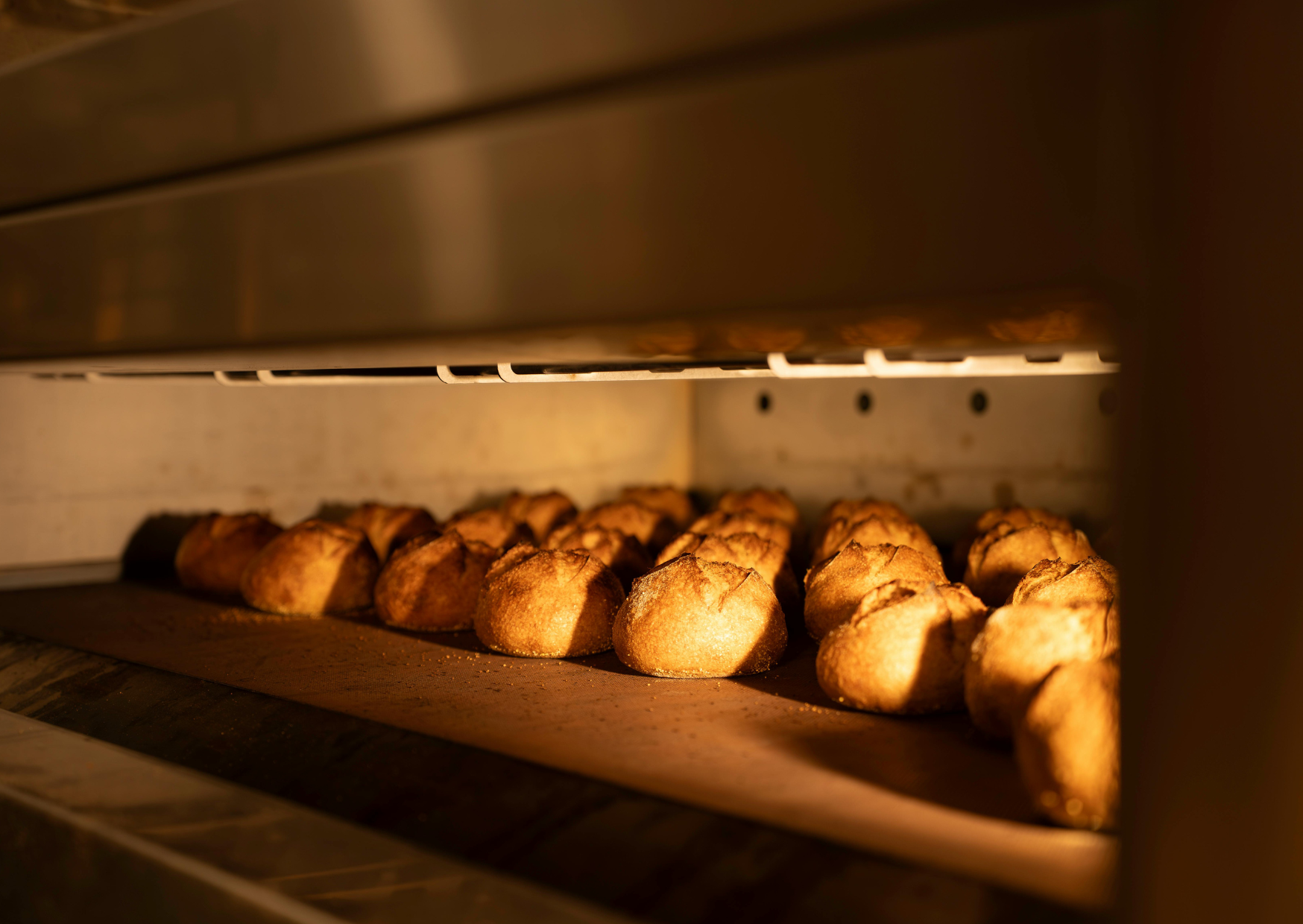
What it does in U.S. bread. Potassium iodate has been used as a flour treatment agent and dough strengthener. In some countries it also serves as an iodine source. In American practice it shows up mostly as a processing aid to help weaker flours behave.
What Europe did. European authorities long ago moved against iodate in flour. The World Health Organization’s expert committee flagged potassium iodate as not recommended for flour treatment as far back as 1965 because bread fortification risks excessive iodine intake. European legislation and national rules followed that logic, routing iodine to iodised salt rather than dough conditioners. As a result, iodate is not an approved flour improver in EU breadmaking.
Why. Iodine is essential, but the dose window is narrow. Bread is eaten daily in high volumes. Regulators judged that using iodate as a flour improver could push populations above safe iodine intake, especially when combined with iodised salt, dairy, and seafood.
What replaced it in practice. Europe manages iodine through salt policies and nutrition programs, not through flour treatment agents. Dough strength comes from flour selection, fermentation, and non-iodine conditioners.
How to spot it. U.S. labels may list “potassium iodate.” If you see it on a bread or roll, that is a uniquely American artifact. In Europe you will not find it on a bread label as a processing aid.
Ingredient #4: Chlorine Dioxide And Other Flour-Bleaching Gases
What they do in U.S. flour. Gas bleaching with chlorine or chlorine dioxide whitens flour quickly and alters baking behavior, especially for very tender cakes and cookies. In the U.S., chlorinated cake flour is a thing; for bread, these agents are part of the historical toolkit to standardize mass flour.
What Europe did. The EU does not allow flour bleaching with chlorine compounds. The UK barred chlorinated flours in the late 1990s, and the EU regime lists permitted additives by function without authorising chlorine gas or chlorine dioxide as flour treatment. In short, bleaching flour with chlorine compounds is off the table in European bread.
Why. Aside from cosmetic whitening, the case for gas bleaching never outweighed the regulatory headaches. European bakers do not need it to make consistent bread, and risk assessments around chlorine treatments in food contexts hardened policy against them.
What replaced it in practice. Natural aging of flour and improved milling. For cakes and biscuits, European producers use formulation and process, not chlorine, to dial texture.
How to spot it. U.S. flour marketed to home bakers will say “bleached” if chemical bleaching was used. In Europe you simply won’t find “bleached flour” on market shelves because the practice is effectively banned.
Ingredient #5: Peroxide Bleaches (Benzoyl Peroxide, Calcium Peroxide)
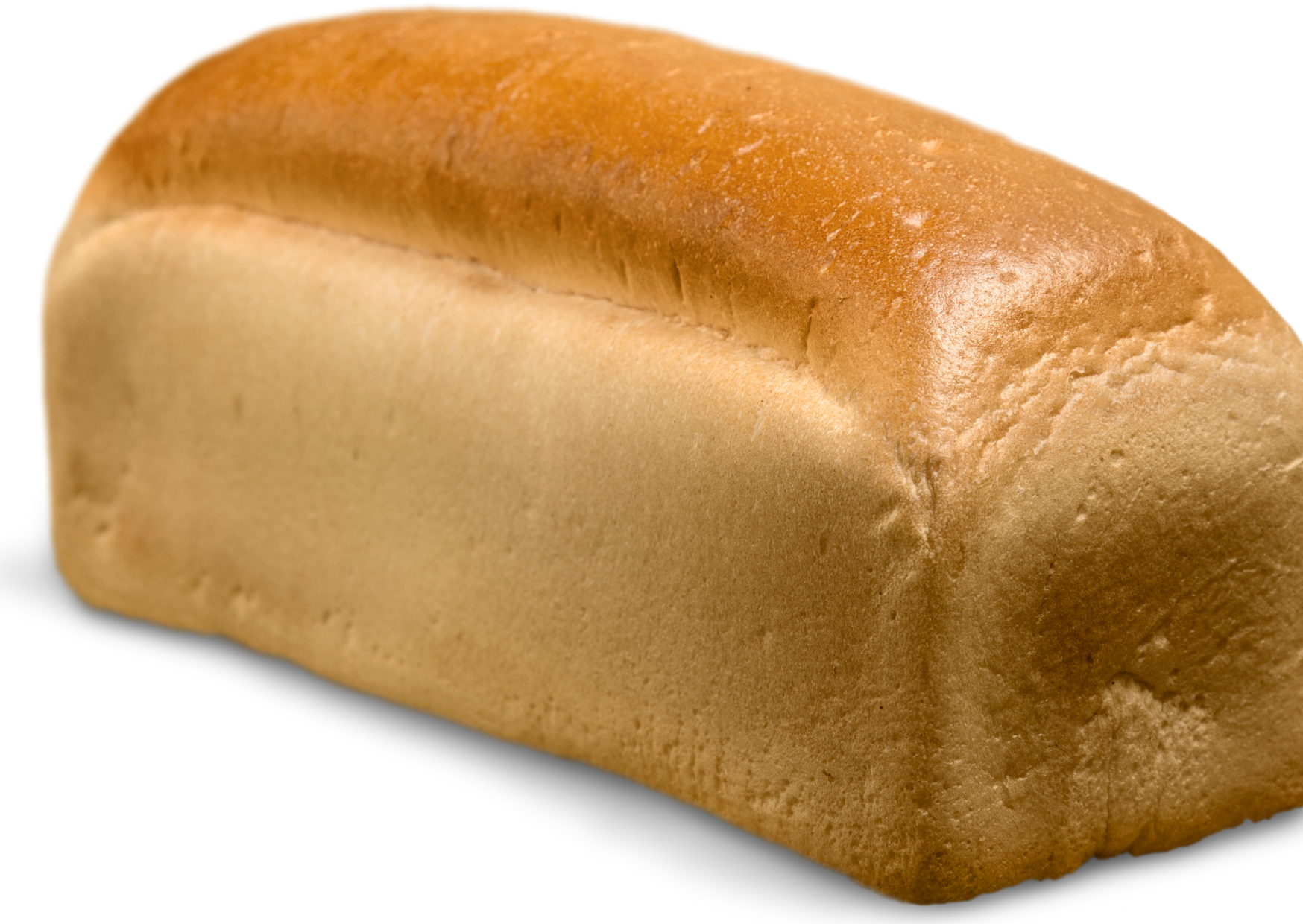
What they do in U.S. flour. Organic peroxides, especially benzoyl peroxide, are classic chemical flour bleaches. Calcium peroxide doubles as a dough oxidiser in some U.S. formulas. They whiten flour and firm up gluten networks for machine handling.
What Europe did. The EU does not permit peroxide flour bleaching. As with chlorine compounds, these agents do not appear as authorised flour treatment additives in EU legislation, and UK bread regulations reflect the same stance. Many European overviews simply say it plainly: peroxides are not allowed for bleaching flour.
Why. Whitening flour was never a public-health necessity, and oxidising agents that alter dough structure are easy to replace with time, milling, and modern enzymes. Regulators opted to avoid the chemistry and the residuals entirely.
What replaced it in practice. Patience. Unbleached flour ages naturally in storage. Mills blend streams to deliver a bright, stable flour without chemical whitening. Bakers get consistency through fermentation and proper mixing rather than a bottle of oxidiser.
How to spot it. In the U.S., “bleached flour” is the tip-off; benzoyl peroxide is often the bleaching step. In Europe the packaging will simply say “wheat flour” or “soft wheat flour,” with enrichment where required by law, but no bleaching.
Why Two Systems Made Two Very Different Breads
It is tempting to frame this as “Europe good, America bad.” The reality is more boring and more useful.
Europe designs for daily bread. Lawmakers assumed people would eat a lot of bread every day. That pushes risk management toward long-run exposure math. If an additive is not necessary to feed the continent or protect safety, and if there is any toxicity shadow or population-level risk, policymakers ask bakers to do without.
The U.S. optimised for manufacturing speed and crop variability. Between longer supply chains, highly automated lines, and a patchwork of wheat quality, American industry adopted oxidisers and improvers to make dough behave predictably at scale. Regulators approved several of those tools within limits. Consumer pressure has rolled some of them back, but the rulebook still permits more than Europe does.
Both get to consistency. Europe leans on milling, enzymes, and time. The U.S. often leans on processing aids and faster throughput. Either path can make safe, tasty bread. The difference is what is on the line list.
Pitfalls Most People Hit When Comparing
Mixing up “fortification” with “flour treatment.” Iodine in salt and iron in flour are about nutrition policy. Flour treatment agents like bromate or iodate are about dough behavior. Europe channels iodine through salt precisely to avoid overdoing it in bread.
Assuming every U.S. loaf uses every additive. Many American brands proudly use unbleached, unbromated flour and have for years. The rules allow the additives. They do not require them.
Treating “bleached” as a health warning all by itself. Bleached flour is a process flag, not a diagnosis. If avoiding bleaching matters to you, buy unbleached. If you are baking cake layers from a recipe written for bleached flour, texture will change if you substitute. That is a baking point, not a safety verdict.
Believing none of this changed since 1990. The anchor year is real for bromate bans, but the landscape keeps moving. Europe has tightened total-price and labelling rules, the U.S. has begun revisiting several additives, and big chains have quietly reformulated.
How To Read A Label Like A Pro
In the U.S.:
- Scan for “bromated flour,” “potassium bromate,” or “bromate.” If you see them, that product uses the old insurance policy.
- Look for “bleached flour.” If present, flour was chemically whitened, often with benzoyl peroxide.
- Hunt for “azodicarbonamide” or “ADA.” It is less common than a decade ago, but still appears in some high-speed products.
- “Potassium iodate” on a bread label is rare but not unheard of. If avoiding iodate specifically matters to you, this is the string to search.
In the EU/UK:
- Expect “wheat flour” plus any required fortification for local law. You should not see bromate, ADA, chlorine dioxide, or peroxide bleaching agents listed for bread.
- If you do see a long line list, it is usually emulsifiers, enzymes, or seeds and inclusions, not the banned flour conditioners above.
What Bakers Actually Do Instead
Talk to European millers and bakers and you will hear the same three answers for consistency without those five ingredients.
Start with the grain. Mills blend wheat varieties and adjust extraction to build a flour that behaves. That is the opposite of trying to fix randomness with a late-stage chemical.
Give it time. A simple rest can replace both bleaching and aggressive oxidation. Flour naturally “matures,” improving dough strength and color without additives.
Use targeted enzymes and ascorbic acid. Enzymes tailor dough performance to the crop at tiny doses. Ascorbic acid, used responsibly, acts as a gentle oxidiser without the toxicology baggage of bromate.
Regional And Seasonal Context That Changes The Conversation
Crop years matter. In weak wheat years, industrial bakers everywhere reach for tools. Europe leans on enzymes and fermentation. The U.S. has historically layered in stronger oxidisers. Expect the public debate to flare in those years.
Retail code matters. A rustic bakery in Portland and a supermarket factory in Poland both want soft, sliceable sandwich bread at scale. The European plant reformulates inside the EU rulebook. The U.S. plant picks from a wider chemical shelf unless brand guidelines say otherwise.
Policy keeps evolving. Europe has tightened additive lists over time and polices claims more aggressively. The U.S. is reopening files on several additives across categories. California and other states have become de facto national policy labs with additive laws that brands often choose to meet nationwide.
If You’re Running The Numbers
For a family eating bread daily, the switch from a typical U.S. industrial loaf with bleached flour to an unbleached, unbromated brand changes two things more than any others:
Baking behavior. Unbleached flour absorbs water and develops gluten differently, which can change softness and loft in packaged loaves. Brands handle this with enzymes, mixing tweaks, and slightly longer fermentation. If you bake at home, you may notice you need a small hydration adjustment when shifting recipes written for bleached flour.
Shelf life and texture. Strong oxidisers and some dough conditioners help machine slicing and delay staling at room temperature. Without them, bakers lean harder on process and packaging. The tradeoff you will feel is that a loaf made with a slower process tastes better on day one and two but is less engineered to be pillow-soft a week later. Freezing sliced bread becomes the pro move if you like that fresher profile without waste.
In short, the cost delta is small at the register and large in how the loaf handles. If you care most about short ingredient lines or you want European-style crumb and flavor, the shift is worth it. If you care most about week-long softness, you can still get there without the five banned ingredients, but it takes craft and good packaging.
A Simple Playbook Wherever You Live
- Pick your priority. If your goal is “as European as possible,” choose loaves that call out unbleached, unbromated flour and skip ADA on the label. Sourdough and long-fermentation breads fit that bill by default.
- Shop the baker, not the slogan. Independents and premium supermarket lines in the U.S. routinely meet a stricter standard than the law requires. In Europe, even value lines comply with the bans because they have to.
- Bake once, freeze twice. If softness across a week is your hurdle, slice, freeze, and toast. That workflow beats chemistry for most households.
- Know your exceptions. Specialty buns and ultra-soft products are where you are most likely to find aggressive conditioners in the U.S. If those are weekly staples, look for brands that advertise the absence of bromate and ADA and use unbleached flour.
The Takeaway
If you stand inside a Lisbon bakery at dawn, there is no tug-of-war between bleaches, oxidisers, and the dough. The flour is milled for purpose, the dough is given time, and the oven does the last bit of work. That is a policy choice as much as a culinary one. Europe decided, starting in 1990, that a handful of bread-specific chemicals did not belong in daily loaves. The U.S. left more options on the table and let the market sort it out.
You do not need to memorize regulation numbers to eat the way you prefer. Remember the five names, scan a label, and reward the bakers doing it the slow way. The rest takes care of itself.

About the Author: Ruben, co-founder of Gamintraveler.com since 2014, is a seasoned traveler from Spain who has explored over 100 countries since 2009. Known for his extensive travel adventures across South America, Europe, the US, Australia, New Zealand, Asia, and Africa, Ruben combines his passion for adventurous yet sustainable living with his love for cycling, highlighted by his remarkable 5-month bicycle journey from Spain to Norway. He currently resides in Spain, where he continues sharing his travel experiences with his partner, Rachel, and their son, Han.