
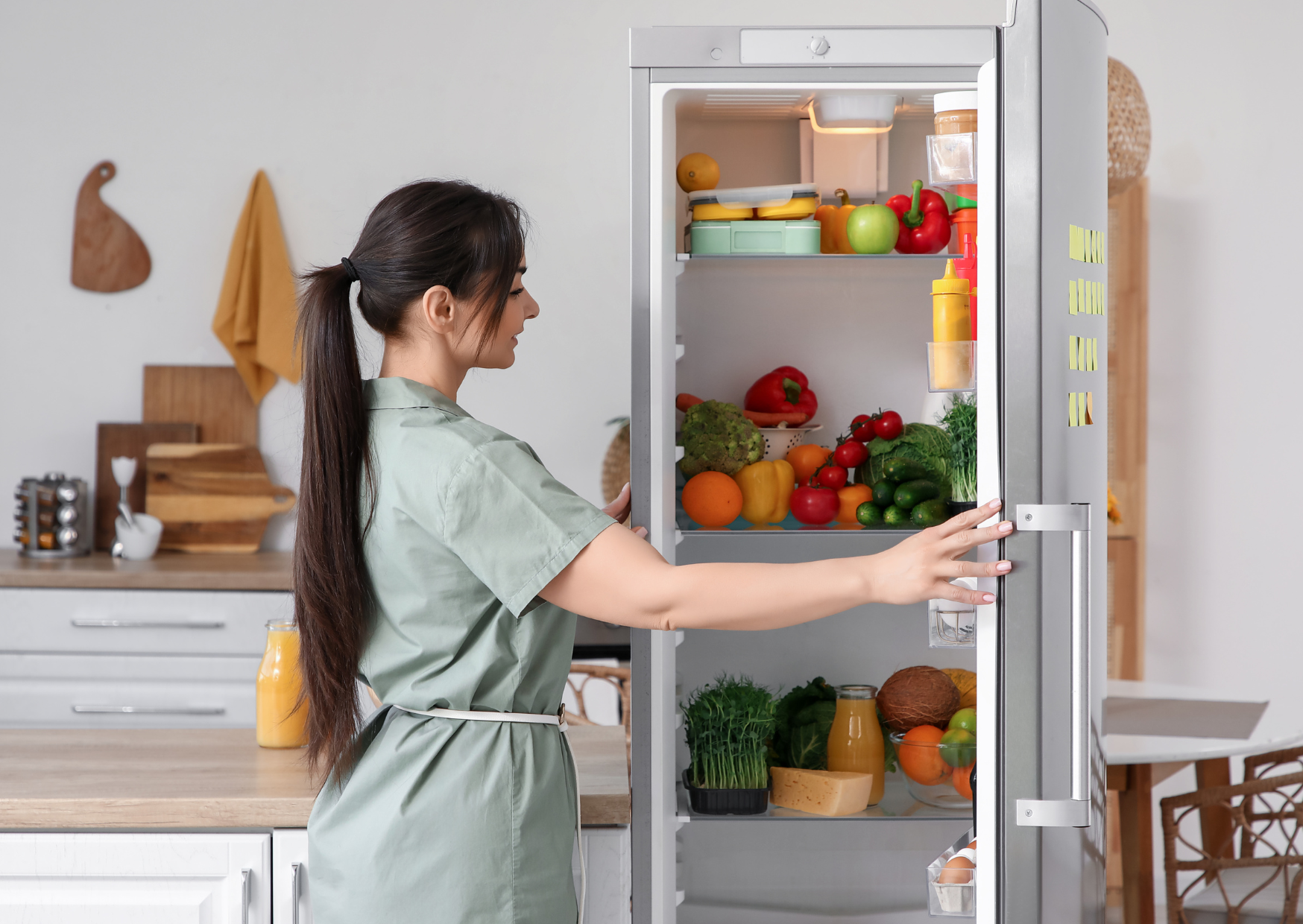
I copied the boring, very European habit I kept seeing in neighbors’ kitchens here in Spain: stop stuffing everything in the fridge. Not as a stunt. As a storage reset. For 30 days I moved a short list of foods to the pantry or counter, stored them the way locals actually do, and adjusted how I cooked because of it. By day 18 my daily bloat was gone, the afternoon acid burps disappeared, and bathroom rhythm normalized for the first time in months. I did not buy supplements. I did not start a new diet. I changed where food rests before it meets a pan.
This is the exact list, the science that matters, and the weekly routine that kept it safe and simple. I am not asking you to be European. I am asking you to let food behave like food so your digestion stops fighting packaging habits.
What I took out of the fridge, and why this isn’t reckless
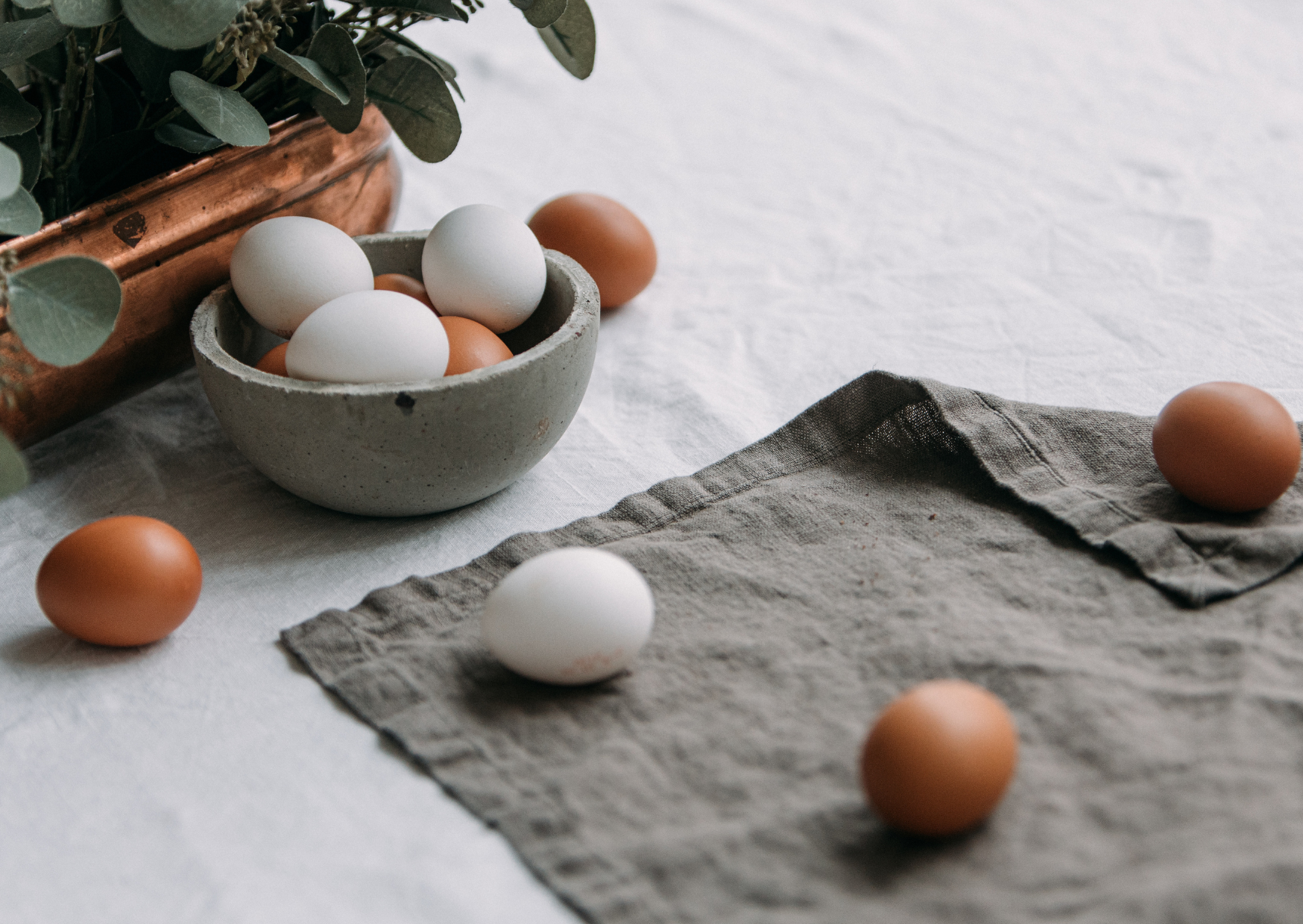
I didn’t “raw dog” food safety. I followed European storage norms that are printed on shelves and taught by grandmothers. My list:
- Eggs at room temperature (cool kitchen shelf), because Class A eggs in the EU aren’t washed, so the protective cuticle stays intact and the law even says don’t chill them below 5°C before sale. In the U.S., eggs are washed, which removes that cuticle, so supermarkets refrigerate them and you should keep doing that there. Different systems, different rules. The principle is consistency, not heroics.
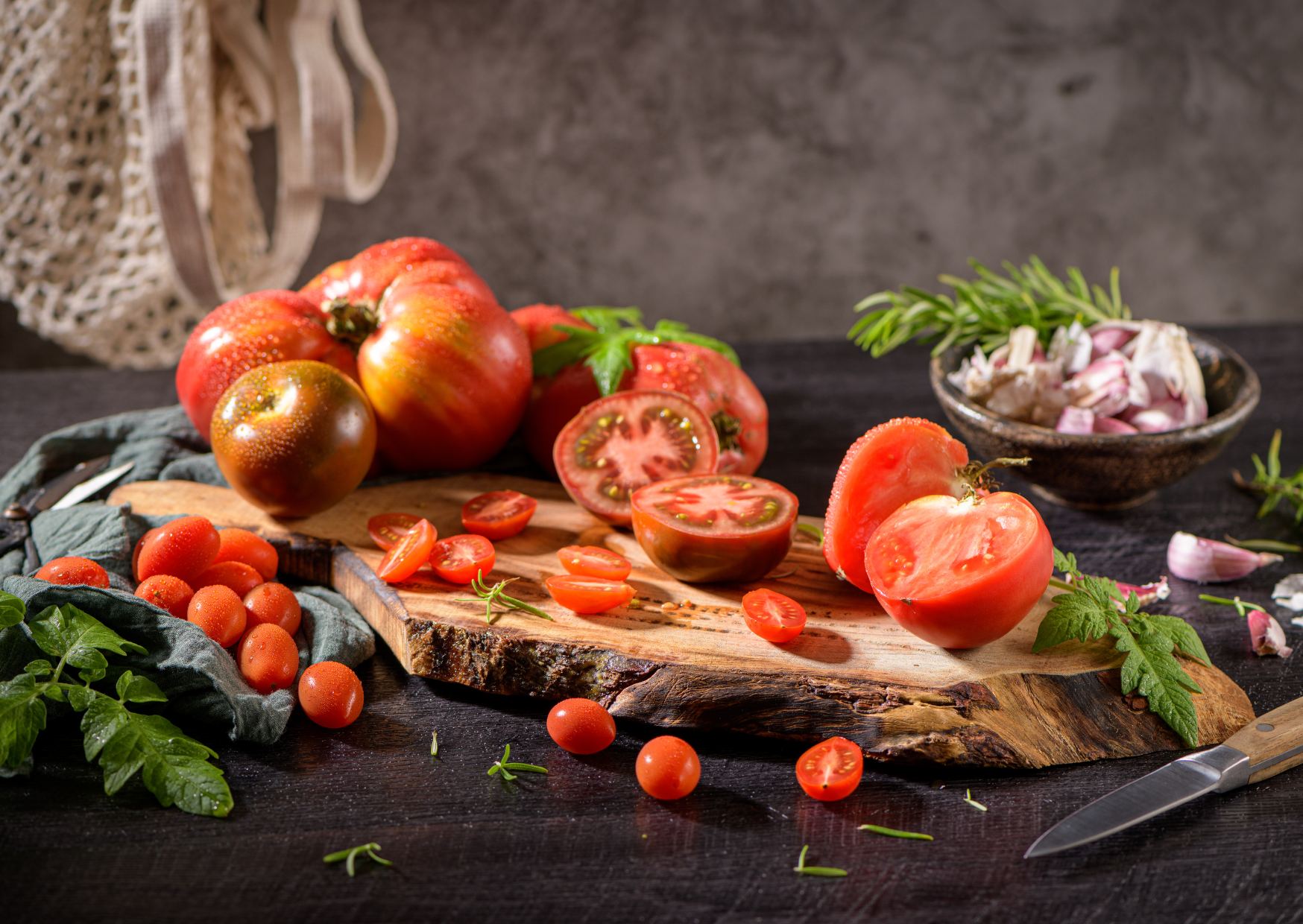
- Tomatoes on the counter. Cold dulls aroma compounds and the fruit tastes like a polite memory of itself. Keeping them out of the fridge meant I ate them riper, made sauce more often, and stopped drowning salads in dressing to fake flavor.
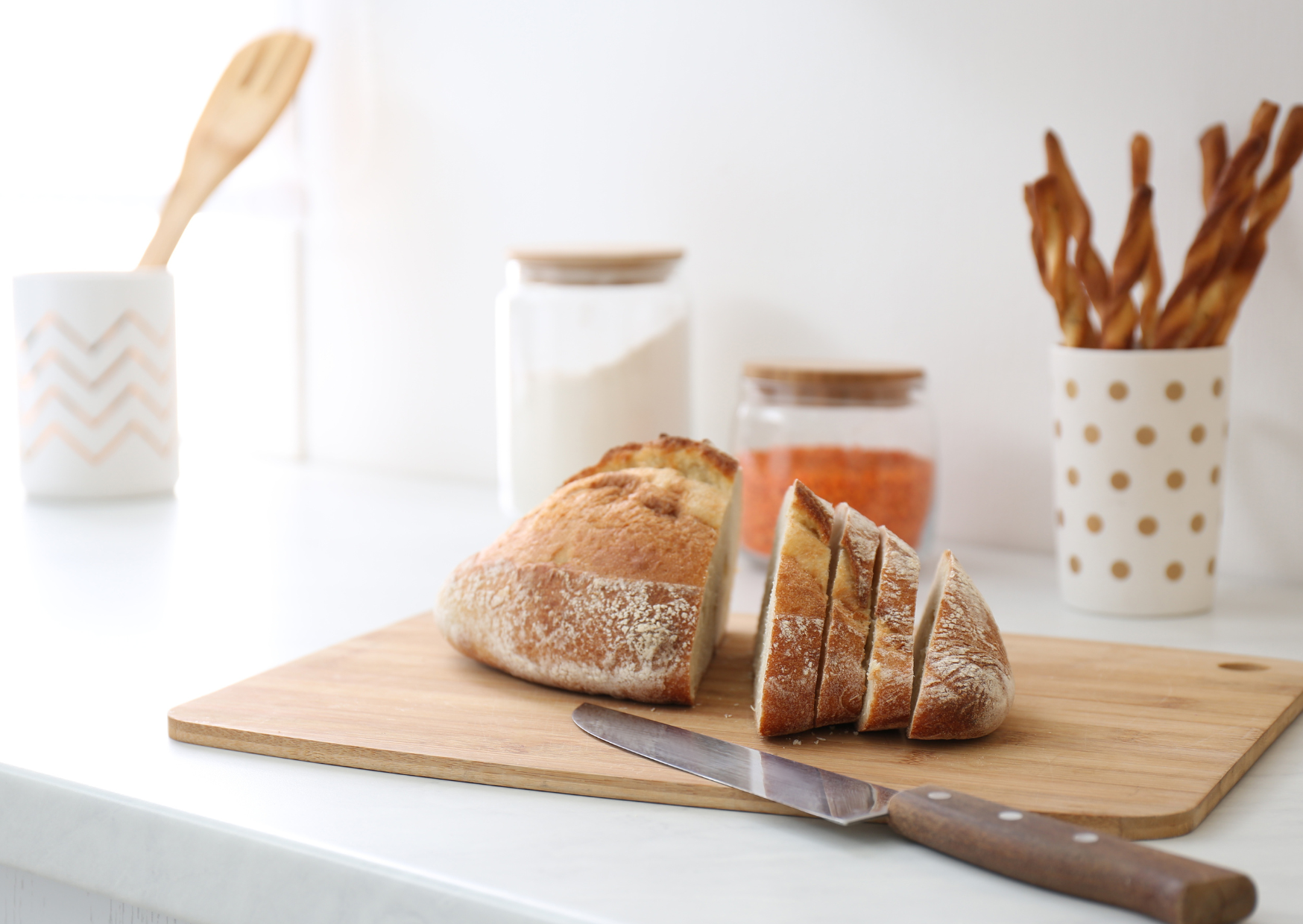
- Bread on the counter or in the freezer, never the fridge. Refrigeration accelerates starch retrogradation, which is the fancy way to say “it goes stale fast and tastes dead.” Freezing pauses that process; a hot oven revives the crust. Room temp or frozen, not cold.
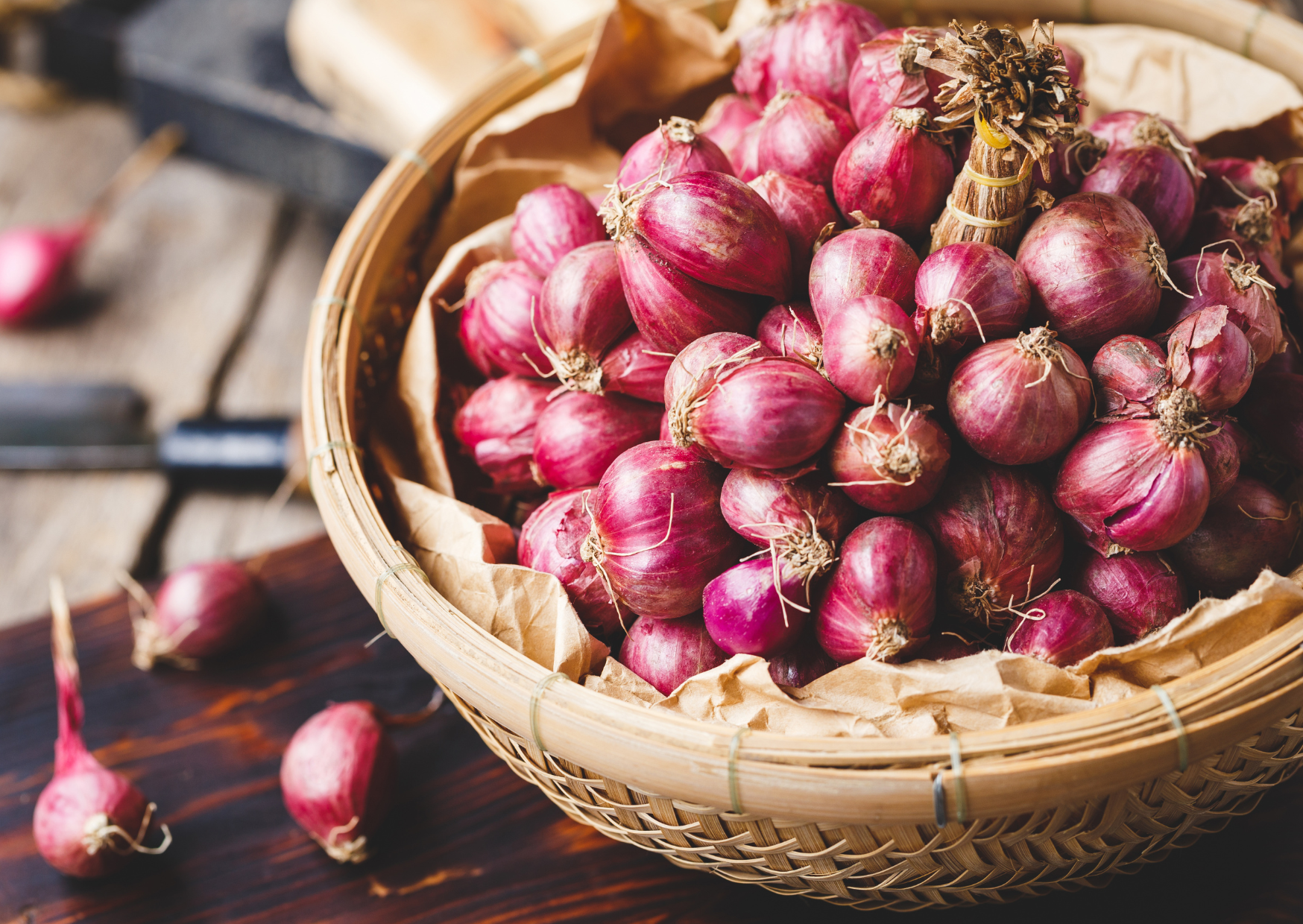
- Onions and garlic in a cool, dry, ventilated spot. Cold, humid fridges make onions mushy and push garlic to sprout, which ruins flavor and texture. Mesh bags, a basket, air around them. Cut pieces go in the fridge, tightly covered, because we live in the real world.
- Potatoes mostly in the pantry. In Spain we roast, boil, or mash them more than deep-fry them, so “cold sweetening” was not a problem. Note: the UK food authority now says fridge storage can be fine and does not necessarily raise acrylamide risk, but if you plan to fry at high heat, room-temp storage still makes sense. Use your cooking plan to decide.
- Olive oil in a dark cupboard. Cold clouds it and light oxidizes it. The International Olive Council literally says keep it away from light and heat and use opened bottles within a few months. Buy smaller bottles, more often.
Short rule: store for flavor and texture, cook sooner, and you’ll eat fresher. The fridge remains for dairy after opening, cooked leftovers, meats, open sauces, and cut produce. We are optimizing, not auditioning for a reality show.
Why my gut calmed down when I changed storage
Two quiet mechanisms did most of the work.
- Riper food, less compensation
Tomatoes kept at room temperature retain flavor volatiles that chilling harms. When the base tastes like itself, you use less sugar, less acid, and fewer heavy sauces, which means less late-day reflux and fewer mystery ingredients. Better base flavor reduces digestive noise. - Starch that behaves like food, not rubber
Refrigerated bread stales three times faster because of starch retrogradation, so you chew more for less reward and chase satisfaction with snacks. Counter or freezer storage kept bread honest, I ate one slice instead of three, and afternoon bloat vanished. Texture that satisfies means smaller portions without speeches.
Add the pantry onions and garlic, which kept their bite and didn’t turn swampy, and dinners turned into olive oil, ripe veg, bread that actually tastes like bread. Fewer additives, fewer “fixes,” calmer evenings.
The four-week timeline and the numbers that moved
I tracked symptoms, not just vibes. One line each night, scale twice weekly, tape once a week.
- Bloating episodes: from 6–7 days per week to 1–2 by week three.
- Acid burps: from daily to twice in the final two weeks, both after late restaurant dinners.
- Bathroom rhythm: from erratic to daily, morning by day 12.
- Weight: –3.6 kg across 30 days, without a diet.
- Evening snacks: down ~70% because ripe tomatoes plus good oil and bread felt complete.
None of this required new beliefs. It required storing food the way it wants to live and cooking sooner.
Safety notes Americans worry about, answered simply
Eggs
In most of Europe, Class A eggs aren’t washed, so the natural cuticle remains. Shops display them at room temp and the law discourages chilling before sale. At home, keep them cool and consistent. In the U.S., eggs are washed, which removes the cuticle, so refrigeration is required. Follow your country’s system and don’t mix them.
Potatoes
Acrylamide forms when starchy foods are cooked at high heat. The UK now says fridge storage can be fine and helps shelf life. If you mainly fry potatoes at high heat, room-temp storage still avoids “cold sweetening.” If you mostly boil, mash, or roast gently, the fridge is not the villain. Pick by cooking method.
Garlic and onions
Whole bulbs and whole onions do best cool, dry, ventilated, not humid and cold. Minced or cut pieces go into the fridge, tightly covered, and used within a couple of days. Air now, airtight later.
Olive oil
Dark cupboard, tight cap, finish within 1–3 months after opening. Big tins get decanted into smaller dark bottles. Light and oxygen are the enemies.
Bread
Counter for 24–48 hours, freezer for longer. Never the fridge. Reheating revives starch temporarily, then it stales again. Freeze in slices and use what you need.
The pantry setup that made this idiot-proof
I did not buy artisanal baskets and a label maker. I shifted where things live.
- Two mesh baskets on a low, cool shelf for onions and garlic, away from potatoes.
- One perforated crate for potatoes, not stacked, dark corner.
- A shallow bowl for tomatoes, single layer so they ripen evenly.
- Small bread board plus bread bag on the counter. Slice what we’ll eat, freeze the rest in a zip bag.
- Olive oil in a dark cupboard, smaller bottles, one open at a time.
- Egg tray on a cool interior shelf, away from the cooker.
A weekday routine that quietly fixes appetite
The storage change forced me to cook like a local, which turned into easier digestion without speeches.
Lunch in daylight carries the day
- Ripe tomatoes, olive oil, salt, a heel of bread.
- A tin of sardines or a slice of tortilla beside it.
- Fruit last. Walk ten minutes.
Dinner small and early
- Onion and garlic from the basket hit the pan first.
- Beans, greens, or eggs.
- Plenty of olive oil, not much drama.
- Bed on time.
When flavor is present, you stop inventing sauces to cover cold, dull produce. Good oil plus ripe texture equals smaller portions.
The six items most Americans chill that Europeans don’t, and what that does to taste
1) Tomatoes
Cold kills aroma and texture, especially under 12°C. Keep them on the counter, eat ripe, and you will use less sugar and vinegar to compensate. Flavor becomes your portion control.
2) Bread
Refrigeration speeds staling by starch retrogradation. Either eat within two days at room temp or freeze. Reheat from frozen to get the crackle back. Your gut wants fewer slices that actually satisfy.
3) Onions
They prefer cool, dry, moving air. The fridge makes them soft and mold-prone. Pantry storage means real bite and better sauté. Good soffritto, better digestion.
4) Garlic
Whole bulbs sprout faster in the damp, cool band of many home fridges. Store cool and dry in mesh or a ventilated basket, then refrigerate only once you’ve peeled or chopped. Sharp flavor, no bitterness.
5) Potatoes
Pantry for most uses, fridge acceptable per the latest UK guidance if it prevents waste and you are not deep-frying often. Waste down, quality steady.
6) Olive oil
Cupboard, not sunlight. Clouding in the fridge is cosmetic, but light and oxygen do real damage. Smaller bottles, tighter caps, faster turnover. Oil is an ingredient, not decor.
The 14-day “Pantry First” plan that resets digestion
Week 1: Move and taste
- Relocate tomatoes, onions, garlic, potatoes, bread, and olive oil as above.
- Cook tomatoes within 3–4 days of peak ripeness.
- Eat bread room temp in 48 hours or freeze.
- Make one lunch salad that is just ripe tomatoes, olive oil, salt, and bread to soak.
- Two dinners start with onion and garlic in olive oil. Keep them gentle, not burned.
- Note bloating and reflux nightly with a simple yes or no.
Week 2: Repeat and simplify
- Buy smaller quantities more often. Fresh in, fresh out.
- Add bean and greens to two dinners.
- Lunch remains the main meal four days. Fruit last.
- Freeze half loaves on day one and stop nagging the clock.
- Keep the ten-minute walk after warm meals.
If your evenings are quieter by day ten, you found your rhythm. If not, look at dinner timing or portions, not the pantry.
Money and waste: the surprise win
I assumed this was a taste project. It turned into fewer bins and smaller bills.
- Tomatoes out of the fridge ripened and got used, not forgotten in a cold drawer.
- Bread went from stale-in-two-days to slice-and-freeze, which meant zero mold.
- Onions and garlic kept their structure, so one onion did the work of two.
- Olive oil in smaller bottles stayed bright until empty.
- Potatoes lasted through the week without sprouting or sweetness, because they weren’t sweating in a bag.
The net was about €18 to €30 saved per week for a family kitchen, simply by buying less, storing smarter, and not compensating for bad flavor.
Common objections, plain answers
“I’m in the U.S., so eggs must stay in the fridge.”
Correct. Your eggs are washed, so keep them cold. If you travel or move, follow the local system. Consistency prevents condensation and bacteria growth.
“Won’t potatoes in the fridge raise acrylamide if I roast them.”
The latest UK guidance says fridge storage can be fine and helps shelf life. If you deep-fry often, store cool and dark instead. Match storage to the pan.
“My apartment is warm.”
Use the coolest interior shelf, avoid sun and the oven’s heat plume, and buy less, more often. Tomatoes in two-day batches beat a week of fridge flavor.
“I’m busy, I need long shelf life.”
Freezer beats fridge for bread. Onions, garlic, and potatoes want air and shade, not calendar heroics. Volume is not value if you throw it out.
“I’m worried about olive oil going off.”
Buy smaller dark bottles, cap tightly, and finish within a few months. The International Olive Council literally tells producers to protect from light and heat. Do the same at home.
A week of plates that prove the point
Monday lunch
Ripe tomatoes, olive oil, salt, toasted slice from the freezer, sardines. Fruit last.
Why it works: aroma compounds survive, so you stop hunting for flavor with sugar and vinegar.
Tuesday dinner
Onion and garlic gently sweated, chickpeas, spinach, lemon, good oil.
Result: satisfied without heaviness.
Wednesday lunch
Pasta with a quick tomato pan sauce, splash of the fresh oil, endive salad.
Note: smaller portion, no snack later.
Thursday dinner
Potatoes and green beans, olive oil and parsley, a hard-boiled egg.
Storage matched cooking, zero sweetness issues.
Friday lunch
Tuna and white bean salad, tomatoes at peak, bread from the freezer, reheated crisp.
Starch behaves, appetite calms.
It is not magic. It is what happens when storage stops fighting flavor.
Move the tomatoes out of the fridge and put them in a shallow bowl. Slice the good bread, freeze half, and keep a few slices under a tea towel for tomorrow. Decant your olive oil into a smaller dark bottle. Put onions and garlic in a mesh basket on a low, cool shelf. Make a simple pan of tomatoes, olive oil, and garlic for lunch tomorrow. Eat it with a slice, then walk ten minutes.
If your evening is quieter by midweek, keep going. You did not fix your gut with a supplement. You fixed your kitchen with air, shade, and better timing.

About the Author: Ruben, co-founder of Gamintraveler.com since 2014, is a seasoned traveler from Spain who has explored over 100 countries since 2009. Known for his extensive travel adventures across South America, Europe, the US, Australia, New Zealand, Asia, and Africa, Ruben combines his passion for adventurous yet sustainable living with his love for cycling, highlighted by his remarkable 5-month bicycle journey from Spain to Norway. He currently resides in Spain, where he continues sharing his travel experiences with his partner, Rachel, and their son, Han.
Russell
Thursday 27th of November 2025
I read the article. Most of the stuff you stopped refrigerating I never thought to refrigerate them in the first place. Potatoes, onions, garlic, especially olive and bread