
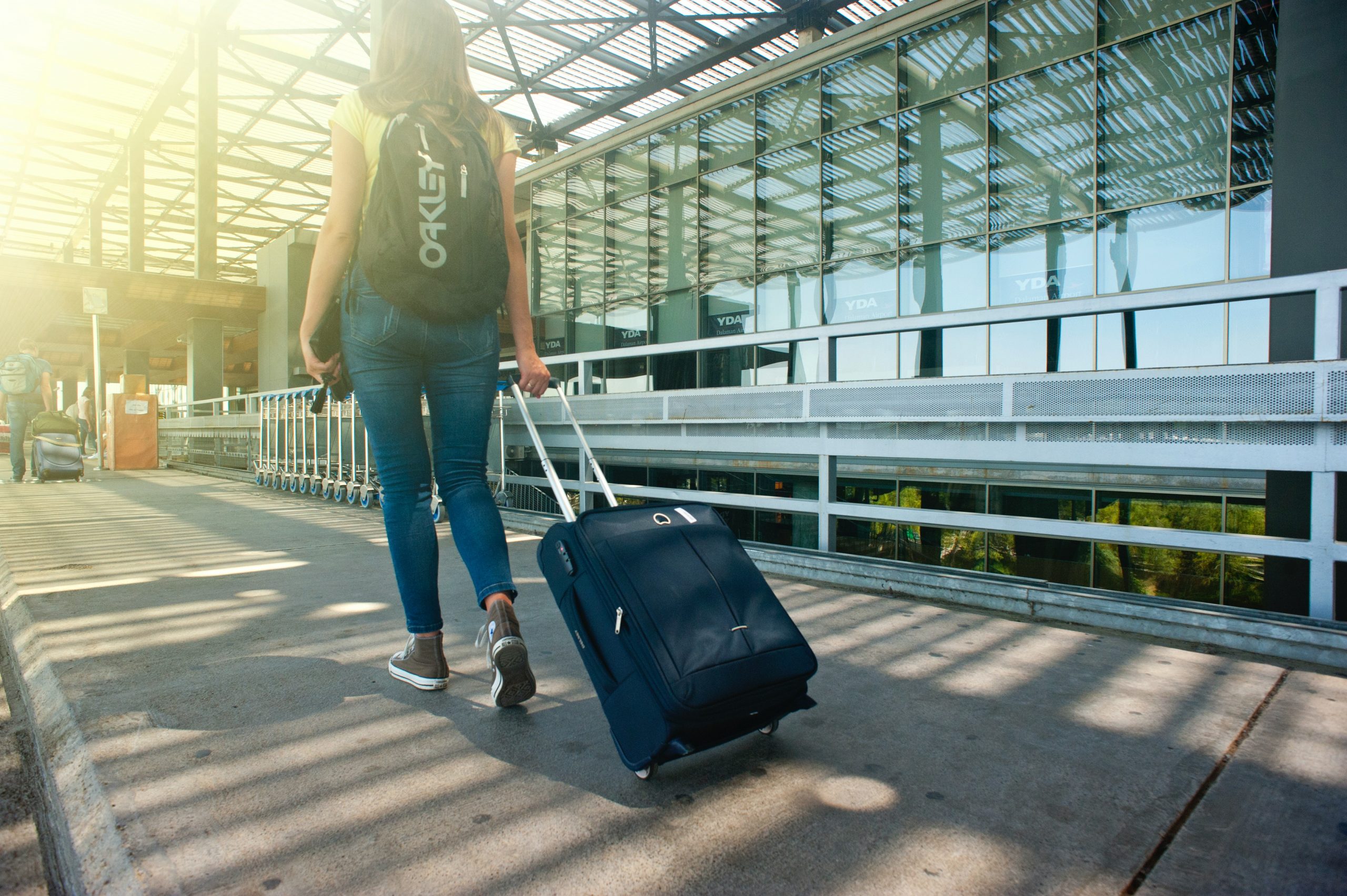
Whether you’re a seasoned jet-setter or gearing up for your very first flight, the truth is that flying can be overwhelming, chaotic, and downright exhausting if you’re not prepared. From overbooked flights to long security lines and jet lag that lingers for days, modern air travel is often more stressful than it needs to be. But it doesn’t have to be that way.
Most air travel mishaps can be avoided with a little pre-flight strategy, smart habits in the air, and a thoughtful post-flight routine. The difference between a frantic, frustrating journey and a seamless one often comes down to what you do before, during, and after your flight. A few clever adjustments can lead to more comfortable travel, fewer surprises, and even better health.
These 10 essential tips go beyond the basics no generic “arrive early” advice here. From seat selection secrets to what not to eat before boarding and how to trick your body out of jet lag, this guide is designed to help you fly better, feel better, and actually enjoy the journey.
Read here Best eSim for International Travel and Best Travel Insurance Comparison
Quick Easy Tips
Book flights that depart early in the day—they’re less likely to be delayed.
Bring an empty water bottle to fill after security and stay hydrated in the air.
Download offline maps and entertainment ahead of time—you can’t rely on airplane Wi-Fi.
Wear compression socks on long flights to prevent swelling and improve circulation.
Set your watch to the destination time zone as soon as you board to start syncing your body clock.
Here’s the part airlines don’t advertise: the entire air travel industry is built for their efficiency, not your comfort. Overbooked flights, tight legroom, and inconvenient boarding procedures all serve corporate margins not passenger well-being. Many passengers accept this as the norm, but smart travelers quietly work around it.
Another rarely discussed truth? Flying is incredibly dehydrating and disrupts your immune system. Yet most airlines offer meals loaded with salt and caffeine, making things worse. While they hand out sugary snacks, what you really need is hydration, light movement, and nutrient-dense food before and after your flight. Learning to eat right and skip the in-flight offerings can dramatically improve how you feel upon arrival.
And let’s address the lie behind “jet lag just happens.” Jet lag isn’t just about time zones it’s about how well you prepare your body. Most travelers don’t realize that screen exposure, lack of sleep before the trip, and skipping meals at the wrong time are choices, not inevitabilities. Resetting your internal clock starts before takeoff not when you land.
Best Tips for Flying – Before Your Flight
1. Booking and Preparation
Book Early: Secure your flights early to get the best prices and seat options.
Choose the Right Seat: Use tools like SeatGuru to choose the best seats based on legroom, proximity to restrooms, and other factors.
Check Visa Requirements: Ensure you have the necessary visas and travel documents for your destination.
Check-In Online: Check in online 24-48 hours before your flight to save time at the airport and secure your preferred seat.
Don’t just go for the cheapest ticket. Book flights for mid-week (Tuesdays and Wednesdays are typically cheapest), and avoid peak business hours for lower crowds. Early morning flights are less likely to be delayed.
Tip: Use tools like Google Flights or Hopper to track price changes and book when fares dip.
Mistake to Avoid: Booking tight layovers. Always allow 90+ minutes for domestic and at least two hours for international connections.
2. Packing
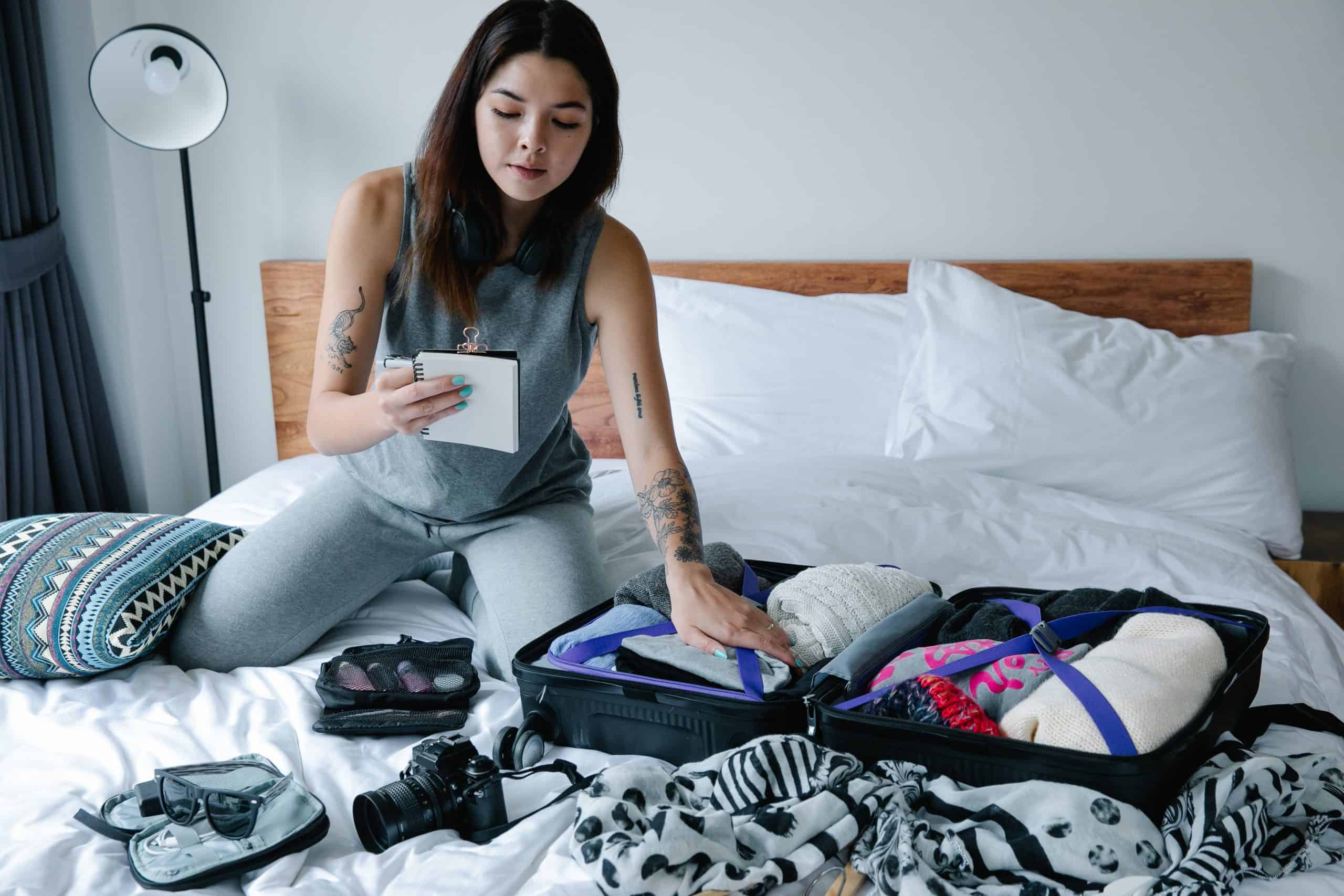
Pack Light: Minimize your carry-on and checked luggage to make traveling easier and avoid extra fees.
Essential Items: Pack essential items in your carry-on, including medications, important documents, a change of clothes, and valuable items.
Liquids Rule: Adhere to the 3-1-1 rule for liquids in your carry-on: 3.4 ounces (100 ml) bottles or less, all in a 1-quart-sized clear plastic bag.
Comfort Items: Bring a neck pillow, eye mask, earplugs, and a lightweight blanket or shawl for added comfort during the flight.
Stick to a carry-on if you can. You avoid baggage fees and never worry about lost luggage. Pack a change of clothes, snacks, chargers, and travel-sized toiletries.
Tip: Use packing cubes to stay organized. Put liquids in an easy-access pouch.
Mistake to Avoid: Overpacking. TSA limits and overhead bin space are real. Know the size and weight rules for your airline.
3. Health and Safety
Stay Hydrated: Drink plenty of water the day before and during your flight to stay hydrated.
Avoid Alcohol and Caffeine: These can dehydrate you and disrupt your sleep.
Vaccinations and Health Checks: Ensure you have the necessary vaccinations and health checks for your destination.
Two of our favorite travel insurance: Heymondo Vs Safetwing cheapest travel Insurance. You can get for $135 USD your Heymondo Travel Insurance with Heymondo discount code valid for 90 days. Read our full comparison of Genki vs Safetywing Travel Insurance Review and the comparison Heymondo vs Genki
At the Airport
1. Arrive Early
Domestic Flights: Arrive at least 2 hours before departure.
International Flights: Arrive at least 3 hours before departure.
Even with TSA PreCheck, arrive at least two hours before a domestic flight and three for international. Security lines fluctuate wildly.
Tip: Check real-time security wait times online or via airport apps.
Mistake to Avoid: Cutting it too close. Airlines have hard check-in cutoffs, often 45 minutes before departure.
2. Security Screening
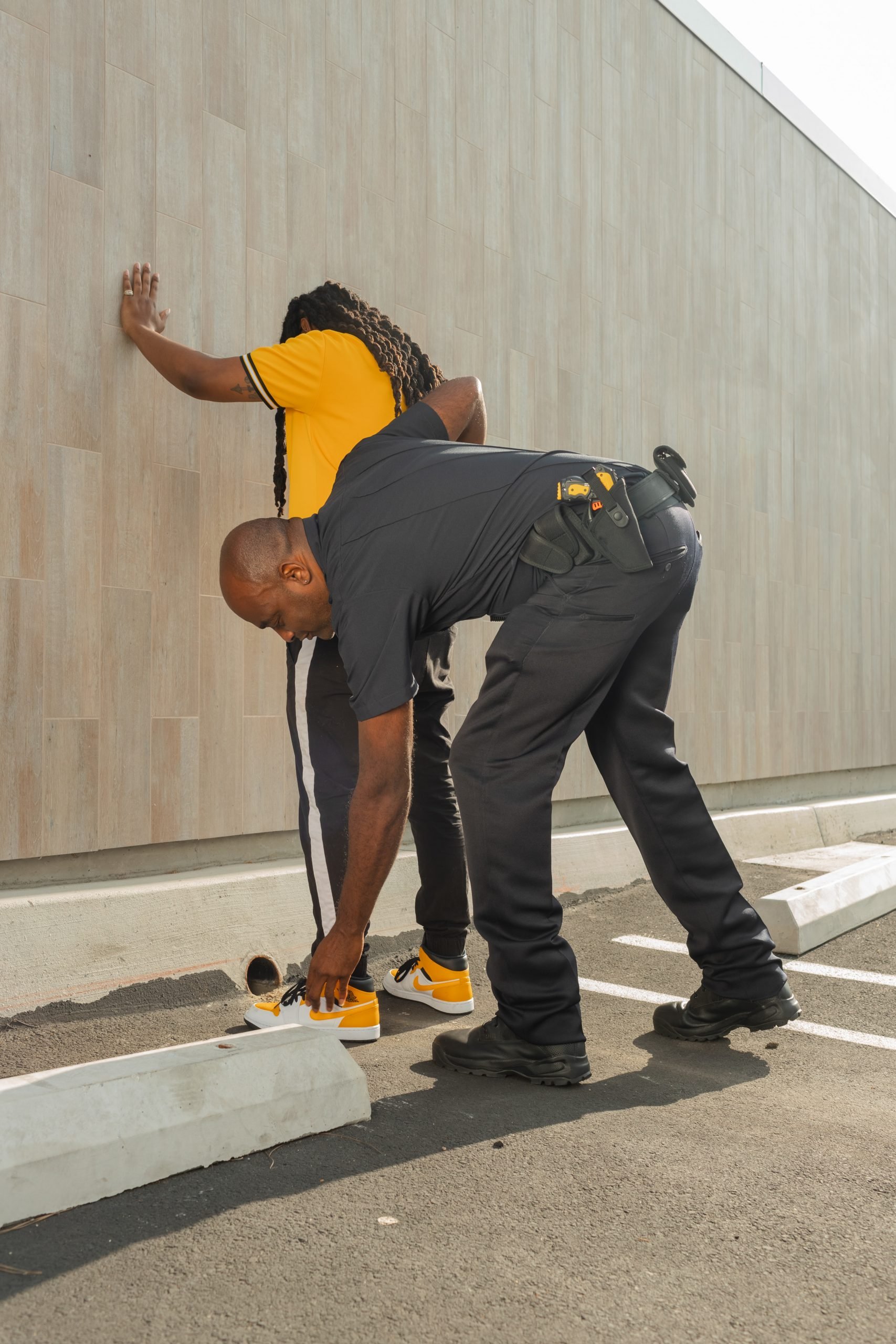
Prepare for Security: Have your boarding pass and ID ready. Wear easy-to-remove shoes and avoid wearing excessive jewelry or metal objects.
Laptops and Electronics: Place laptops and large electronics in a separate bin. Follow TSA guidelines for carrying liquids.
3. Check-In Online and Download Your Boarding Pass
Save time and avoid kiosks or counters by checking in 24 hours in advance. Most airlines offer mobile boarding passes that also update gate changes.
Tip: Take screenshots of your boarding pass in case the app fails.
Mistake to Avoid: Waiting until you arrive at the airport to check in—risking worse seat assignments or overbooking drama.
4. Lounge Access
Airport Lounges: Consider using airport lounges for a more comfortable wait. Check if your credit card offers free or discounted lounge access.
Consider purchasing a portable Wi-Fi device or an international data plan to stay connected during your trip.
During Your Flight
1. Comfort and Entertainment
Dress Comfortably: Wear loose, comfortable clothing and layer up to adjust to cabin temperature changes.
Layer up. Planes fluctuate between freezing and sweltering. Comfortable shoes, breathable fabrics, and a hoodie or scarf go a long way.
Tip: Compression socks reduce swelling and lower the risk of blood clots.
Mistake to Avoid: Wearing tight jeans, heavy perfume, or complicated shoes you’ll have to remove at security.
In-Flight Entertainment: Bring headphones, a tablet, or a book for entertainment. Download movies, shows, and music before your flight.
Neck and Back Support: Use a neck pillow and lumbar support to maintain good posture and reduce discomfort.
Don’t assume your seat will have a screen—or that it will work. Download movies, shows, podcasts, and playlists in advance.
Tip: Bring noise-canceling headphones or earbuds. Cabin noise can be loud and distracting.
Mistake to Avoid: Forgetting to download content or bring a power bank. Many budget airlines have no charging ports.
2. Health and Hygiene

Stay Hydrated: Drink water regularly throughout the flight.
Cabin air is notoriously dry. Dehydration worsens jet lag and can leave you feeling sluggish.
Tip: Bring an empty water bottle to fill post-security. Drink at least 8 oz per hour of flight.
Mistake to Avoid: Relying only on beverage service. It’s inconsistent, especially on short-haul flights.
Move Around: Stretch and walk around the cabin periodically to prevent stiffness and improve circulation.
Sanitize: Use hand sanitizer and disinfectant wipes to clean your tray table, armrests, and other surfaces.
Tray tables, seat belts, armrests, and touch screens are rarely cleaned between flights. Bring antibacterial wipes and clean your space before settling in.
Tip: Use a zip pouch with wipes, tissues, and hand sanitizer.
Mistake to Avoid: Assuming the plane is cleaned thoroughly. Airlines turn planes quickly, and germs stick around.
3. Sleep
Sleep Aids: Use an eye mask, earplugs, and a neck pillow to help you sleep. Consider natural sleep aids like melatonin if needed (consult your doctor first).
Seat Position: Recline your seat slightly for better comfort, but be considerate of the passenger behind you.
After Your Flight
1. Immigration and Customs
Documents Ready: Have your passport and any necessary documents ready for inspection.
Customs Declarations: Be honest and accurate on your customs declaration form.
Everyone wants to get off first. Unless you’re in the front, you won’t. Rushing causes delays and stress.
Tip: Use the time to check your next steps: baggage carousel, ground transport, or hotel info.
Mistake to Avoid: Standing in the aisle too early. You’re not going anywhere until the door opens.
2. Baggage Claim
Mark Your Bags: Use a distinctive tag or strap to identify your luggage easily.
Check for Damage: Inspect your bags for any damage and report it to the airline immediately if found.
If you checked a bag, examine it for damage before leaving the baggage claim area. Report any issues right away.
Tip: Take photos of your luggage before check-in for insurance claims.
Mistake to Avoid: Waiting until you’re at your hotel. Claims are harder to process after you leave the airport.
3. Ground Transportation
Plan Ahead: Arrange your transportation from the airport to your destination in advance. Options may include taxis, rideshares, shuttles, or public transportation.
Know whether you’ll take a shuttle, train, rideshare, or rental car. Airports vary wildly in how long it takes to reach city centers.
Tip: Download apps like Uber, Bolt, or local transit maps ahead of time.
Mistake to Avoid: Assuming taxis are the easiest option. In some cities, they’re expensive or limited.
4. Dealing with Jet Lag
Adjust to Local Time: Set your watch to the local time of your destination upon boarding the plane and try to adjust your eating and sleeping schedule accordingly.
Stay Active: Engage in light activities or take a walk upon arrival to help adjust to the new time zone.
Natural Light: Spend time outside in natural light to help reset your internal clock.
Read here How to recover from Jet Lag
Fatigue, irritability, and digestive issues can hit hard, especially after crossing time zones.
Tip: Adjust to local time by staying awake until at least 9 p.m. local time. Get sunlight, hydrate, and avoid alcohol.
Mistake to Avoid: Napping for hours right after arrival. It messes up your internal clock.
Final Thoughts
Flying doesn’t have to be exhausting if you approach it with intention. By preparing your body and mind ahead of time, traveling smart during your flight, and easing into your arrival routine, you can land feeling refreshed instead of ruined. These aren’t luxury tips they’re survival strategies every traveler deserves to know.
Next time you book a flight, think of it as a 3-part experience: what you do before sets the tone, what you do during shapes your physical well-being, and what you do after affects how quickly you bounce back. The journey doesn’t end when the plane touches down especially if you’re dealing with time differences, altitude recovery, or sleep debt.
So don’t settle for discomfort in the skies. The tips in this guide are tried, tested, and traveler-approved. Master them, and every flight whether short-haul or long-haul becomes less of a hassle and more of an opportunity to travel better than ever.

About the Author: Ruben, co-founder of Gamintraveler.com since 2014, is a seasoned traveler from Spain who has explored over 100 countries since 2009. Known for his extensive travel adventures across South America, Europe, the US, Australia, New Zealand, Asia, and Africa, Ruben combines his passion for adventurous yet sustainable living with his love for cycling, highlighted by his remarkable 5-month bicycle journey from Spain to Norway. He currently resides in Spain, where he continues sharing his travel experiences with his partner, Rachel, and their son, Han.